It took writing and publishing eight books before I learned what Huck did after one:
“… there ain’t nothing more to write about, and I am rotten glad of it, because if I’d a knowed what a trouble it was to make a book I wouldn’t a tackled it, and ain’t a-going to no more.”
On that note, somewhat similarly, Anita Brookner’s “A Start in Life” begins:
“Dr Weiss, at forty, knew that her life had been ruined by literature.”
My life’s not in tatters due to books, but I would have a very different life had I, like my father, never read a book. But that’s the subject of another book, which I probably won’t write.
The eight books are all different in scope and form (four are novels, two poetry, one a children’s book, and the last a collection of odds and ends). Below are brief summaries of all eight books with cover pics and links to Amazon. I really don’t think any will spell anyone’s ruin. And you might even enjoy them, though that’s not guaranteed.
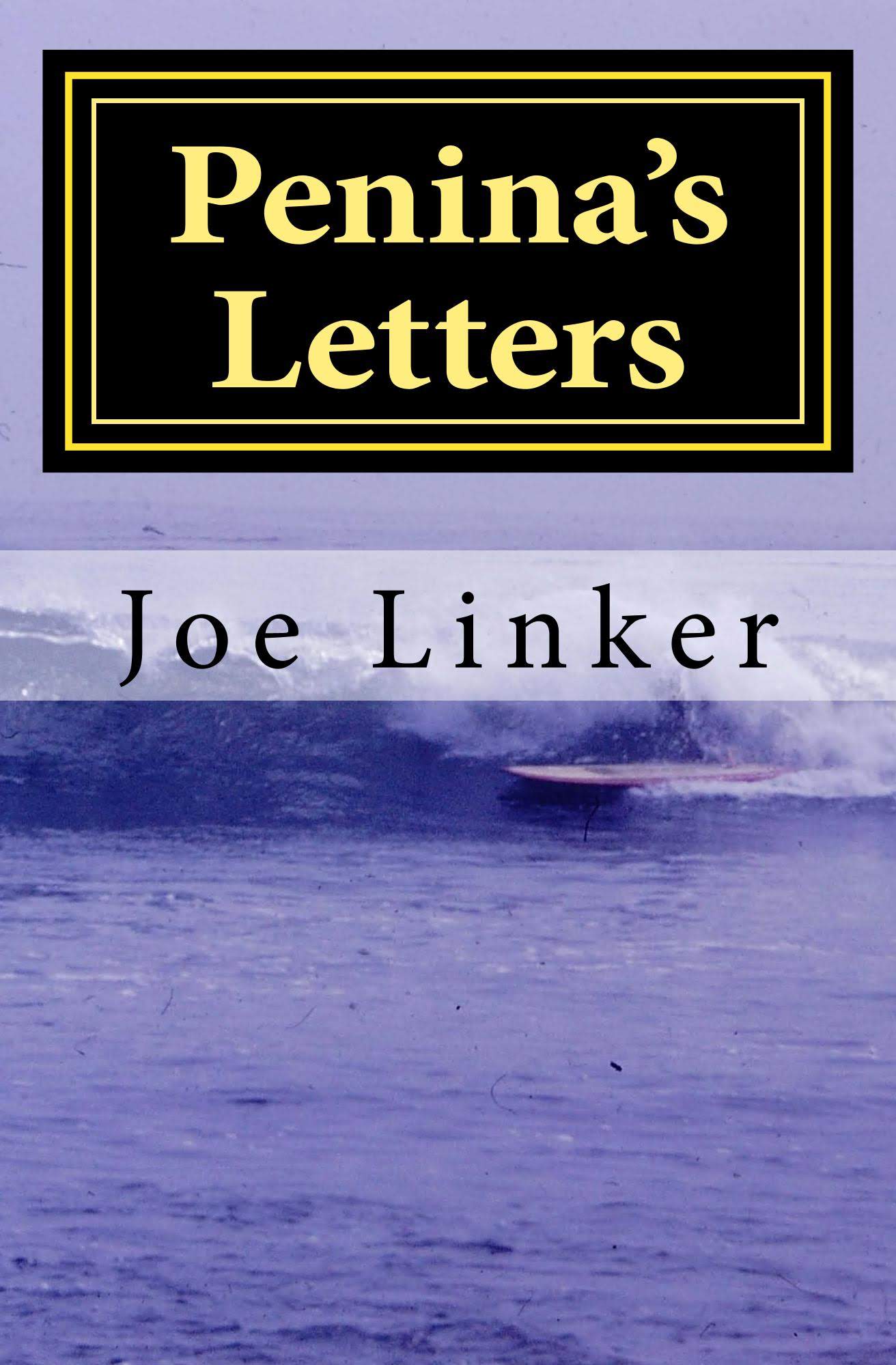
“Penina’s Letters”
Salty hopes for a quiet return to his old life. Instead, he is thrust into a chaotic homecoming party at Puck Malone’s surfboard shop, where the intense, romantic, and often surreal letters he wrote to Penina from the war zone are passed around and read aloud, introducing the rift between his romanticized longings and the discord of the present. What he does next surprises everyone:
“All the fuss and hullabaloo, and a war just peters off. But none of that matters here. This isn’t going to be about the war. I don’t have any gory stories, nothing painting war as hell. Hell is an ocean with no waves. This is going to be about surfing and how I paddled out to live on the water after throwing Penina’s letters off the end of the Refugio jetty.”
Set in the surf-soaked culture of late 1960s Santa Monica Bay, “Penina’s Letters” follows Salvador Persequi’s homecoming weeks as he trades the grease and grit of the motor pool for the familiar scents of sea salt and surfboard resin in Refugio, navigating a landscape of changed lives, fractured loyalties, and the “sound effects” of a mind still adjusting to the silence of peace and the noise of the ocean.
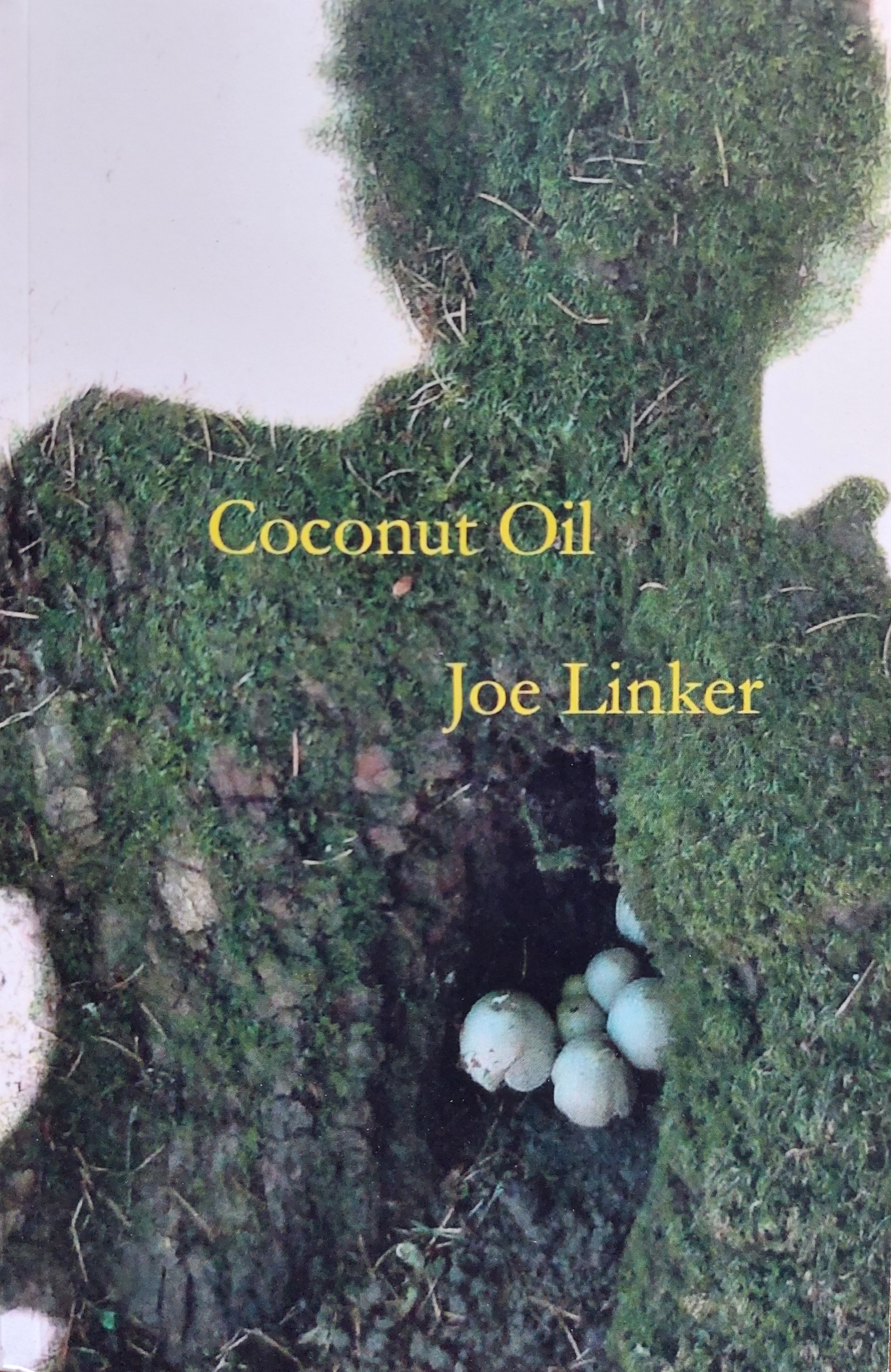
“Coconut Oil”
Penina and Salty return to Refugio, a fictional beach town on Santa Monica Bay, forty years after the close of “Penina’s Letters.” Married for decades, they come back to a community altered by time, pressure, and quiet need, where questions of belonging and responsibility surface in daily life. As a nearby homeless encampment and a young girl named Waif enter Penina’s orbit, the boundaries between private marriage and public obligation blur. Lyrical but grounded, reflective, quietly and wryly comic, this character-driven but experimental novel explores marriage, community, and displacement.
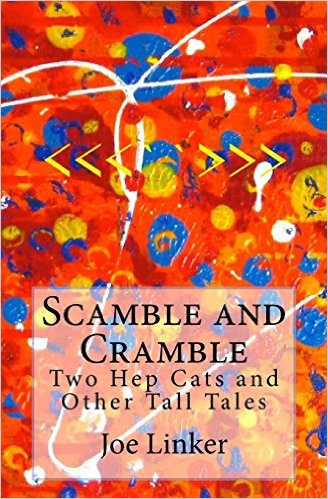
“Scamble and Cramble”
Scamble is a hep cat with stripes moving in every direction, while the wiry, frazzled Cramble often finds himself sitting in the shape of a literal ampersand. The cats are featured in this collection of “tall tales” that uses concrete poetry techniques (created with standard keyboard symbols and accessible fonts) to bring a cast of characters to life, including Emmet the Ant, who marches across pages of the book, Peepa and Moopa, two true friends building sandcastles by the surf, Frankie and Roxy, sisters discovering the difference between the “inside” and the “outside,” Ms. Dress and Mr. Shorts, who enjoy “garage sailing” and tea time, and Juicy Droolzy, the dog from across the street who is “all over the place.”
From the high-flying adventures of ZZ swinging over the moon to the poignant memories of Oliver the orange tabby, the stories celebrate the curious, playful, and sometimes moody nature of our feline friends. Whether it’s a “Punctuation Parade” or a quiet moment in a “Portrait of Zoe,” this book is a children’s work for readers of all ages.
“What a hep cat is and what a hep cat does is the same thing…”
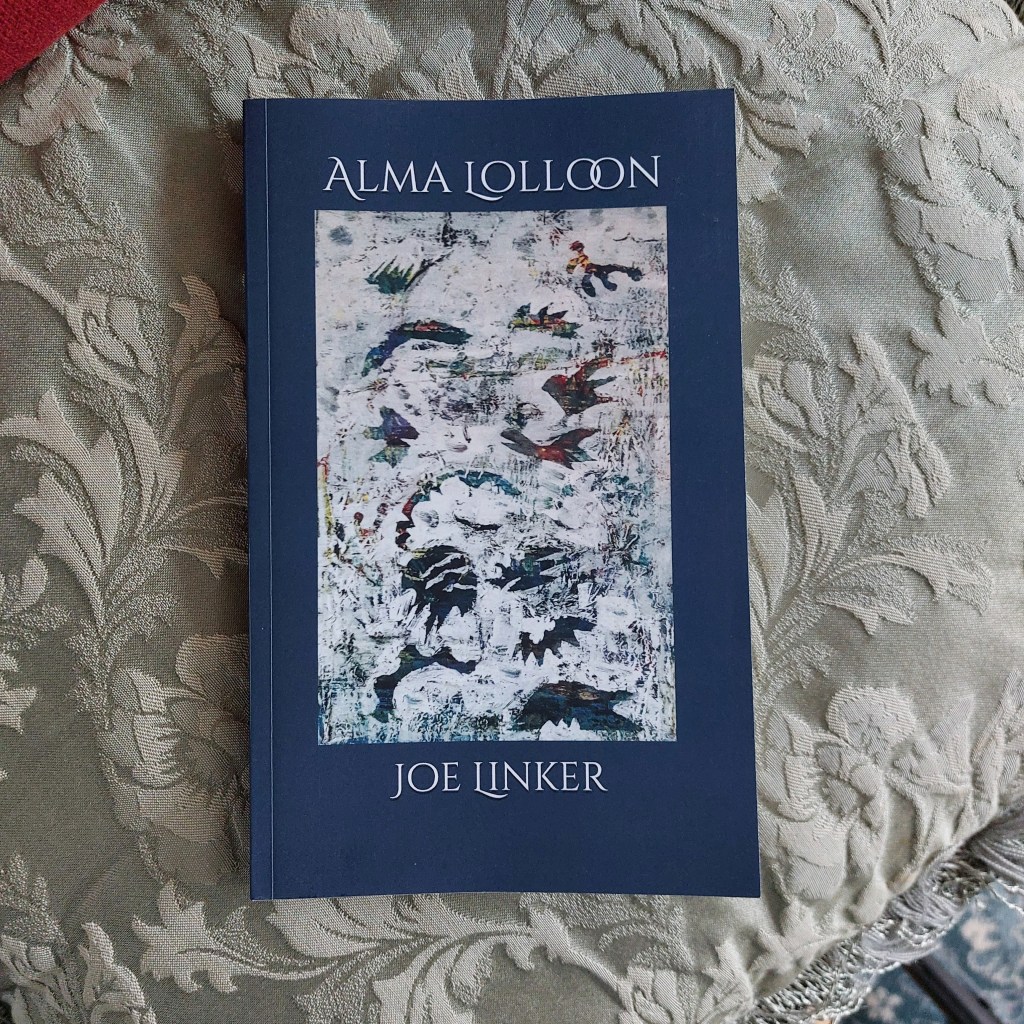
“Alma Lolloon”
Alma Lolloon is a career part-time waitress, a five-time widow, and an aspiring novelist with a “work-in-progress.” Saturday mornings, Alma meets with the “knitting ladies” at local coffee shops to read her latest chapters. What follows is a sharp-witted, metafictional journey through the red dust of memory, marriage, and the struggle to find one’s own voice.
“Experience, though noon auctoritee / Were in this world, is right ynogh for me / To speke of wo that is in marriage…” (epigraph from Chaucer’s “The Wife of Bath’s Tale”)
“Alma Lolloon” is a satirical deconstruction of the literary world, seen through the eyes of a woman who knows about people from behind a diner counter. As Alma recounts her experience with her five husbands, from a soldier drafted to Vietnam to a corporate executive, she must contend with the biting critiques of her own audience, including the pedantic Hattie, who demands a “traditional plot” where Alma only offers raw experience.
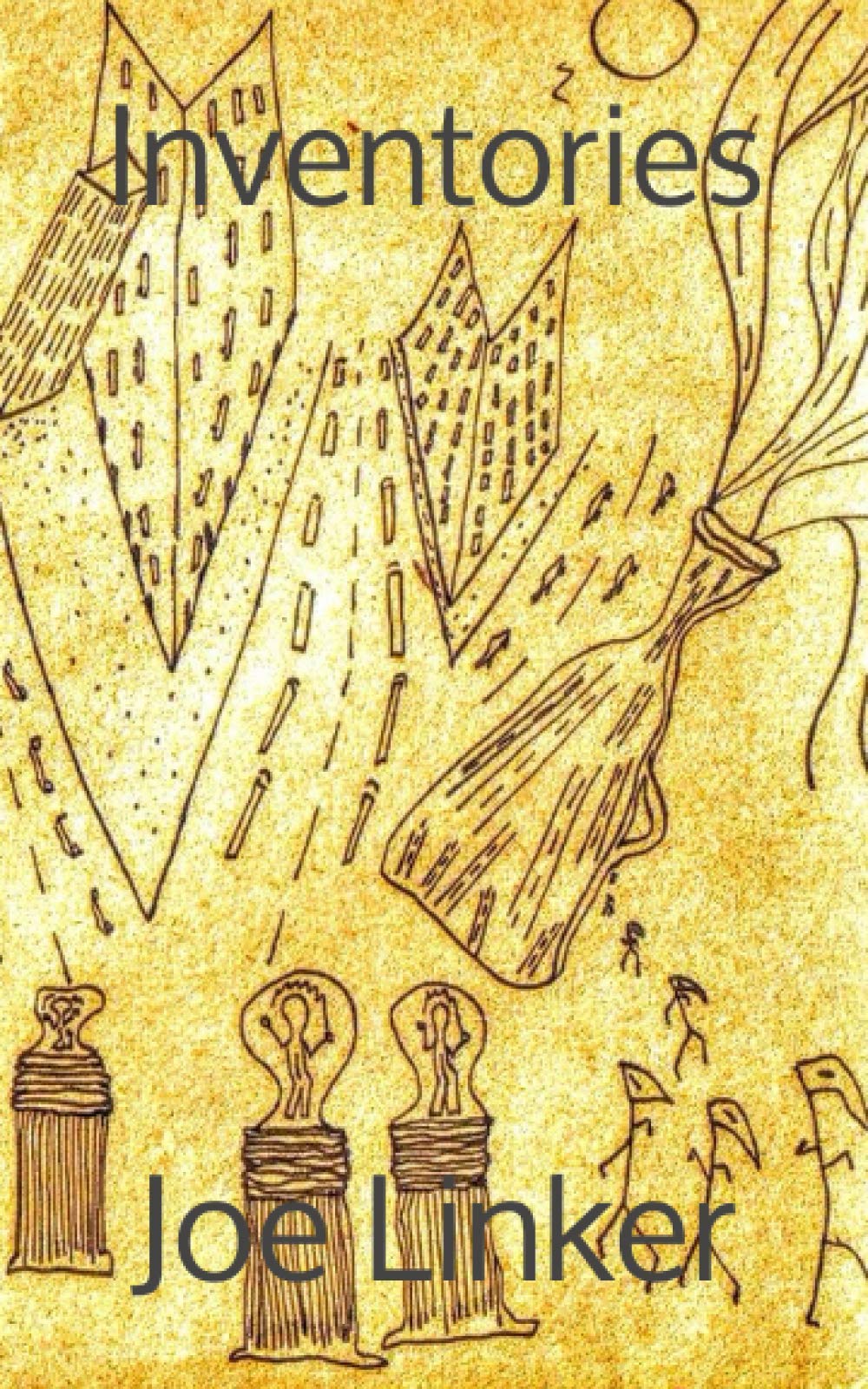
“Inventories”
“Inventories” is a surreal, genre-bending odyssey through the red dust of business, minor gods, and the ultimate search for simplicity. Glaucus is a mistake of the gods. Part human, part something else, he has the rare ability to change his size at will, though the cost of energy is high and the results are often random. Working as an in-house Risk Manager for an elite brokerage specializing in extreme and unusual risks, Glaucus finds himself gobsmacked when a massive $300 million transaction is hacked and vanishes into cyberspace.
From the rain slicked streets of Seattle south to the sun drenched vine country of California, “Inventories” follows Glaucus on a picaresque trip to recover the missing file. Along the way, he encounters a cast of eccentric characters. Written in 81 “episodes,” “Inventories” is a philosophical exploration of agency versus accident, the absurdity of modern commerce, and the inventories we take of our own lives when we finally decide to walk away from it all.
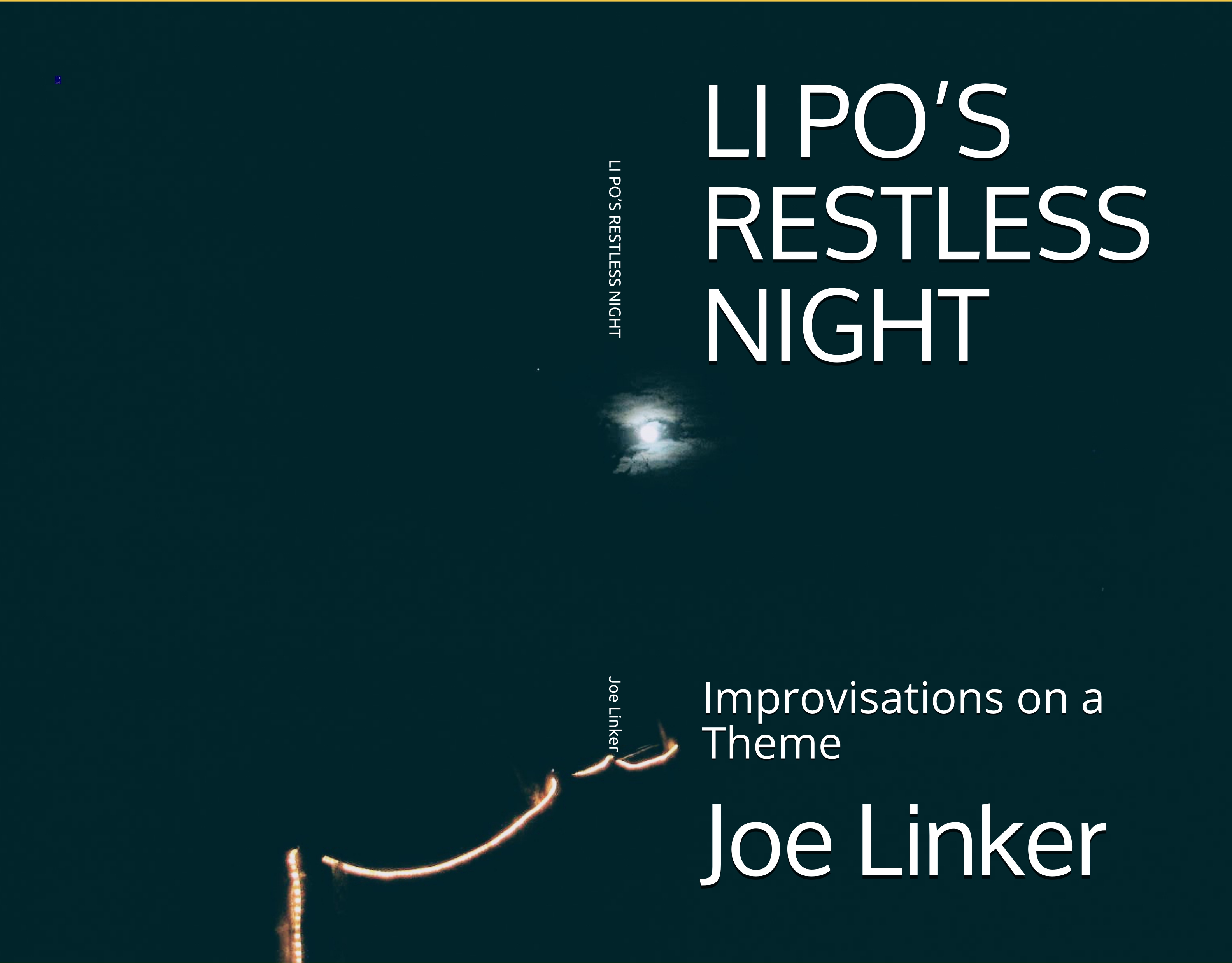
“Li Po’s Restless Night”
What happens when an ancient Chinese poem becomes a lifelong obsession?
“Li Po’s Restless Night” includes 101 variations on themes of exile, memory, and moonlight. Inspired by the classical Chinese poet Li Po’s famous work, the variations, or improvisations, explore a life spent between the rigid world of business and the fluid world of memory. From the barracks of Fort Huachuca to the lonely neon glow of modern motels, the poems navigate the space between who we are and where we call home. Includes an explanatory essay, a moving story of Florence, the student and teacher and friend who translates and introduces the Li Po poem, and a history of reading Li Po translations. “Li Po’s Restless Night” may interest students of classical Chinese literature or travelers looking for a companion on a sleepless night.
“Saltwort”
SALT-SPRITZED AND WEATHERED, there is a seasoned quality to the writing in “Saltwort,” a fifty-year collection (1967–2017). From the surf-washed beaches of 1960s California to the “red dust” of the modern business world, these poems and prose pieces find the extraordinary in the mundane: a plumber’s van with a shelf for books among the tools, the ritual of Army coffee, the “frizzled” harvest of a pumpkin patch, and the quiet vertigo of an urgent care waiting room.
FROM GRITTY REALISM TO SURREAL JAZZ RIFFS, the language of “Saltwort” is attuned to the music of the sentence. Whether riffing on Kafka or baseball, the voice remains unfiltered and honest. The collection features a delightful blend of humor, satire, and irony—including a sestina featuring Charles Bukowski, a form the “brewed bard” likely never used, which transforms into a lyrical, gutter-full beauty. Guided by a foreword from Salvador Persequi (of “Penina’s Letters”), the reader is invited to take shoes off and paddle out.
“end tatters”
Short essays, fiction, and poems make up “end tatters.” New and Collected Writing.
 The Coming of the Toads