Caleb Crain has posted an interesting Leaflet devoted to questions of consciousness and an afterlife. If there is an afterlife, why (Caleb tells us Henry James in particular wondered) has no human soul ever come back to haunt or cheer its former digs? James might have been conflating consciousness with brain. (Calling consciousness “mind,” Buckminster Fuller radically distinguished between the two.) Caleb wonders about the infinite possibilities inherent in a consciousness that thinks about itself.
Reading Caleb’s post, and thinking about his aloof Henry, I began to wonder for myself. If consciousness is infinite (as James and Caleb both seem to suggest possible), it must be round, with no beginning and no end, and not linear, so we might also wonder not only about a possible afterlife, but about a prior life, and why has no one ever visited there, or have any memory of it. If we fear or wonder about death and an afterlife, we might recall that we’ve experienced it before, for where were we before we were born, if not dead, which we seem to have survived, for here we are.
An electrician I once had over to the house to work on some wiring told me, apparently working under some severe predispositions and assumptions that I was the Christian of his definitions, that he didn’t believe in anything he couldn’t see or measure. Thus he brought his rudimentary science into my darkened basement.
William Blake held “the following Contraries to be True:
– Man has no Body distinct from his Soul, for that call’d Body is a portion of Soul discern’d by the five Senses, the chief inlets of Soul in this age.
William Blake, The Marriage of Heaven and Hell, 1793
– Energy is the only life and is from the Body, and Reason is the bound or outward circumference of Energy.
– Energy is Eternal Delight.”
The five senses then, work not so much to let reality (consciousness thereof) in, but to keep it out, for to take it all in at once would drown us, suffocate us, consume us, like Rilke’s angel (a kind of interpretive translation of the opening of Rilke’s First Elegy follows):
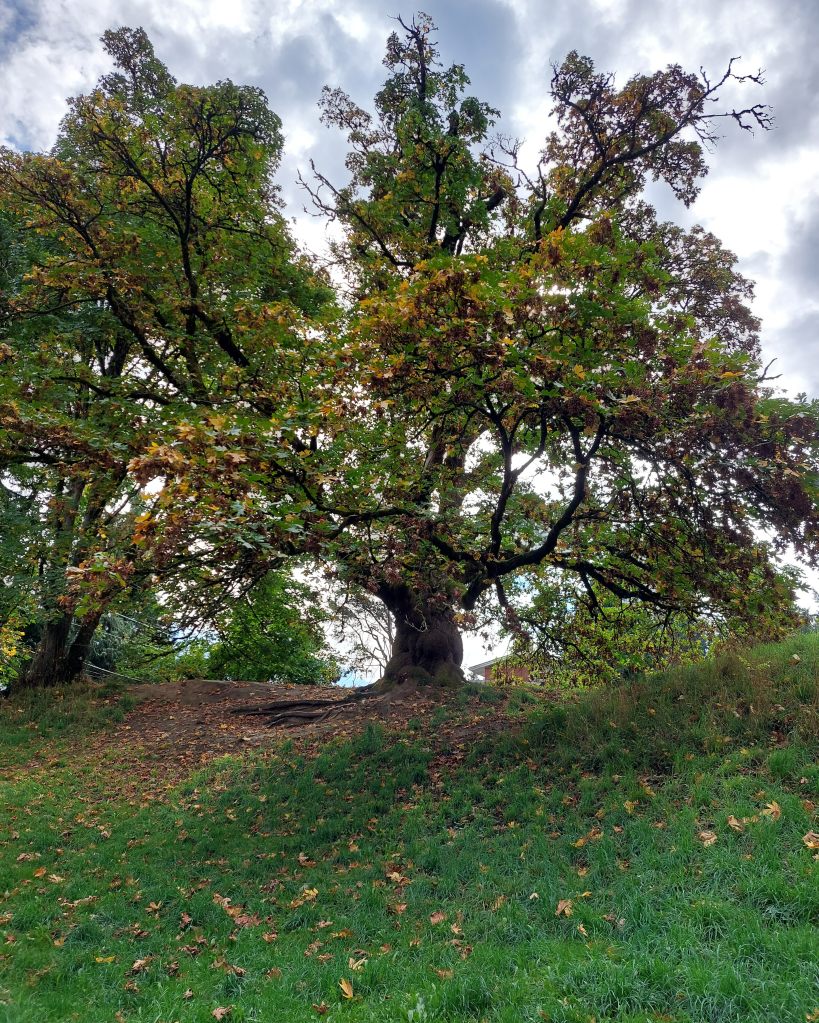
“Who, if I yelled out in my street, would hear me among the Angels’ Orders? And even if an angel hugged me quickly to her heart, I’d be consumed like a candle in her powerful embrasure. For beauty is the terrible beginning, that we hardly and barely (since so recently from the womb) endure, but here we still are, and while we wow in wonder the angel cools us, scores us, and her disdain destroys us even as she sustains us. Every angel is terrifying. And so I hold myself and hear my own and sole note of dark sob. God! Who can we reach out to with our need? Not angels, not one another, and the Disney animals see at once we are not at home in Oz, where all must be an interpreted world. That leaves us some tree on a hill, our eyes return to morning after morning, leaves us our child’s street and our parents and friends of old habits that drank and smoked there, loitered, and never left home. Only the angel can wear those magic slippers, hear those perfect notes. Oh! And the night, the night, well here it comes! When the wind full of space blows on our face, the night exists, is here, we want the night, but as soft as she is, she wounds, lists hard chores to be done the morrow, and we only the single of heart. It is not easy to be a lover. Lovers use each other to explore their only fates. You still won’t see? Throw the emptiness in your heart into the space of breath. Maybe the birds will feel the sudden burst of air with a passioned flight.”
from the first Duino Elegies, modified for this post
 The Coming of the Toads