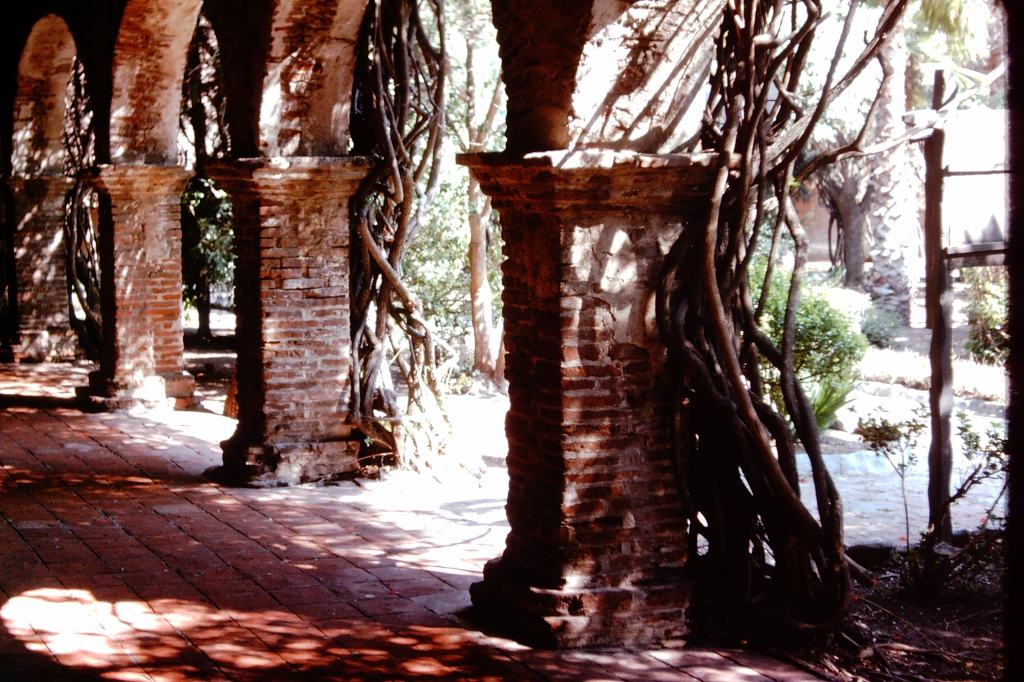
Old monk drunk walk garden
olive way moon path nude
blue light strain powder pouring
bare feet stains red muscatel.
On his rock sits Jesus eyes clear
tell him of your life sans joy
brave Brother Anhidonus oh
fun monk too but without joy.
Hung over herbs your Jesus praying
not an only child was he
resting for the weak of passion
who find no joy in silent being
feel no peace no happiness
no light of joy no sound of joy
for the ears no touch of joy no
raised goosebumps on the skin
no taste of joy sweet salty bitter
no sour bites teeth the tongue
no smell of joy stirs memories
no prayer saturates the temperate.
No joy found in going silent
sing for your soup of certitude
what has brought you not to
here certainly cannot help now.
“The cut worm forgives the plow”
Blake sang now you at least may
forgive yourself and drink to joy
lost to joy abstained all these years.
Walk out of this garden leave
transcend all plants and animals
there above where the angels sing
awaits the turn of your perfect being.
 The Coming of the Toads