Tag: Writing

  • Behind the Facades

    Behind the Facades

    Perhaps symbols have some meaning after all; otherwise, why bother trying to erase them? But if the symbol is a mask for a truth, why can’t the truth speak for itself? We all have a particular picture of ourselves, seldom the same picture others have of us. This seems true even with intimate relationships, long married couples, for example. We might come, after much experimenting, to value the simple and functional over the ornate and symbolic. But every creation of the human seems to suggest some facade, some outer covering or wrap behind which one might find origins, occasions, old arguments, claims, proposals – opposing viewpoints.

    In Richard Ellmann’s “Yeats: The Man and the Masks” (1948), we may conclude the mask for Yeats was not necessarily a cover for something else (personality, argument, belief) but was the essence of being human. One is born with a mask:

    “To start with its simplest meaning, the mask is the social self. Browning had spoken of two ‘soul-sides, one to face the world with,’ and one to show the beloved. But Yeats’s doctrine assumes that we face with a mask both the world and the beloved. A closely related meaning is that the mask includes all the differences between one’s own and other people’s conception of one’s personality. To be conscious of the discrepancy which makes a mask of this sort is to look at oneself as if one were somebody else. In addition, the mask is defensive armor: we wear it, like the light lover, to keep from being hurt. So protected, we are only slightly involved no matter what happens. This theory seems to assume that we can be detached from experience like actors from a play. Finally, the mask is a weapon of attack; we put it on to keep up a noble conception of ourselves; it is a heroic ideal which we try to live up to. As a character in The Player Queen affirms, ‘To be great we must seem so. Seeming that goes on for a lifetime is no different from reality.’ Yeats used to complain that English poets had no ‘presence,’ because they insisted upon looking too much like everyone else; a poet should be instantly recognizable by his demeanor. The poet looks the poet, the hero looks the hero; both may be deceiving others and they may even be practicing a form of deception upon themselves” (172-3).

    Nations and communities, too, wear masks. We see them at holidays, parades, celebrations. Sometimes ideas are codified in by-laws, rules, expectations official and informal. I’ve never been much of a fan of fireworks, or for the 4th of July. The flag covers the coffin of the soldier coming home. Independence Day, though of course not independence for everyone. I used to look forward to the 4th because it was an extra day off work, and the block picnic, if there was some guitar busking going on, beer and potato salad – beans, burgers, and dogs grilled to a crisp, sure, why not? But the fireworks, dangerously loud, the dogs and cats howling and scurrying for cover, the smoke and the intersection filling up with the burnt cardboard shells. And all of it, as celebration, such a facade, a mask. Well, but comes the opposing viewpoint, maybe not. Maybe what we see on the 4th is not a facade, but the truth of things. Irreverent and irrelevant, bombastic. Or, as the poet Robert Creeley put it: “Ritual removed from its place of origin is devoid of meaning.”
     

  • Virtually Nowhere

    Virtually Nowhere

    Writing for the New York Times Sunday edition for June 28, California veteran-reporter Shawn Hubler, reporting from Davis, California, on the ghost town effect Covid-19 is bringing to college towns across the country, and wandering around the abandoned town UC Davis keeps flush, notes, apparently sans irony: “Outside the closed theater, a lone busker stood on a corner playing ‘Swan Lake’ on a violin to virtually no one.” I know the feeling.

    Meanwhile, musicians across the globe are turning to virtual possibilities to keep their chops up in front of a live audience. Amateurs too are getting into the act, as evidenced by the creation of the “Live at 5 from the Joe Zone” shows, nearly nightly live broadcasts (5 pm PST) via Instagram “stories” and “IGTV” posts, featuring myself, a nephew, and three brothers, to wit: “The Joe Zone nightly Live at 5 with Joe@ketch3m@johnlinker@charleslinker@kevin_linker: Portland, Salem, Healdsburg, Ione, Drytown.” Listeners tune in to hear music and stories while watching the player, and comment live, often talking, virtually, to one another, via their online comments.

    The shows last anywhere from 10 minutes to an hour. These are not group performances. If we could figure out how to do that virtually, we might give it a go, but for now, each of us takes a night in our respective hometown pandemic quarantine digs and creates a solo show for the live entertainment of our loyal followers. The other night, I had 5 listeners in my audience (go ahead: irony, satire, and sarcastic comments all accepted with good grace). There were, at one point, 6 listeners, but one apparently came and went. It happens. But that was also a slow night. I’ve had as many as 14 live listeners, at once. Ok, ok, still not exactly Arena Rock. And, but, in any case, that’s not the point.

    If one saves the live show via IGTV, most followers eventually find it, but at which point it’s a kind of rerun. The key is to catch it live. But of course 5 in the evening is not necessarily the best time-fit for any given listener. I’ve not saved my shows beyond a few hours, if at all. I caught grief last week for an immediate delete, since Susan thought it was my best show yet, but the rerun dilutes the live effects. And the show is intended as a real quarantine activity, a virtual get-together, a virtual hoedown or hootenanny.

    Of course, all towns are potential ghost towns (there appears to be a gene for it they are born with), and all performances are played potentially “for virtually no one.” Still, Davis is but a rock’s throw from the much larger Sacramento (about a 20 minute drive) and just over an hour to the Bay. Not to mention it’s a major Amtrak stop for the north-south Starlight Special. In many other small college towns across the country you can already hear the whistle’s last blow and watch the tumbleweeds filling the streets.

  • Charlatan Beckett

    Charlatan Beckett

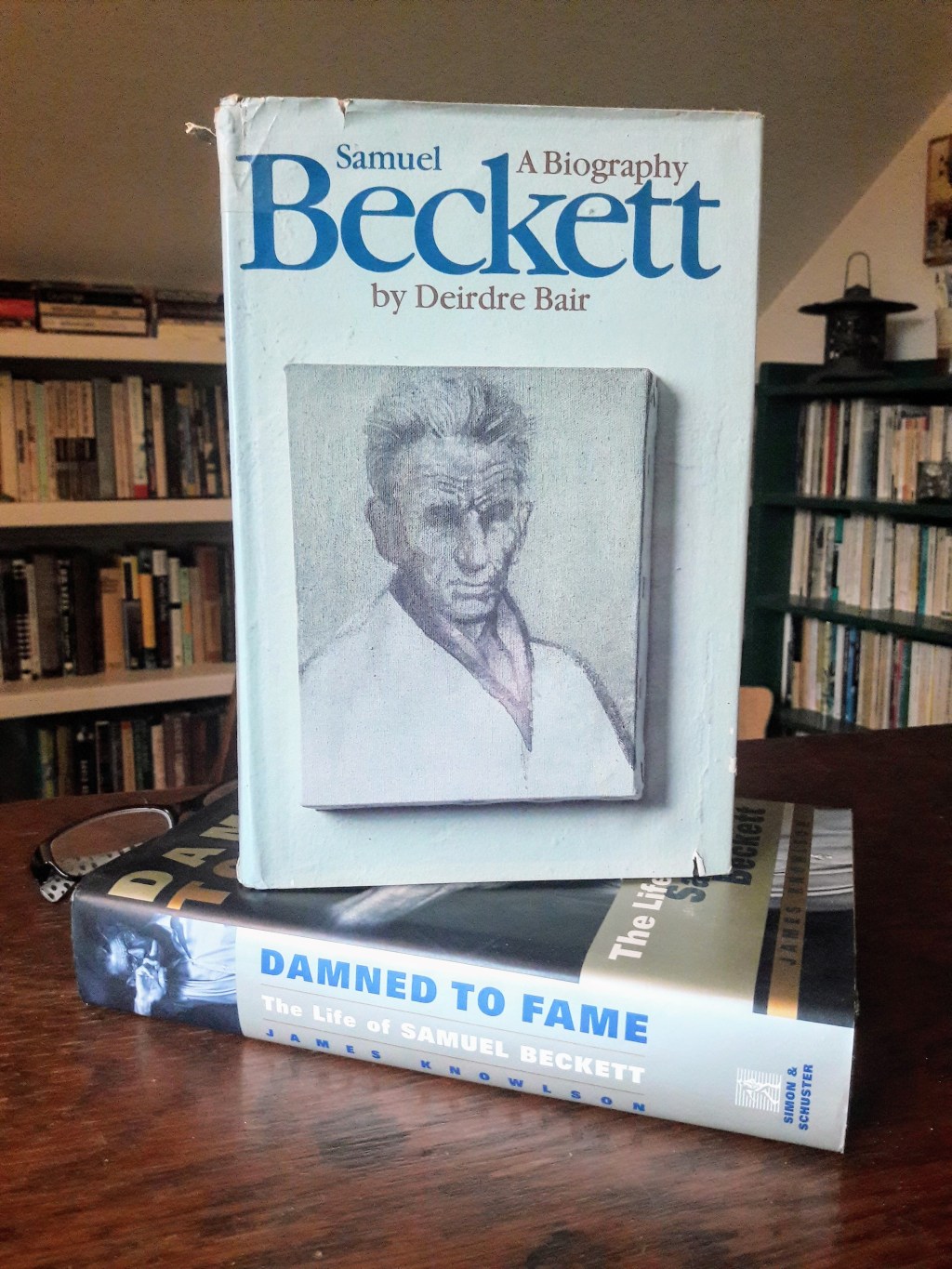
    The biographer Deirdre Bair, Samuel Beckett’s first official biographer, has passed away, the Times reports: ‘His first words to her, she wrote in “Parisian Lives,” were, “So you are the one who is going to reveal me for the charlatan that I am.”’

    Beckett may have hoped so. He certainly gave her that start, for he just gave away two key insights to his work. The etymology of charlatan includes “to prattle,” and “I talk nonsense.” And Charlie Chaplin’s work was fully enjoyed by Beckett. Chaplin was popular in France, and was colloquially called “Charlot.” Many (if not all) of Beckett’s characters seem inspired by the clown, the tramp, the outsider, the vaudevillian villain, whose humor reveals deep suffering truths of the human condition. We could die laughing.

    “You might say I had a happy childhood,” Deirdre Bair’s biography of Beckett begins. But the 1978 Times review frowns on the biographer’s focus on what appeared to be Beckett’s lifelong condition of anhedonia. For Bair, Beckett seemed the kind of person who had fun once, but didn’t enjoy it. Of course, Beckett himself fueled this kind of confusion, what he called tragicomedy.

  • Home-word Bound #1

    Home-word Bound #1

    Social distancing guidelines now include no more than 10 people gathered together in one place, and, anyway, to stay home. I grew up one of ten kids. The doors and windows to our house were never locked. I never even had a key to the place. And friends and friends of friends roamed freely across the threshold, in and out. A restriction of no more than 10 at any one time might have come as a welcome rule for my parents – but they rarely objected to visitors.

    I’ve lived at 19 different addresses over time, never alone, not including the room in the garage at the back of our lot my dad and I built when I got back from the army and found my digs in the house usurped by younger siblings.

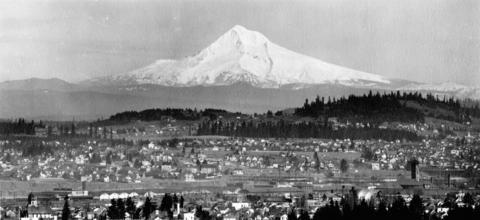
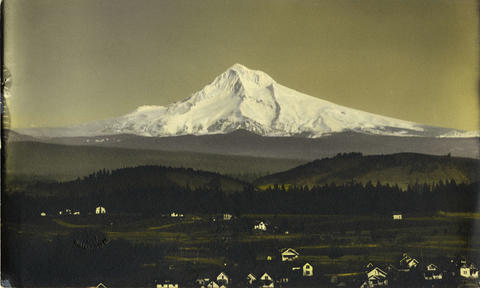
    But I’ve lived in the house I’m in now for 30 years. It was built in 1907 in what was then a mostly truck farming community or trolley commute from downtown Portland. The street name is now Southeast 69th Avenue, but it was originally named East View Street. A house this old comes with stories, particularly one that has been home to several households over the years. Those stories are often told by neighbors who have overlapped stays with other neighbors.

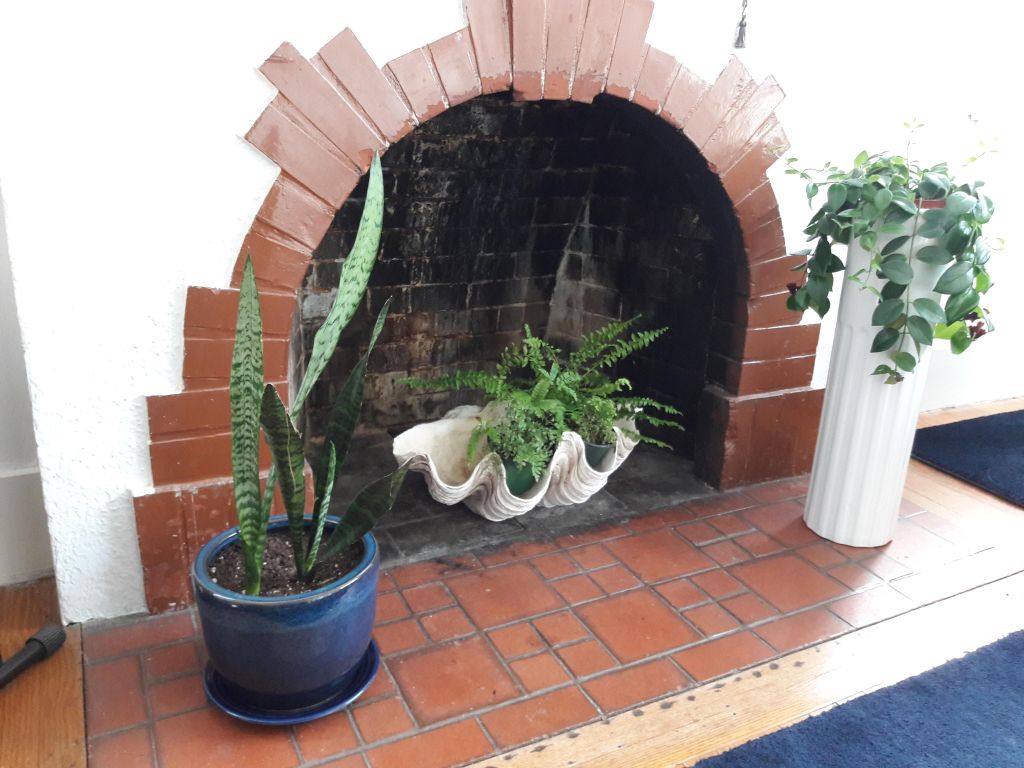
    Not long after we first moved in, I was digging around in the backyard and uncovered a large clam shell. The occupants just prior to us lived in the house 12 years before we moved in. The shell, we learned from one of our old-timer neighbors, predated those years. There had been a family, lived in our house, who hosted South Pacific sailors who regularly came to port for the annual Rose Festival (the first Rose Festival Parade was held downtown in 1907). One year, one of the sailors brought the shell as a gift for the house hosts. We learned from that same old-timer neighbor that another year one of the sailors died in the house. He collapsed from a heart attack in the entry room. His name was Joe. His host would later also die in the house, in the downstairs bathroom, also from a heart attack. His name was also Joe.

    Lately, homebound by local decree, I’ve increased my walks around the neighborhood, reflecting on houses. Local neighborhood lore tells of one house that was once a tuberculosis sanatorium, another that was a brothel, another that was a small barbershop, another that was a local post office. It’s not a neighborhood of any spectacular historical interest. While a few of the houses might maintain historical value, there’s no doubt that in another hundred years they will all be replaced. The clam shell might still be somewhere around, though. Maybe something still will be living in it.

    From Shakespeare’s “Hamlet,” Act II:

    Ham. Then is doomsday near: but your news is not true. Let me question more in particular: what have you, my good friends, deserved at the hands of Fortune, that she sends you to prison hither?

    Guil. Prison, my lord!

    Ham. Denmark’s a prison.

    Ros. Then is the world one.

    Ham. A goodly one; in which there are many confines, wards and dungeons, Denmark being one o’ the worst.

    Ros. We think not so, my lord.

    Ham. Why, then, ’tis none to you; for there is nothing either good or bad, but thinking makes it so: to me it is a prison.

    Ros. Why, then, your ambition makes it one; ’tis too narrow for your mind.

    Ham. O God, I could be bounded in a nut-shell and count myself a king of infinite space, were it not that I have bad dreams.

    East Portland, 1907. Mt Tabor is dark, tree covered hill, middle right.
    Photo: Oregon Historical Society.
    East Portland, 1891 (OHS). View looking east from Mt Tabor.
  • Motti, Lazzaro, and Django

    Motti, Lazzaro, and Django

    The Awakening of Motti Wolkenbruch (Swiss, 2018) is a coming of age story, Motti’s single marital status of existential concern to his mother, who tries to set him up with any number of, for Motti, unsuitable but available girls whose mothers are equally concerned about the marriage status of their daughters. But Motti has his own ideas about attractions and family values, even as his young and tender heart is yanked from his body by the carefree girl he falls off a cliff for, and a parental sponsored trip to Israel banking on his finding a girl the family can approve of only makes matters worse. Expect much laughter, and crying, out loud, with actors speaking German, Yiddish, and Hebrew. The Awakening of Motti Wolkenbruch is about the surprise of life.

    Happy as Lazzaro (Italian, 2018) is another coming of age story. Lazzaro does, literally, fall off a cliff, but not for love, and his heart remains surreally whole, inviolate, even as his body is bruised and abused. He’s a static character, the same at the end as at the beginning, even as life around him changes dramatically. The dwelling settings, country and city, are brutal but beautiful. The lives of the sharecroppers, under imprisonment and later emancipated but just as poor, still captives of poverty, illustrate that poverty is protean, affecting both the poor and the wealthy.

    Django (French, 2017). A dramatization of the life of the guitarist Django Reinhardt and his family during World War II. The Nazis persecuted the Gypsies, many of whom tried to flee to relatively safe zones, joined the resistance, or were caught, killed on the spot, or transported via train to the Nazi concentration camps. The film focuses on Django’s one attempt to escape France, and while he did try to escape to Switzerland, according to the book Django: The Life and Music of a Gypsy Legend (2004, Michael Dregni, Oxford University Press), Django spent most of the war in Paris, where he was allowed to continue playing his music because by then he and his music had become so popular. But he had to play for the occupiers as well as for the locals, his safe treatment thus coming at the cost of a kind of debt bondage. From the book:

    “Hitler bore a deep hatred for Gypsies…From 1933, German Gypsies were doomed. The Nazis barred Romanies from cities, shuttling them into settlement camps. Nazi doctors began sterilizing Romanies as early as 1933. And German Gypsies were required to wear a brown triangle sewn on their chest marked with the letter “Z” for zigemer, German for “Gypsy” – a precursor of the yellow Stars of David pinned to Jews (168)….Yet in Paris, Django was flourishing. Never did he have so much work or live in such sumptuous surroundings. Just as the Germans permitted jazz in Paris, they allowed Romany musicians to continue to play – and paid to come hear them every night” (169).

    Still, Django worried for his family and for his own life, and if some considered him a hero, others thought of him as a conspirator: “Being in the spotlight saved him from the fate awaiting other Gypsies, but Django began to sweat under the glare” (182). Django takes off with his pregnant wife and his mother. They get caught and are imprisoned, but then, in the absurd way these things seem to happen, Dregni says, “A miracle arrived in the unlikely form of the German kommandant. He was a jazz fan, and when he came to question his new prisoner, he was astonished. ‘My good Reinhardt,’ he said, ‘whatever are you doing in this fix?’ Django promised not to try to escape again, and was freed” (184).

    Django the film is must see for anyone interested in Gypsy jazz. But it’s also just a classic film – the acting, the setting, the timing, the war, the family and country drama and suspense. It features much magnificent music, including the organ “Mass” piece Django created. Django the book by Dregni should also be read. Django never learned to read or write, save at a most rudimentary level, and that late in his life (he died age 43). The book reveals a deep history of jazz music in Europe, particularly Paris, including stories of the many Black American musicians who traveled through Europe, most stopping in Paris, many playing with Django, following both World Wars. It covers the business of music and recording and performance management, popular success and failure, the changing style of jazz as musicians work to assimilate new music experienced from new exposures.

  • “end tatters” 1st Review, and a Cover Revision

    “end tatters” 1st Review, and a Cover Revision

    The first review of “end tatters” is in, received via cell phone text:

    “Finished End Tatters; especially liked About Confusion, Bells, and To Surf, which I hope to do this morning. Milk made me very sad. Waiting for your next novel. Alma and Penina my favorites.”

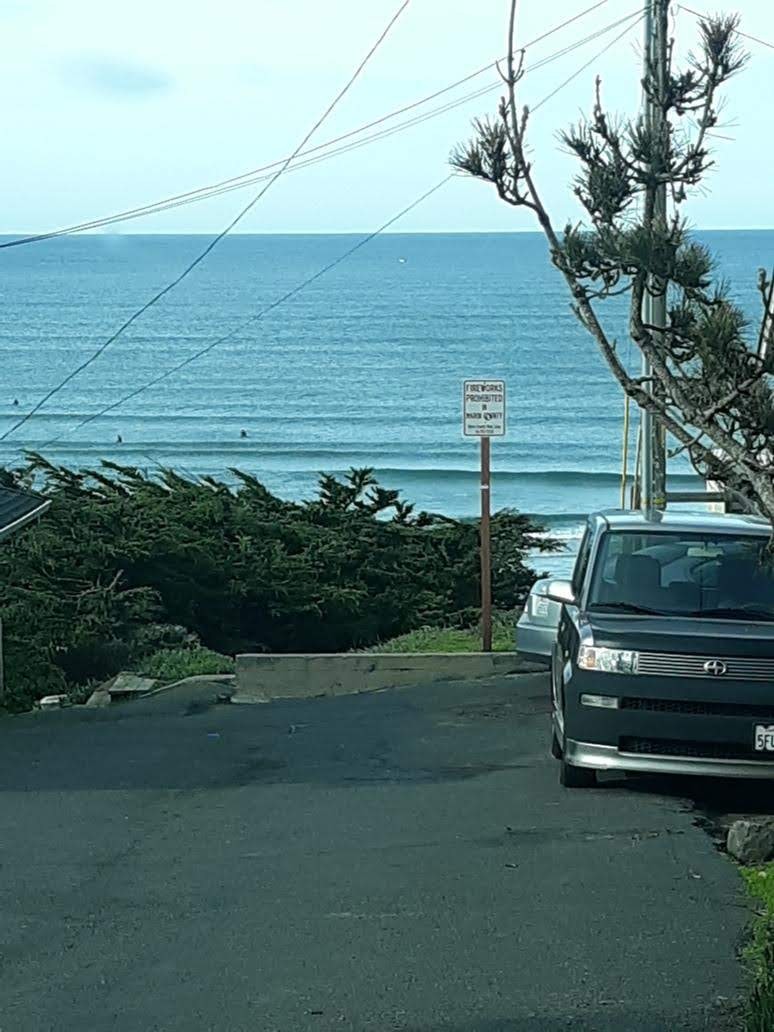
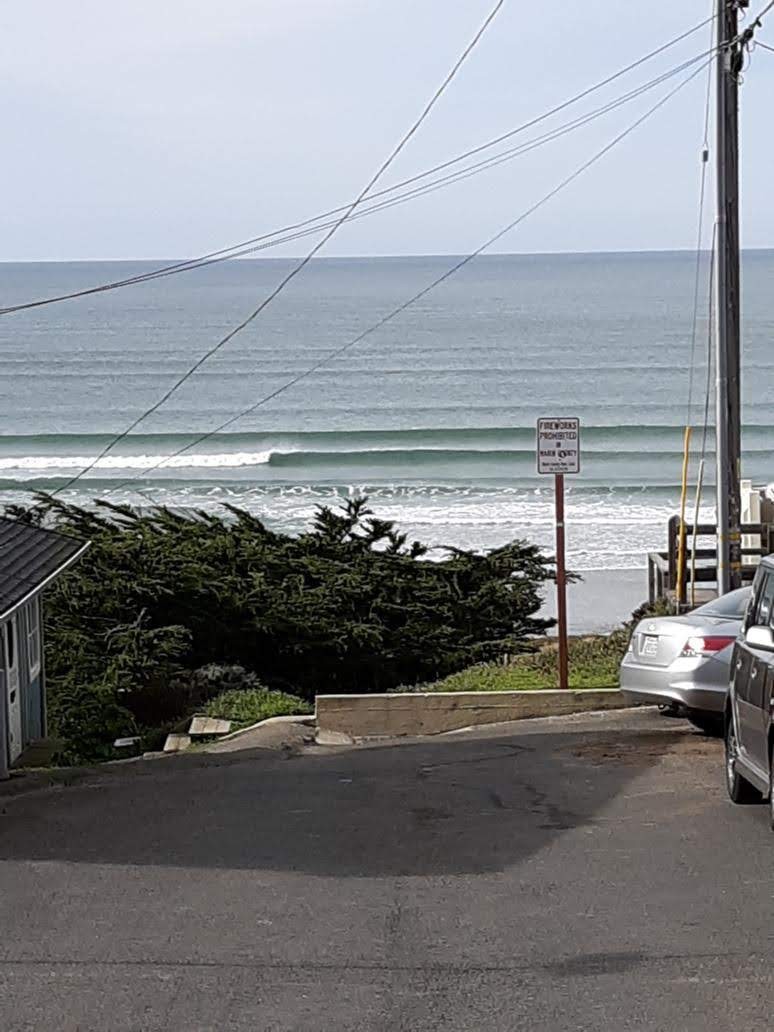
    To drive down, stop, and check out surf spots at the end of a beach town road is part of surfing. A second text from our first reviewer came in that evening, with a couple of pics and a note that he had made it into some waves:

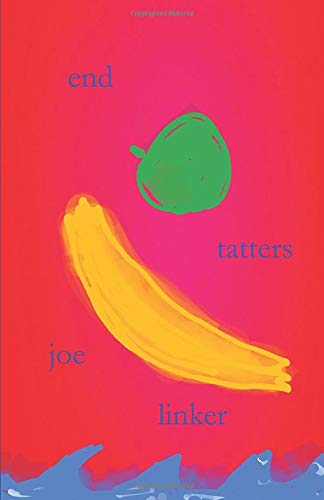
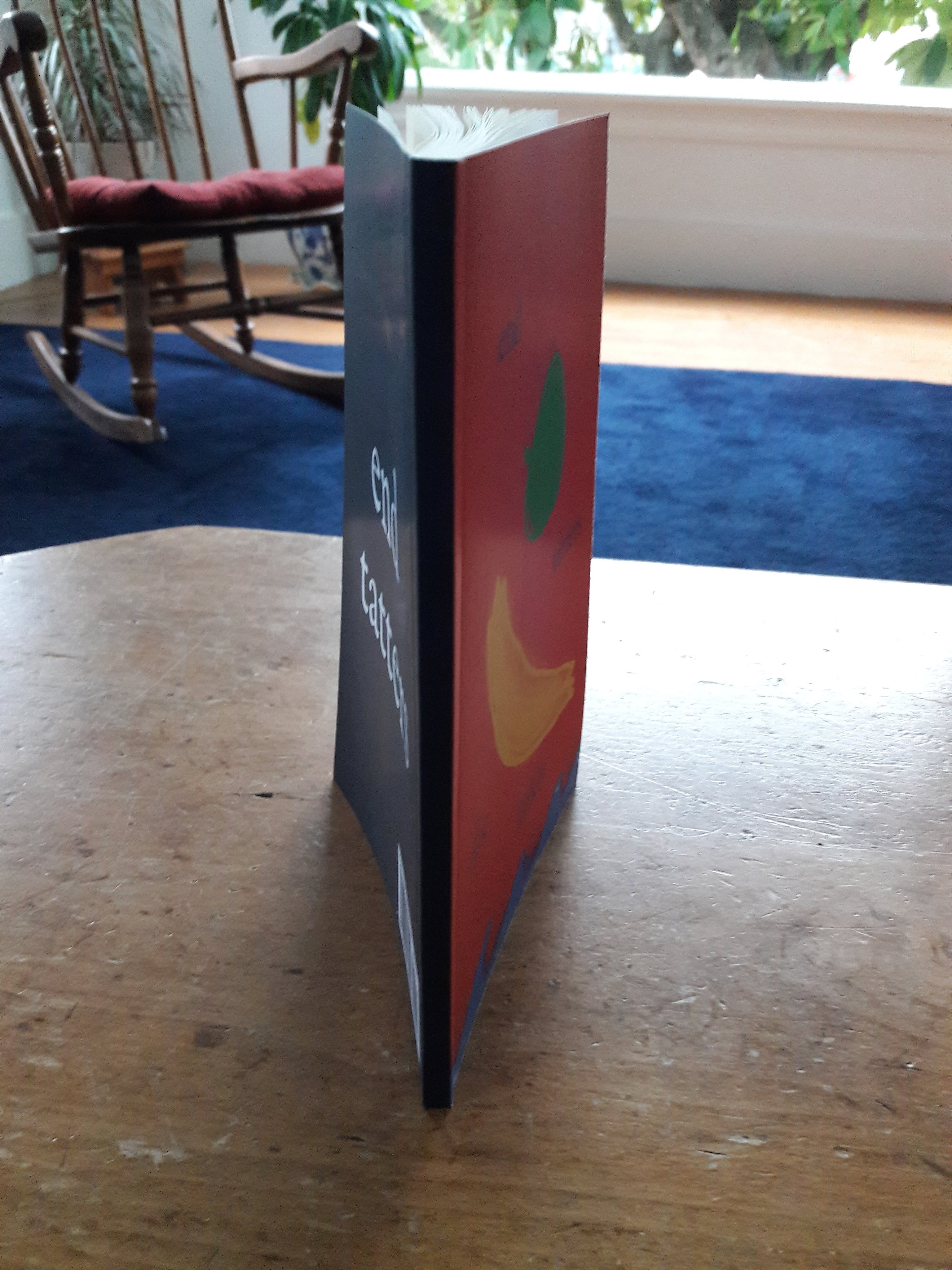
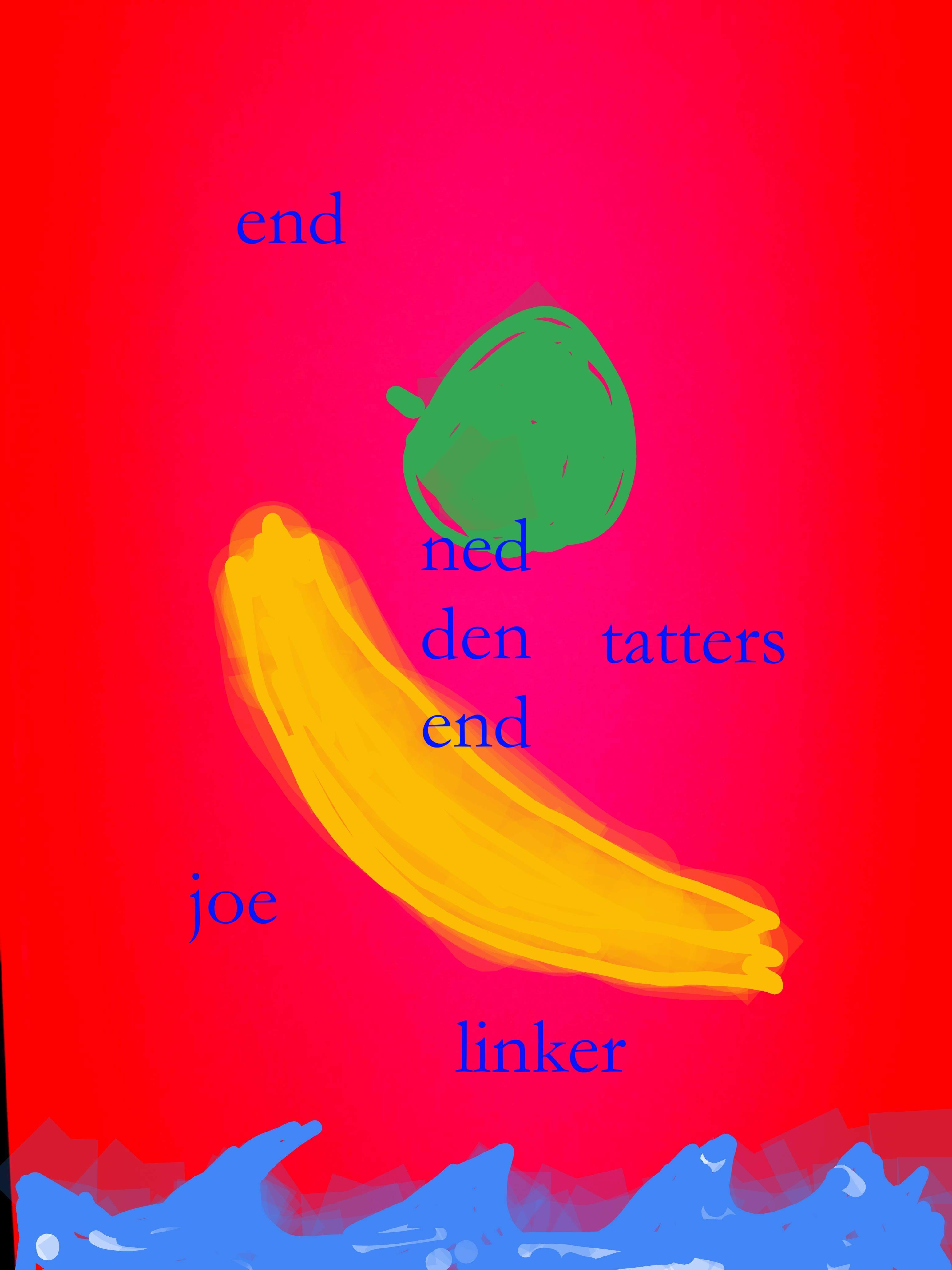
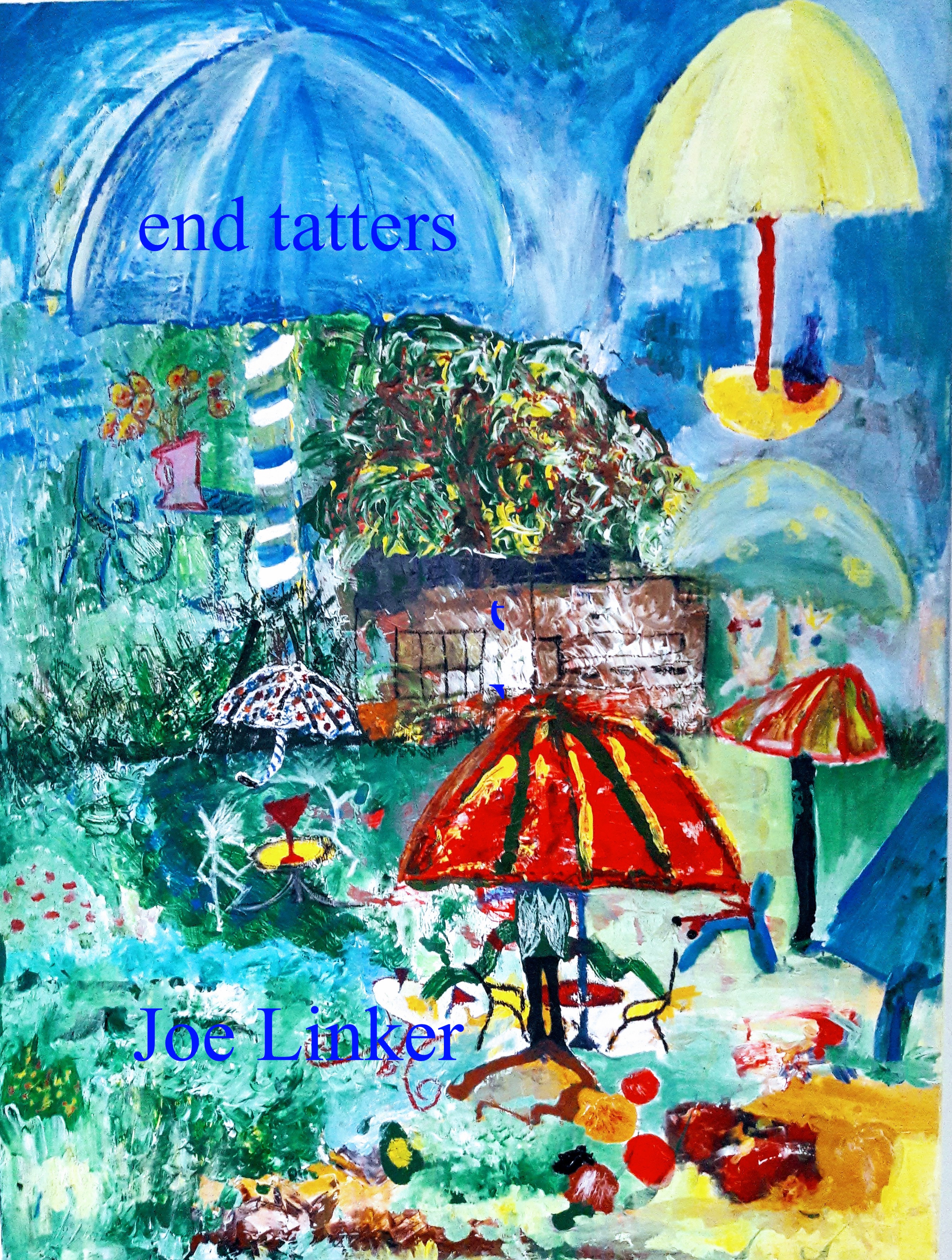
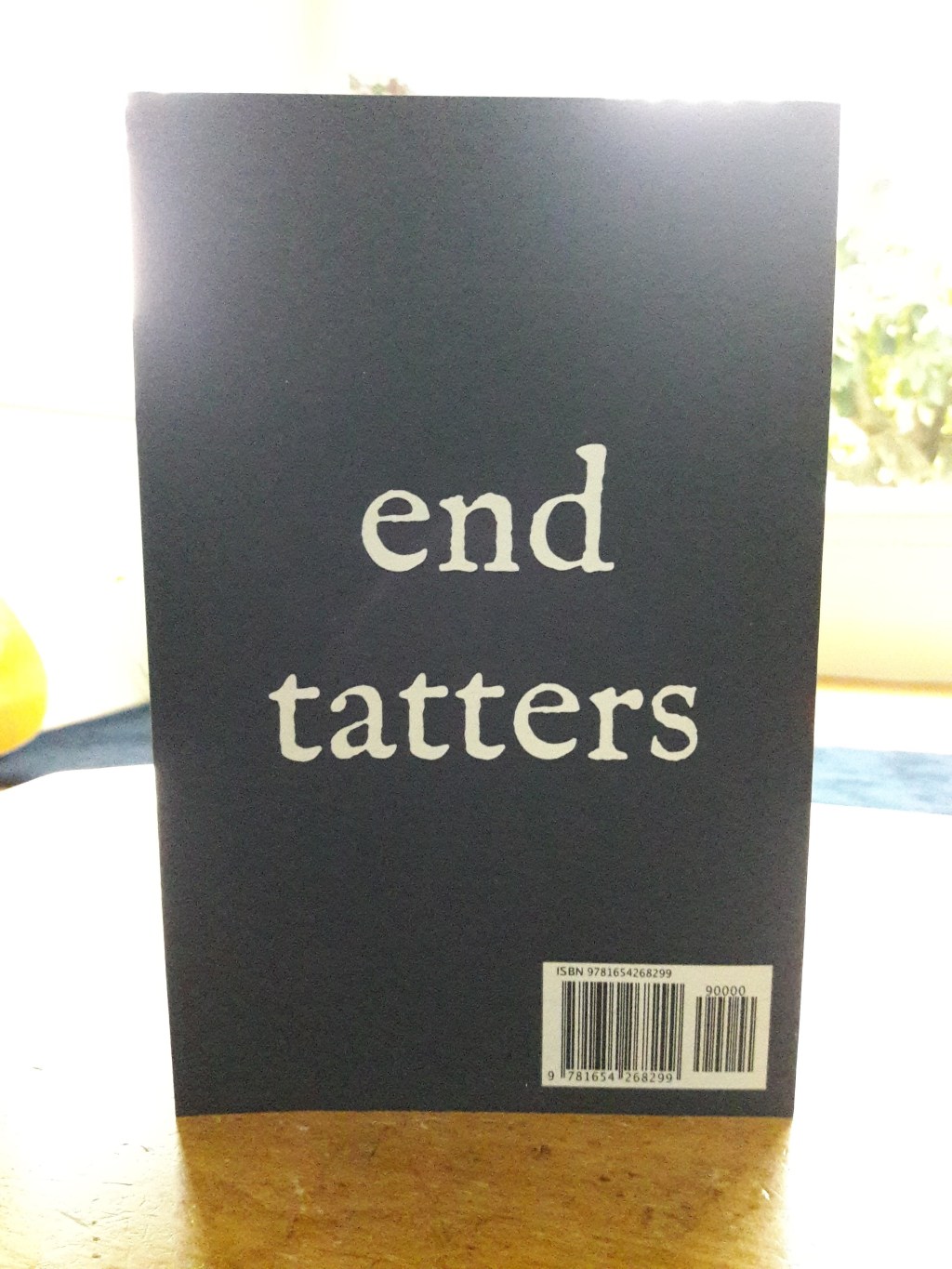
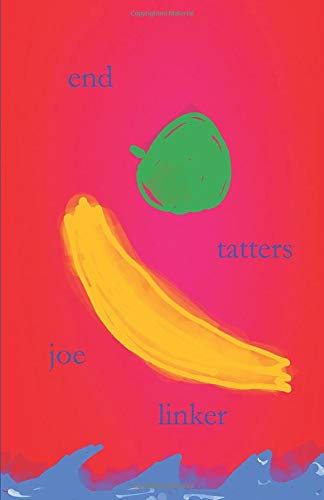
    Meantime, still not entirely satisfied with the “end tatters” cover (having already made several changes pre-publication), I made a post-publication cover revision. Copies sold with the blue back cover are now considered to have some increased value for collectors. New cover photos below:

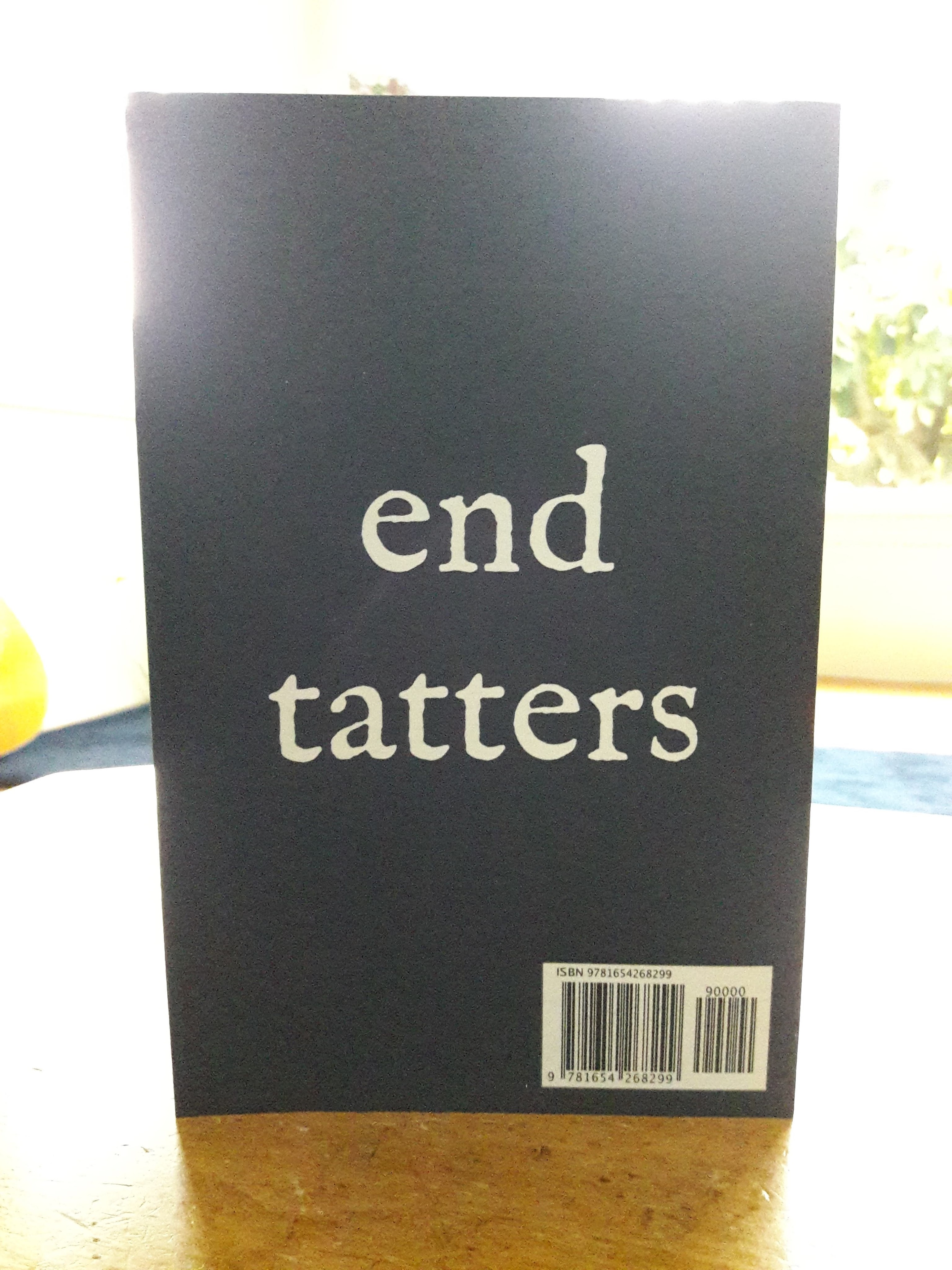
    Original back cover shown below:

    Go here to order your copy. Write a review and send it to thecomingofthetoads @ gmail dot com, and I’ll post it to the blog.

  • About “end tatters”

    About “end tatters”

    “end tatters” is now available in paperback. I don’t intend an e-book version. As indicated on the copyright page, “Some of the End Tatters pieces previously appeared, some in different form, in these publications: Berfrois; Berfrois: the Book; Queen Mob’s Teahouse; Sultan’s Seal: The Hotel Cosmopolitan; One Imperative; and The Coming of the Toads.” The book does offer some new pieces also, though, so it collects previously published and new pieces. My primary purpose in publishing the book in paperback form is that I wanted to save, on paper, a number of pieces a bit scattered on-line, while I had some new pieces I wasn’t sure what I wanted to do with. Besides that, I enjoy making books, reading books, collecting books.

    Distributing and selling indie books is a different matter. Even giving them away does not at all ensure they’ll be read. Nevertheless, I’ll be giving away a few copies of “end tatters” to innocent bystanders. So be on the lookout.

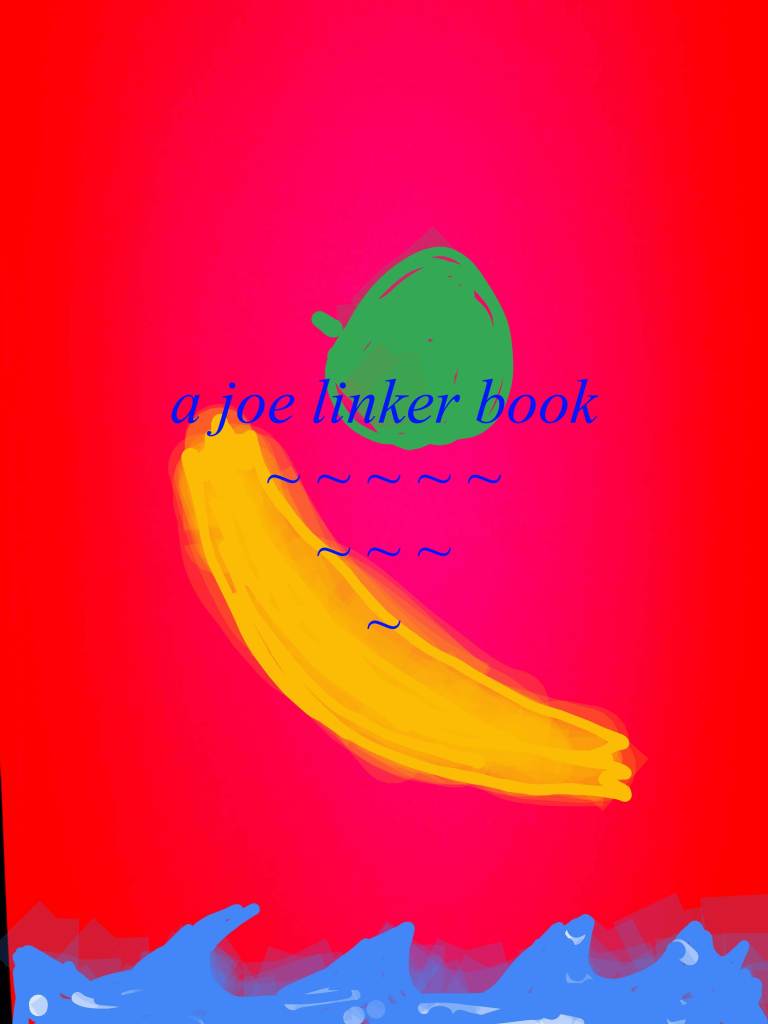
    With “end tatters,” I’ve attempted a kind of imprint, the somewhat clumsy, perhaps, “a Joe Linker book.” Below, we see the “CONTENTS” page:

    CONTENTS

    Bells…11
    Milk…17
    Trees…23
    This and That…25
    Taking the Call…27
    Nativity Scene…33
    In One’s Dotage…45
    Divine Comedy…47
    To Surf…49
    About Confusion…57
    Epiphanic Cat…67
    The Tyger…69
    Wealcan…71
    Horny Theology…88
    Withdrawal…91
    Cliff Notes…93
    Vintage…95
    In Transit…97
    Cricket…99
    Remaindered…101
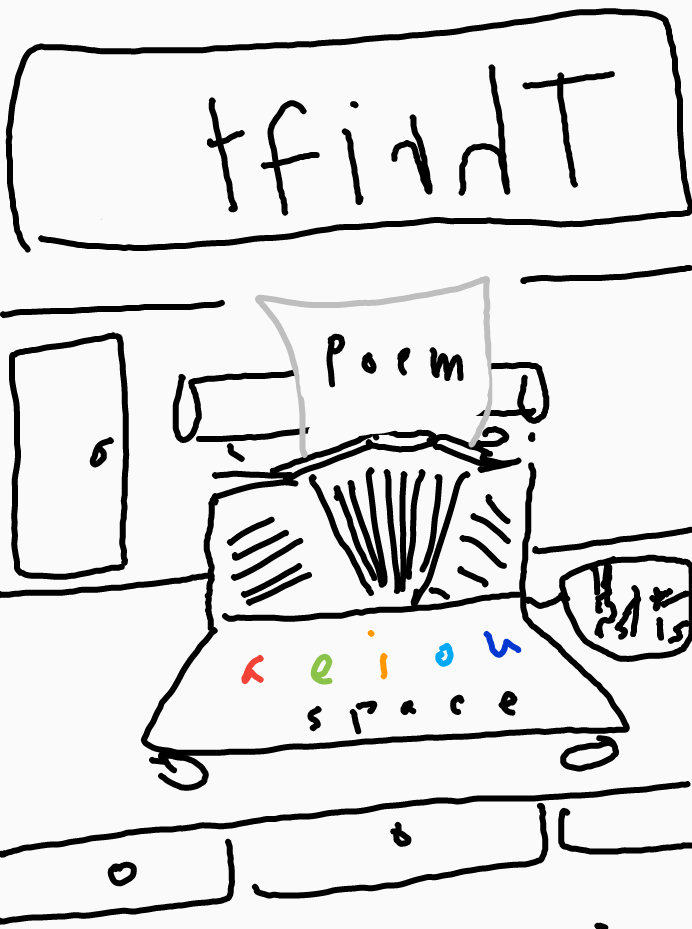
    Typewriter…103

    And a bit more info. for this post, with some pics:

    Product details

    • Paperback: 105 pages
    • Publisher: Independently published (January 8, 2020)
    • Language: English
    • ISBN-10: 1654268291
    • ISBN-13: 978-1654268299
    • Product Dimensions: 5.5 x 0.3 x 8.5 inches
    • Shipping Weight: 6.7 ounces
    • Average Customer Review: Be the first to review this item
  • In Print: “End Tatters”

    In Print: “End Tatters”

    “Do you want this book published,’ he asked, ‘or just printed?” Said Angus Cameron (editor at Little, Brown) to J. D. Salinger upon learning Salinger wanted no advertising of his forthcoming “The Catcher in the Rye.” Particularly, and peculiarly, from the publisher’s viewpoint, J. D. wanted no author’s photo on the cover (Ian Hamilton, In Search of J. D. Salinger, 1988, Random House, p. 115).

    How to launch a book? Advance review copies. Interviews. Author’s book tour. Live readings. Ads in trade journals. Book store displays. Billboards on Sunset Boulevard and in Times Square.

    Like Salinger, though they’ve actually few if any other options, the indie writer/publisher eschews the traditional publicity stunts ahead of book store distribution for a blog post or two.

    This is the second in a planned series of posts designed with the usual blog accompanied by tweet fanfare to launch, from the author of “Penina’s Letters,” a new book, titled “end tatters,” coming this week. Below, we see the front and back covers, and the back gives a brief description of what’s inside:

  • Dates of Births

    “Hard to get,” a friend writes. “Why do these social media applications insist on one’s date of birth, indeed, one’s real date of birth? But they never specify which birth. A friend, for example, claims to have been born at least nine times over the course of the last three millenniums. Never the same date of birth, mind you. She’s been born in every season. Rather enjoyed winter births best, she relates. Wake up from the weaning and it’s spring. Slow gathering of the senses. In this current life, she is an artist, oil paintings.”

    Mud poor, of course, this artist, this life. Asked to borrow another friend’s email, who created an account for her. Apparently, she wanted to display her work on one of the prominent social media platforms, which required an email address. And a real date of birth. This she struggled with (having recollection of so many births, including several in her current lifetime), the result of which, and after having posted pics of a couple of hundred paintings onto her new web place, came notification the platform deactivated her account.

    Yet another friend has now reported to have seen our artist just yesterday, which in these parts happened to be Christmas Day, another of her birth days. But, apparently, she now relates, she may be able to reactivate the account, if she successfully submits to the platform the following stringently produced selfie, described in an email to her borrowed address, to wit:

    Hey,

    We’d like to help you, but we need to know your exact and real date of birth, including year, month, day, and time of day (using 24 hour clock time).

    The easiest way to satisfy this requirement would be for you to reply to this email with several pics of yourself with a copy of your birth certificate hanging firmly from your neck with blue rosary beads and clearly visible and readable just below your chin.

    • Include a front and back view of your face;
    • Include side views, left and right, diagonally;
    • Include your baby hand and foot prints;
    • Smile so that your teeth are visible;
    • Eyes open, face recently washed, no makeup.

    Comply and we’ll send you a reply, but do not take this as a promise to reinstate your account. Further surveillance may be necessary. For example, we may require a pic of you sitting on the hood of your car with license plate clearly visible, and with time remaining on the parking meter.

    We regret that these measures have become necessary, but we are doing our part to protect what remains of the free world. You may of course, avoid all of this potential inconvenience by simply upgrading your account to a business account that uses paid advertising across any one of our popular platforms.

    Thanks,
    The Purveyance Team

  • News

    Walking north up 69th on the way to Montavilla for an afternoon coffee, in the street at first, around my neighbor’s sidewalk repair project, barricades up while the newly poured cement dries. Then a short hello to the next neighbor out trying, with some difficulty, apparently, to start his gas lawnmower, yard work project of mid-December in progress. Next I came upon a five gallon bucket half full of water placed in the walkway to secure what appeared to be a tiny cement patch job. At the corner of 69th and Stark, I noticed the city fire hydrant replacement work is now complete, tools and materials cleared, the new hydrant standing like a shiny orange Christmas ornament, moved around the corner. Against the curb, a large steel plate remains to be picked up. I had just set out, the day cold but partially clear, with no wind to speak of, and already I had enough news to fill a paragraph.

    What is news? Most of what passes for news these days is tabloid sensationalism, entertainment, ratings and sponsor influenced selections from a worldwide reservoir of orality and photographs depicting and commenting on current events, the more current, the better, the higher the octane the more promise the trending and the more seen the ads. Today’s news is a kind of pornography, never enough to truly satisfy, and therefore an addictive substance. Originally, pornography was simply writing about prostitutes, while news was simply new things previously unknown to an audience. Today’s news is a new pornography, stories about the risks of public exposure of joyless addictions, risky setups for personal attention and gain.

    An important accoutrement used in today’s news is the public opinion poll. But how can the public have any kind of informed opinion if its only source of information is the news? Yet the news is saturated with what the latest polls show. Even the public broadcasting stations seem addicted to polls, in spite of how poorly polls used at the time had predicted the 2016 election results. And the current polls, acknowledged generally to have meaningful margins of error, don’t seem to be moving anywhere, plus or minus. Impotent, still, polls are the new foreplay of stories to come.

    Down in Montavilla and now discover the food carts on Stark in front of the old Beets parking lot have vanished. Now that’s news. Story at eleven.