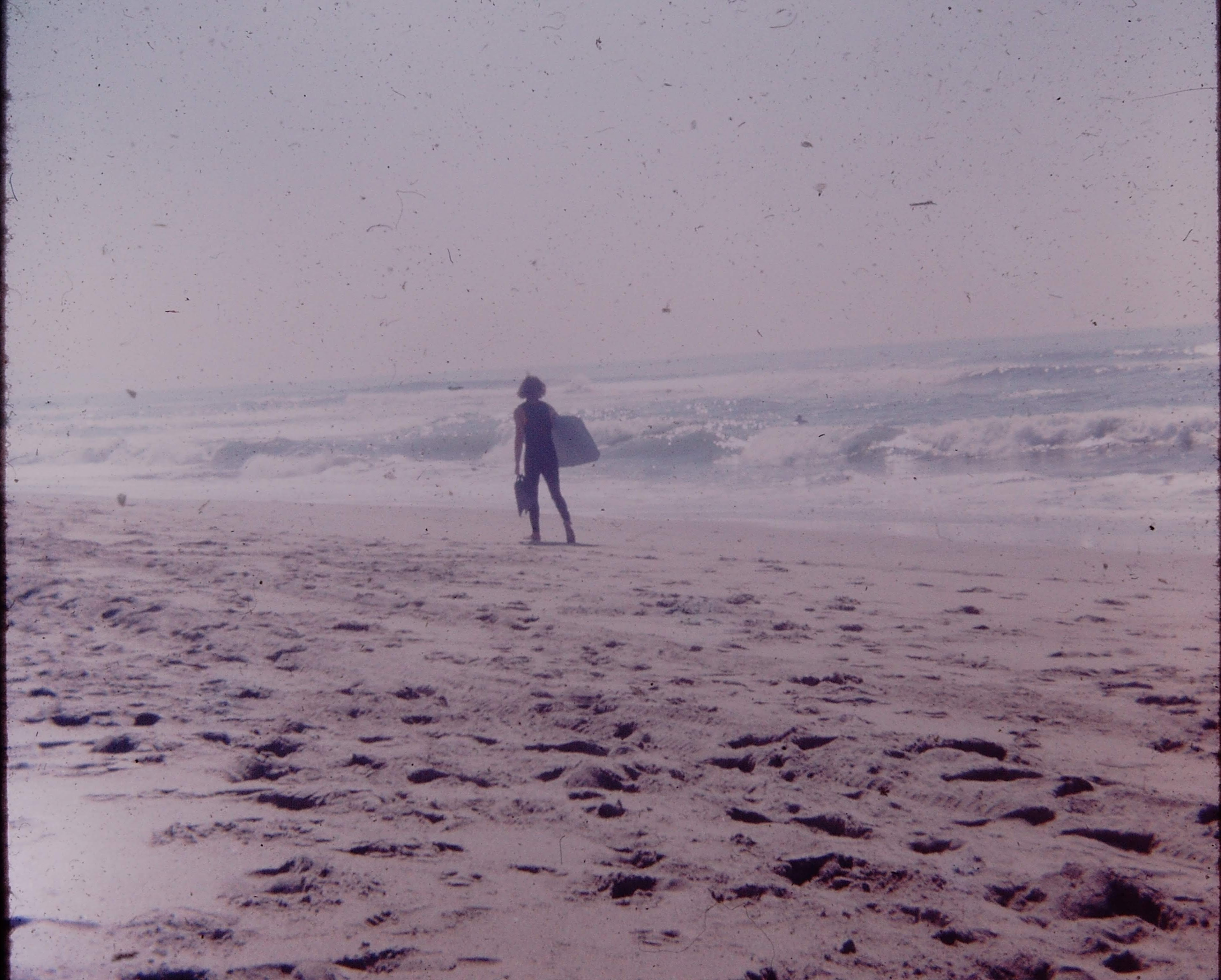
We never tired of going down to the beach, in the mornings to surf, in the afternoons to boogie, in the evenings to walk, to catch the sunset. I bought a used Exakta 500 for surfing photos. The 50mm lens was too small, so I bought a used 120mm portrait lens. After the sun went down we sat out in the backyard and watched a slide show on the side of the garage wall.
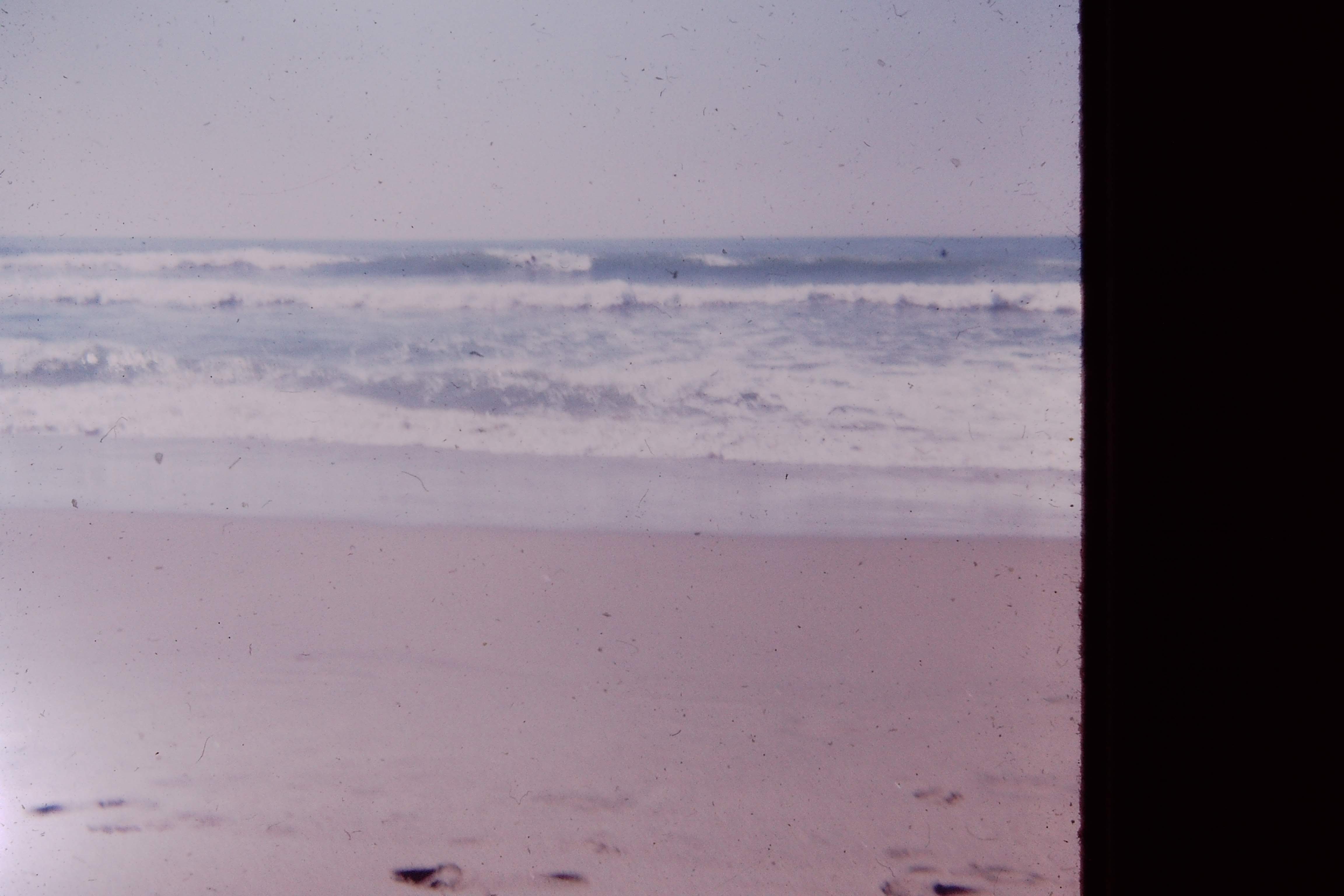
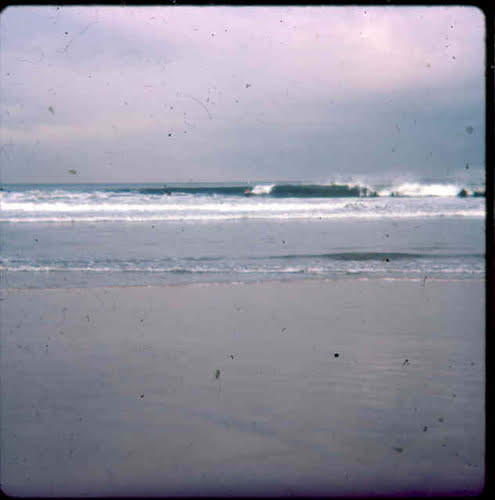
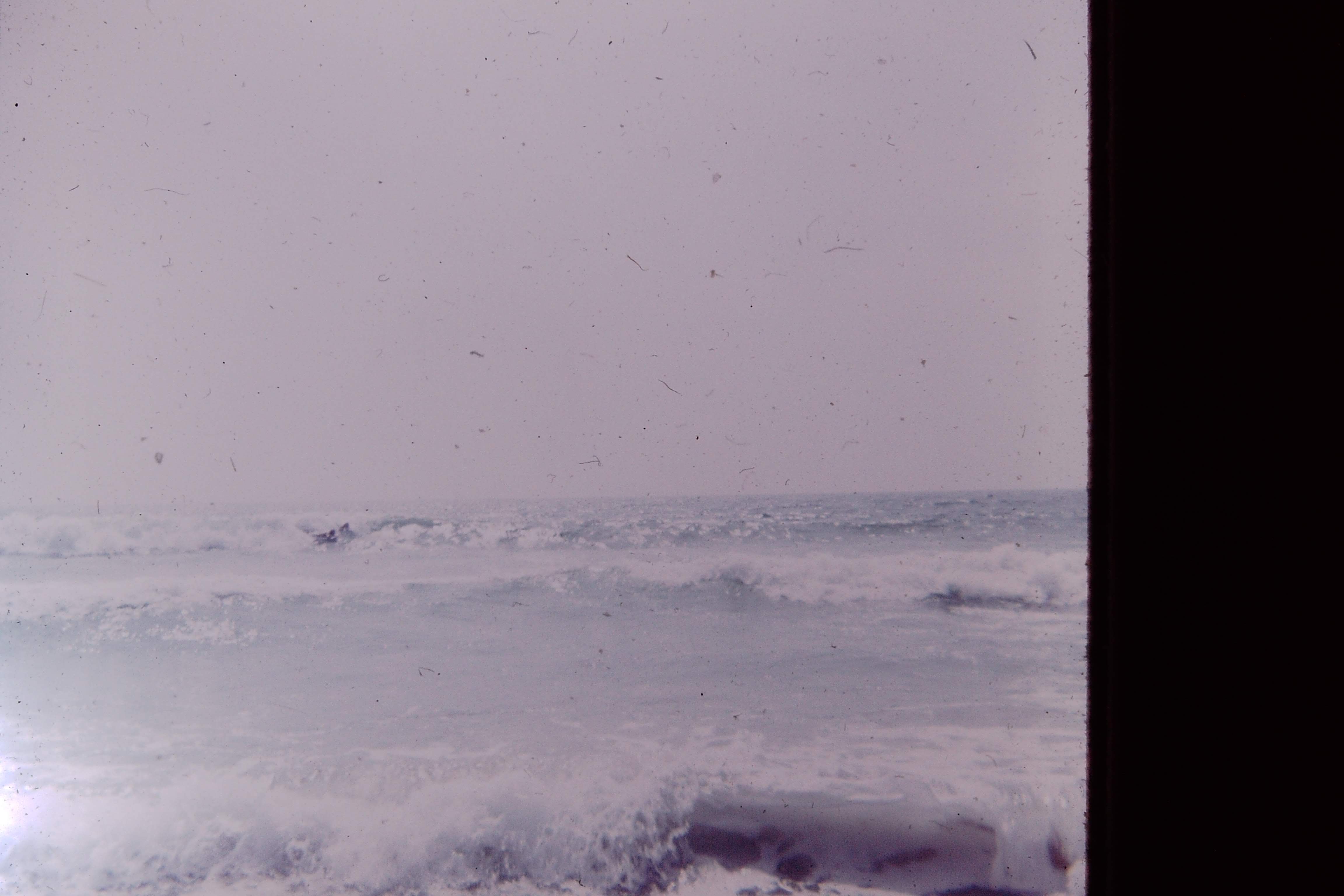
Surf films, streaming videos, and photos often depict surf spots as gardens of paradise, perfect waves, friendly sun, and green down to tan-white sand and then the waterline, clean blues and greens. Nothing industrial going on. Very good days are rare though, and we went down to the water anyway, regardless of conditions. And once in the water, it didn’t matter. Every wave was a Top 40 hit song, every photo a classic. The beach break at El Porto was our home spot, over the dunes from the El Segundo Standard Oil Refinery. The photos we took in the 60s and 70s might today look as bad as the waves we rode. AI Assistant wants to touch them up for me, but I prefer seeing the originals, even if those are now becoming as faded as the memory, dye fading and color shifting.
We two boys stood at the edge of the road at the top of 45th high above the beach, where the slow moving two lane Highland (lined with spots we ignored as kids: vista apartments and curio shops, corner cigarettes and beer market, breakfast cafe and evening bar), turns into Vista del Mar and curves down to Grand, only about a mile away, but still we stuck our thumbs out to hitch a ride. We were on our way home from Junior Lifeguards, which was held on the beach near Marine, down from the big tower. We never caught rides thumbing, so we were surprised when some sporty car with jaunty driver pulled over coming to a stop some twenty yards past us and we ran to hop in but the car revved up and sped off wheels spinning in sandy grit just as we got close.
I’ve been reading “A Time of Gifts,” by Patrick Leigh Fermor (subtitled “On Foot to Constantinople: From the Hook of Holland to the Middle Danube”). First published in 1977, when Fermor was sixty-two, it recounts the time in 1933, when Fermor, then just eighteen, left England for a wintry continent, outfitted with greatcoat, hobnailed boots, and commodious rucksack:
“During the last days, my outfit assembled fast. Most of it came from Millet’s army surplus store in The Strand: an old Army greatcoat, different layers of jersey, grey flannel shirts, a couple of white linen ones for best, a soft leather windbreaker, puttees, nailed boots, a sleeping bag (to be lost within a month and neither missed nor replaced); notebooks and drawing blocks, rubbers, an aluminium cylinder full of Venus and Golden Sovereign pencils; an Oxford Book of English Verse. (Lost likewise, and, to my surprise – it had been a sort of Bible – not missed much more than the sleeping bag.)
In the mornings, when the first-shift lifeguards opened their towers, the beach was grey-white foggy and cool-damp and the yellow sand stuck to your feet, the water dark-grey and the waves glassy and small and the blue of old fruit jars. At my parents’ house, 2 miles inland, walked in under an hour if you took the Devil’s Path shortcut and didn’t dawdle, the morning was open and clear and the air fresh and warm. The town was hilly and you had to cross the dunes to get down to the beach, which meant you had to climb back over them to get home, up the long Grand Avenue hill, but the afternoon breeze would be onshore and pushing as you walked before the wind.
Travel descriptions can be confusing to read, to see the images as they develop on the page. One key to travel writing must be movement – in time and place. Still, how does the reader see the scene unfolding? I’m finding it helpful to pull up the places Fermor talks about in Google Maps, but of course consulting a map is not travel, nor does the map help bring forth the local. Maybe we’ve become too saturated with photographs to understand prose pictures. And while Fermor’s story takes place in 1933, the images I see seem older. I was reminded of scenes like the following, from Penelope Fitzgerald’s “The Blue Flower,” but which takes place in the late 1700s, and concerns Friedrich von Hardenberg, later known as Novalis:
“From the age of seventeen he had been in almost perpetual motion, or the Gaul’s unhurried version of it, back and forth, though not over a wide area. His life was lived in the ‘golden hollow’ in the Holy Roman Empire, bounded by the Harz Mountains and the deep forest, crossed by rivers – the Saale, the Unstrut, the Helme, the Elster, the Wipper – proceeding in gracious though seemingly quite unnecessary bends and sweeps past mine-workings, salt-houses, timber-mills, waterside inns where the customers sat placidly hour after hour, waiting for the fish to be caught from the river and broiled. Scores of miles of rolling country, uncomplainingly bringing forth potatoes and turnips and the great whiteheart pickling cabbages which had to be sliced with a saw, lay between hometown and hometown, each with its ownness, but also its welcome likeness to the last one. The hometowns were reassuring to the traveller, who fixed his sights from a distance on the wooden roof of the old church, the cupola of the new one, and came at length to the streets of small houses drawn up in order, each with its pig sty, its prune oven and bread oven and sometimes its wooden garden-house, where the master, in the cool of the evening, sat smoking in total blankness of mind under a carved motto: ALL HAPPINESS IS HERE or CONTENTMENT IS WEALTH. Sometimes, though not often, a woman, also, found time to sit in the garden-house.” 57
That prose was first published in 1995, when Penelope was seventy-nine, so around 200 years after the scene takes place. And in Patrick Fermor’s “A Time of Gifts” we see this:
“I was plodding across open fields with snow and the night both falling fast. My new goal was a light which soon turned out to be the window of a farmhouse by the edge of a wood. A dog had started barking. When I reached the door a man’s silhouette appeared in the threshold and told the dog to be quiet and shouted: “Wer ist da?” Concluding that I was harmless, he let me in.” 73
That traveller was Fermor, in 1933, writing in the 1970s, but could have been Novalis in 1795, described by Penelope in the early 1990s. And many travellers wanting to save their day’s journey in writing may have shared something like the following experience, here described by Fermor:
“This was the moment I longed for every day. Settling at a heavy inn-table, thawing and tingling, with wine, bread, and cheese handy and my papers, books and diary all laid out; writing up the day’s doings, hunting for words in the dictionary, drawing, struggling with verses, or merely subsiding in a vacuous and contented trance while the snow thawed off my boots.” 66
The title of Fermor’s book comes from a Louis MacNeice poem, “Twelfth Night”. From the last of four stanzas:
“For now the time of gifts is gone – O boys that grow, O snows that melt, O bathos that the years must fill – Here is dull earth to build up on Undecorated; we have reached Twelfth Night or what you will . . . you will.”
I haven’t reached the Abbey of Melk yet, which in Jan Morris’s introduction to “A Time of Gifts” we are told is the “central point of the narrative.” So more on Fermor’s travel’s in a later post. Meantime, I harken back to the time and place of the two boys walking home from the beach. They don’t have maps, nothing to denote, “You are here.” They really haven’t much idea where they are in time or place, nor can they fully grasp the gifts of either.
Richard Henry Dana Jr, in his memoir, “Two Years Before the Mast” (1840), found at least the California weather a gift, and the beaches and waves. The following is from the “First Landing in California” chapter:
“It was a beautiful day, and so warm that we had on straw hats, duck trousers, and all the summer gear; and as this was midwinter, it spoke well for the climate; and we afterwards found that the thermometer never fell to the freezing-point throughout the winter, and that there was very little difference between the seasons, except that during a long period of rainy and south-easterly weather thick clothes were not uncomfortable.”
…
“I shall never forget the impression which our first landing on the beach of California made upon me. The sun had just gone down; it was getting dusky; the damp night-wind was beginning to blow, and the heavy swell of the Pacific was setting in, and breaking in loud and high ‘combers’ up on the beach.”
And where was that place? And is it still there today? The Grand Avenue Beach Jetty (it’s now called El Segundo Beach) is located in the middle of Santa Monica Bay. It’s about 10 miles north from the jetty to Sunset Beach (not counting getting around the Marina), where Sunset Boulevard winds down out of the hills to the coast road, and it’s about 10 miles south from the jetty to Malaga Cove, on the north side of Palos Verdes, the cove part of the Haggerty’s surf spots. Santa Monica Bay, the flat Los Angeles Basin surrounded by hills, Palos Verdes to the south and Malibu and the canyons to the north, the beach cities in the south, oceanic stupendous views or at least close enough to the ocean to smell and feel the salt and surf in the air, breach the storms and storm surf, wander down to the beach the day after a “south-easter.” But the South Bay is also full of industry, and all along and up from the beaches from Marina del Rey to El Porto, the dunes are supplanted by pipes and tanks and asphalt grounds surrounded by chain link fences: the airport, the Hyperion sewage treatment plant, the steam plant, the oil refinery, the power plant. It’s a different kind of desolation than what Dana saw when he wrote of Los Angeles:
“I also learned, to my surprise, that the desolate looking place we were in was the best place on the whole coast for hides. It was the only port for a distance of eighty miles, and about thirty miles in the interior was a fine plane country, filled with herds of cattle, in the centre of which was the Pueblo de los Angelos — the largest town in California — and several of the wealthiest missions, to all which San Pedro was the seaport.”
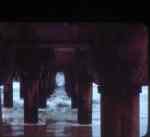
After being tricked by the off and running car, we two boys put our thumbs in our pockets and walked back down 45th to the beach. Just up Highland a few doors, we could see the apartment my oldest sister would rent about eight years into the future, while my future wife lived a block over and down on 44th. At the bottom of 45th, we turned north and walked along the beach at the water’s edge beneath the power and steam plants, all industrial now, the beach path, north of 45th, prime real estate denied the developers, but we didn’t mind that, for here we were in a short stretch of beach able to avoid the tourist crowds and catch a few empty waves on our own. We reached the Standard Oil Pier and crossed under the big pipes and wood beams, kicking through the surf. I was still a year or two from my high school reading of “Two Years Before the Mast.”
From the pier we walked to the jetty at Grand and then up the long hill past the steam plant and ice plant hillside that borders the refinery. We parted ways at Loma Vista and I continued down Grand across Main to the old railroad station then followed the tracks up and through Devil’s Pass to home, where I would find my mom making a watery spaghetti and sauce dinner, having found no time, no doubt, to sit happily in the yard in any place for any length of time.
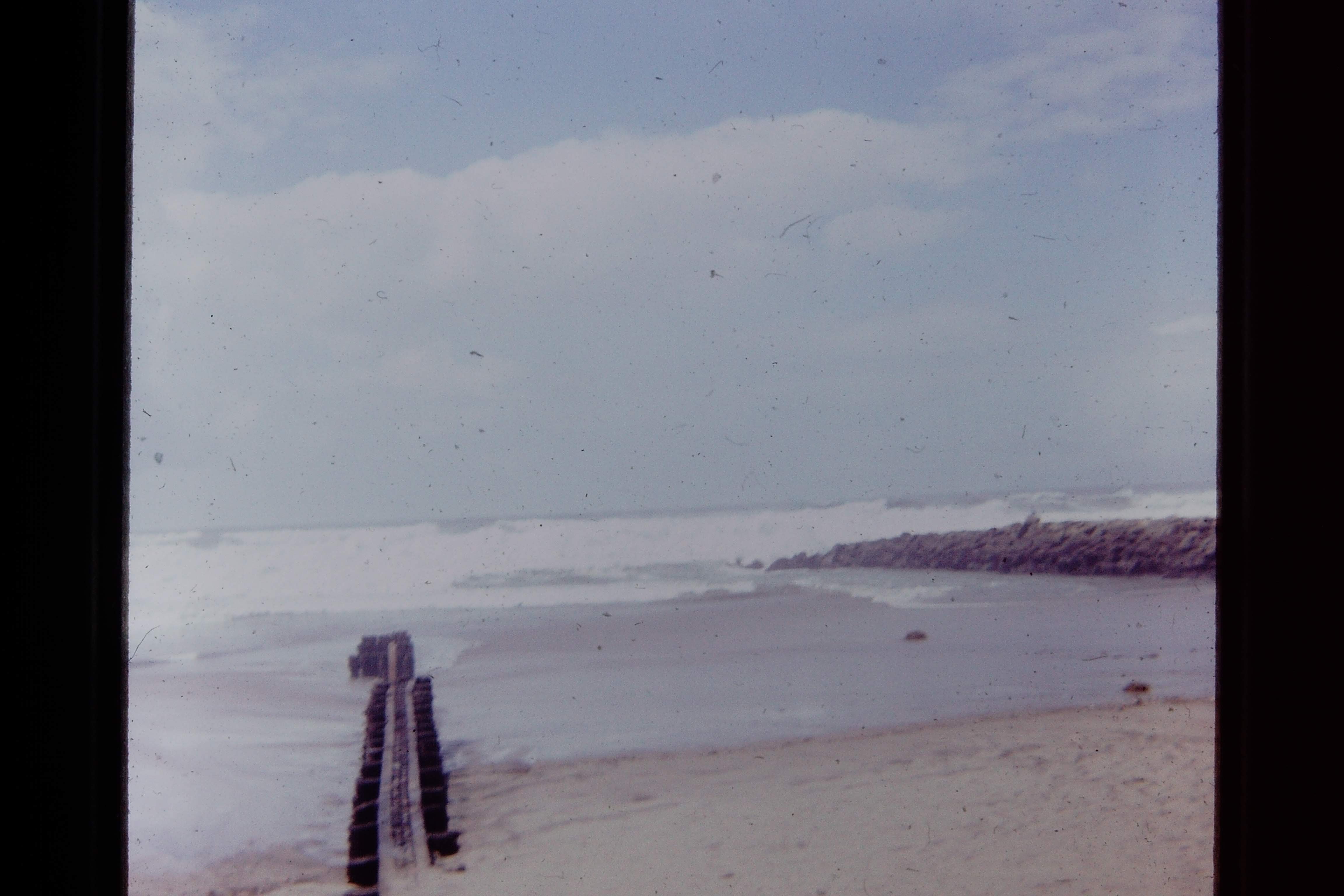
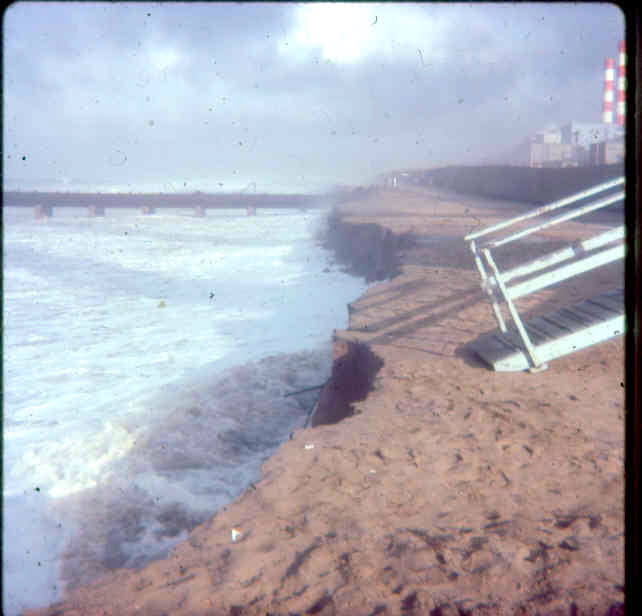
45th Street Lifeguard Tower ramp, north El Porto, circa 1976, looking north. High tides and storm surf have washed out the beach, creating a cliff.
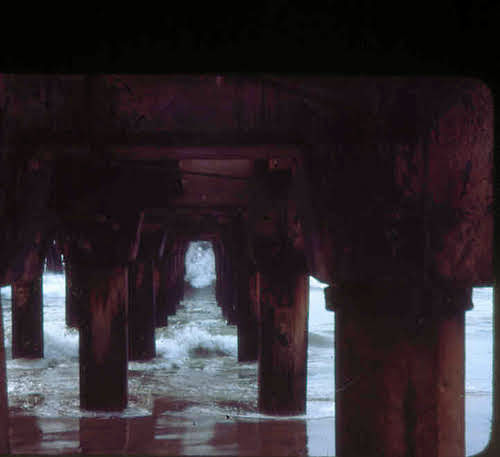
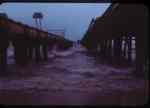
Under the Standard Oil Pier, early 70s.
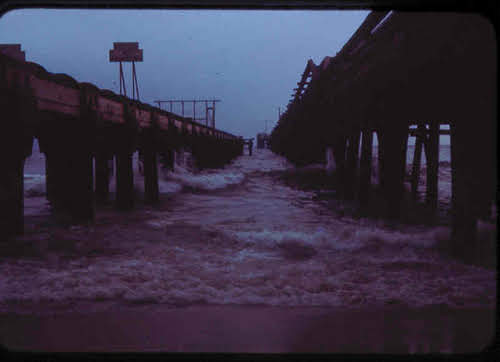
Standard Oil Piers, early 1970s.
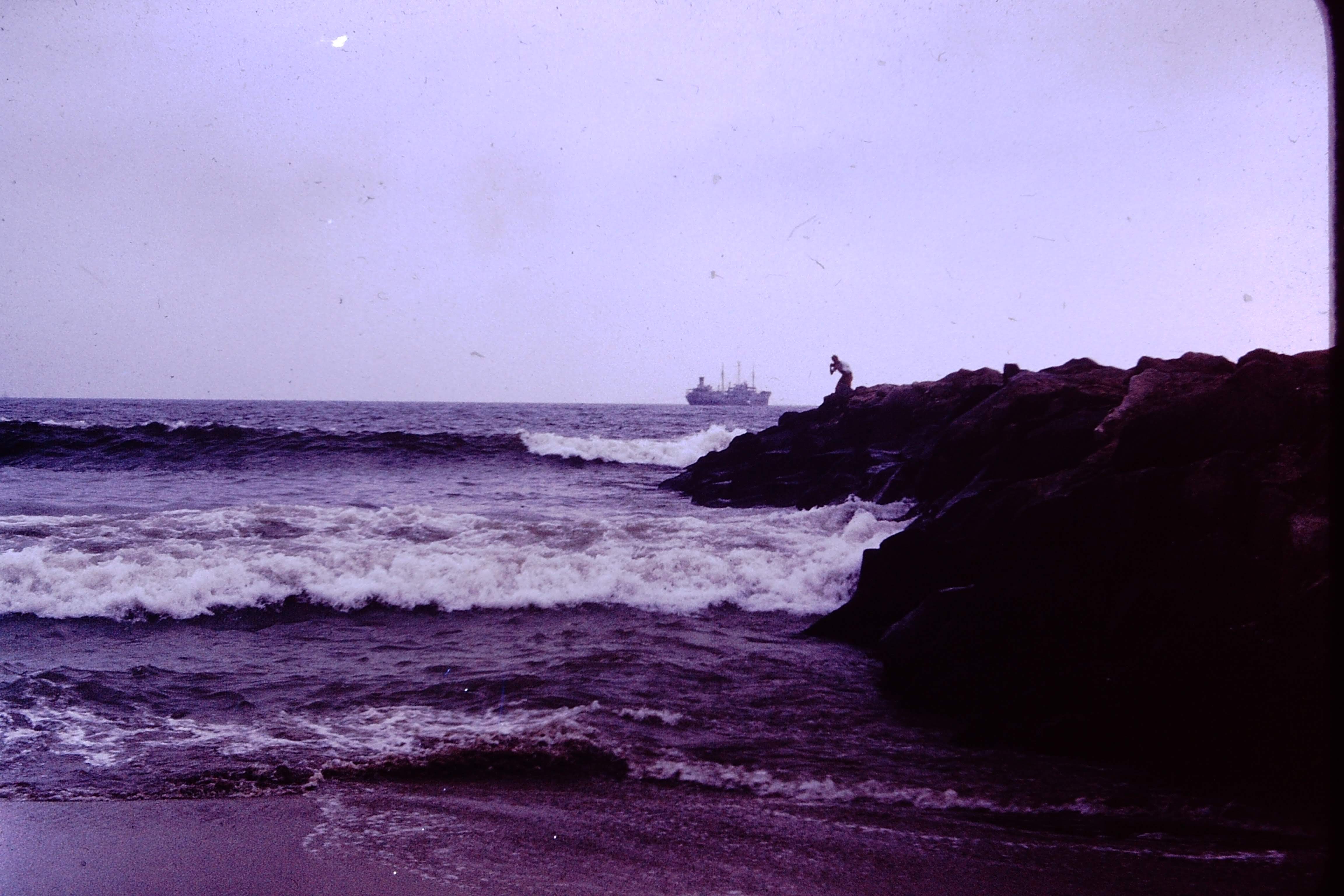
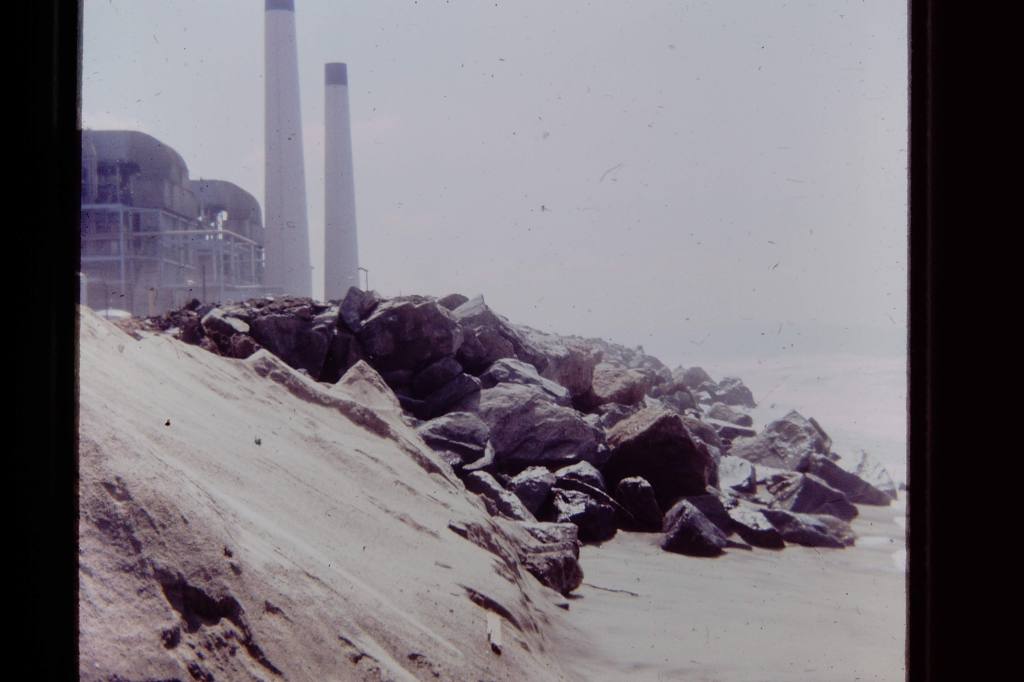
El Segundo Power Plant, mid 1970s. The giant rocks were brought in as riprap.
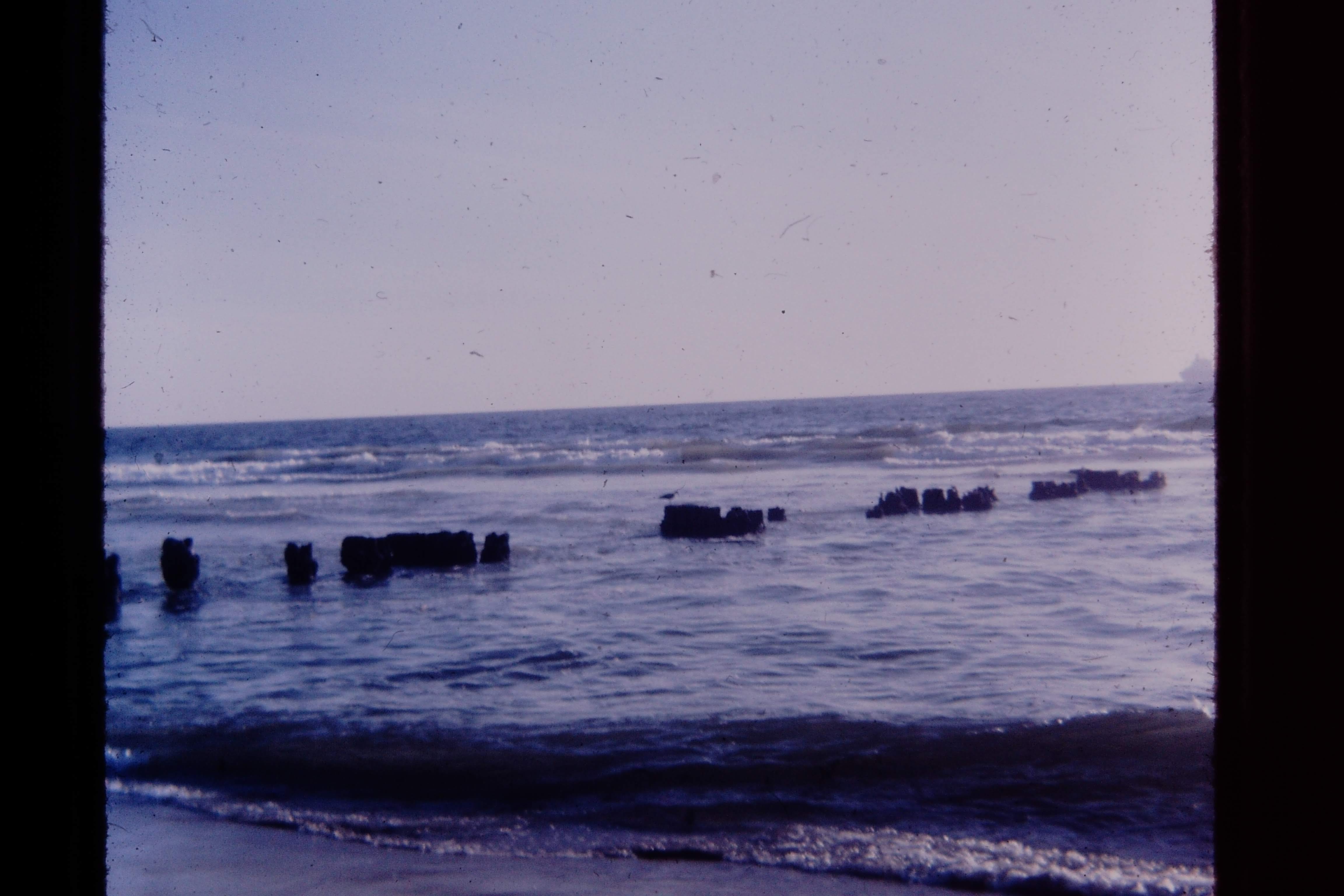
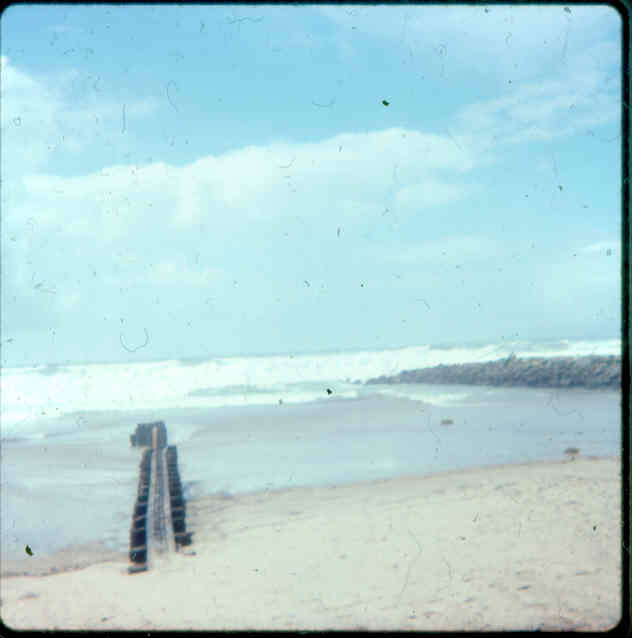
Grand Jetty with old pilings uncovered by a very low tide, early 70s.
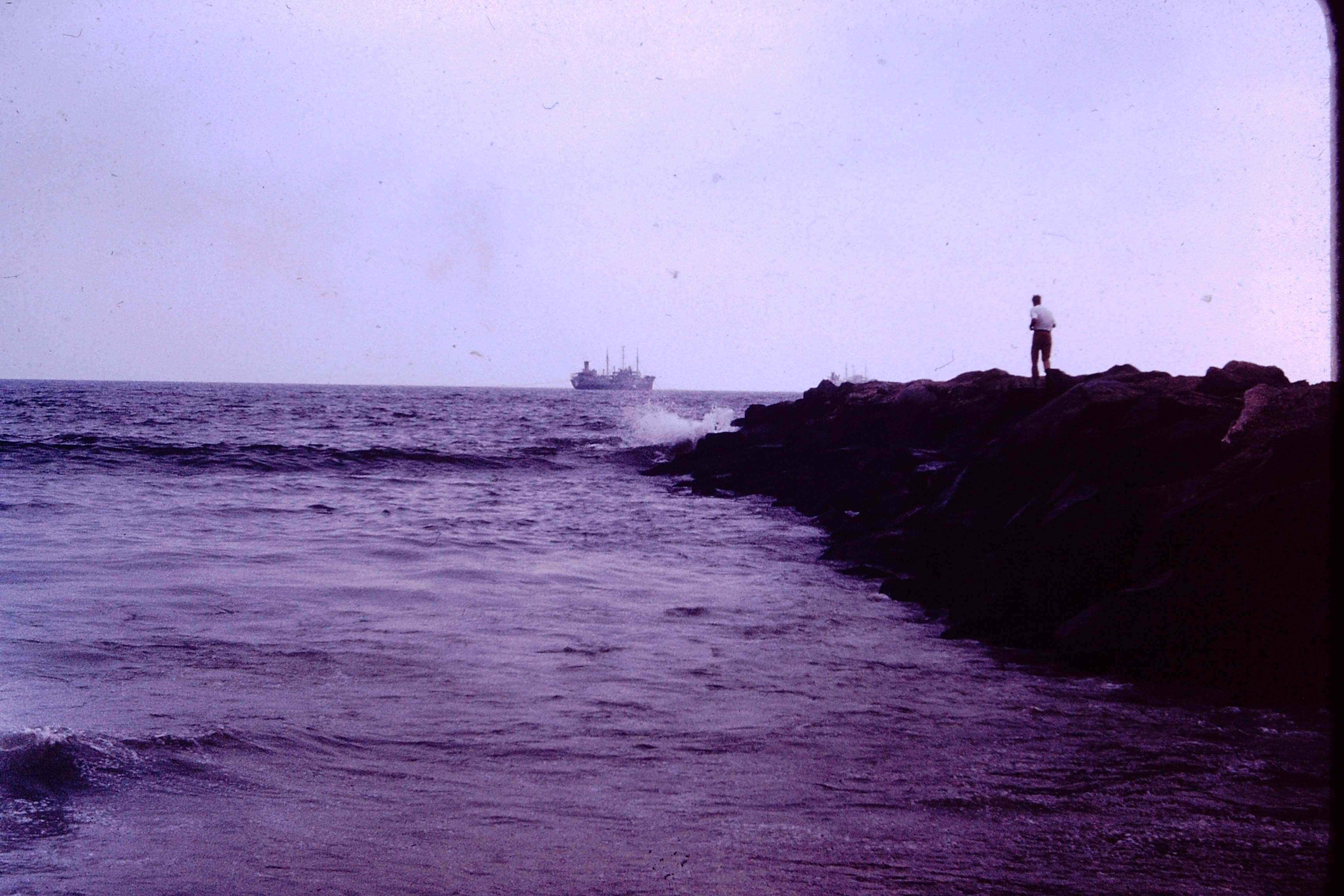
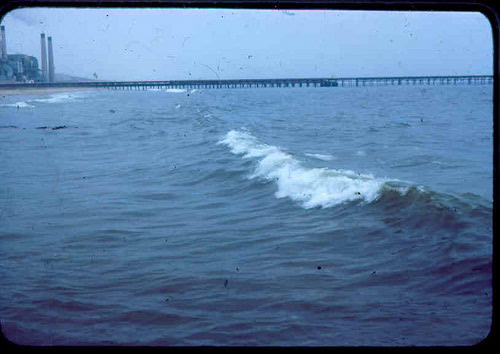
Standard Oil Pier and Power Plant Stacks – looking south from the Grand Jetty, early 1970s.
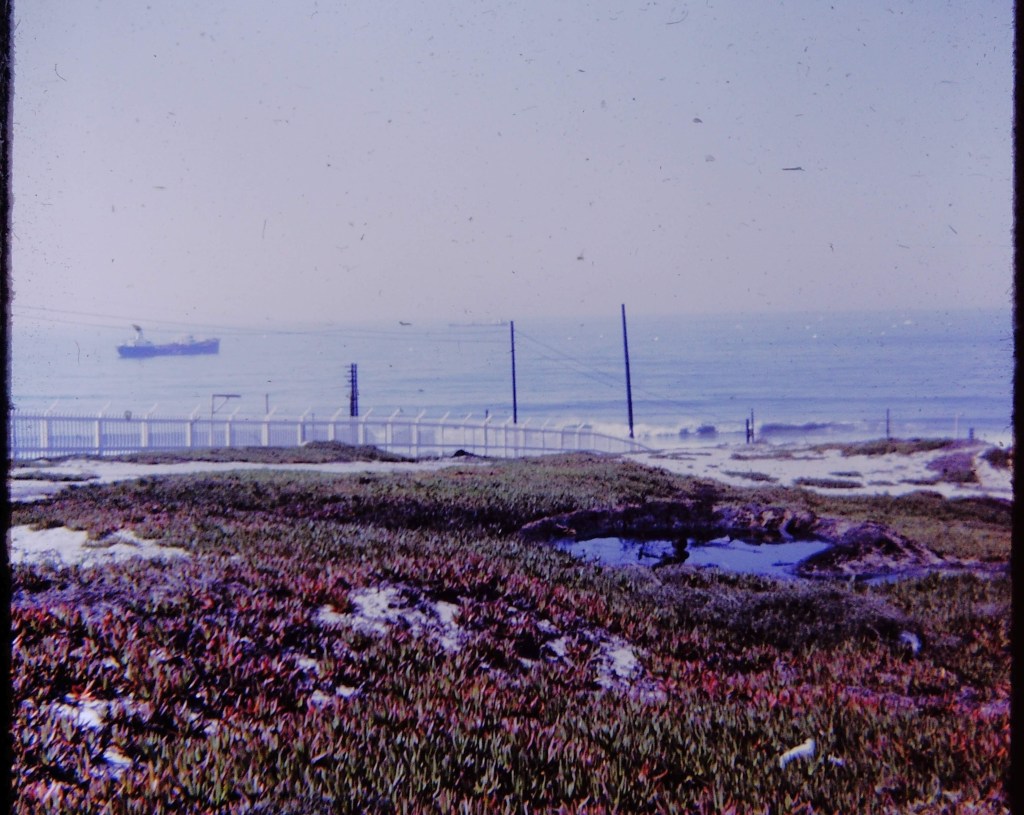
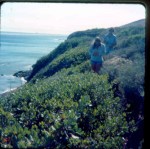
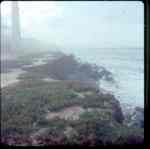
Ice plant covered dune overlooking Grand Ave. Beach, March 1974
.
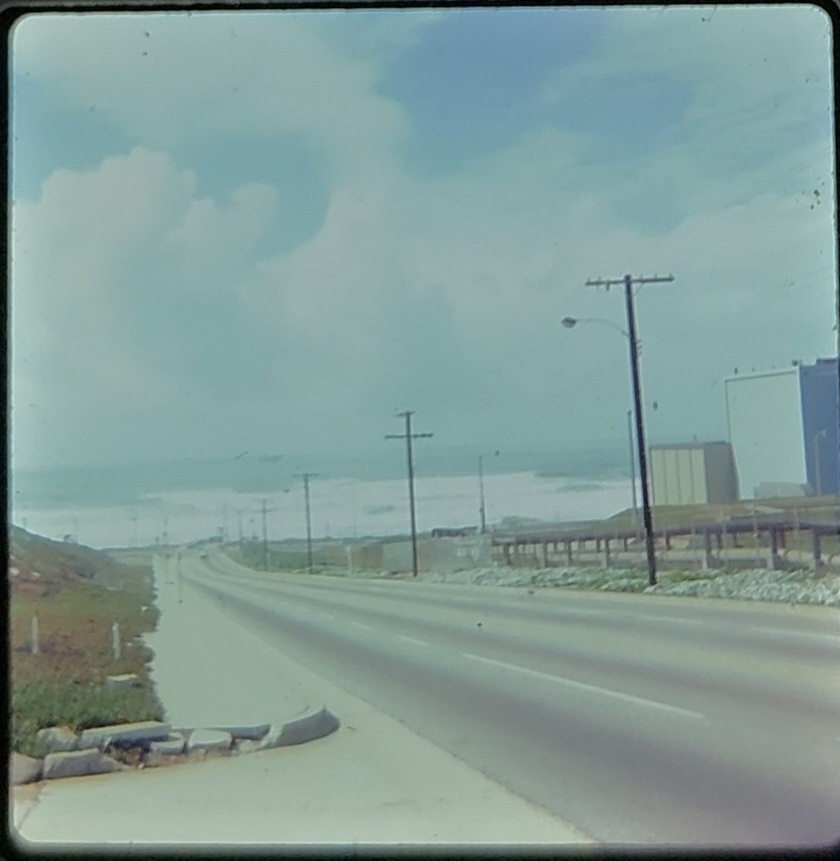
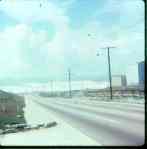
Grand Avenue, 1974.
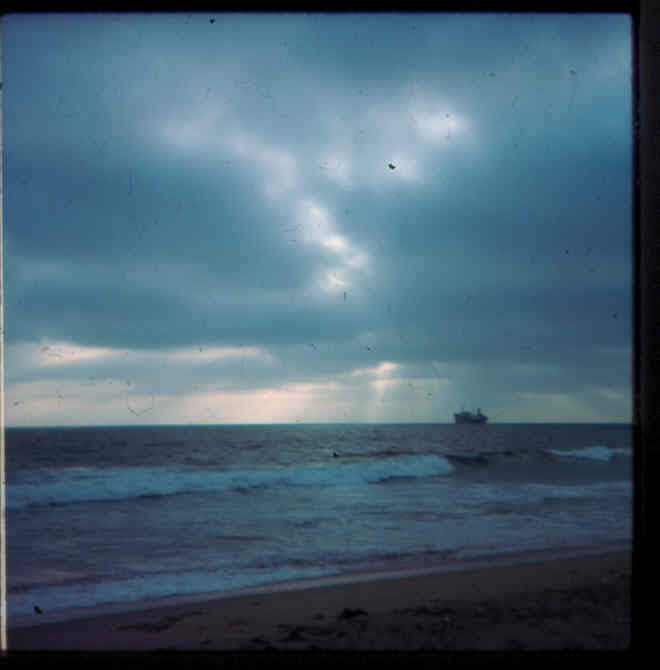
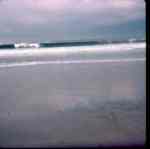
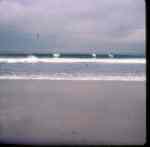
Above photos taken with my Exakta 500 I used at the time. The exact dates on some of the slides are sometimes so faded I can’t say for sure when they were taken, but likely from 1968, when I purchased the camera used from a camera shop on Main Street, into the mid 70’s, maybe as late as 1977 or 1978 (thinking too of a box of slides most of which are not shown here). The Standard Oil Pier has since been taken out, the pipe now underground, underwater. The pier was located between 45th, the last residential street in El Porto, and Grand, which comes down to Vista del Mar from El Segundo. I’ve posted some of these pics before at The Toads, but in a different context.
Books referenced above include New York Review Books copy of Fermor’s “A Time of Gifts,” 1977, introduction 2005 by Jan Morris; and Second Mariner Books edition, 2014, of Penelope Fitzgerald’s “The Blue Flower” (1995). “Two Years Before the Mast” was published in 1840, just a few years after Dana had made the voyage described in his book.
If Dad was usually on bad terms with cars, Mom had little to do with them. She never drove, never learned to drive a car, was never licensed, never carried any kind of personal identification – more remarkable since we lived in a suburban Los Angeles area, one of the beach cities, but west of the sand dunes, and there was no public transportation to speak of, one bus, LA Line 51, as I recall, that passed through town on its way through the beach cities once or twice a day, usually empty if and when you happened to catch a glimpse of it. And the city was located within boundaries that in effect created a small town atmosphere: to the west, the sand dunes and ocean, with no houses built on the west slope of the dunes or near the water like you found in Venice to the north and El Porto to the south; to the north, the airport; to the south, an industrial area of small manufacturing and local taverns and the monstrous and secretive and mysterious Standard Oil refinery; to the east, strawberry fields, a stable for keeping horses and trails for riding, later with motocross trails where we rode bikes, and a small-industry area, and the westside little league baseball park. Now of course, the town is not recognizable for what it was, and I’ve no desire to go back, except maybe to walk along the beach, or out on the jetty, from which I might toss a few Toads posts into the water.
We lived on a busy 4-way stop corner, catty corner from an elementary school with a large open field where we played capture the flag, football, baseball, and rode the swings. And across from our corner lot, sat what was then called “The Village,” a small shopping center, anchored by a local grocery store standing separate on the corner, and behind it a one story line of shops with wood shake roof and with covered sidewalk, which included a hairdresser, a laundromat, a small gift shop that included a post office window, a small cafe with booths and a bar-counter where lonely people sat and ate their burgers with fries and drank their milkshakes, a barber shop, and a liquor store where you could buy comic books. With the market and village shops across the street, and since she never had a job outside the house, and given Dad’s lack of affinity for cars, I suppose Mom had even less motivation or reason to learn to drive.
In any case, Mom got rides when necessary from church friends, and from my sisters and me when we learned to drive and got cars. But my sisters moved away soon after high school, and I often took Mom to appointments, to the doctor or dentist, for her or one of the kids. But one day, though I happened to be home, Mom was getting a ride up to the church from a friend up the block. I was in my little room in the garage Dad and I had built for me when I got back from the Army and found my digs in the main house usurped by siblings. Someone came through the yard calling for me. Mom got run over by a car, was the gist of the message. I ran out to the street and there was Mom laid out under the rear of a car, behind the rear wheel. She was ok, though. We got her up and dusted her off. The driver of course was distraught.
The car had pulled over to pick up Mom who was standing on the sidewalk, waiting. As she was getting into the car via the back door, the car lurched, Mom fell, her legs sliding under the car, and the rear right tire drove over her legs. That was her story, even if the evidence didn’t seem to support it. Rather than argue for or against the evidence, and given that she appeared unhurt, it was quickly decided that the event was clearly a miracle. Folks stopped by for days after, to see her legs, to celebrate the miracle.
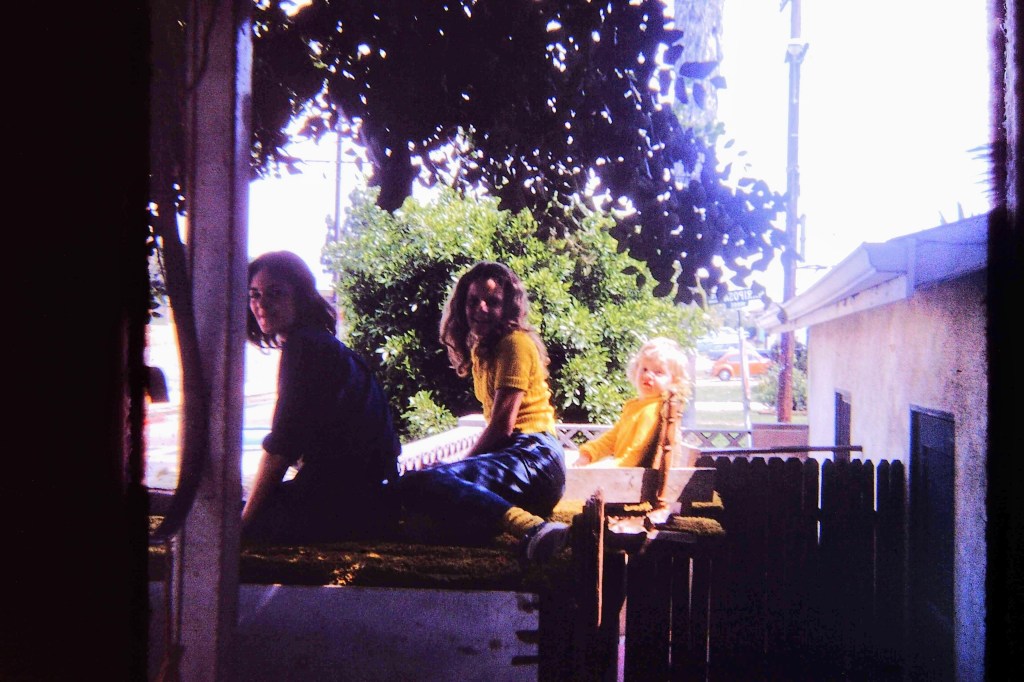
Photo: Kids playing in the treehouse-fort on the side of the house across from the market and Village, mid70’s.
One year, living near the ocean in South Bay, we got a fake Christmas tree. The metallic silver needles, like tiny confetti mirrors, reflected shades of yellow, blue, and red, emitted from a rotating electric color wheel placed beneath the tree. The colors turned almost as slow as a sunset. At night, with the lights in the room all off, the colors from the wheel flickered through the spaces between the thin tree branches and splashed neon paint over the walls and across the silver glittered stucco ceiling. It was our first and last psychedelic Christmas tree. The next year, we got a real tree, and the fake tree stayed boxed in the attic. Maybe it’s still up there, awaiting a psychedelic rebirth. One of these days, someone will find it and haul it off to Antiques Roadshow.
Another year, living in an apartment on the other side of town, now less than a mile from the water, and just under ten miles along the bike path from my first teaching gig, in Venice, Susan and I bought a live tree, a small pine, rooted in a five-gallon bucket. After Christmas, we planted the pine in my parents’ front yard. Before I went on the Facebook wagon, some time ago, I posted a pic and mentioned the tree to a few ES locals. “Who knew Joe would wind up so sentimental,” one said. The tree has grown to a height of 20 feet or so. It’s not shaped like a Christmas tree. It looks more like a thick, wind tossed, but healthy, lone cypress. It leans out toward the street, between the house and a fire hydrant next to the sidewalk.
In the Northwest, folks still drive out of the city to cut a fresh tree. In the wooded areas outside Portland, U-Cut Christmas tree farms are as common as surf spots along Santa Monica Bay. One year, up on a tree farm about twenty miles east of Portland, a full fir roped to the car roof, I suddenly discovered I’d locked the car keys inside the car.
Another year, Susan won a Christmas tree, in a name that tune oldies radio contest. The only problem was that the tree was in a lot across the Columbia River in Vancouver. Christmas tree time in the Portland area is often cold and rainy and windy. We drove across the bridge to Vancouver, the East Wind scouring the Gorge with elbow grease, picked out a tree at the lot, petted the farm animals, visited the gift shop, where we drank some hot chocolate, and drove off for the return trip to Portland. By the time we got back to the bridge, the winds were kicking up with 40 mile per hour gusts, and with the wind cutting across our eight foot fir tree tied to the top of our little Honda, the river crossing was like windsurfing on a sailboard. I held the Honda to 40, and we blew sideways into Portland.
Our cat likes a Christmas tree. She won’t bother it, claw at the ornaments. She’s at an age now where she just sleeps under the tree, on the white cotton blanket that’s supposed to connote snow. This year, I’m thinking it’s a good place to be, for me too, under the tree, but the cat prefers sleeping solo. Outside this morning the snow is more than a connotation. Those are denotative flakes blowing in a new east wind. If I let the Scrooge hiding in my soul emerge this year, I’m likely to wind up in the snow bed outside. Check it out – click on the photo gallery above. I’m off to find a tree. One year, I walked down to a local church and picked up a tree there, not quite a mile from our place, and carried it back home on my shoulder. You don’t see this sort of thing much anymore, I thought, self-complacently, slipping and sliding on the snow-muddy shortcut path up to our street. Maybe this year I’ll surprise Susan with a fake tree. Won’t she be surprised?
“Ray, 1956” and “Watermarks from a Night Spring,” two poems with themes of the ocean, surfing, and working, were posted at Berfrois a couple of days ago, along with a few old surf photos.
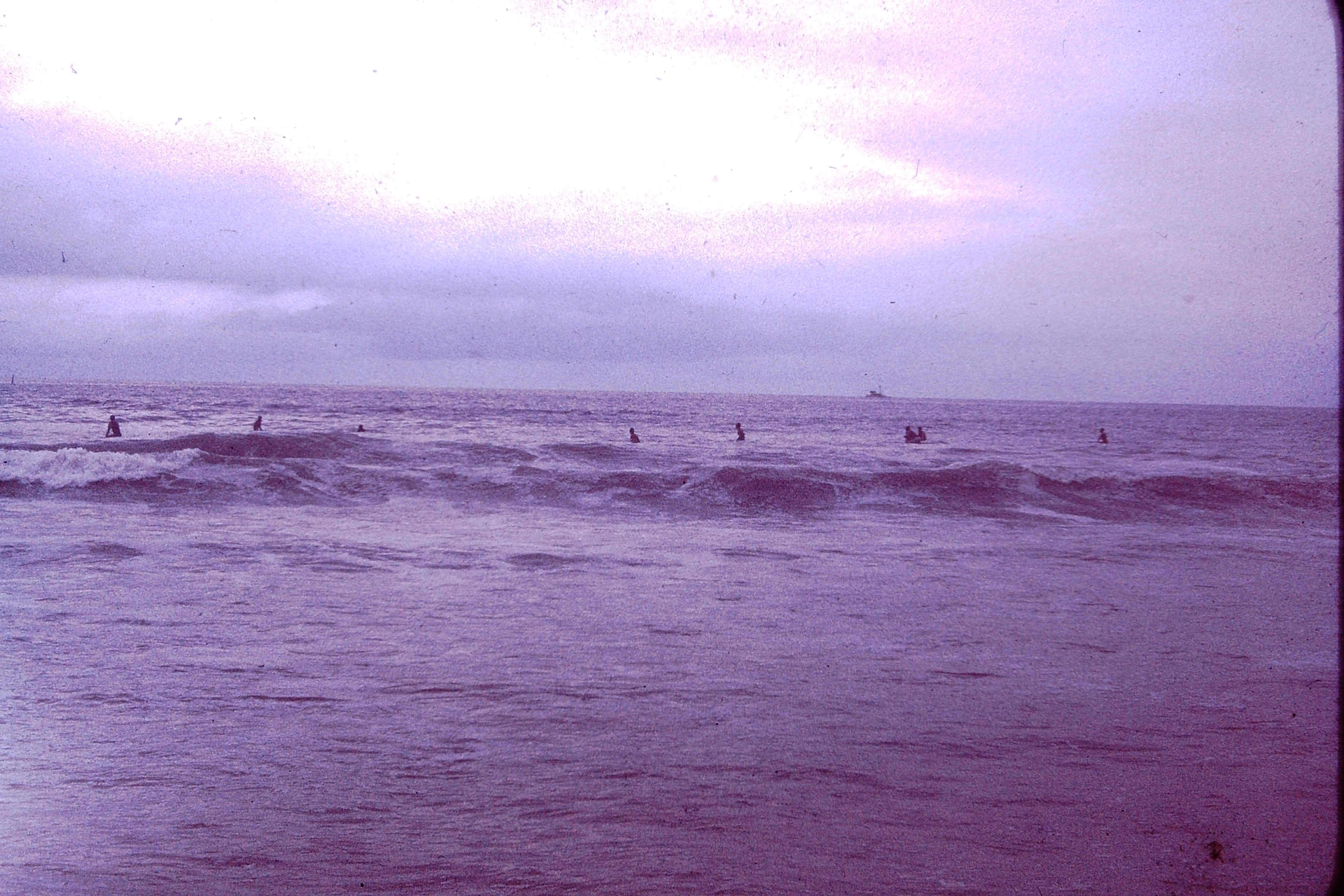
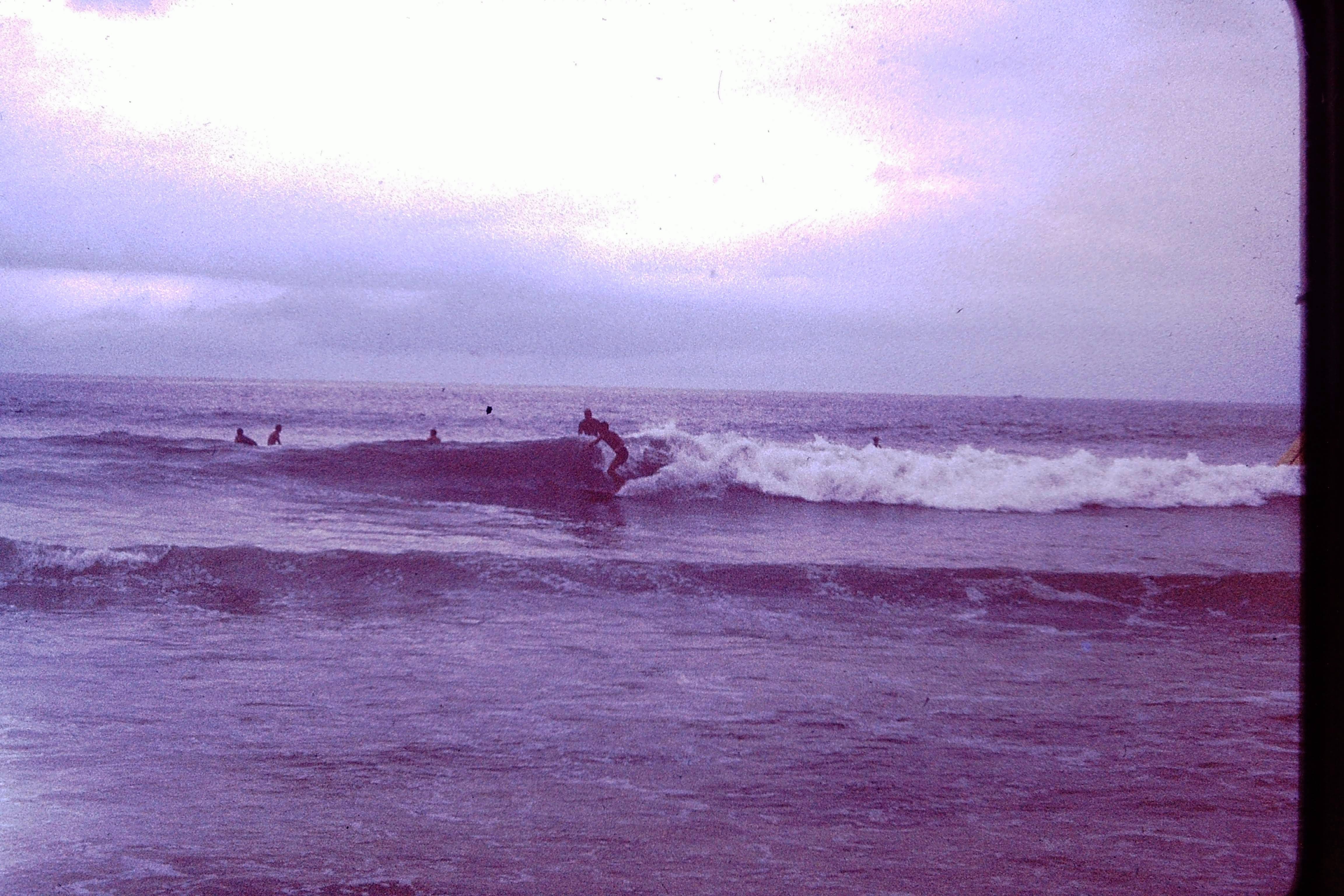
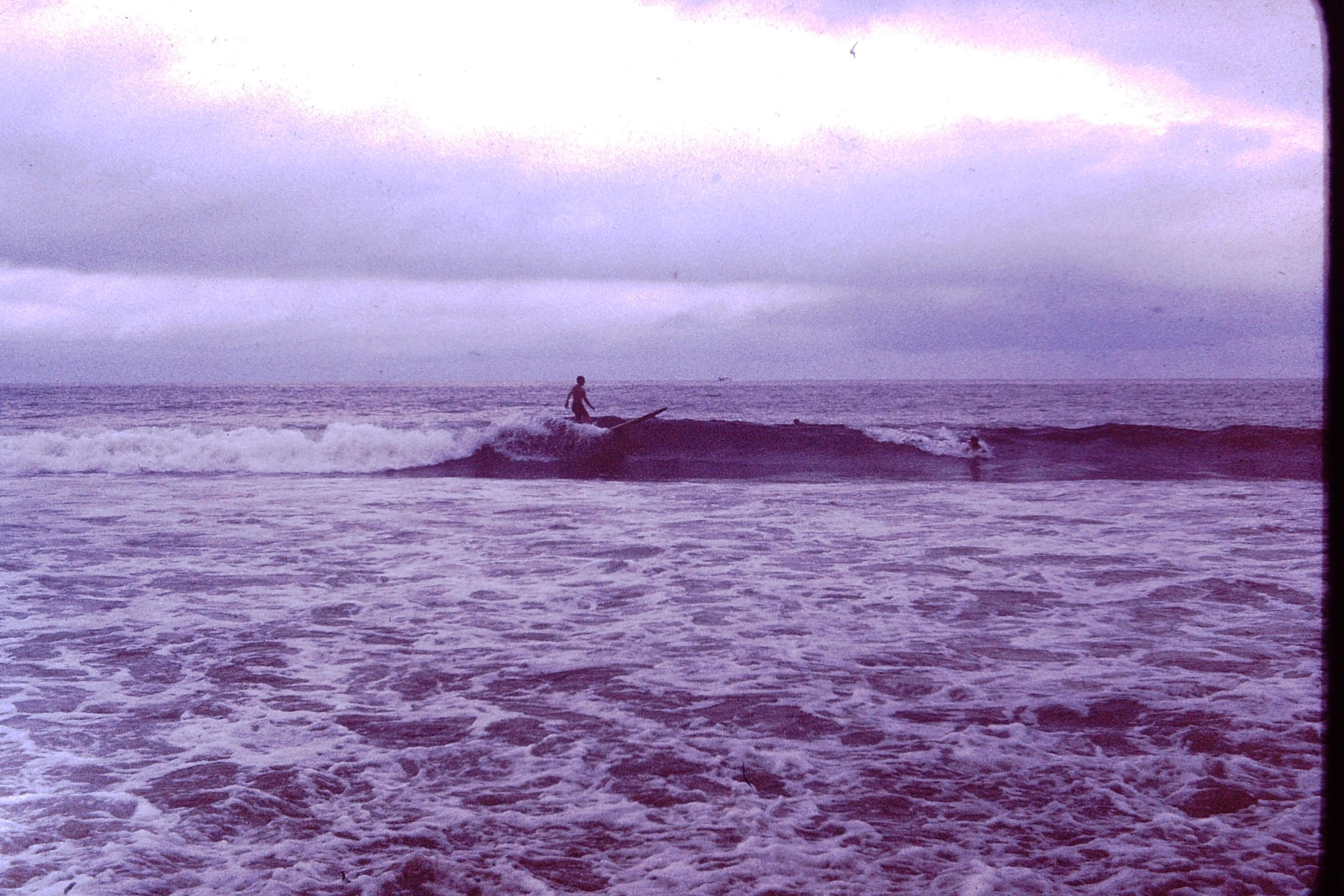
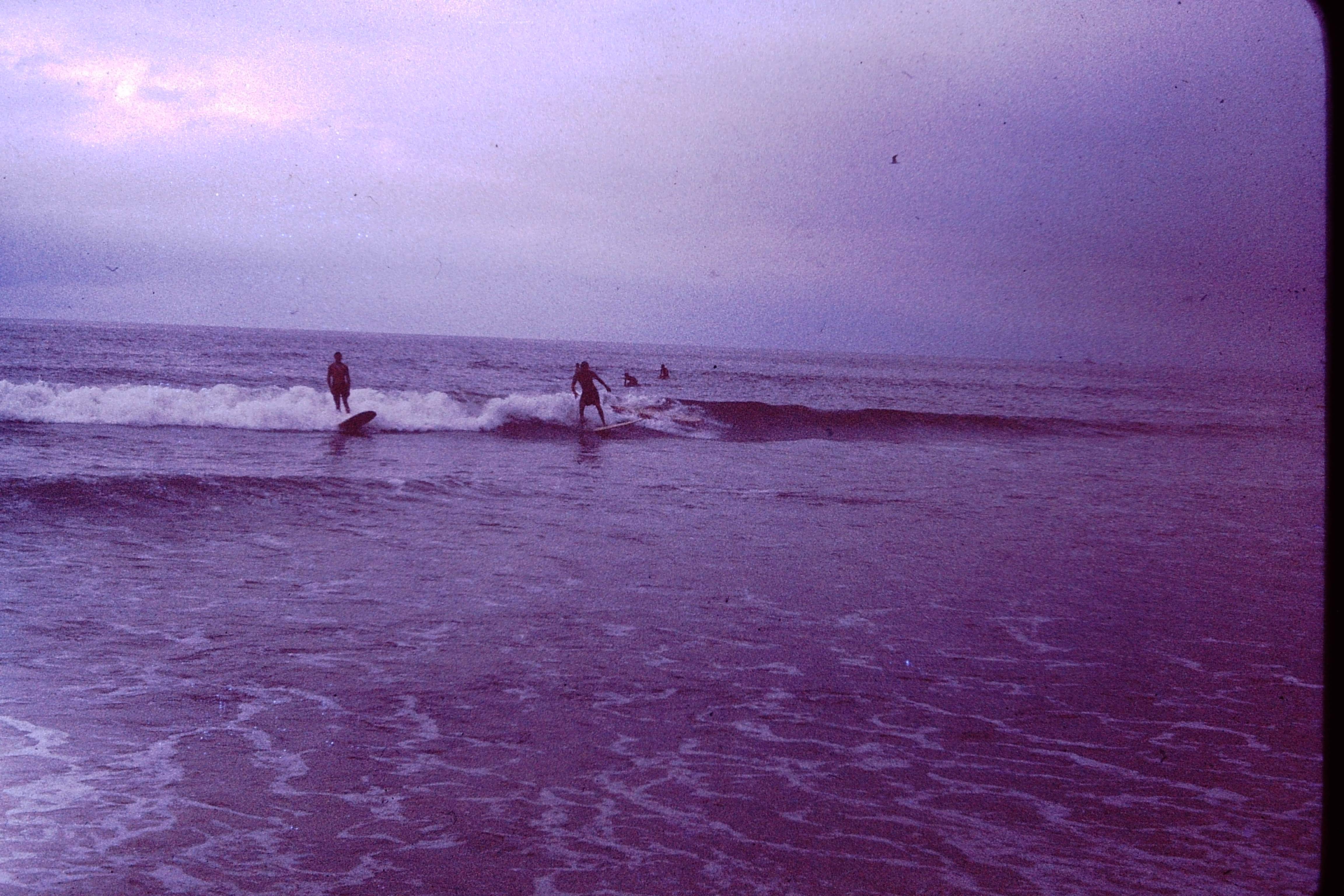
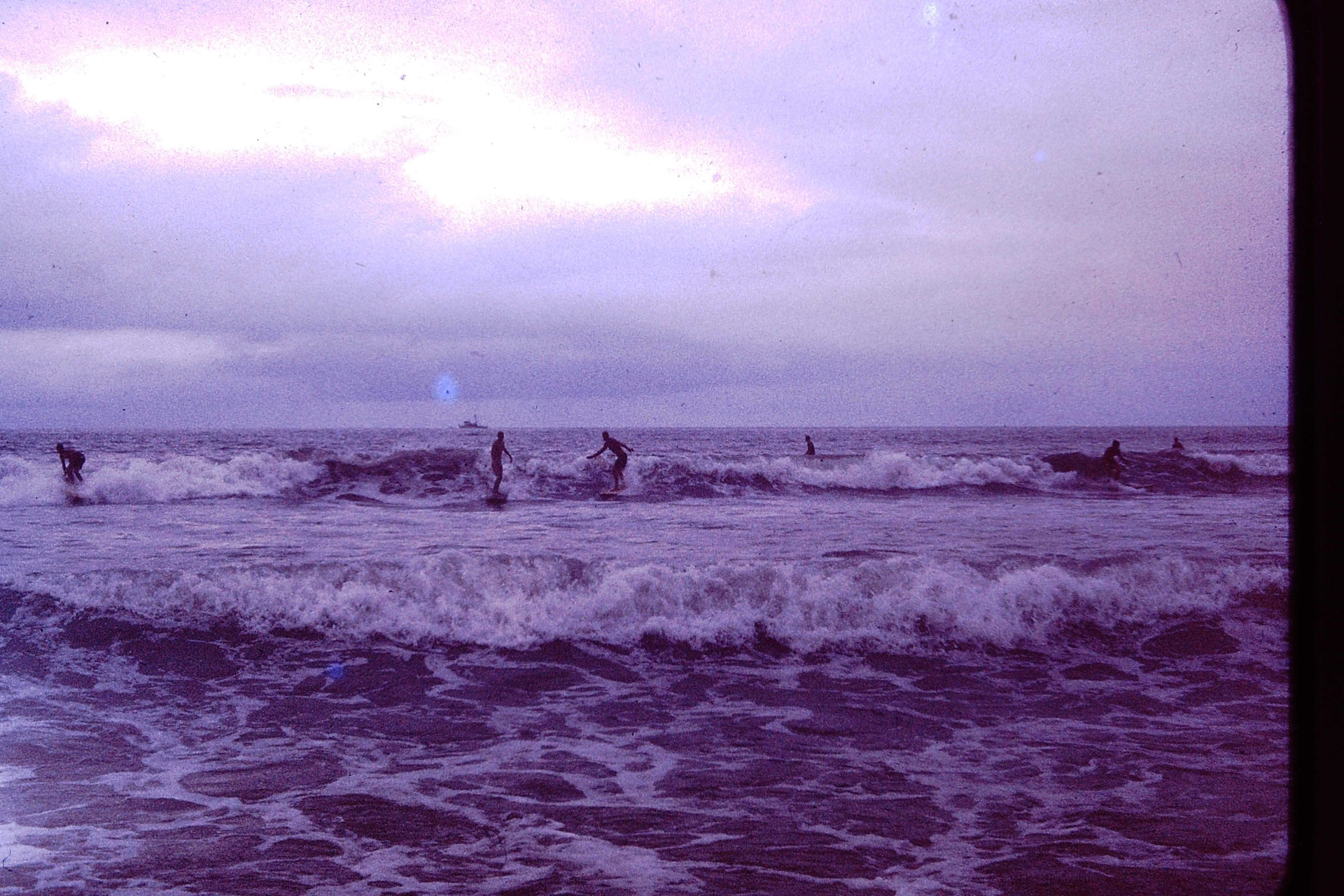
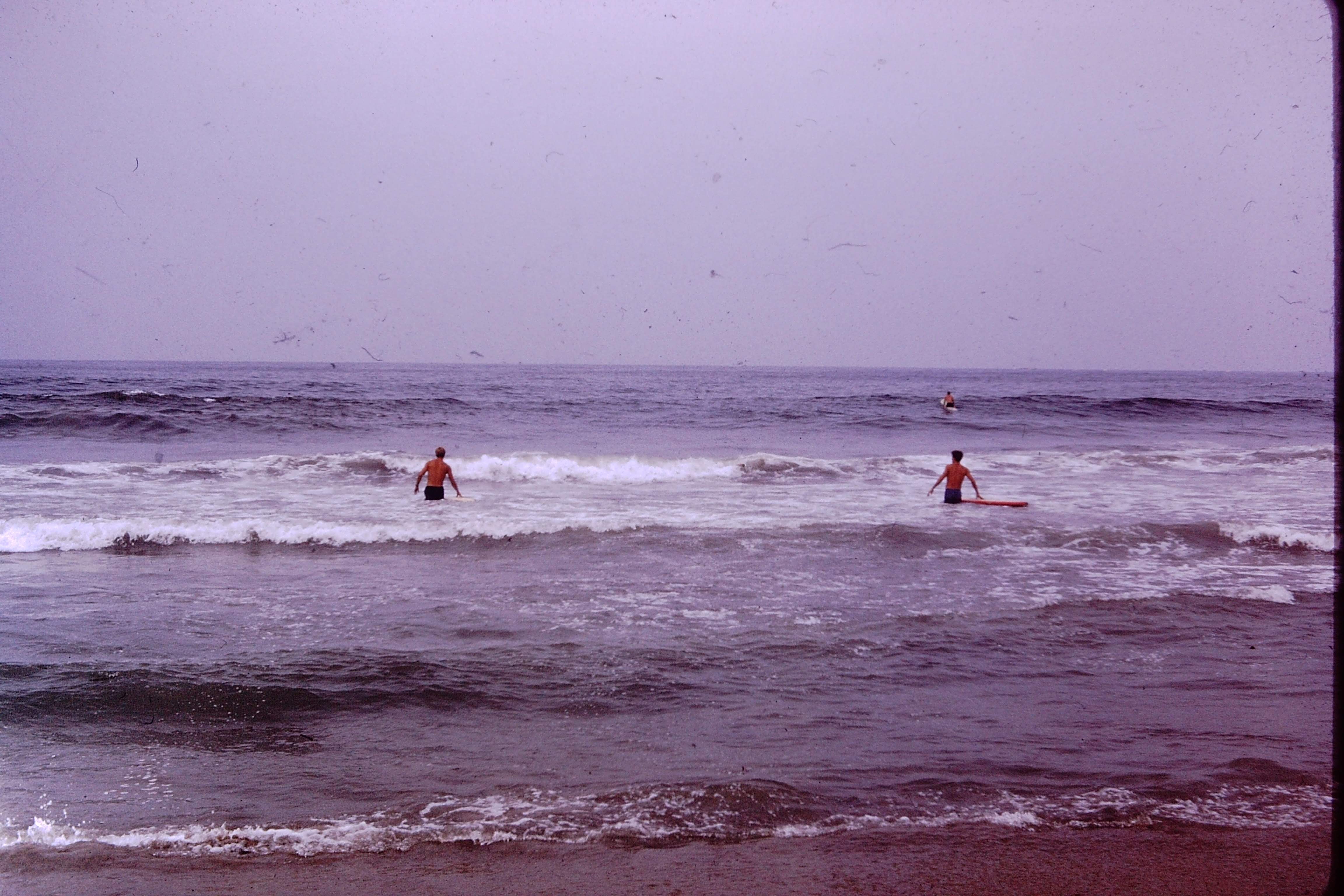
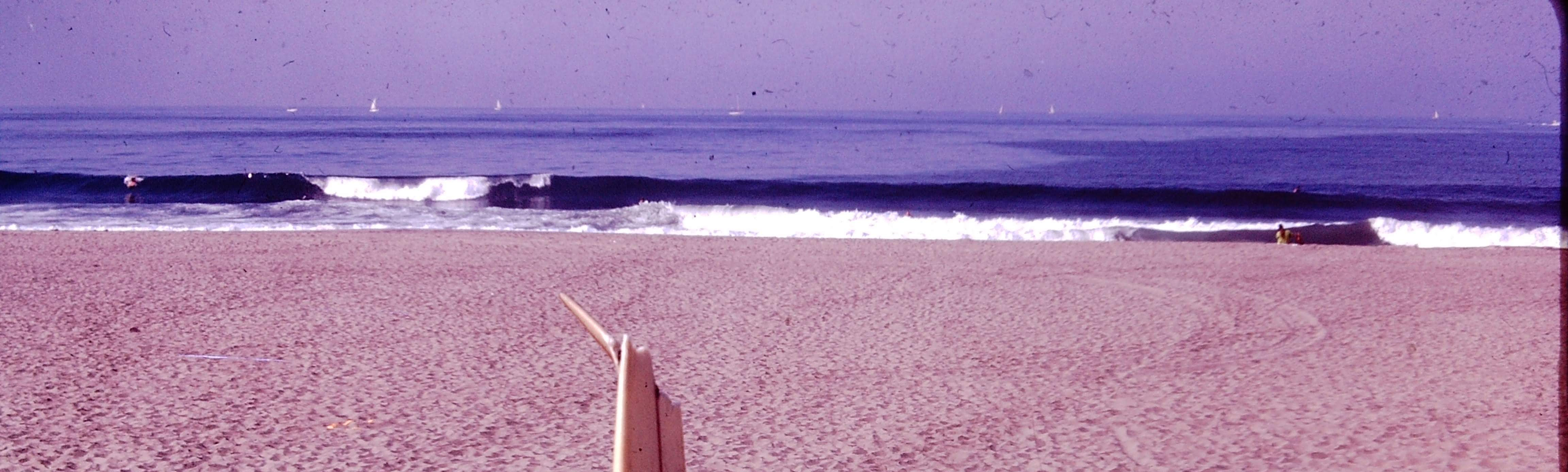
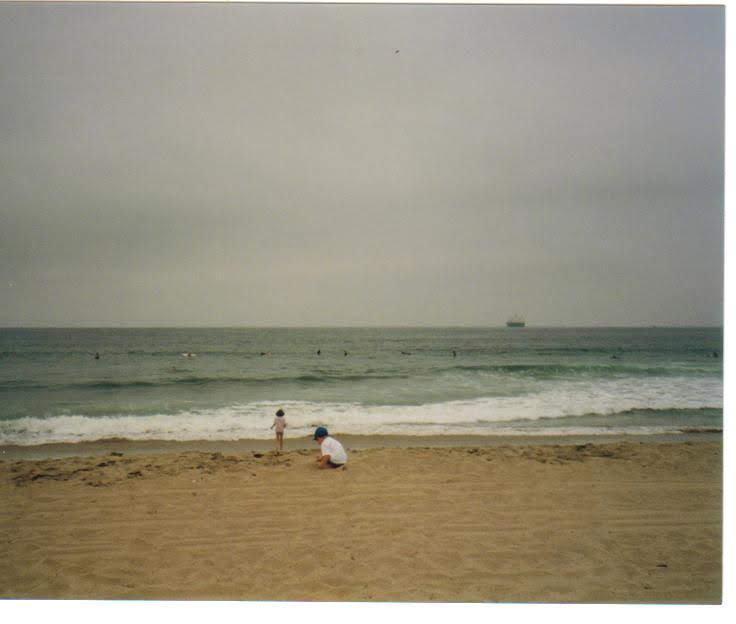
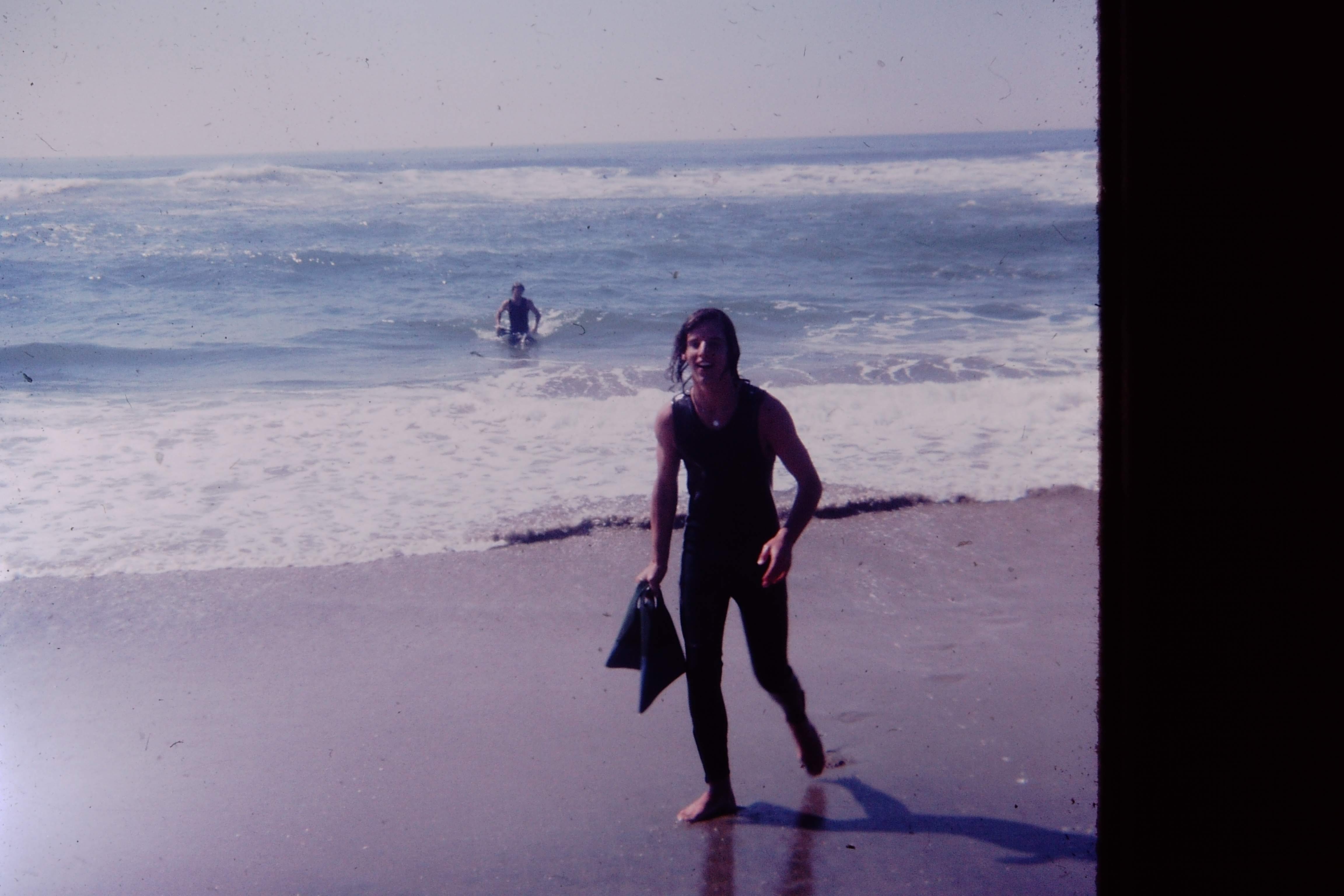
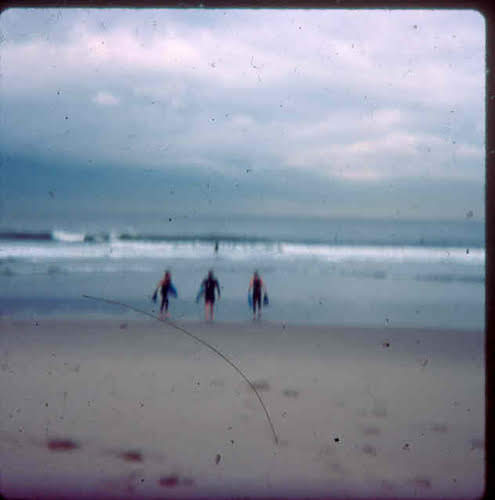
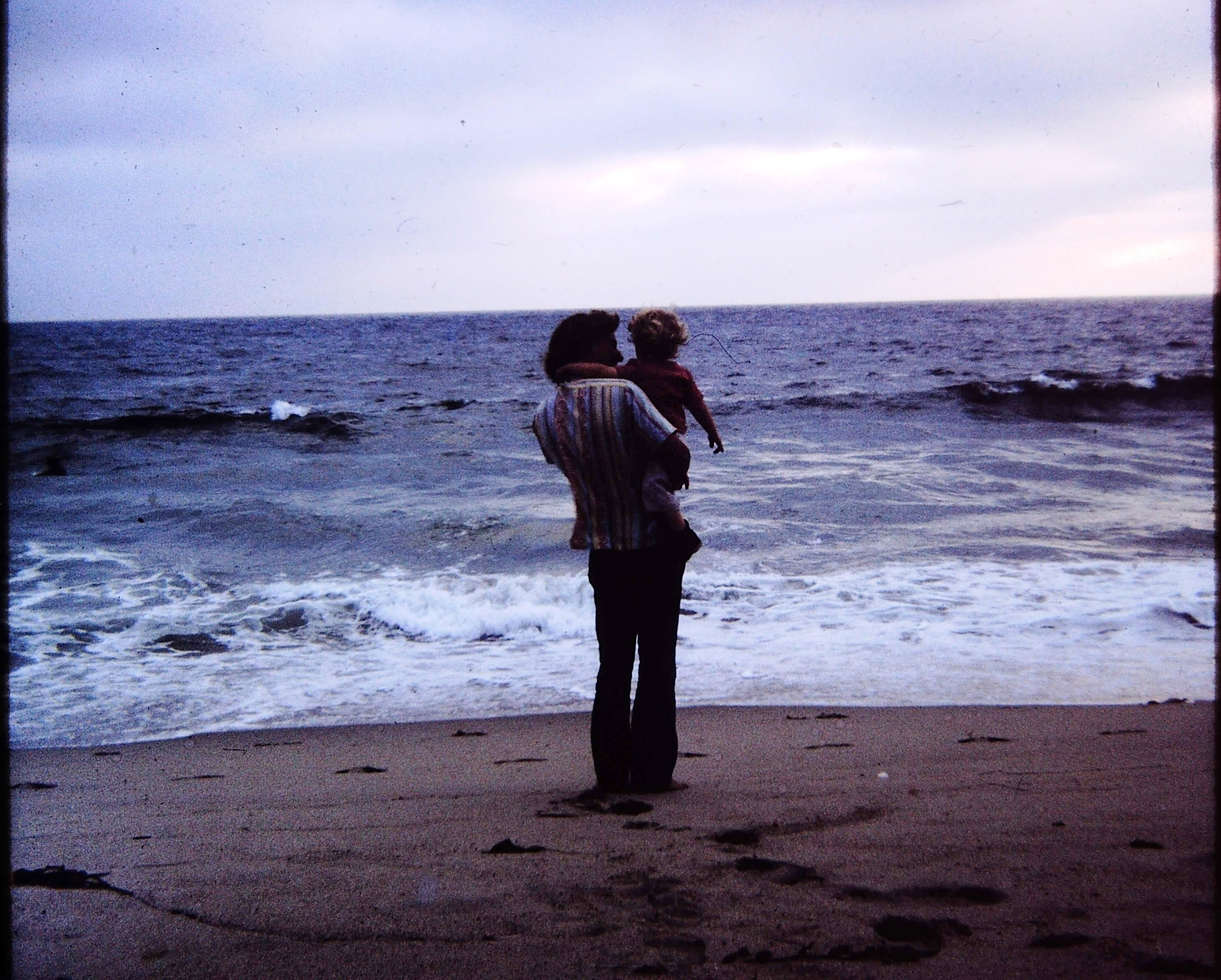
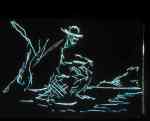
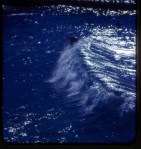
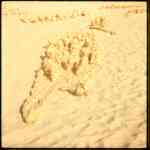
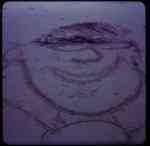
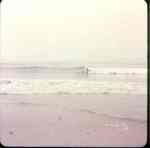
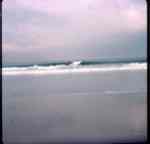
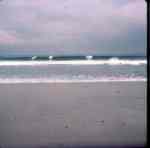
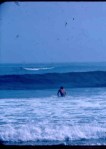
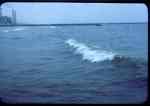
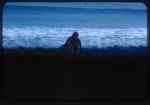
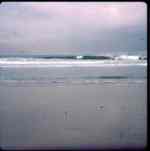
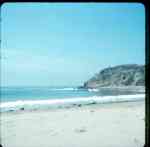
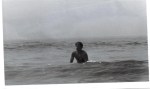
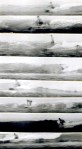
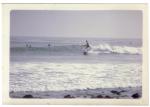
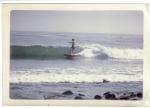
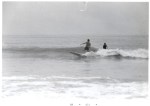
And below find a gallery with more photos from the late 60’s thru mid 70’s. Most of these photos were taken with an Exakta 500 single-lens reflex camera (East German), with a 120 portrait lens, both purchased used and cheap to take surfing photos at local spots on Santa Monica Bay. Most are scanned from slides, Kodachrome or Ektachrome, and one is from a black and white print. The portrait lens was an affordable workaround at the time used as a kind of telephoto, and it worked ok. The camera was abused though, tossed in the sand, and over time the shutter began to stick. The photos starting coming out black. Some viewers may feel these the best photos. See etched drawing on one of the black slides. These are not “big” waves, and the surfers are locals, but the ocean is huge and alive and old and every morning new. Click any photo to see the gallery. And don’t forget to check out the poems.
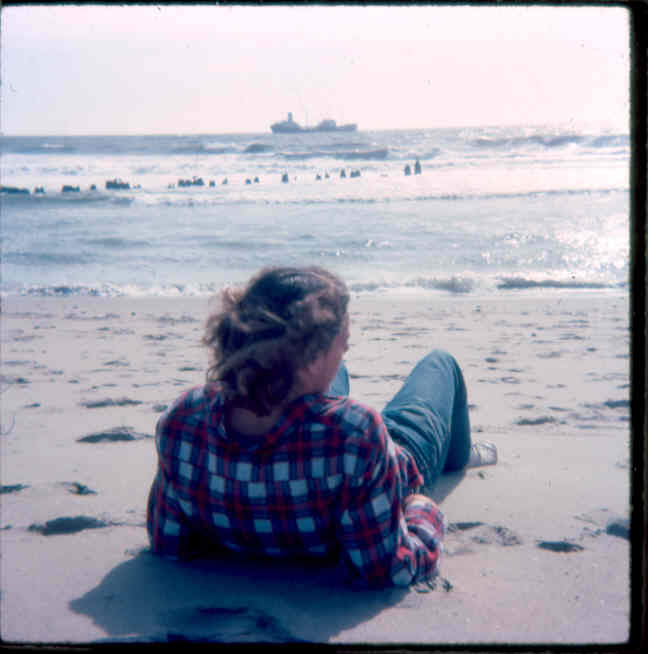
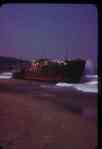
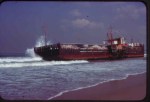
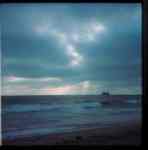
Fishing barge washed in off of Redondo, Palos Verdes in background (circa 1969).
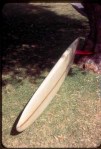
Jacobs re-shaped board on rail.
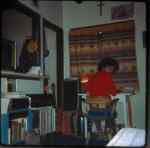
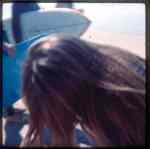
The first Boogie Boards were hand made from kits. That’s a blue skinned Boogie Board behind this photo of Susan’s hair!
Susan & John above cliffs at Gaviota, north of Santa Barbara.
Embers of a partially burned ocean In a box in a dank basement molting notes A weathered surfer slowly descends the creaking
Worn stairs, dark swells yawning Fish eyed and barnacle knuckled he climbs Finds and opens the box, peers in, smells the pages
Runs salted fingers over the raised words Rusting paper clips, chiseled letters in Courier font Fading beached seagulls washing away in an incoming tide
Wired spiraled journaled waves Bleaching across the page ink in water Blistering sun burnt tattoos on old shivered skin
He can no longer read without bottled glasses He chuckles, the tide receding washing scouring White out rocks across words stuck buried in red tide pools
Breathing with a snorkel The surfer leers over the smoldering sea Takes up the seaweed soiled waxed manuscript
And paddles out of the basement Walks down to the beach and what remains Of the water and casts out the paper fish net
Into a set of scaling waves Lit with a lustrous industrial moon The waves curling letters in blue neon.
Every person alive has a story, but some don’t have voices. But there are many ways to tell a story, and stories can be told without words. Still, for the story to emerge, the storyteller must develop some kind of voice, allowing others access to their text – again, even if the text is without words. But some persons with voices remain unaware of their story, even as their story is read or enjoyed or devoured and repeated by others. Still others may be aware of their stories and have voices but choose not to share. Can all these stories be told, and who will tell these stories, using what voice?
I am moved this morning to tell this story as a consequence of a Twitter “interaction”: “Well, about Coelho, what can we say?” For I had re-tweeted a tweet calling attention to a Guardian Books post quoting the Brazilian writer Paul Coelho: “One of the books that caused great harm was James Joyce’s Ulysses, which is pure style. There is nothing there. Stripped down, Ulysses is a twit.” The same article refers to a previous Guardian article, an interview with the Irish writer Roddy Doyle, who said: “You know people are always putting Ulysses in the top 10 books ever written but I doubt that any of those people were really moved by it.”
I think part of Roddy’s point, in the context of the interview, was to bemoan all the attention Joyce has received over the years, possibly to the neglect of other Irish writers just as deserving of readers’ attention. But both Coelho’s and Doyle’s criticism of Ulysses is grounded in their literary values – they think that for a literary work to have value, the reader should be moved, changed, brought to tears or laughter, that we should leave the theatre wanting to change our lives or somebody else’s life. For a story to be good, the Coelho-Doyle argument goes, the voice must be immediately recognizable, accessible, and force feelings to surface in the audience. And since Ulysses, for most readers, probably doesn’t do that, it’s not a good book, and since it’s nevertheless received so much recognition and so many writers have tried to use Joyce’s voice, it’s been harmful because it’s diminished the development of other voices, voices that might have reached readers and transformed their lives.
I’m reminded of the barbershop on Center Street in El Segundo, where I once dropped in to get a haircut. It was a one chair shop, and someone else was in the chair, so I had to wait, and while I waited, I listened in on what amounted to a lesson in art criticism. The barber had hung on the wall a painting of a mountain lake. “And I have a photograph of that very spot,” the barber said. “And if I hang both of them side by side, I defy you to tell me which one is the photograph and which one is the painting.”
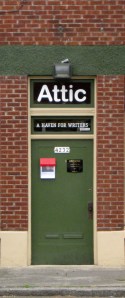
I’m a Hawthorne Fellow at the Attic Institute for the period April though August, working on a novel, Penina’s Letters. For information on the Hawthorne Fellows, click on the Attic door below. They are accepting applications now for the next Fellows period, Oct. through Feb., 2012-13.




 The Coming of the Toads