Tag: El Porto

  • 60s & 70s Surfing Slide Show

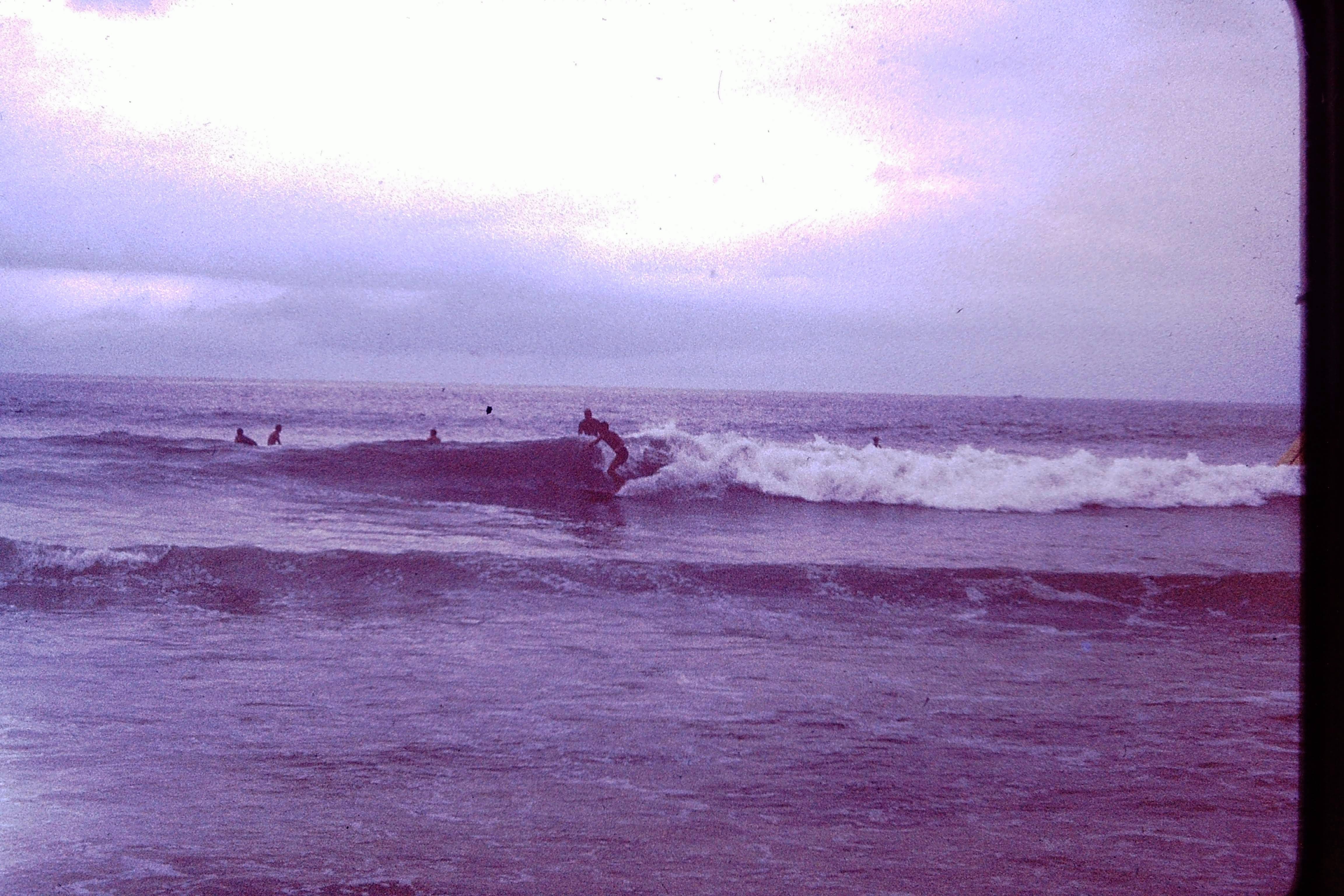
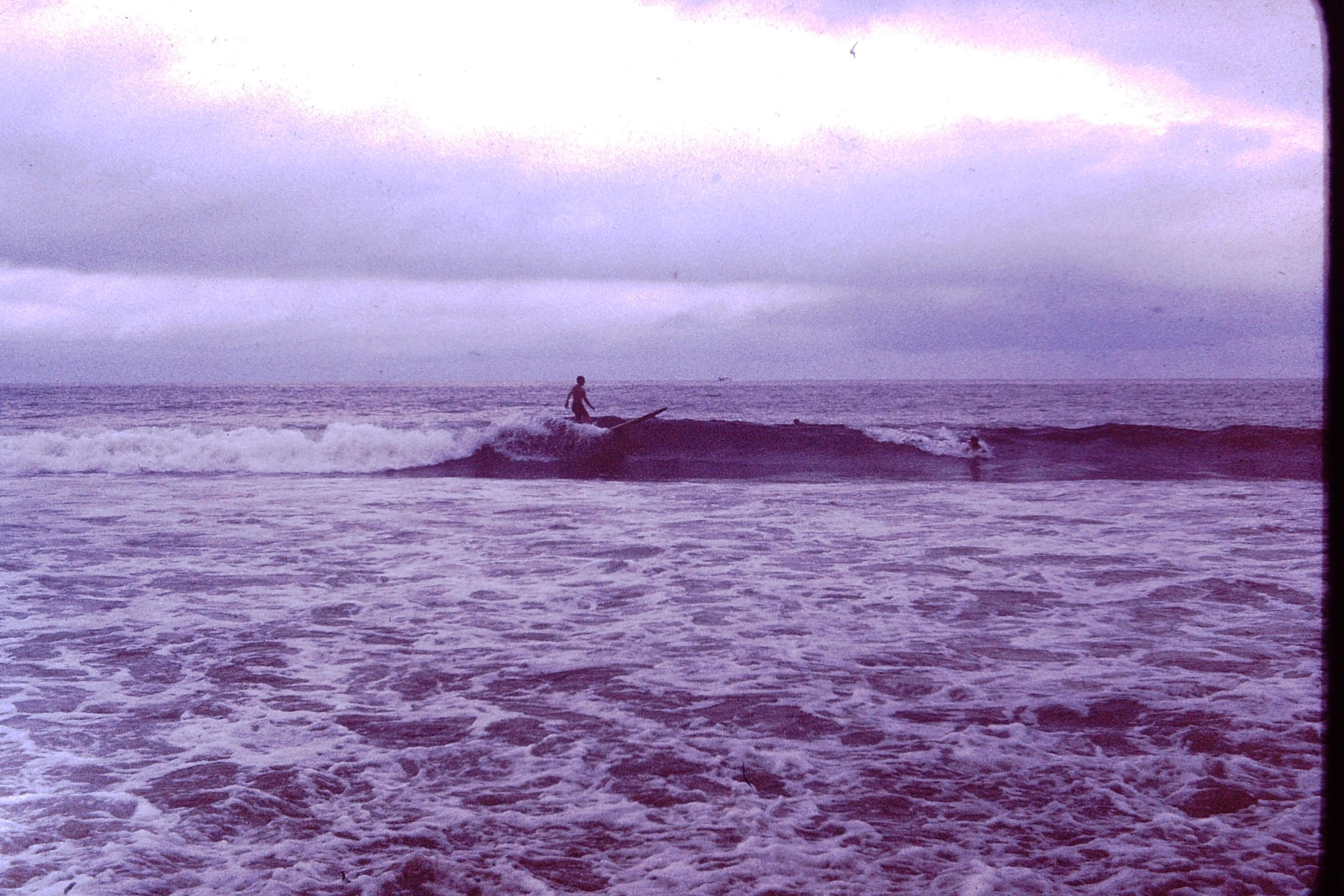
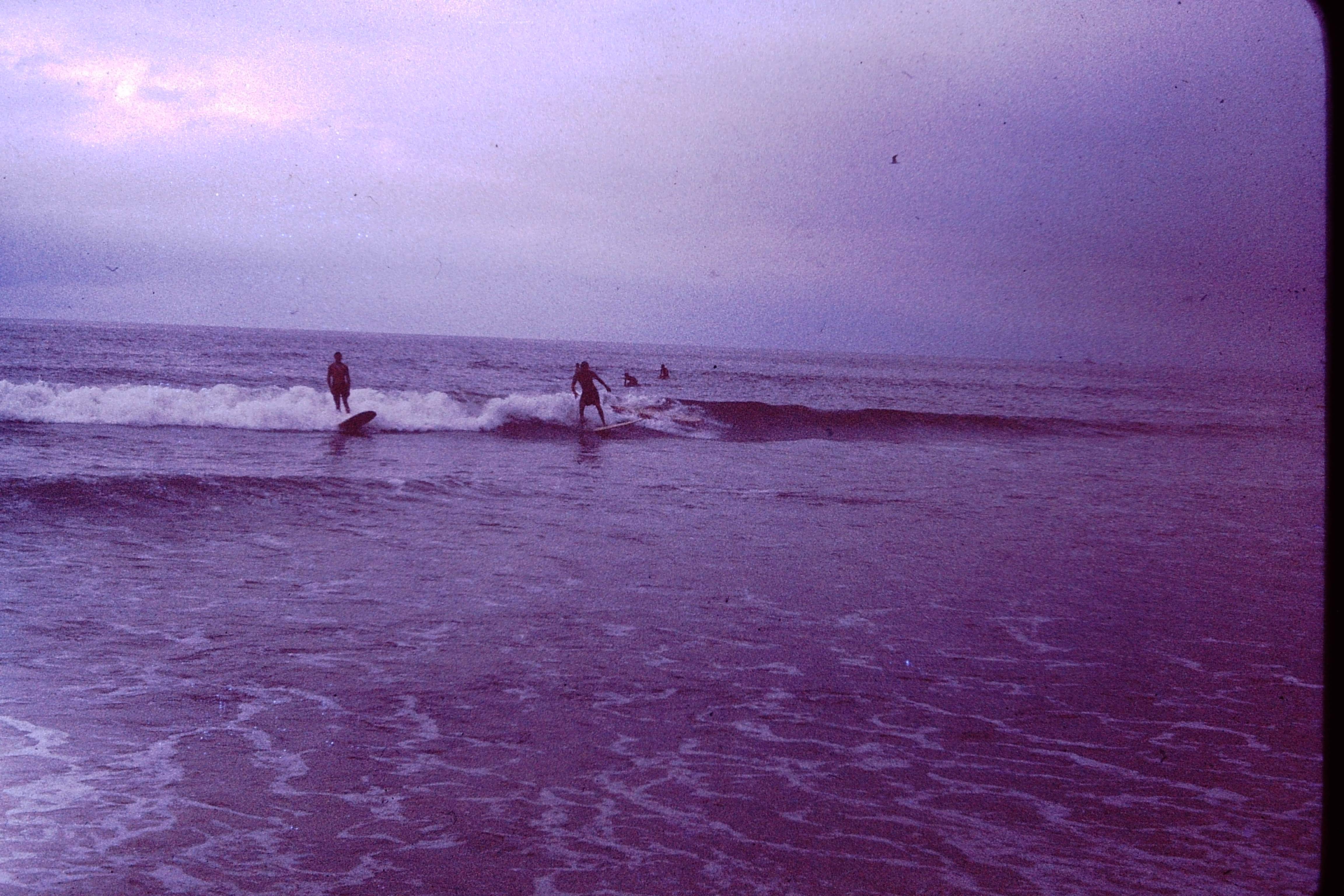
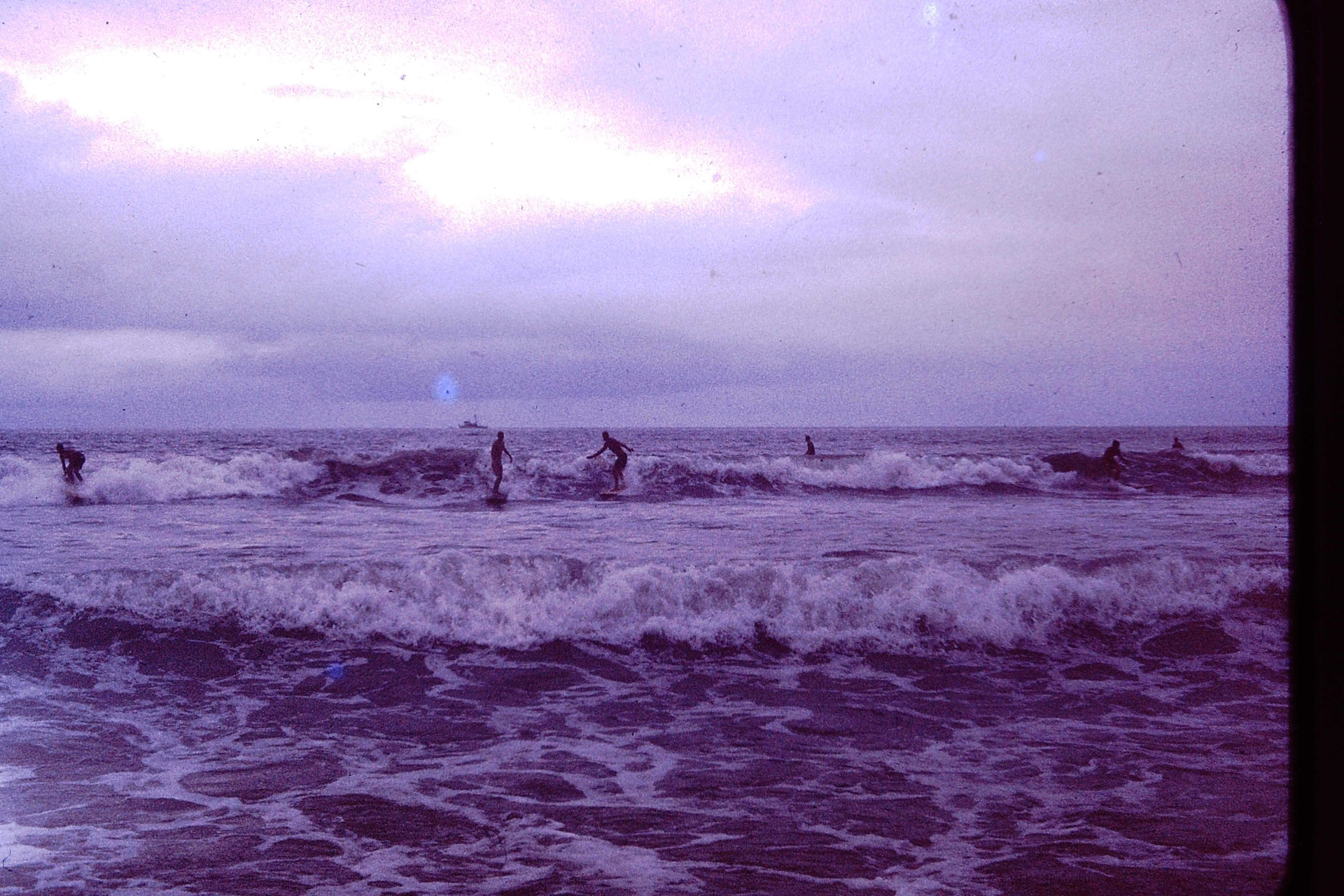
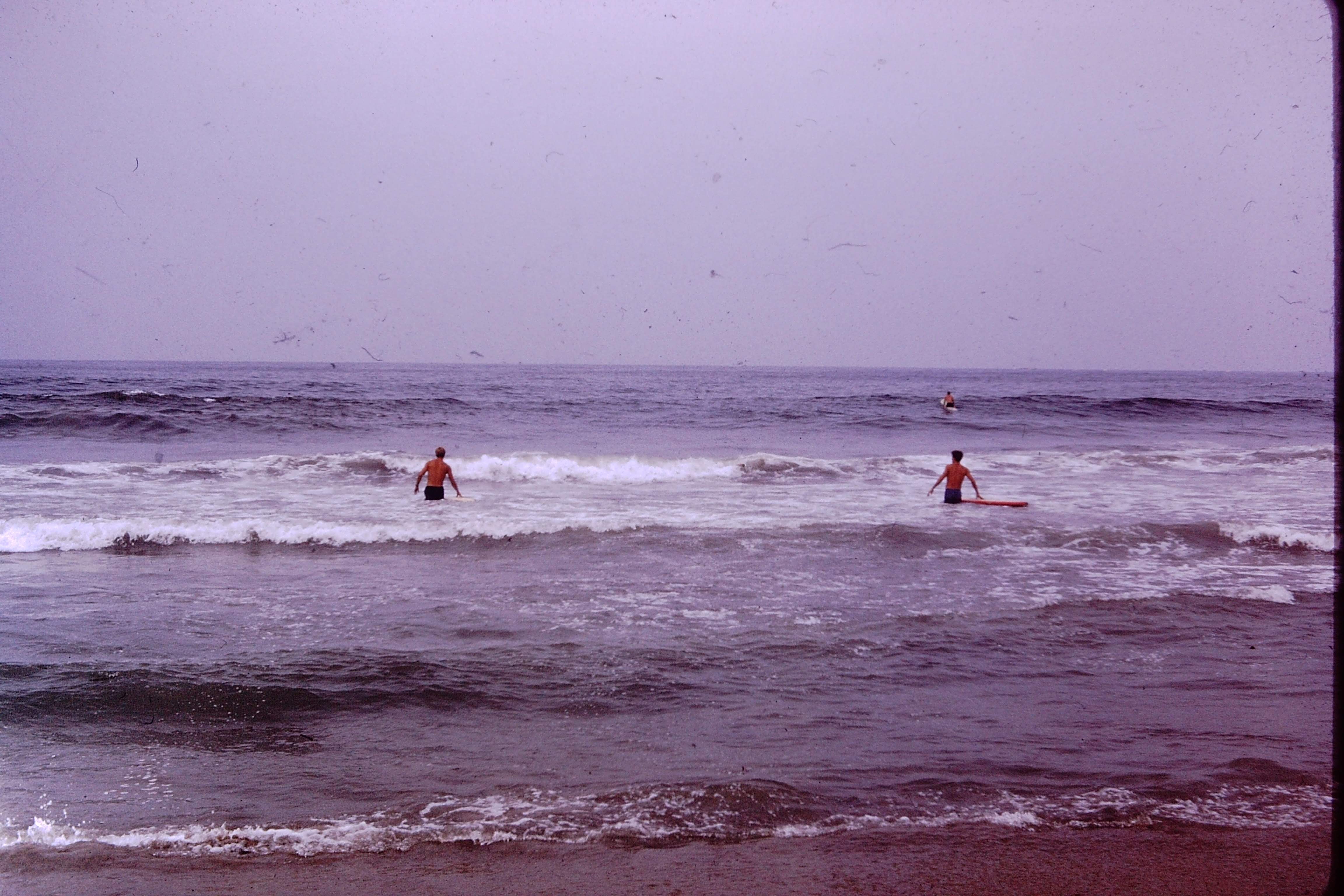
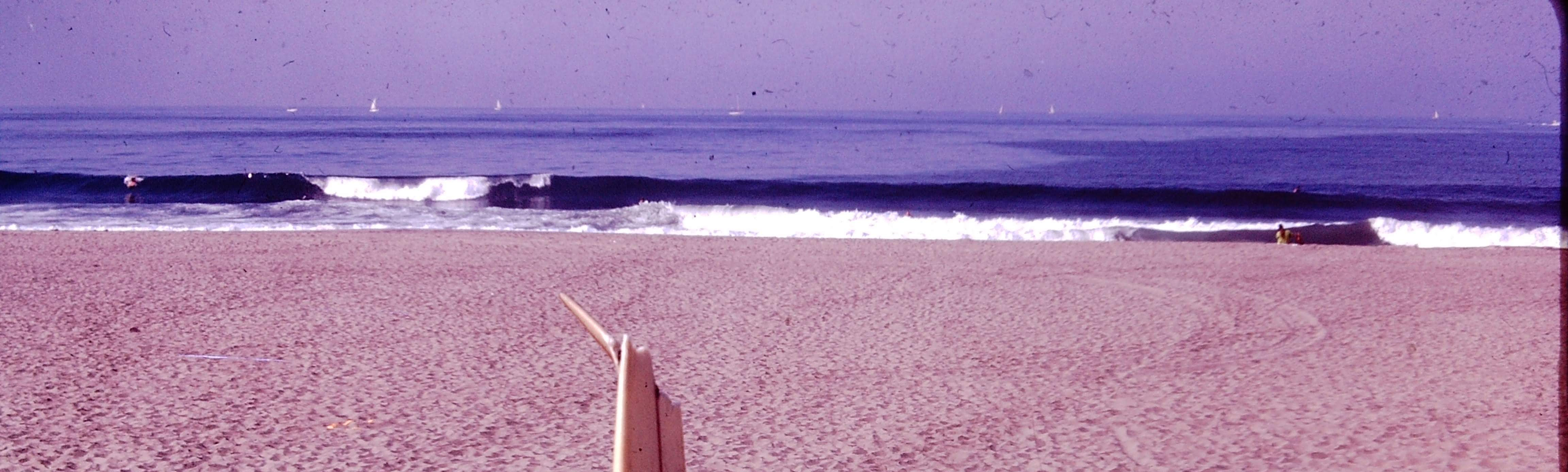
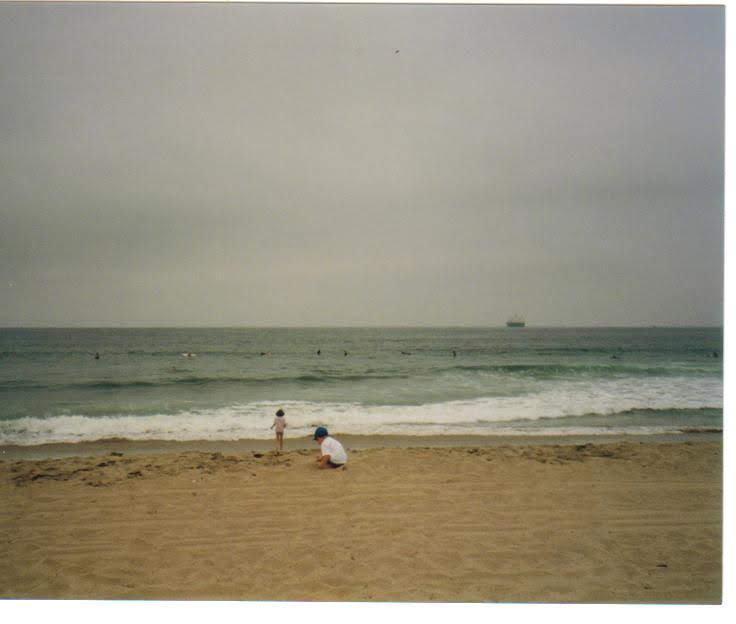
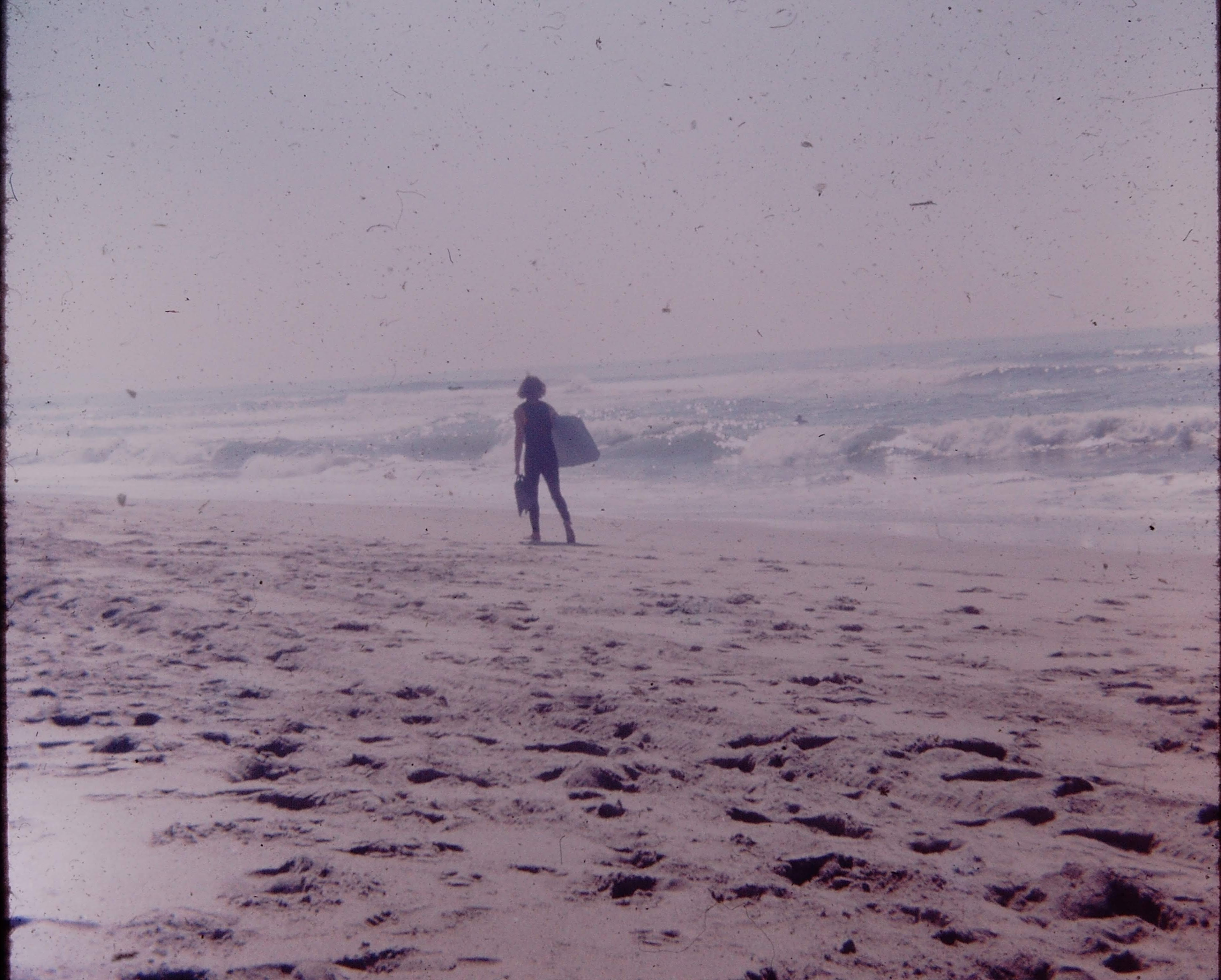
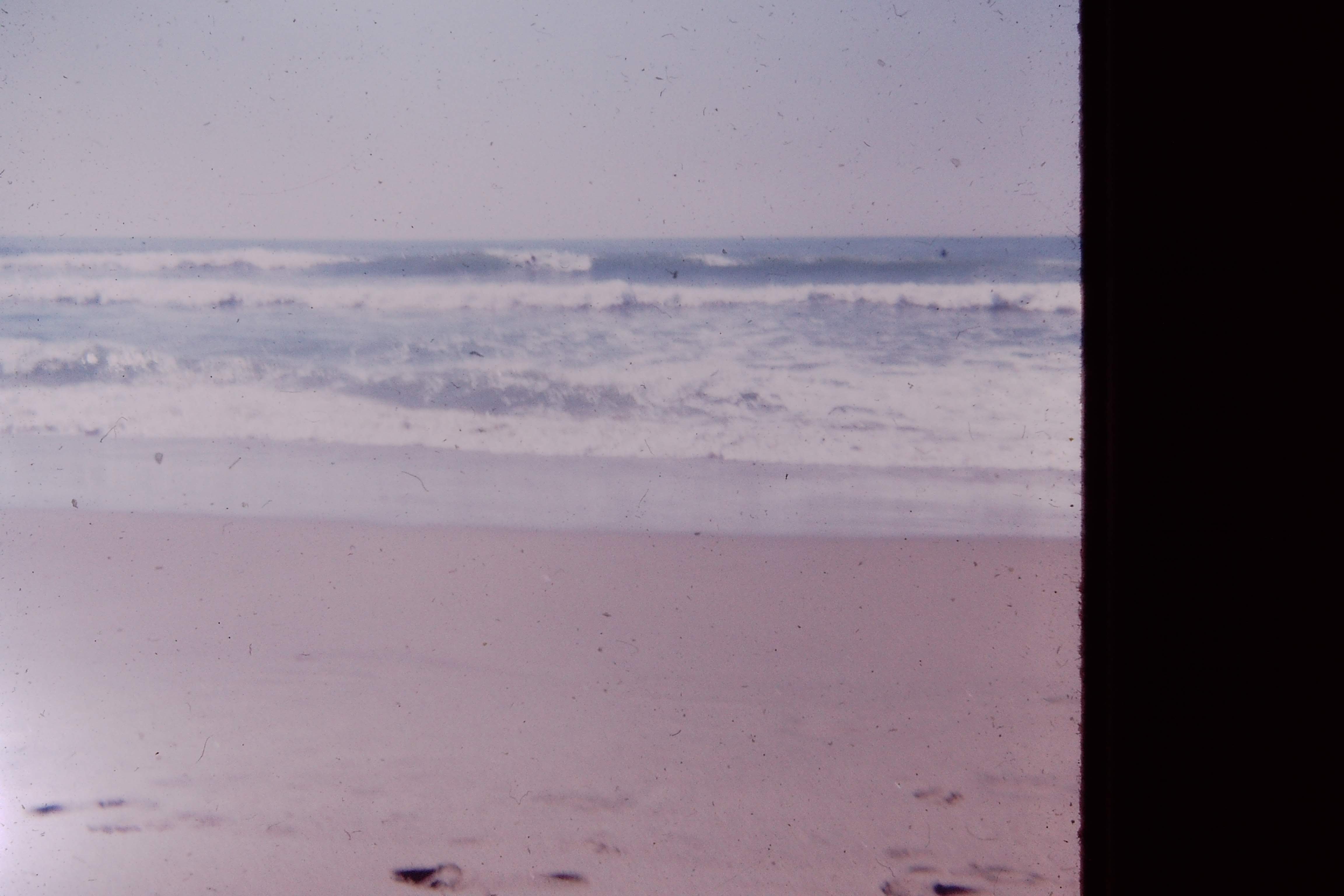
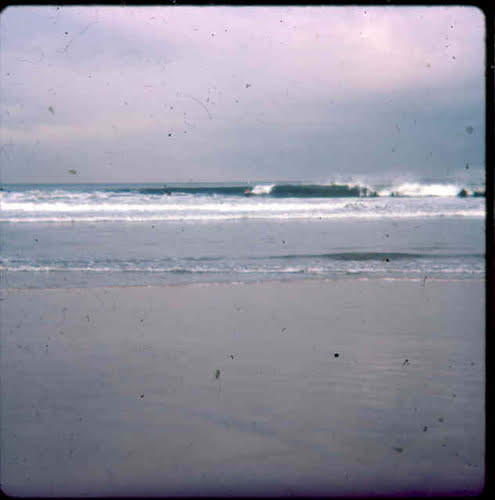
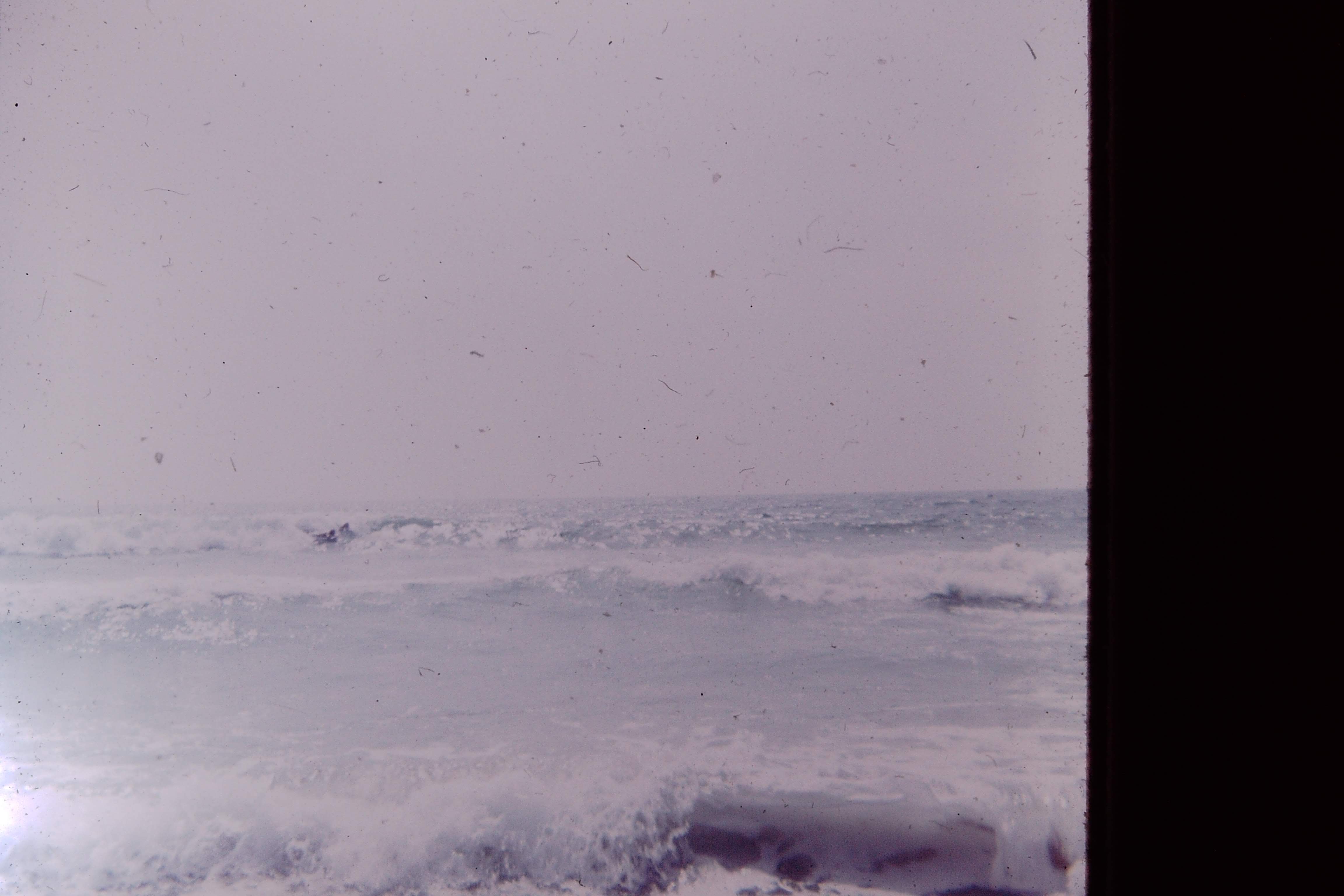
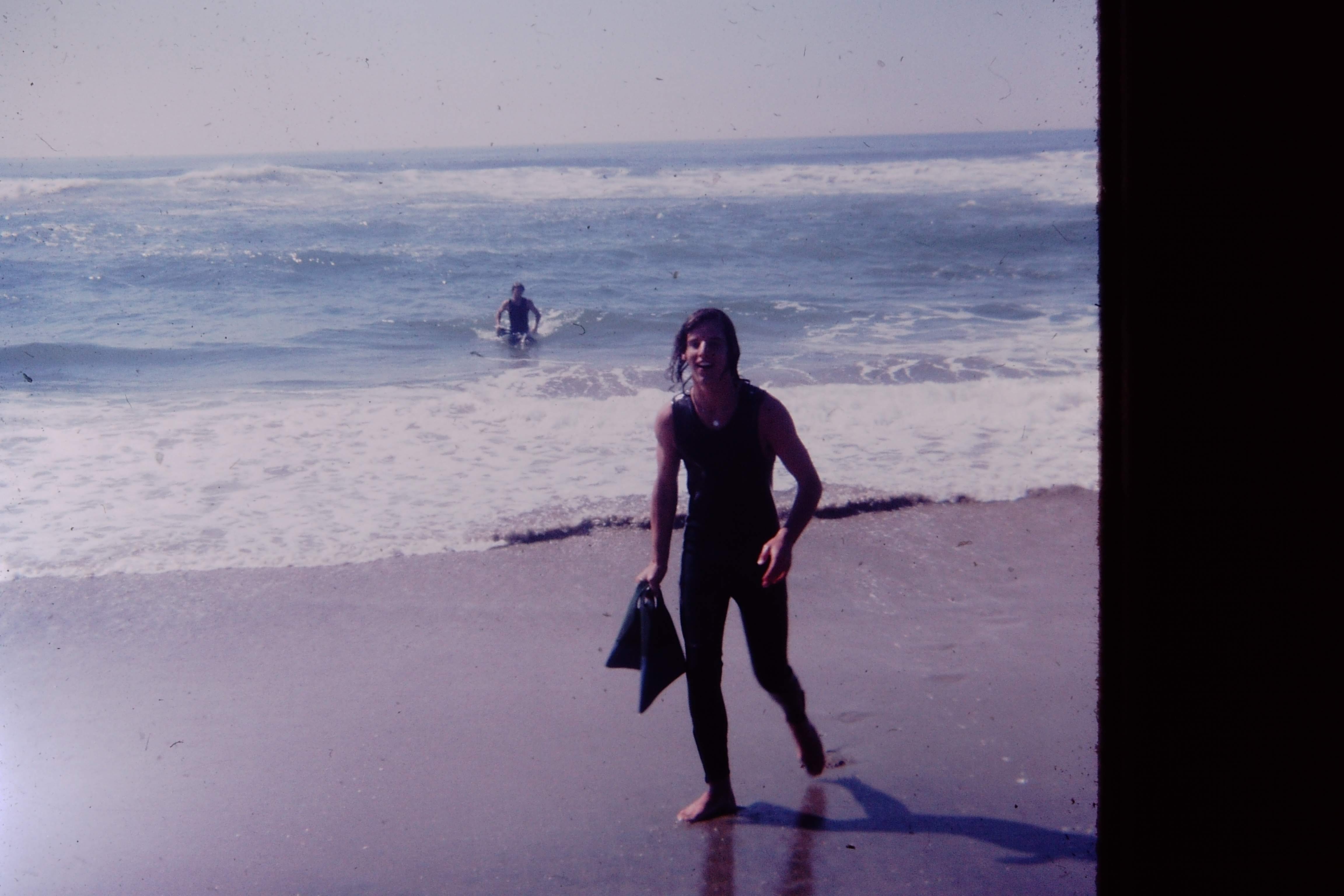
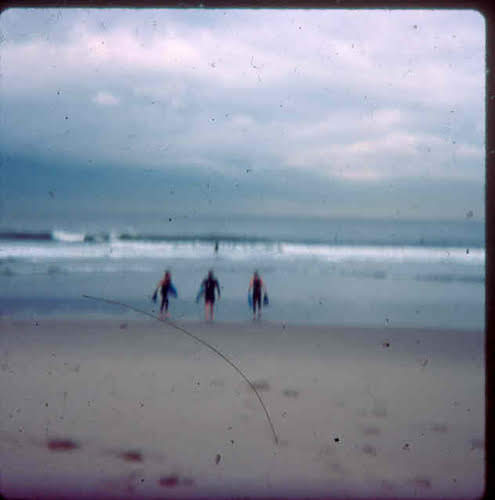
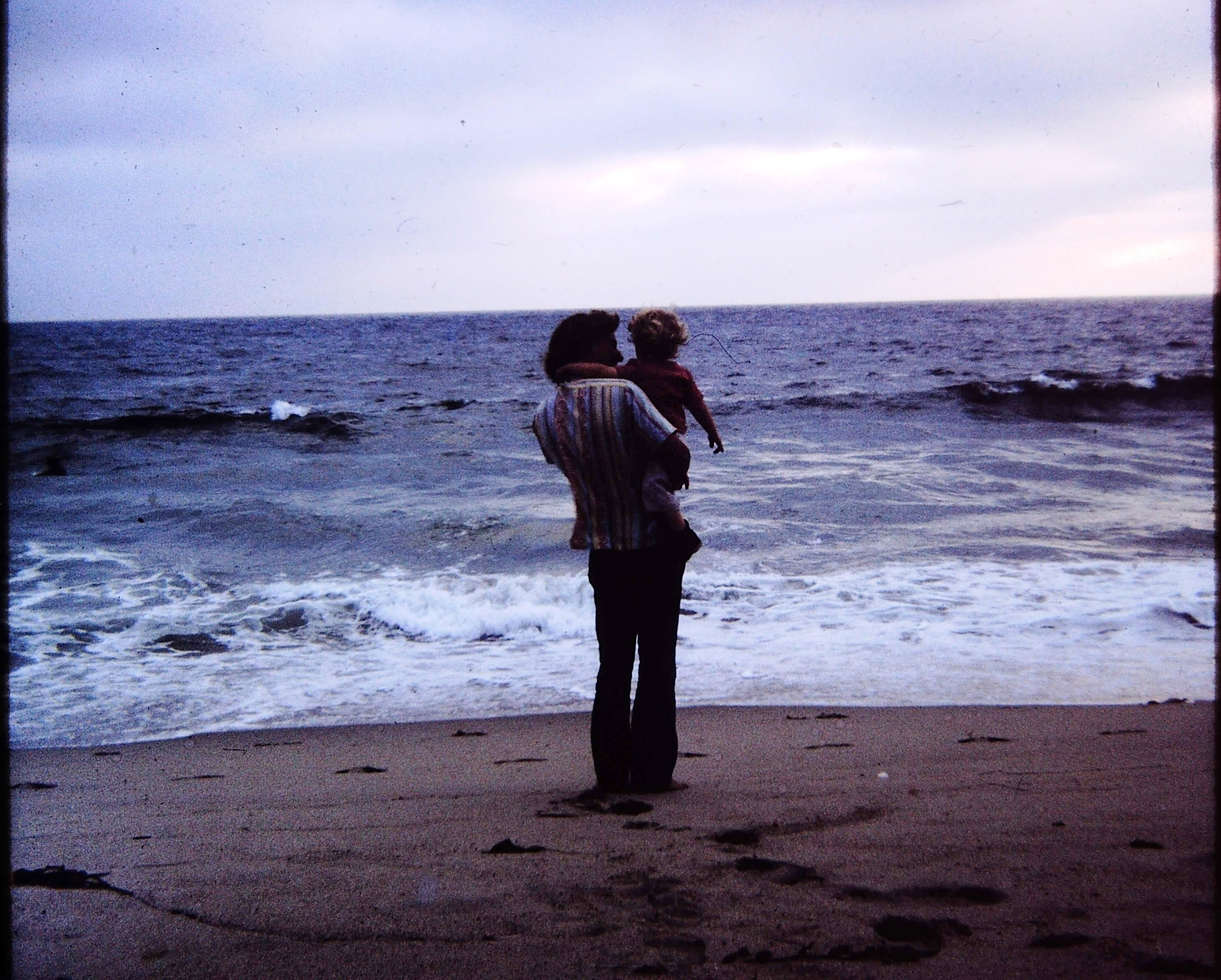
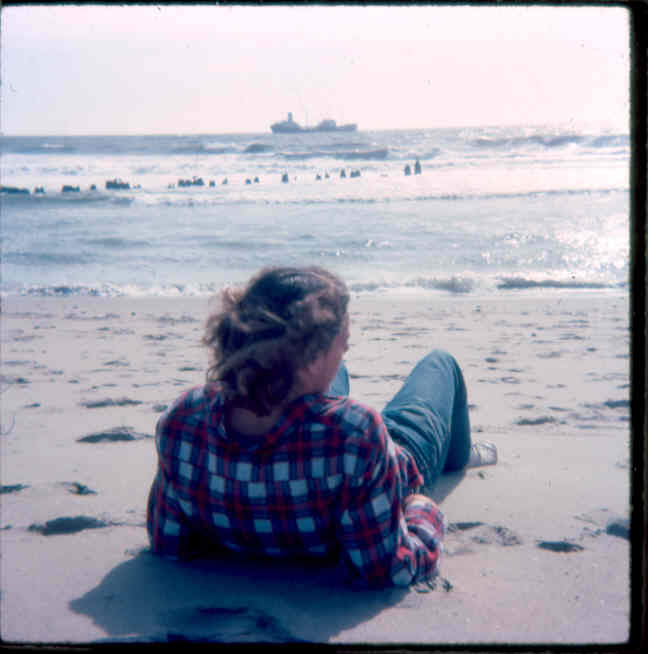
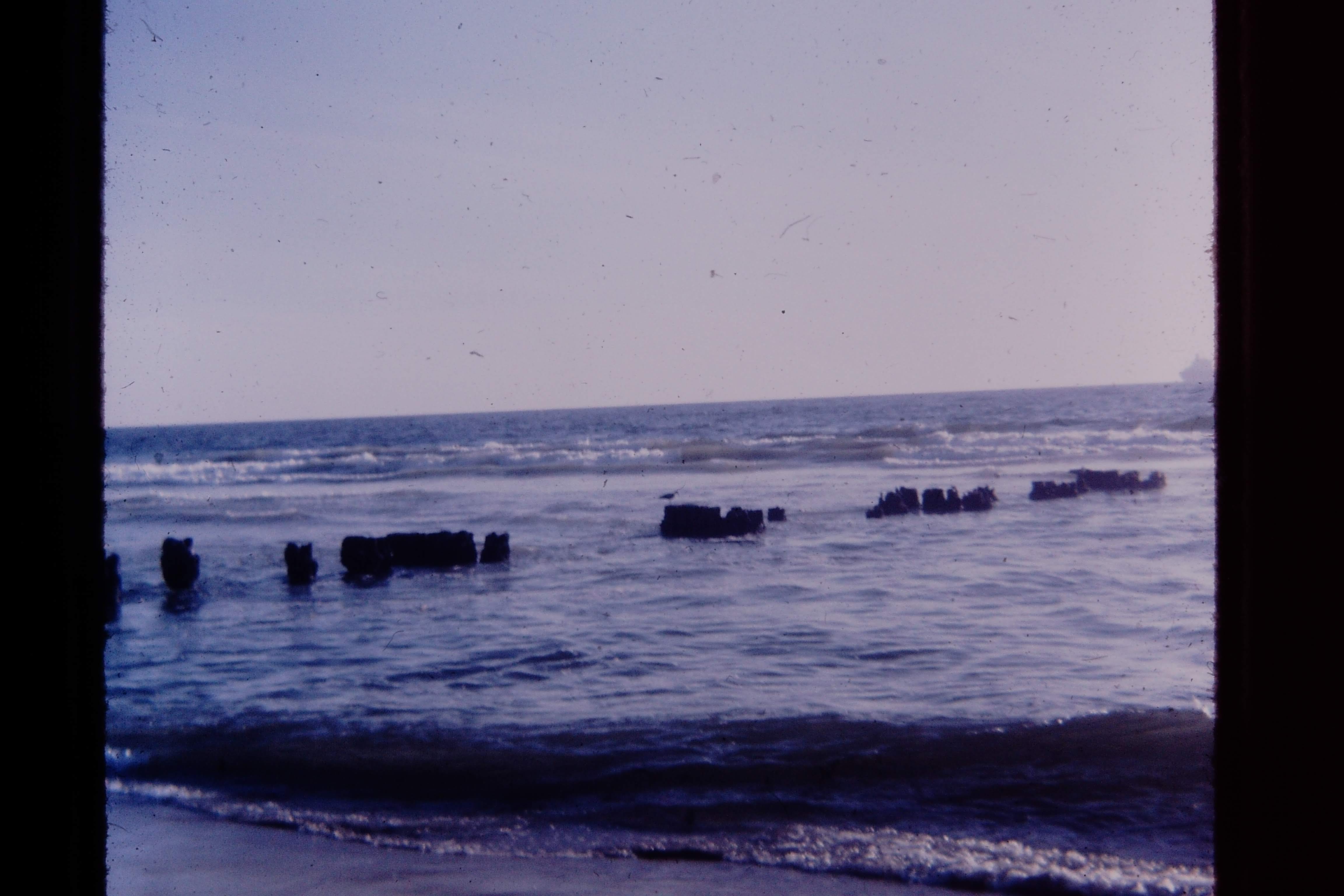
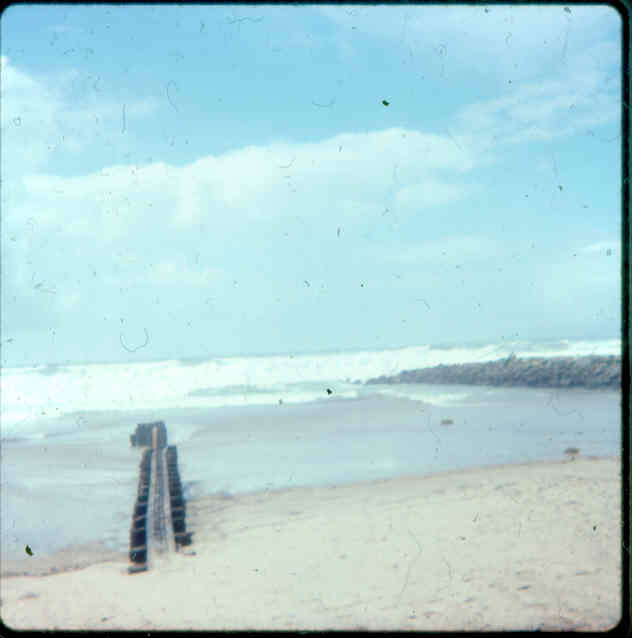
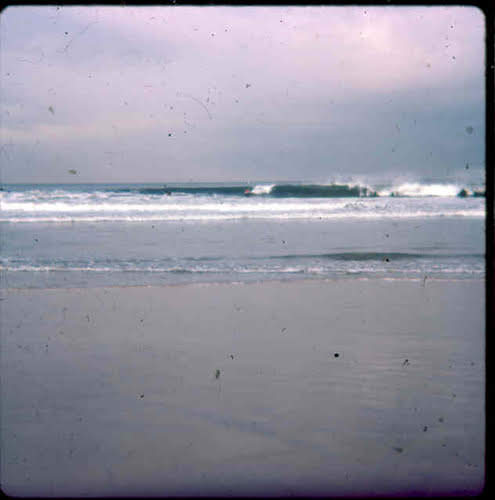
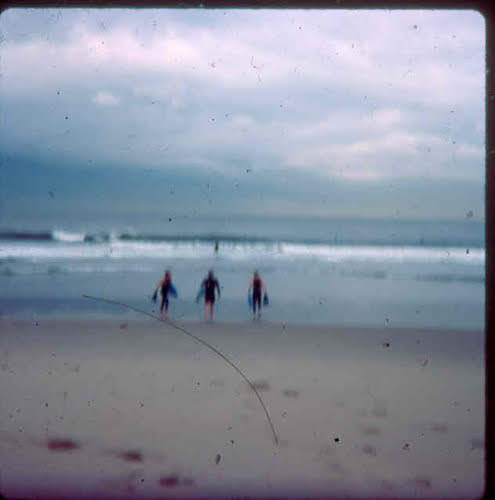
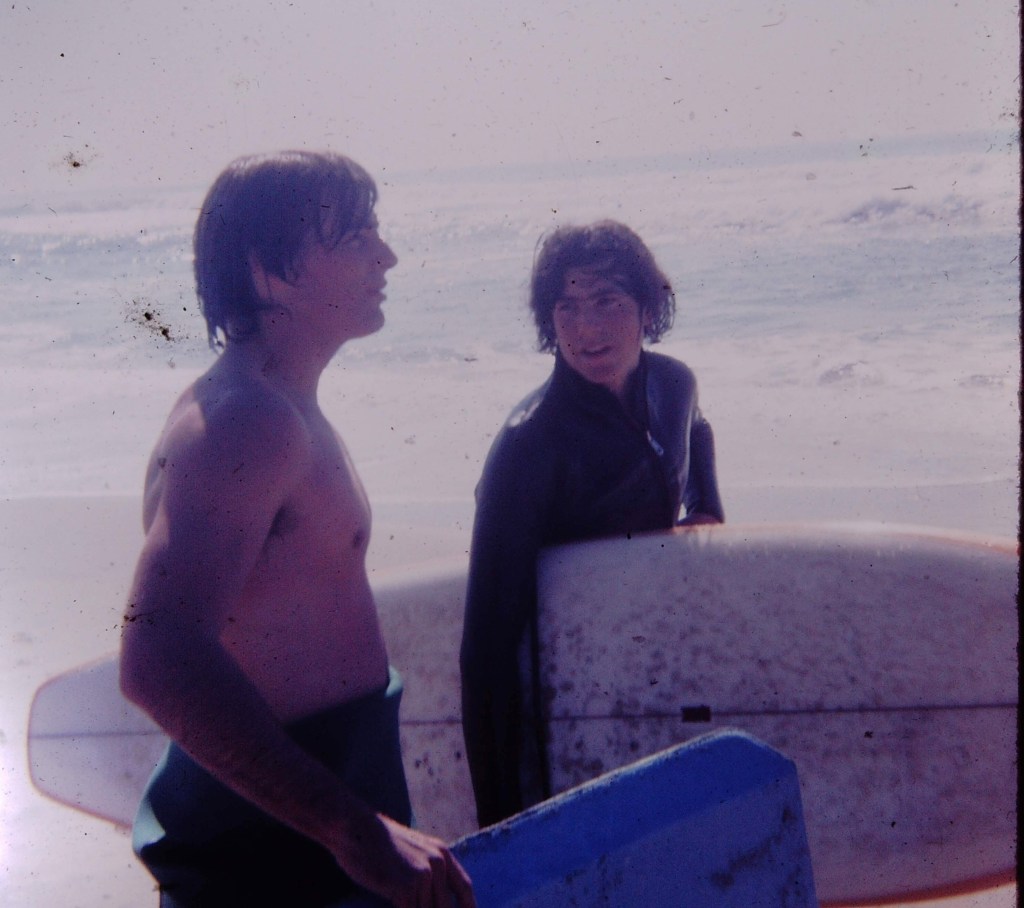
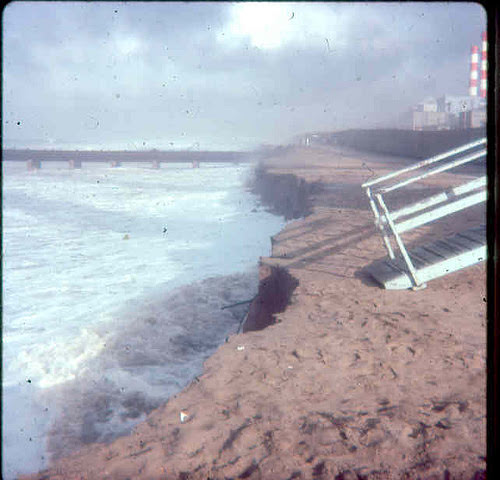
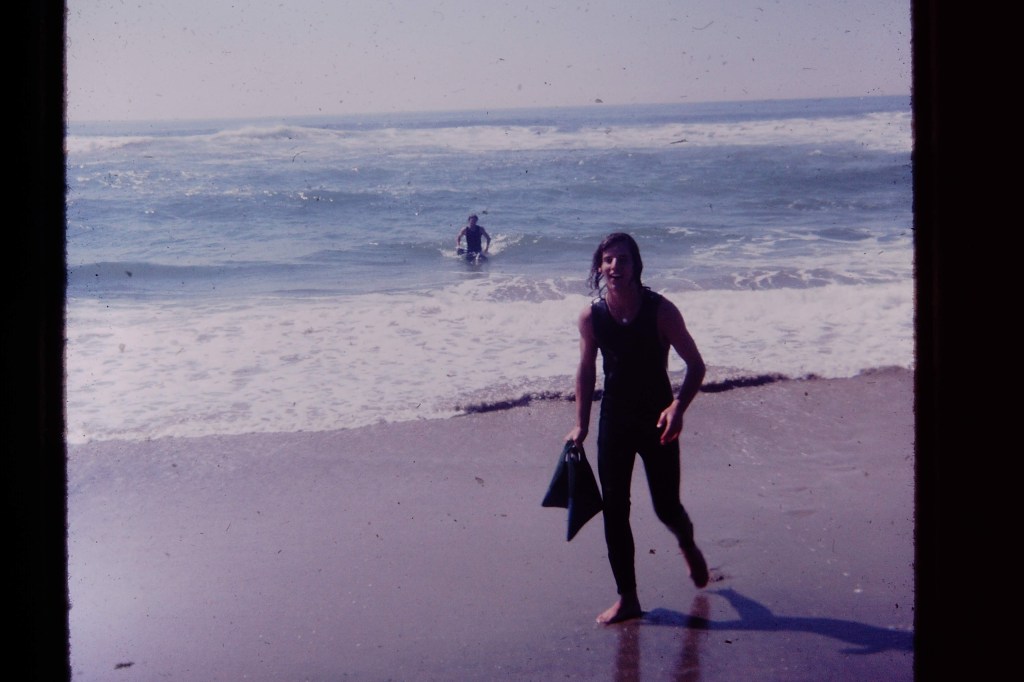
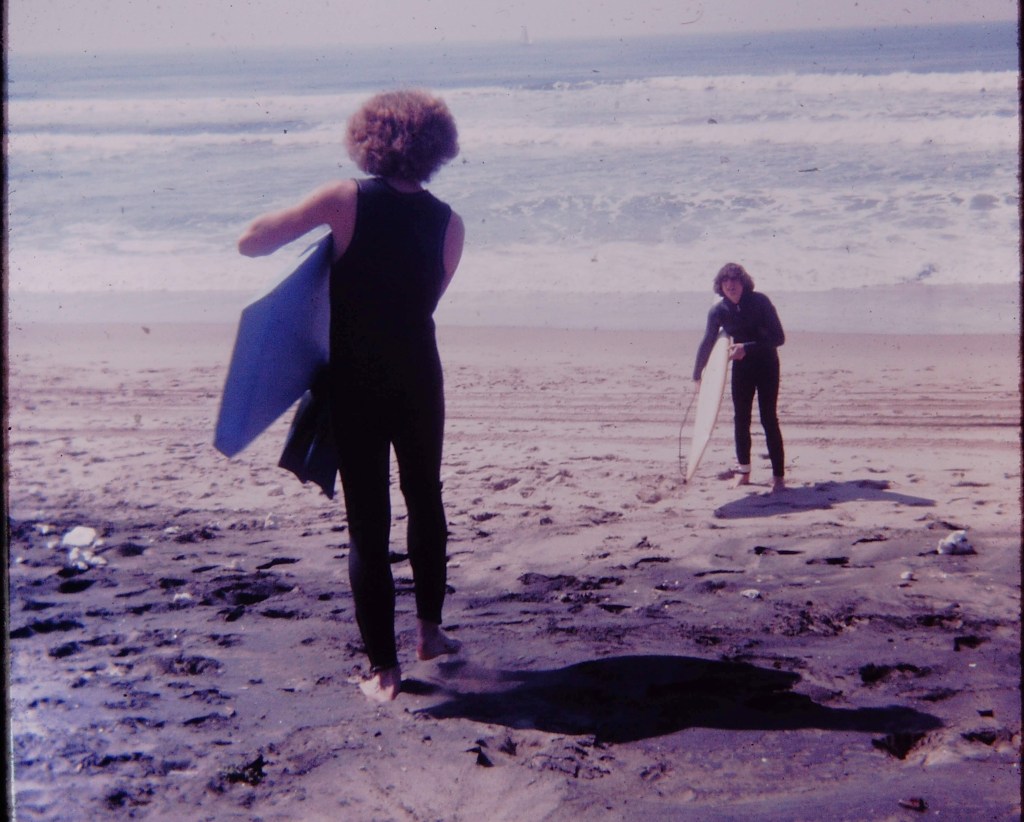
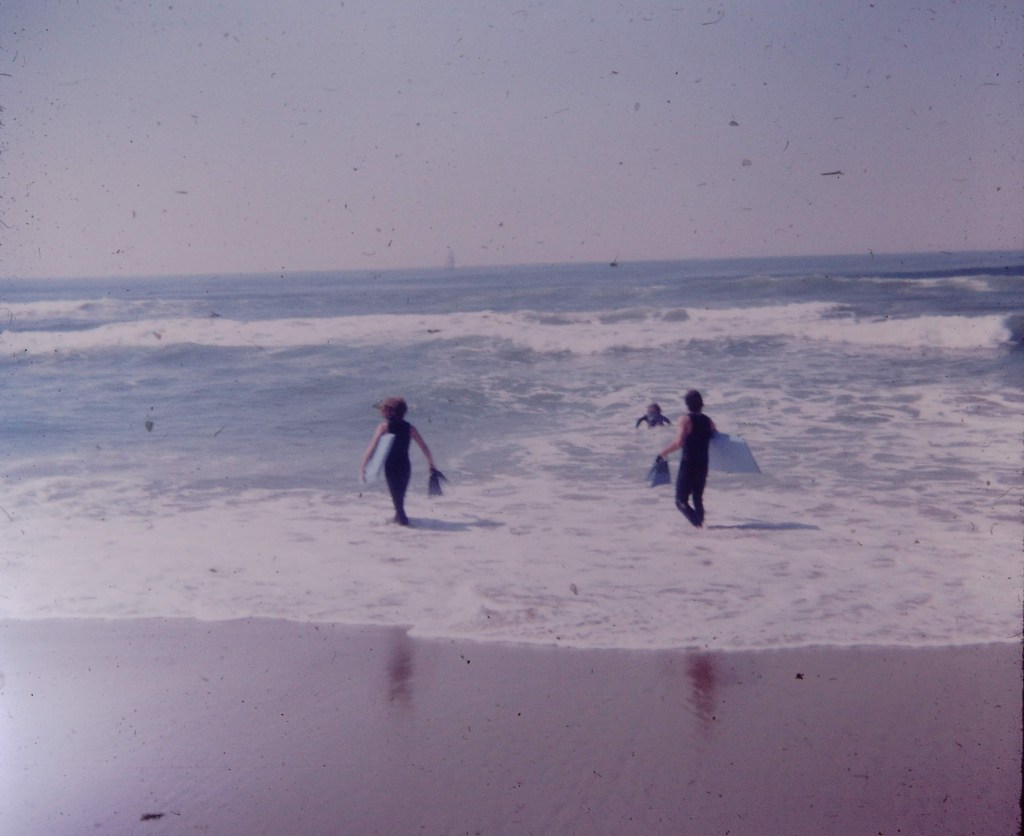
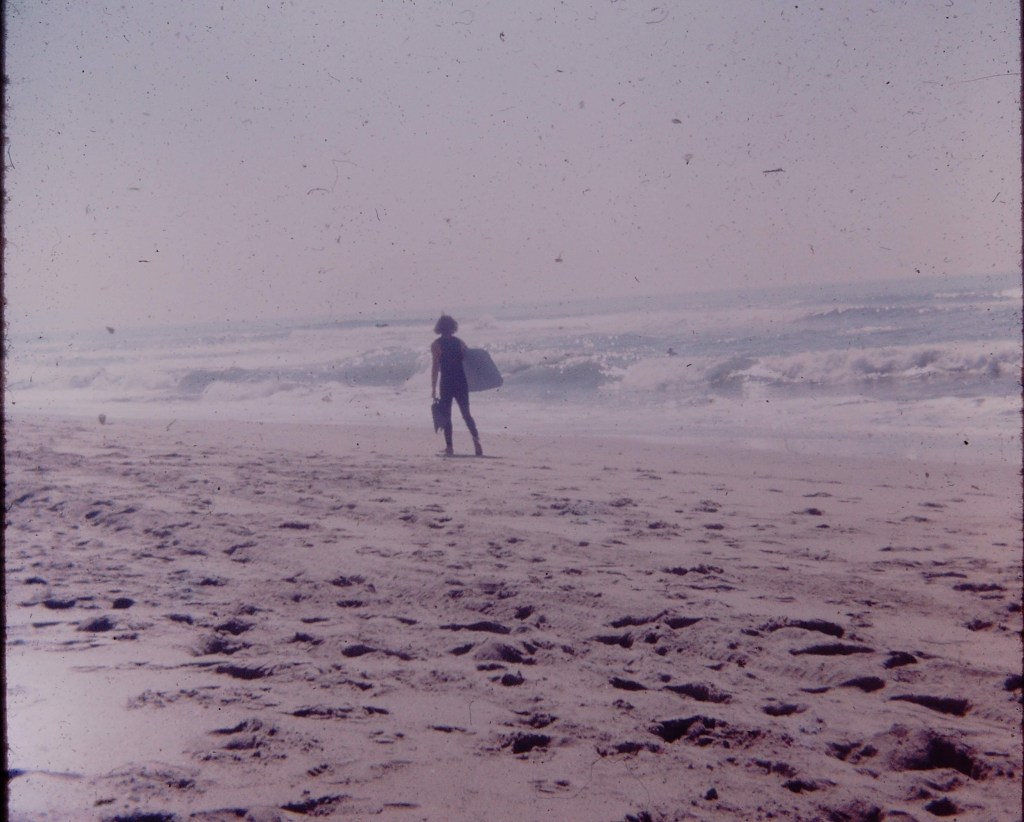
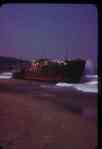
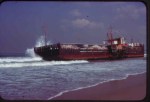
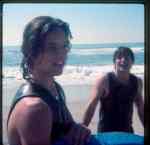
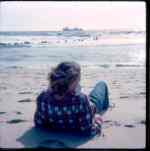
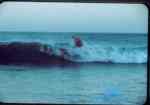
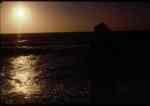
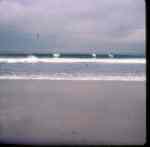
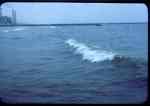
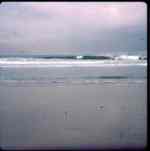
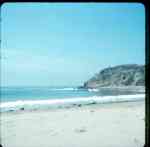
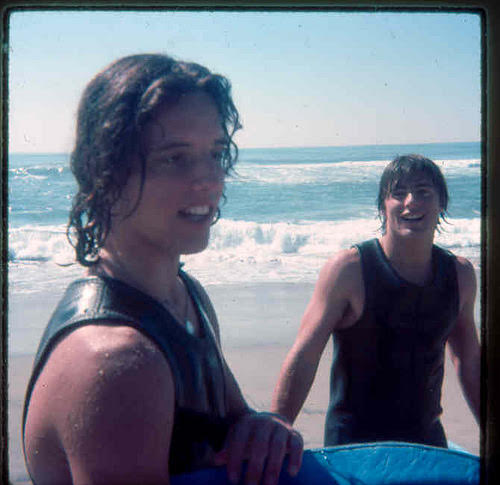
    We never tired of going down to the beach, in the mornings to surf, in the afternoons to boogie, in the evenings to walk, to catch the sunset. I bought a used Exakta 500 for surfing photos. The 50mm lens was too small, so I bought a used 120mm portrait lens. After the sun went down we sat out in the backyard and watched a slide show on the side of the garage wall.

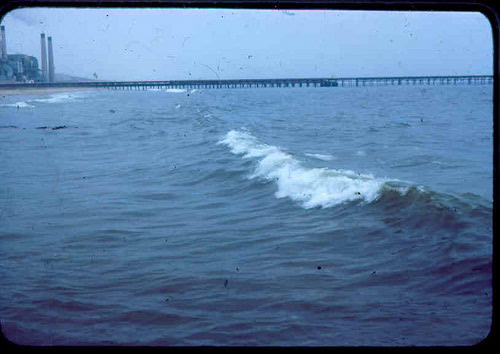
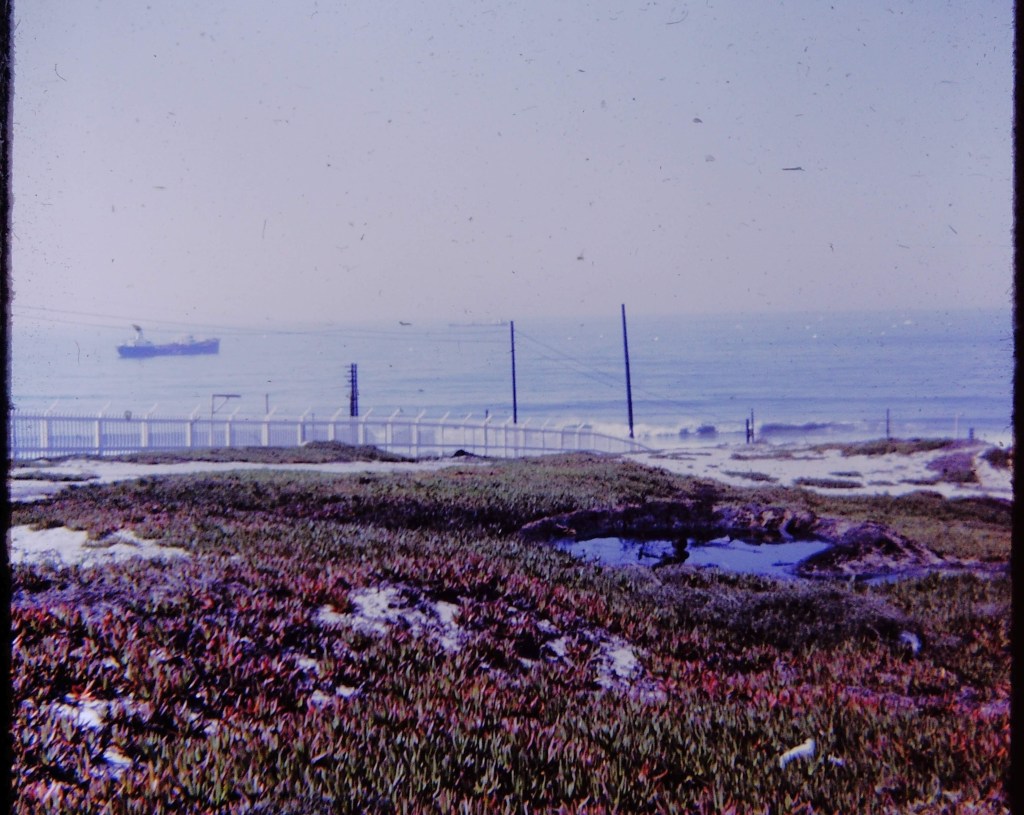
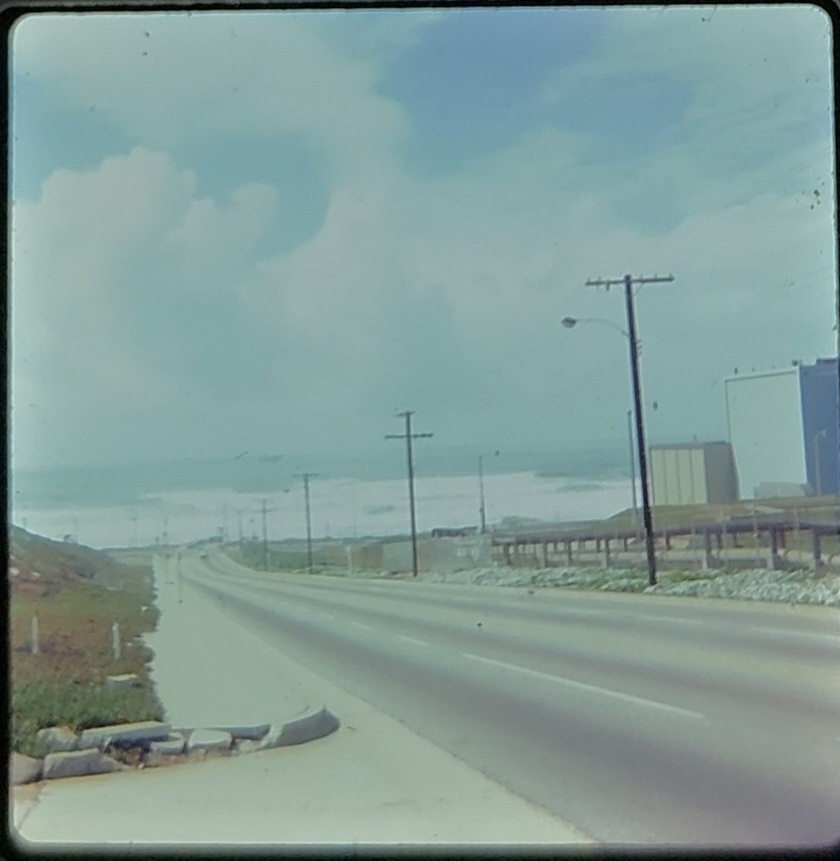
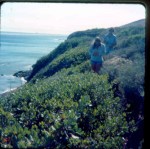
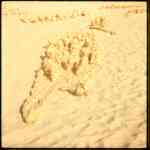
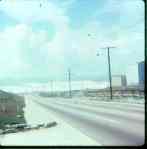
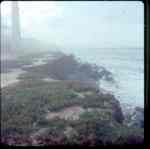
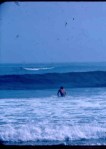
    Surf films, streaming videos, and photos often depict surf spots as gardens of paradise, perfect waves, friendly sun, and green down to tan-white sand and then the waterline, clean blues and greens. Nothing industrial going on. Very good days are rare though, and we went down to the water anyway, regardless of conditions. And once in the water, it didn’t matter. Every wave was a Top 40 hit song, every photo a classic. The beach break at El Porto was our home spot, over the dunes from the El Segundo Standard Oil Refinery. The photos we took in the 60s and 70s might today look as bad as the waves we rode. AI Assistant wants to touch them up for me, but I prefer seeing the originals, even if those are now becoming as faded as the memory, dye fading and color shifting.

  • A Place of Gifts: On Foot from the Beach to Home

    We two boys stood at the edge of the road at the top of 45th high above the beach, where the slow moving two lane Highland (lined with spots we ignored as kids: vista apartments and curio shops, corner cigarettes and beer market, breakfast cafe and evening bar), turns into Vista del Mar and curves down to Grand, only about a mile away, but still we stuck our thumbs out to hitch a ride. We were on our way home from Junior Lifeguards, which was held on the beach near Marine, down from the big tower. We never caught rides thumbing, so we were surprised when some sporty car with jaunty driver pulled over coming to a stop some twenty yards past us and we ran to hop in but the car revved up and sped off wheels spinning in sandy grit just as we got close.

    I’ve been reading “A Time of Gifts,” by Patrick Leigh Fermor (subtitled “On Foot to Constantinople: From the Hook of Holland to the Middle Danube”). First published in 1977, when Fermor was sixty-two, it recounts the time in 1933, when Fermor, then just eighteen, left England for a wintry continent, outfitted with greatcoat, hobnailed boots, and commodious rucksack:

    “During the last days, my outfit assembled fast. Most of it came from Millet’s army surplus store in The Strand: an old Army greatcoat, different layers of jersey, grey flannel shirts, a couple of white linen ones for best, a soft leather windbreaker, puttees, nailed boots, a sleeping bag (to be lost within a month and neither missed nor replaced); notebooks and drawing blocks, rubbers, an aluminium cylinder full of Venus and Golden Sovereign pencils; an Oxford Book of English Verse. (Lost likewise, and, to my surprise – it had been a sort of Bible – not missed much more than the sleeping bag.)

    In the mornings, when the first-shift lifeguards opened their towers, the beach was grey-white foggy and cool-damp and the yellow sand stuck to your feet, the water dark-grey and the waves glassy and small and the blue of old fruit jars. At my parents’ house, 2 miles inland, walked in under an hour if you took the Devil’s Path shortcut and didn’t dawdle, the morning was open and clear and the air fresh and warm. The town was hilly and you had to cross the dunes to get down to the beach, which meant you had to climb back over them to get home, up the long Grand Avenue hill, but the afternoon breeze would be onshore and pushing as you walked before the wind.

    Travel descriptions can be confusing to read, to see the images as they develop on the page. One key to travel writing must be movement – in time and place. Still, how does the reader see the scene unfolding? I’m finding it helpful to pull up the places Fermor talks about in Google Maps, but of course consulting a map is not travel, nor does the map help bring forth the local. Maybe we’ve become too saturated with photographs to understand prose pictures. And while Fermor’s story takes place in 1933, the images I see seem older. I was reminded of scenes like the following, from Penelope Fitzgerald’s “The Blue Flower,” but which takes place in the late 1700s, and concerns Friedrich von Hardenberg, later known as Novalis:

    “From the age of seventeen he had been in almost perpetual motion, or the Gaul’s unhurried version of it, back and forth, though not over a wide area. His life was lived in the ‘golden hollow’ in the Holy Roman Empire, bounded by the Harz Mountains and the deep forest, crossed by rivers – the Saale, the Unstrut, the Helme, the Elster, the Wipper – proceeding in gracious though seemingly quite unnecessary bends and sweeps past mine-workings, salt-houses, timber-mills, waterside inns where the customers sat placidly hour after hour, waiting for the fish to be caught from the river and broiled. Scores of miles of rolling country, uncomplainingly bringing forth potatoes and turnips and the great whiteheart pickling cabbages which had to be sliced with a saw, lay between hometown and hometown, each with its ownness, but also its welcome likeness to the last one. The hometowns were reassuring to the traveller, who fixed his sights from a distance on the wooden roof of the old church, the cupola of the new one, and came at length to the streets of small houses drawn up in order, each with its pig sty, its prune oven and bread oven and sometimes its wooden garden-house, where the master, in the cool of the evening, sat smoking in total blankness of mind under a carved motto: ALL HAPPINESS IS HERE or CONTENTMENT IS WEALTH. Sometimes, though not often, a woman, also, found time to sit in the garden-house.” 57

    That prose was first published in 1995, when Penelope was seventy-nine, so around 200 years after the scene takes place. And in Patrick Fermor’s “A Time of Gifts” we see this:

    “I was plodding across open fields with snow and the night both falling fast. My new goal was a light which soon turned out to be the window of a farmhouse by the edge of a wood. A dog had started barking. When I reached the door a man’s silhouette appeared in the threshold and told the dog to be quiet and shouted: “Wer ist da?” Concluding that I was harmless, he let me in.” 73

    That traveller was Fermor, in 1933, writing in the 1970s, but could have been Novalis in 1795, described by Penelope in the early 1990s. And many travellers wanting to save their day’s journey in writing may have shared something like the following experience, here described by Fermor:

    “This was the moment I longed for every day. Settling at a heavy inn-table, thawing and tingling, with wine, bread, and cheese handy and my papers, books and diary all laid out; writing up the day’s doings, hunting for words in the dictionary, drawing, struggling with verses, or merely subsiding in a vacuous and contented trance while the snow thawed off my boots.” 66

    The title of Fermor’s book comes from a Louis MacNeice poem, “Twelfth Night”. From the last of four stanzas:

    “For now the time of gifts is gone –
    O boys that grow, O snows that melt,
    O bathos that the years must fill –
    Here is dull earth to build up on
    Undecorated; we have reached
    Twelfth Night or what you will . . . you will.”

    I haven’t reached the Abbey of Melk yet, which in Jan Morris’s introduction to “A Time of Gifts” we are told is the “central point of the narrative.” So more on Fermor’s travel’s in a later post. Meantime, I harken back to the time and place of the two boys walking home from the beach. They don’t have maps, nothing to denote, “You are here.” They really haven’t much idea where they are in time or place, nor can they fully grasp the gifts of either.

    Richard Henry Dana Jr, in his memoir, “Two Years Before the Mast” (1840), found at least the California weather a gift, and the beaches and waves. The following is from the “First Landing in California” chapter:

    “It was a beautiful day, and so warm that we had on straw hats, duck trousers, and all the summer gear; and as this was midwinter, it spoke well for the climate; and we afterwards found that the thermometer never fell to the freezing-point throughout the winter, and that there was very little difference between the seasons, except that during a long period of rainy and south-easterly weather thick clothes were not uncomfortable.”

    “I shall never forget the impression which our first landing on the beach of California made upon me. The sun had just gone down; it was getting dusky; the damp night-wind was beginning to blow, and the heavy swell of the Pacific was setting in, and breaking in loud and high ‘combers’ up on the beach.”

    And where was that place? And is it still there today? The Grand Avenue Beach Jetty (it’s now called El Segundo Beach) is located in the middle of Santa Monica Bay. It’s about 10 miles north from the jetty to Sunset Beach (not counting getting around the Marina), where Sunset Boulevard winds down out of the hills to the coast road, and it’s about 10 miles south from the jetty to Malaga Cove, on the north side of Palos Verdes, the cove part of the Haggerty’s surf spots. Santa Monica Bay, the flat Los Angeles Basin surrounded by hills, Palos Verdes to the south and Malibu and the canyons to the north, the beach cities in the south, oceanic stupendous views or at least close enough to the ocean to smell and feel the salt and surf in the air, breach the storms and storm surf, wander down to the beach the day after a “south-easter.” But the South Bay is also full of industry, and all along and up from the beaches from Marina del Rey to El Porto, the dunes are supplanted by pipes and tanks and asphalt grounds surrounded by chain link fences: the airport, the Hyperion sewage treatment plant, the steam plant, the oil refinery, the power plant. It’s a different kind of desolation than what Dana saw when he wrote of Los Angeles:

    “I also learned, to my surprise, that the desolate looking place we were in was the best place on the whole coast for hides. It was the only port for a distance of eighty miles, and about thirty miles in the interior was a fine plane country, filled with herds of cattle, in the centre of which was the Pueblo de los Angelos — the largest town in California — and several of the wealthiest missions, to all which San Pedro was the seaport.”

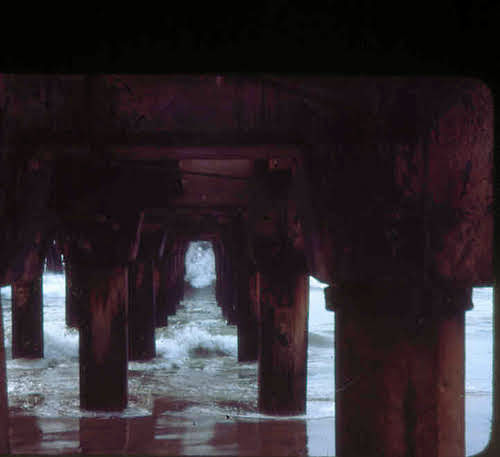
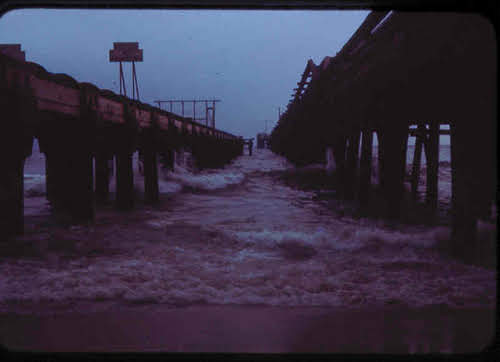
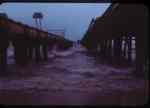
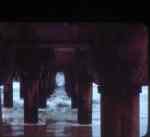
    After being tricked by the off and running car, we two boys put our thumbs in our pockets and walked back down 45th to the beach. Just up Highland a few doors, we could see the apartment my oldest sister would rent about eight years into the future, while my future wife lived a block over and down on 44th. At the bottom of 45th, we turned north and walked along the beach at the water’s edge beneath the power and steam plants, all industrial now, the beach path, north of 45th, prime real estate denied the developers, but we didn’t mind that, for here we were in a short stretch of beach able to avoid the tourist crowds and catch a few empty waves on our own. We reached the Standard Oil Pier and crossed under the big pipes and wood beams, kicking through the surf. I was still a year or two from my high school reading of “Two Years Before the Mast.”

    From the pier we walked to the jetty at Grand and then up the long hill past the steam plant and ice plant hillside that borders the refinery. We parted ways at Loma Vista and I continued down Grand across Main to the old railroad station then followed the tracks up and through Devil’s Pass to home, where I would find my mom making a watery spaghetti and sauce dinner, having found no time, no doubt, to sit happily in the yard in any place for any length of time.

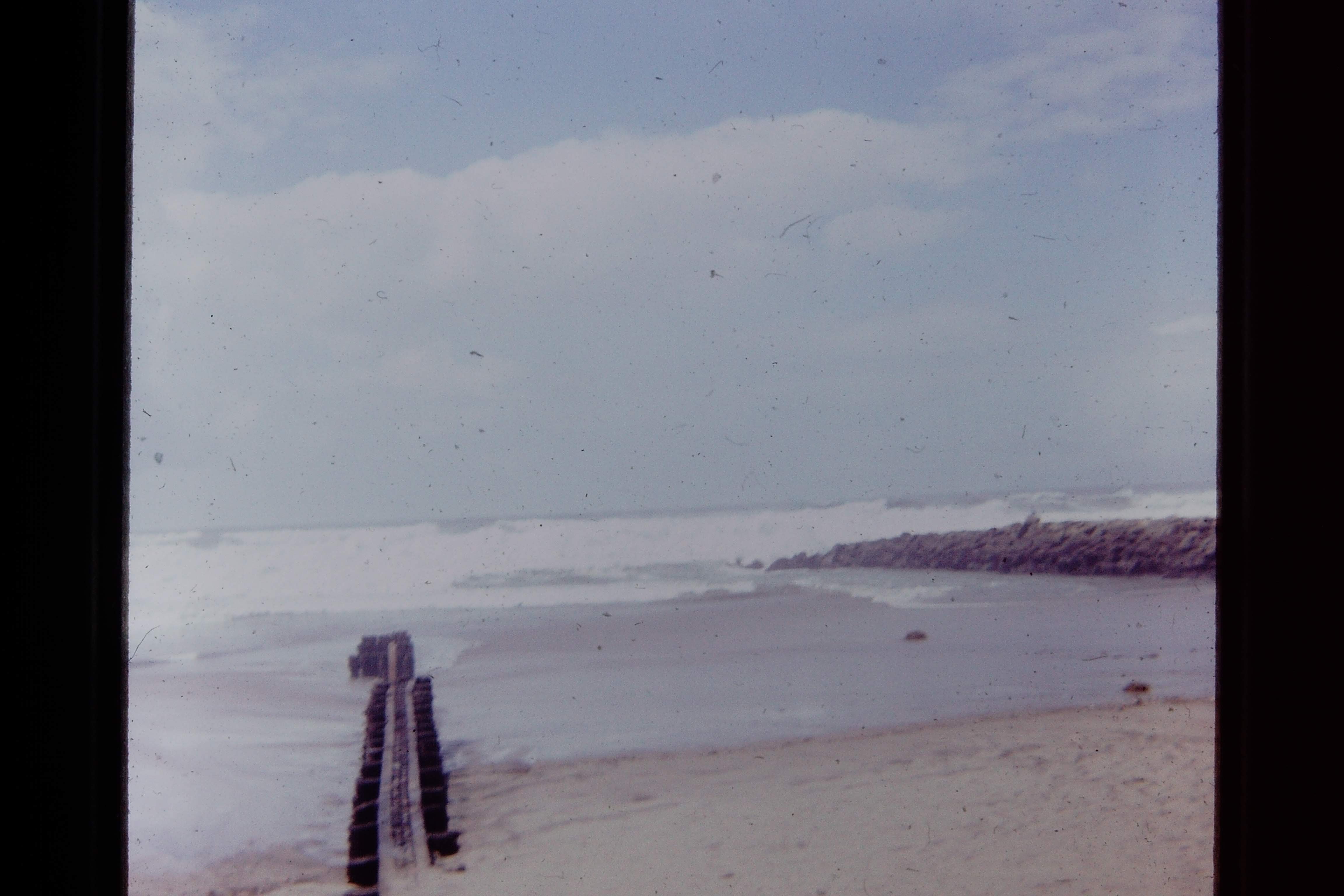
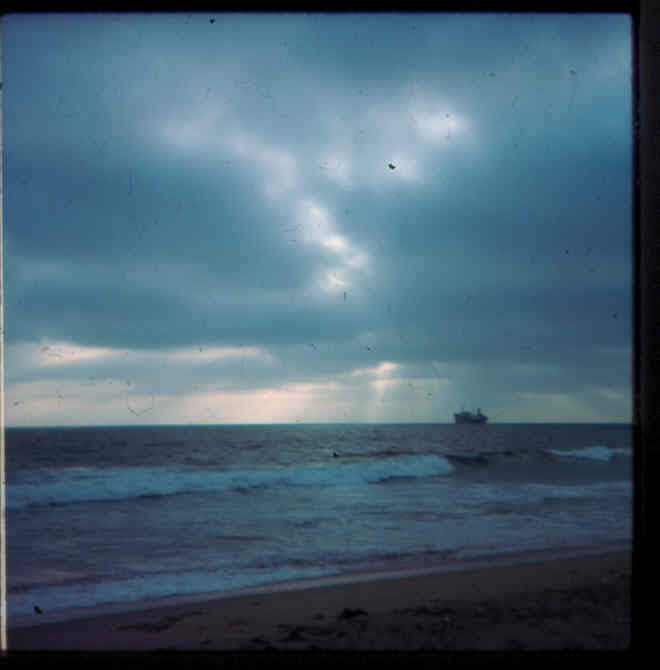
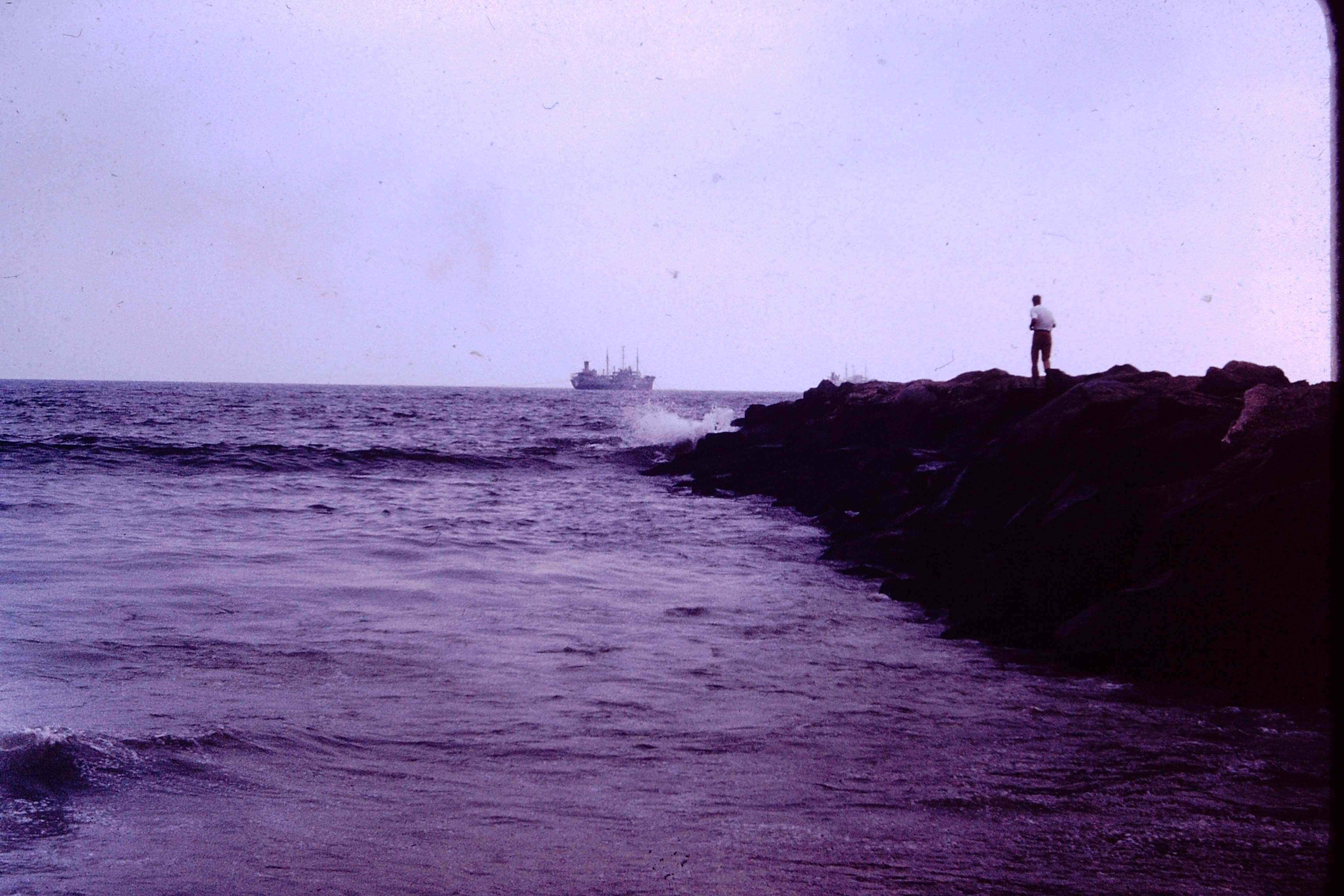
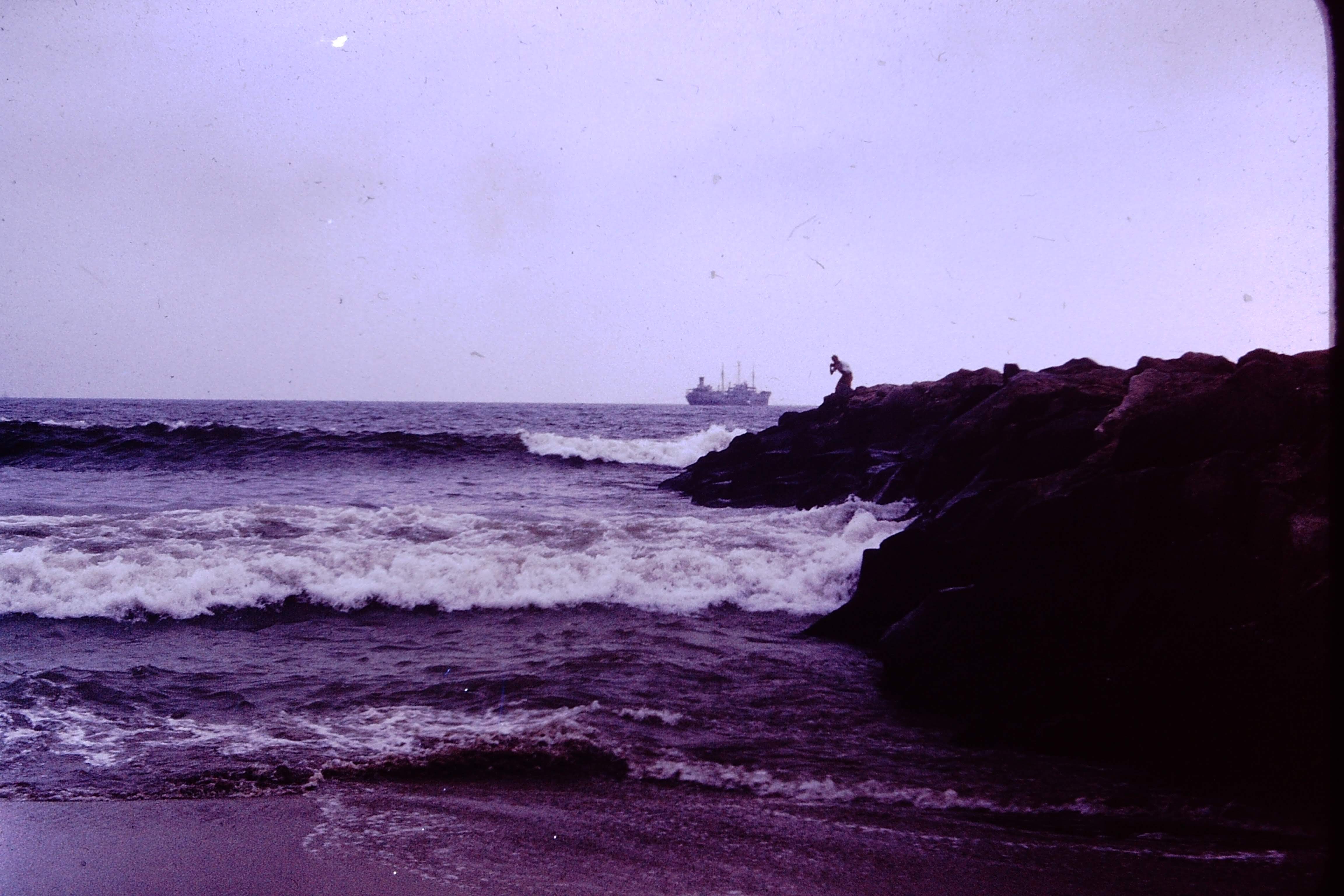
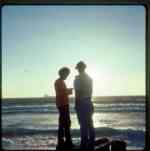
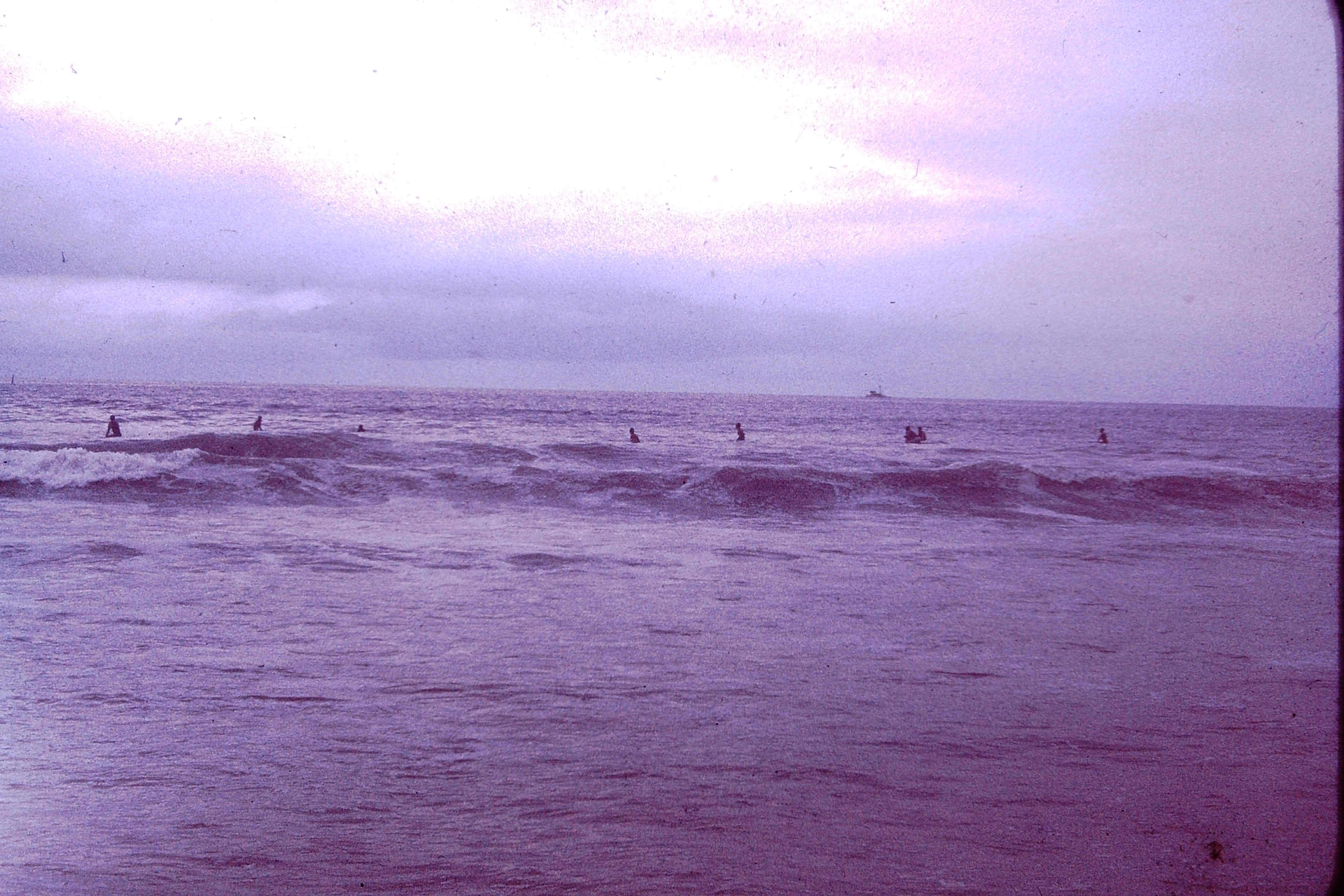
    Above photos taken with my Exakta 500 I used at the time. The exact dates on some of the slides are sometimes so faded I can’t say for sure when they were taken, but likely from 1968, when I purchased the camera used from a camera shop on Main Street, into the mid 70’s, maybe as late as 1977 or 1978 (thinking too of a box of slides most of which are not shown here). The Standard Oil Pier has since been taken out, the pipe now underground, underwater. The pier was located between 45th, the last residential street in El Porto, and Grand, which comes down to Vista del Mar from El Segundo. I’ve posted some of these pics before at The Toads, but in a different context.

    Books referenced above include New York Review Books copy of Fermor’s “A Time of Gifts,” 1977, introduction 2005 by Jan Morris; and Second Mariner Books edition, 2014, of Penelope Fitzgerald’s “The Blue Flower” (1995). “Two Years Before the Mast” was published in 1840, just a few years after Dana had made the voyage described in his book.

  • Boogie El Porto

    The first boogie boards were kits – a foam blank and a “skin.” You shaped the blank, bringing the nose up a bit, and skinned it with glue, trimming the edges. We boogied El Porto mostly in the afternoons after the wind turned from offshore to onshore blowing out the waves. Better formed morning waves went to surfboards. The boogie boards worked best with a fin. The short duck foot was the best fin, one or two. The fin helped paddle into the wave and angle down the face. The photos here are from early to mid 70’s.

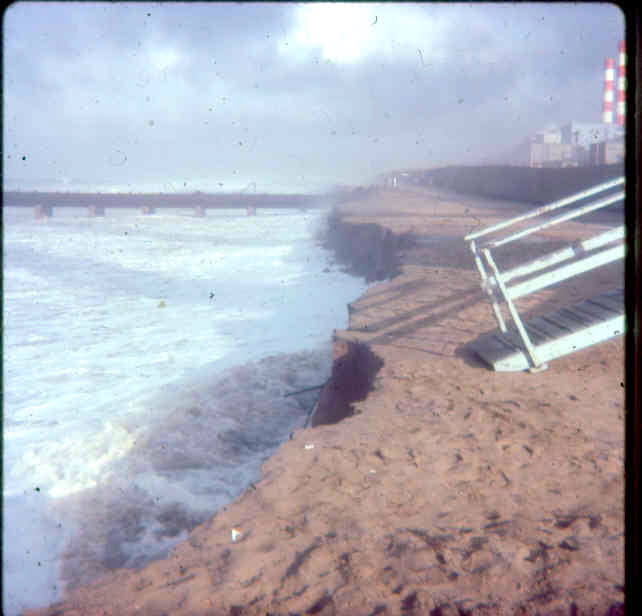
    As the boogie boards gained popularity, they were used all day long. Because they were soft, they were not as dangerous as surfboards. The photo bottom left above was taken during a storm surf episode late 70s, and shows the iconic El Segundo towers in the upper right corner. The lifeguard tower ramp is at 45th, the north end of El Porto. The sand cliff carved out by the storm surf is unusual. The beach usually gradually sloped down to the water.

    We started wearing wetsuits around 1969, but in the afternoons we usually did not. The water wasn’t that cold. We got spoiled by the wetsuits.

    We took photos with my Exakta 500, which I had bought used from a local photo shop. We used slide film which we got developed usually at a local Fotomat drive through. The 50mm lens that came with the camera proved inadequate, so I later bought a 120mm portrait lens which worked pretty well as a telephoto. But we also used Instamatic cameras, also using slide film. The slides here are worn and showing their age. A few I’ve posted before, but continue to scan and update as conversion technology has improved, and the audience here and for old stuff from the old days at El Porto continues to change.

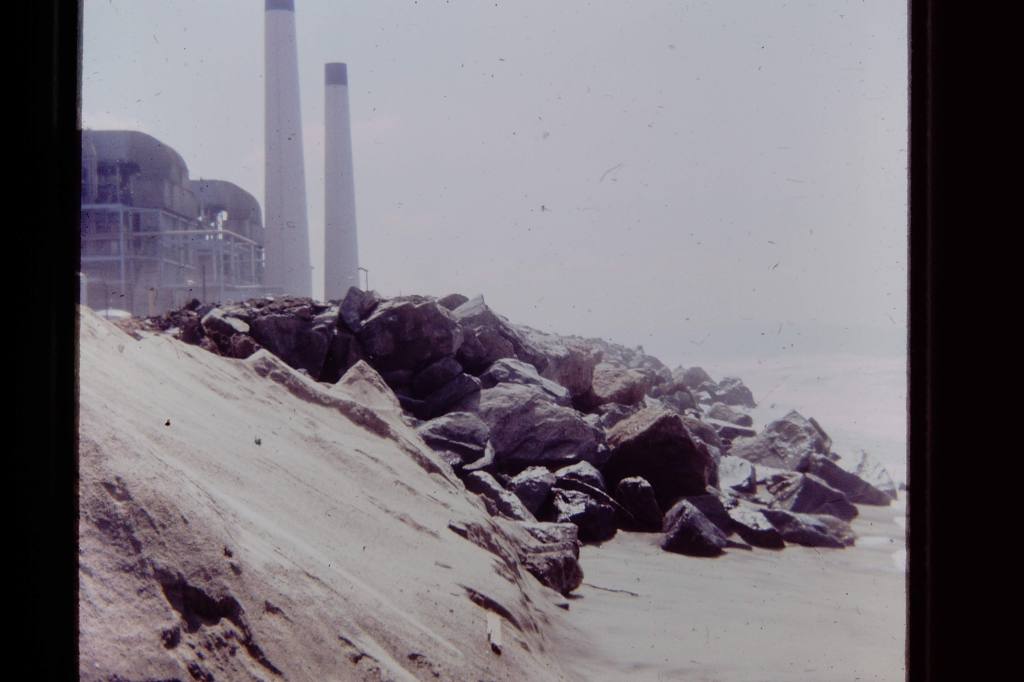
    These are not professional photos, not even good photos, which is why some of them, like the last one above, might approach art. The photographers were surfers who picked up a camera anonymously to save a moment.

  • On a Bench Above the Beach

    benched no thing
    to do but think
    of you sitting too

    our about pages
    empty as lulled sails
    beached at low tide

    pools full of purple
    blue soft urchins
    pearly shells orange

    beaked tufted puffins
    burrowed in offshore
    seastack seagrass over

    this brackish backwash
    here sit out and wait
    out our night and day

    the path thru the grass
    lost there's an old
    beach towel taken aback

    foxes and pirates comb
    the beach nightly gliss
    in ocean moonglow

    that's what it was now
    you know again why we
    sit out in fog or sun

    it was a planning session
    your father failed to land
    his boat jilted broke up

    side down nothing
    we could do to help
    but worsen the storm

    dashed days of our
    swimming up this
    drift and I look

    at you asleep
    on our bench
    in a beach towel

    the war is on
    at El Porto Tavern
    smoke oil and grease

    and all along
    the strand in
    the beachfront

    pads on TVs
    and Miss Hermosa
    of 1942 awakes

    in her Southbay
    apartment and calls
    the National Guard

    to catch the kids
    who stole her towel
    a sole lifeguard...

    suddenly the film
    snaps and flaps
    the sound of flip

    flops walking away
    down the strand
    toward Redondo
  • El Porto at Night

    Out of ocean back to sun
    slow purple tide drifts down
    darkness like a tidal wave
    floods and a dark fog falls.

    Strand partygoers barefoot
    swimsuit prance in sandals
    streets car-lined seldom trees
    dwellings cliche toe crammed.

    Sleep cans built on sand hills
    swept of seawrack the breeze
    the moon in her habit prays
    and down rains grace gently.

    Each drop 15% ABV the lifeguard
    says and turns on your nightlight
    what a concept and flies away
    into south Santa Monica Bay.

    In the distance the bass bob bloom
    of close-in closed out hollow waves
    like artillery shells down the line
    hear water mewling through shingle.

    In the morning late for the school
    bus stops for you up on Highland
    you forget now why all those tears
    on a lovely morning such as this.

  • Sunday Morning (III, II, I)

    III
    Oh my Zeus a girl Suze by Jove!
    No god got involved the parents
    the ruin of beauty and paradise
    a coffee shop she a cupbearer
    waitress to the young men new
    to the surfboard of wet thought.
    The waves roil with oily sludge
    the kids play run from the blob
    of the reclamation plant lazy
    jets from lax prodding probing
    the puffy foggy overcast clouds.
    Bucketed fish guts and heads
    on the pier odors the paradise
    she comes to know and to love
    evening gold and morning blue.

    II
    Why should she give it up to him?
    What is love if he can come only
    in noisy fantasy and nightmare?
    Her dolphins play in their waves
    charismatic and whole while he
    came to end all frolic and family
    for some abstract community
    of musty prayer and the comfort
    of wet sackcloth and cold ashes.
    He who lived within herself
    washed up on a desert beach
    her desserts shells for a shelf
    her soul he saved in a bottle
    labeled I am not to drink in
    letters from a foreign field.

    I
    Malaises of the nightgown and wait
    for the coffee in the well worn bed
    and the matted habit of a real cat
    up in her window seat dome room
    coalesce to repeat the profane
    reminder of ritual dismission.
    She dreams not and moves awake
    with the eye of the storm encircled
    by each newfangled catastrophe
    as wealth darkens among Malibu
    lights across Santa Monica Bay.
    Against a rude screen true bugs
    intrude like the kitchen roaches
    scattering from the sudden light.
    The day is like El Porto happy
    with friends and popular songs
    until the coming of the cat poop
    cup up the stairs all the way
    from the sway of bread and beer.

  • Sunday Morning (II, I)

    II
    Why should she give it up to him?
    What is love if he can come only
    in noisy fantasy and nightmare?
    Her dolphins play in their waves
    charismatic and whole while he
    came to end all frolic and family
    for some abstract community
    of musty prayer and the comfort
    of wet sackcloth and cold ashes.
    He who lived within herself
    washed up on a desert beach
    her desserts shells for a shelf
    her soul he saved in a bottle
    labeled I am not to drink in
    letters from a foreign field.

    I
    Malaises of the nightgown and wait
    for the coffee in the well worn bed
    and the matted habit of a real cat
    up in her window seat dome room
    coalesce to repeat the profane
    reminder of ritual dismission.
    She dreams not and moves awake
    with the eye of the storm encircled
    by each newfangled catastrophe
    as wealth darkens among Malibu
    lights across Santa Monica Bay.
    Against a rude screen true bugs
    intrude like the kitchen roaches
    scattering from the sudden light.
    The day is like El Porto happy
    with friends and popular songs
    until the coming of the cat poop
    cup up the stairs all the way
    from the sway of bread and beer.

  • Sunday Morning (I)

    Malaises of the nightgown and wait
    for the coffee in the well worn bed
    and the matted habit of a real cat
    up in her window seat dome room
    coalesce to repeat the profane
    reminder of ritual dismission.
    She dreams not and moves awake
    with the eye of the storm encircled
    by each newfangled catastrophe
    as wealth darkens among Malibu
    lights across Santa Monica Bay.
    Against a rude screen true bugs
    intrude like the kitchen roaches
    scattering from the sudden light.
    The day is like El Porto happy
    with friends and popular songs
    until the coming of the cat poop
    cup up the stairs all the way
    from the sway of bread and beer.

  • El Porto, 1969

    Santa Monica Bay, water like lead

    ladled from a plumber’s melting pot.

    Fog spills oily blue

    foam fills with air, pulls some green under.

    Close in, swells steam and foam, a salty dough of seaweed.

    Waterers wax boards, paddle out north end at 45th Street, first smoky light, shadows of refinery plant, dunes still in shade, covered in olive drab.

    The surfers paddle out, into the surf.
    They work the waves like fishermen,
    air full of flush, gush, white hissing bass horns,
    trembling treble flourish finish.

    Silence

    falls

    like a whale sounding, in a long lull,
         water like coffee with milk and honey
              where the waves churn the sandy bottom.

    A surfer trio returns to the beach, short paddle from small waves now high tide,

    rolled waves rope caulked and cold chisel hammered.

    The surfers lift their boards into a truck, laughing in wet trunks, salted muscle, and tussled hair. The surfers never grow weary of waves, dancing drones under a lemon yellow flower. The waves open blue, break lime green, fall white

    in simple declarative sentences
    of plumbed gist, of easy escape.

    “The strand and the waves exist no more,

    the summer is dead,” Samuel Beckett said.

    Los Angeles, South Santa Monica Bay, beach city surf, Strand cruise Hermosa to El Porto, royal blue bicycle paddling along, waves closed out bass lines, high spring tide, full moon.

    Angel’s eyes perpetually open,
    losing particles of neon green light,
    Mister Jama quick walking Chaplinesque,
    black dressed for snow, Silence caged in his palms.

    Swells slumber under mounds of silver paint,
    disheveled waves chiseled from lead cakes,
    grunion running in surf fanning the beach
    full of lustrous flickers in the moon glow.

    The surfer girls come and go, come and go,
    singing of clothes in forget-me-not lingo,
    walking the beach in blue and gold.


    At night they tape their hair to their cheeks
    to hold the curl, the surfer boys
    long to know, long to know.

    The Strand bars net the last generation, inside, drinking beer, surfboards against the wall, bleached parasols, a few surf waves still, but figuratively, as if one finds waves in some oceanic dictionary, listening for the mermaid’s music in books.

    The surfer hears the buzz of his own skeg humming
    across the pages, heavy sets, far out.
    Turning right on the corona’s shoulder
    the surfer grows a little older, the water somewhat colder.

    Flour soup brushes up the dusty beach after the sun falls.
    First light the beach dustless after all night off shore blow,
    the water glassed off, air clear to Malibu north,
    Palos Verdes south.

    A bloom of waves spills and flows over the beach,

    foaming across the bleached sand as the tide rises,

    smooth after the offshore wind blowing all night long,

    the morning water crystal, waves flapping like sheets,

    an airy fuss slapping movement then a quick flip,

    and the rush of fish smell mixed with wax and salt and hair and skin.

    Surfers like a swarm of dragonflies crowd the waves,

    empty at first light, then three California pelicans

    swooping low in a line over the edge of the break,

    blessing surfers believing in waves,

    sitting on their boards just outside the break.

    One takes off on a gray-blue glossy pearl,

    but this surfer should be somewhere else,

    sees an expressionless ocean,
    does not believe in waves,
    upside-down in the surf,
    carving and cutting too hard,
    this surfer rides this wave
    like it’s not the wave he wants,
    so he throws it away,a discarded piece of waste paper.
    He bolts the wave to chalk
    flounces about, his board flotsam.
    This surfer flouts about
    and scorns the sea.

    He does not truly believe in the ocean.

    He does not flower with the waves,

    and a dark brack rises

    and takes him away.

    And the Summer dies.

    The strand and waves exist no more,

    the summer is dead,”

    Samuel Beckett said,

    and the surfer believed him.

    The dead sun did not matter.

    He lost his surfboard, lost the path to the beach, what waves there far beyond his reach. Wave peepers came and pushed him away. He slept in ditches. They even took his bicycle. No technology could save him anyway.

    He sat at an intersection,
    with a cardboard sign that read,
    “Won’t you please help
    a surfer with no wave?”

    A woman stopped, rolled down her window,
    and blew him a kiss that fizzed like a wave,
    and to thank her, he wrote this:

    1. Nothing makes sense
    2. in a waveless universe,
    3. where surfers ride beams of light
    4. on virtual surfboards.

      Many anecdotes followed.

    This one’s about a surfer who stuck with it, tried glass and glue but tossed all that, painted houses in the afternoons, surfed mornings and evenings. This surfer had a feel for boards, loved the way the resin and glass felt watery smooth and clean, bright surf shop stickers buried beneath wax. This surfer believed in waves, was a generous local, too,

    didn’t want to fight, was easily satisfied with a simple sea, lived a slow life, long days, in the bowl of Santa Monica Bay, loved the sun, water, salt beaches, the surf songs The Waves sang.

    The Waves were a beach band, paddled out brittle surf songs on metallico Teles and Jazzmaster bass, drums the speed of breaking waves.

    That’s it, not much more.
    The surfer got drafted,
    went away to war
    came back, went into Insurance,

    said he would never forget

    the last wave he ever surfed,

    after which he felt he’d never grow old,

    then he left the beach for the rain and cold.

    “Things as they are
    Are changed upon the blue guitar,” Wallace Stevens said.

    The surfer placed a board in Los Angeles,
    and long it was, upon a wave,
    it made the disheveled surf
    array in dressed lines.

    The surf surrounded him,
    the board glassed upon the wave
    like a poem,
    like Apollinaire.

    It seemed all cool but absurd,
    breathless, and dead,
    not like a bird or a fish,
    like nothing else in Los Angeles.

    Then he added something more,
    a man upon the board,
    and filled the waves with bicycles,
    perpendicular.

    The waves grew somber, the beach cold,
    the surfboard a splinter in the wave’s skin.
    The surfer fell, it was Fall after all,
    and found himself alone at the end of a pier.

    He was free to swim to shore,
    yet felt a curious fatigue engulf him,
    a surfer’s anxiety,
    for from the beach the waves lacked this intensity.

    He paddled toward shore,
    but a riptide pulled him away and away.
    He treaded water, drifting.
    He lost sight of land.

    The sun fell, and no moon rose.
    The waves met the night.
    They broke in the sky
    and rained down a dark salt.

    The surfer clung to his board,
    flotsam and jetsam floated by,
    old rusted bicycle parts,
    useless in the waves.

    There were no fish, no birds,
    no beach, no palms.
    The surfer drifted in the inky night sea
    below a blue black salt lick night sky.

    He thought he saw a light, the light rose,
    rose or fell, he was not sure,
    if he floated in water or in air.
    His surfboard disappeared.

    Storm surf flushed chaos across the beach.
    I waited for the surfer to return,
    I went to work shaping and glassing a new surfboard.
    Every evening, I walk down to the water

    and watch the waves for his dancing legs,
    his leaning stretch, his tumbling shadow,
    his crouch, his ocean filled gills.
  • Roddy Doyle’s “The Guts”

    They were sitting in the living room, sharing stuff.
    – Your man Roddy Doyle has a new book.
    – I don’t have a man.
    – It’s just an expression. It’s Irish.
    – Are there any Sheas in the new book?
    – That’s El Porto Irish.
    – What’s my man’s new book about?
    – Your man Jimmy Rabbitte is back.
    – How old is Jimmy, now?
    – Pullin’ 50.
    – I might have known. Does my man have a woman?
    – He does, and children, too.
    – Sounds like a family affair.
    – And Imelda is back, too.
    – Who is Imelda?
    – That’s what Aoife wanted to know.
    – What?
    – Aoife, Jimmy’s wife. It’s an Irish name. I had to look it up. It’s pronounced EE-fa, long e followed by f then schwa, the a the schwa sound, you know? The upside-down e.
    – And is the F word back as well?
    – It is, but somewhat diminished. Though it climbs toward the end. Not a main character in this one like it was in The Commitments, the F word.
    – So Jimmy’s a wife, then?
    – And children.
    – Is it good, then, your man’s new book?
    – It is. I’ve never read anything by Roddy Doyle that was not good.
    – But didn’t Roddy dis your man James Joyce?
    – Roddy Doyle did not dis James Joyce. He was merely pointin’ out there are other Irish writers besides James Joyce.
    – Includin’ Roddy Doyle.
    – Roddy uses the Joyce style quote marks, no quote marks, the dash to start off dialog, you know? And he’s a master at the stream of talk.
    – Is there music in this one, like in The Commitments?
    – There’s music, yes.
    – Is Van Morrison in the new book?
    – No, I don’t recall mention of Van the man.
    – Your man Roddy probably thinks of Van Morrison the same way he thinks of Joyce.
    – Maybe. I don’t know. But I get your point.
    – So what does Jimmy Rabbitte do in Roddy Doyle’s new book?
    – Come here. I want you to read it, Roddy Doyle’s new book.
    – Come here?
    – It’s another Irish expression, apparently. But I think it’s only used when you’re on the phone. It’s like a head’s up you’re going to get some request for a favor, or it’s a signal that something serious is about to be said. I’m not sure. But like Jimmy’s on the phone to his Da –
    – His who?
    – His Da, his Dad, his father. Fathers are what happen to young lads. And Jimmy says, Come here. Can I borrow your car for the weekend?
    – He’s pushin’ 50 and he’s after borrowing his father’s car?
    – Isn’t that very El Porto Irish of you. They’ve only one rig, and they need two to drive to one of those outdoor concert festivals.
    – So music is what this new Roddy Doyle book is all about?
    – No, not first and foremost. But come here. I want you to read it.
    – You haven’t told me what it’s about yet.
    – Remember that movie we watched, The Pope’s Toilet?
    – No. Is your man the new pope in Roddy’s new book?
    – Never mind. Your eyes are a pretty blue, a powdery, baby blue.
    – Compliments will get you nowhere.
    – Fair play. Jimmy has no friends, either.
    – I might have known. You and James and Jimmy and Roddy should all get together for a pint.
    – Wouldn’t that be something?
    – You think your man Roddy reads your blog? You going to post a review of his new book?
    – He first self-published The Commitments, you know.
    – But he’s not still self-publishing.
    – I guess not.
    – You think he reads blogs?
    – There’s a funny scene in the new book, where Jimmy goes back to work after being away for a time, and he’s got like hundreds of emails waiting for him, and he deletes all the distractions he’s subscribed to, without looking at them. That’s the Internet. Subscribe to something, like you’re following it, but never look at it except to delete the update. But there’s mention of blog, I think. I forget. But yeah, there’s mention of a blog.
    – You usually circle that sort of thing.
    – No marginalia in this one, dear. I didn’t want to mess it up for you. Come here. I’m after askin’ you to give it a read.
    – Why?
    – I don’t know.
    – What’s it called, Roddy’s new book?
    – The Guts.
    – The Guts? So what’s it about, finally, The Guts?
    – It’s about courage, maybe, the courage of the ordinary.
    – Is courage getting good reviews these days?
    – There are plenty of regular reviews of The Guts out there readers can check out. I’m going to post this.
    – What?
    – Our conversation.
    – That ought to nail it.
    – I love the ground you walk upon.
    – Go away. Go blog or something.

    Roddy Doyle, “The Guts,” ISBN 9780670016433 | 336 pages | 23 Jan 2014 | Viking Adult | 6.29 x 9.33in

  • Two Ocean Surfing Poems at Berfrois – and a gallery of old ocean photos

    “Ray, 1956” and “Watermarks from a Night Spring,” two poems with themes of the ocean, surfing, and working, were posted at Berfrois a couple of days ago, along with a few old surf photos.

    Paddle on over to Berfrois and check out the surf poems.

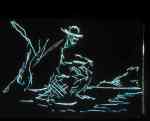
    And below find a gallery with more photos from the late 60’s thru mid 70’s. Most of these photos were taken with an Exakta 500 single-lens reflex camera (East German), with a 120 portrait lens, both purchased used and cheap to take surfing photos at local spots on Santa Monica Bay. Most are scanned from slides, Kodachrome or Ektachrome, and one is from a black and white print. The portrait lens was an affordable workaround at the time used as a kind of telephoto, and it worked ok. The camera was abused though, tossed in the sand, and over time the shutter began to stick. The photos starting coming out black. Some viewers may feel these the best photos. See etched drawing on one of the black slides. These are not “big” waves, and the surfers are locals, but the ocean is huge and alive and old and every morning new. Click any photo to see the gallery. And don’t forget to check out the poems.

    Related: Watermarks from a Night Spring & Ray, 1956