Tag: Comics

  • Scamble and Cramble Find Readers

    Scamble and Cramble: Two Hep Cats and Other Tall Tales” is finding readers with enthusiastic response.

    I gave ZZ a proof copy to test the waters. She dug it, and smiled when she saw the dedication page, and started in reading immediately, and when she got to the song, nothing would do but she had to sing it aloud. “Scamble and Cramble” is a hit!

    But I had already decided to change the cover, which has delayed the “look inside” feature, which I had wanted to wait for before saying much more about the book. But I’ve been getting these pics from readers, and they make for a great review! Thanks to ZZ and Briana and Felicia and crew.

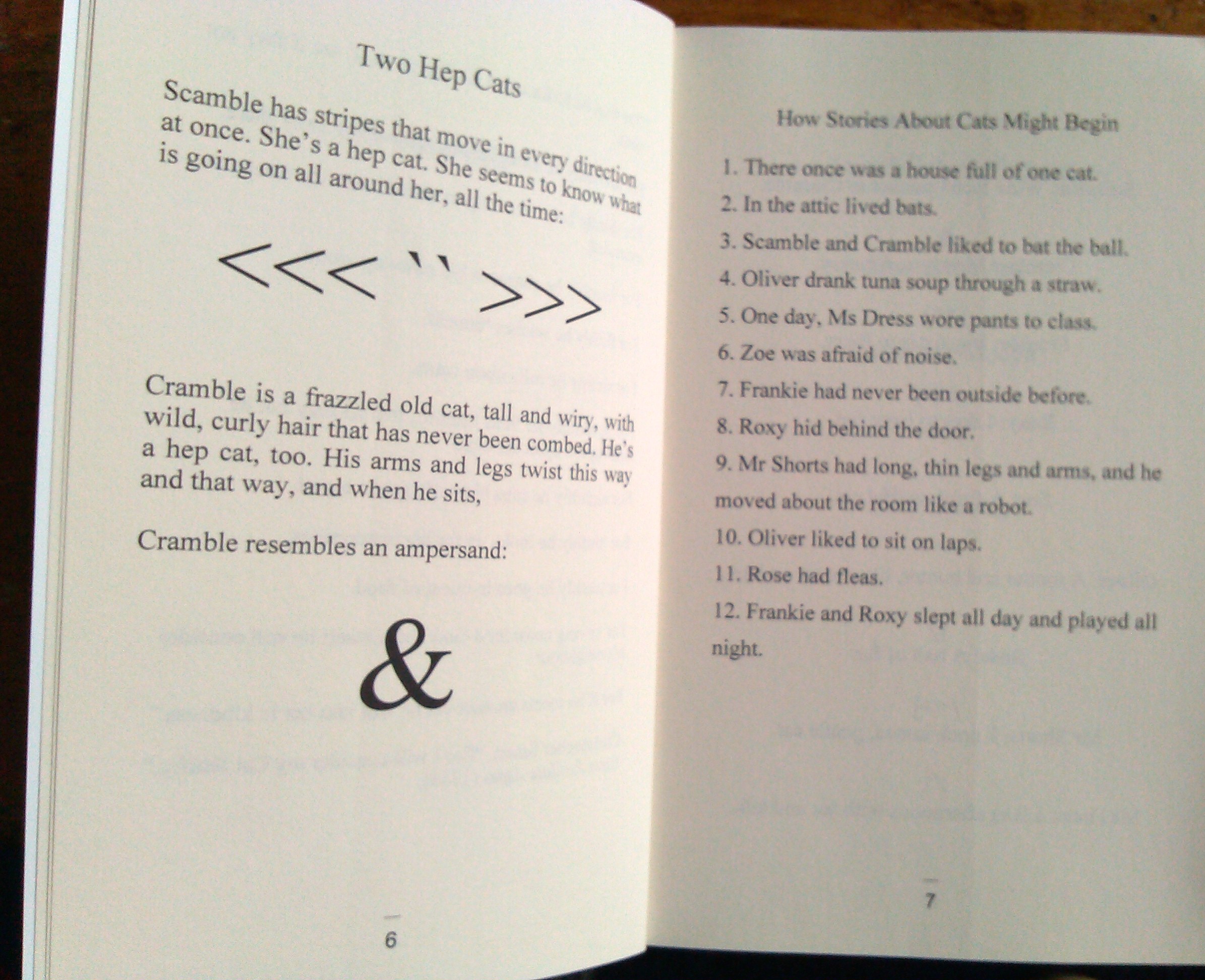
    Something new happens on almost every page of “Scamble and Cramble.” Readers are surprised as they see the characters take shape and run with the stories. There are pages to read, and pages simply to watch. There are things to find. There’s a parade, a cast of characters, portraits, stories, talking cats and other animals, and Peepa and Moopa seem a new species. There are happy and sad tales, and Nana and Papa make an appearance. And it’s all told with commonly used keyboard symbols.

    Happy Readers!

     A look inside of “Scamble and Cramble: Two Hep Cats and Other Tall Tales”:

    A Look Inside


    • Paperback: 108 pages
    • Publisher: CreateSpace Independent Publishing Platform; 1 edition (June 24, 2016)
    • Language: English
    • ISBN-10: 1533501084
    • ISBN-13: 978-1533501080
    • Product Dimensions: 5.2 x 0.3 x 8 inches


  • Comedians in Line at the DMV Getting Licensed

    When Seinfeld the television show was on, a guy in my office gig at the time used to come by my desk in the morning after each episode and ask me did I see Seinfeld last night. I never did. My colleague would then repeat over the course of the day practically the entire episode for me, scene by scene. “And then Kramer comes in and says, ‘…’.” That sort of thing. And he was really good, too. He could have been a stand-up on his own. In fact, he ended up doing a few shows of his own. Very witty guy, good mimic, remembered all the good lines from the classic movies and shows.

    Eventually, I did watch some Seinfeld, new and reruns. Funny stuff, the four friends and their meaningless, purposeless adventures, circuitous – but there’s truth in comedy, and while the Seinfeld episodes might have failed to high jump the MASH bars in the handling of controversial issues, they were subtly subversive in their almost zen like refusal to acknowledge the importance of quotidian values. Seinfeld crossed into farce, while MASH was embedded in satire.

    So it was with interest I listened to Susan who first told me about Seinfeld’s newest venture, “Comedians in Cars Getting Coffee,” an independent, on-line show now in its 7th season and 50th episode. The premise is Jerry calls up one of his comedian buddies and invites them to get a coffee, to which they drive in paradisiacal Los Angeles weather in some American Graffiti like cool rod. Susan and I watched the latest installment together on her laptop this morning. Jerry picks up Judd Apatow and they head out in a 1968 candy apple bougainvillea red Firebird. And while we were watching, the idea came to me for this post.

    You see, the problem with comedians in cars getting coffee is that there isn’t anything intrinsically funny about getting coffee. And there’s not much funny about souped up, expensive cars – retro, restored, like they’ve never been taken out of the garage.

    How about, Comedians in line at the Department of Motor Vehicles. “What number are you, Jerry?” “I’m number 236, Judd, how about you?” “33.”  “Really, how lucky is that? When did you get here?” “Yesterday, around noon.”

    “Number 236? 236?” “Hey, man isn’t that you?” “Number 237, 237?” “Oh, bummer, man. You gotta go pull a new number. Otherwise, you’ll be like taking cuts.”

    Or how about, “Comedians without medical insurance coverage in line at the ER with a strange raspberry red itchy rash all up and down their arms and legs. “You, know, Jerry, when we got here the rash was only around our ankles.” “Don’t worry, it’s got a ways to go yet before it gets to our eyes and ears.”

    And why comedians, anyway? Why not a car pool full of adjunct instructors in an old beater on their way to night classes? Oh, wait, I guess those are comedians.

    Or how about a couple of plumbers in tee shirts and blue jeans getting hot dogs and beers at a food cart in Culver City across from one of the old studios? “Hey, Jocko, You think maybe you can come over my place take a look at my plugged up toilet you get off? “Sure, Mabelline, love too.” “What, around 5, 6?” “Yeah, yeah.” “I’ll put some cool ones on ice for ya, Jocko.” “Swell, lovely.”

    Postal workers getting their feet rubbed with coconut oil at nail salons, complaining about all the junk mail, but without which they’d probably be unemployed.

    Paparazzi taking a Pierria bottled water break on the beach at Malibu.

    But I’m glad to see Seinfeld’s project a success. There’s a sponsor now, so Jerry’s presumably broken another preconceived assumption too long controlled by network TV and others in advertising – and social media wonks and the like. In any case, if I’ve said it once I’ve said it more than once, you should not criticize a work for not being the work you want it to be. The good critic considers intent, intended audience, type of argument, persuasive appeals. There are many types of argument, many ways to persuade. Some audiences are friendly, others hostile, and they can change direction like a spinning top. Besides, it’s not easy being funny. Many folks have very little in the way of a sense of humor, and they don’t tolerate fools or clowns with their time.

    There are other getting coffee like projects, involving all the arts. Indie ideas. In Poets Online Talking About Coffee, Berfrois editor Russell Bennetts conducts a series of interviews ostensibly about the poet’s relationship with coffee. But relationships with coffee can be complicated. And you can get your own coffee.


  • Deconstruction & Design

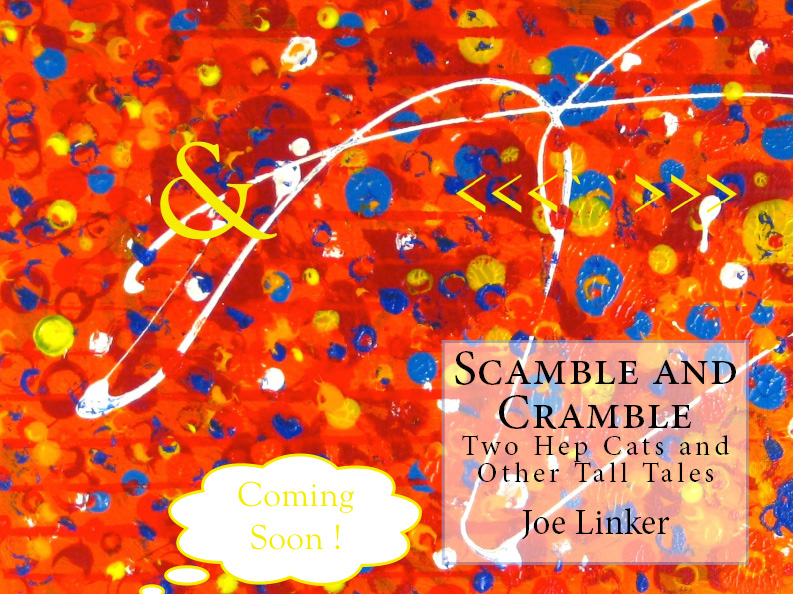
    Scamble and Cramble Cover DesignIn the process of deconstruction we discover new ideas. We need not start with a design in hand. We don’t necessarily need a plan. Unless, of course, there is some destination we are particularly interested in, we need to get to. If that’s the case, we’ll usually find ourselves on the wrong path, wrong way on a one way street, people barking directions at us, flipping us off. But if we begin with deconstructing that destination, we often find we discover interesting things along the route we end up taking we would have otherwise missed. There will be constraints. Fences and gates. Do Not Enter signs. No Solicitors. Beware the Dangerous Critic!
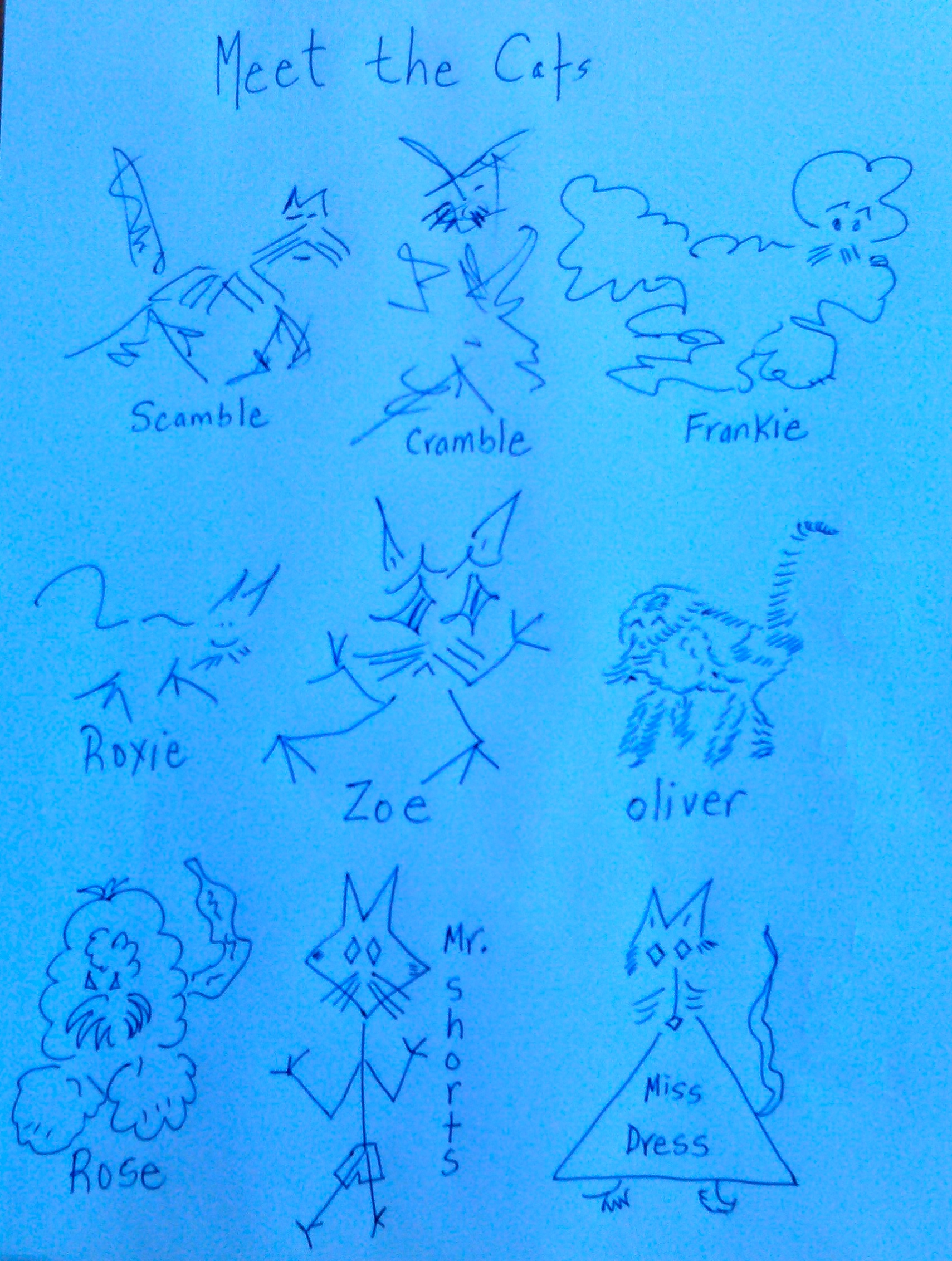
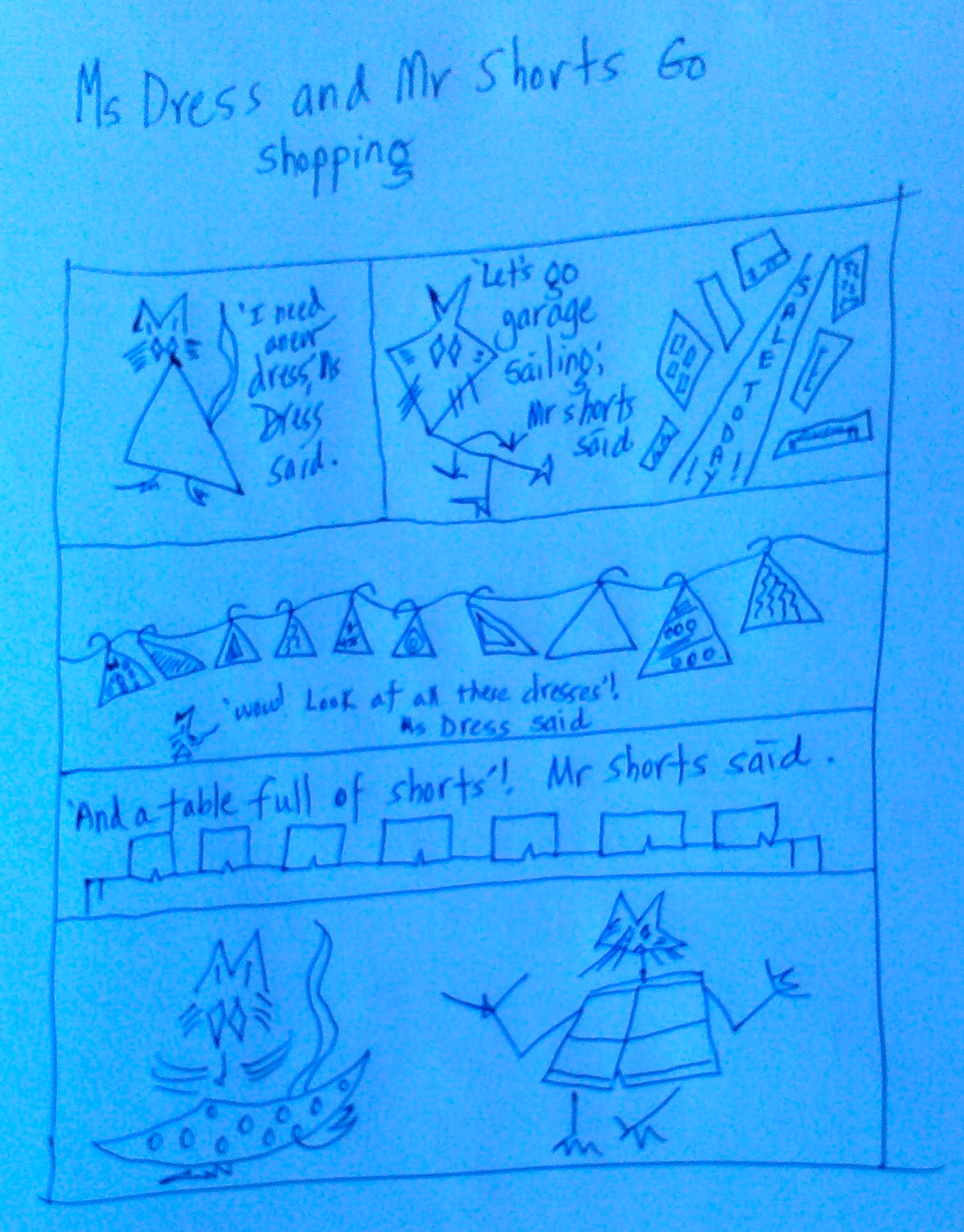
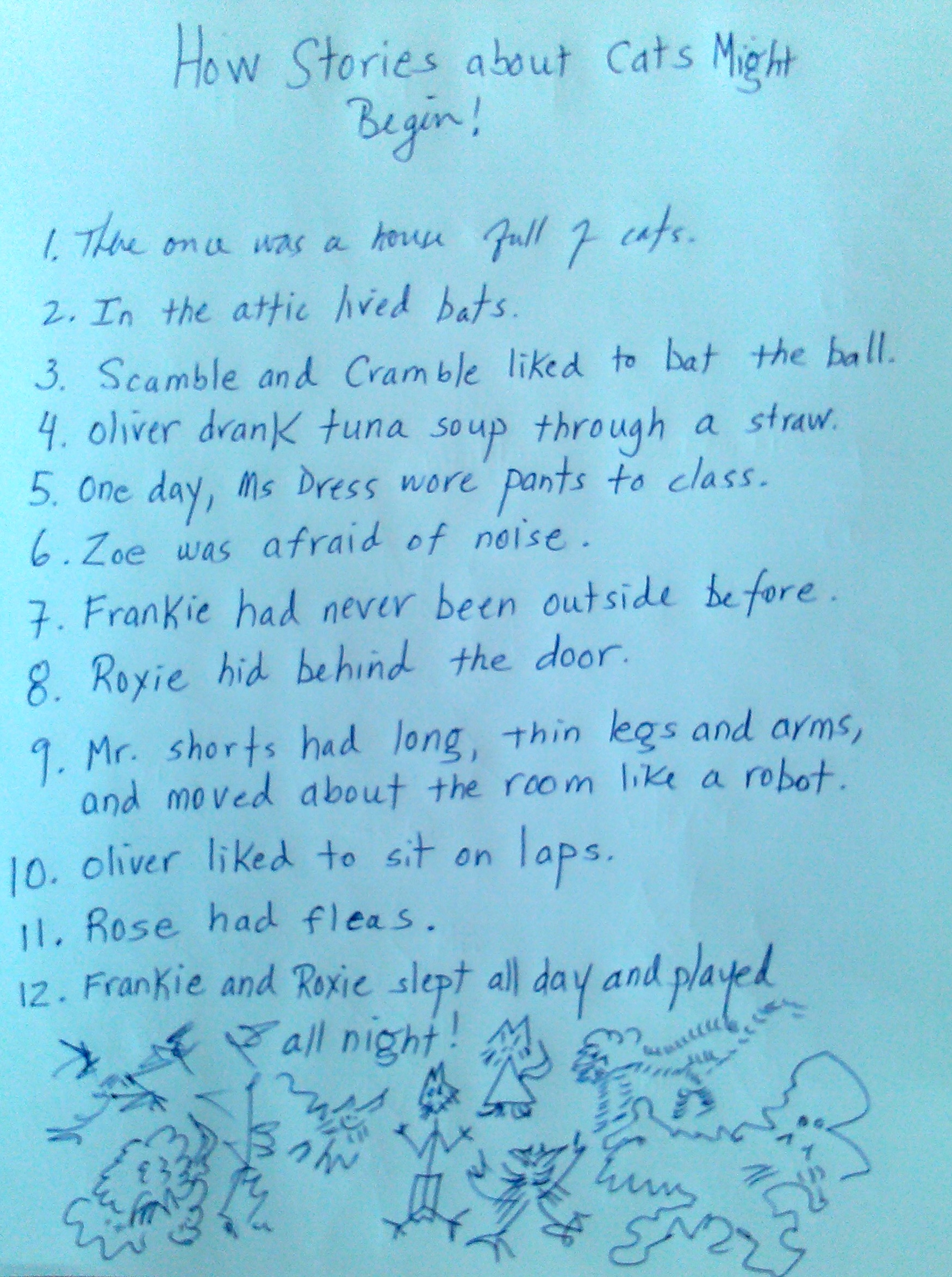
    At the same time, we shouldn’t be afraid to ask for directions, listen to our critics, gather advice, ask for consent, patience, forgiveness of our trespasses. That the severe critic may be lurking behind the next corner, hiding in a recessed alcove doorway, spitting sunflower seed shells from an open second story window, pulling us over to ask for license and registration – that the severe critic lurks in the shadows of our path is a good thing. The critic keeps us awake when we might otherwise fall asleep, and reminds us of our responsibilities to audience, sense, time, and place, direction, design, and deconstructions.

    Coming Soon!

    Common keyboard signs and punctuation marks become characters in this experimental children’s book for readers of all ages. Scamble and Cramble are two cats observing, interpreting, and commenting on daily events. Other animals come and go, too, changing with text and form and story. “Scamble and Cramble” may work best for independent middle grade readers. Younger children may enjoy perusing the book with an older guide. The book’s Concrete Poetry techniques use standard keyboard symbols and readily accessible font types and sizes. Readers may be encouraged to explore more the world of concrete poetry.

    • Paperback: 108 pages
    • Publisher: CreateSpace Independent Publishing Platform; 1 edition (June 24, 2016)
    • Language: English
    • ISBN-10: 1533501084
    • ISBN-13: 978-1533501080
    • Product Dimensions: 5.2 x 0.3 x 8 inches

    Scamble and Cramble
    Two Hep Cats
    and Other Tall Tales

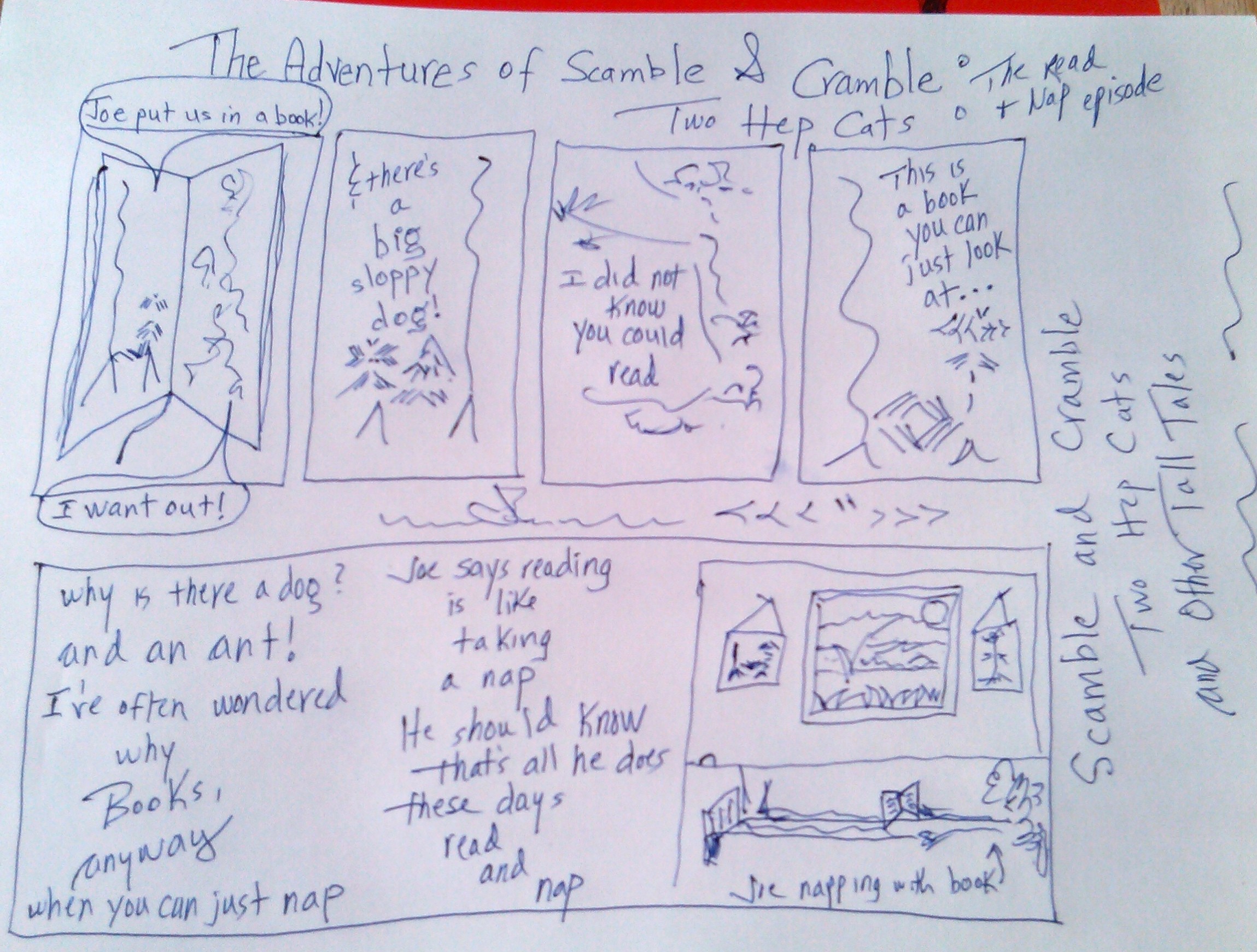
  • Sunday Morning Comics with Scamble and Cramble: Two Hep Cats

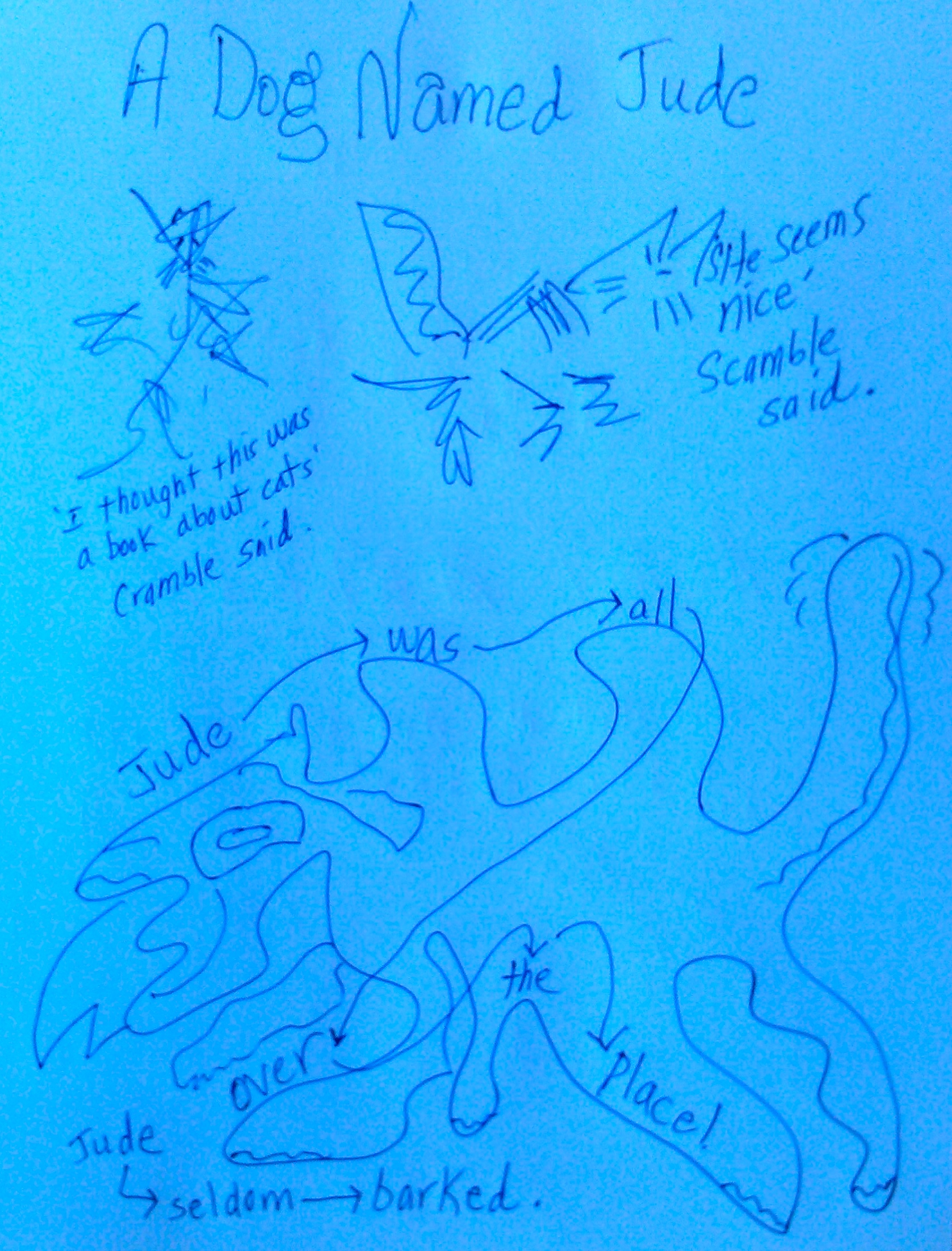
    Sunday Morning Comics, featuring:

    The Further Adventures of Scamble and Cramble, Two Hep Cats:

    IMG_20160604_150949IMG_20160604_151738IMG_20160604_151750IMG_20160604_151720


  • A Concrete Poem at VERStype

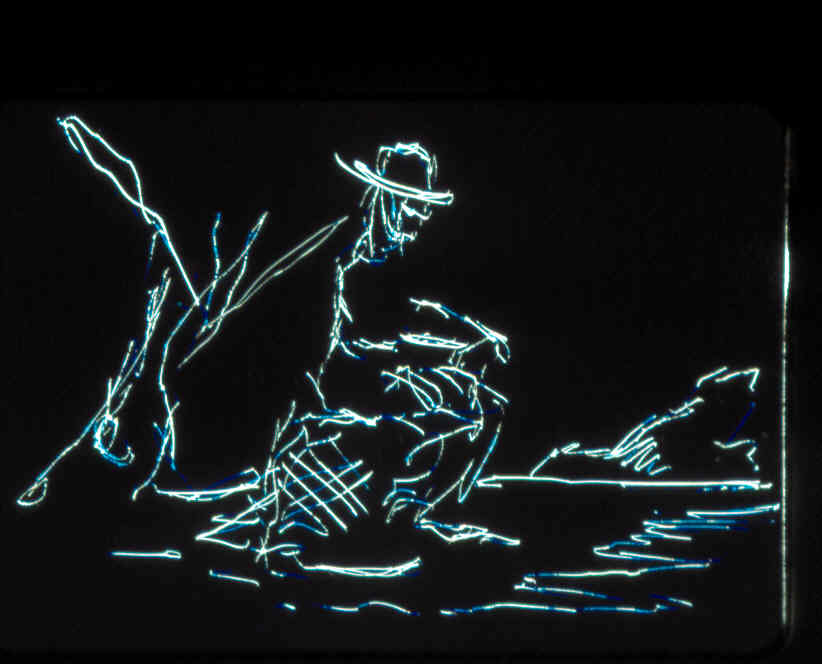
    The concrete poem, “A Visual Depiction of the Chapter ‘On a Surfboard in Santa Monica Bay,’” published yesterday by VERStype, is an illustration that might appear somewhere in the sixth chapter of “Penina’s Letters,” were the novel a comic book. There are no words in the poem. The poem is composed primarily of tildes.

    “A Visual Depiction of the Chapter ‘On a Surfboard in Santa Monica Bay’ [from the novel “Penina’s Letters”], VERStype, 20 May 2016.

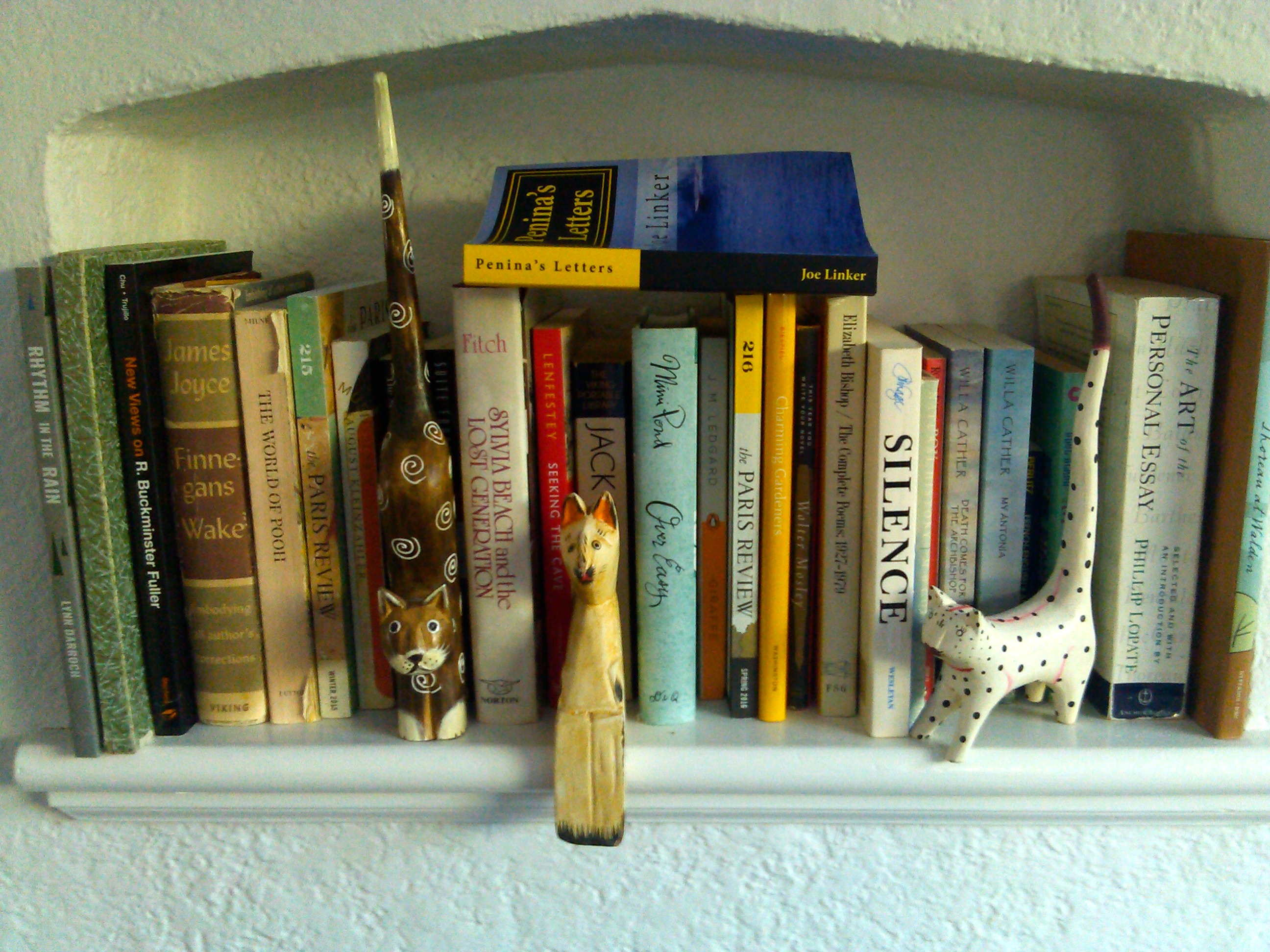
  • The Hep Cat Book Club

    IMG_20160513_072133What are we reading?
    Joe wrote a book.
    Really? What’s it called?
    Penina’s Letters.
    Who’s Penina?
    Are there any cats in Joe’s book?
    One, Castus.
    Hmm.
    I hear Joe’s working on a sequel.
    Tell him to put more cats in it.

    “Penina’s Letters,” get yr copy!

  • Dinner Walk & Theatre

    The Willamette River flows north through the Valley roughly parallel I-5, and after making the turns near the Falls at Oregon City, moves through Portland before joining the Columbia on its way to the Pacific Ocean, but no worries, this isn’t going to be a geography lesson.

    IMG_20160320_172506
    Ross Island, from the west bank of the Willamette River, south of Portland (Mar 2016)

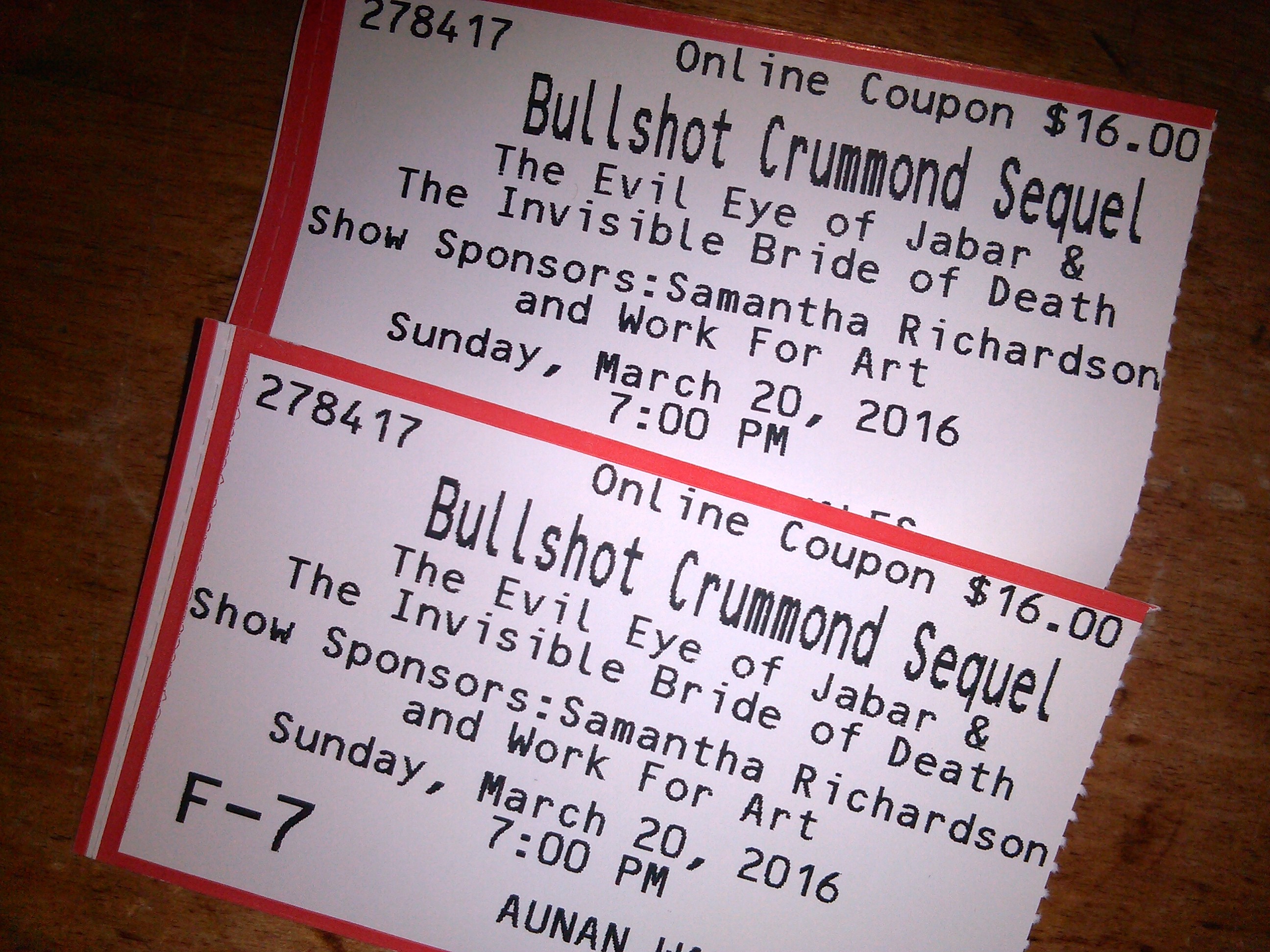
    After passing under the Sellwood Bridges (there are two currently, the old one and the new one, side by side), the river wraps around Ross Island, across from the Old Spaghetti Factory’s rococo restaurant – where we met friends last night for dinner before heading up river to the Headlee Mainstage of the Lakewood Center for the Arts, tickets waiting at the Will-call window, to see Spencer Conway play Hugh in a live production of BULLSHOT CRUMMOND: THE EVIL EYE of JABAR and THE INVISIBLE BRIDE of DEATH.IMG_20160320_172520

    The four of us shared a carafe of house Chianti and ate lasagna, pasta with clam and tomato sauces, fresh oven hot bread, salads and minestrone soup. We sat upstairs, at a booth in the bar area, paying scant attention to the river slooming below about sixty feet to the east. After dinner, we took a short, giddy walk along the river and paused for a few silly, group selfies with the island in the background.

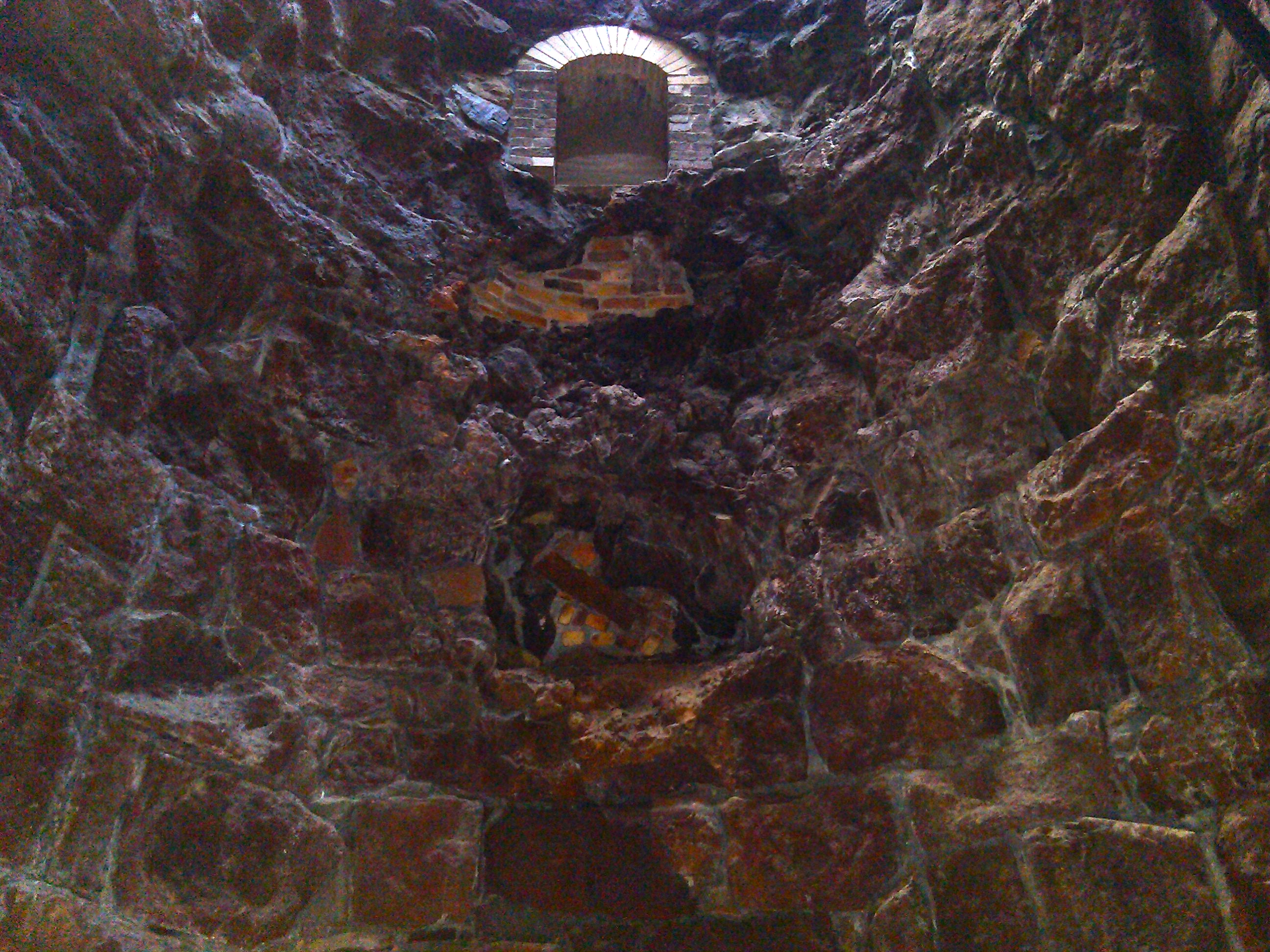
    After the short, after dinner walk, we hopped into one car and drove upriver to the theatre and picked up the tickets with still time to lengthen our river walk down to the local historical park to check out the 19th Century iron smelter.

    We had seen Spencer Conway a couple of years ago in NOISES OFF at Portland’s downtown Newmark Theatre. All acting is, in a sense, a physical activity, and Spencer excels at employing his entire body in his work. When, for example, as Hugh ‘Bullshot’ Crummond, Spencer is hexed by a magnetic trance and becomes a human magnet, or slips into a parachute prop of sand, or rides the magic carpet, and more, he’s as good at physical acting antics as the great Jerry Lewis.IMG_20160321_093427I had not heard of Bullshot before last night. The form is satire, not quite farce, since there are targets – a causal argument of British colonialism reduced to buffoonery via the vehicle of a B movie on stage. Using inventive props in what seemed a record number of scene changes, the cast and production hands succeeded in creating the stage magic that allows the audience to suspend for a couple of hours and float effortlessly down the drama river. Rick Warren was perfectly cast as the evil Otto Von Bruno. Stephanie Heuston and Kelley Stewart each created original replays of B film vixen and heroine. Andrew Harris and Burl Ross filled out the cast, each frequently quick changing costumes to play multiple characters throughout the laugh-out-loud play.
    IMG_20160320_180306
    All the world is a smelter.
  • Lost on Me – Fables Sans Morals

    Some time ago, a friend mentioned driving north on I-5 with California plates and being pulled over by the local highway patrol around Olympia. “In Washington,” the patrolman said, “we like to think of the speed limit as more than a mere suggestion.” Apparently, the self-satisfaction rewarded from this afflatus meant that all the more that was needed to restore calm to that section of his freeway was a warning. Was this a cop whose partner was a muse?

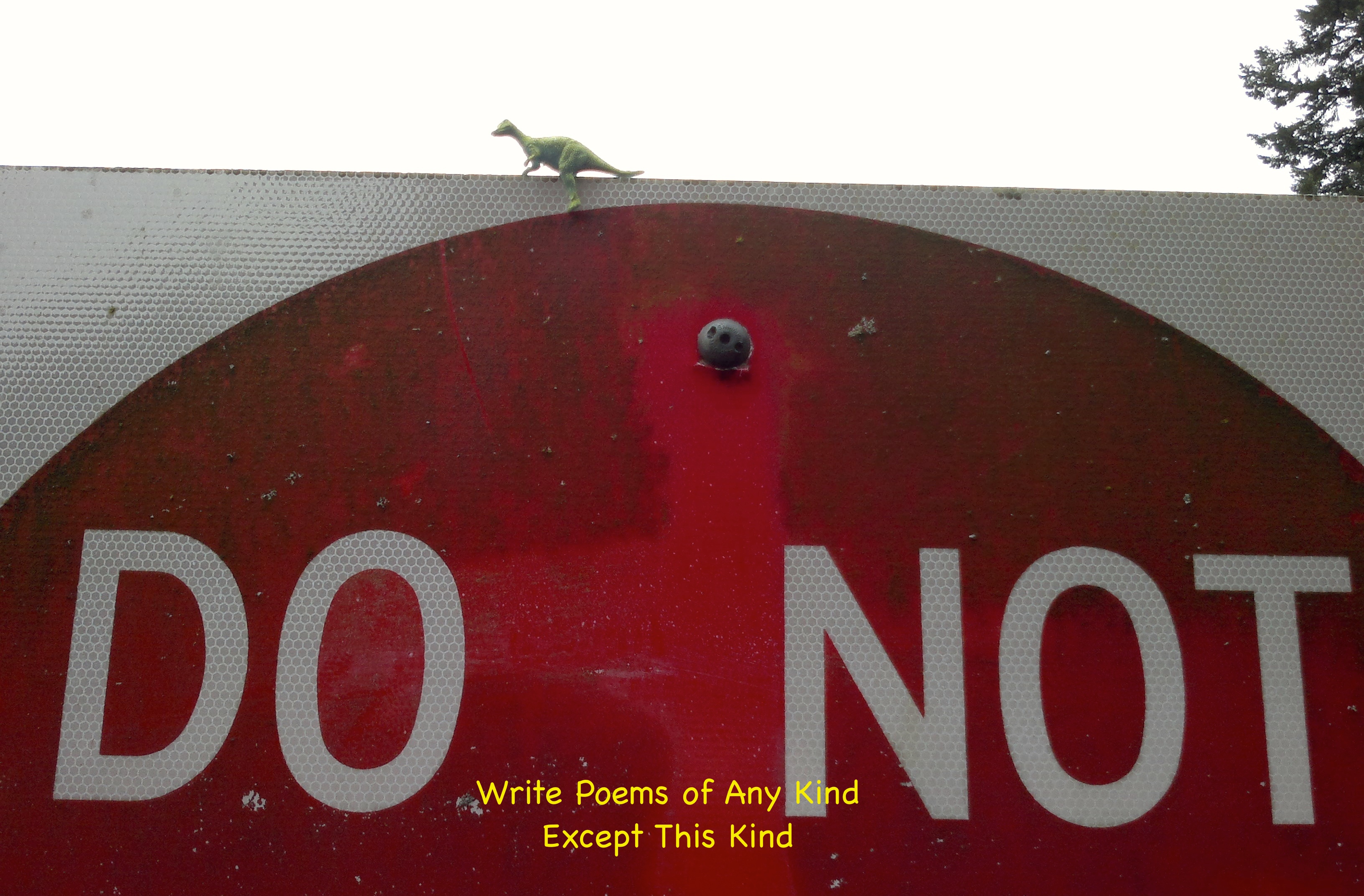
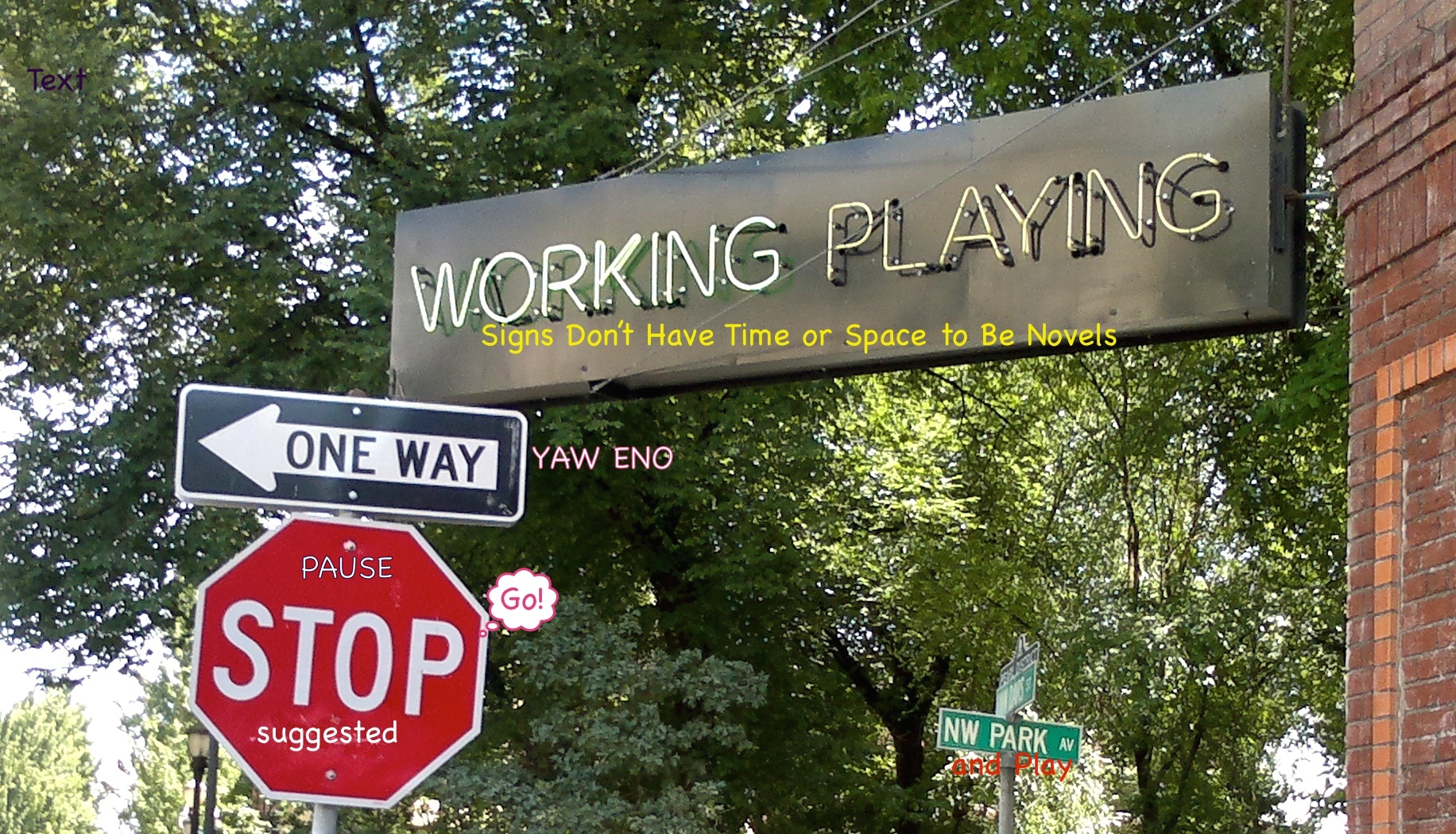
    The first critical review of my poem “16 Tiny Camels Found in Wood Box in Garage Stale,” up Monday at VERStype, began, “Beyond me my friend! I love the first line but lost on the rest.” “Ah! fellow musician,” I replied, “we often get lost on the rests.” I had, no doubt somewhat obnoxiously, tagged a few friends on Facebook to bring their attention to the newly published poem. Why? We are surrounded by poetry. No wonder erasure has become popular. If poetry habitually obliterates meaning, this is because poetry speaks allusively. We might define poetry as what can only suggest. But must we erase ourselves out of every poem? New hazards require new signs, new designs.Do Not

    To allude is to hint. To hint is to keep something hidden, perhaps from fear, or to play, or to tease, or because to point directly is either impossible or too dangerous (like looking directly at an eclipsed sun), or erases too much from the peripheral shadows. Maybe poetry is a peripheral device, necessary to navigate around meaning. A road sign does not have time to solve every ambiguity. Stop means stop. But after stopping, we can go. Maybe the ubiquitous Stop sign should read: PAUSE. But the idea (stop) is not up for discussion, for our consideration. But what does a bevy of signs mean? We are surrounded by instructions. It’s easy to get confused. Road signs are like poems; they speak allusively. But poetry may not be instructional.

    Sign Stories.jpeg

    But there are all manner of poems, and the function of poetry may vary with each poem. And language is an ogre whose sleep poetry tries not to disrupt, usually to little avail. There are a few one way streets in our neighborhood. Occasionally, a miscreant driver goes the wrong way, honking and freaking out at all the drivers going the correct way. That’s what the poetic experience is sometimes like – that sudden moment when you realize you’re the swine driving the wrong way down a one way street, the epiphany sending you up and over the curb, everyone honking and shouting suggestions. Every sign contains a moral. Poetry is amoral. The perfect poem traffics not in values but in virtues.

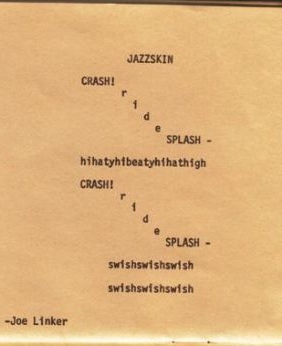
    VERStype is a new venue devoted to a particular kind of poetry. How we say something is as important as what we say, and how we say something includes both shape and syntax, tone and style, font and CamelCase. Jazz drums used to be called the skins, and to skin is to zest, peel, flay. How do you do that in a poem? Moving toward a lyric that mobilizes concrete techniques to carry melody and choreography with images of surreal dream dance. “JAZZSKIN” was published a long time ago in the El Camino College arts magazine, Silent Quicksand. No quicker way to obscurity, my friend Tim quipped at the time.

    jazzskin2 (1)