A Science Bulletin article, available online 10 September 2021, titled “Earliest parietal art: Hominin hand and foot traces from the middle Pleistocene of Tibet,” provides an opportunity to consider definitions and purposes of art. The article discloses and describes what appears to be the discovery of the oldest known evidence of human art, from over a million years ago, much further back than any previous find, and probably made by children.
To ask the question what is art and attempt an answer is to engage in an argument of definition. The scientists involved in the recent discovery outline a kind of argument of stipulation; that is, in the example being discussed, for something to be considered art, it must include mimesis. It must be “a copy of something else.” And that copy is taken out of its natural context and given a new birth:
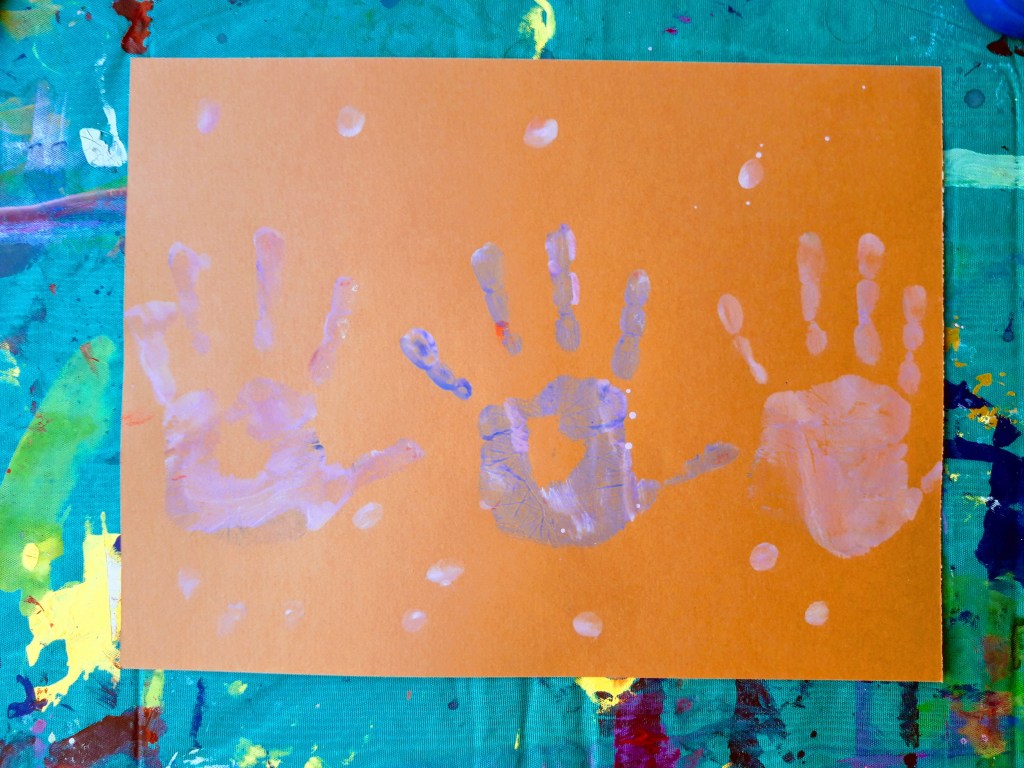
The Tibetan art-panel meets this basic criterion, but with its own flourishes. The placement of the prints is not as they would naturally occur, with tracks spaced by movement, or hands placed to stabilize [4]; rather, the artist has taken a form that was already known through lived experience (i.e., the artist presumably having seen their own footprints), and took that form (the footprint) and reproduced it in a context and pattern in which it would not normally appear. This is made even clearer by the addition of the handprints, which are not commonly seen in lived experience.
https://doi.org/10.1016/j.scib.2021.09.001
According to the definition of art built into the article, the object of art need not be something an audience bows to in reverence. The skill required to make the artwork is not as important as the intention of the maker that the work be “received as art.” The purpose of the work might be “enjoyment, fun or decoration.” The article uses the example of contemporary parents displaying a child’s work as art, even if “tentative artistic endeavours as art.” The authors argue the prehistoric art panel satisfies all of those conditions.
There are other important implications and conclusions of the discovery and analysis of the hand and foot prints (a human presence not expected on the Tibetan Plateau so long ago, for example). But the insistence of calling the panel art seems to distinguish this discovery from that of some other remote relic or fossil find.
What is art that does not free us from the existential cages into which we are born – distraction, deceit, knickknack; advertisement, marketing, sales? In short, propaganda. The artist deviates, moves on, leaves, wanders, wonders, is born again, an outsider, without a comfort zone. Even to just want to be an artist might suggest a kind of alienation, isolation, irrelevance – playing an instrument out of time and pocket. To turn art into a practice is craft, which is fidelity. Art is what is born again, a reassembling of experience, a repurposing of predicament. A pastime, when we had time on our hands.
The word primitive does not appear in the “art panel” article of foot and hand prints. This may be read as a sidestepping or a deliberate absence from the definition. Seen as art, the prints develop their own place of permanence and value without reference to a hierarchy of skill level, training or education, or complexity of instrument. The body parts are at once the form and content and implement of the art work. And it is the arrangement of those parts, the rearrangement in an unexpected pattern or rhythm or placement, that fulfills the necessary characteristics of a work of art.
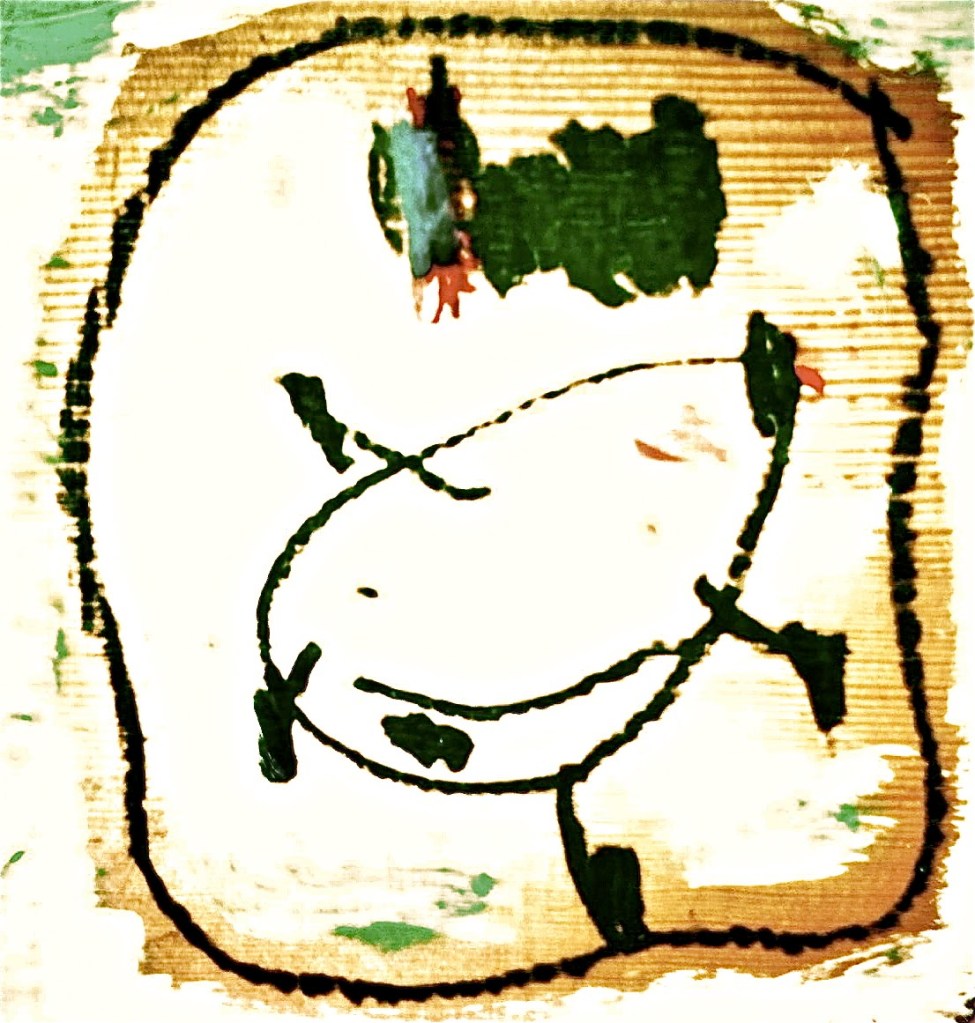
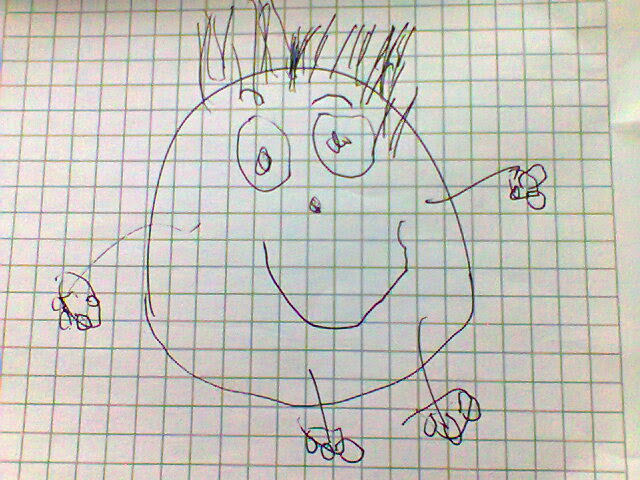
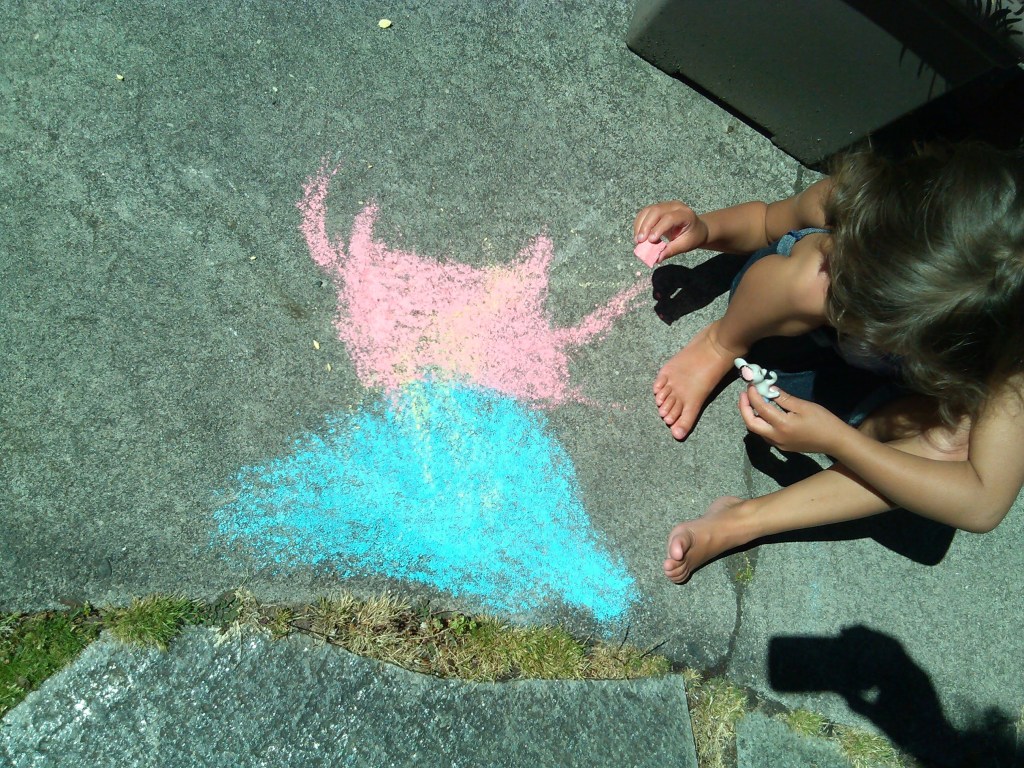
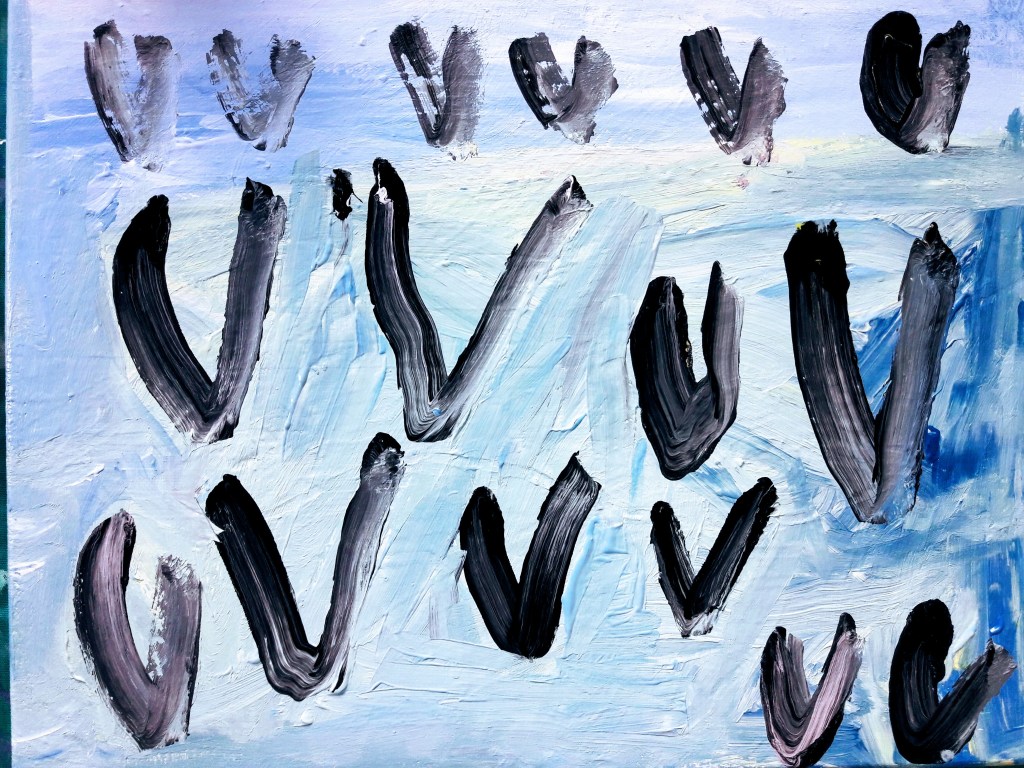
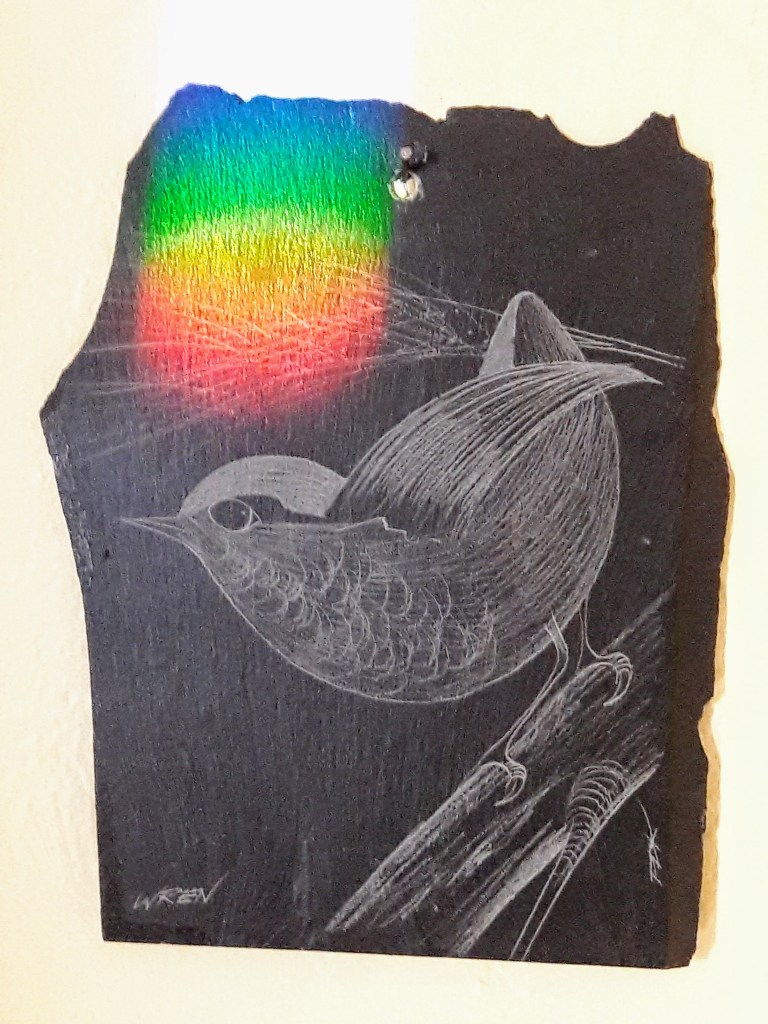
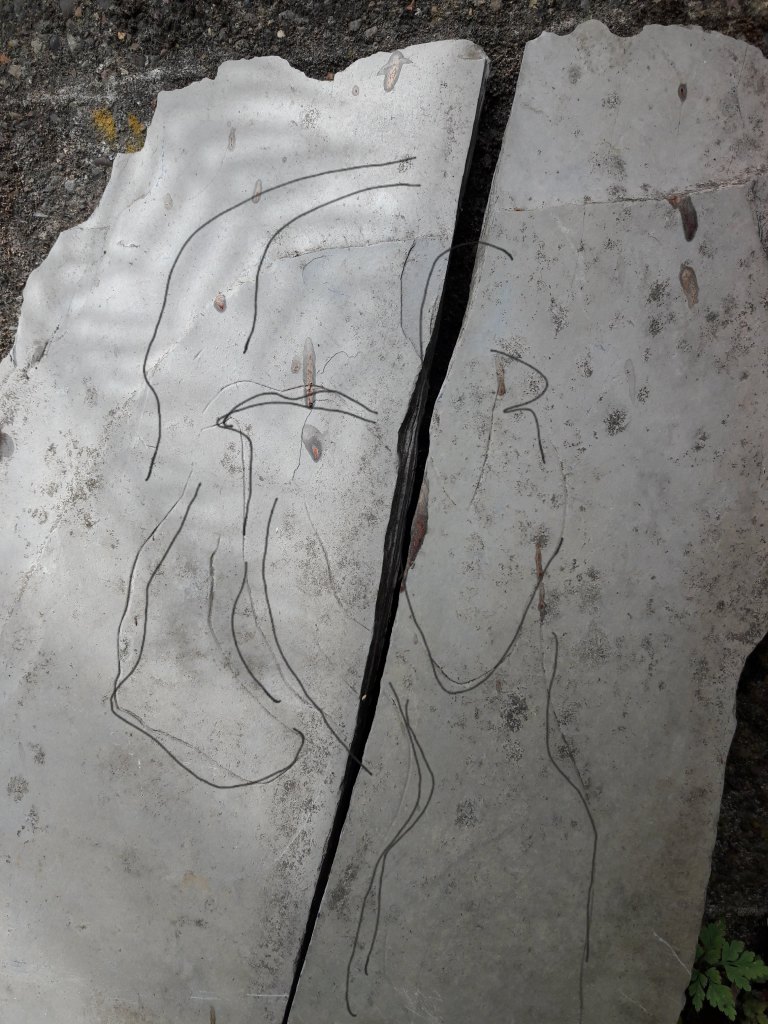
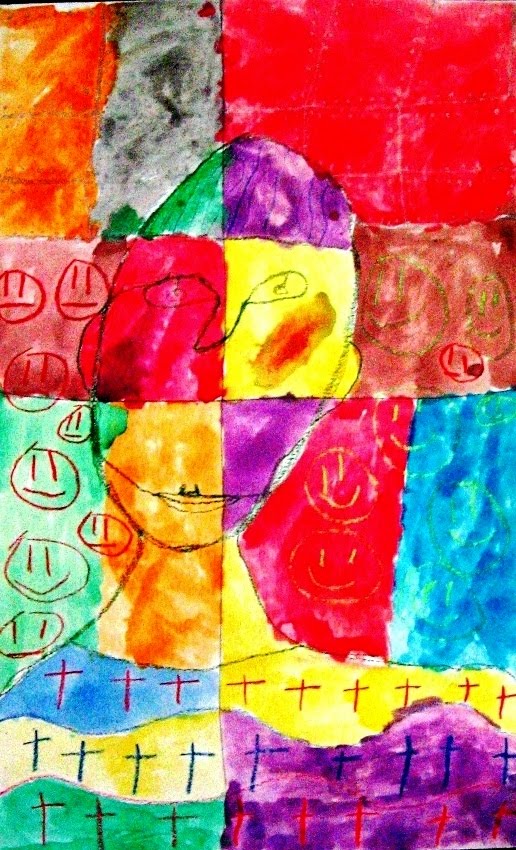
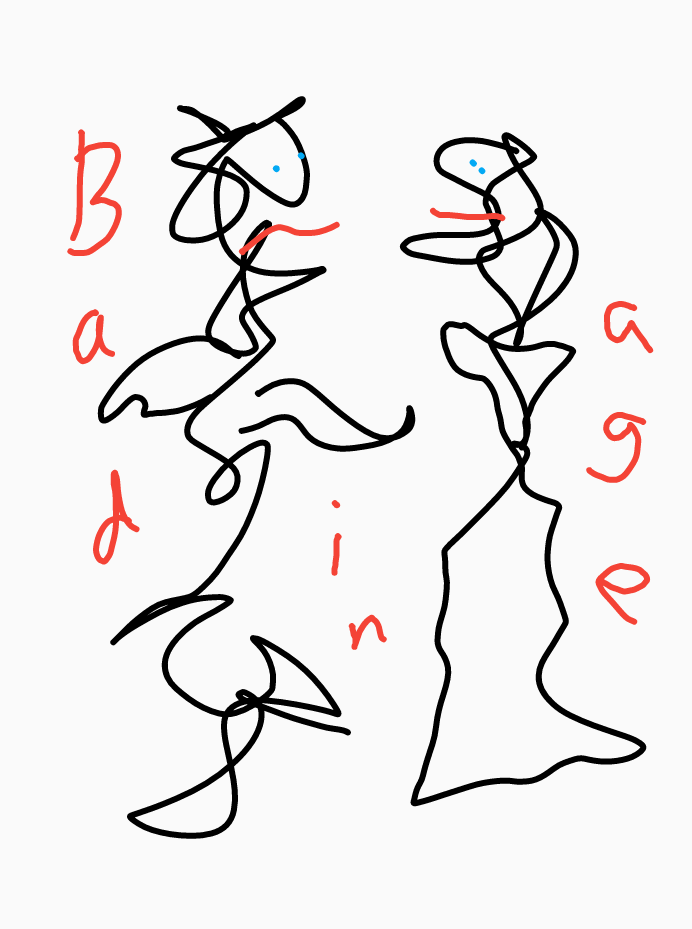
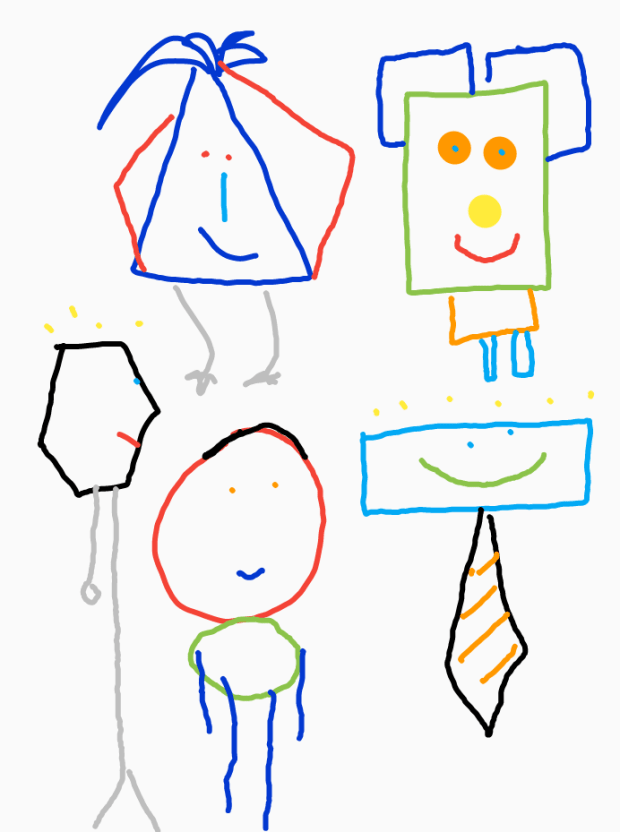
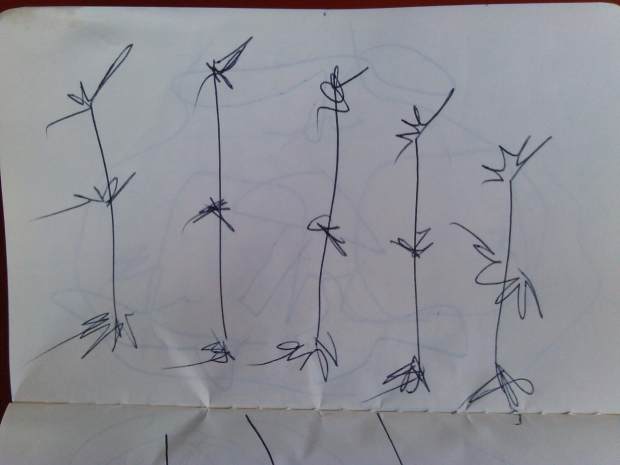
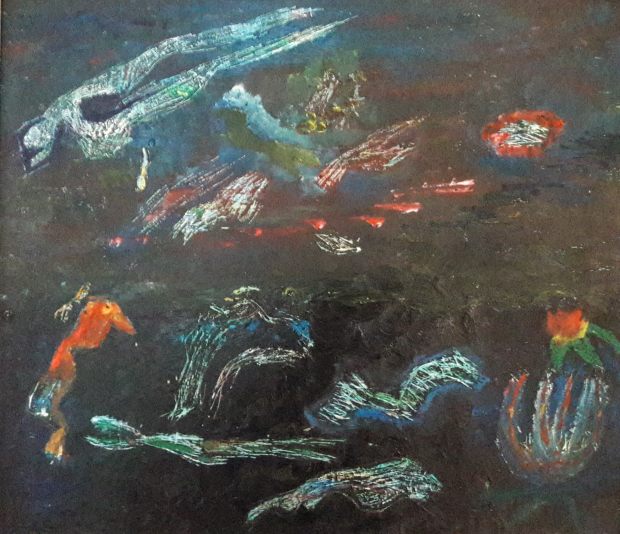
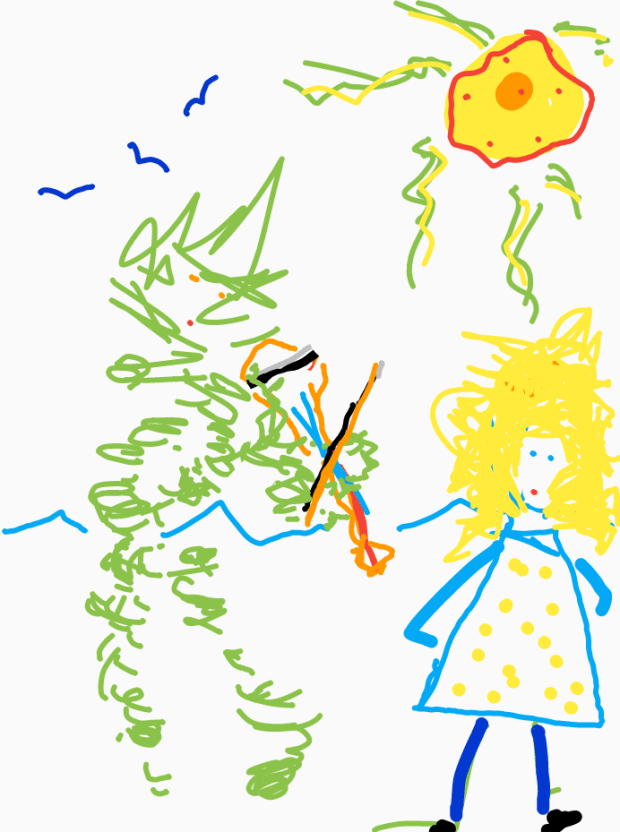
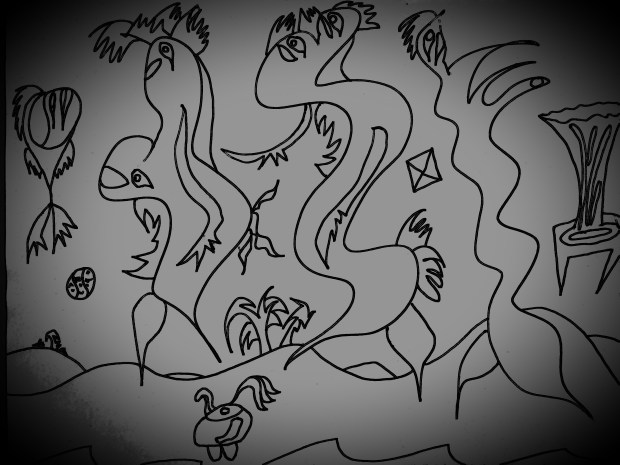
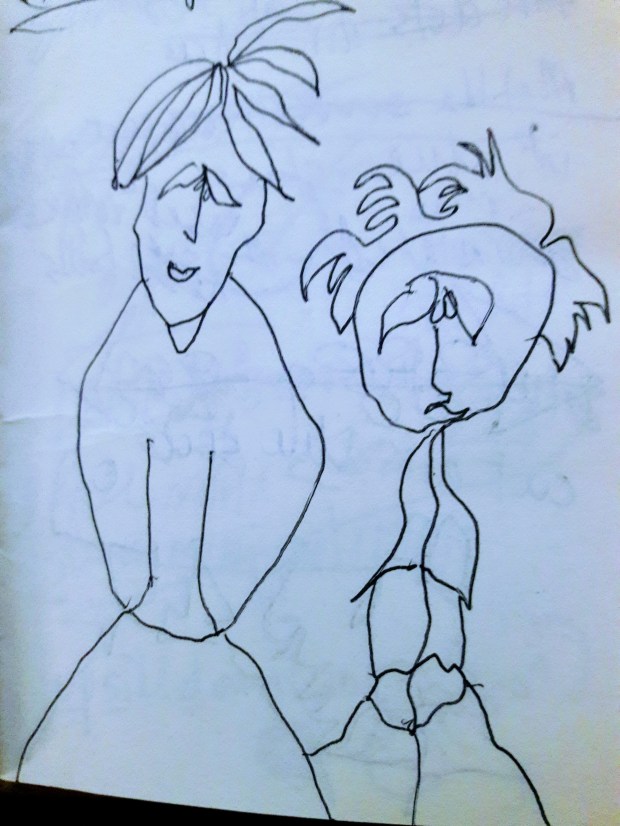
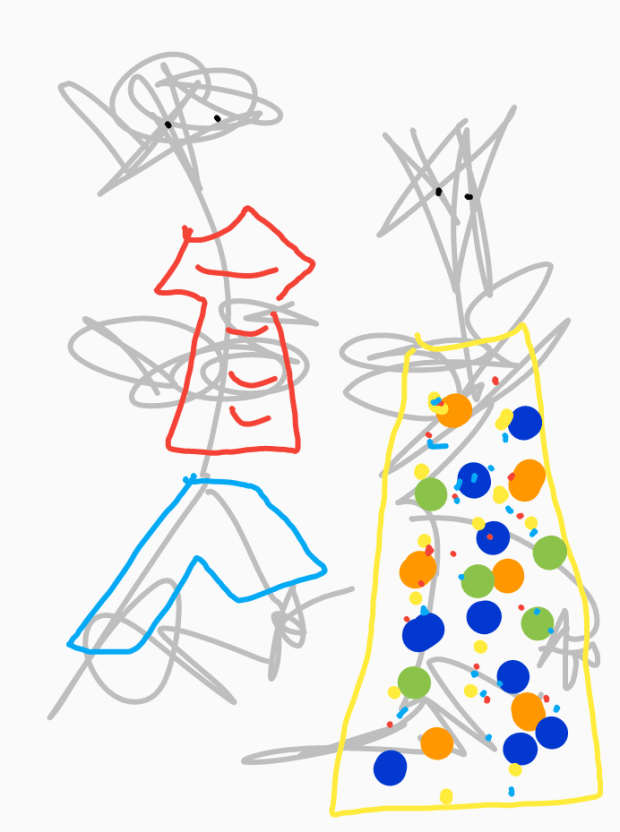
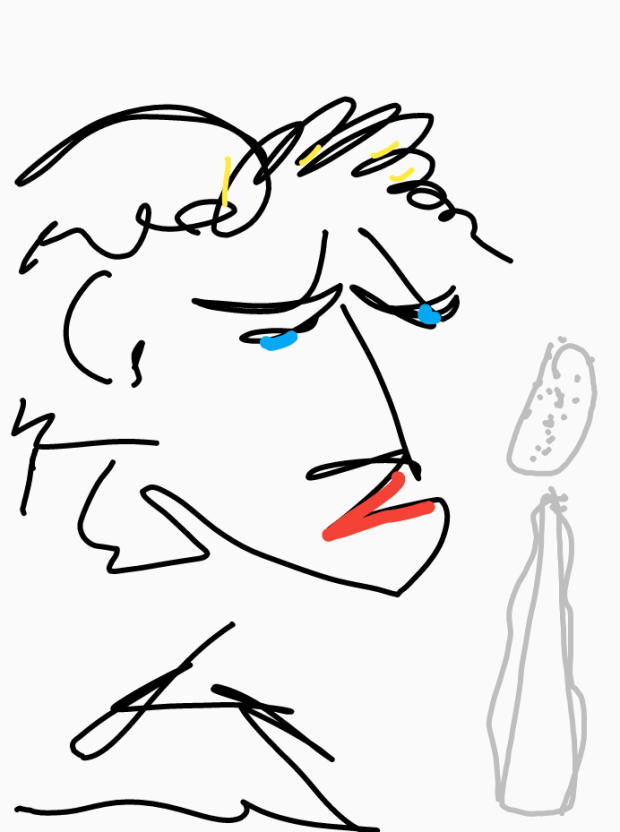
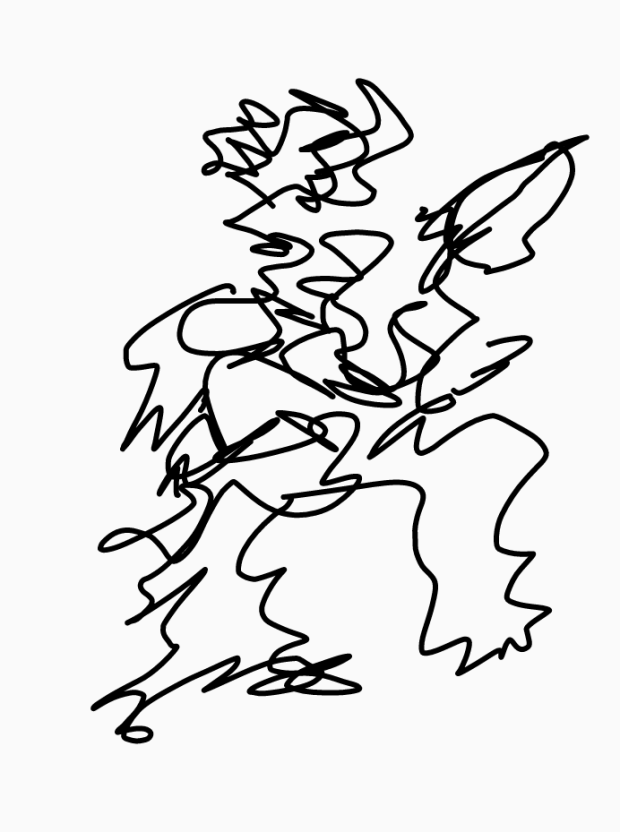
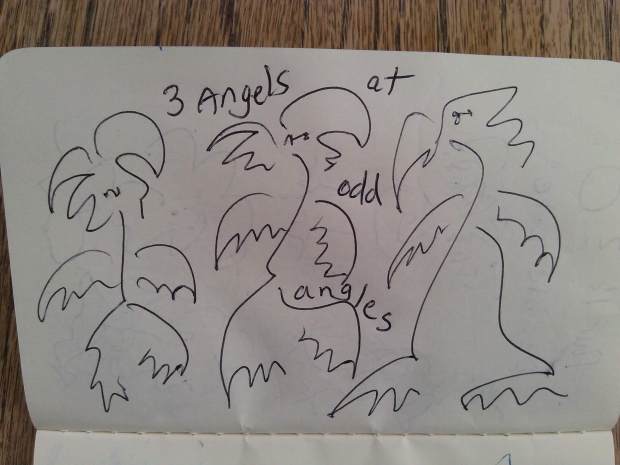
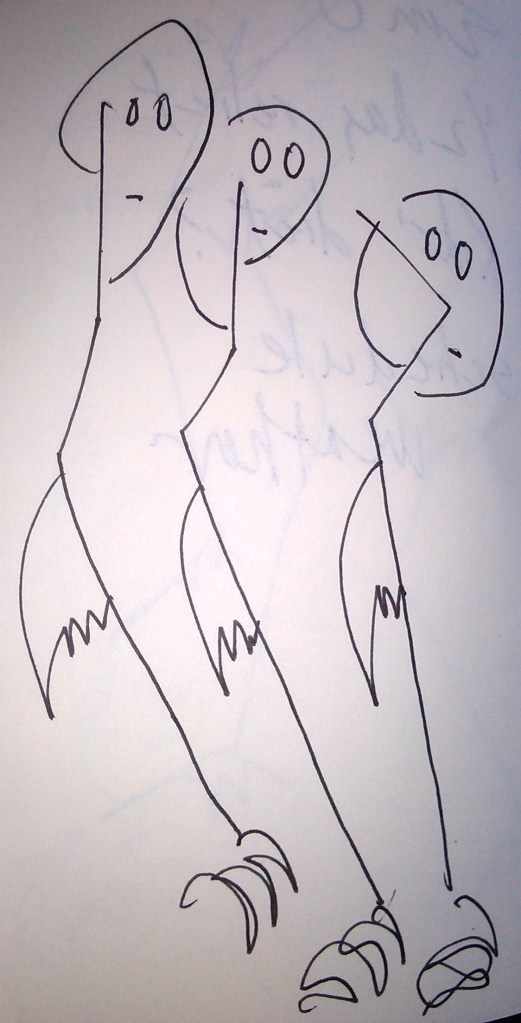
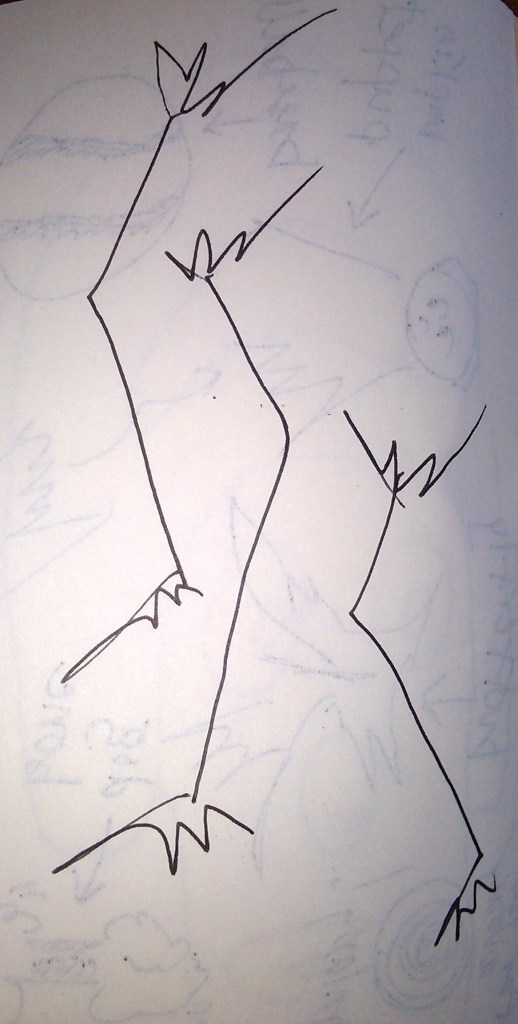
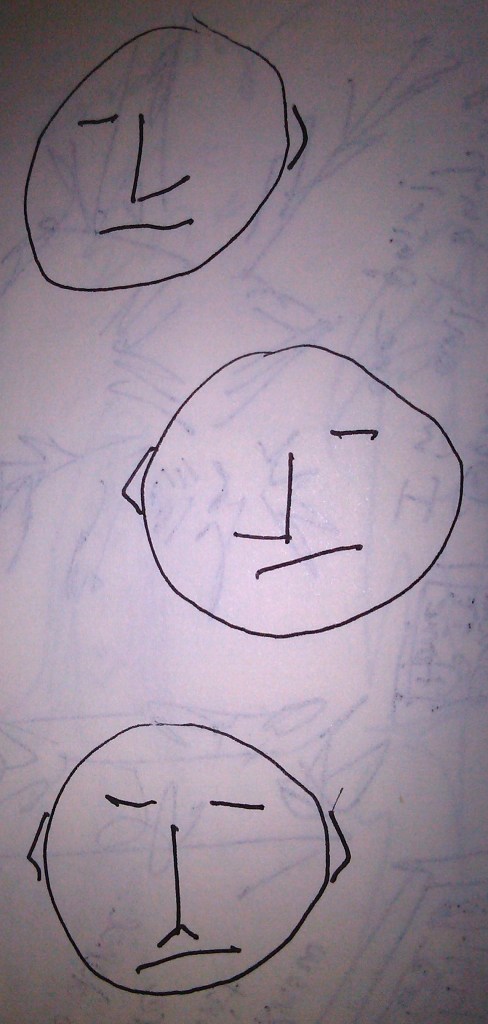
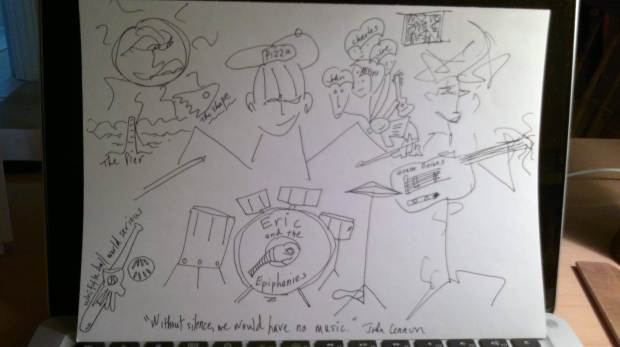
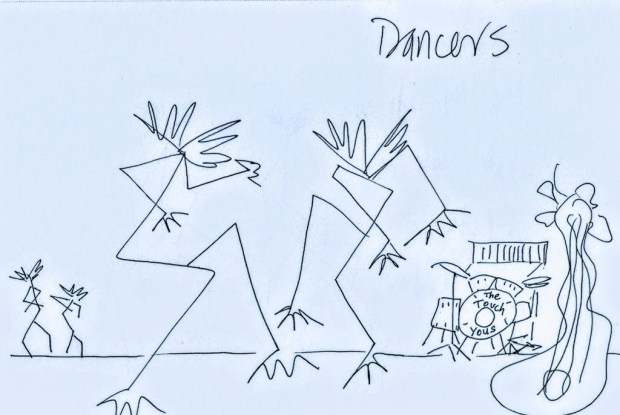
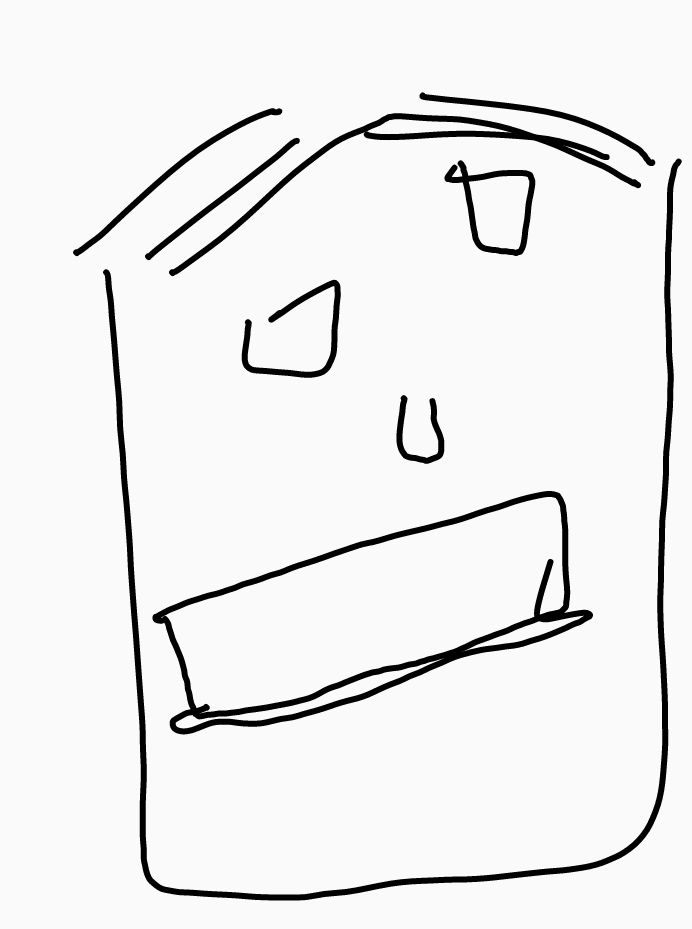
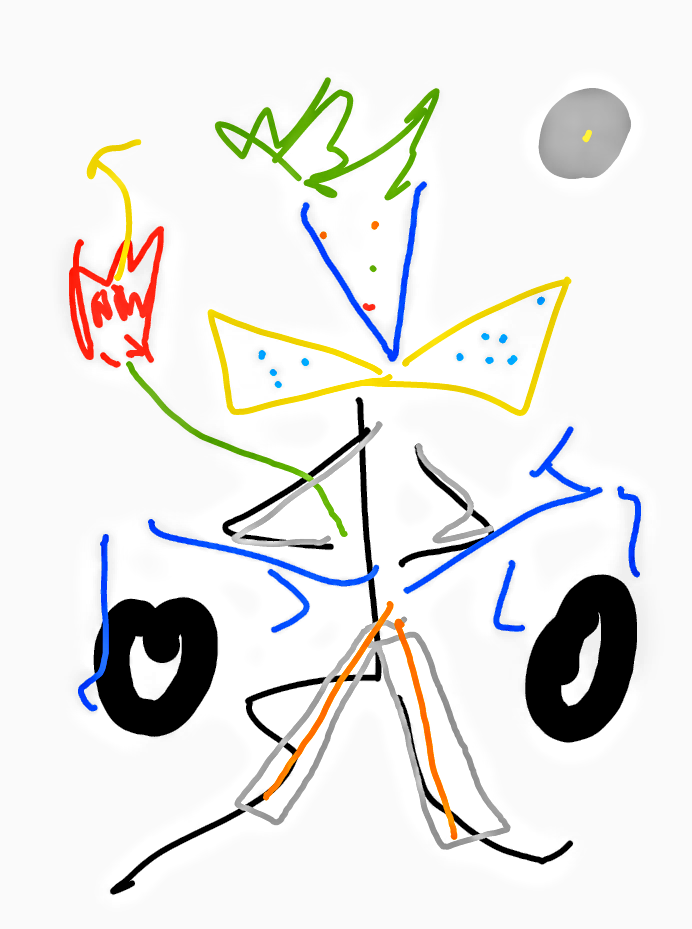
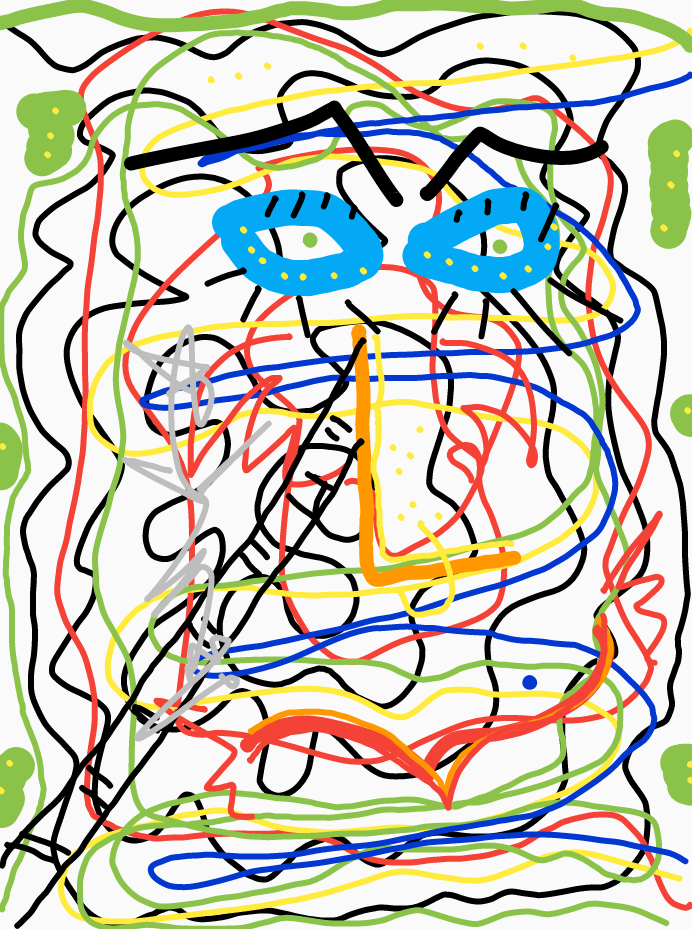
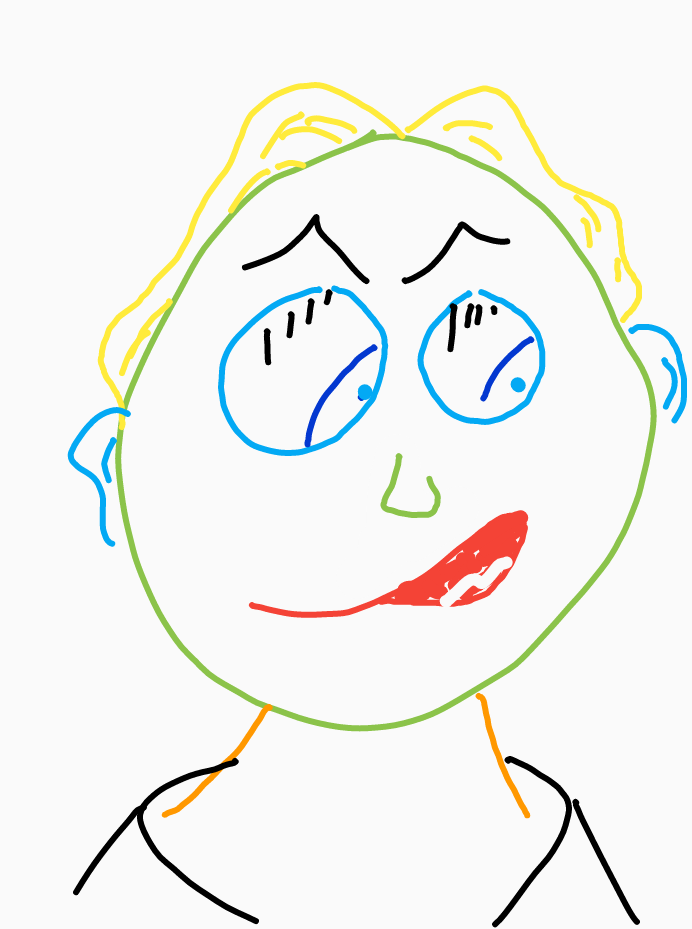
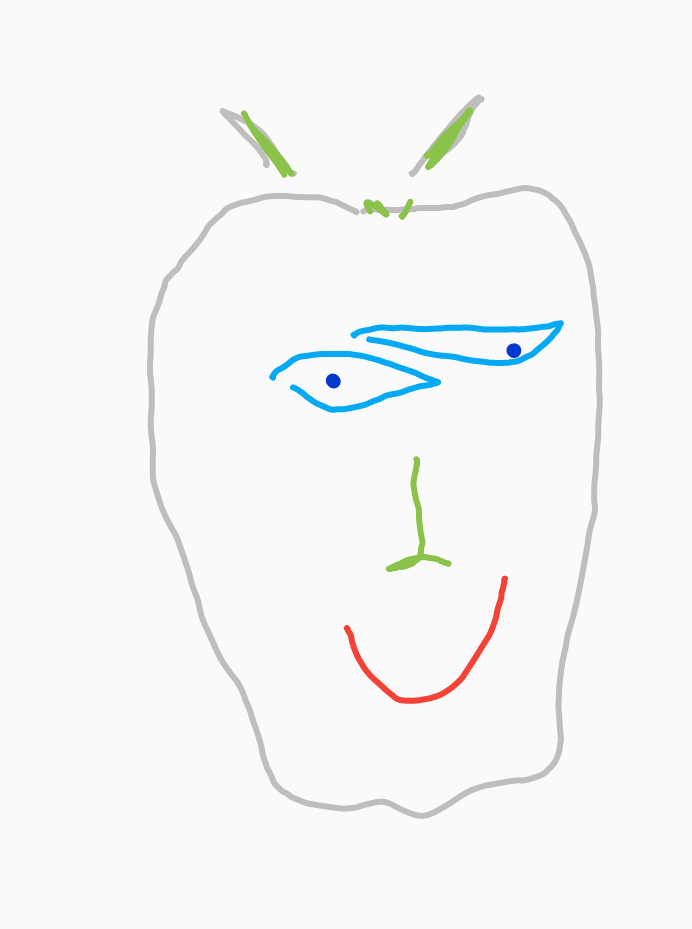
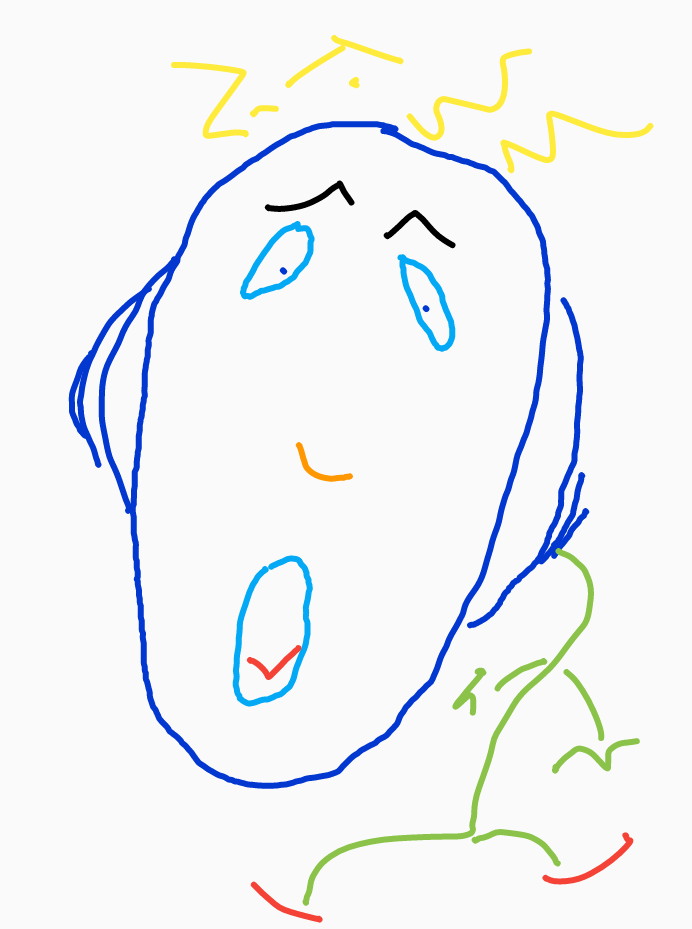
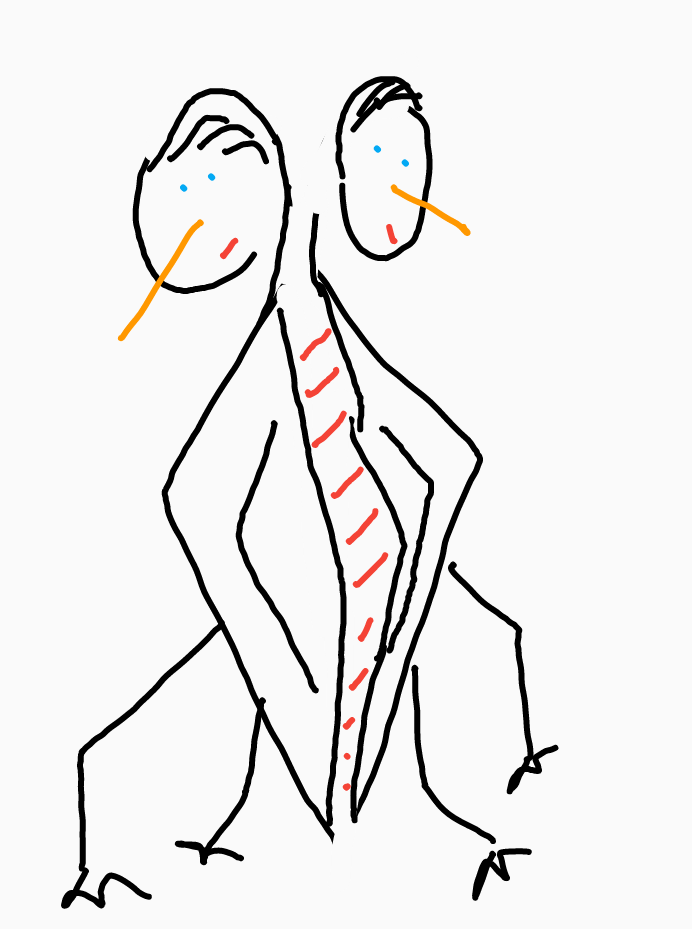
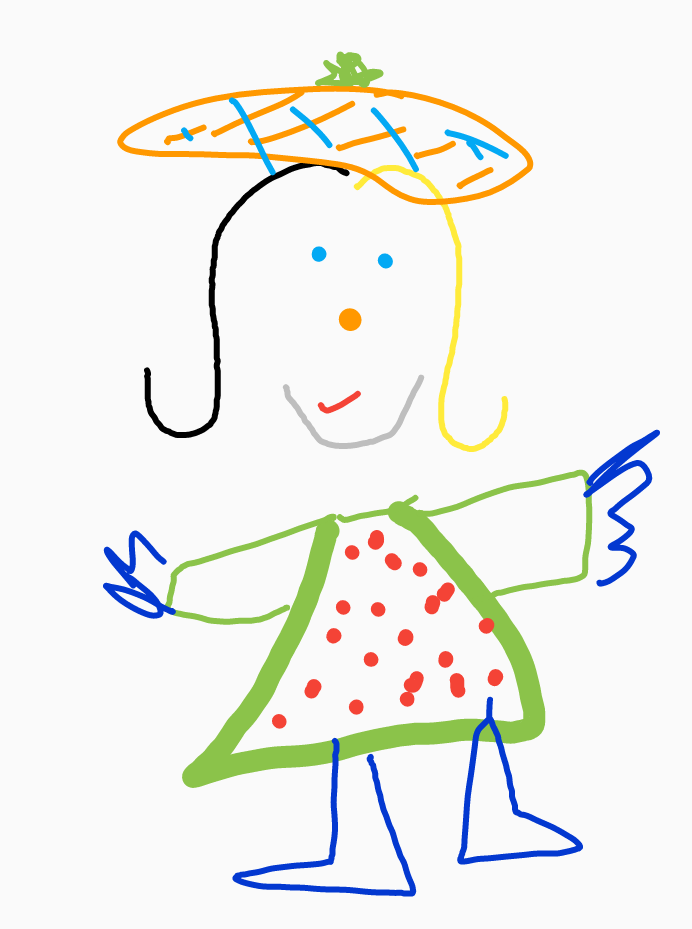
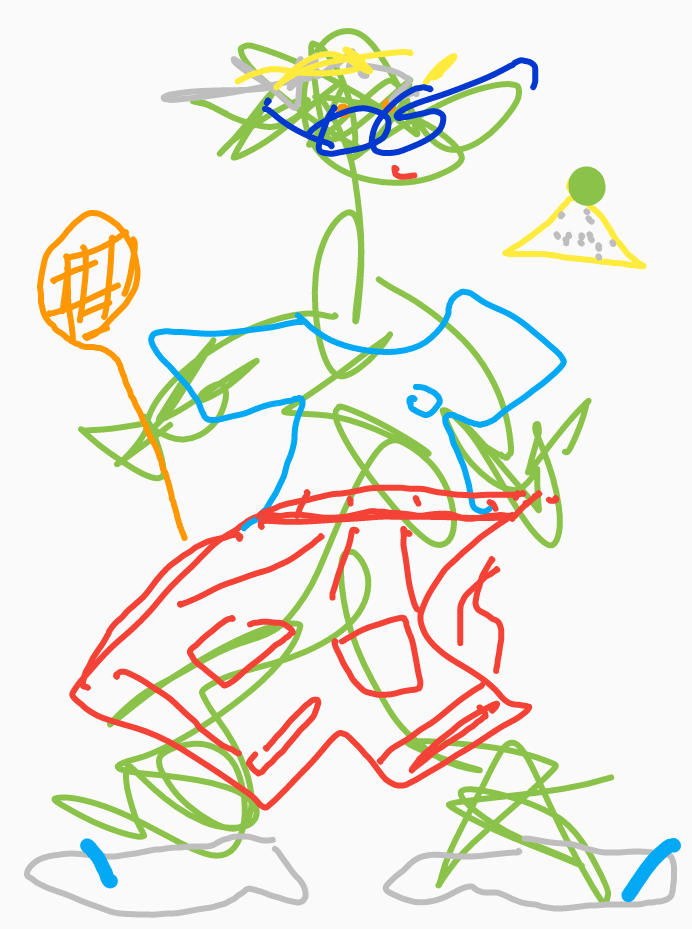
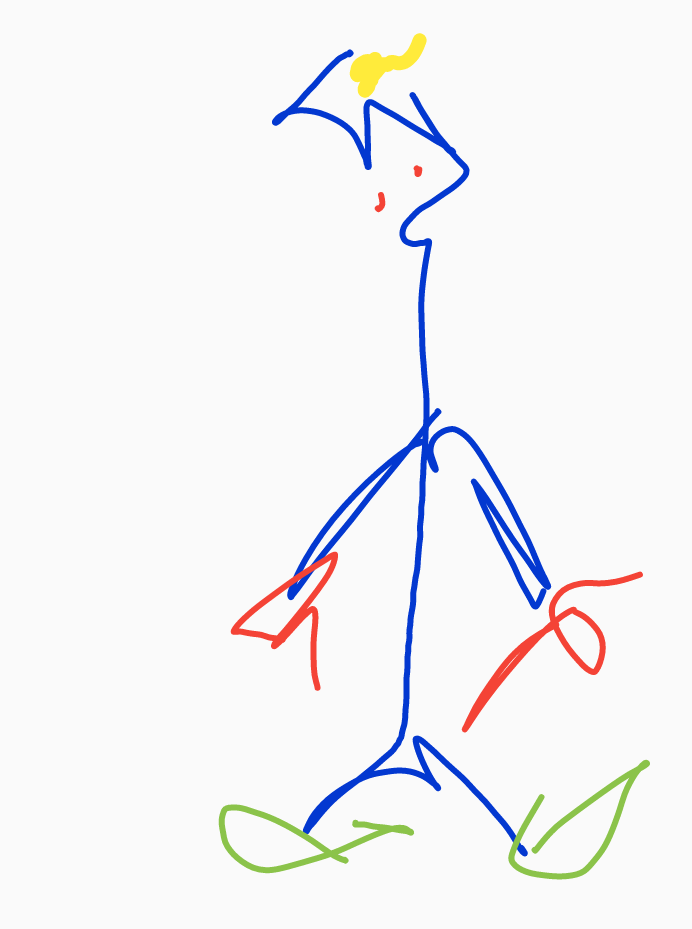
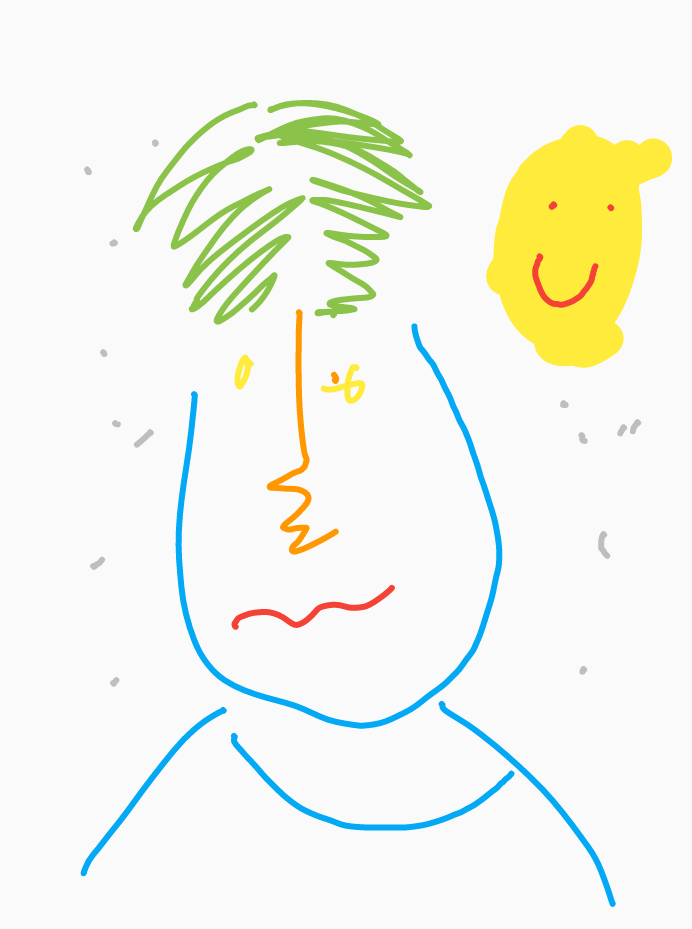
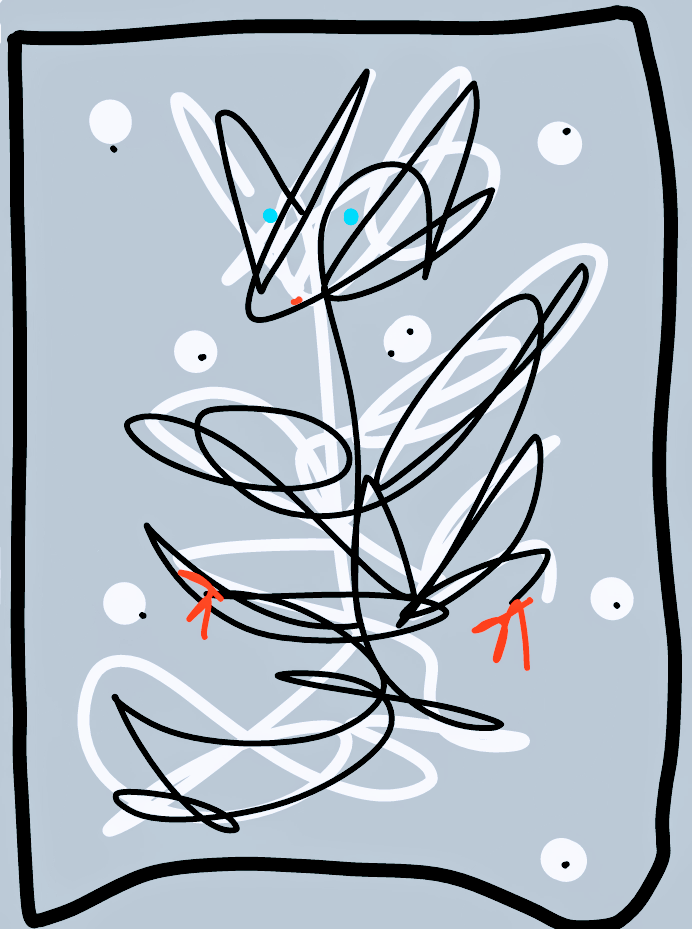
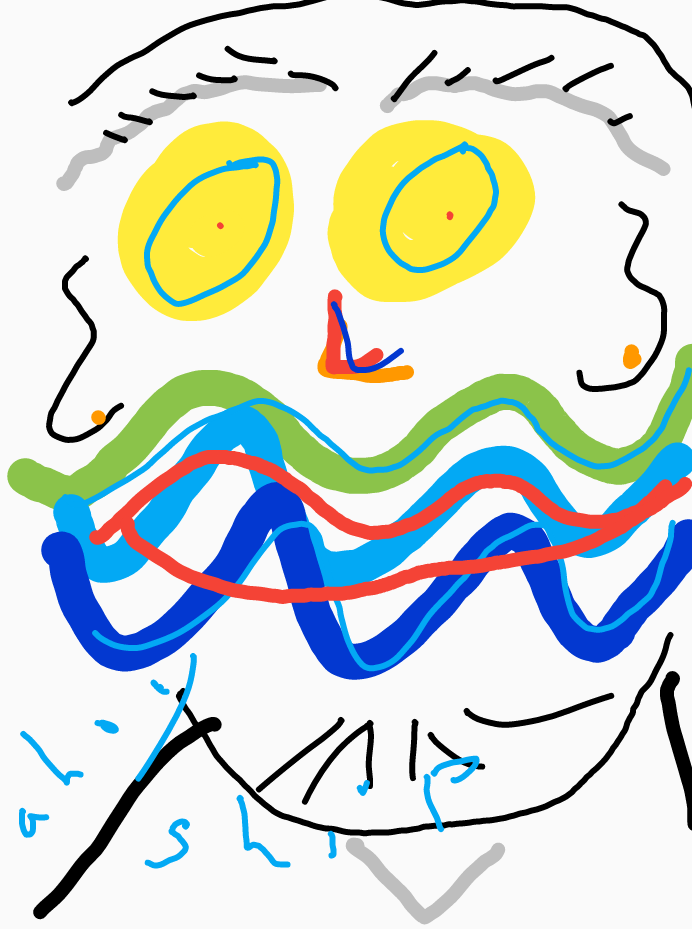
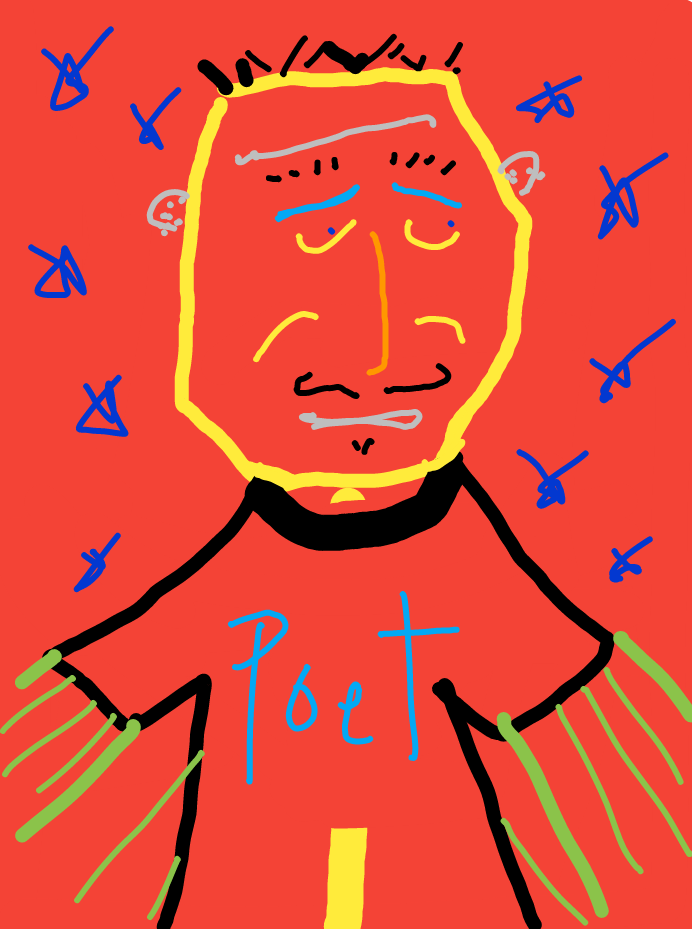
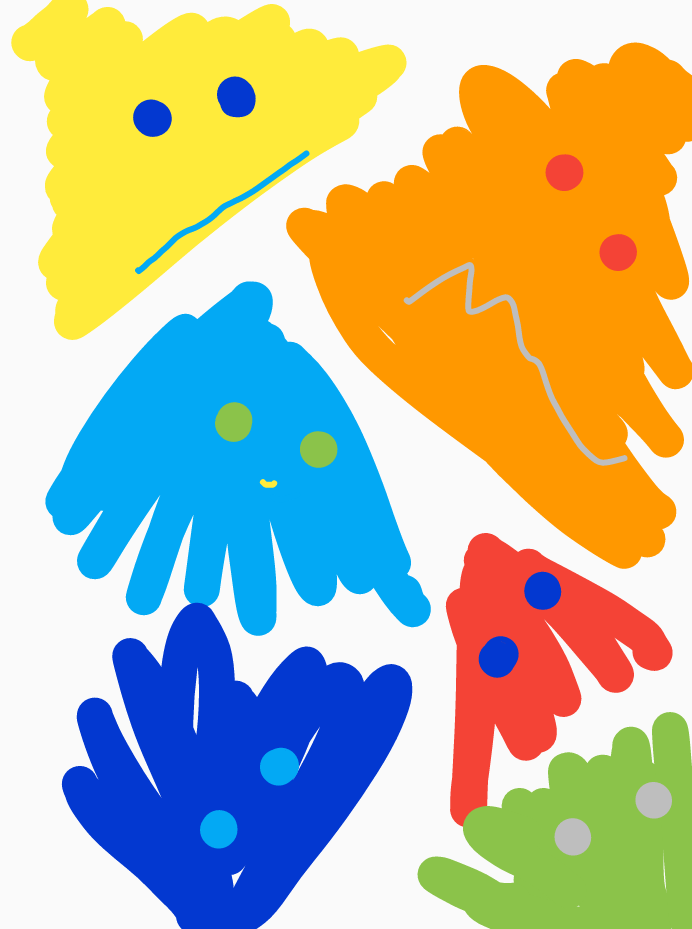
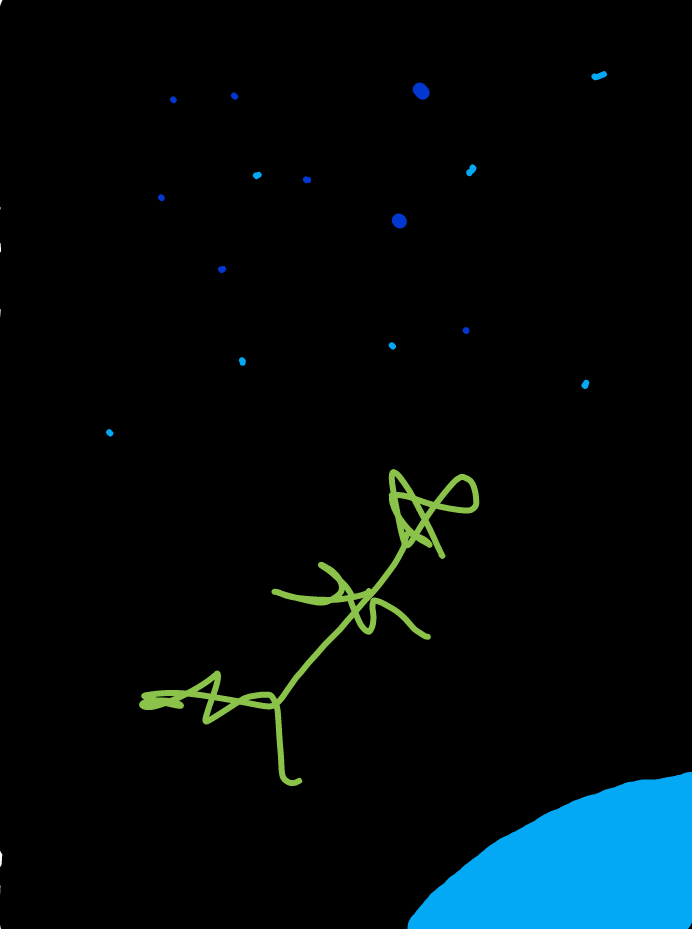
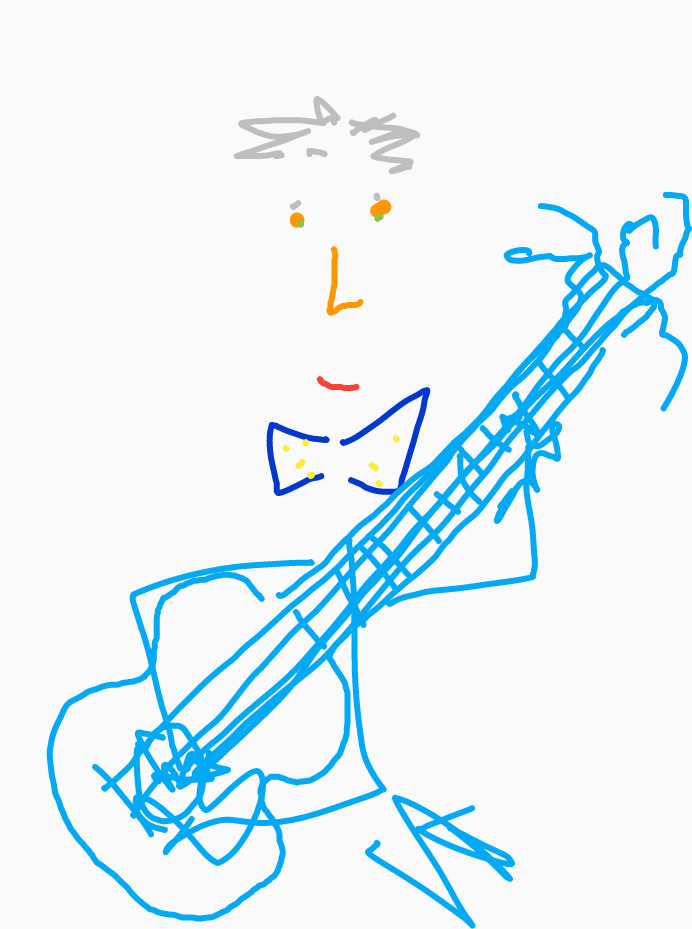
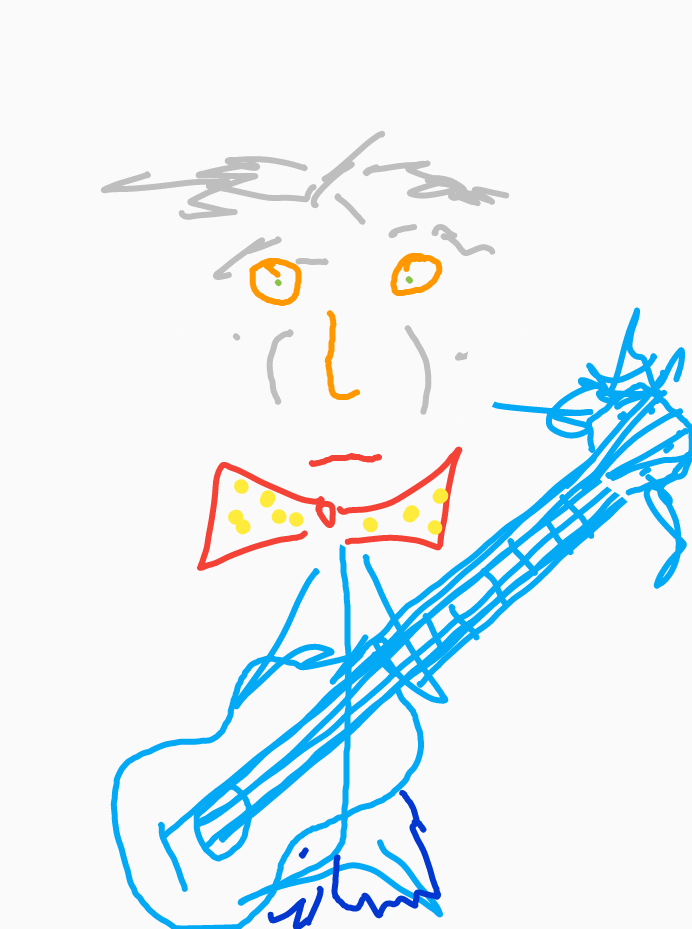
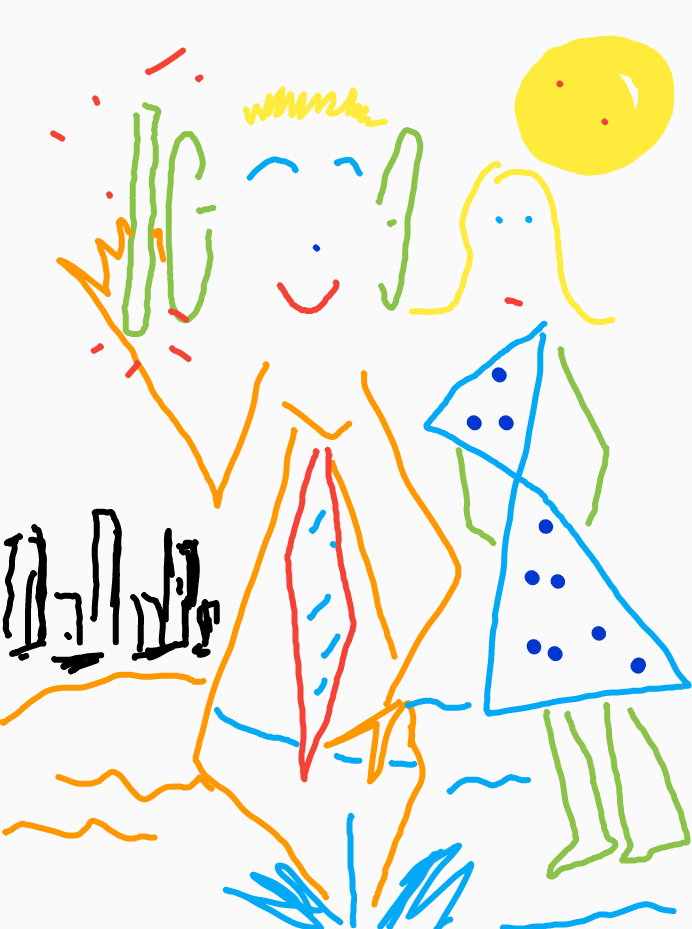
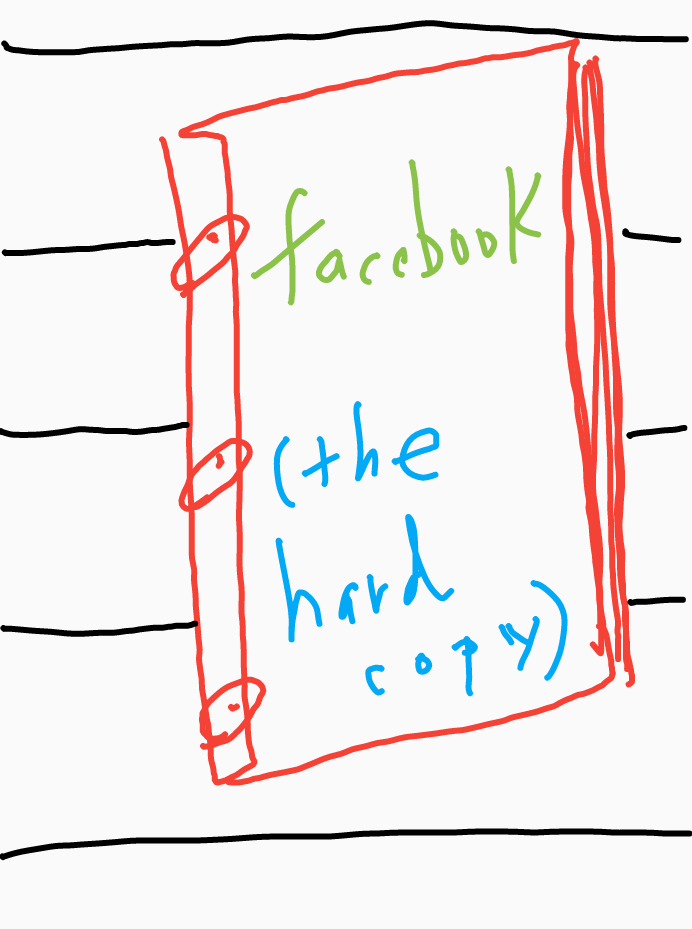
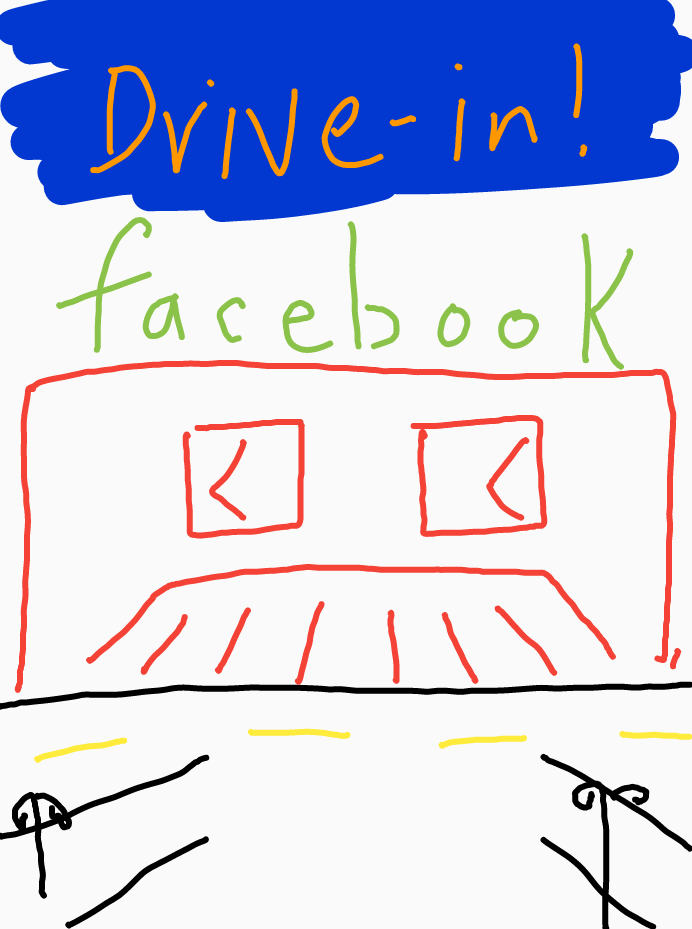
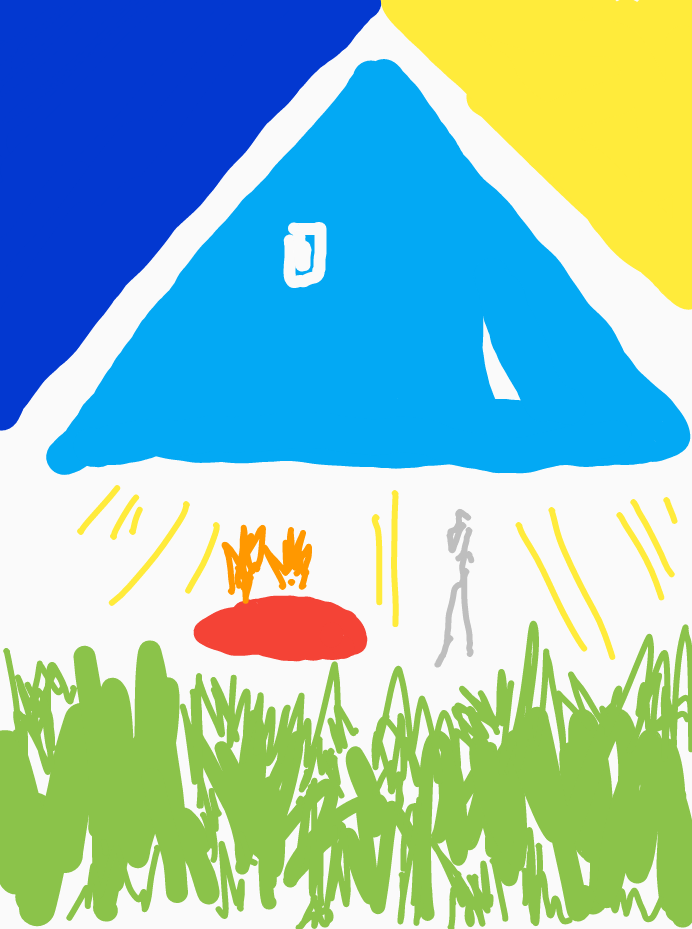
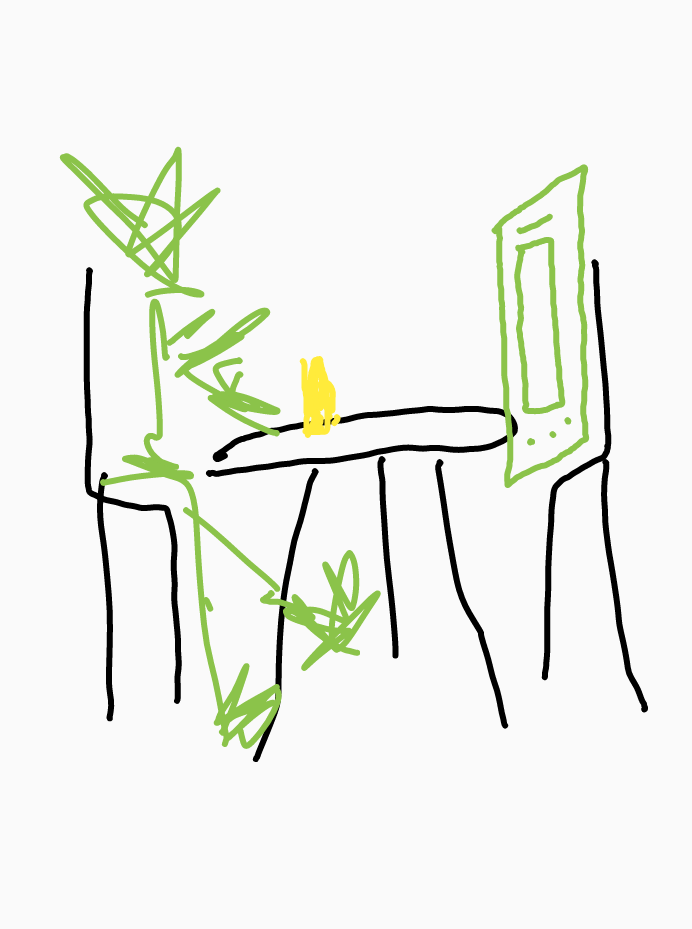
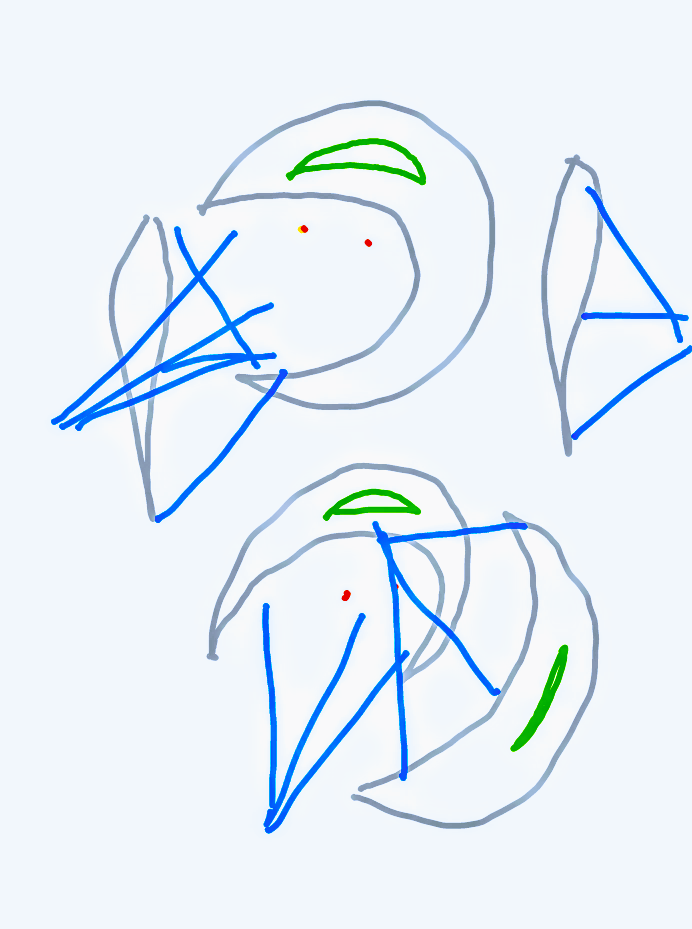
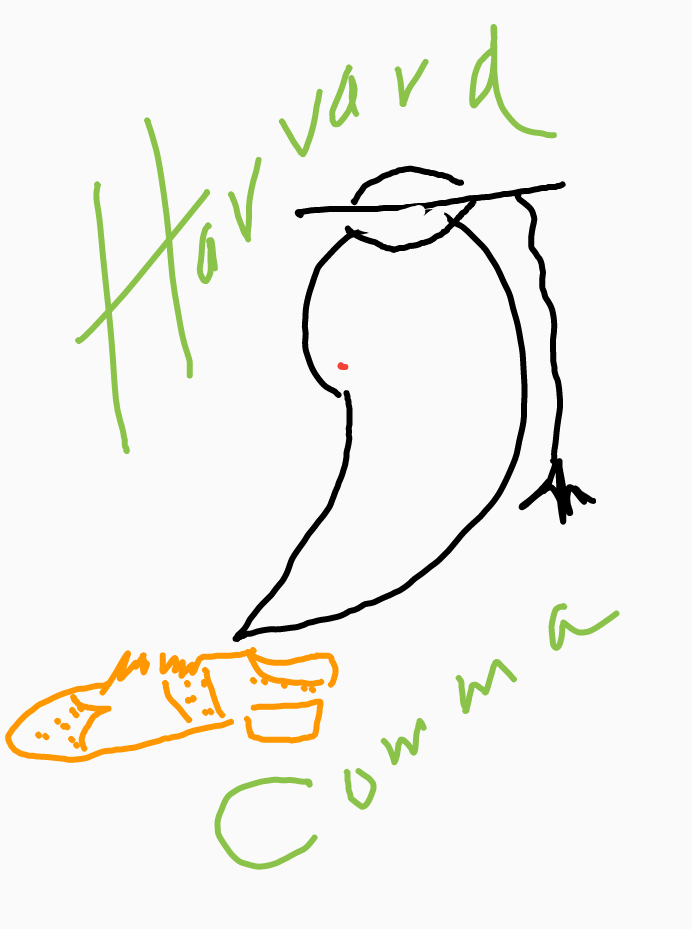
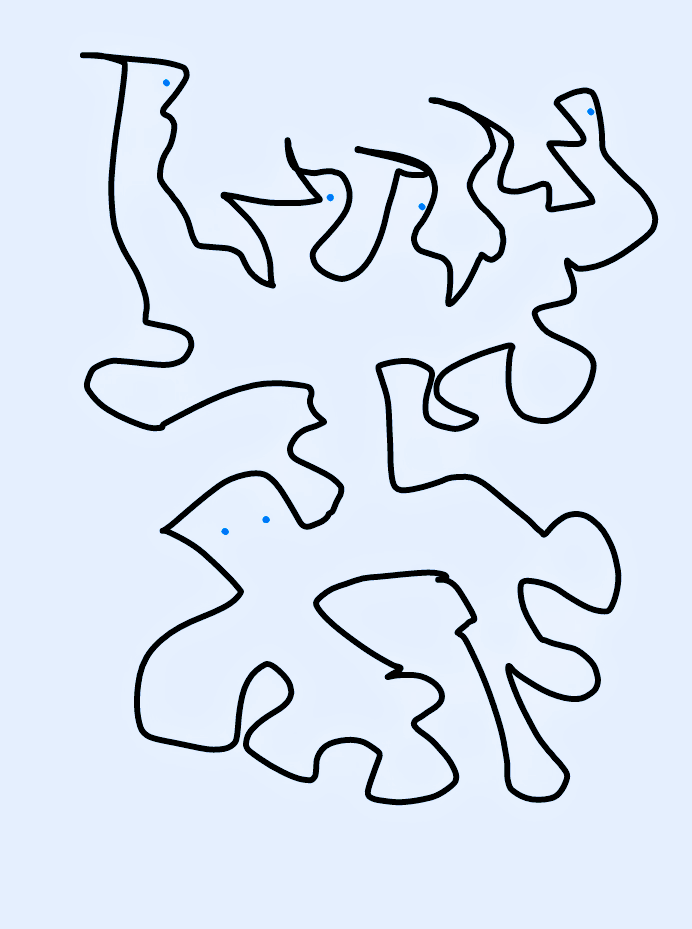
I’ve been making art with my granddaughters since they were toddlers. I’ve put together a collage here of pieces, adding a few other pics on topic:











 The Coming of the Toads