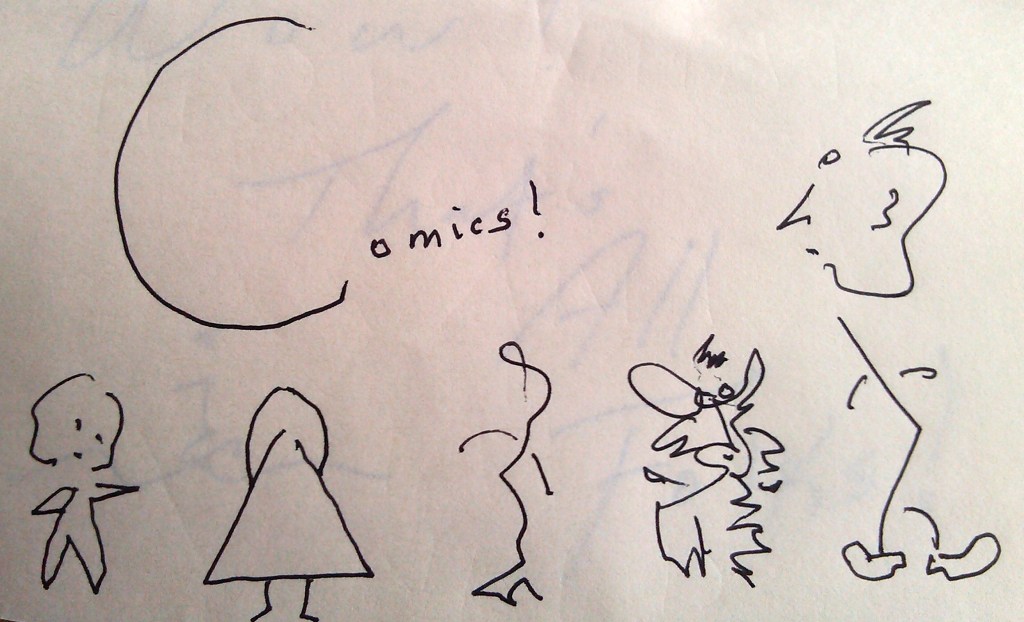
A new Scamble and Cramble episode has been posted to the Comics page! And, meantime, regular readers of The Coming of the Toads may notice a new format now in the works. Please browse around and let me know what you like or not of the new template.
Category: Writing
-

Counterpoint
This is another table poem – the words and lines formatted within the rectangles of a table inserted into a document. The table consists of 5 columns and 21 rows. A kind of counterpoint is created when the poem is read horizontally, vertically, diagonally. Formatting widgets (spacing, alignments left or right, cuts, etc.) have been added as musical accent marks.
counter
point part s po sh not again st co nter
culture priv ate
lake mass
shore ount
deck
effect ass ump tion sit sting out cou
entry un der palms up
fronds down
pile green noucter
prick
pluck plectrum
finger nails
percussive fingerling apron
strings hooks count
1
Two 3
Four syncopate swooooons
c u t how l o n g jay sus
woh how here
owh nogl l o n g
on ow un clear im precise lack s clar ity cri tic pun
c a hack’s ear
∀ u ate shun too smpl not 4 yes re
me m ber us cross
together prable
back when whole point told
aft you cave out
-
We Are Sorry For The Delay
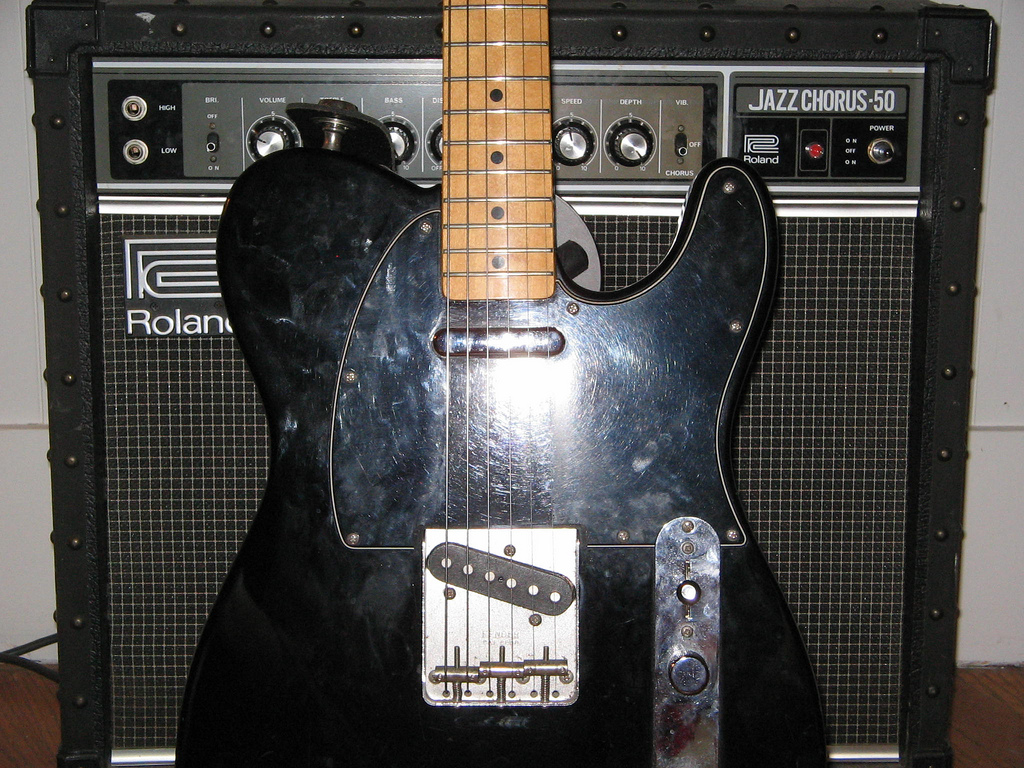
I had answered my ringing house phone to a recording. I put the phone on speaker, set it down on the counter, and waited for the caller to come on live. The recording continued, as if with indefinite intent. I opened Garage Band on my laptop and recorded the message, later adding the other tracks with instruments and vocals.
-

“Milk” at the Cairo Hotel
I wrote a new piece for The Sultan’s Seal site.
Check in to the cosmopolitan hotel and check it out?
-
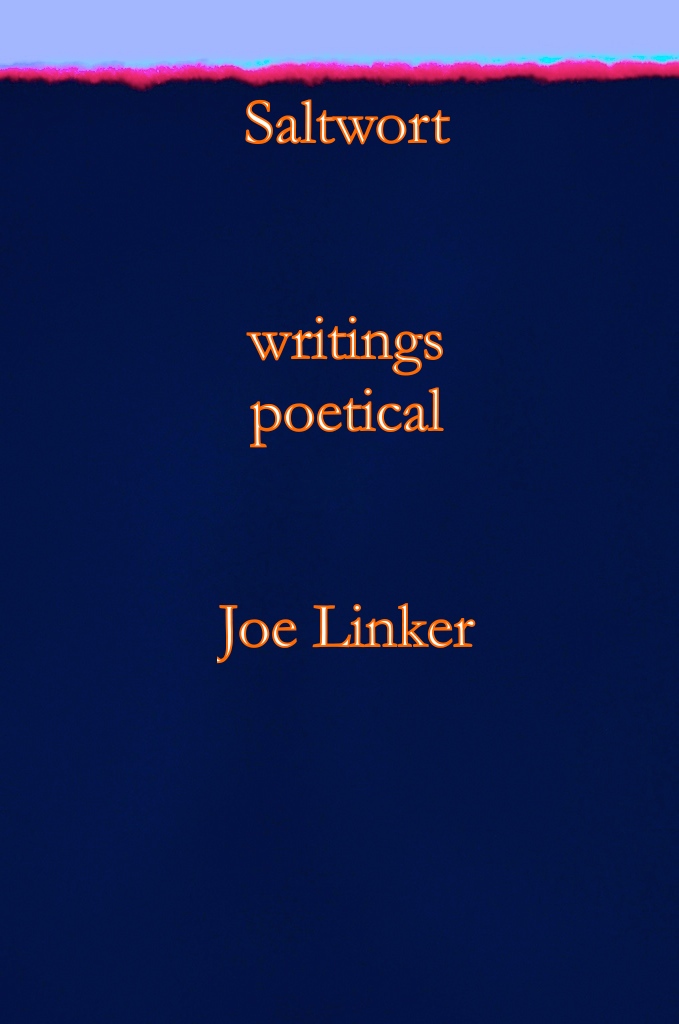
“Saltwort” Book Launch!
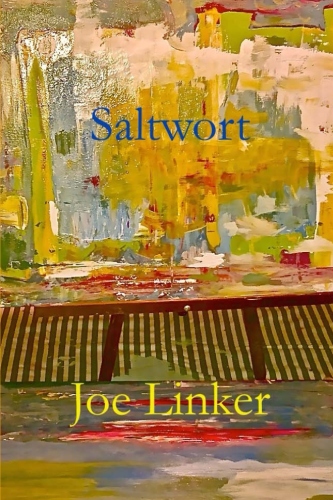 “Saltwort” is selected poetical writings by Joe Linker, author of “Penina’s Letters,” “Coconut Oil,” and “Scamble and Cramble: Two Hep Cats.” Forward by Salvador Persequi. Includes 109 pieces.
US readers may participate in a paperback giveaway:
- Winner: Every eligible entry has 1 in 4 chance to win, up to 4 winners.
- Requirements for participation:
- 18+ years of age (or legal age)
- Resident of the 50 United States or the District of Columbia
- Follow Joe Linker on Amazon
Follow this link for a chance to win a paperback copy of “Saltwort.” https://giveaway.amazon.com/p/739df558f09931bf NO PURCHASE NECESSARY. Promotion Ends the earlier of Feb 20, 2017 11:59 PM PST, or when all prizes are claimed. See Official Rules http://amzn.to/GArules.
- Saltwort
- Paperback: 222 pages
- Publisher: CreateSpace Independent Publishing Platform; 1 edition (2017)
- Language: English
- ISBN-10: 1542768977
- ISBN-13: 978-1542768979
- Dimensions: 6 x 0.6 x 9 inches
-
A Load of Dirty Laundry
For you distressed I carry yr clothes
hamper downstairs taste every word
prior to yr ears like mosquito
static in yr hair I sit on yr head
snatch one with my tongue
smell yr salty skin yr cheeks
freckled read as shame burr
sounds around yr funny ear fickle
bone bowls.Still you don’t care all that mulch
for words can’t help the ear aches
worse for wear and tears fall
fill the worn clothes washer
I don’t bother separating solids
from colors under from outer
and all that rhyme
fill the tub and ounce of salt
wort scrub-a-dub-dub
rinse the soapy nest.Pin all to these lines
in the sun of daily
breezes off the water
spinning and tumbling
little white terns fly off
as you dry off in dry
bamboo grass we learn
we two live in a slip
and fall place as you slip
a link and fall into the abyss
of this lonely ableness. -
Few Notes on “Loving,” Fiction by Henry Green
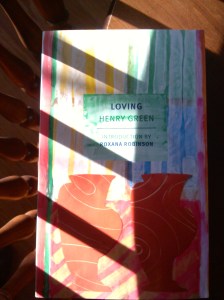 I’ve been looking to read more Henry Green for some time. New York Review Books is in the process of reissuing a collection, introductions to the minimalist titled works by a few of today’s influential critics – Daniel Mendelsohn, James Wood, Francine Prose, and others. Originally published in 1945, Loving was Green’s fifth book. Other Green titles in the NYRB series, a few more forthcoming in 2017, include the abrupt titles:
Back
Blindness
Caught
Doting
Living
Nothing, and Party Going.Loving is literature in a way that many works of fiction are not literature. That is to say it is about language first before it can be said to be about anything else. It might not make a good read for readers who value information and being told things straight up what’s going on. It’s not a page turner. One is encouraged to stay on the page and look again.
The characters include servants and their masters as well as a few animals, including dogs and peacocks. Not much new or different there. Narration is minimal, the book reading almost like drama, the text mostly dialog, but point of view scatters this way and that depending on who’s viewing what where. A bit of children’s book form is suggested by the symmetrical borders of “Once upon…” and “and lived happily…,” and of course the adults often behave like children while the children behave like adults in their ability to stir the plot to action – thinking here of the murdered peacock and its abused corpse and the purloined (or lost and found) ring and its burial, while the one character not taken in by anyone’s childishness is the “reprethent [of] the Inthuranth Company” (133), come to investigate the claim of the missing ring who gets things right but whose authority is undermined by the slapstick speech impediment imposed by the tooth he’s just had pulled.
The setting is a large country estate, a castle in rural Ireland during World War Two. Bucolic enough, but if that sounds pleasant, it’s not so much. Life is a cold and hard working go with much worry and darkness and shut off rooms full of covered furniture, and worries about the close but distant war and what might happen if the Germans invade Ireland, what the Irish are up to, and how the relatives are making out over in beleaguered England. And there are rations and shortages but still plenty of domestic work but real opportunity found only in factories or submitting oneself to the brutalities. Still, not much there either that we don’t find in much literature of the period.
The plot concerns an old butler who dies and a younger one moves in to take his place, a promotion not enthusiastically welcomed by the entire staff, for Raunce promises to issue in some changes and challenge tradition, including insisting Madam call him by his actual name and not Arthur, the name she prefers to call all butlers, regardless of their actual name. Most exasperating is this new Arthur wanting morning tea brought him still in bed and that tea brought by one of the two lovely maids Edith suspicioned of desiring possibly to return Raunce’s inappropriate advances.
The dialog though is what the book is purposefully really about, and the reason for reading that book. Characterization is revealed through dialog, and helps explain the idiosyncrasies of speech and syntax and varied ways of talking employed. As another example of Green’s distinctive but sometimes even peculiar style, he seems to prefer “this” and “that” to the:
“and he took that cushion, ripped the seam open” (130).
Nothing wrong with that, but it appears throughout, in a variety of syntactical shapes, and might strike the ear as odd:
“who took this man’s business card” (131).
But see if you don’t come across that oddness on your own. There are many more examples: “she strode up to that arrow and gave it a tug” (forgot to hold the page; and while I’m at it I’ll add that I’ve resolved this new year to stop marking up books read with marginalia notes and all. Makes the occasional review a bit more difficult though. Ebooks are easy for looking things like that up, but the memory gets not as much exercise. Remains to be seen if the “notes” a la reviews improve or not).
Loving will make a good choice for a book club group, not that I belong to one, but thinking you might, or you could start one, Loving your first book.
Loving, by Henry Green (1945) and 2016 New York Review Books (Introduction by Roxana Robinson).
-
awake & asleep
ear to ear
each other
we hear
now there
now here
tilting
tinctures
chandelier
sweeps & swivels
& windowsill
candles glistenin moved & numbed
dark a sommelier
comes pinches
the wicks dreams
river yarn & damn
earwax secrets
sheets surface
smears of sea
& ocean seer
seal bobs near
freer & freer


-
On Letting My Hair Grow

I’m letting my hair grow.
It’s starting to snow.
Nothing to be done,
Estragon fond.
“Now I’m a donor,” I told Susan,
“on the recent license renewal.”
“They’ll take your anatomical
hair,” she said, the young one
at the Department of Motor
Vehicles: “On your license,
be a donor?” she asked me.
“Sure, and why not.”
“It’s not like you’re going
to be needing it,” she laughed.I don’t need it now,
I thought to myself,
she in Santa Claus costume
red and white furry thick
and outside snow falling
and her hair black maroon
hanging tussled out
the Santa red cap rimmed
white and the big white
ball at the end bouncing
about as she whirled around
to grab the form
for me to be
an anatomical donor.My papers in order –
DD214, Birth Cert.,
proof of address – but,
“We don’t need them
this time,” she said.
“You’re in the system.
You showed us all that
last time. You only
have to prove it once.”
(On this I did not
correct her.)
“But let me see
that discharge sheet.
Why don’t you have
VETERAN
on your license?”
She read down my DD214,
taking her time.
I was number 106,
the DMV not crowded,
middle of day middle of
week middle of month.
Not any, any, any.
Middle, middle, middle.
“There it is,” she said.
“Other than dishonorable,”
she happily smiled,
as if given a gift,
or handing me one,
the white ball again
twirling as she turned
and grabbed hold
another rubber stamp.
I was 18, number 16,
that first drawing,
I might have told her.
I looked good a few
of the squad said
of my shaved head
coming from the barber
at Fort Bliss, zero week.
I went in full curled
long and wild just out
of the surf at El Porto.“OK,” she said. “Take
this to the photographer,
end of the counter.
Merry Christmas!”
And I said it back
to her. It’s best
when at the DMV
to remain calm
and try to relax
and let your hair grow.“Number 107? 107?”

 The Coming of the Toads