Author: Joe Linker

  • Some Winter Comics


  • Diary: How to Improve the Text (You Will Only Make Matters Worse)

    textsDiary: How to

    Improve the Text (You Will

    Only Make Matters Worse)


    John Cage titled his diary, “Diary: How to

    Improve the World (You Will

    Only Make Matters Worse)” (1965),

    suggesting a zen koan where every move

    in one direction is a move in another direction.

    Cage was not too into the game of chess,

    that was Nabokov. Were they neither control

    freaks? One looked down on the ground

    for mushrooms, the other up in the air for butterflies.


    Listen to the music mushrooms make:

    shiitake, for example.


    “Nothing to be done,” Beckett said, and he said

    it more than once: “Nothing to be done.”

    Again and again, recycling the words,


    imagining a future without retail,

    which entailed imagination, the tale

    of dead malls, hollowed out shells,

    shelter for the homeless.


    (artificial intelligence:

    “all watched over by machines

    of amazing grace,” Richard Brautigan said.)


    What if anything is artificial? Artifice, father, creator:

    The true ecologist loves garbage, Slavoj Zizek said,

    and, we must become more artificial,

    if we are to comprehend the universe,

    a grasping together. GASP! (Taylor, Examined Life).


    Every thing is recyclable, even no thing (as Beckett showed),

    all things crawling with recycling bugs chewing,

    the textual droppings of these bugs crawling across the page

    two streams of ants, one going, the other coming:

    ant ant ant ant ant ant ant ant ant ant ant

    tna tna tna tna tna tna tna tna tna tna tna.

    The ants smell textual clues.


    The job of being

    human

    altruism and community, signage,

    the shape of mouths, lip tools,

    tongue, teeth, mouth to ear, surplus

    age, a pantry of letters, a kitchen of words

    a living room of text, a bed of books,

    a shelter of stories.


    It probably never was the best of times

    and self-pity to call any time the worst of times.

    The people bored march on nothing.

    Blog is dead, someone said, sweeping up,

    blogging, only dead if you thought

    that; otherwise, it was still

    “lots of fun for everyone!”


    Retail is dead, the tinker said,

    stirring her pots and pans;

    on the other side of the street,

    a drone drops a text.


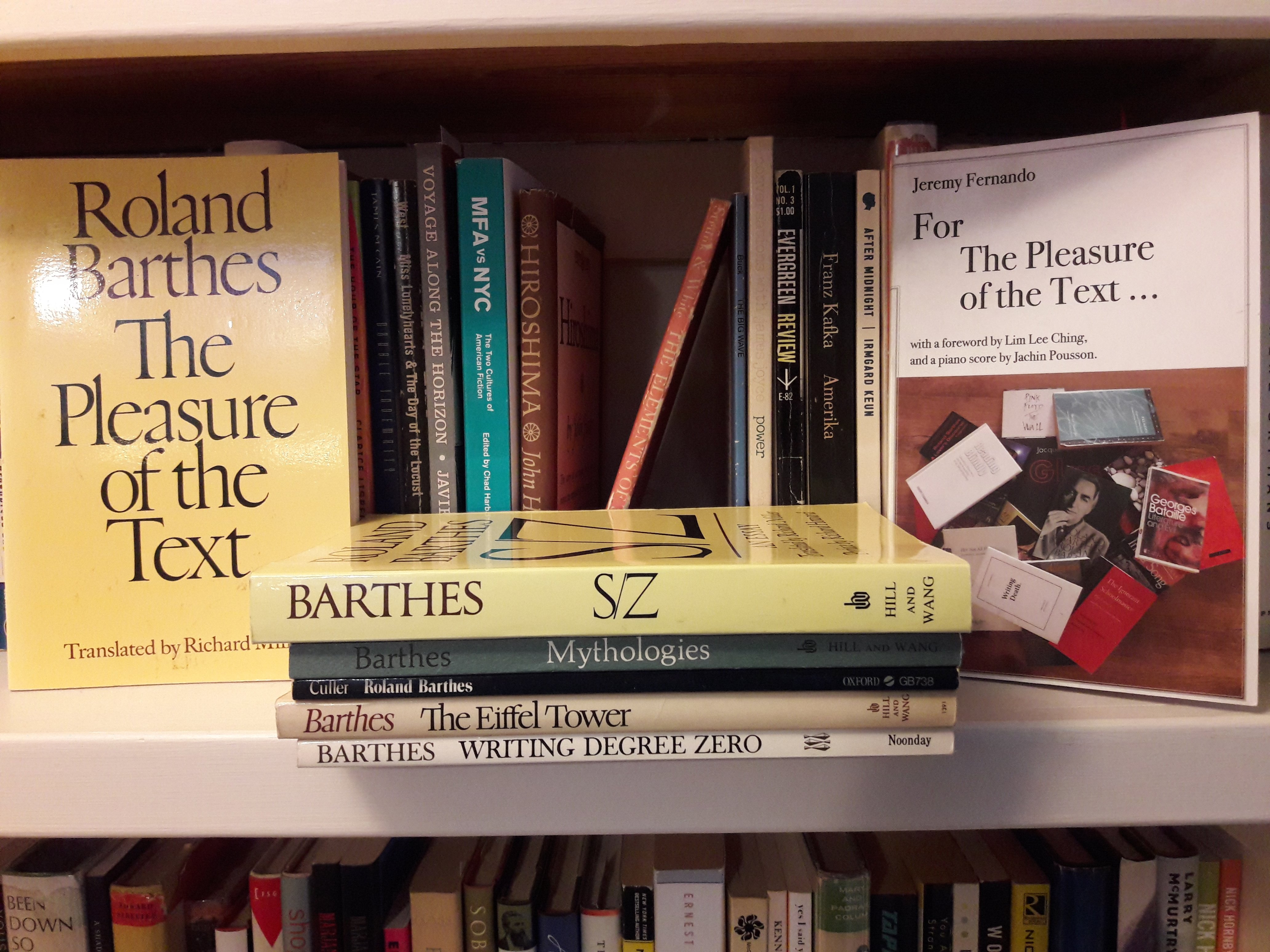
    In “For

    The Pleasure

    of the Text…,” Jeremy Fernando explains how

    text comes into being when reading, comes and goes, his book

    full of marginalia mushrooms, the writer a saprophyte,

    pages flipping to and fro like butterflies, and as hard to find,

    the text always disappearing, pages not mumbered [sic],

    but we know where to look

    for mushrooms and the colors butterflies prefer.


    When speaking of the universe, keep in mind nothing is factual; everything is argument – claim and rebuttal, recycling. When speaking of the text, keep in mind everything potentially purposeful, so yes, the most effective writer knows not what will be read, can’t be sure of what’s being written. That is one pleasure of the text, the not knowing, uncertainty, ambiguity – the taking and eating of a strange mushroom, an invasion, a landing, of alien butterflies. Beckett said we can’t listen to a conversation for more than five minutes without noting inherent chaos. Yet some writers abhor ambiguity and seem to think they write with clarity. What is clear is that nothing is clear, in spite of grammar.


    Understanding the text, or attempts to understand one’s own comprehension of the text, are subservient

    to experiencing the text. One can only begin to experience the text by giving in to it, which is to say,

    consuming it, mouthing the words, eating the text, licking the letters, smelling the ink’s decay.

    The text is a meal which like the mushroom can be distasteful, cause belches or gas, even be poisonous.

    One might prepare for a heartburn of the text, but that heartburn is part of experiencing the text. The

    metaphor grows stale, corny. Halt. Stop. Let us retire for a break in the text to some hops.

    The text plays itself out.

    text
    g UL p
    ale

    The reader returns to the text, changed, reader and text, both changed, a bit tipsy, textual vibrations: screen shots of textual cuts, rips, woven riffs, quotes like on a guitar, but cited for the newly planted who need authority to get established, but why would one want authority over/under/sideways/down another? textual authority to pass testual [sic] authority, getting testy this, this authority, King Ibid on his throne in the kingdom of Where Did You Get This Weave? There can be no misreading, only the experience of reading: vicarious. Author as vicar, vice advice, a writing vise.

    a grammar of the other

    another

    other

    mother

    moth (lex) toward the light

    mouth (law) toward the dark

    declension

    every text an attempt to improve

    which worsens

    writing as self-medicating

    for which there is no cure

    curator

    mother

    a text that cures

    Watt Ales


    what is the meaning of an unpaginated (upainted) text?

    citations as reproductions, pics of texts

    folder paper, where the lines are the bedrock

    of grammar, the grammar of the text –

    the reader creates the ungrammatical (including typos)

    as the police create crime (cite N+1)

    calls into question any misreading

    “justesse of any sentence” (JF, PT)

    ripping through the text, pulling quotes out

    disrupting the horizons of folder paper lines

    horizontal disappearings

    a following silence until a new text swells

    the crowd disperses, the text shelved.


    In the middle of the text we find a pic

    of “Anatomie” (Ibid: 180), and this

    quoted:

    “To write the body,
    Neither the skin, nor the muscles, nor the bones,
    nor the nerves, but the rest: an awkward, fibrous,
    shaggy, raveled thing, a clown’s coat”

    so we get at once
    Love’s Body (Norman O. Brown)
    Beckett’s clown
    & Bob Dylan.


    Next comes the pun: body > corpus

    and “authenticity” – the authority

    of the corpse, already with us,

    and the illuminated manuscript,

    backlit screen.


    And don’t miss the three asterisks.


    A typo it appears? (Elfriede Jelinekl) in the text, part of the text; typos are like black holes. They suck in the light. Some readers delight in seeing them (schadenfreude), but perhaps the typo corrects one’s vision. Certainly they test it. Typos are purposeful. Theory of accidents.


    Musical interlude, listen, an invisible text. Music as language must be translated. “Happy New Ears,” Cage said.


    …now to dreaming:

    the experience of reading. experience is not

    necessarily evil, a song of experience is not

    a song of evil – nor is a song of innocence

    necessarily a song of good. depends on text.


    No more links, likes, or comments;

    and if you don’t like this post at the Toads,

    take it up with JF’s RB, or RB’s JF.


    The bits about death, or Death? One prefers breath, or Breath! One might here sight [sic] Walt Whitman or Charles Olson, but there follows a sketch (portrait), not traced, there are rules, after all – yes, but whose rules?

    The rules of the text:
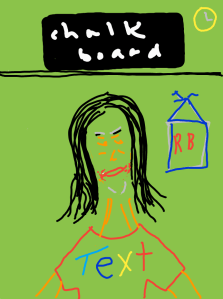
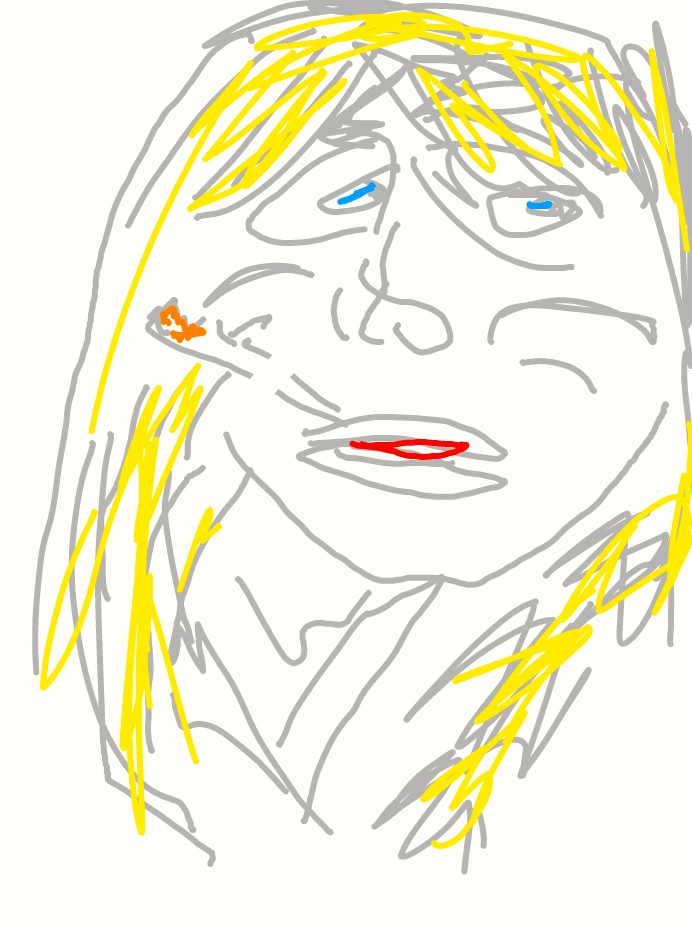
    JF and RB by JL

    ~~~

    the text tails off

    them’s that’s got it

    Vonnegut footnote

    inventions (externalizations)… to be continued, continue to be

    References

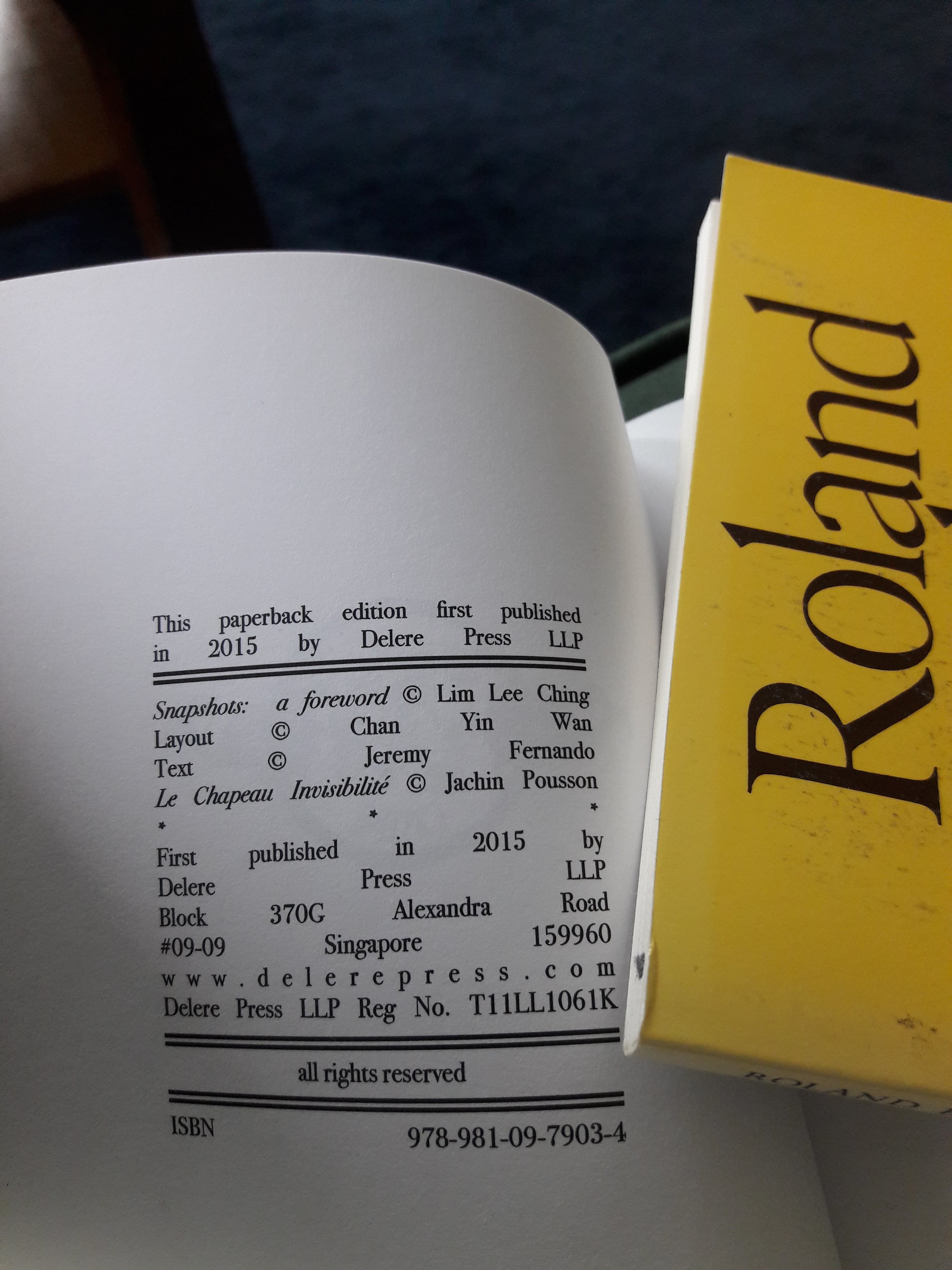
    Fernando, Jeremy. (2015). For The Pleasure of the Text… {etc.}
    references


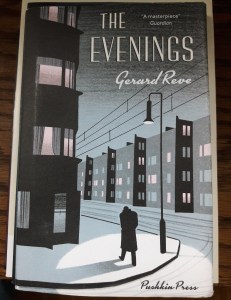
  • Gerard Reve: “The Evenings”

    The Evenings Day job workers share in common evenings. Time off, free time, leisure time, time-wasting, occupy the evenings. What to do? The question often haunts office and factory workers (workers clutching daytimer calendars are bothered by another version of the question). The evening absorbs the question of what to do like a fountain swallows wish thrown coins. The equity of time off beggars everyone. Free time hours can’t be saved, must be spent. On what?
    Frits van Egters, the main character of Gerard Reve’s “The Evenings” (first published in Dutch in 1947), works an office day job he considers so boring he barely mentions it. His attention is focused on his evenings, how they might be spent, how they pass, what he might do with his free time, and what he does do. Frits lives with his parents when in December of 1946 we are invited to spend his evenings with him as they pass from around Christmas thru the new year. He talks to himself, has bad dreams, tells horrible jokes, thinks about the evening hours passing, goes out and about, visits friends, is condescending toward his parents, alienated, sarcastic, cynical. It’s freezing outside. Inside there’s the coal stove, a radio with a classical music and a news station, books, food, his bedroom. One night he goes out and drinks too much and gets sick. By the next evening he’s recovered enough to be able to go out again. He sees a film, rides a tram, crosses canals, walks along a river. He owns a bicycle, but it breaks.

    The layout is dense, the dialog embedded in paragraphs, and the book is meant to pass as slow as an evening might, and to mean the same thing, which is nothing, which is to say, everything. Often, Fritz’s thoughts during a conversation are spoken to himself and interwoven with what he actually says and hears. His dreams are related in a similar way, so that the reader may not immediately realize when a dream, or the memory of a dream, has begun or ended. The writing is clear, though, the descriptions appealing to every sense. The home meals, the food, for example, are described with local, specific detail – texture, smell, look, feel, taste. You can even hear the meal cooking, eaten. The clothes, weather, walks also all described with realistic detail, a pleasure to read. There is no television, no devices to distract or synch. “The Evenings” is a book, a perfect way to pass an evening.

    The Evenings: A Winter’s Tale, Gerard Reve, translated from the Dutch by Sam Garrett, Pushkin Press, London, 2016.

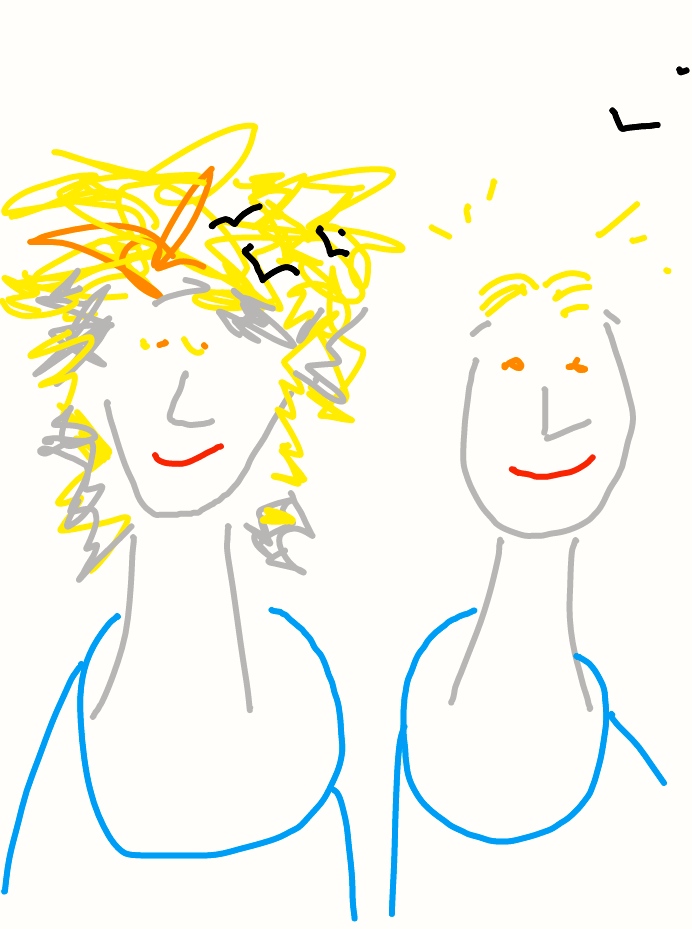
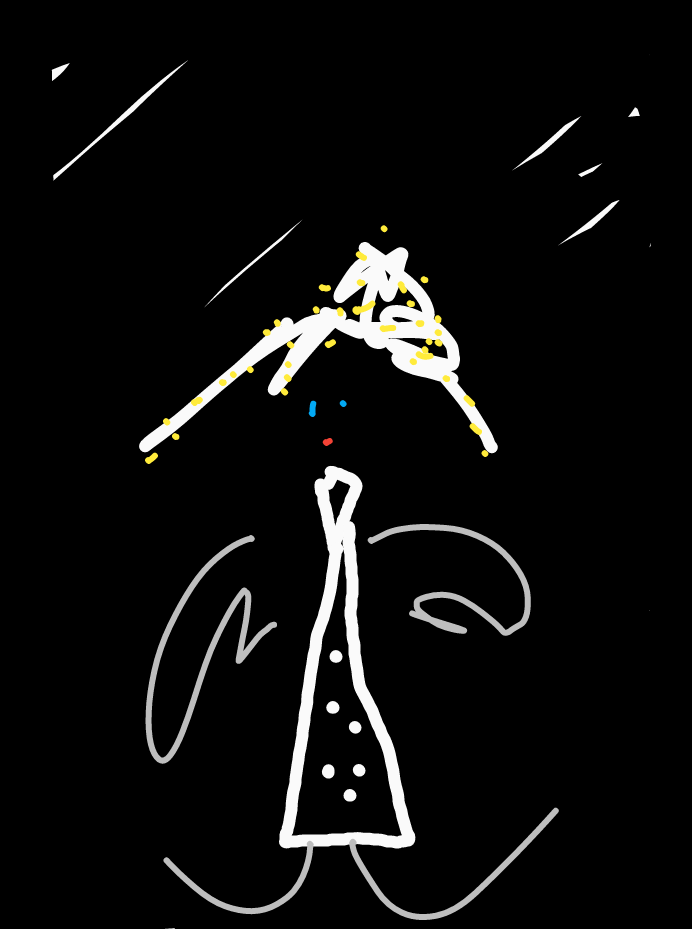
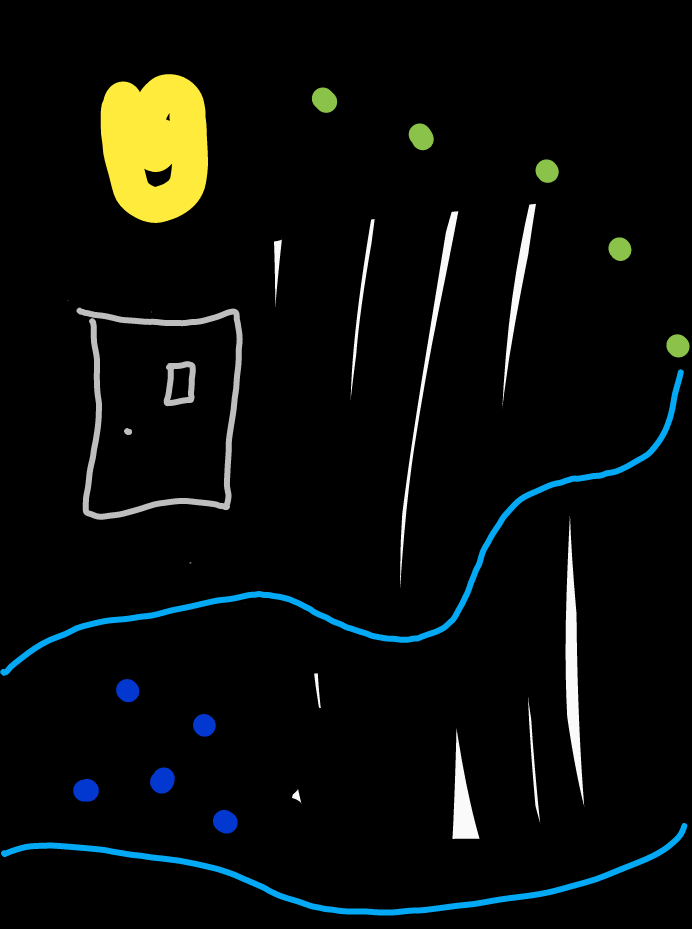
  • A Noir Comics

    A Noir Comics

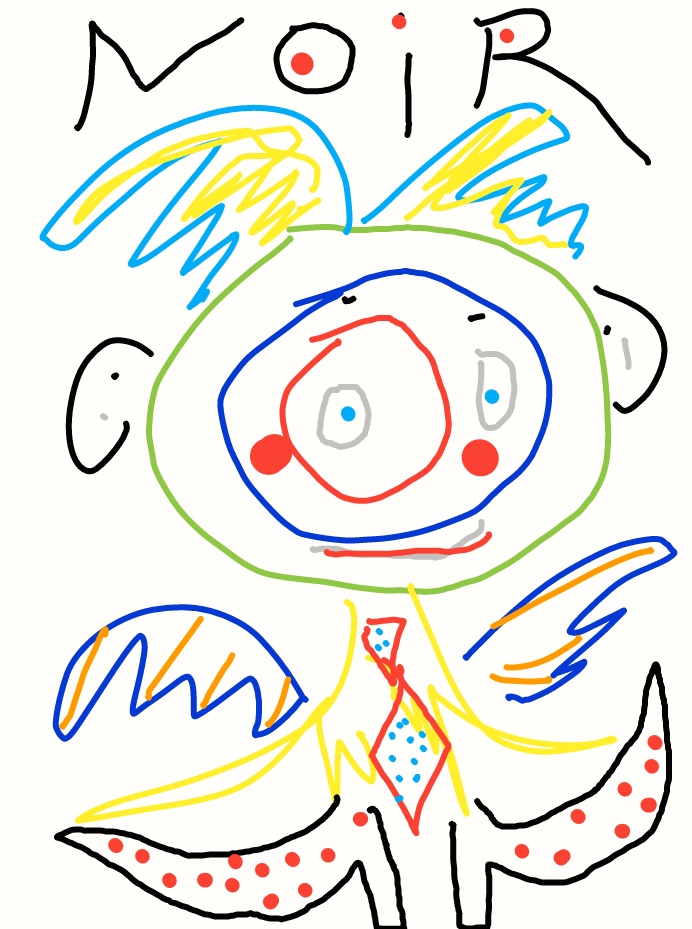
    a noir comic
    a noir comics
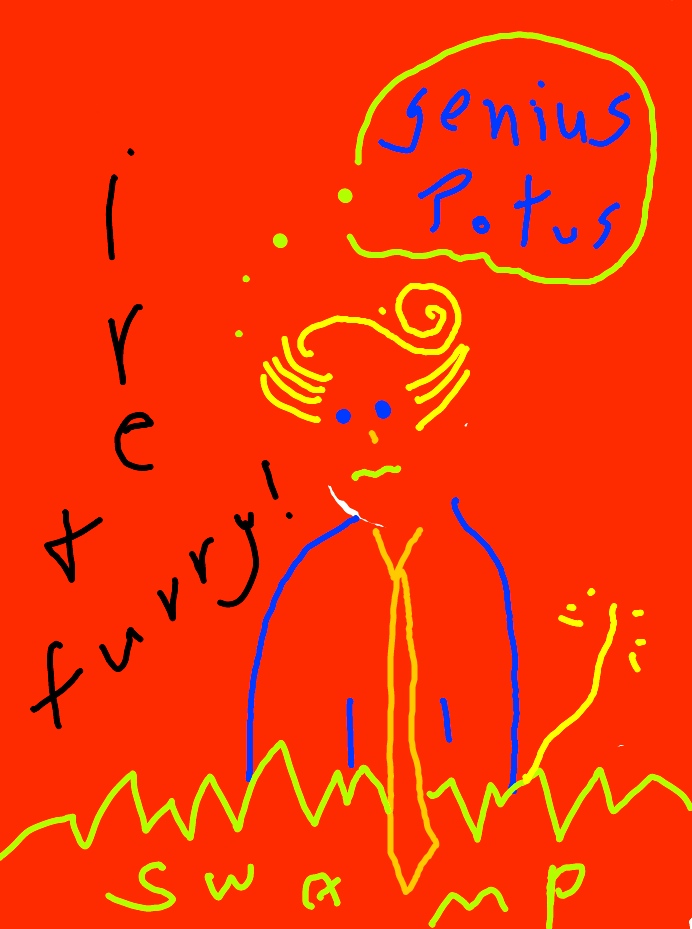
    ire & furry
    ire & furry
    "Oh, Lord"
    “Oh, Lord, won’t you buy me a night on the town?”
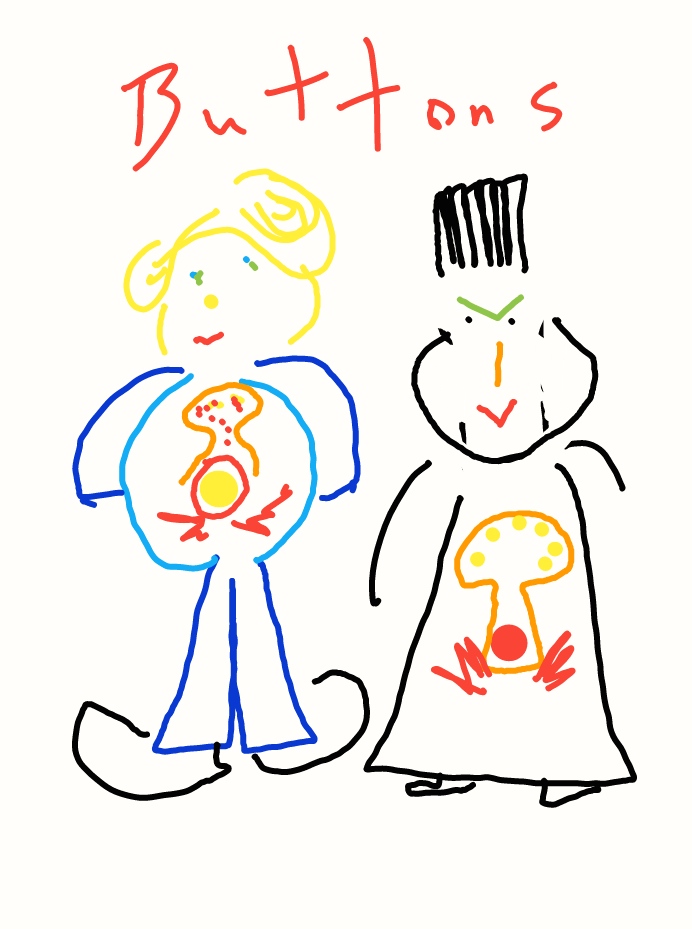
    Belly Buttons
    “Mine’s bigger than yours.”
    NIghtfall
    Nightfall
    Haircut
    Haircut
    Rain
    Rain
  • Edna O’Brien’s “The Country Girls”

    Edna O’Brien’s “The Country Girls”

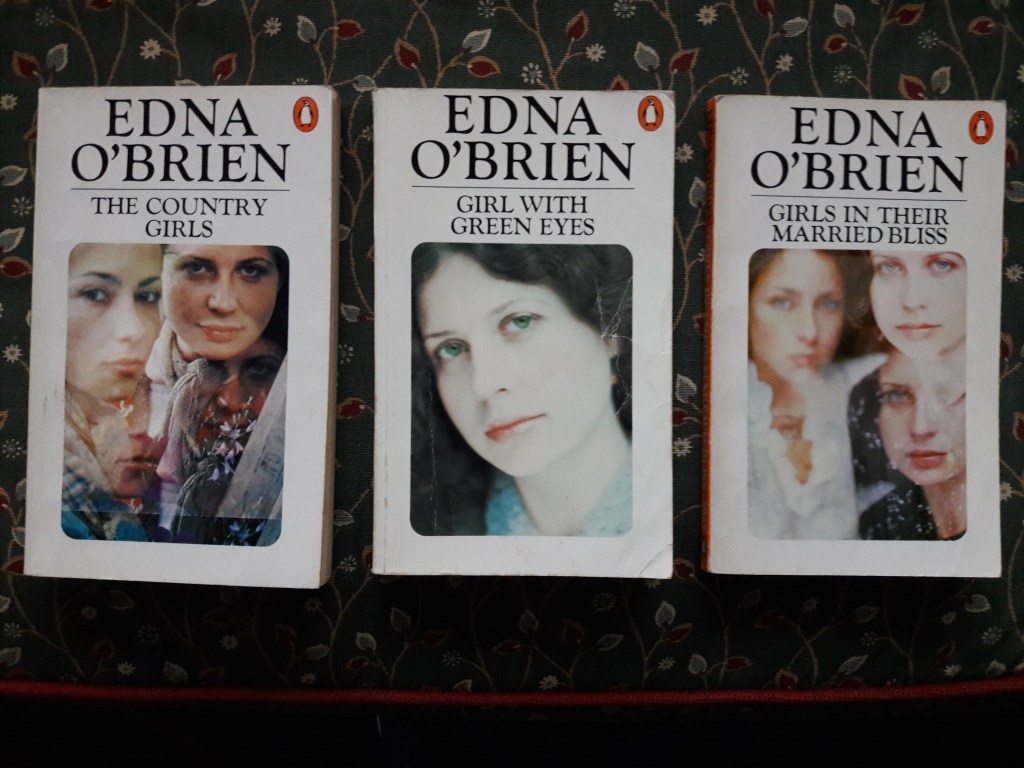
    Edna O’Brien’s “The Country Girls” is the first in the trilogy telling the life and times of Kate and Baba, two girlfriends from country situations who get to the city trying to move away from the tangled mores of Irish family, church, education, and politics of the mid twentieth century. The second in the trilogy is “Girl with Green Eyes,” first published as “The Lonely Girl.” The third, received by critics at the time with the least enthusiasm, is “Girls in Their Married Bliss.”

    Kate and Baba must work jobs, find a place to live, take care of themselves, all on their own. So what, we might ask. Those might be good problems to have. Indeed they are, and even better if the girls survive – the attempts to shame, the gentlemen who come into their lives, the petty but deep economic exploitations, trusts and distrusts of one another and their trysts.

    “I work in a delicatessen shop in Bayswater and go to London University at night to study English. Baba works in Soho, but not in a strip-tease club, as she had hoped. She’s learning to be a receptionist in a big hotel. We share a small bed-sitting room, and my aunt sends a parcel of butter every other week” (212, “Girl with Green Eyes”).

    At the time of their publications, in the early 1960’s, O’Brien’s books were banned, her family shamed. “The Country Girls” is dedicated to her mother, though it’s doubtful her mother ever read it. It wasn’t enough for the Irish censor board to simply ban the books – people burnt them in public shamings, and priests denounced them from the pulpit. It’s doubtful any of them read any of it, except maybe the pages someone said were rife with you know what, and God bless and keep you if you don’t know.

    But O’Brien persisted, her work redeemed itself and a generation of girls. “My whole body was impatient now. I couldn’t sit still. My body was wild from waiting” (186, “The Country Girls”).

    But redemption might not be sufficient for those who want to write their own lives, who want to be reborn every day: “Not long ago Kate Brady and I were having a few gloomy gin fizzes up London, bemoaning the fact that nothing would ever improve, that we’d die the way we were – enough to eat, married, dissatisfied” (7, “Girls in Their Married Bliss”).

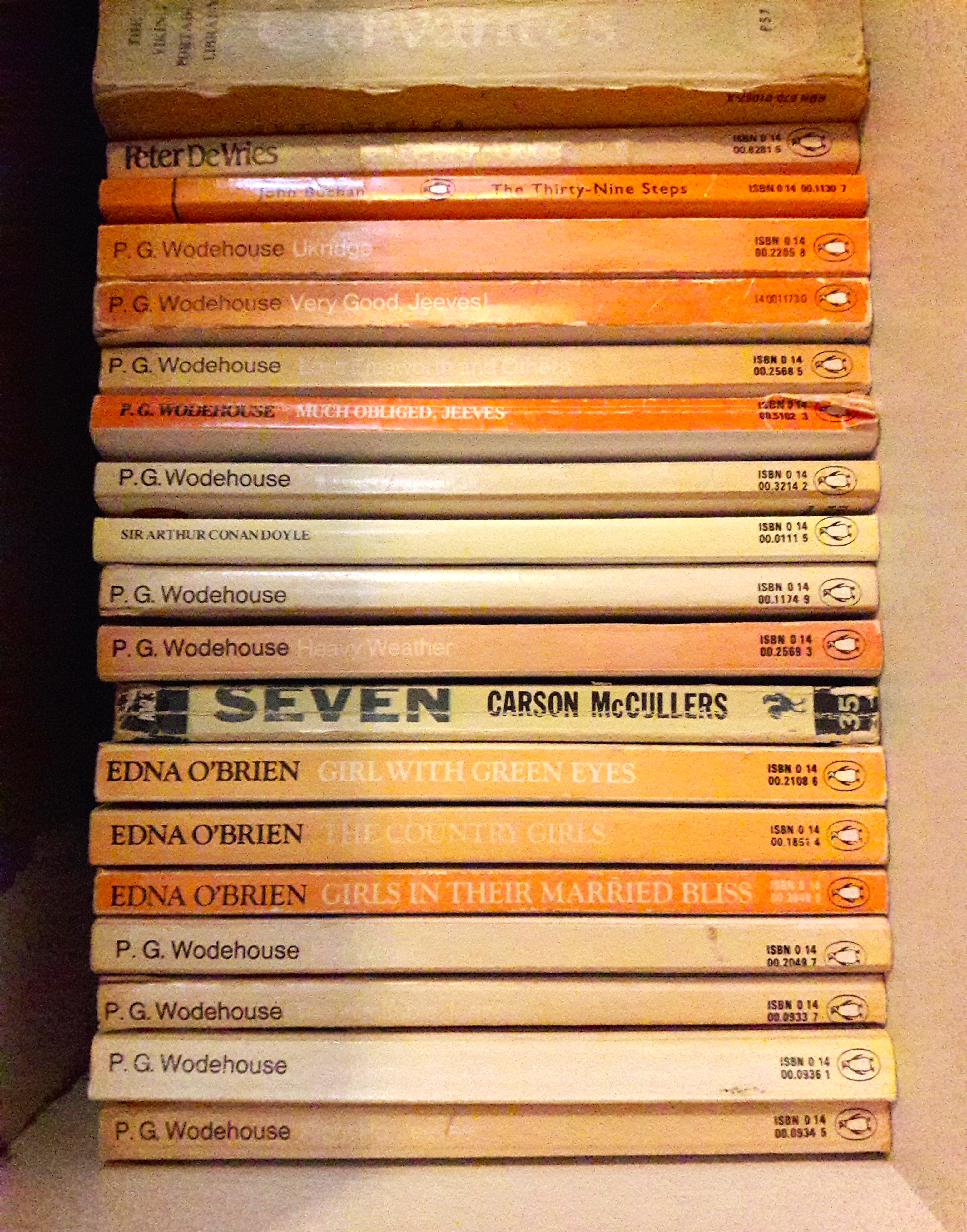
    My Penguin paperback copies are all three editions from 1981 (they were originally published in 1960, 1962, and 1964). Many editions have been printed, some with maybe better cover designs.

    …from my Goodreads “short reviews of old personal library books.”

  • Jeeves and the Moocher Wooster

    Jeeves and the Moocher Wooster

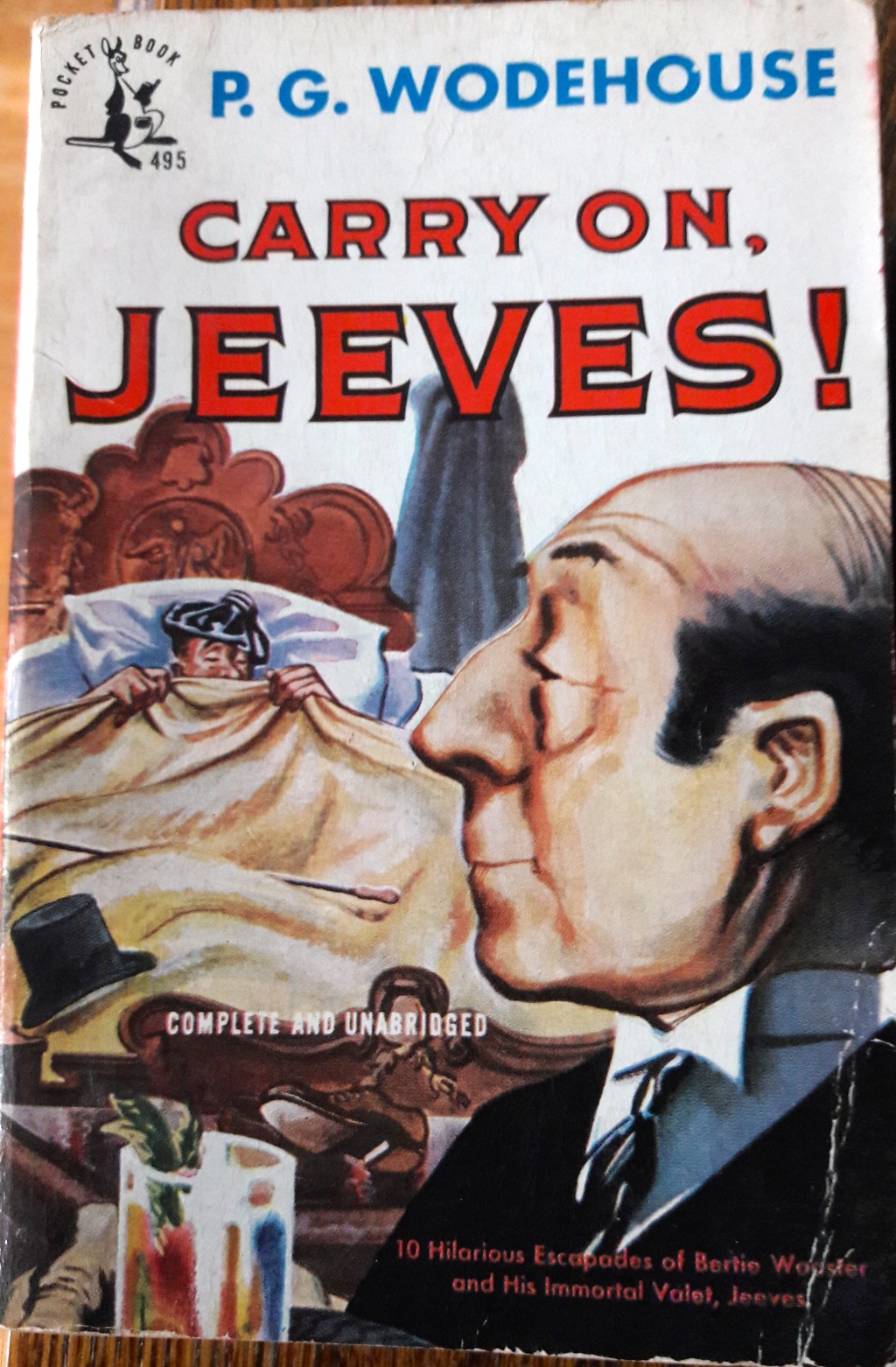
    Bertie Wooster is a man without an immediate family but with a score of relatives and friends and a live-in butler or valet, a gentleman’s gentleman who goes by Jeeves. Bertie’s parents are conveniently dead, and he’s no siblings to shackle his adventures, which consist mainly of wasting time drinking and dining at the Drones, his men’s club, or at the racetrack, or getting into and out of engagements with young women whose mission in life would be to prop him up properly so that he might not be considered the actual wastrel he is, or getting into minor scrapes and follies with his comrades in trouble. Jeeves is the antagonist that prevents Bertie from serious injury his rich risk taking might seem headed toward.

    Today, Bertie might be considered a trust fund baby, another wastrel who might someday grow up to be a president, but the Wodehouse story settings are generally around the Edwardian Era, and specifically the elite well-to-do whose fortunes have derived from conquest and capital growth. No one seems to have actually earned anything, but birthed into predicaments that are at once absurd, dastardly, and hilarious. Bertie and his buddies are royalty without the trappings of any kind of responsibility. They are moochers par excellence.

    For the reader able to hold a sense of social justice in suspension for an hour or two of laugh-out-loud reading, Bertie and Jeeves provide an ideal escape. Often, the plots are thickened considerably with concerns over clothing, where Jeeves eventually outwits Bertie, stripping him of his leading edge fashion ideas. Minor characters from all walks of life enter the frays and provide a bit of economic diversity and compare and contrast action, or, at least, situation.

    But the stories belong to Jeeves, whose constant background lobbying for reasonable justice in the Wooster household levels the mooching. He turns the lamp onto the mirror.

    My copy shown above is Pocket Book 495; Front Cover illustration by Louis Glanzman; No ISBN. The original Doran edition was published October, 1927, and the A. L. Burt edition published February, 1936. My Pocket Book edition was published February, 1948 by arrangement with Doubleday and Company. Printed in the U.S.A. A list of Pocket Books appears at the end of the paperback, under the heading, “The Best of the World’s Reading – for only .25 cents.” Crossposted at Goodreads.
    The paperback, Pocket Book edition published February, 1948 is a 1st Printing, January, 1948, 258 pages, by Pocket Books, Inc. Rockefeller Center, N.Y. I’ve a number of Penguin editions of Wodehouse as well: Wodehouse books
  • 3 Poems at Cosmopolitan Hotel Cairo

    3 Poems at Cosmopolitan Hotel Cairo

    Rake the Sentiment: 3 Poems at Cosmopolitan Hotel Cairo. < Click to visit and read.

  • Henry Miller’s “Tropic of Cancer”

    Henry Miller’s “Tropic of Cancer”

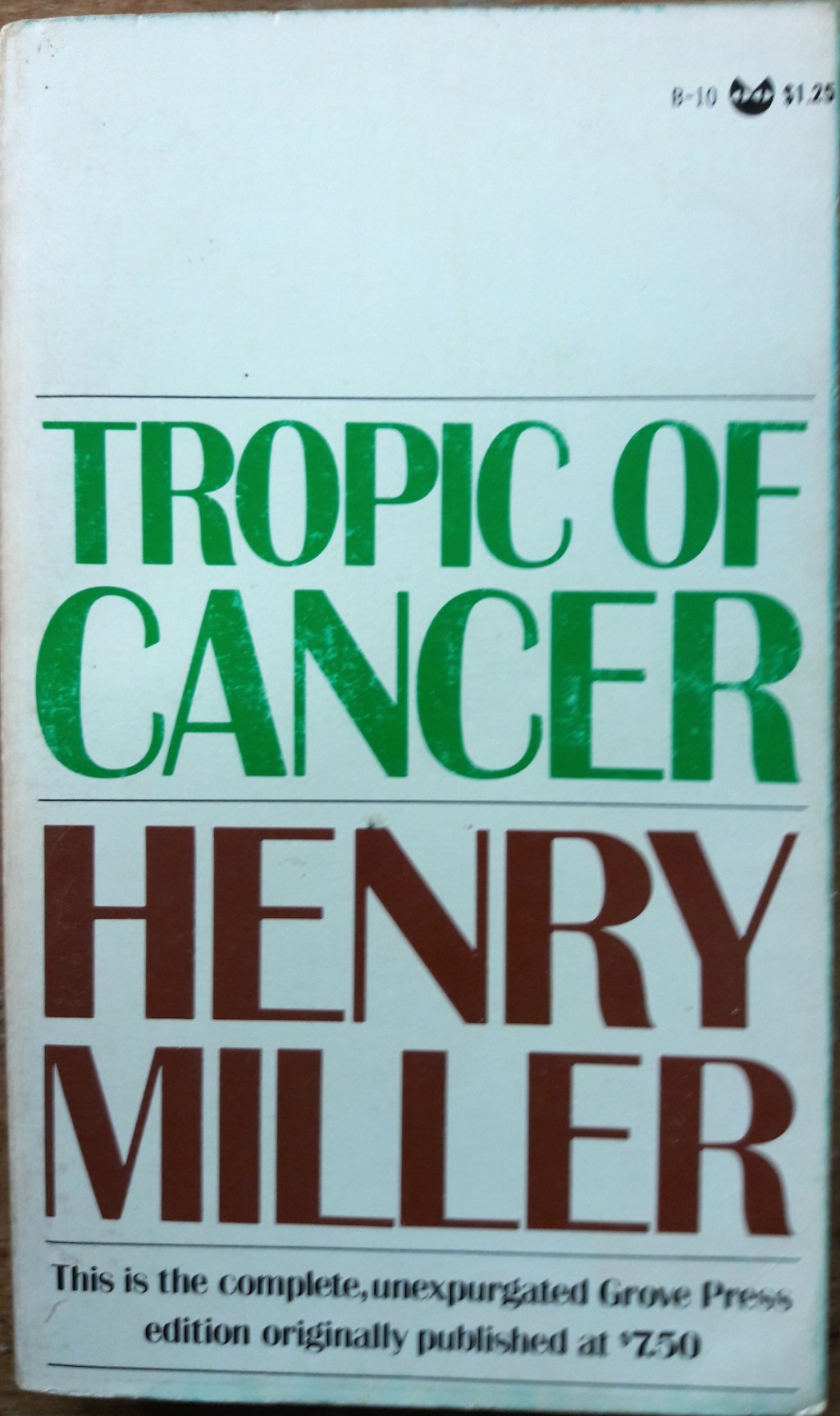
    Henry Miller’s “Tropic of Cancer” contains everything Hemingway left out of “The Sun Also Rises,” which had left Ernest with the tincture of  a refined sentiment. That is one difference between the Jazz Age and the Great Depression. Turned out, we didn’t always have Paris; most of us never had it. From page 1 of Miller: “I have no money, no resources, no hopes. I am the happiest man alive.”

    I don’t remember when I first read “Tropic of Cancer,” probably ’68 or ’69. From my notes written on the back of the last page and inside the back book cover:

    art sing 1
    Liby 36
    whore – Germaine 40-43
    Popini 58
    artist 60
    America 86
    change 87-90
    room dream 114-116
    woman want 117 (45, 26)
    pimp & whore 143-144
    Matisse 146-149
    Russia America 154
    working with boss 158
    mona 160-166 (smile)
    Paris 162-188
    book 163
    moon 167
    paragraph (style) 167, 202, 216
    converse 171
    army 200
    Whitman 216
    gold standard 219
    writer 224
    what’s in the hole 225
    earth 225, 226
    idols 228
    task of artist 228
    inhuman 230
    art 229-280
    human 231-259 (view on goodreads)

    “Tropic of Cancer” was first published in France, 1934, Obelisk Press.
    My edition is First Black Cat Edition 1961 Fifteenth Printing B-10, $1.25.
    Introduction c 1959 by Karl Shapiro first appeared in “Two Cities” Paris, France.
    Preface by Anais Nin, 1934.
    No ISBN appears in the book, but the number “394-17760-6” appears on the bottom right of back cover.

    Yes, trying to do something with Goodreads for the new year. I’ll be putting up short reviews like the one above from some of my old reads.

  • Seven Days in May Not; or, A New Lord’s Prayer

    Seven Days in May Not; or, A New Lord’s Prayer

    Our Potus who hides us
    from sea to lake crisis
    hollow is your name.

    Thy Kingdom rots
    from east evidence storms
    to trans west fires.

    Feed us our daily diversions.
    Forgive us our not tots
    as we forgive those
    who abandon us.

    And lead us not into fees and tolls,
    but deliver us our lowly titles
    and our vulnerable genders,
    our human based prayers.

  • Reviews of Alma Lolloon

    Reviews of Alma Lolloon

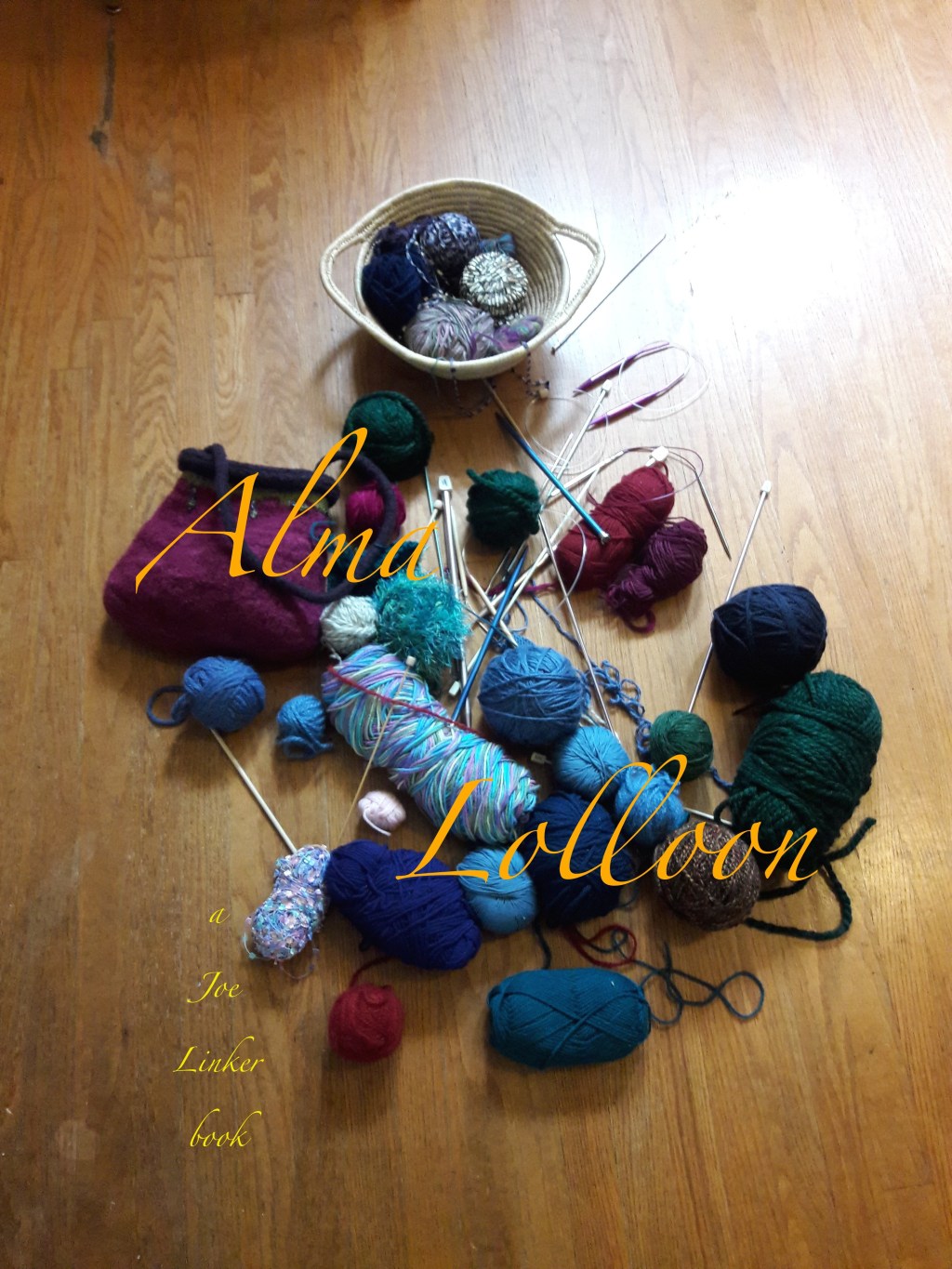
    Another review of “Alma Lolloon” released into the cybersphere, this one by Ashen Venema, author of “Course of Mirrors” and blogger friend. I paste below, and below that, please see the “TinyLetter” opportunity.

    Ashen’s Review:

    on December 19, 2017
    This is fun. Want to write a book? Forget empowering how-to-do courses. Instead, entertain your knitting circle; guaranteed not to be the silent reading audience an author might fantasise about, for good or bad. More, they’re keen to have their characters included in your story.
    Do knitters or writers have a plan before they set out to do their craft? Alma, a waitress, determined to write a book about her five husbands has no plan. She shares the process by reading installments to Hattie, Rufa, Anny and Curly, her knitting friends. The knitters frequently interrupt. Hattie, considered to be a writing expert, spouts her wisdom with relish – a book – ha – what makes you think you can …
    Alma is undeterred. The first scenes recount the surreal events following the unplanned pregnancy of an American teen. Story or not, the ladies are hooked. They frequently debate the merits of the story, if it is a story, and what the whole point of it might be.
    Grammar, speech marks, arc, none of this matters to Alma as she reads to her listeners. They’re obviously entertained by the occasional odd simile, or they wouldn’t show up at the rotating local venues where they meet. ‘Where’s this going?’ they query. ‘But that’s incredulous,’ they exclaim. Stay silent, burst or share and be crucified. Through the sardonic, provoking and lamenting chapters shines Alma’s need to express her unique truth.
    Active listeners can be rough, in the understanding, of course, that it doesn’t pay to tell the truth. There are laugh-out-loud moments. Portland’s American lingo weaves through the themes of existential crisis, lost utility and simmering rage, sprinkled with humour and funny lines. ‘My epiphany slowly crawled up the back of my neck, morphed, split, and then two headed to my ears, one each …’ or ‘Rack stood five feet nine inches, nine inches and a half if he would bother standing up straight. Well, Jack Rack is mistakenly shot and the story moves on …
    I enjoyed the hilarious discussions on marriage, and on men as occasional providers.
    Could it be said that ‘men’ is a category of books?
    And then, Alma finds out, there are those who choose a book for its cover.

    ~~~

    My Weekly Tiny Letters

    My this week’s Tiny Letter copied below. Would you like to sign up?

    Three reviews of “Alma Lolloon” are now loose in the cybersphere:

    Bill Currey bound his review in a tweet, to wit:

    Bill Currey @williamcurrey
    And here I thought I was going to get a Joycean map with footnotes and all to Linker’s Portland! I stumble blindly onwardly towards, if not to summation, at least to termination.

    Joe Linker @JoeLinker
    Replying to @williamcurrey @PhilippaRees1 and 2 others
    Thanks for the review, Bill. Sounds like something Beckett might have said.

    And Dan Hennessy posted a review of “Alma Lolloon” to his “Tangential Meanderings” blog (AKA: itkindofgotawayfromyou). Click here to read Dan’s review.

    And if you’ve not read Philippa Rees’s review of “Alma Lolloon,” it’s at Queen Mob’s Tea House. Click here.

    Bookmark Giveaway!

    We’ll be spending the holidays with the grand girls, and for an art project we’ll be making bookmarks for a Joe Linker book.

    The bookmarks use standard, toxic free materials, of paper and fabric, thematically linked to the books with original artwork.

    If you’d like to receive a complementary bookmark, please send a reply to this tiny letter telling us what book you’d like the bookmark for (Penina’s Letters; Coconut Oil; Scamble and Cramble: Two Hep Cats and Other Tall Tales; Saltwort; or Alma Lolloon), and also include a snail mail address for us to mail you the bookmark. All bookmarks will be sent out by Dec 31st. If you prefer, we can send you an e-bookmark. Reply the same as above but with an email address. What’s an e-bookmark? Not sure, we’ve not made one yet.

    You can view the covers of the five books here.

    Thanks for reading, Joe