Tag: Writing

  • Keeping Cool

    Heat rises its long reach from molten core
    squeezed under kitchen table pressures.

    The grasses and weeds in the yard yellow
    naturally gone dry for late summer days.

    Long hours, short nights of slow heat and
    little sleep, but the cars are street discreet.

    A wet rag wringed and wrapped around
    the back of your neck under your hair.

    The artificial breeze of the electric fan,
    the whirring windows open all night.

    Shades closed the room this darkened
    cave where the laptop glows cool blue.

    The cat nice asks that you not lap so near,
    her fur matted where she prefers to nap.

    All the weather apps say the same thing:
    “Where have all the flowers gone, long…”

    The cows and bulls a hard beating breath
    sucked under ranch rugs, deep keen heat.

    Artificial air, ice pops, ice cream, sorbets,
    thongs, cutoffs, old truck windows down,

    toxic blooms, wildfire smoke-drift, fresh
    red hot chili peppers, snow melt rivers,

    ice-cold beer, County Fair watermelon,
    under maple tree the guitar gone dulce.

    And your sweet cool voice breezes down
    the evening as we open the stuffy house

    and listen to a baseball game on radio
    players far off dance on a hot diamond.

    And hence to bed where we do not sleep
    in this weepy whimpering August dust.

  • The Smell of Music

    How will mash sailors make it to the couch
    if you their bright lighthouse stop talking?
    How will the blue cowboys smell the guitar
    if you stop picking up where you left off?

    You must finish what you begin even
    if you bring it to an end like the swells
    not cresting breaking happily into mush
    waves at high tide too deep to wade.

    Things are happy then sad then happy
    again, like flowers, like the blue bells
    swells rising up and over and falling
    into laughter and rolling in silliness.

    Waves like bells deep and sonorous
    sounds you can smell like seaweed
    drying on barnacled covered rocks
    that’s the half purpose of poetry:

    That you smell what others hear
    that you hear what others taste
    that you taste what others feel
    that you feel what others seal.

    When sense and sound blend
    with your surroundings sitting
    on the couch and you get up
    to adjust a lighthouse throw.

    I’ve opened comments I hope
    you leave one and I’ve included
    a photo which might be easier
    to comment on than the poem.

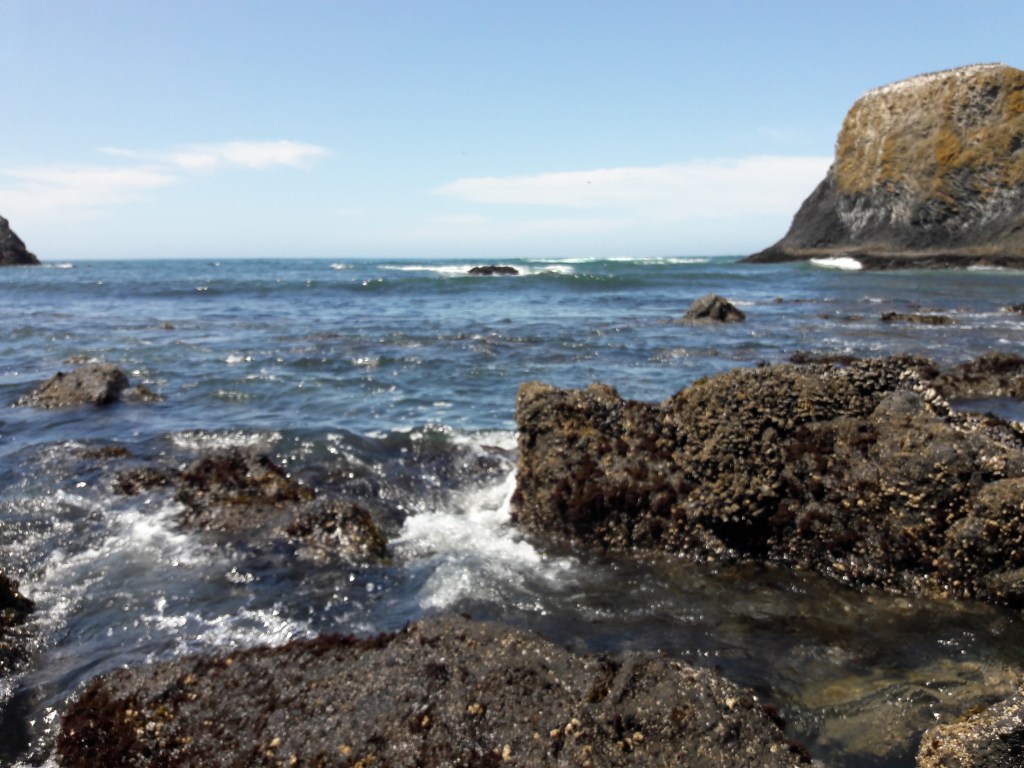
    Cobble Beach below Yaquina Head Lighthouse, 2019.

    Photo: Cobble Beach, below Yaquina Head Lighthouse, Oregon Coast, 2019, on the way home from trip to Healdsburg.

  • Beauty and the Spirit

    Only the ugly create, the fallen.
    The beautiful have no need.
    The ugly bleed outside in.
    The beautiful, without sin, 
    wear that elliptical grin 
    viewed in the museum
    by the ugly in line again. 

    And yet the most beautiful
    creature to walk the abyss
    astounds us with a world.

    But, “What ugliness is this
    you’ve allowed to exist?”
    the Spirit shaking
    over the deep waters asks.
    “What version are you on?”

    “I don’t work with numbers,”
    Beauty replies.
    “What comes next?” asks the Spirit.
    “I’ve not made well-nigh yet.
    That will take time.”

  • Morning After Evening Walk

    13.787 ± 0.020 billion years of light
    and the sun also rises out of night.
    The sun also ariseth, and the sun 
    goeth down, and hasteth
    to his place where he arose.”
    There is no solitude to explain
    people per square mile in this
    expansive can we call universe
    full of the dark energy of poetry.

    In no hurry though the poet arises
    an open window breeze lifts
    the cotton curtain to and fro
    “whirleth about continually”
    and he has nowhere to go
    no one early to see no system
    of cubbyholing days or events
    yet he runs to the sea working
    casting nets over the years.

    Space overgrown now with light
    pleasures itself if selfsame comes
    to be and what appears to be is
    as lazy as the speed of light
    and writ all out of time both
    before and after us as we go
    to answer the telephone
    an almost forgotten fellow
    who calls to say hello.

    And now I’m back to finish this
    flash of universe our walk last
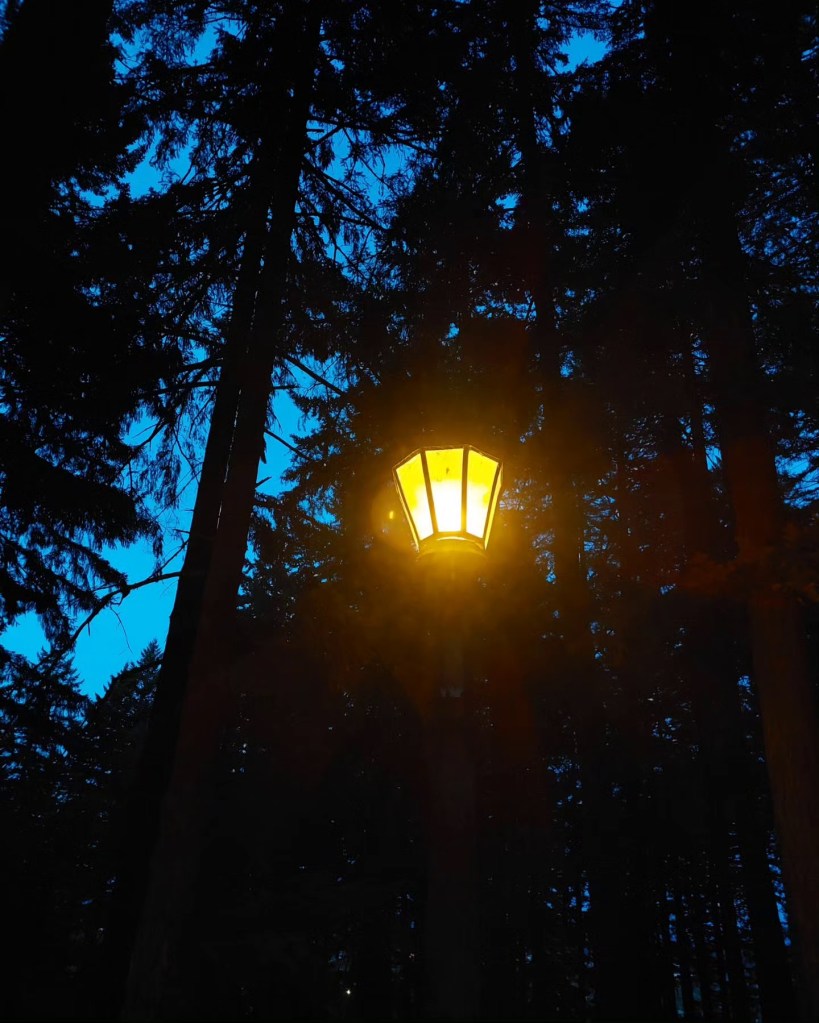
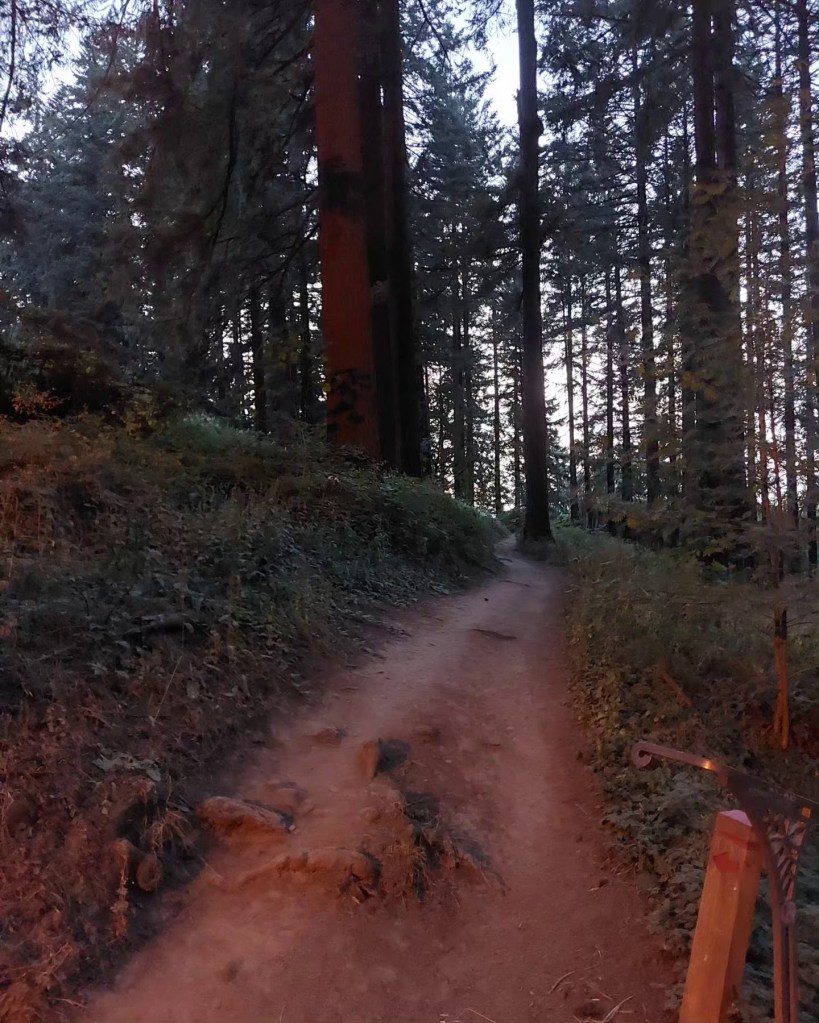
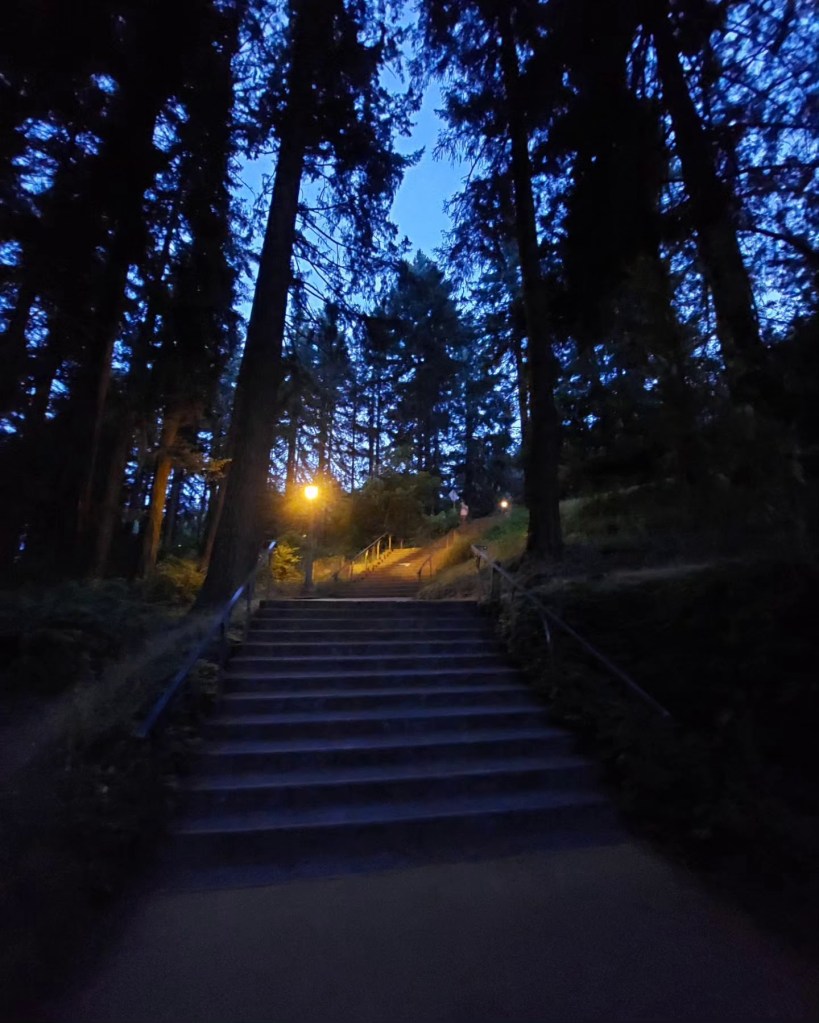
    night under the dark park trees
    along the dimly lit dusty trails
    up and down paths and stairs
    with the personal universal cell
    phone a humble web telescope
    into a past and forecasted future
    where again we’ll recall a now.


  • Boogie El Porto

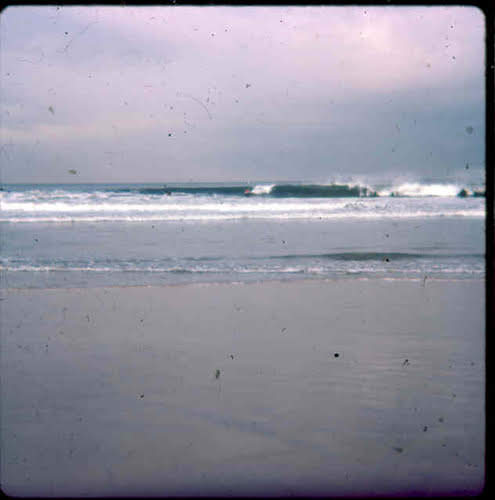
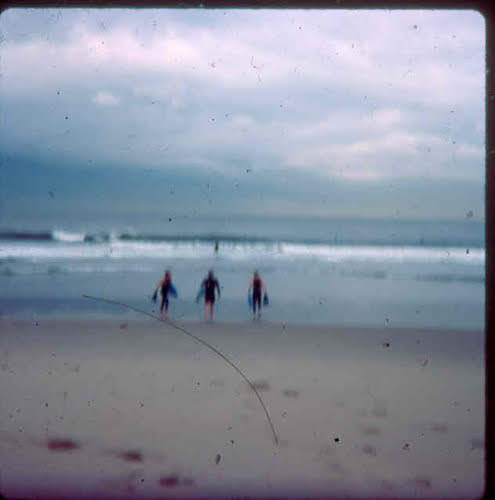
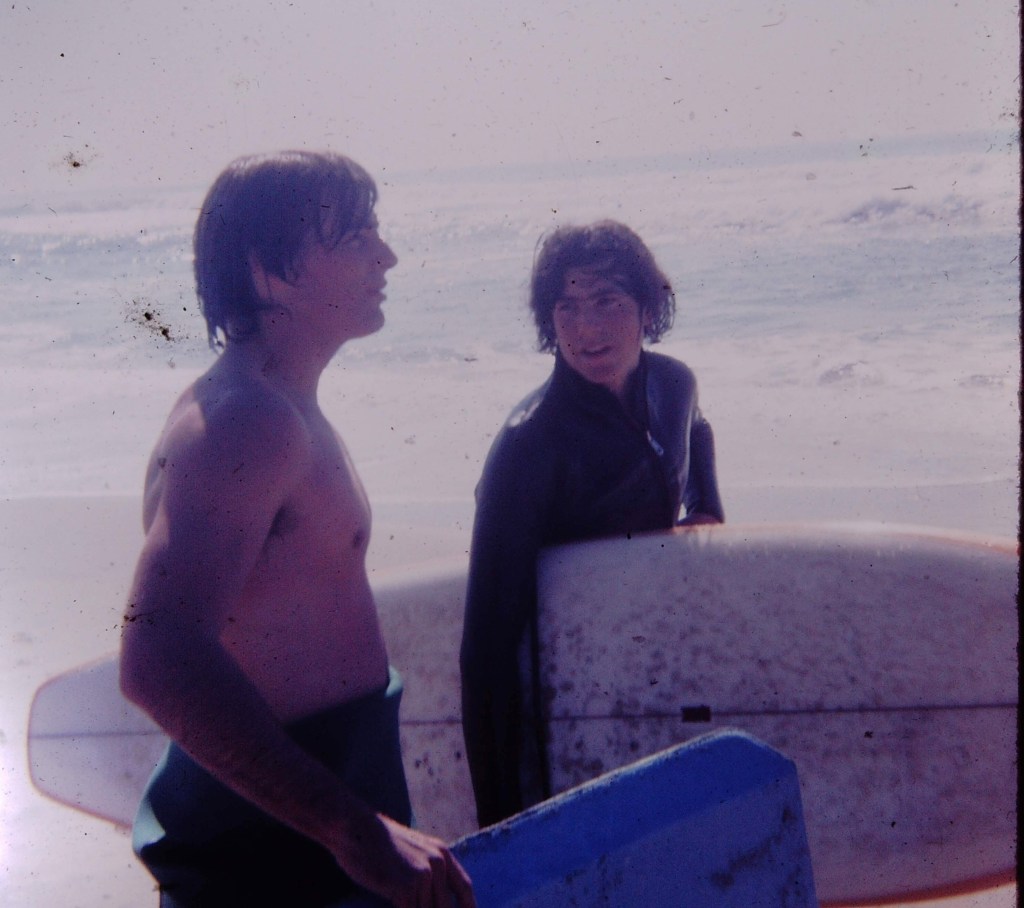
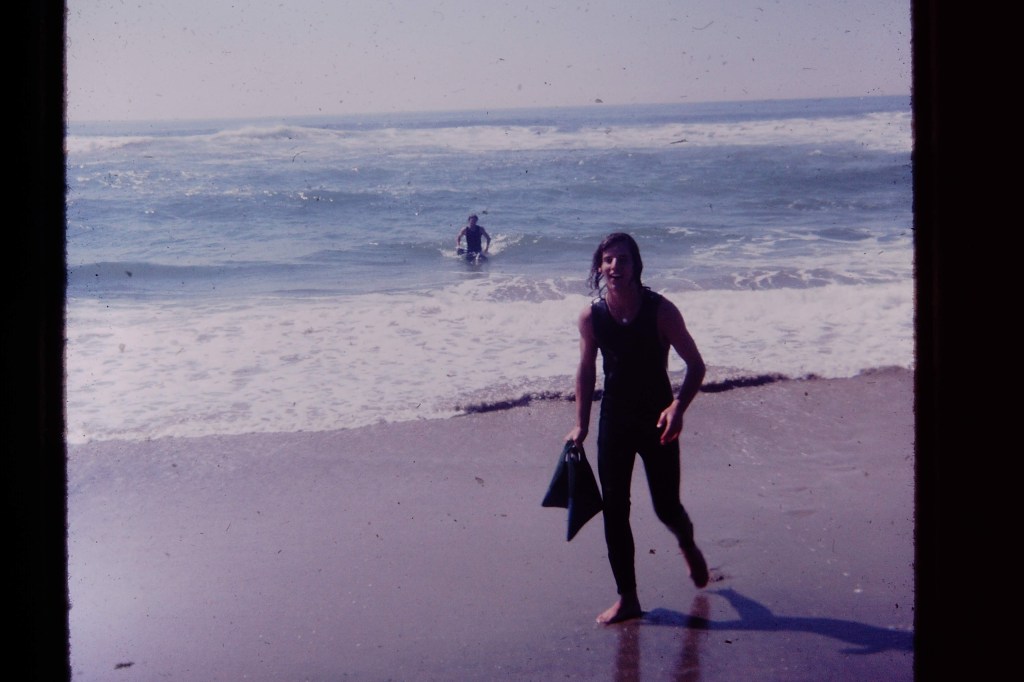
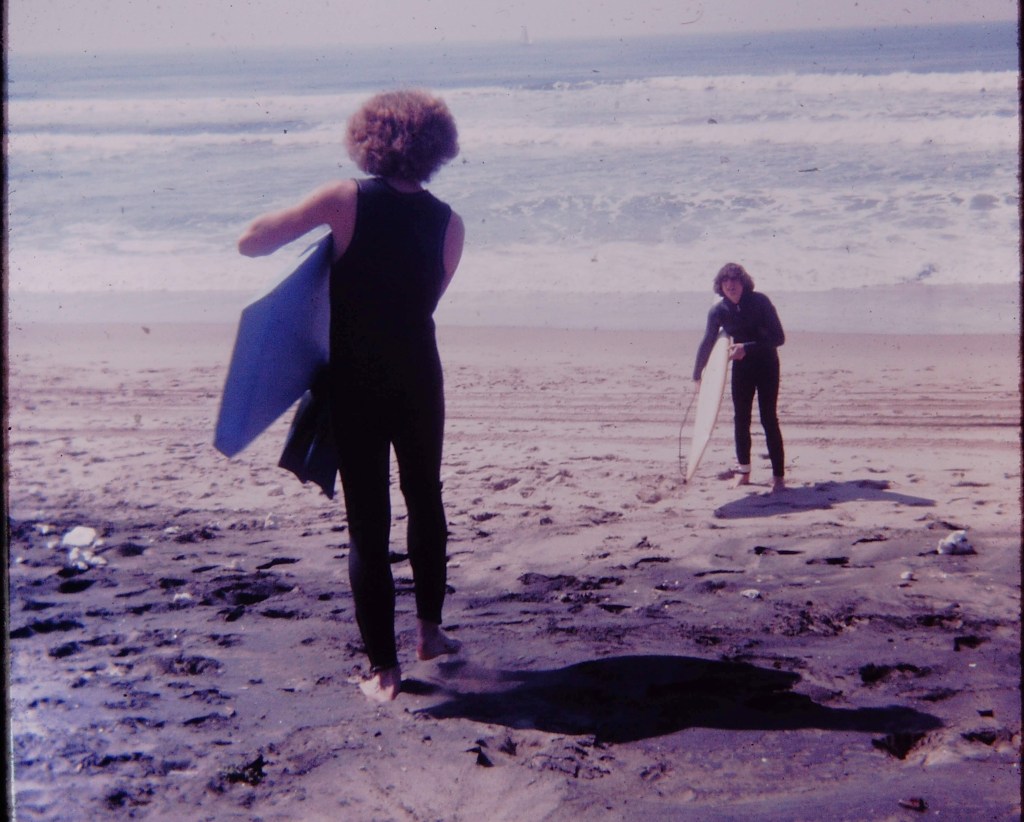
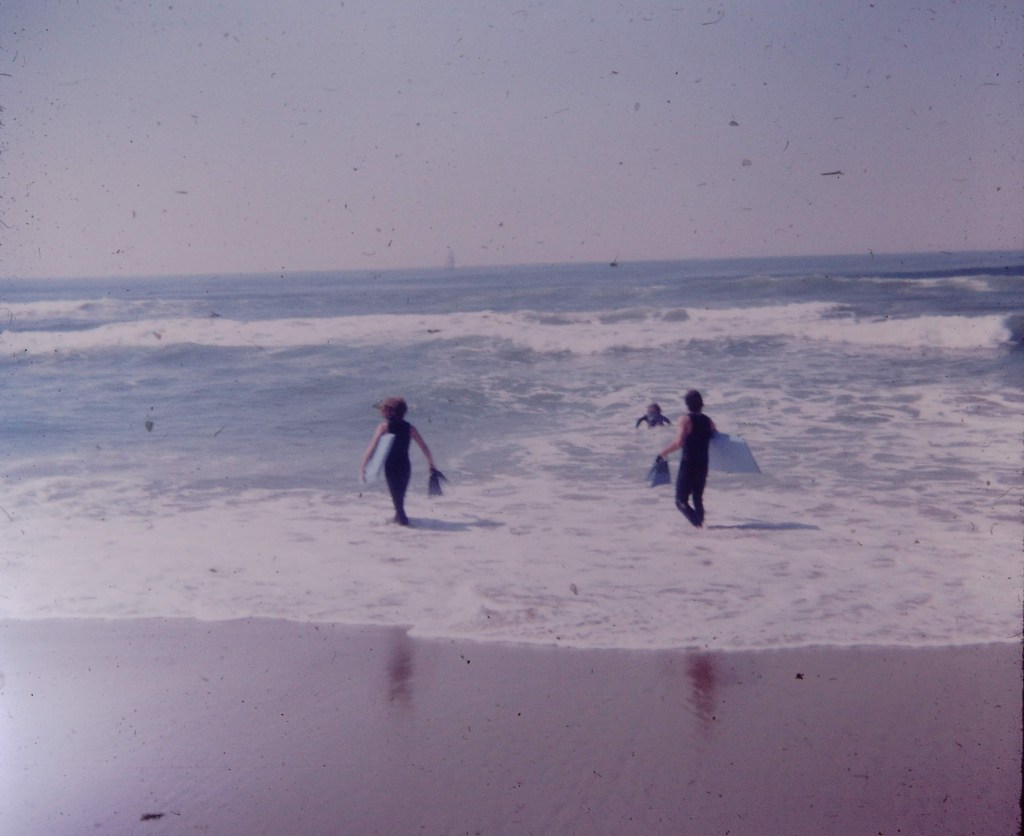
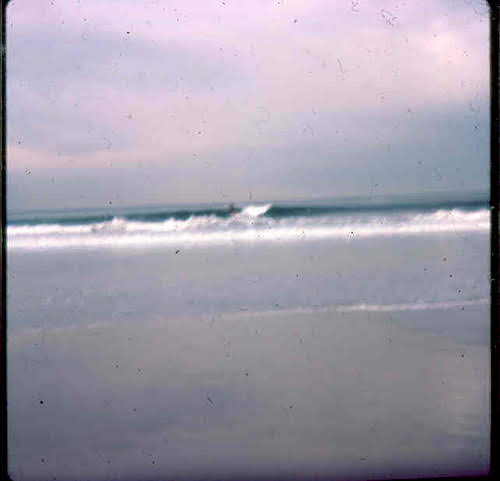
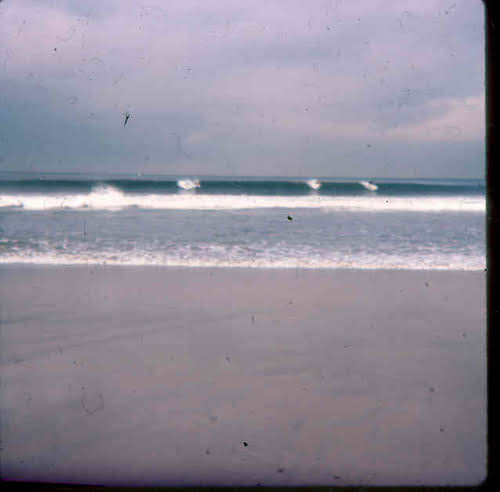
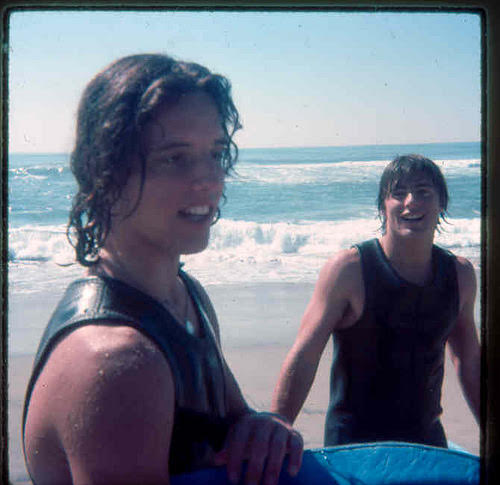
    The first boogie boards were kits – a foam blank and a “skin.” You shaped the blank, bringing the nose up a bit, and skinned it with glue, trimming the edges. We boogied El Porto mostly in the afternoons after the wind turned from offshore to onshore blowing out the waves. Better formed morning waves went to surfboards. The boogie boards worked best with a fin. The short duck foot was the best fin, one or two. The fin helped paddle into the wave and angle down the face. The photos here are from early to mid 70’s.

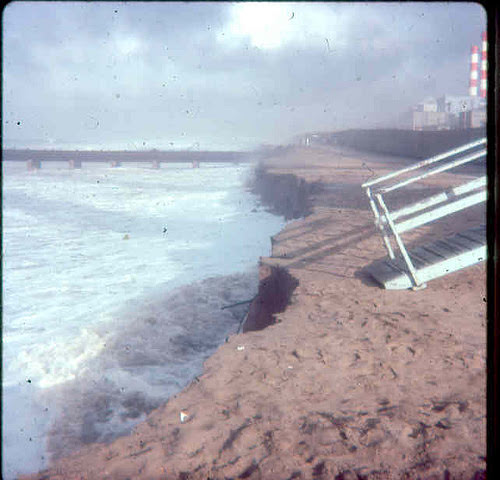
    As the boogie boards gained popularity, they were used all day long. Because they were soft, they were not as dangerous as surfboards. The photo bottom left above was taken during a storm surf episode late 70s, and shows the iconic El Segundo towers in the upper right corner. The lifeguard tower ramp is at 45th, the north end of El Porto. The sand cliff carved out by the storm surf is unusual. The beach usually gradually sloped down to the water.

    We started wearing wetsuits around 1969, but in the afternoons we usually did not. The water wasn’t that cold. We got spoiled by the wetsuits.

    We took photos with my Exakta 500, which I had bought used from a local photo shop. We used slide film which we got developed usually at a local Fotomat drive through. The 50mm lens that came with the camera proved inadequate, so I later bought a 120mm portrait lens which worked pretty well as a telephoto. But we also used Instamatic cameras, also using slide film. The slides here are worn and showing their age. A few I’ve posted before, but continue to scan and update as conversion technology has improved, and the audience here and for old stuff from the old days at El Porto continues to change.

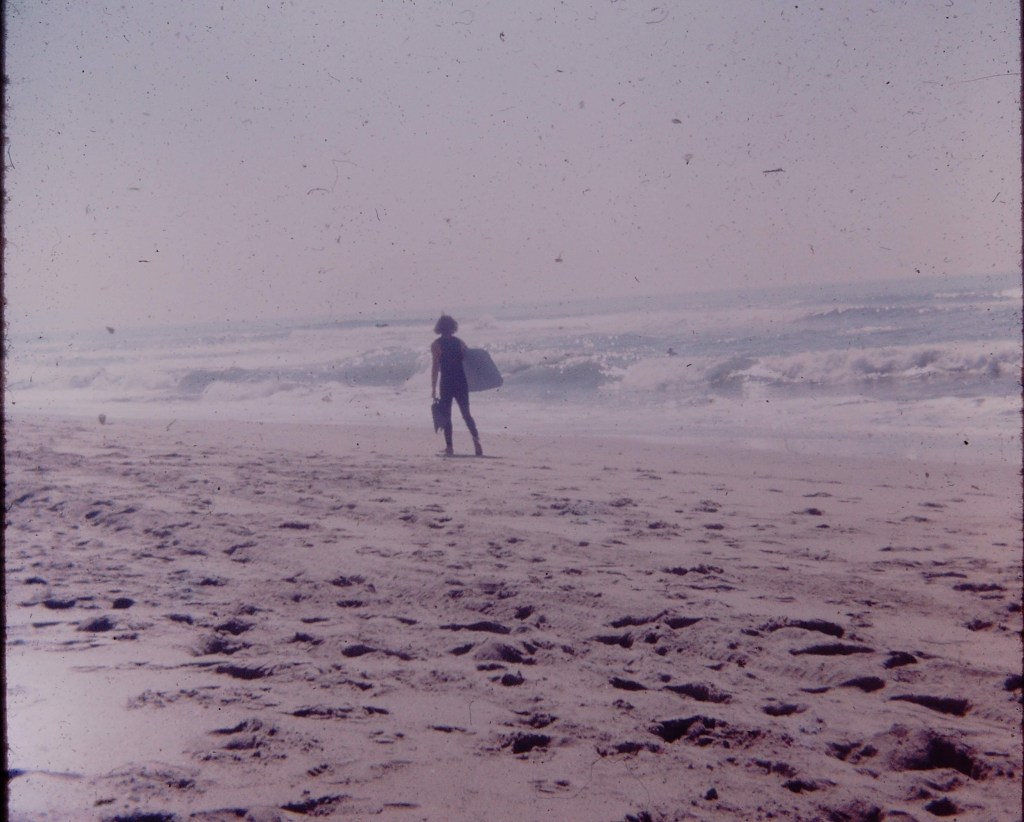
    These are not professional photos, not even good photos, which is why some of them, like the last one above, might approach art. The photographers were surfers who picked up a camera anonymously to save a moment.

  • The Rest is on Repeat

    This week, Alex Ross, the music critic at The New Yorker, posts online a review comparing classical music streaming apps. Apple recently introduced an app titled “Apple Music Classical,” dedicated to the longhair genre. It comes as no surprise that Alex prefers CDs and albums to streaming, for the seemingly more real sound but also the better to hold and get the feel of something in your hands as you listen, and something in depth to read, from liner notes to scholarly musical explanations, and something to sleeve and shelve in a physical collection. And Alex is of course opposed to the inequality of musician remuneration created by the streaming business. I’m not sure the music business historically has ever been all that different from the claims Alex describes plague today’s players. From garage band to the main stage at a national venue is a long and winding road, always has been, a rough go of potholes and sinkholes. Some of his arguments seem unsound. He faults streaming for one for damaging the environment. But what happens to all that plastic CDs are made from once they don’t resale at the garage sale? Talking about the studious background the Apple app provides, he slows to a kind of stooped criticism: “A podcast called ‘The Story of Classical’…is surprisingly square in approach, resembling music-appreciation lectures at an old-fashioned community college.” One wonders how many community college lectures the Harvard educated Alex Ross has ever attended.

    I’d not heard of these classical music apps Ross is comparing. I decided, on his recommendation, to try out Idagio, a classical music dedicated app out of Berlin. It’s great. The app is clean and clear and easy to navigate. And because it’s dedicated to one genre, I immediately felt surrounded by less clutter than my current music subscription app, which is YouTube Music. But could I get guitar, gypsy jazz, Leo Brouwer out of Idagio? Alex Ross’s otherwise excellent book “The Rest is Noise” (2007) is quiet on guitar. Have a look at the Index: a tiny Pete Seeger mention, but no Segovia; Dave Brubeck appearance, but no Julian Bream; Captain Beefheart of all people, but no Leo Brouwer. And of course all the classical music dudes. The noise discussed is primarily 20th Century classical music noise. Admitted to the Royal College of Music in the 1940s, Julian Bream was told not to bring his guitar. So I was surprised to find in Idagio not only Segovia and Bream but also Brouwer as well as Jimi Hendrix – “Little Wing” (1967) performed on violoncello by Peter Hudler (2022). Also I found Django Reinhardt. One cool characteristic of classical music is its profound ability to delightfully surprise the ears and notions, and one surprise is its regular use of the popular, the folk, the natural.

    Speaking of ears, I recently am wearing a new pair of hearing aids. These are stupendous, allowing streaming of sound directly through the aids, sort of like wearing headphones. I can turn this feature on or off with an app. The phone is hands free, the sound in my ears, or in my head, which can feel a little weird until you get used to it, not from the phone speaker. And there are easy to change settings, including one for recorded music, another for musician, and another for live music, as well as noisy environment, and TV streaming directly in the ears via Bluetooth connection – so the others in the room can listen at regular volume. Sound has never sounded so good.

    And speaking of sound and guitar, here’s a link to a short driveway solo jam recorded the other night in the driveway under the maple tree while Susan picked up falling apples and tossed them into a bucket.

  • Ten Questions to Ask When Reading a Poem

    1. An author brings words to a page, but he’s not necessarily the speaker of the poem, the I of the poem, who the poem is about. The speaker can be a fictional character the author has made up, like the narrator of a novel. And even if the poem is not written in the first person (I, me, we, our), there is still a speaker, a voice talking. The poem may be written in the second person (you, your) – here the speaker is like the writer of a letter. Who is the speaker talking to? Or a poem may be written in the third person: she, her, they. Or no person – the poem appears not to have a speaker. Consider the familiar corner Stop Sign. Who’s the speaker? Who’s the intended audience? White letters on a red background. Why red? Is the Stop Sign a poem? If we don’t ask questions of the obvious, we’ll soon have trouble reading poetry.

    2. A poem, even if published in a so-called reputable and credible publication, is not necessarily a good poem (Joyce Kilmore’s “Trees”, for example, first appeared in Poetry Magazine in 1913). Don’t sweat it. But a poem might be considered good if it achieves its purpose, and maybe it’s the poem’s purpose that seems bad. There are many different kinds of poetry and poets. You don’t owe them anything. Like music, art and architecture, TV shows and movies – there are wheels within wheels that bring them to our attention, and while we might enjoy one type, we might want to avoid others. But your likes and dislikes don’t determine the worth or value of a song, a movie, a house, a photograph, a poem. Don’t ask if the poem is good or bad. Ask if the poem achieves its purpose. What is the poem’s purpose? To make you laugh, cry, shout, run and hide, feel guilty, happy, or sad? To inform or disinform? To instruct or deconstruct? To sing and dance, to perform? To protest? To affirm? To question?

    3. Poets are like the Easter Bunny. They like to color and hide eggs. Reading a poem is like going on an Easter egg hunt. Take a dictionary along to hold the eggs you find. How many eggs are in your basket? But some poets are too good at hiding their eggs, and you don’t find any. Inside each egg is a secret.

    4. What appeals are made to your senses? Do you know what things smell like? Are the rushes of sound given names? Is there something there too fearful to touch? Can you taste the words when you chew them? Can you see what’s being described as if within your very eyes?

    5. Consider the layout of the letters and words. What’s the shape, the blueprint, the design? How many words and how many lines? Count them and write the numbers down. Any repetitions? How many syllables in each line? Are there patterns? Stepping stones? A path? Is this poem a rocky mountain to climb or a grassy hill to slide down? A wave to ride? An updraft to cruise?

    6. Is the poem serious or joking or sarcastic, maudlin or lugubrious, childish or elderly, obscure or everyday, difficult or easy? Is something being taken too seriously? Is no one listening? Is it hokey? Is the poem long, short, fat, skinny, bony, chewy, sinewy?

    7. Where is the speaker? At home, work, asleep? In the country, city, at the ballpark? In a church, a mall, about to jump off a pier? On a bus, in a rush, at home or far far away? In a classroom, at the front behind a podium? Or at a desk somewhere down one of the aisles. Standing in a pulpit? Sitting on a stool at the tavern? At home cooking dinner? Walking in a garden? In a garage, basement, or attic? On a mountain top, in a cave, walking on a beach. Is the time of day morning, noon, or night? The season spring, summer, fall, or winter? Are you still on planet Earth? Is the poem an animal, a plant, a virus? A sun, the moon? Water?

    8. What does reading the poem make you feel like? Informed, betrayed, loved, ignored? Is the speaker rash, anxious, angry, happy, tearful, mournful, gracious, patient, loving, kind, mean? Do her feelings rub off on you? Does she make you feel stupid or smart? Bored? Tired out? Afraid. Brave.

    9. Would you read this poem again? Recommend it to a friend? Tape it to your icebox door? Write it out and carry it around in your wallet or purse? Toss it? Shred it, frame it, post it? Would you memorize this poem? Where did you find this poem? Would you hide this poem in your most secret place? Would you staple this poem to a telephone pole?

    10. Does the poem ask you to do something? Go somewhere? Misbehave or pray? Listen or talk back? Repeat or move on? Sink or swim? Write your own poem? The field is open, never crowded. Whatever else you might do or ask, do not ask what it means.

  • Field Notes: 7.19.23 to 7.22.23

    Was first use of papyrus leaf to make a list? Or take a note: need more papyrus leaves. Schedule to get in step, behind, ahead, pending completion. Immense relief comes when checking off as done. Is anything ever put away for good? Rotation. Daybook Bore. Nightbook Boogie. “riverrun, past…”

    To store for milk and sundry. Person in crisis sitting on sidewalk out front near bike rack yelling to himself, at some invisible interlocutor. We’ve seen him here before, the same, the deepthroated yelling, the fraughtness, agitation, distress. As we’re leaving, he’s now up and pacing, head down, still talking, loudly, totally absorbed. Back and forth, turning sharply, about face.

    Midweek, 95 degrees. Clear bluesy blousy skies. Long days. Evening playing guitar out in driveway area converted to sitting-out space under Japanese Maple tree planted 30 years ago. Now lovely shade canopy.  But last night upstairs late fan whirring in window begins to pull in some smokiness. Days of daze and haze. 83 degrees in the upstairs rooms at lights out.

    Bedtime reading Elizabeth Taylor’s “A Wreath of Roses” (1949): “From the cottages all along the village came blurred and muted wireless music. Some of the doors stood open to the scented night, revealing little pictures of interiors, fleeting and enchanting, those cottage rooms which Frances loved so dearly, with their ornaments, their coronation-mugs, their tabby cats. Night-scented stocks lined garden-paths, curled shells were arranged on window-sills, and on drawn blinds were printed the shadows of geraniums or a bird-cage shrouded for the night” (62).

    Trip to Ledding Library with Susan and girls. Lovely library. Natural light, high open beam ceilings, glassy views out of water, trees. Purchased Rebecca West biography (Victoria Glendinning, Knopf, 1987, out of print) for $3 at little discards storeroom. I read West’s early, short novel “The Return of the Soldier” (1918) not too long ago – astonished. This bio vintage hardback page quality seems hardware hard to find in new books these days.

    Quiet up and down block. Hear apples dropping soft thud and roll from neighbor’s gargantuan tree partly overhanging patio and grape pergola. Loaves and fishes and apples. Hang blue sunshade under pergola to catch apples, casts sealike glow to patio.

    Another neighbor calls to ask if we heard man screaming down on corner this morning. No. Later rumor suggests sounds heard might have been car with worn belt.

    The way to read Joyce’s Finnegans Wake is syllabically. If you try to gloss over you’ll be swimming against current. Few pages per day recommended dosage, length of afternoon nap, with similar benefits. “Ukalepe. Loathers’ leave. Had Days. Nemo in Patria. The Luncher Out. Skilly and Carubdish. A Wondering Wreck. From the Mermaids’ Tavern. Bullyfamous. Naughtsycalves. Mother of Misery. Walpurgas Nackt” (229).

    Stopped by a favorite thrift store. Price increases. $20 for threadbare basket sitting out on sidewalk. Might have been good for picking up apples. Store crowded. Do most people stop at thrift stores for same reasons? Which is to say, no reason. Irrational. Don’t need anything, certainly not a basket in which to put nothing.

    Brobdingnanigan sinkhole in front of Ascension Church on Belmont yet to be filled. Now part of East Tabor landscape, rerouts now new routes. News reports PBOT blames supply lines. Meantime our suggested nickname change from Portland’s City of Roses to City of Potholes continues to be ignored.

    Recurso. Chores. Make coffee (French Roast). Water outdoor flower pots (red geranium, red yellow orange marigolds, pink violet impatiens, pale and maroon fuschia, pink and pink-white hydrangeas, neon begonia and coleus). Clean indoor cat litter box. Take out garbage, recycling, compost, and glass (a bin for each). Try to keep qwip down so others can steal more sleep. Finally cool come morning. Sounds off. Eat banana with coffee. Fresh water for cat – she waits for me every morning, meows – less I run off? Walkabout with coffee. Check messages. Glance at news, weather, reader. Pray. Dishes. Laundry. Set windows and curtains and fans to ward off global warming effects within house. Life of Riley. Fourth wall in place.

    Friday mornings on schedule yard maintenance team down block disturbs peace with gas powered leaf blower. Aggressive sound, animalistic shaving at awful speed, fan whirring like hurricane wind. Poor leaves, debris shifting one side of street to other. Nature combed. Then again, after it’s all over with, seems quieter than before. Reminded of ancient sage in Greek play saying: “Bite your tongue, get a cinder in your eye; when you feel good you feel nothing.”

    Time Travel. All of me, why not just come home with me! Cant you see how Comely that wood bee? All of us, all the time, on the way, day by day. Traveling space time. Gravitas of re-all. Notta nostalgic book review, but how did it make you feel, reading? No pages to turn, that’s how far we’ve traveled. Travailing. Tri-veiling: Anamesacara; Anacaramesa; Mesaanacara; Mesacaraana; Caraanamesa; Caramesaana. Trinity. Loops, String Theory. Fictioner than strange. “Oh, you don’t know the shape I’m in.” Shapeshifting. Transmogrification. And a Maria all very getty honey.

    From The Diary of Samuel Pepys, Sunday, 15 July, 1660: “To my Lord’s [Mountagu, Earl of Sandwich] dined all alone at the table with him. After dinner he and I alone fell to discourse, and I find him plainly to be a sceptic in all things of religion, and to make no great matter of anything therein, but to be a perfect Stoic.”

    Not too stoic here, neither too libertine nor epicurean. Utilitarian? Friend who’s always asking questions. No idea what becomes of answers. Another never questions anything except to advance his own schadenfreude (harm-joy) attitudes. Reminded of Samuel Beckett’s comment, can’t listen to a conversation for five minutes without noting inherent chaos. To Opine, city in forest.

    End here for time being. Undam tide; free tied. To store yesterday with Zz for Chromebook. Over decade old Old Mac Apple (speaking of apples) stopped updating. This Chromebook cat’s pj’s! Light, nimble, quick. For some time now have been using phone and tablet to type without keyboard, with benefit of slowing down riverrun thoughts into paperlike writing, better for poetic flows, slow like a stream, backwater eddy. Circular billow. Need keyboard though for longer pieces. But who will read? Type like the wind! Original plan for ongoing writing then to post Field Notes once a week, but now realize such a post far too long for the common reader, our wood bee awe di dance, awe dire, awe dear, audire – to hear.

    ~ ~ ~
  • Field Notes 7.18.23

    At the clinic near the hospital, waiting – waiting is an occupation without a procedure manual; no one questions that, but what will we do while we wait?

    Parked on the top floor of the garage, Level G, round and round up we go, concrete and metal bugs. An ascent. Climb down the concrete stairs, metal railings, the descent. Sounds beckon like a bird’s bark.

    Outside on a bench in the mid-morning sun, crow caw, something stuck in its craw, like crowbar pulling nails, “must be something wrong,” but here there are too many songs.

    Lady on a sidewalk bench at the curb, vaping. No sooner she leaves, replaced by a guy with a real cigarette. The smoke drifts into the patio, as if the car exhaust wasn’t enough.

    Kid screaming. Car horn. Ambulance, siren flaring. No connection, random. Street workers wearing dayglow orange and green togs. Traffic crawling. Automobiles seem so hyperbolic.

    Glimpse of an unintended selfie in window across patio.

    Inside, corner table, view of patio. Street workers swagger in, followed by a woman holding a vase of flowers in one hand and a veniti in the other, stops. I get up and open the door for her, and she comes in singing happy something to one of the street workers. They all ignore me, the door opener. The listener. Lunch hour.

    More street workers. They’re scoring pizza and sandwiches from the clinic automatic deli. Back in the street, they eat at the open tailgate of a pickup truck. Traffic now passing happily.

    Lady wearing a bright red sweatshirt stitched, “Be Kind.”

    Without clarity, noise. Turn hearing aids to zero. Still hear elevator bells. Distant voices, echoes, machine whir.

    The street outside the clinic rich with stately trees, dappled shade silver. Going for a walkabout.

    Back to G, retrieve car, a bit of retail for coffee, bananas, bungee cords for patio sunshade. Retrieve emptied pickup day buckets from street. Hang new sunshade tarp. Lunch on banana, peanuts, can of Perrier water. Blue shadow under grape pergola to catch apples falling from above.

    Side roads south to audiologist. Ears so full of wax could cover a swarm of surfboards. Ear canals viewed on screen. Fantastic Voyage.

    Heat is on. Dodger game from Baltimore. Tuna salad dinner, mango sorbet. Another can of water. Mariners game from Seattle.

    Sit out with guitar. Warm. Late early. Occasional breeze.

    Patrizia Cavalli in mail: “My Poems Won’t Change the World.” Neither will these field notes, but something to help hold it together.

  • Shapers: Part Two of Ashen Venema’s Mythical Odyssey

    I’ve been reading Ashen Venema’s Course of Mirrors blog for over 10 years now, and in that time, she’s shown remarkable reselience and steadfastness, sharing essays, poetry, photography; recollections, insight, learning; humor, pathos, teaching – all the while working on a major work, which might become a trilogy (along the lines of Dune, Rings, Star Wars, Potter). The first part, a novel titled “Course of Mirrors: an Odyssey,” I reviewed in June 2017. Its sequel, titled “Shapers,” is now out. I purchased an ebook version via Amazon. A paperback version is also now available via Amazon US and other channels. Both books were published by Troubador.

    If you’re looking for a quick read, “Shapers” is not it. Its 360 pages are dense with encyclopedic-like entries that explain the far-out world readers must navigate. At the same time (though time is presented as protean), this new world won’t seem entirely foreign. For example, Chapter Two begins with a description of a fictional place and time that sounds uncomfortably familiar – uncomfortable if we go to fantasy to escape our real-time predicament:

    Rhonda, the larger of the Western Isles, used to be an empire competing with rival powers in seizing territory around the world. Indigenous people were uprooted and traded as slaves, until colonies were gradually granted independence. Over time, migrations ensued. People left ancestral homes to seek education and work in the lands of their conquerors, including Rhonda. Traditions mingled, sparking rapid industrial and technological growth along with a moral, intellectual and spiritual freedom that promised each individual unlimited potential.

    This sudden material expansion exhausted earth’s resources and caused rivers of waste flowing into oceans. Machines replaced hands, feet, eyes and even brains. Citizens with nothing meaningful to do were prone to emotional outbursts, filled prisons, or were over-medicated for stress. The ideal of freedom was like an inflated balloon. It burst into anarchy.

    Rhonda concluded that freedom was dangerous. By AD 2540, a correction project had long been in operation, employing the aid of a shunned people known for their unconventional approach to science, psychology and psychic phenomena – the Shapers. As long as they left politics alone, they were granted autonomy of research and funding. Their underground dwellings and laboratories circled around air-funnels lined with mirrors, through which sunlight was reflected down. Rhonda’s rationality project seemed a success. Emotionally unstable citizens were sent to the Shaper Portal for correction. They returned relaxed. The methods through which such miracles were achieved remained unquestioned, as long as they worked.

    Page 37

    Myth is a fictional story used to explain something real – an event, person, thing – even if the telling incorporates unreal (fantastical, imaginary, other-worldly) tools. The theme of “Shapers” explores the human existential crisis of individual freedom that entropically devolves into chaos or extinction, versus imprisonment in some structure of rule or servitude that leaves one arguably safe from existential dread but at the cost of one’s freedom. Where myth survives as something real, believed in, its explanation is simultaneous with the culture that creates it or evolves from it, its aims, its reality. One can’t see beyond one’s own mythical circumstance. Myth helps explain the errors of one’s way, should one go astray. Some contemporary myth, like the life stopping descriptors used in modern psychology, may seem to have the aim of self-actualization, but like most New Age approaches, simply attempt to justify one’s lifestyle – to oneself; the other doesn’t matter. Myth communicates using symbol, metaphor, and a great deal of hyperbole. We can read “Shapers” as myth, and explore symbols and structure, or we can go to it for entertainment and pleasure.

    Another characteristic, apart from myth, of the science fiction genre, is its tendency to waver between camp and seriousness, such that much if not all sci-fi is to so-called serious literature what the B movie is to film. In any writing, the verisimilitude of dialog quickly becomes problematic. If the setting is completely made up, how should the characters talk? How will people talk in the year 2540 – like they do today? Do people talk in paragraphs or in quips?

    “I like feeling secure and comfortable, it makes for peace,” Shakur said.

    “Pockets of peace, I like them too,” Oruba said. “I relax into habits, beliefs, attitudes, but all too easily fall asleep to the wavelength of universal guidance.”

    Shakur frowned. “I thought a calm mind maintains that wavelength.”

    “Not when creative intensity is lost, then the spiral of life falls flat and we’re stuck in a sluggish labyrinth of time, not in harmony with the ever-changing cosmos.”

    “Aren’t we one with the cosmos anyway?” Shakur asked.

    “Yes and no. There’s the yearning for the womblike feeling of oneness and safety, and there’s the resonance with forces that animate us. These forces make for eccentricity and difference, but when constrained for the sake of order and control, leaders become bloated with power. The more rigid the system, the more it imprisons people.”

    “I get it,” Shakur said, grinning. “Leo thought he was a god and now he’s a rat.”

    Oruba roared so suddenly, he dropped his plate of canapés. “He’s luckier than you imagine, he found love – he’s gone on a journey. He escaped the system.”

    Mesa was not amused. “I can see how Rhonda’s system is corrupt,” she said, “and change is necessary. But Armorica is not corrupt, its people are peace-loving.” She paused. “Maybe too much, I admit… we slowed change, and with it, time.”

    Forming a square with his fingers and thumbs through which he looked at his friends, Oruba said, “We observe through frames. We line up these fragments to create a composition.” He popped a quail’s egg into his mouth and chewed it slowly to relish its taste. “We continually shuffle and weave these fragments into new compositions of light. But for truly new visions to emerge we must suffer collisions. They tend to shift surfaces and expose the roots of our memory and experience. There you find the sap of life, from which spins the golden thread of intention and vision.”

    “I’ll shut up for now,” Shakur said, “but I will ask you the question again.” He made a sweeping gesture at the garden. “We had a collision here, and I’m digging towards Tilly’s vision of a rose garden.” Filling up glasses, he added, “A toast to celebrate our friendship! I’ve no right words for this, other than I’m going to miss you terribly!”

    Page 352

    How does one travel in time? But we all do it, are doing it now. The week or day passes quickly or slowly, we think, the longest day the longest suffering. But to shift from one time to another is the provenance of sci-fi. Why time travel? To warn, to fix, to meddle? Can we look forward to a future of gourmet meals as we discuss modes of reality? The scientists seem in charge, in more ways than one. And what of the trinity? If God is three for the price of one, do we also, made in his image and likeness, share our individual reality with two others who also claim to be us? We lived once, why not again? Is once any less mysterious than twice?

    Ashen Venema is both a scientist and an artist. In “Shapers,” we find her bringing the two perspectives together to view our contemporary predicament. She asks the question, What will happen given our current trajectory? The narrative of “Shapers” includes third-person omniscient and first-person diary. The technique adds diversity and interest to the writing. There are other aids provided to help the reader navigate and keep place, including glossary and cast of characters and other front matter, and 29 numbered chapters, each broken into several titled parts.

    Of course, any book today may quickly pass unnoticed. Which ones should we read? Without ad campaigns, movie deals, marketing ploys – alas – the challenges become surreal. But a book review might help. If you’ve read this far into this one, your next move should be to get Ashen’s “Shapers” and join the fun. It might be noted that English is not Ashen’s native language. This is a strength for someone traveling to distant worlds and conversing with diverse cultures. And she is a scientist only if psychology is a science. Psychology experiments with and explores inner worlds; the other scientists explore and tinker with outer worlds; the artist brings the two together in a single view. All of which, in a recipe of fiction, makes for good reading.

  • Coconut Oil

    Here’s an emotion
    let’s jump into an ocean
    of lotion
    of coconut oil, coconut oil, coconut oil

    I got a fella
    his heart is full of mushrooms
    he drinks
    coconut oil, coconut oil, coconut oil

    I’m not talking jive
    come with me and dive
    swim alive
    in coconut oil, coconut oil, coconut oil

    Don’t be all dry
    when you can be all wet
    night and day
    in coconut oil, coconut oil, coconut oil

    Try to see it my way
    everyday’s a holiday
    when you sing
    coconut oil, coconut oil, coconut oil


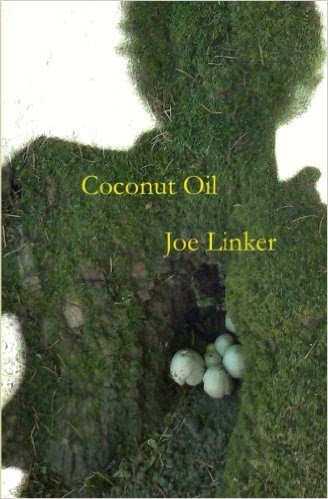
    Song from “Coconut Oil” (2016), performed by Penina in the novel by Joe Linker, a sequel to “Penina’s Letters,” page 189.