I was just a few months blogging when back in April 2008 I wrote a post titled “Where weather and writing merge,” about the Santa Ana winds, referencing Joan Didion’s “Los Angeles Notebook,” the first section of which was originally published in 1965 in The Saturday Evening Post under the title “The Santa Ana.” Didion claimed the winds influenced behaviors; she’s read up on it:
“‘On nights like that,’ Raymond Chandler once wrote about the Santa Ana, ‘every booze party ends in a fight. Meek little wives feel the edge of the carving knife and study their husband’s necks. Anything can happen.’ That was the kind of wind it was. I did not know then that there was any basis for the effect it had on all of us, but it turns out to be another of those cases in which science bears out the folk wisdom” (218).
Didion references a physicist who studied the physical characteristics of winds and people’s reactions that suggest cause and effect reflex at play, and her anecdotal evidence, though bizarre and outlier, of the winds affecting one’s psyche is persuasive.
“Whenever and wherever a foehn blows, doctors hear about headaches and nausea and allergies, about ‘nervousness,’ about ‘depression.’ In Los Angeles some teachers do not attempt to conduct formal classes during a Santa Ana, because the children become unmanageable” (218).
Didion also mentions the Los Angeles area fires that occurred in the 3rd quarter of the 20th Century, the scope of which at least in part she attributes to the Santa Ana winds.
“The Santa Ana caused Malibu to burn the way it did in 1956, and Bel Air in 1961, and Santa Barbara in 1964. In the winter of 1966-67 eleven men were killed fighting a Santa Ana fire that spread through the San Gabriel Mountains” (219).
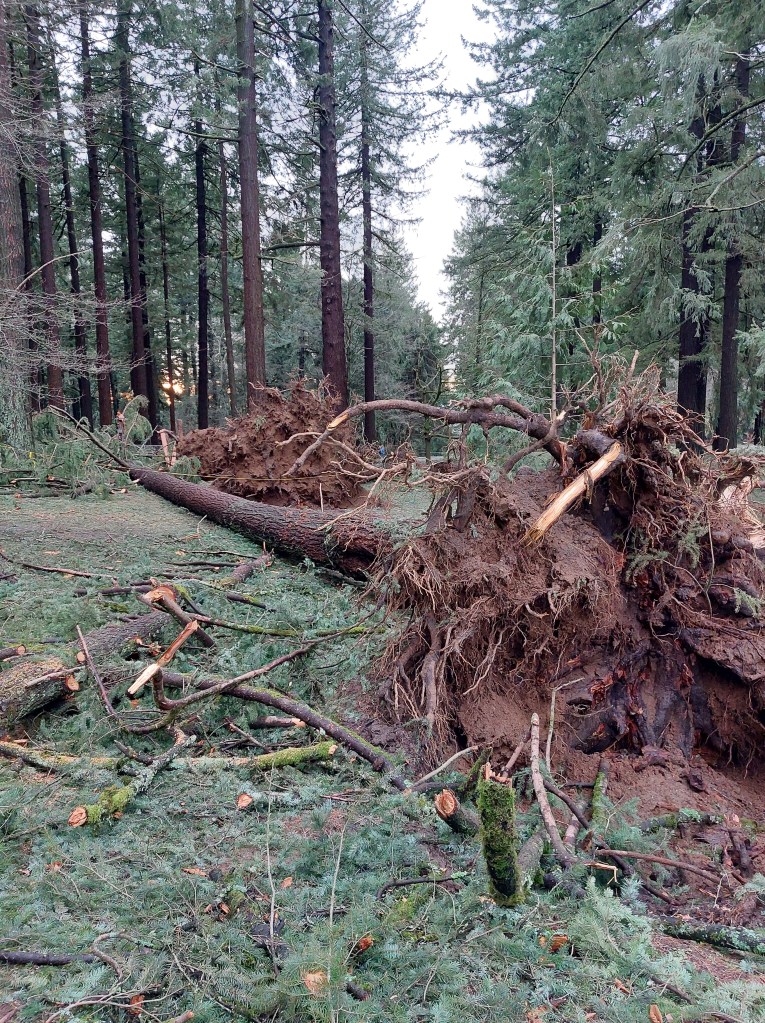
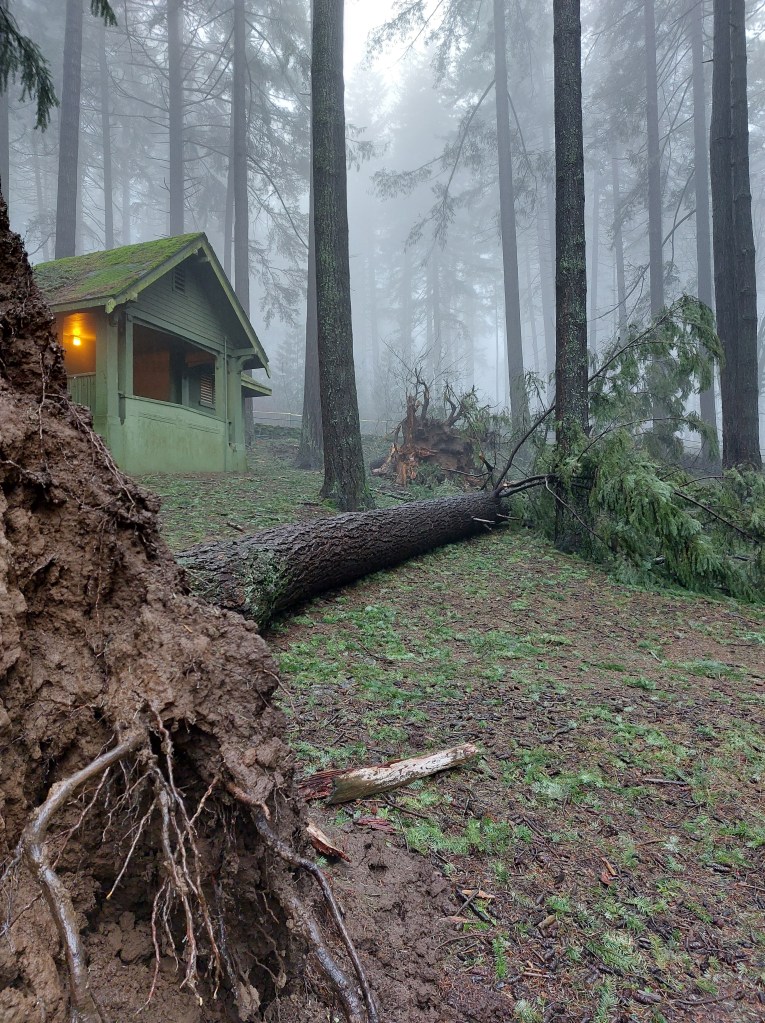
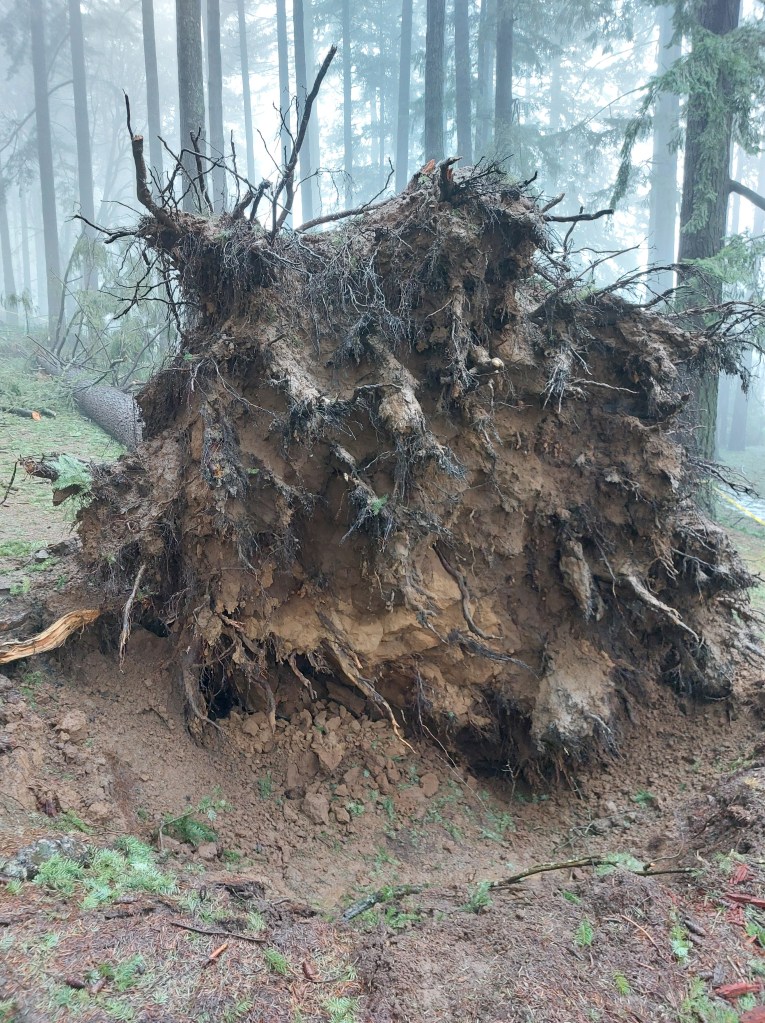
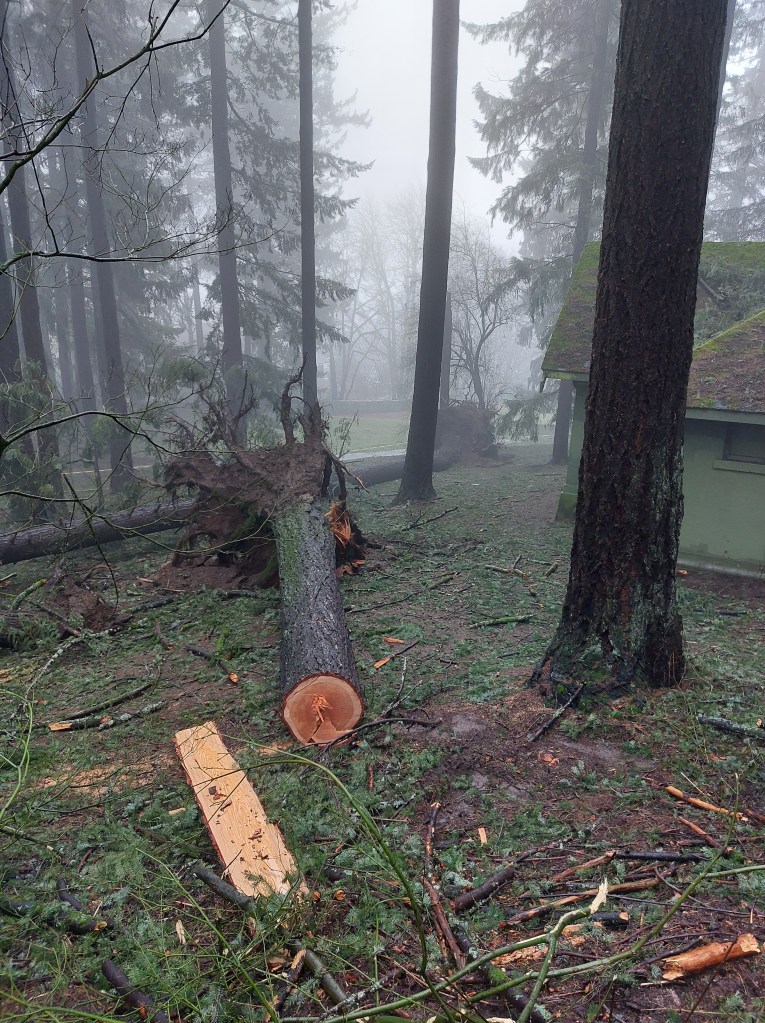
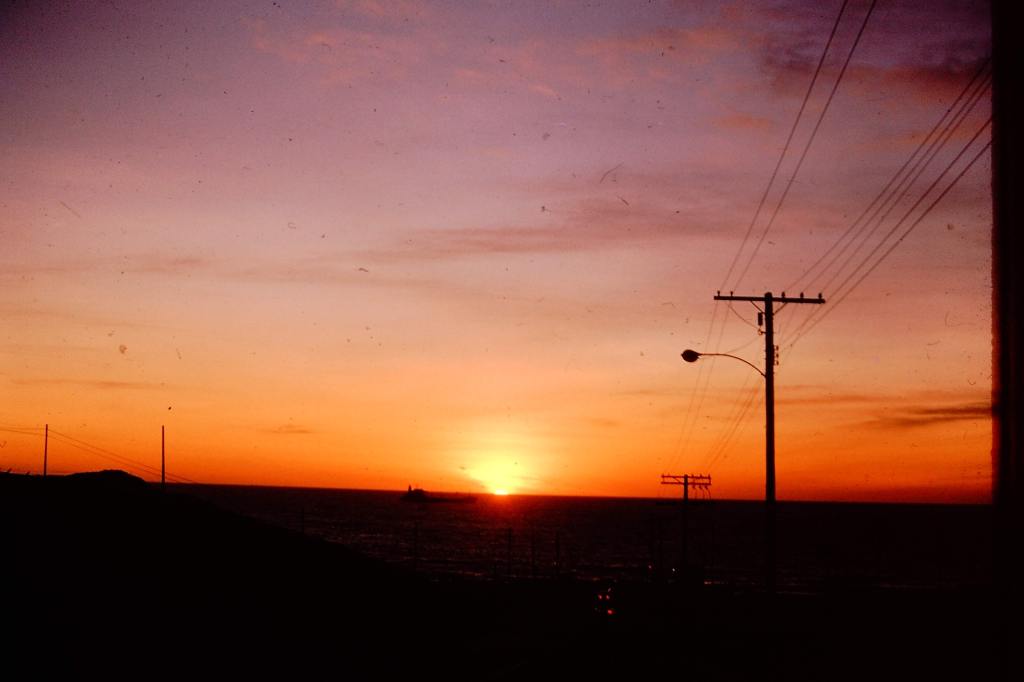
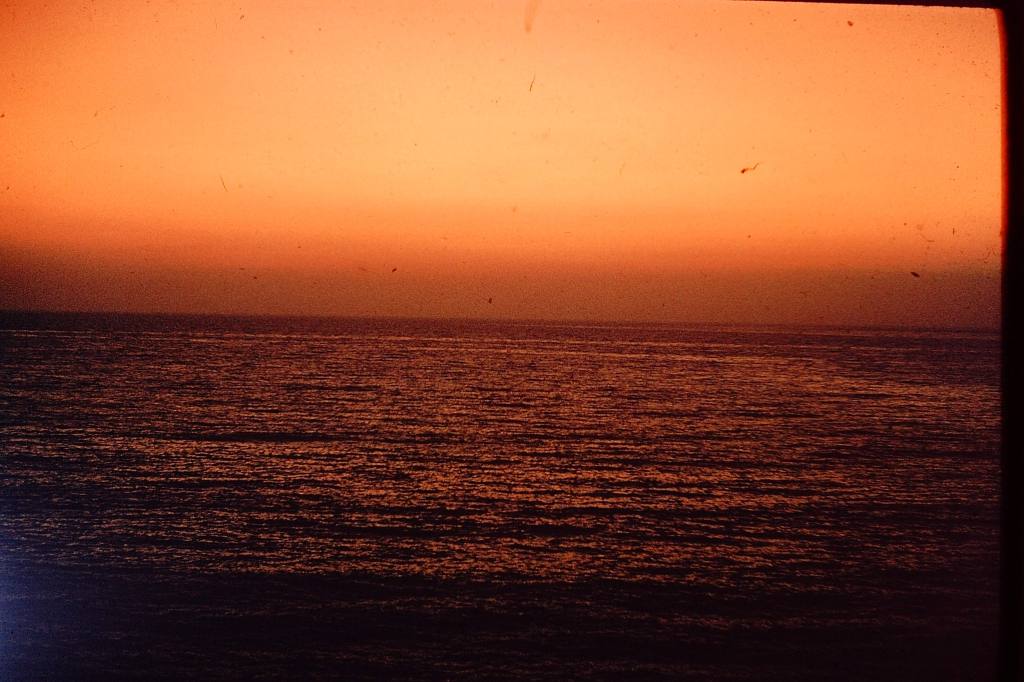
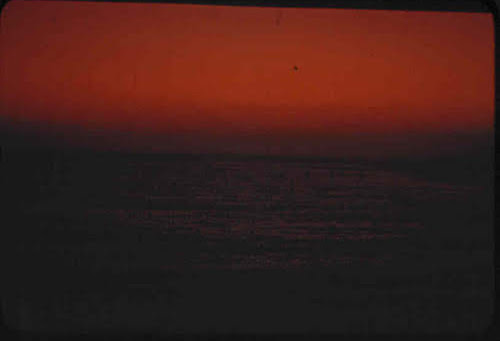
We lived in Los Angeles in those years, in one of the beach towns, and I remember the long clouds of smoke that drifted out with the winds over the ocean. Evenings at the beach we took sunset-and-smoke Kodachrome slide photos (see examples at bottom). Now in Portland, which also sports a foehn wind, called the East Wind, which does most of its damage in the winter, falling trees, knocking out power lines, freezing pipes. Last January (2024), a severe East Wind that lasted several days and nights and brought down hundreds of trees and power lines, the temperature dropping to 12 degrees (F), incapacitated the city. A few days after the storm I went up into Mt Tabor Park and took some photos:
Back in LA, in “Penina’s Letters” (2016 – now out of print), which takes place a couple of years after the time period Didion wrote “Los Angeles Notebook” (1965-1967), Penina picks up Salty at the airport and drives him out Imperial toward the beach. The Santa Ana winds are blowing for his homecoming:
“At the end of Imperial, Penina turned the truck south onto Vista del Mar for the drive along the beach to Refugio. To the west, flattened by the winds, hunkered an ebbing Santa Monica Bay. Two red and black oil freighters were anchored off shore, one deep in the water, the other high, and three blue and white yachts appeared to be scurrying back to Marina del Rey. Above the horizon, the setting sun spread orange spears through the tar slick winds, and the smeared sky above with the windswept water below looked like an oil painting by Rothko. The Santa Ana winds had been blowing for a couple of days, and all the silt from the basin bowl had blown out over the water. It was Holy Saturday, and I thought I picked out the moon waning pale, high up, out over the water, but the Santa Ana winds were blowing, and I might have been seeing things. Close in, the beaches were buffed clean and empty, the waves flat, and no surfers were out in the water. The wind was now to port, blowing tumbleweeds across Vista del Mar, and Penina gripped the steering wheel with both hands” (21-22).
~ ~ ~
I couldn’t find my old copy, and I wanted to read it again, so I recently got a new paperback edition (FSG Classics, 2008) of Didion’s Slouching Towards Bethlehem (originally published in 1968), which includes “Los Angeles Notebook” (pp. 217-224). Alibris has multiple copies of different editions, new and used.
I published “Penina’s Letters” in 2016. It’s currently out of print.



 The Coming of the Toads