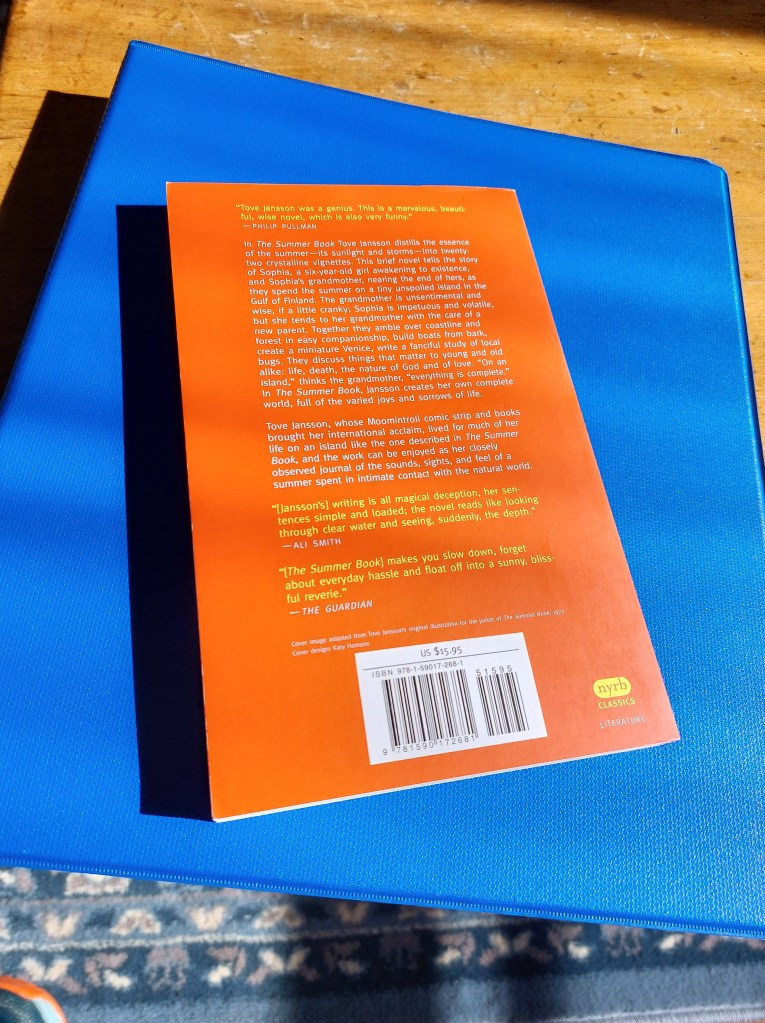
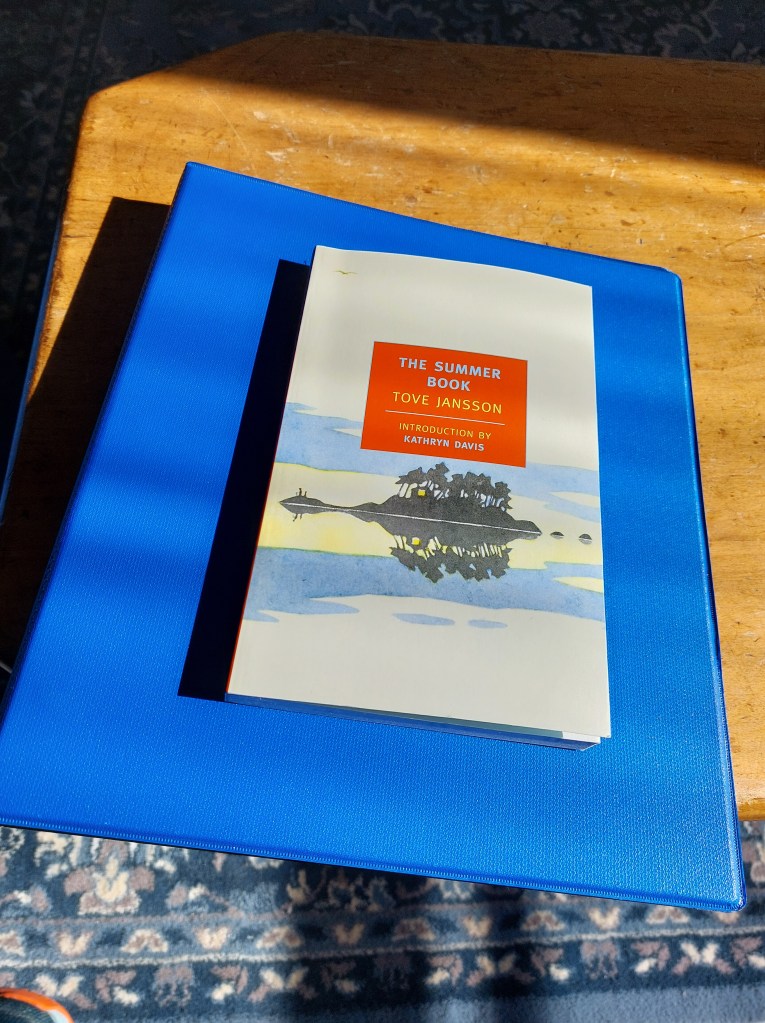
A fortis summery read in the midst of this wintry Tabor must which by now has turned fall’s ferment to frozen despoliation – a plundering weather high tide tumbling the tall fir trees, humbling the local residents. So for comfort a read of Tove Jansson’s “The Summer Book” (1972, NYRB 2008). It’s summer, and grandmother and six year old Sophia and her father row to an island off Finland where their habit is to live through the warm months in a small cabin. But don’t listen to the NYRB Classics Introduction. I don’t understand why they bother with those Intros, though each is different, and some more valuable than others. But if something must be said other than what’s in the book, put it in an Afterword. Too often Intros spoil the plot or try to bring attention to extraneous background info or just plain get things wrong. For example, it’s not as easy as saying it’s one summer and the child is six. If it’s only one summer, how does the chapter titled “Of Angleworms and Others” begin with: “One summer, Sophia was…” (136)? And the chapter “Sophia’s Storm” begins, “There was one summer that was never referred to by year, but only as the summer of the great storm” (145). Maybe it’s a petty complaint, but summer is the season of life. And in winter my reading may be off-kilter. In bed reading, feeling like an ice pop stick.
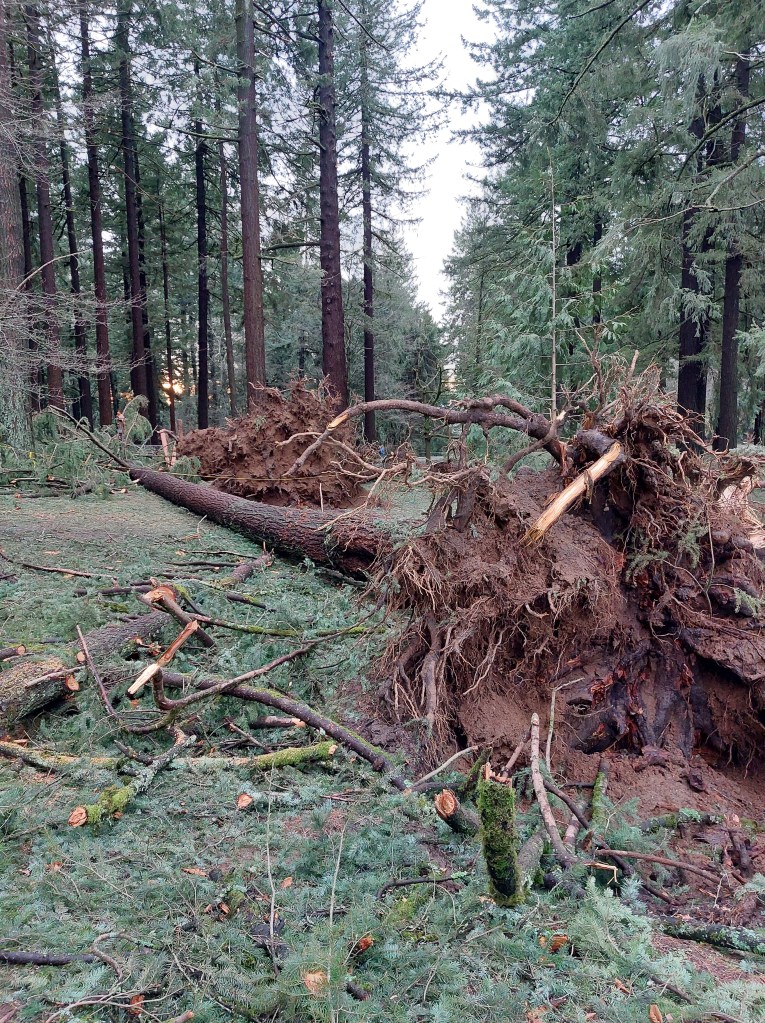
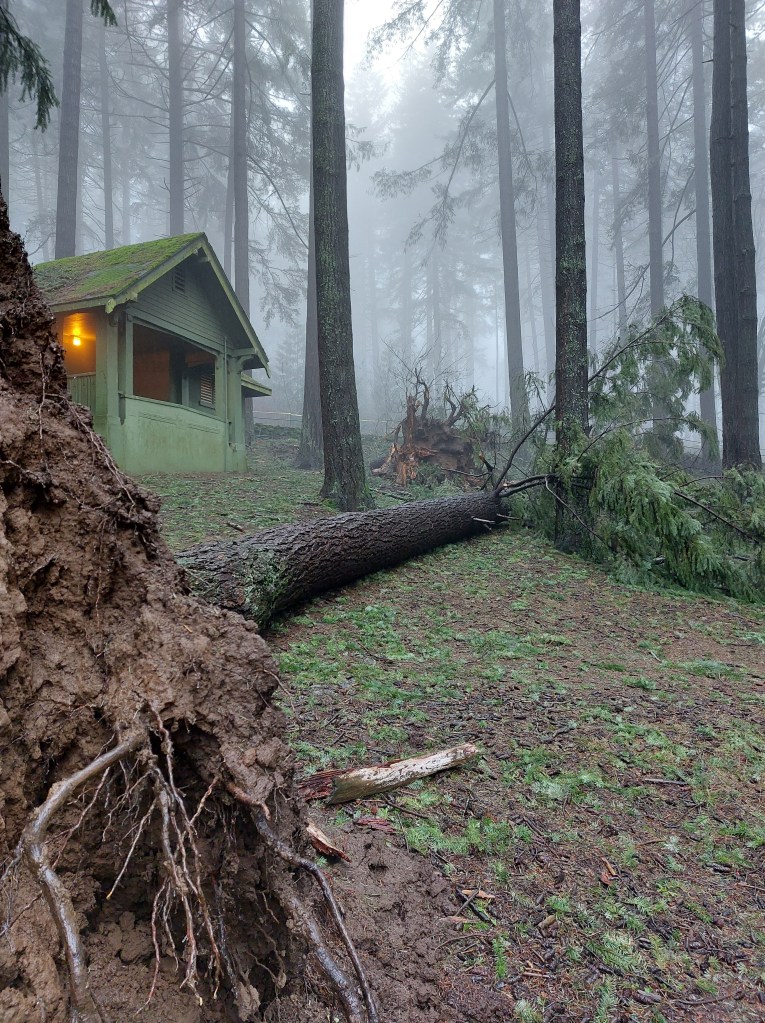
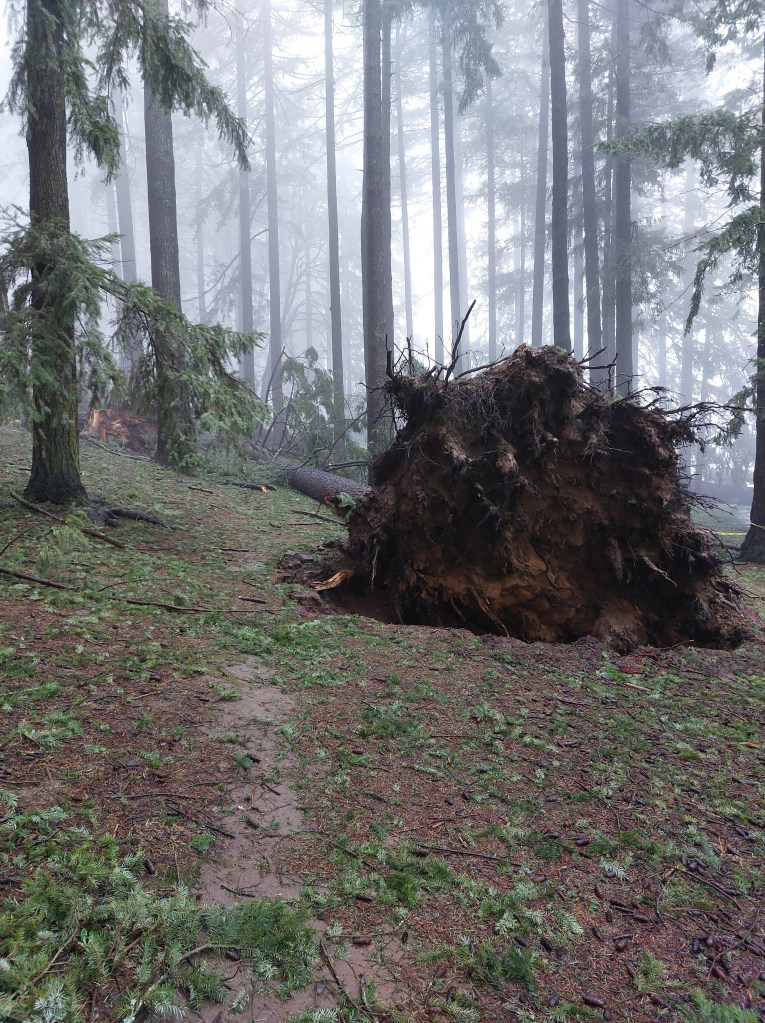
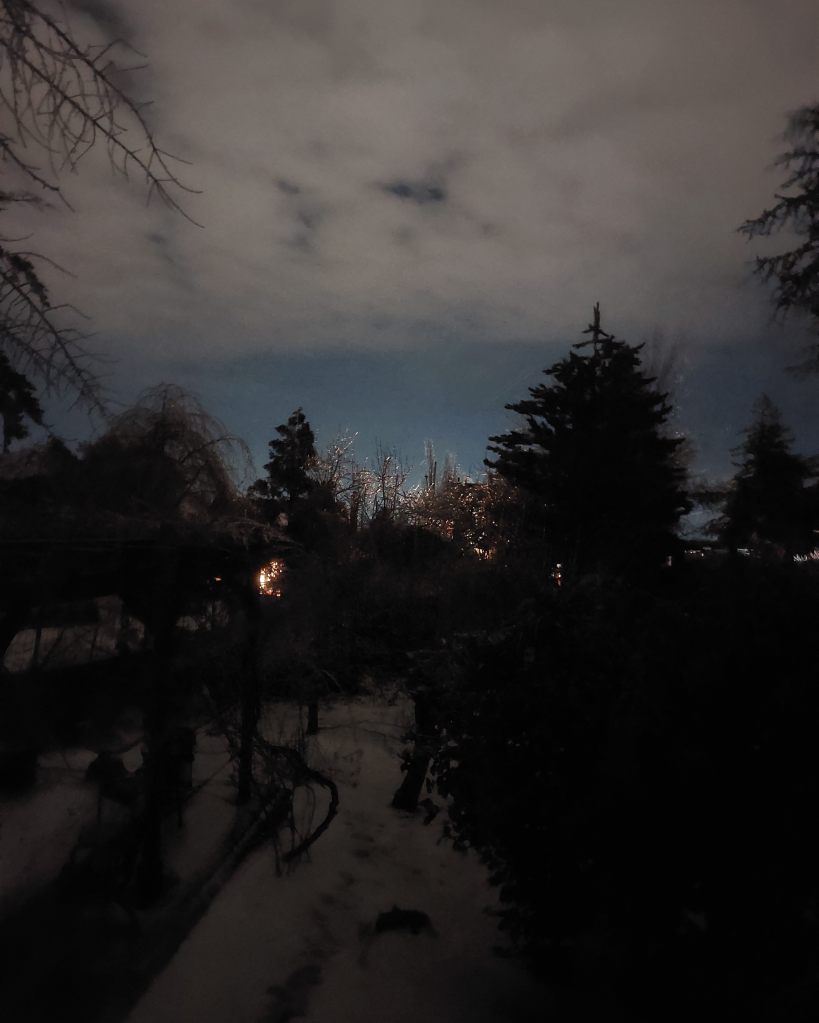
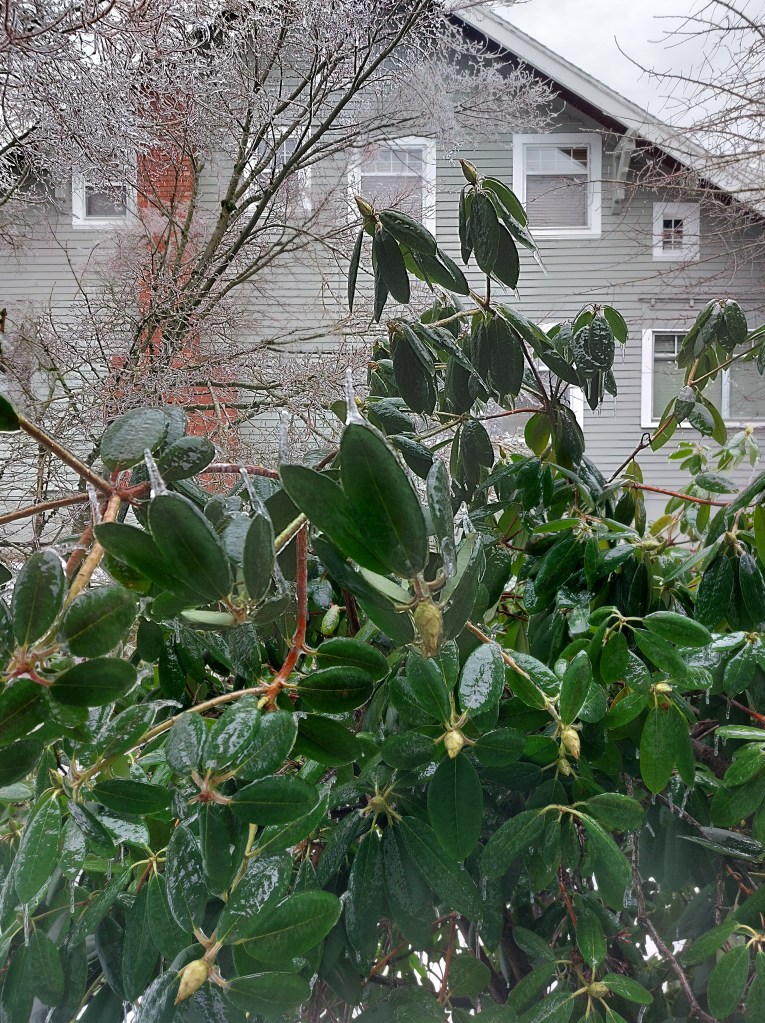
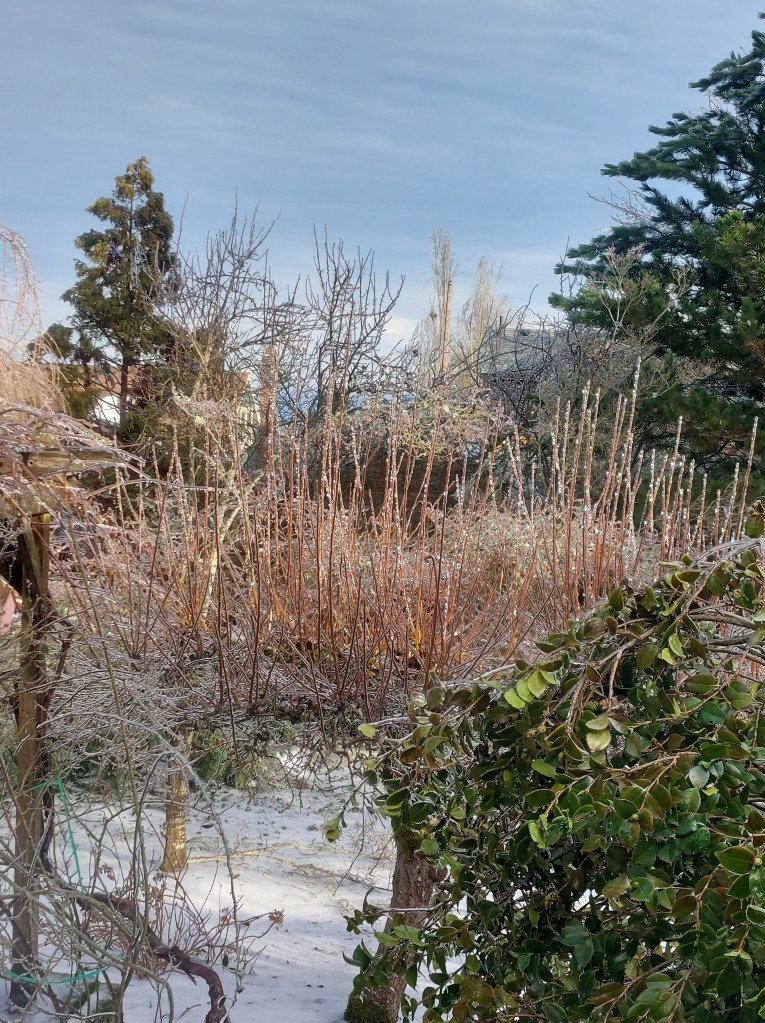
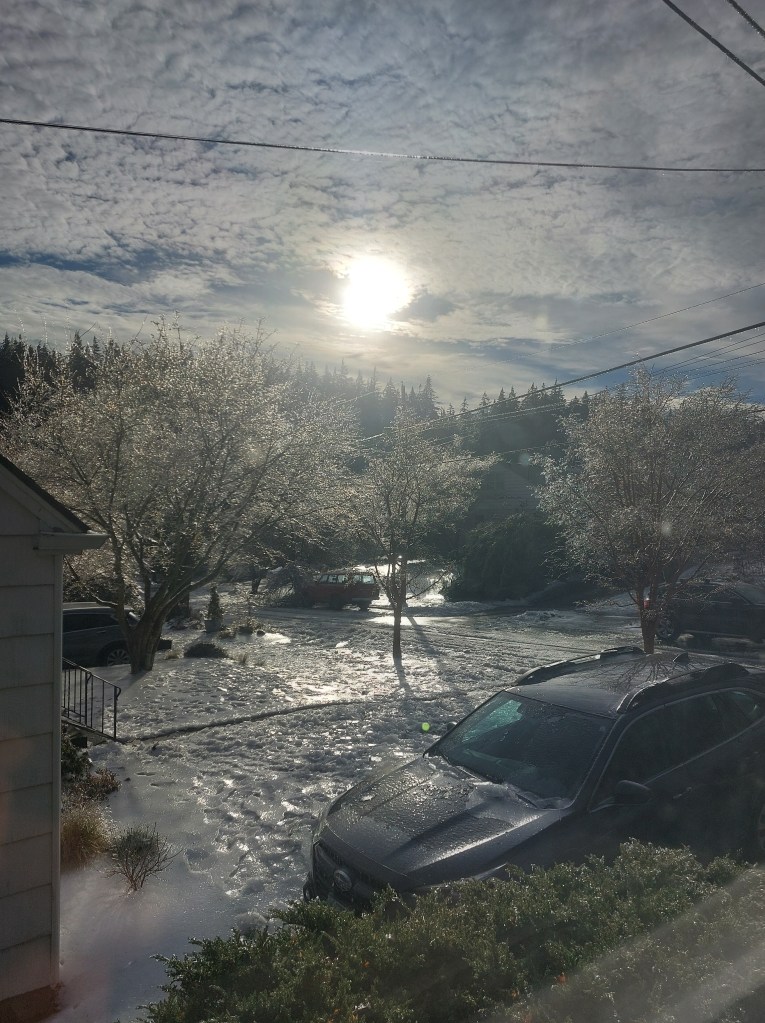
Winter Feb 2024 on Mt Tabor
I was reminded, reading Tove Jansson’s “The Summer Book,” cold nights in bed before winter sleep, of Refugio, the summer vacation weeks we spent there, dropped off by Dad who stayed the weekend then rowed back to Los Angeles to the work week, leaving us kids to camp out, hike, swim, sit around a campfire, carve tikis in the soft wood of fallen palm fronds. At low tide, you can walk around Refugio Point and hike north below the cliffs around other points, the cliff faces sheer and steep, sometimes with caves at the bottom that fill with water at high tide, but at low tide you can walk into a cave and sit and watch the waves through the opening. And if you’re with a girl, you might snuggle up in the damp and hug and kiss, while up above the trains rumble across the clifftop.
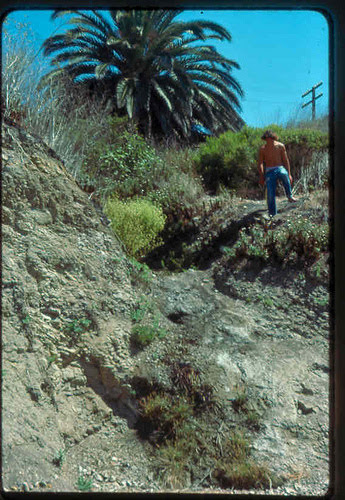
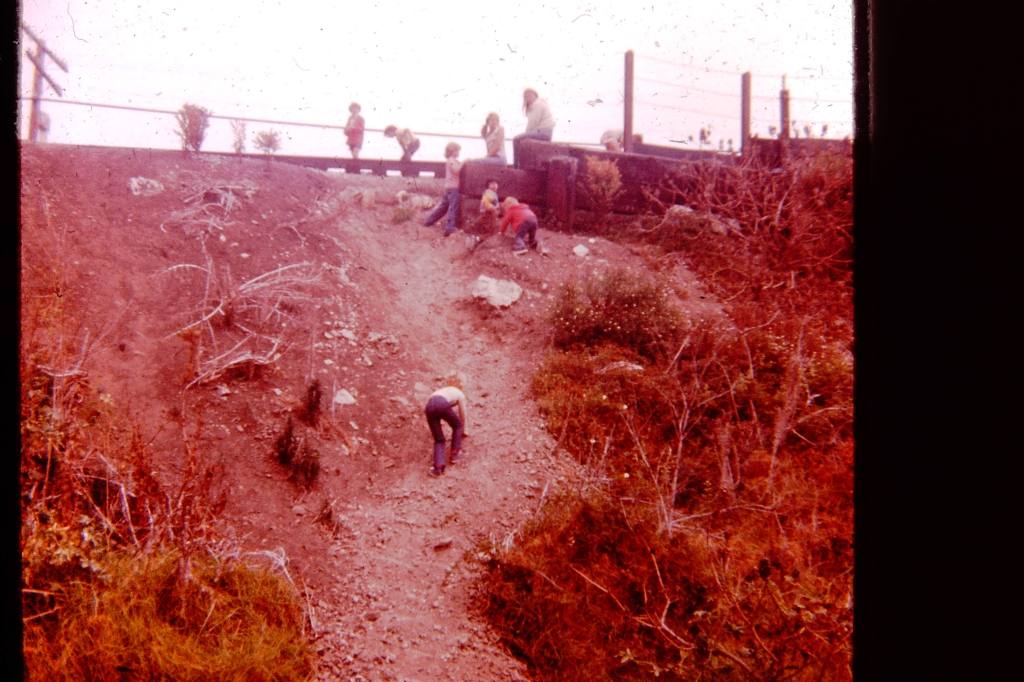
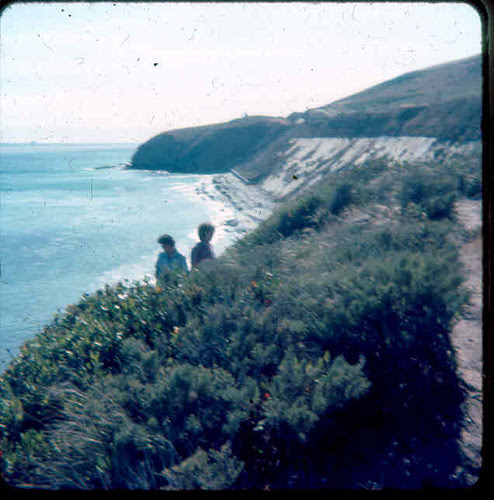
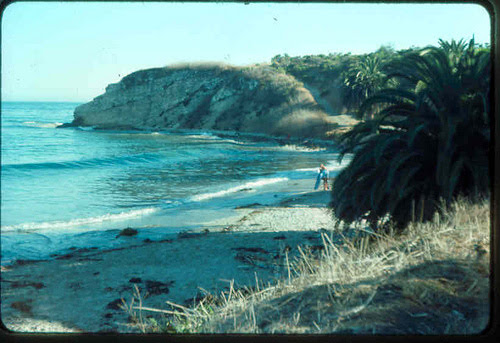
One year, a bunch of us kids hiked around the point at low tide and walked off below the cliffs, exploring caves, skiffing stones, beach combing. We were camping with our neighbors from town. We were all at the time under 12 years old, so late 1950’s. Uncle Hugh had been an early days Los Angeles County Lifeguard. One day, he drove us to an obscure beach where we parked and hiked down to an awesome surfing cove where he took us one by one out into the big waves paddling on a canvas surf mat. It seemed we were a mile out, and we caught huge rolling waves that carried us all the way to shore. But that day we were hiking, we were kids out on our own, and we did not notice the tide coming in, and were soon stranded between points, the tide too high to walk back around, the rocks too dangerous now mostly covered by an incessant surf. The incoming tide would soon pin us against the cliff. We had no choice but to climb up. One by one we climbed, toes and fingers in cracks, zigzagging, following the leader. At the top of the cliff the rock gave way to a dirt and bush cap, and we found a crevice to climb through and up to the top, pulling on roots and placing our feet on a providential clump of soil held together by some kind of small bush. We grabbed hold of the hand above us and pulled to the top. The oldest neighbor boy was the last, and he froze. The clump of soil was too loose now, he complained, it would not hold and he’d fall back down the cliff. We were miles from the campground. Would someone run back and get help, get a rope? Some of the parents were stern disciplinarians. Help would come at a cost. The squad of kids held together and with cajoling and twisting of arms we fandangle-rescued the last kid to the top of the cliff. We found the train tracks, not far off, and walked back to the campground, our stranded beneath the cliff at high tide story, our death defying climb up the sheer rock face, growing increasingly mythic with every step back.
I’m further now from that Refugio Beach memory than Jansson was from her summer island memory when she wrote her “The Summer Book.” Grandmother’s friend Verner has stolen a boat to come visit her on her island:
“It isn’t my boat,” he said.
133
“I didn’t think it was. It has a hogged keel, too. Did you borrow it?”
“I just took it,” Verner said. “I took it and drove off. It’s very unpleasant to have them worry about you all the time.”
“But you’re only seventy-five,” said Grandmother in astonishment. “Surely you can do what you like.”
“It’s not that easy,” Verner replied. “You have to be considerate. They do have a certain responsibility for you, after all. And when you get right down to it, you are mostly just in the way.
The story, the book, “The Summer Book,” belongs mostly to Grandmother and Sophia. They argue, go for walks and hikes, hang out, philosophize and think out loud, share information and knowledge, climb into the most pernicious of situations, worry together and talk and play out and act out together. At times one is the adult, the other the child, and then they switch sides. And the summer passes.
“Every year, the bright Scandinavian summer nights fade away without anyone’s noticing…Not right away, but little by little and incidentally, things begin to shift position…”
164
And that’s how the tides change too, and you can get lost in between the ebb and flow. There are visitors, human and otherwise, and they come and go. The weather is always everywhere all at once and always in the offing promising change:
“Dear God, let something happen,” Sophia prayed. “God, if You love me. I’m bored to death. Amen.”
148
But of course you have to be careful what you pray for. But in any case, it’s likely not one summer of memories but a single memory of many summers mingled together and how relationships change over time like the weather always the same but at the same time always different and always full of promises and disappointments leaving one at the bottom of a wave here and another high and dry there. Memory is a run-on sentence.


 The Coming of the Toads