Tag: Q & A

  • Exercises in Style

    What is style and where does it come from? In his book “Q & A,” Adrian Tomine says, “If you create a page of blank panels and give that to a kid, they will immediately start creating a comic. And you will be surprised and delighted by what they create” (141).

    Then again, when you were a kid, you might have been told to stay within the lines when coloring. And the panels were not blank, but pre-filled with assumptions and presuppositions.

    Adrian says: “I understand that feeling of self-consciousness all too well, and I think the only reason I’m able to publish the work I do is that I started on this path before I knew any better….I’ve found it helpful to try to trick myself back into that earliest creative mindset, where I’m just creating the work for its own sake” (136-137).

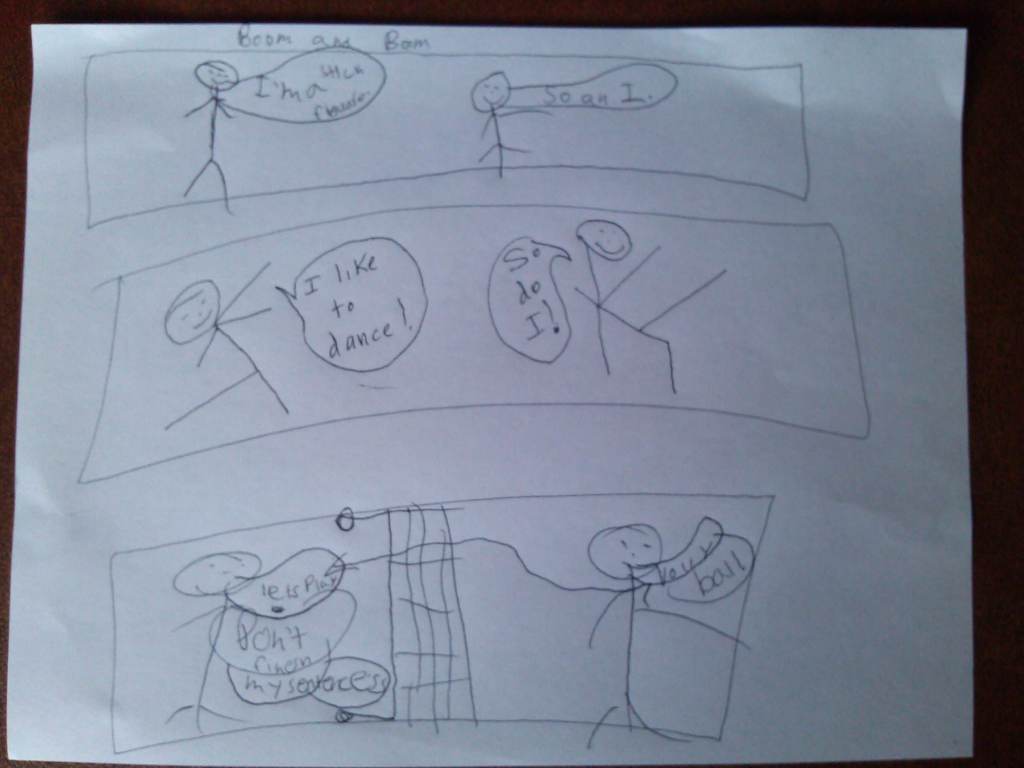
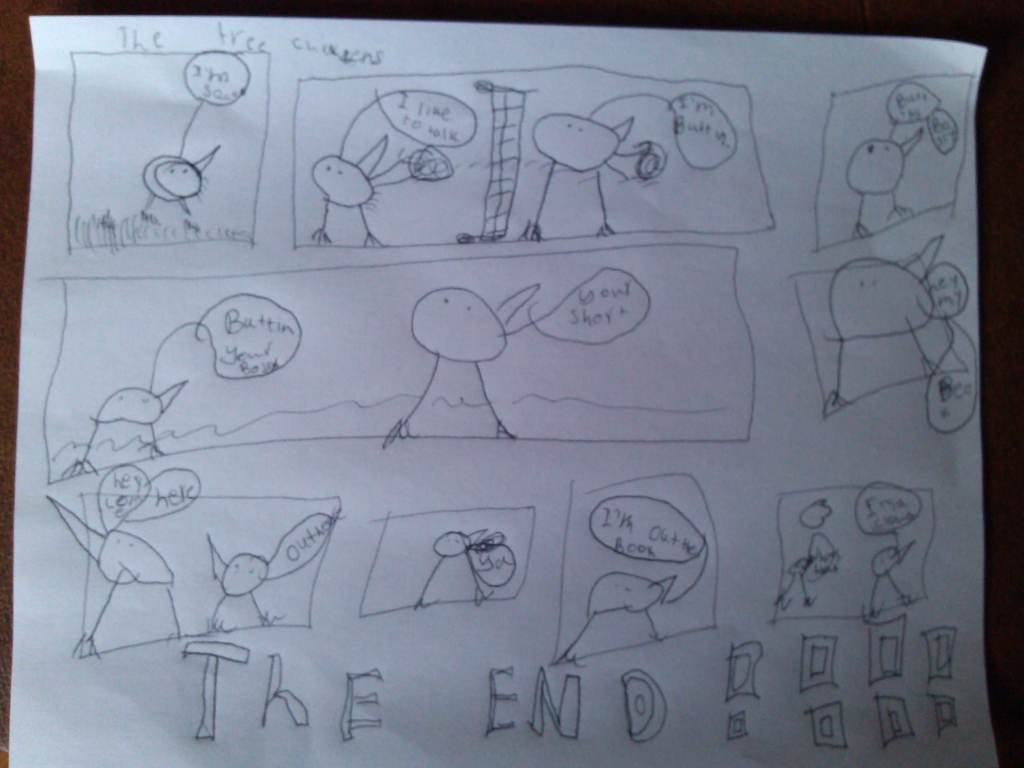
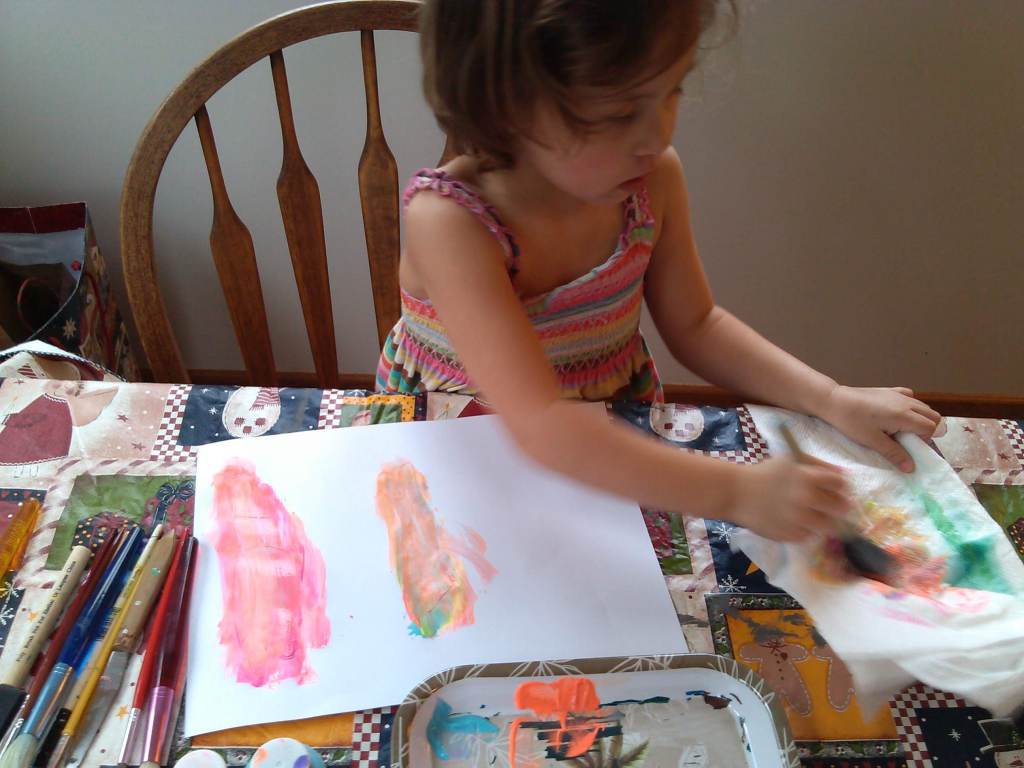
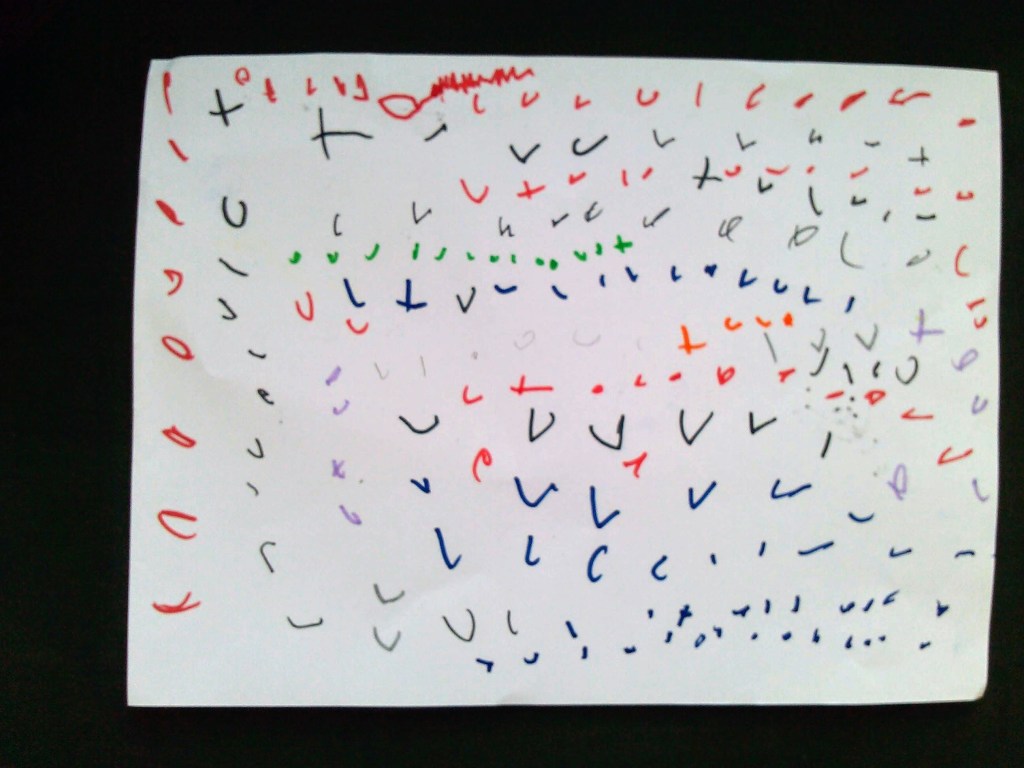
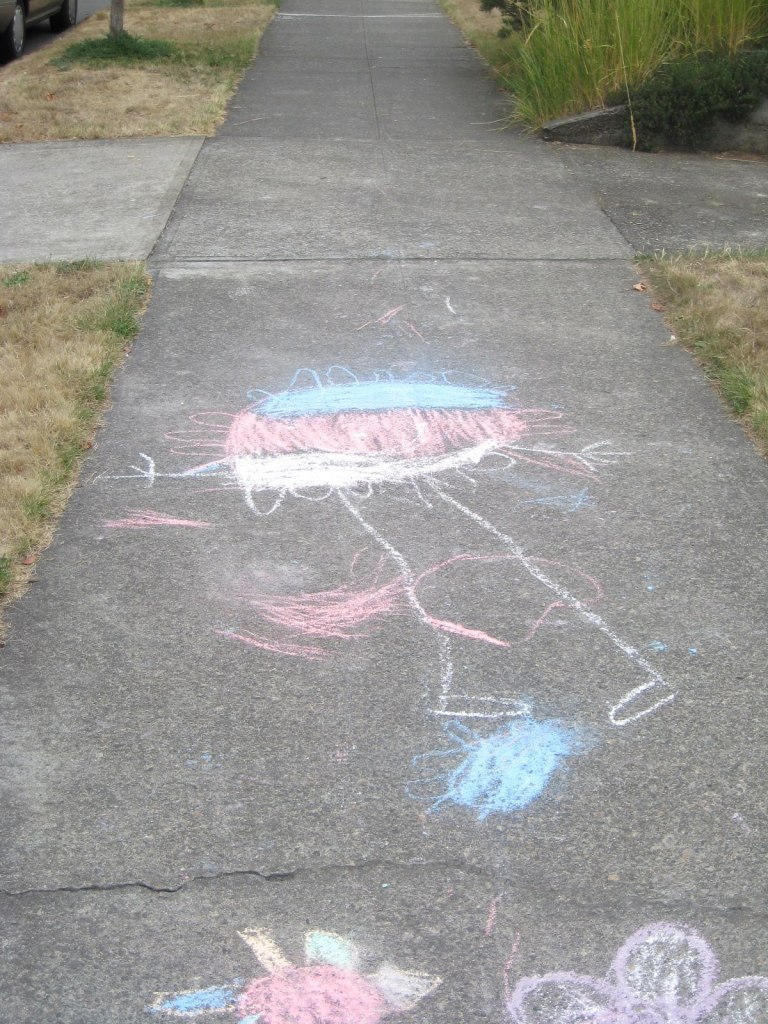
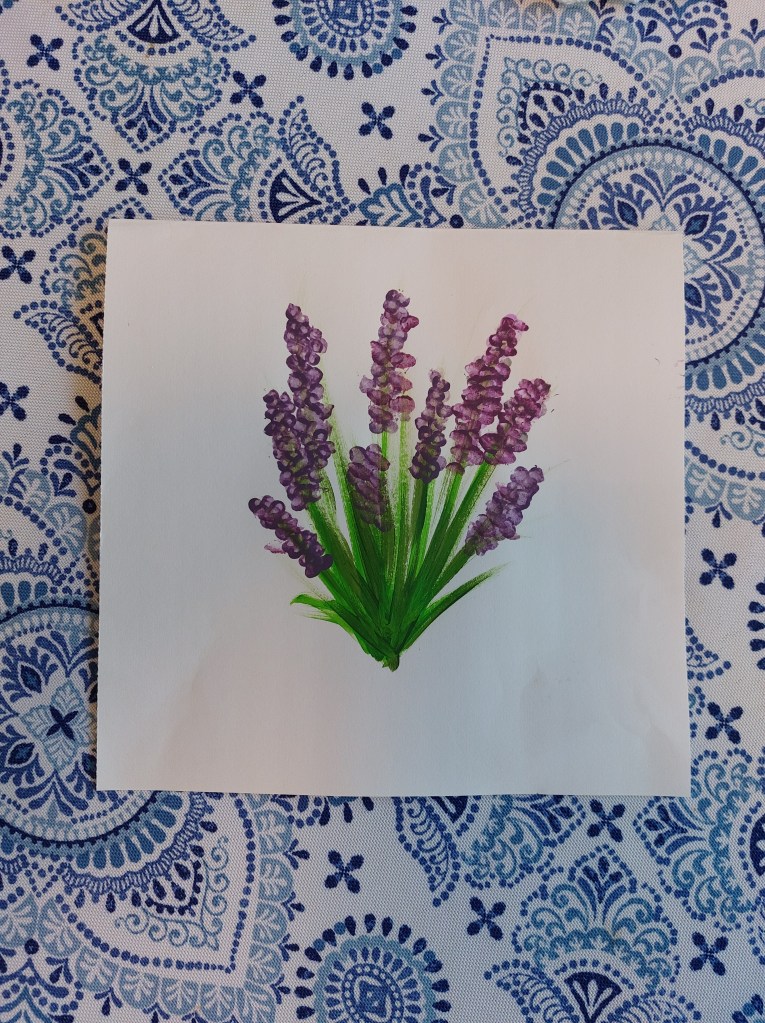
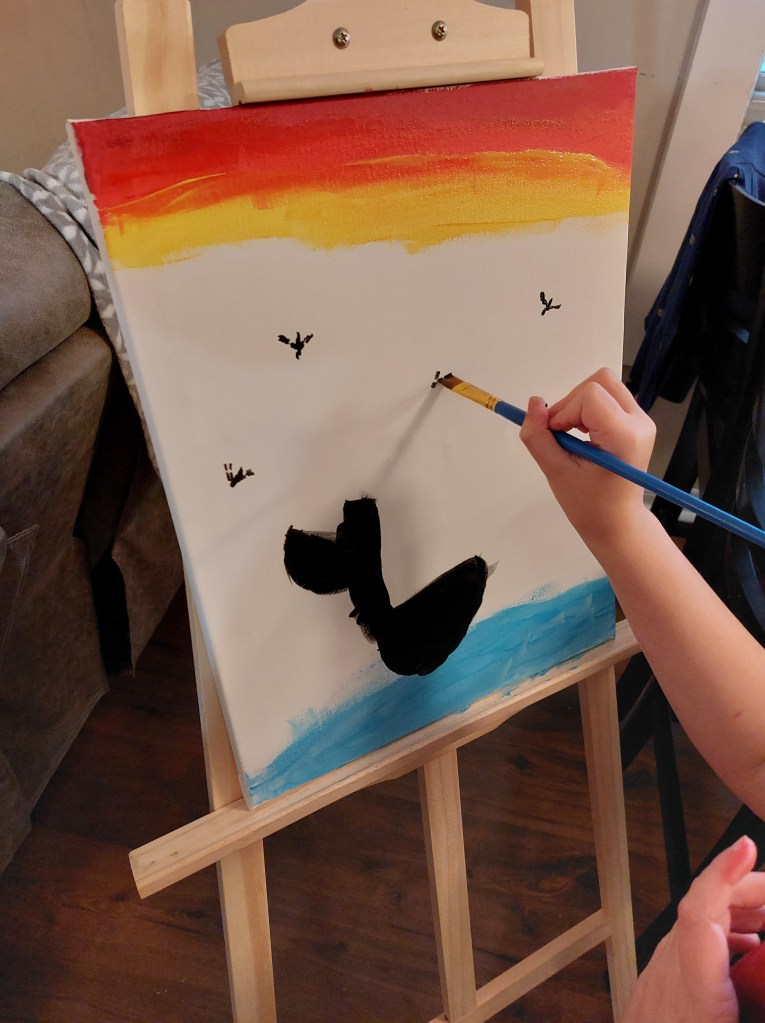
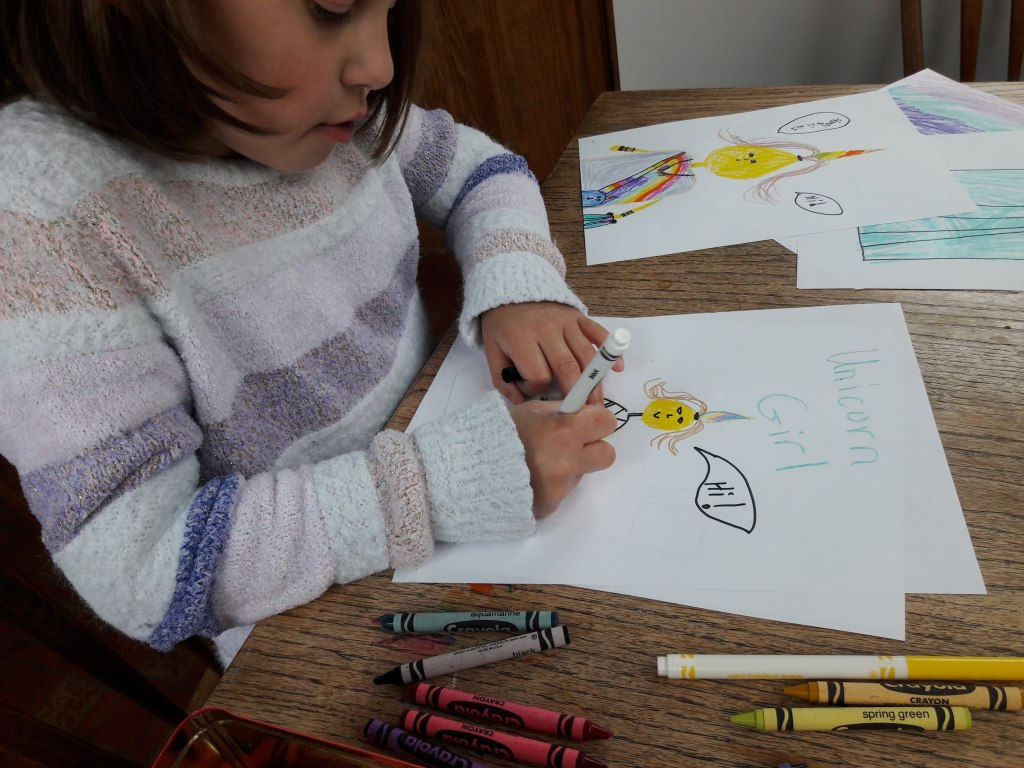
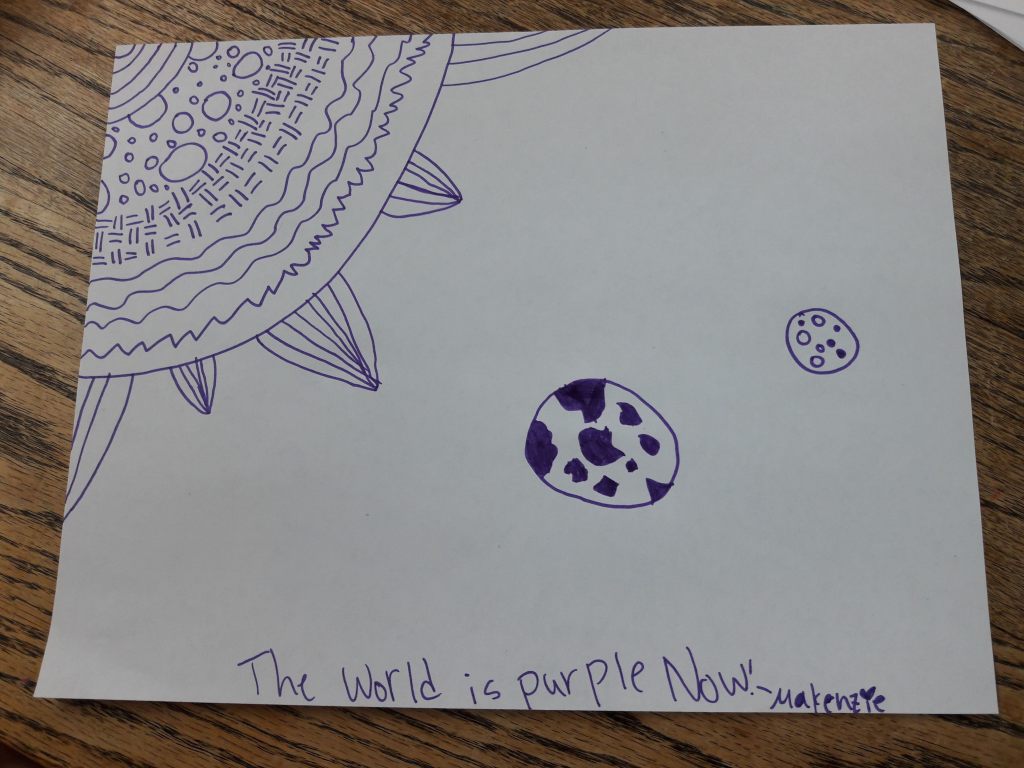
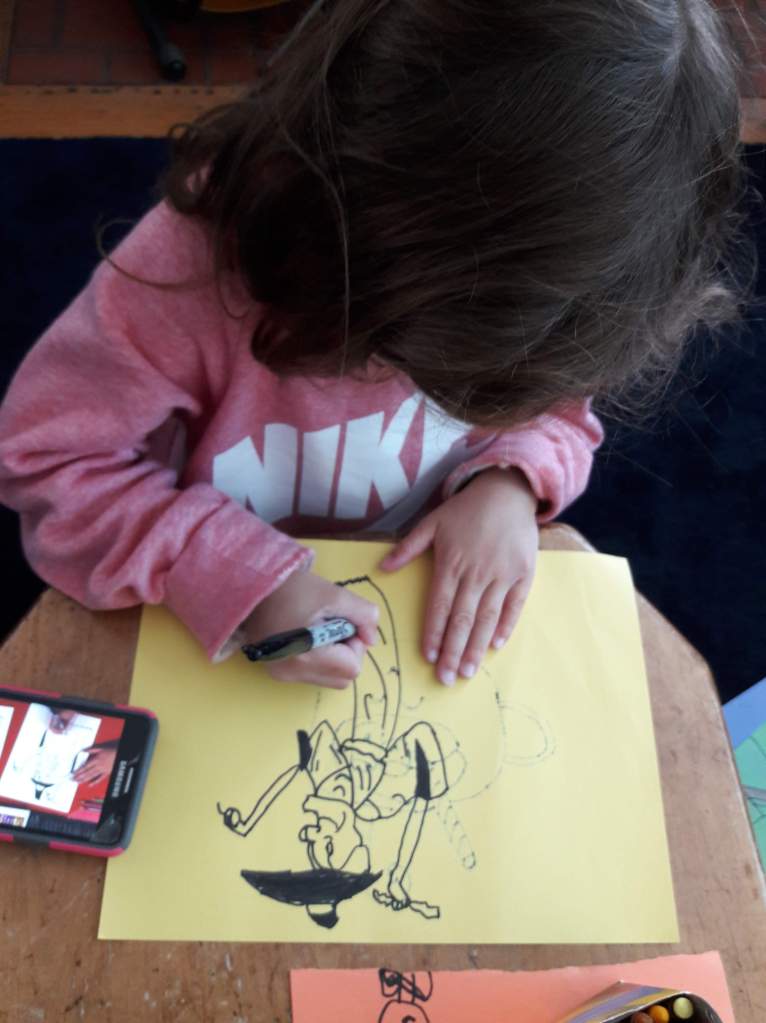
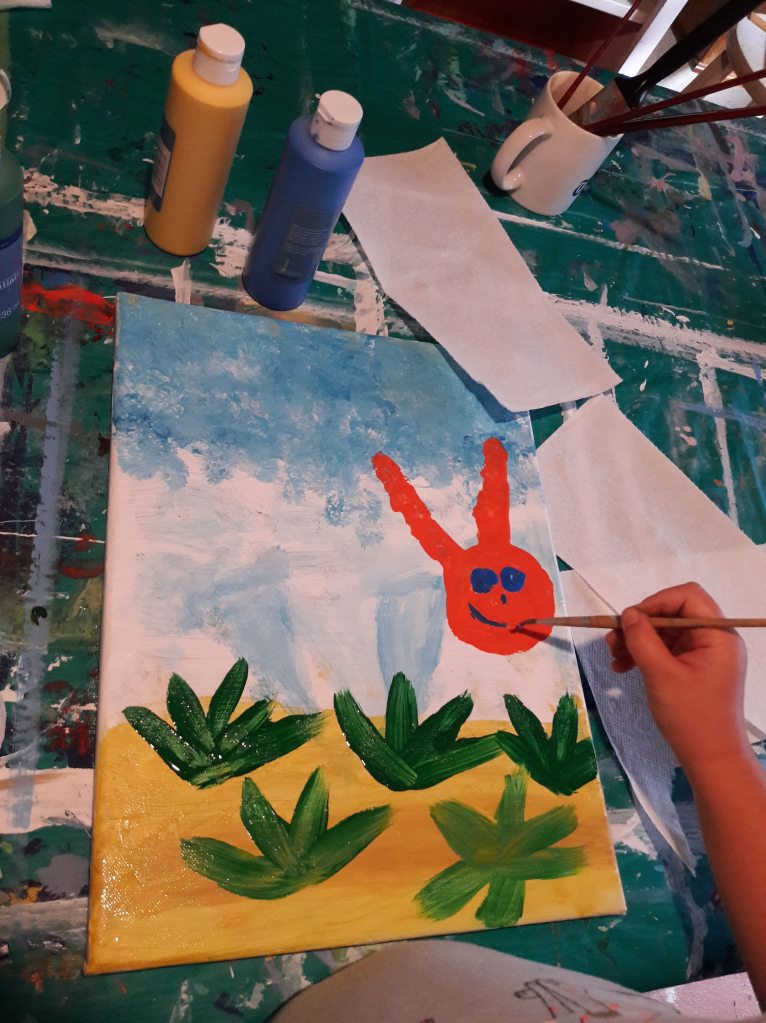
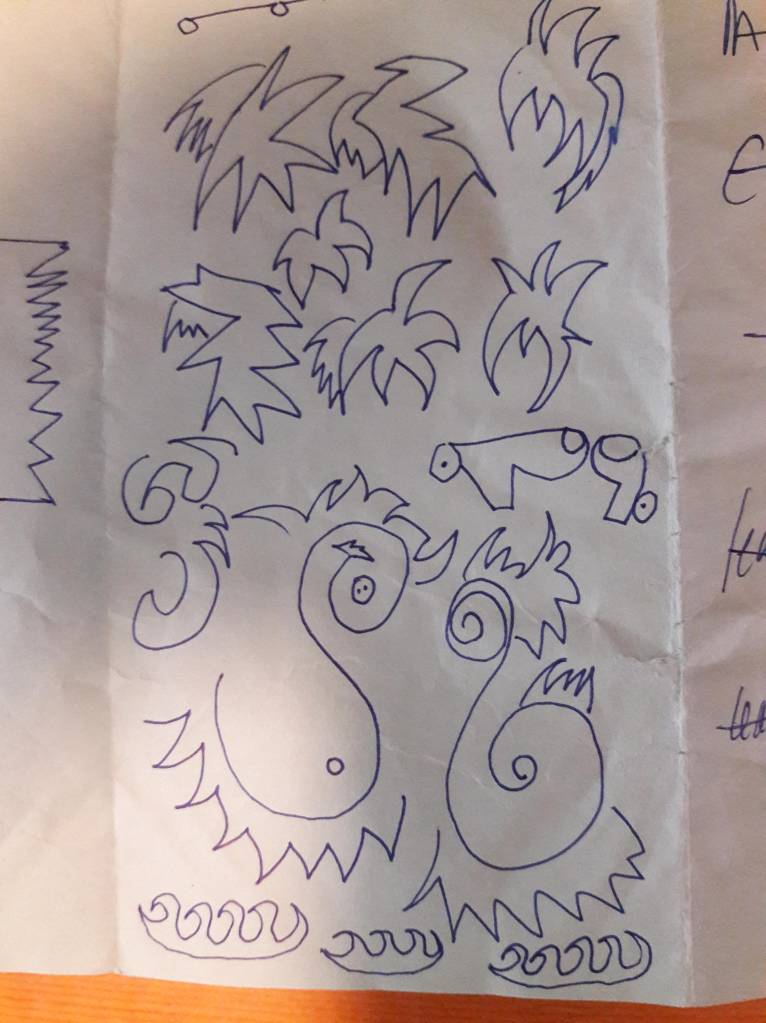
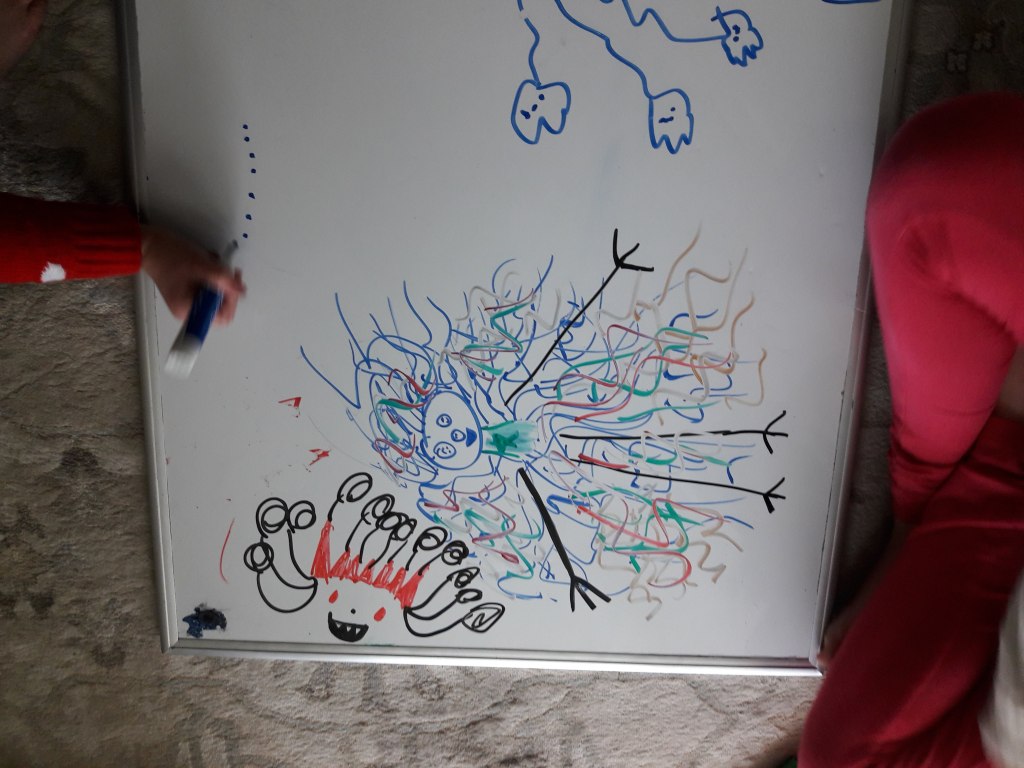
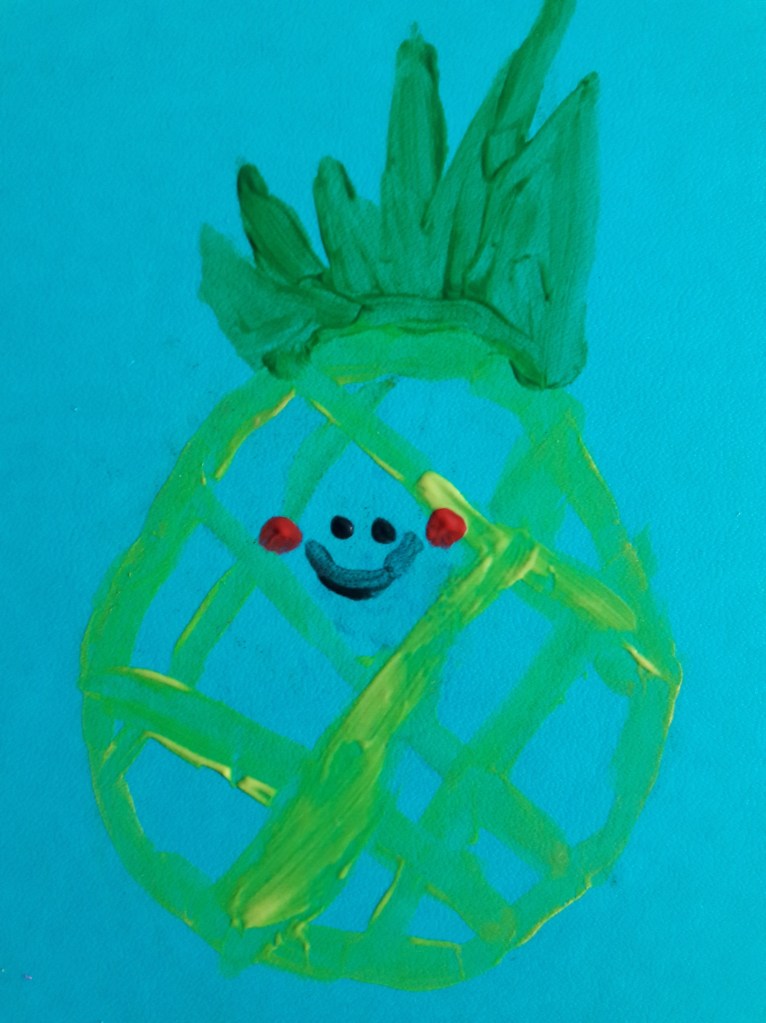
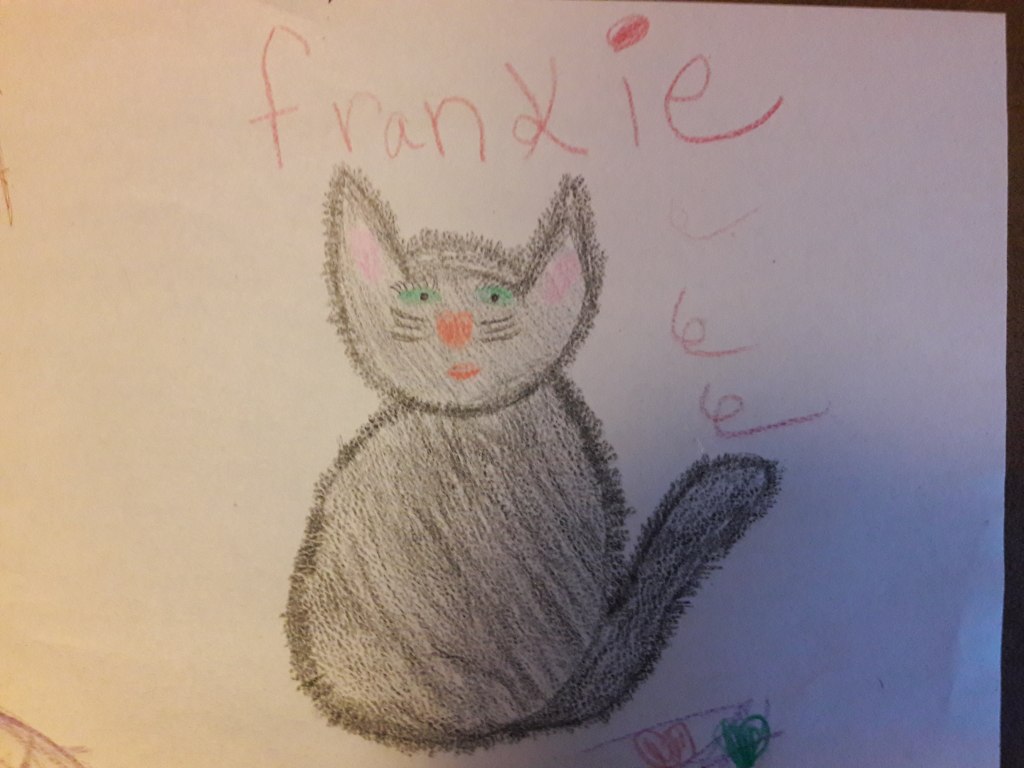
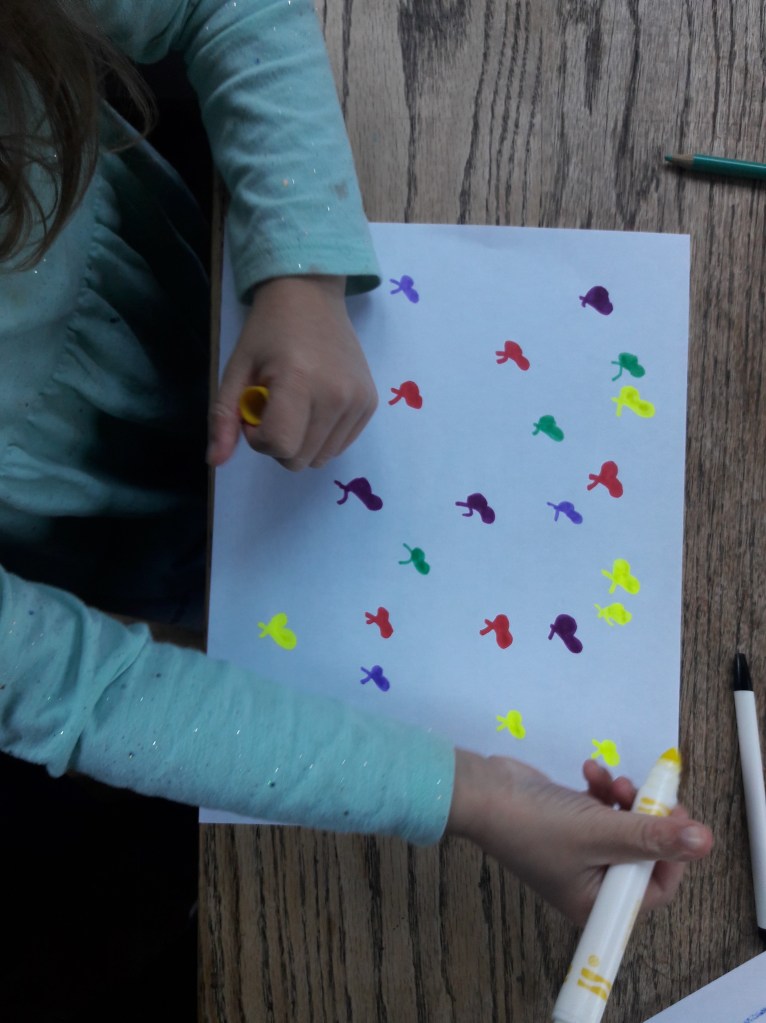
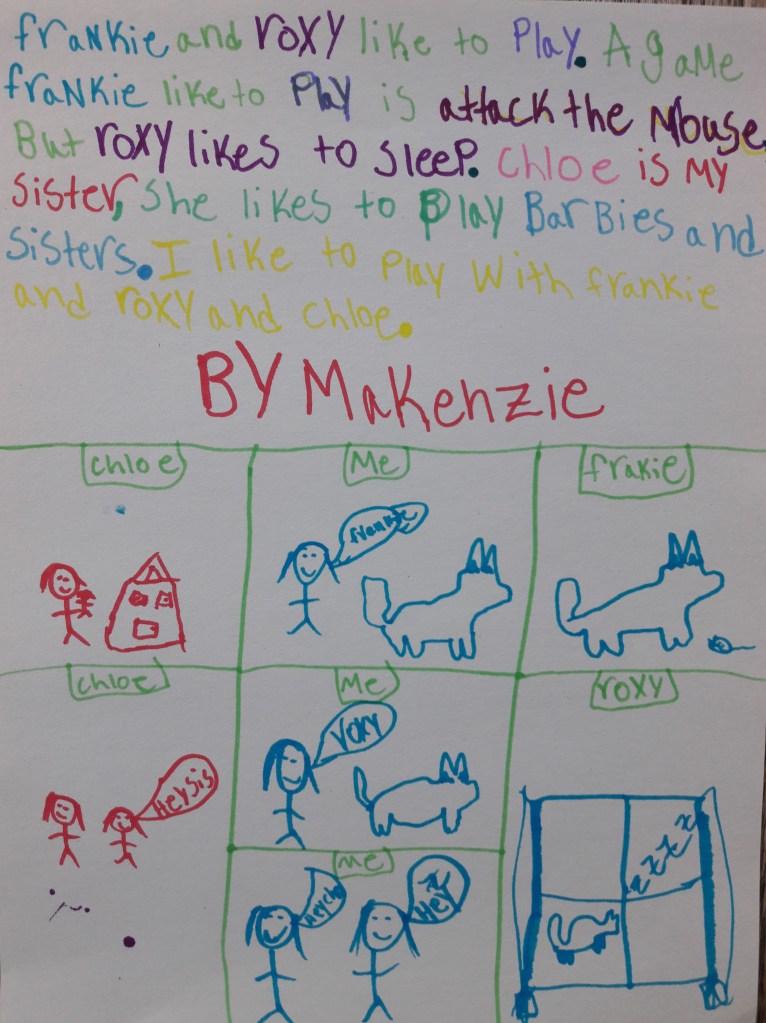
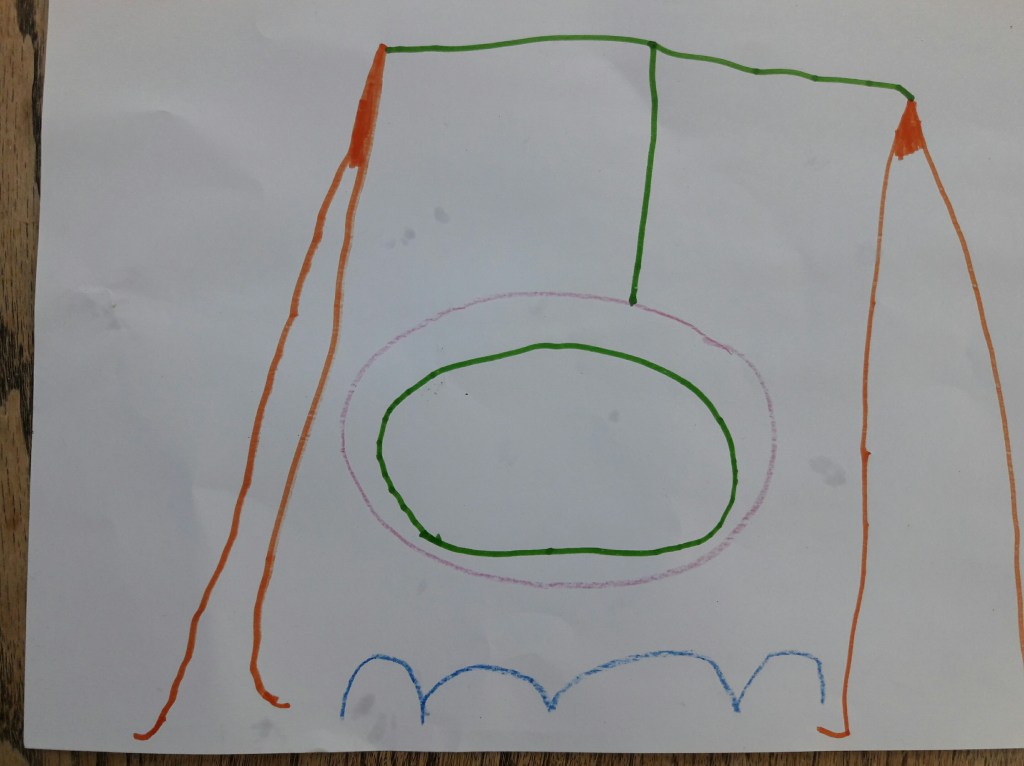
    When my granddaughters were younger, we used to draw and paint using all kinds of materials. It wasn’t work for the sake of the piece, but work for the sake of work, which was play. As evidence of what doing work for its own sake might look like, here is a photo of the kids drawing on a whiteboard. Everyone knew that at some point it would all be erased. They might have saved it for a day or two, until the next exercise opportunity arose. I may have cheated the system by taking a few photos of some of the drawings, thus turning the play into work for its own sake. But that’s my problem, not theirs:
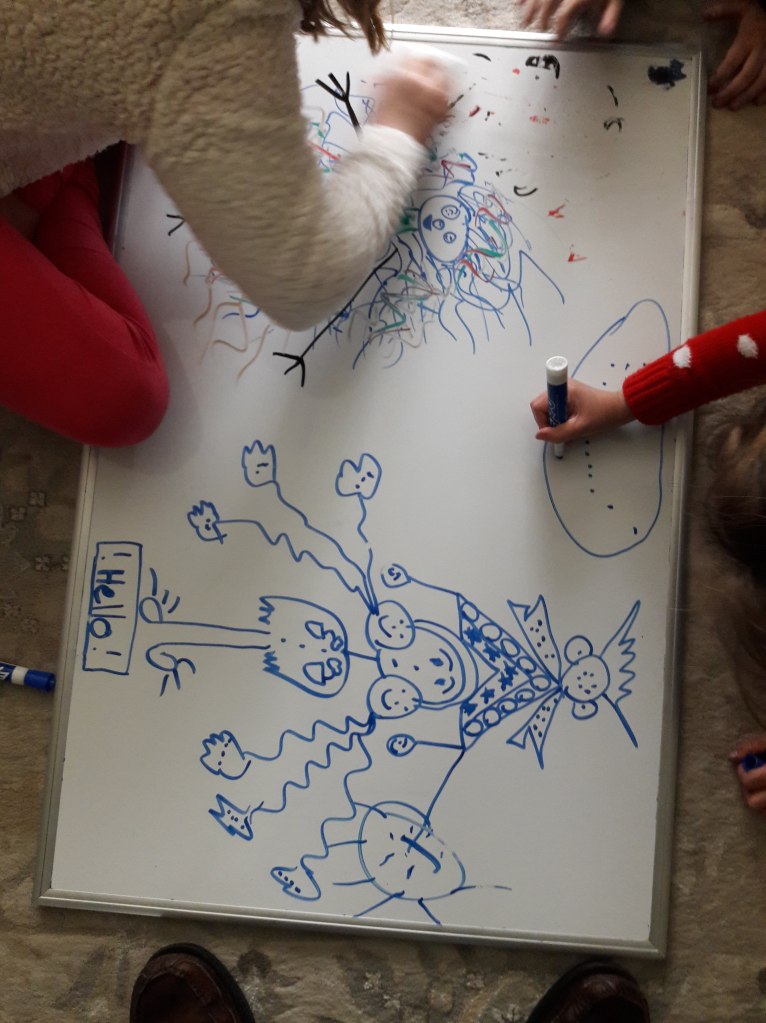
    That original work has now disappeared, and I doubt we could bring it back without, as Adrian says, somehow putting ourselves “back into that earliest creative mindset.” If you can do that, then you might find a style.

    Another example of style is found in Raymond Queneau’s book “Exercises in Style.” The same short description of the brief interaction of two characters on a morning bus is repeated 99 times, each time using a different “style.” In other words, the same story is told in different ways. But if a story is told in a different style, is it the same story? Cartoon drawings provide the first letter of each word of each chapter’s short title. Some examples of the one-word titles: “Precision”; “Anagrams”; “Blurb”; “Passive”; “Speaking personally”; “Comedy”; “Biased”; “Tactile.”

    Can a style be created using rules? Yes, and that has created much confusion over what’s right and acceptable in given contexts or venues but that might not be right or acceptable in others. Style is often confused with etiquette. It might even be confused with intelligence.

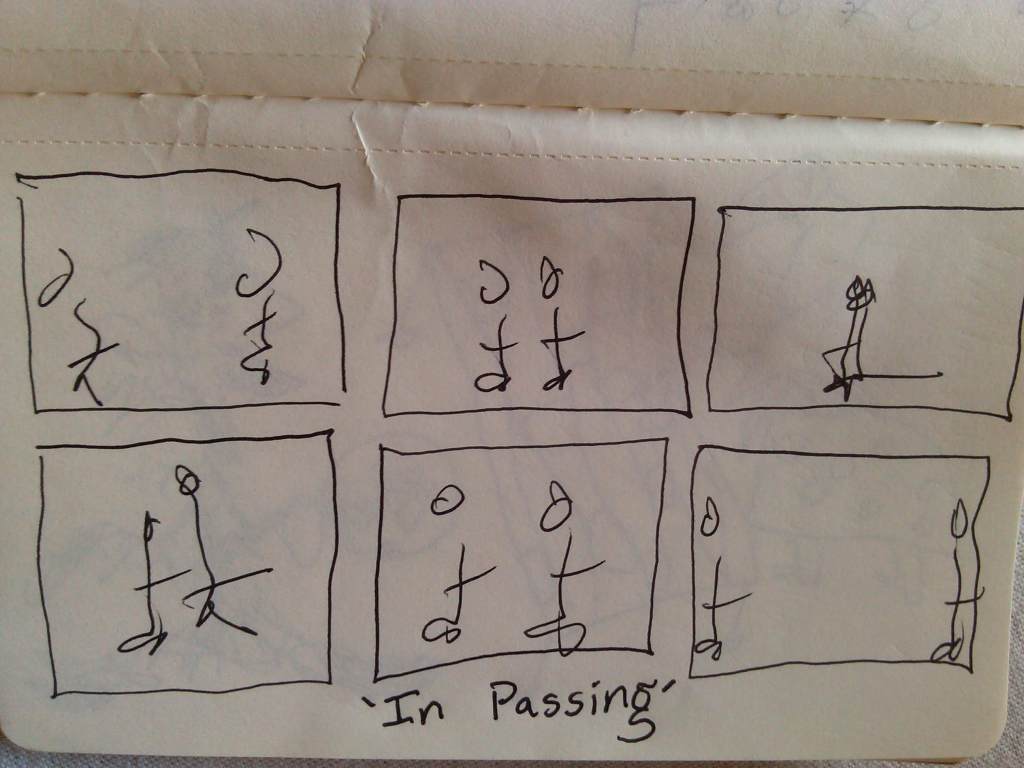
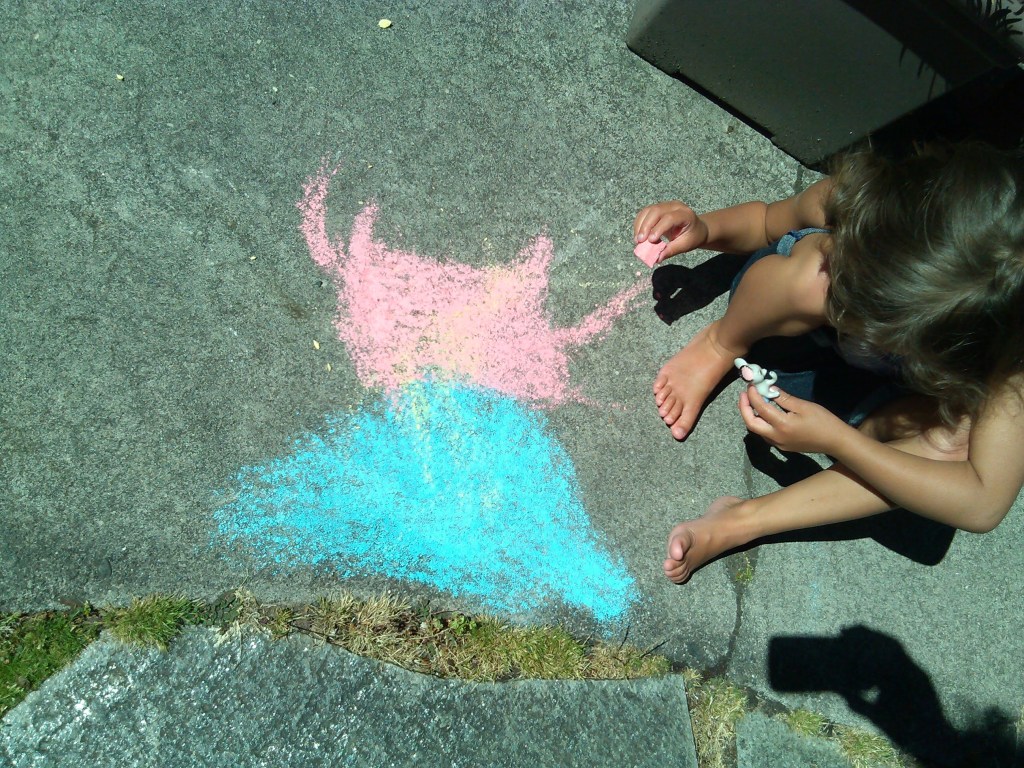
    Here is a slideshow of photos, cartoons, and comics in styles we used to use:
    ~ ~ ~

    “Q & A” was published by Drawn & Quarterly in October 2024. I wrote about it here.

    “Exercises in Style” was first published in French in 1947. New Directions published a translation in 1981 (NDP513), and a new version in 2012 (NDP1240), which includes additional exercises.
  • Notes on Adrian Tomine’s “Q & A”

    “Q & A” is an entertaining and instructive book on cartoons and comics and the life of a professional cartoonist. There are 52 questions over 163 sewn pages of high quality paperback from the graphic comics publisher “Drawn & Quarterly.” I saw the book reviewed on the “Briefly Noted” page in the November 11, 2024 issue of The New Yorker magazine. I ordered a copy, read about half, an easy and enjoyable read, but got distracted by the holidays and other readings and this week thinking more about comics and cartoons picked it back up from my unfinished stack of books and reread it from the beginning.

    Few of the questions come as a surprise. What materials do you use and other technical questions. But how does the “180 degree rule” work? I didn’t know cartoons had rules. How did you get started and how did you get into “The New Yorker?” Like the basic question in the job hunting book “What Color is Your Parachute?,” some of the questions in Adrian Tomine’s (toh-mee-neh) “Q & A” ask, “How did you get to where you are and what’s it like being there?”

    But because he’s writing, he’s reflecting, and has development time to give the questions patient and thoughtful response and clarity. And there are ample examples in photos and drawings of his work in progress, his work space, his tools, and finished cartoons and drawings. The technical answers I think are relevant in any league, but I particularly liked his saying, “I would also like to make a brief pitch on behalf of cheap tools” (21), and, “I made a decision to set aside most of my fancy art supplies and start from scratch, gravitating towards the cheapest, most readily-available materials” (22).

    But there’s plenty in his answers about technical process and development that is out of my league, and I made a decision to stick to ballpoint pen and pencil and notebook paper and napkins or drawing on my phone with my fingers. I’ve not the time but more not the want to try now to master high-tech modes. But for anyone starting out, drawing cartoons or comics, or on their way, or with an interest in The New Yorker covers and cartoons – including the editorial process – “Q & A” is a must, and fun, read.

    He covers his influences and the development of his graphic books and his work habits and environment. He’s witty and sounds honest and he’s certainly helpful, and I particularly appreciated what he said to the student asking if they could adapt his work into a film for a student project: “I’d strongly recommend generating your own material for a student project. It’s not like any of my stories are particularly ‘high concept,’ and you could probably come up with similar – if not better – ideas on your own” (118).

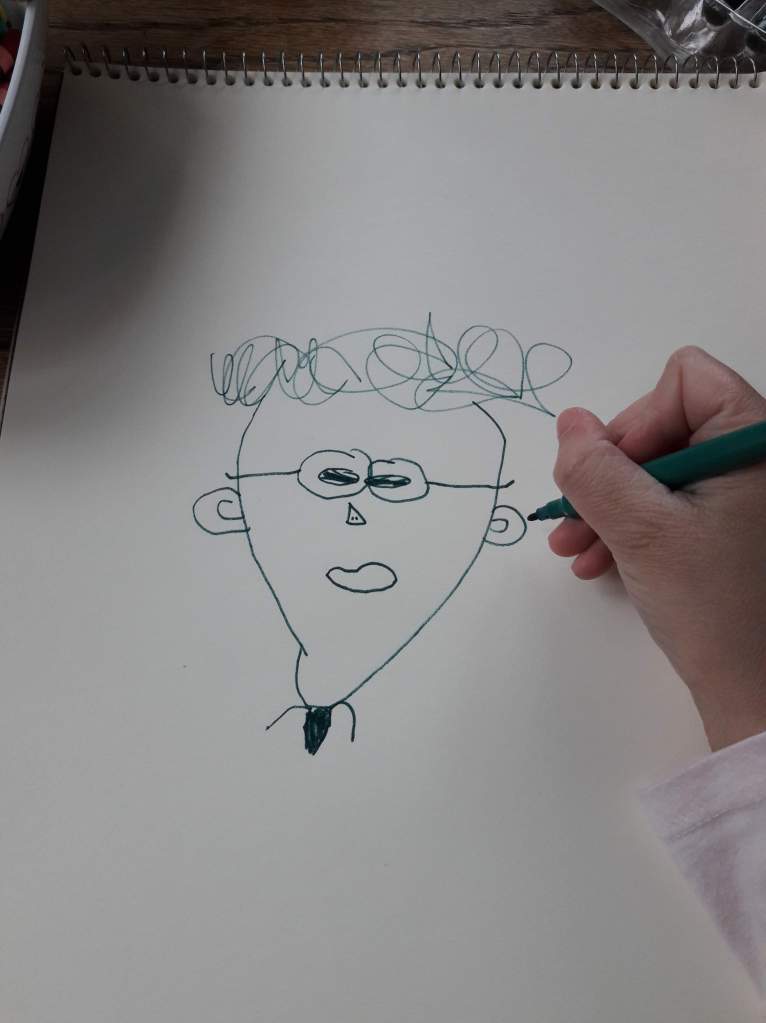
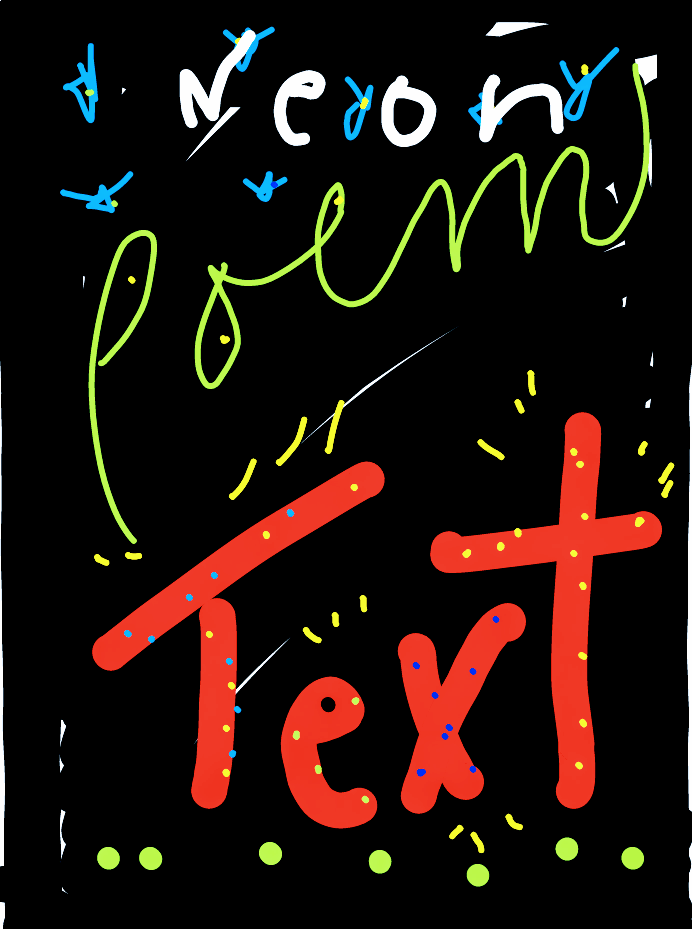
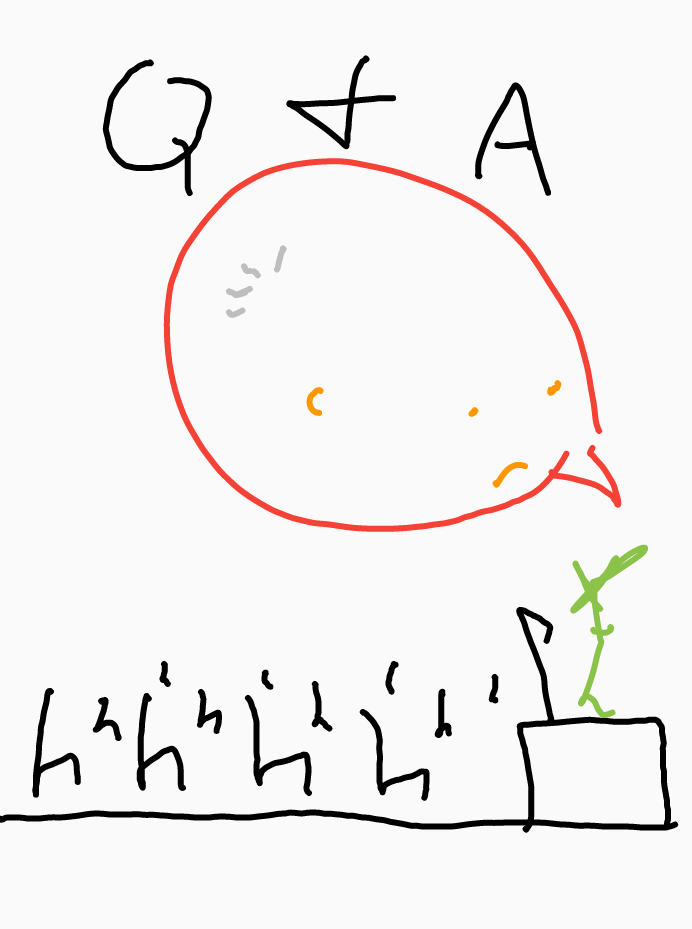
    I’m waiting for my Brit friend to send me an Artificial Intelligence cartoon drawn in the style of Joe Linker. Meantime, here’s one of my cartoons for your quick and easy consideration, drawn with my fingers on my phone: