Tag: Ocean

  • Night and Day

    Sunday mornings, I fill our little blue watering can at the kitchen sink and walk around like a waiter at a cocktail party, offering drinks to the houseplants. In our first place together, we sprouted plants from avocado seeds. One spread from a ceramic pot on the ledge above the sink, the window never closed, where the cat Freely came and went. Oak Street.

    One day, each of us carrying a bag of groceries, walking home down Main Street, we paused at the Realtor’s window at the end of the commercial strip to look at the photos of houses for sale in town. We lived in one of four small white stucco houses, one in each corner of a courtyard, a wooden barn-like garage out back with four open stalls. Our rent was $95 a month, the beach a mile away.

    Standing at the window of the Realtor’s, I was surprised to see a photo of our place. The four house lot was for sale. We didn’t have a telephone, so I went over to my folks-iz home and called our landlord, who confirmed our house was for sale, sold, actually, and he just had not had the heart to tell us, but the eviction notice would soon be in the mail.

    That summer, the four small houses were torn down and a large apartment complex with no yard space erected, but this little story is not about inflation. It’s about night and day, dancing the night away, surfing in the morning.

  • 60s & 70s Surfing Slide Show

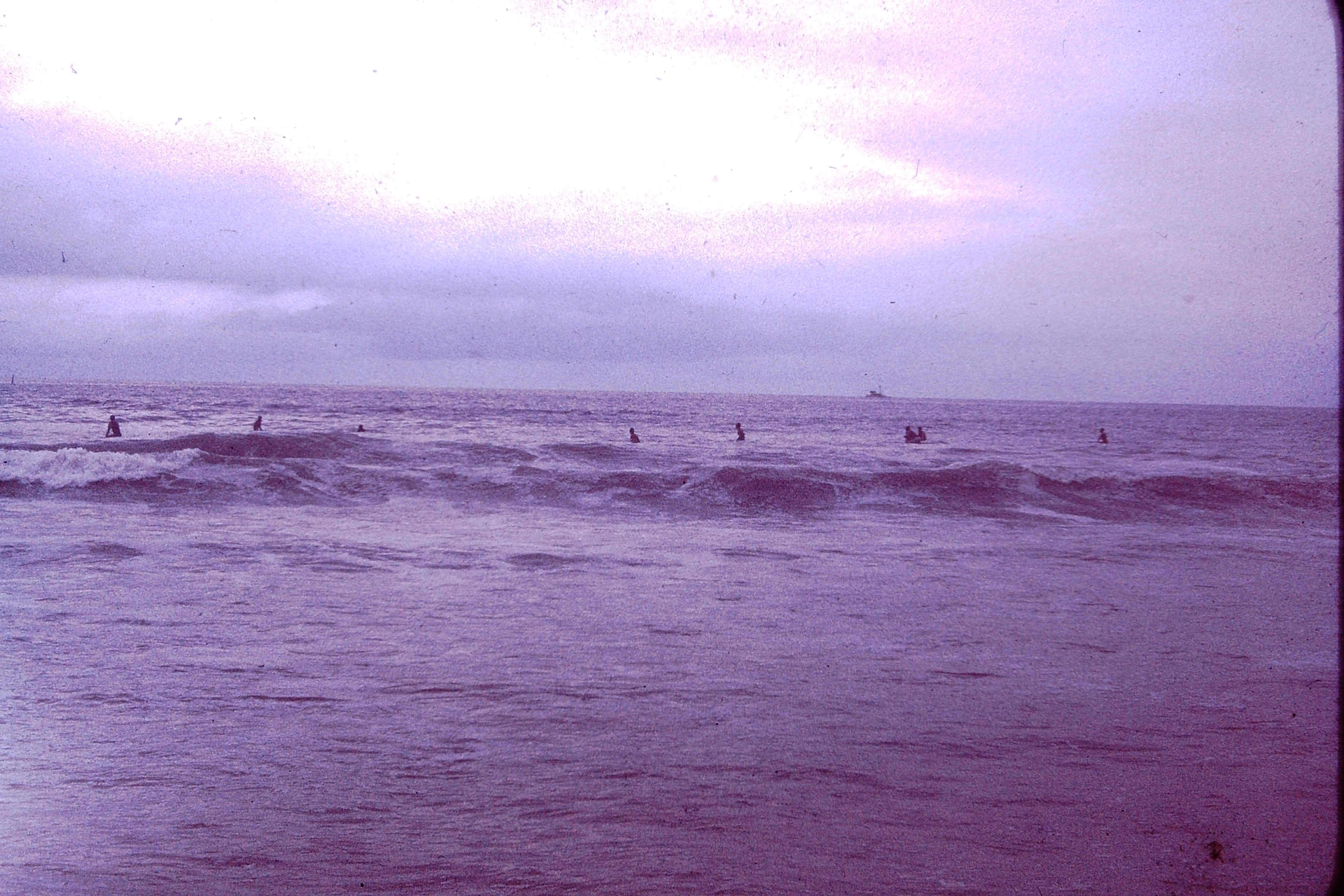
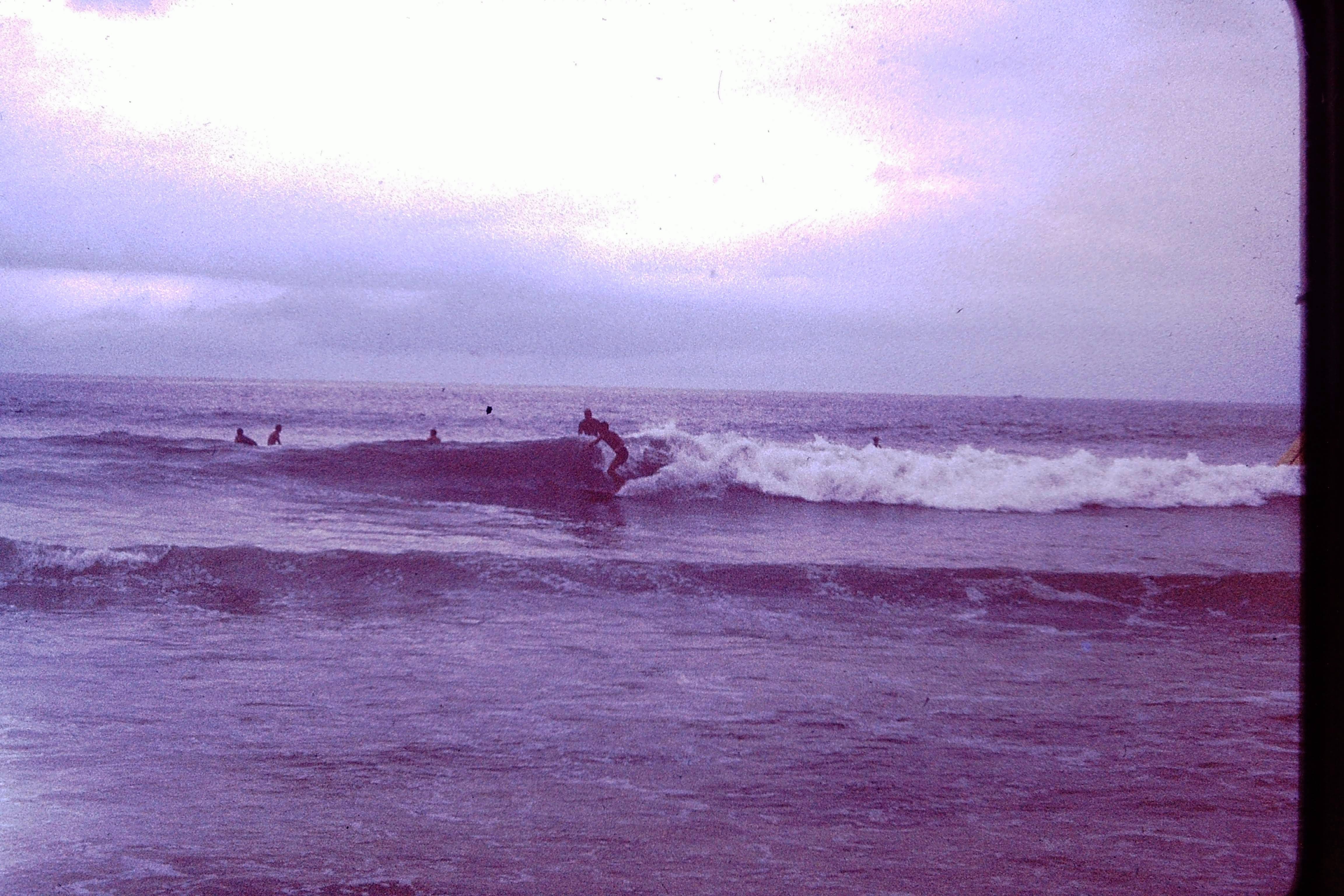
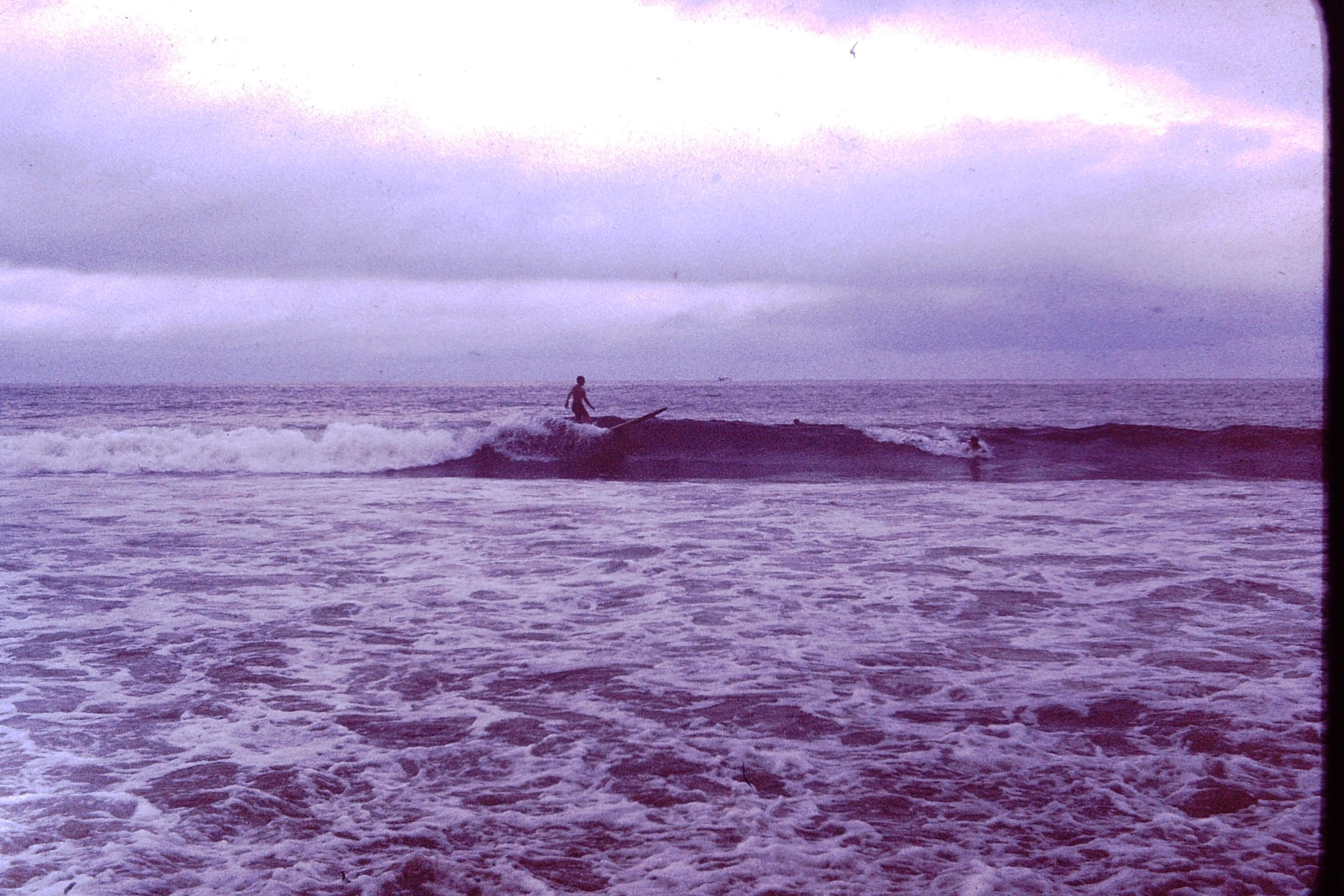
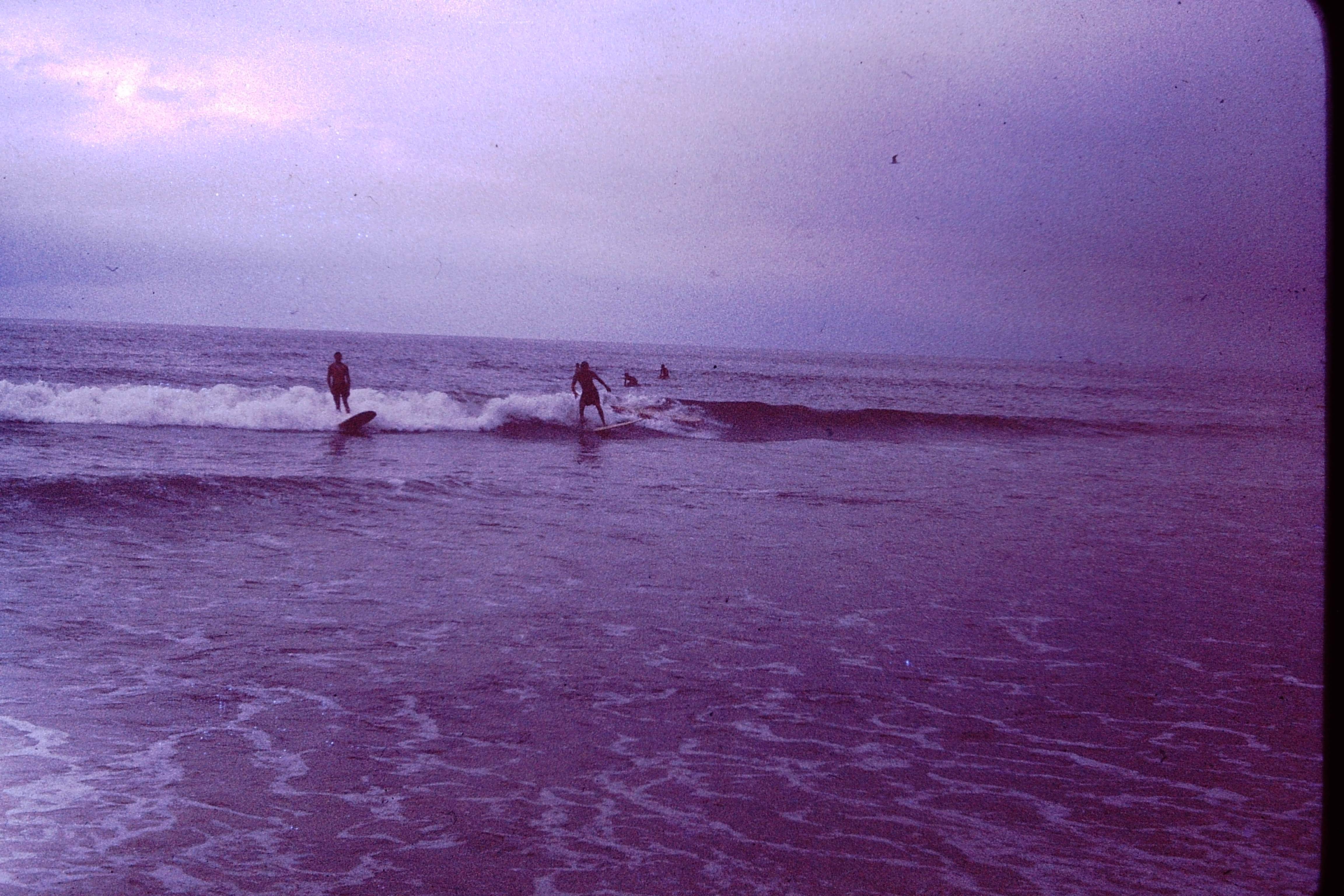
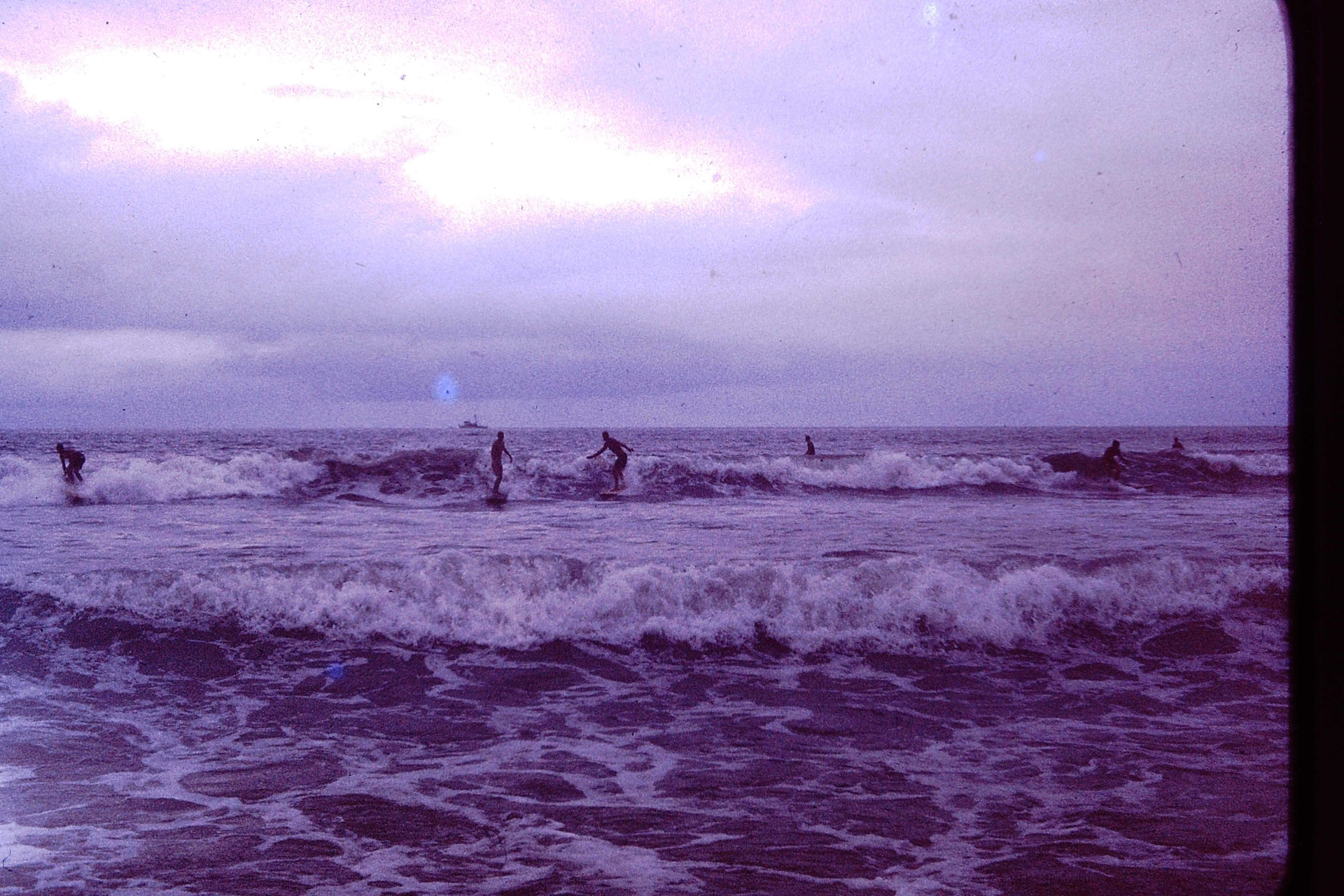
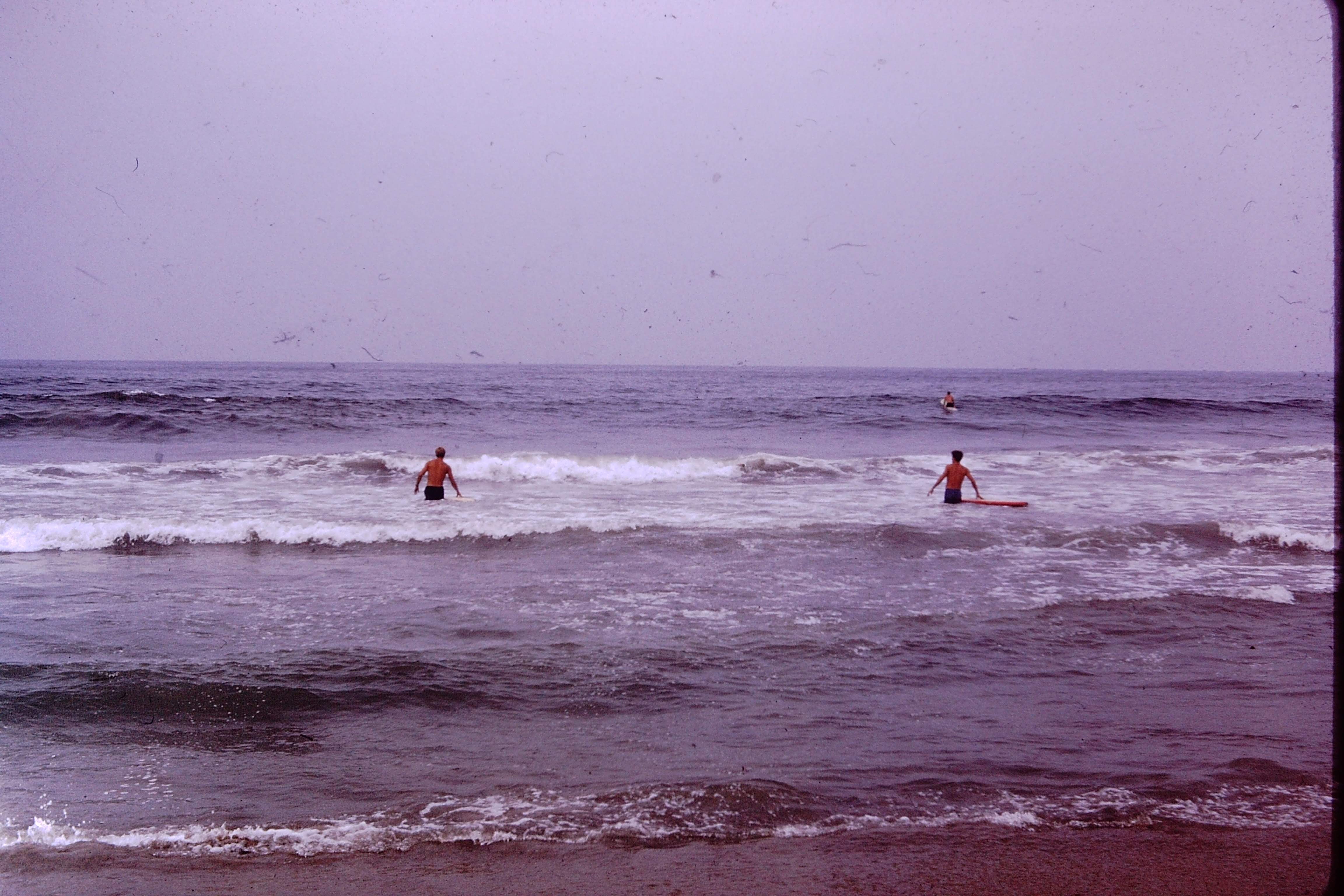
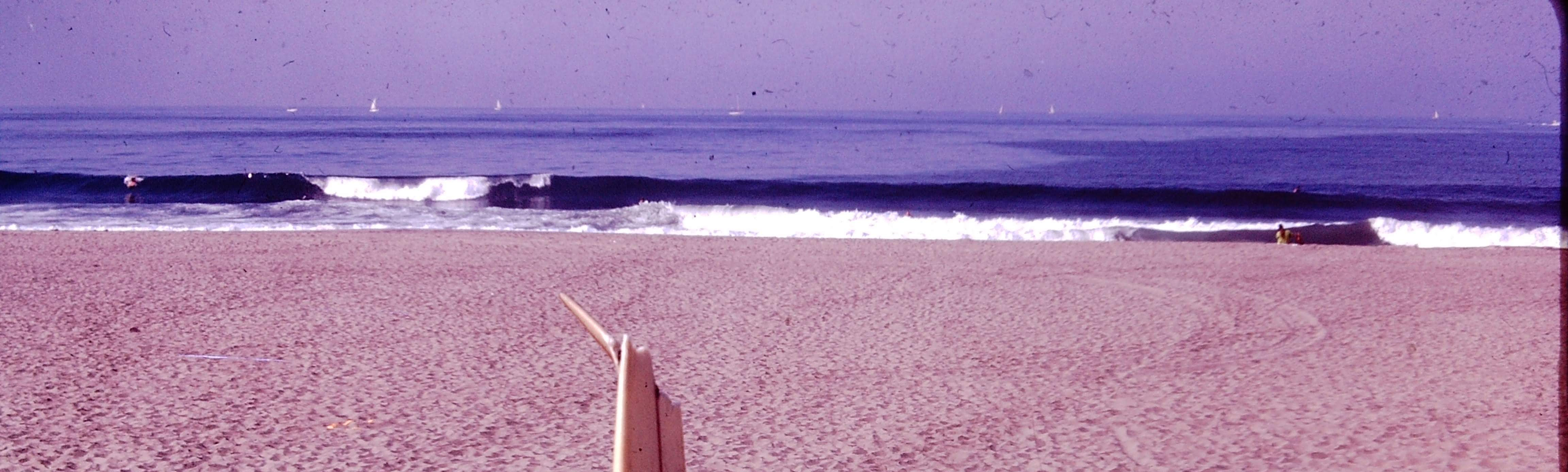
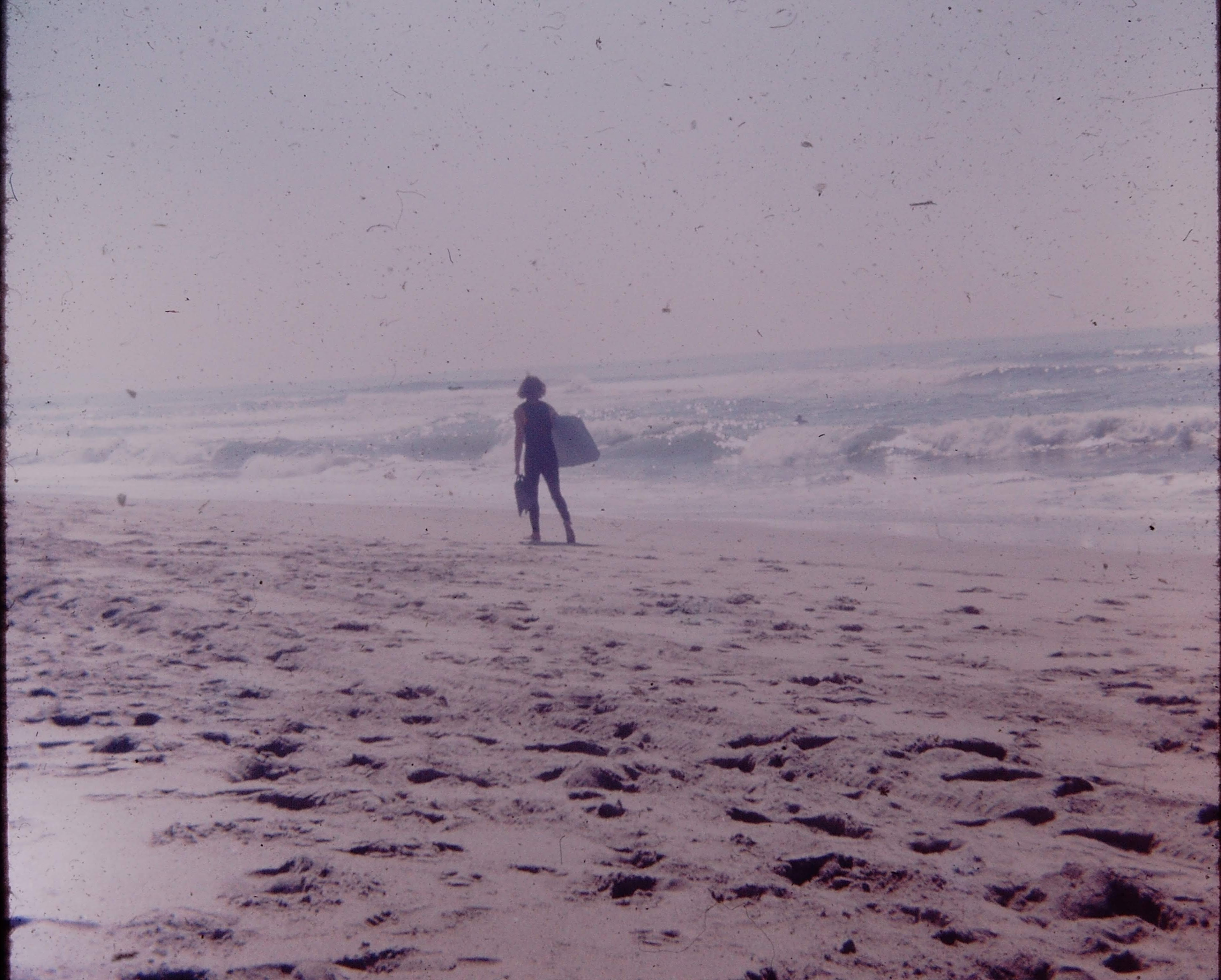
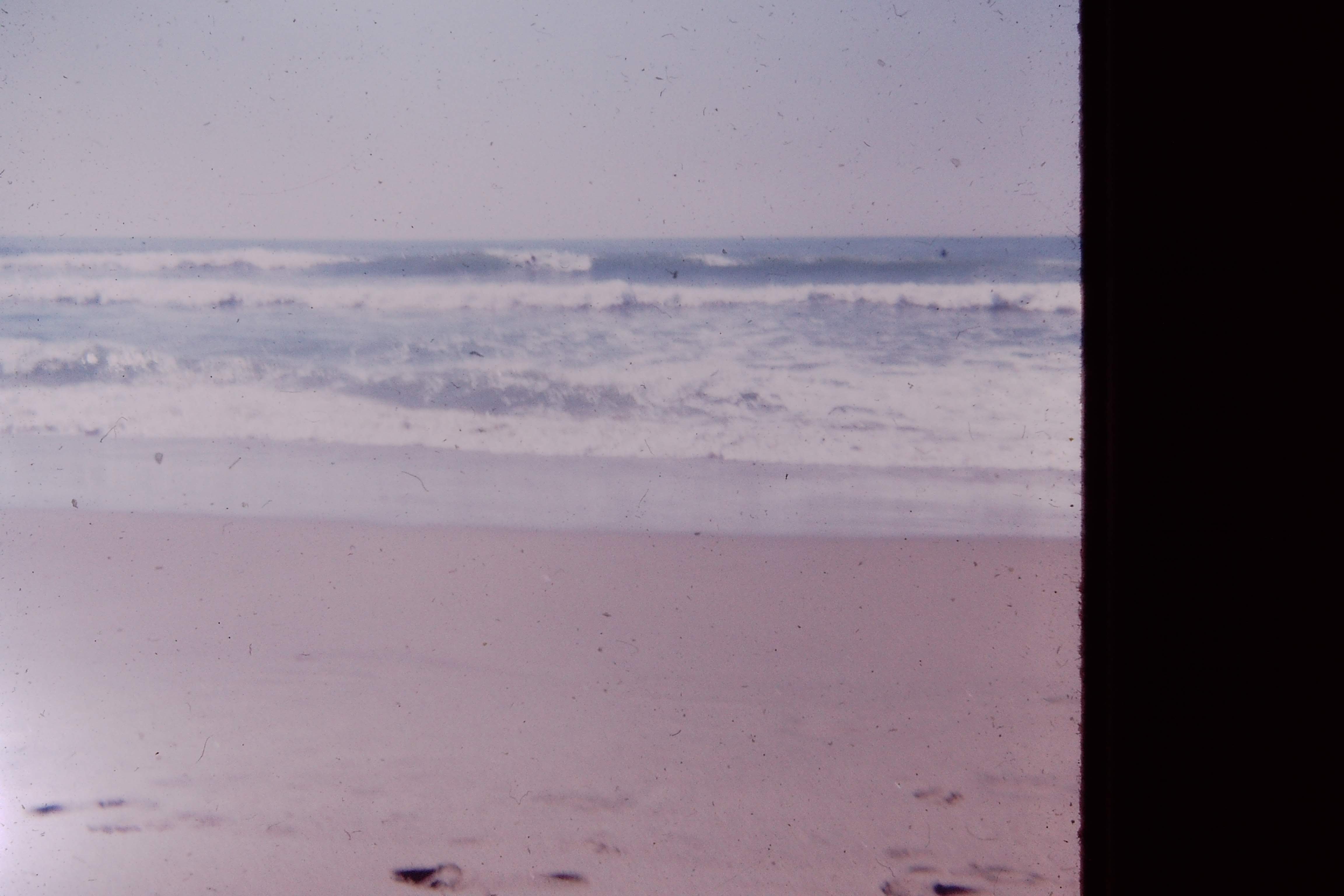
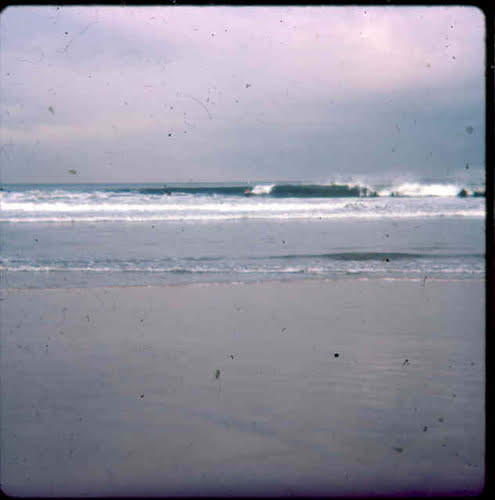
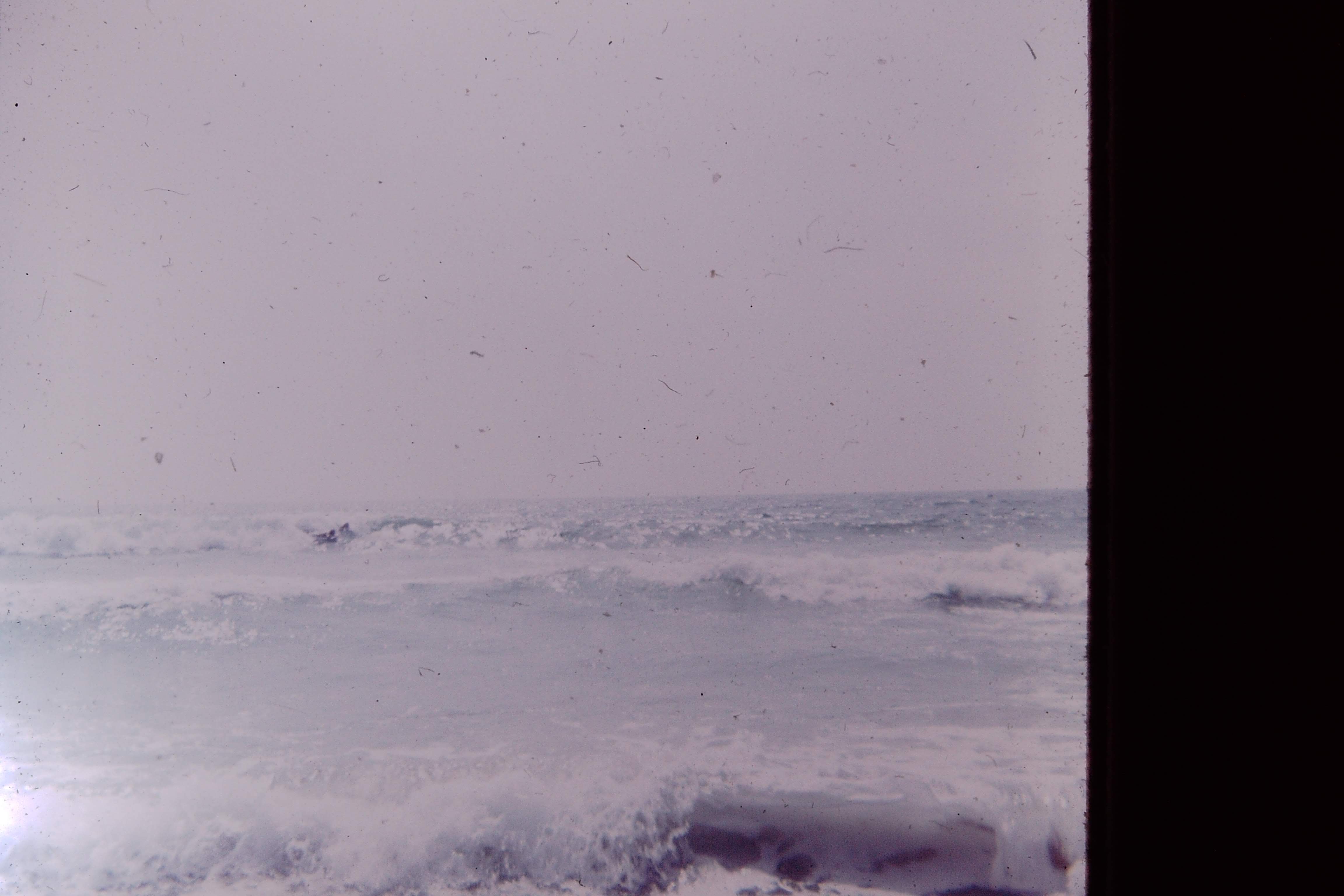
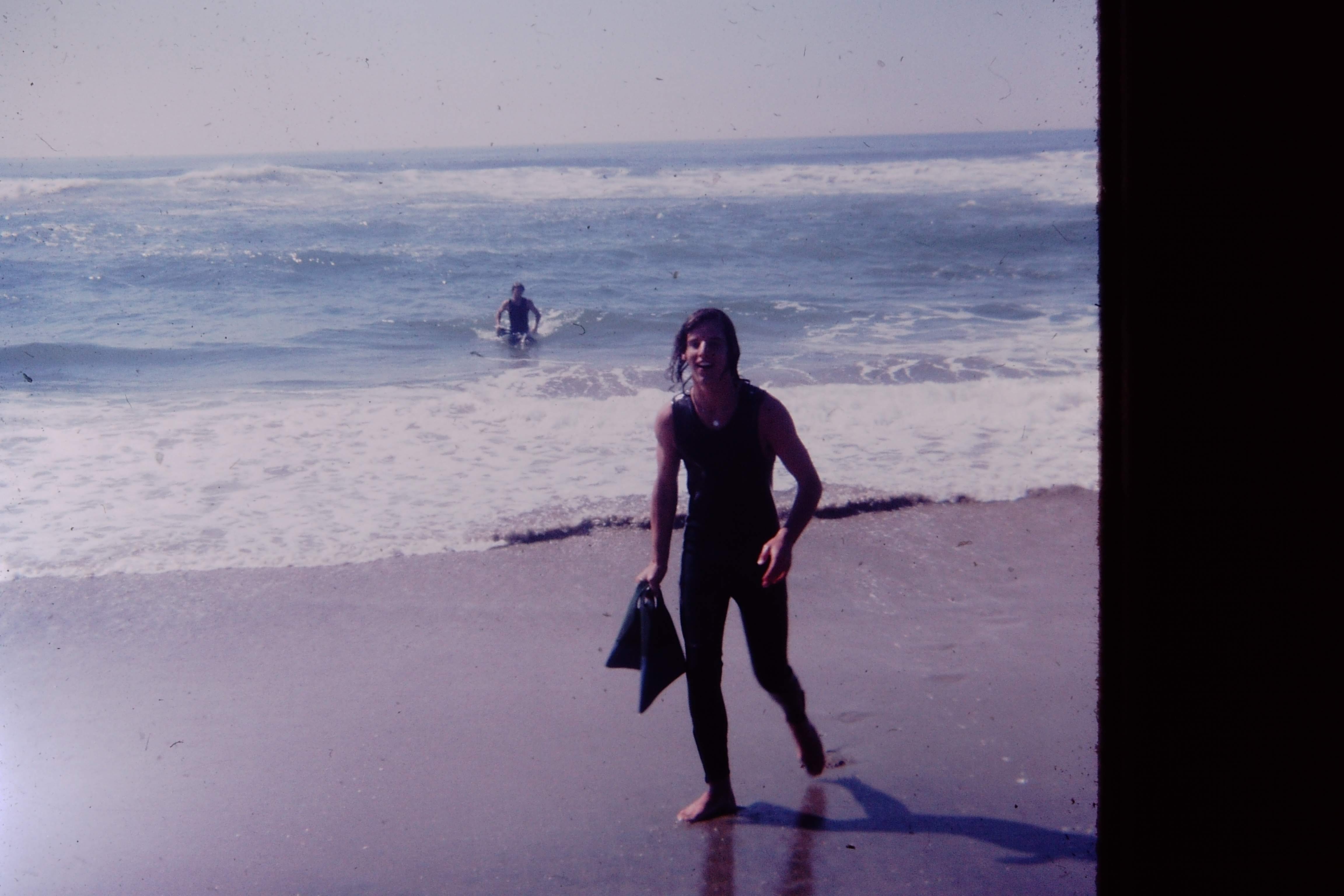
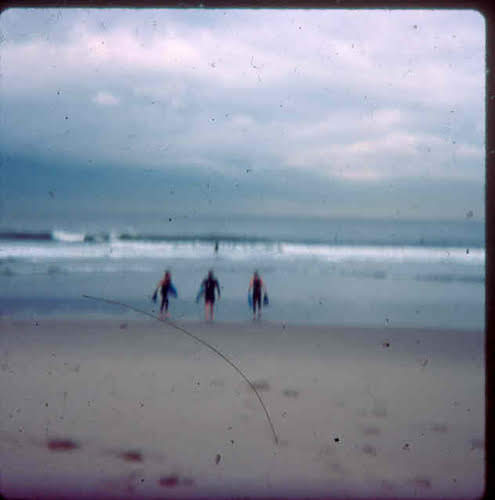
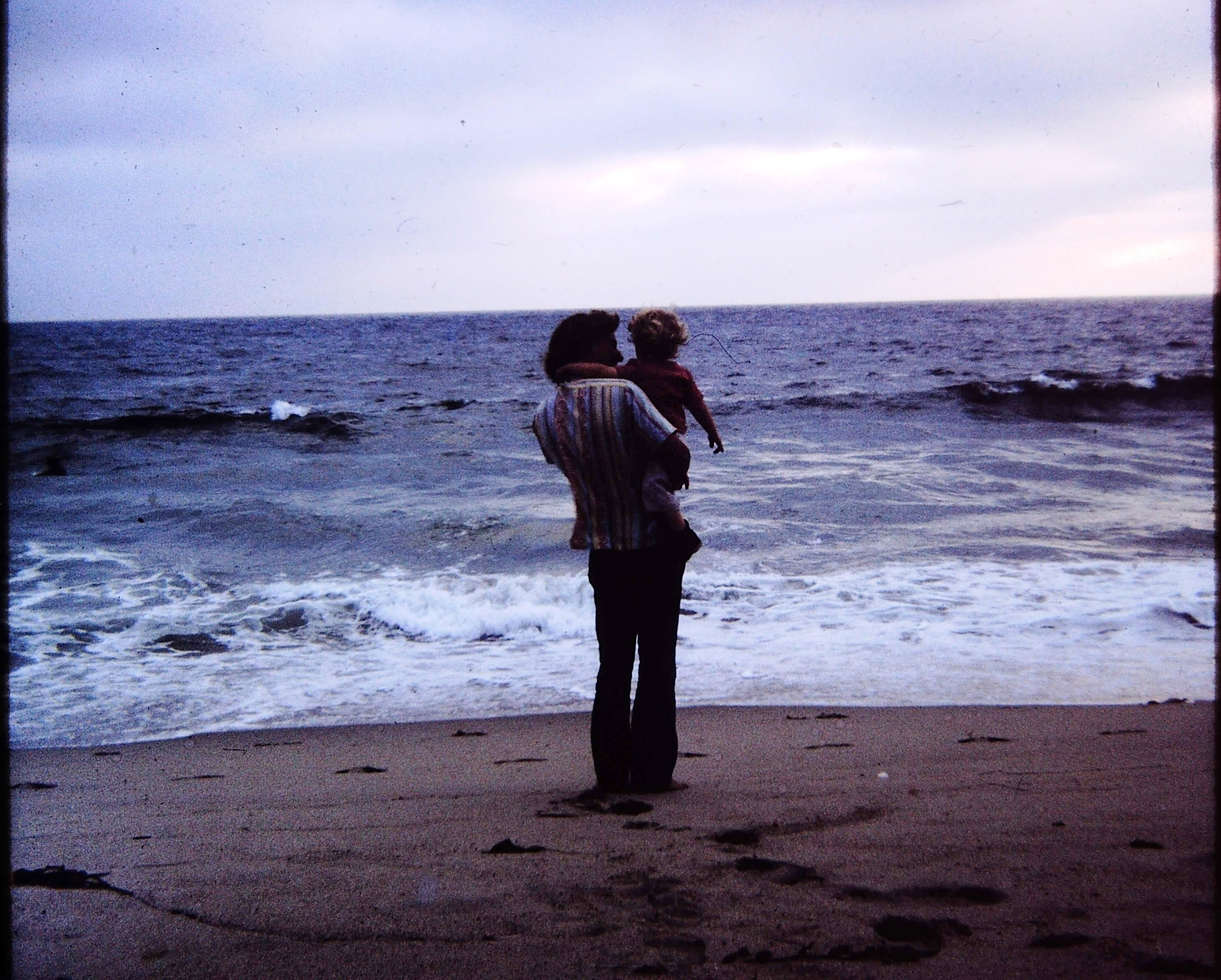
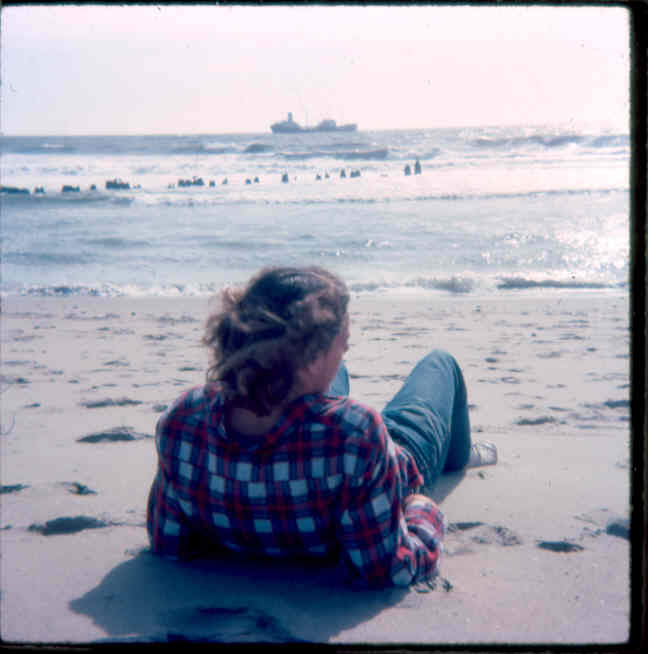
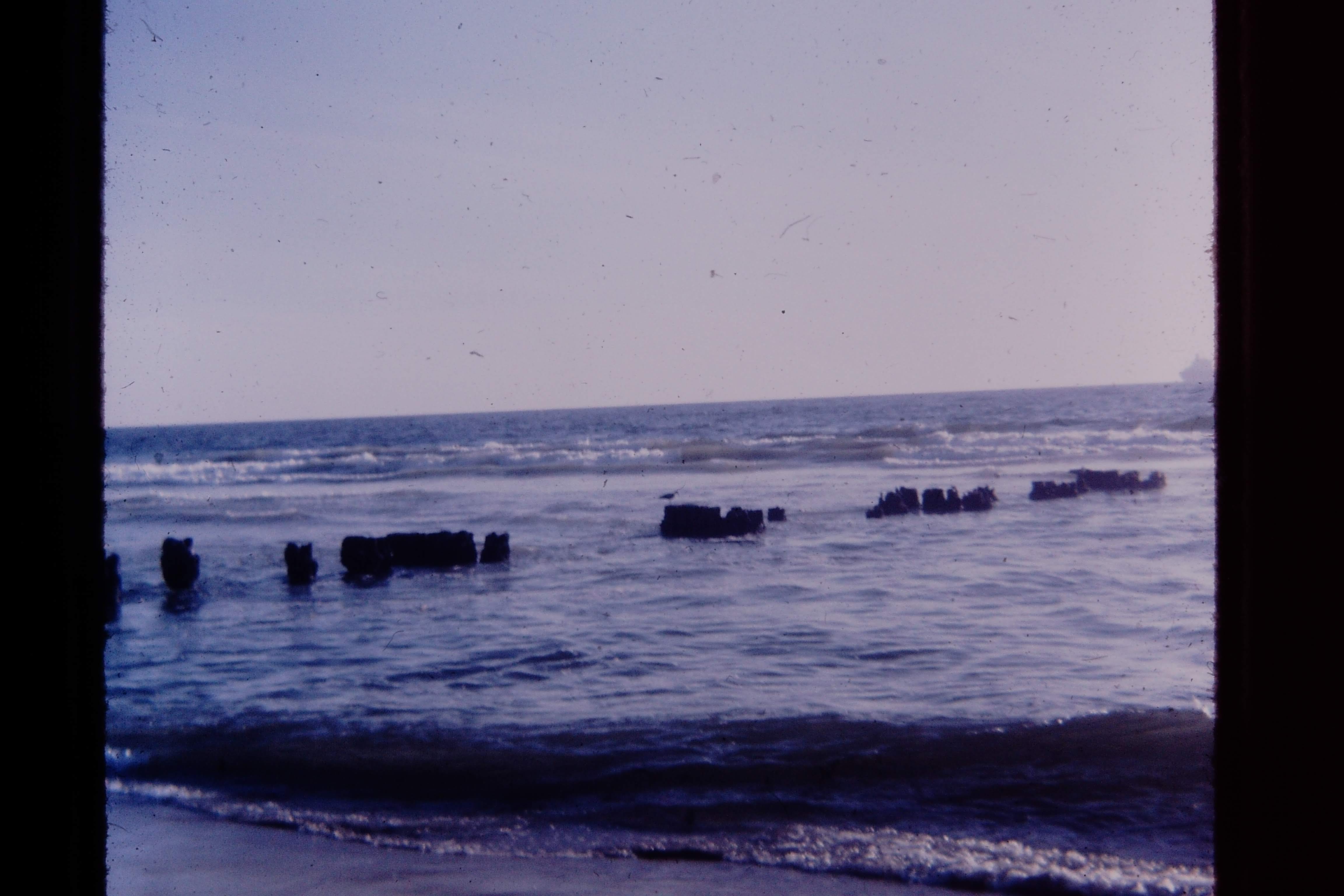
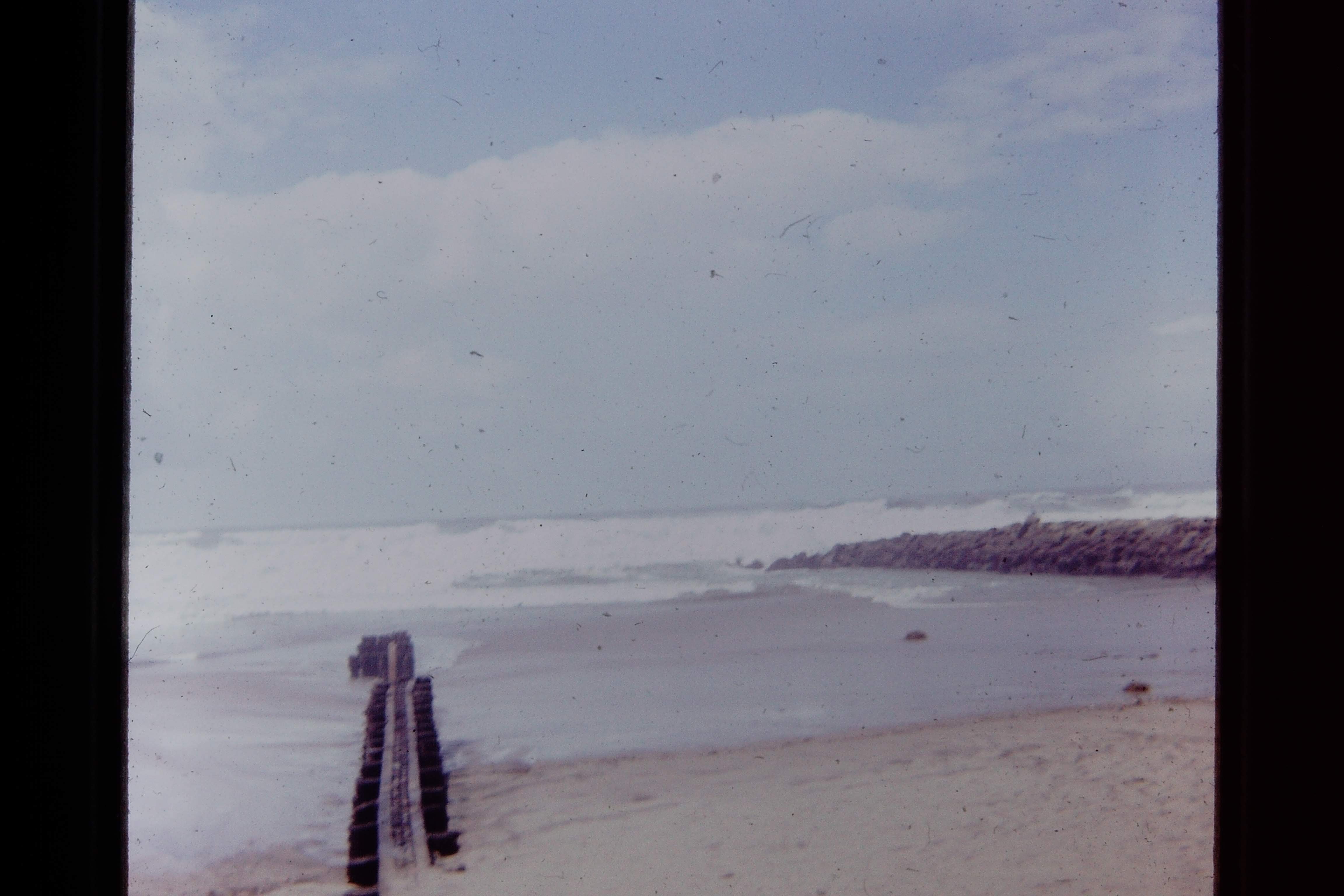
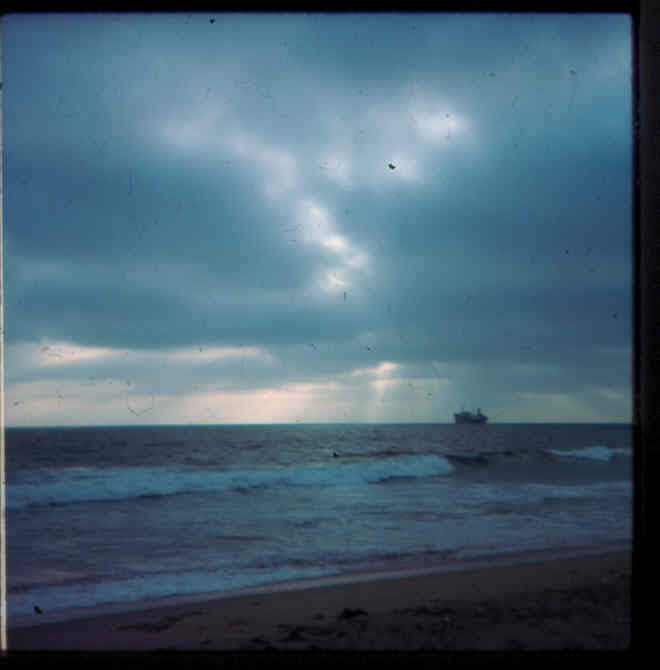
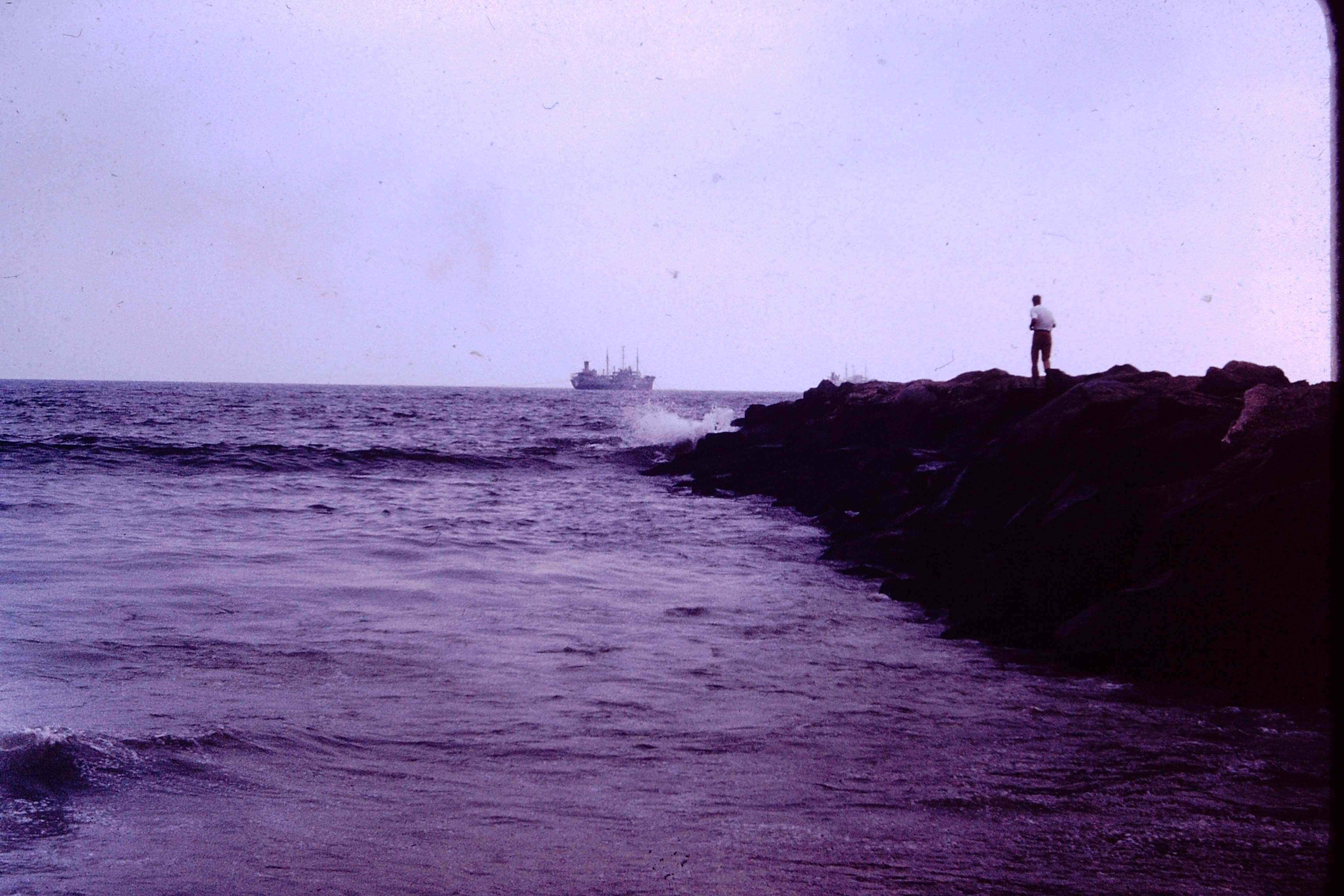
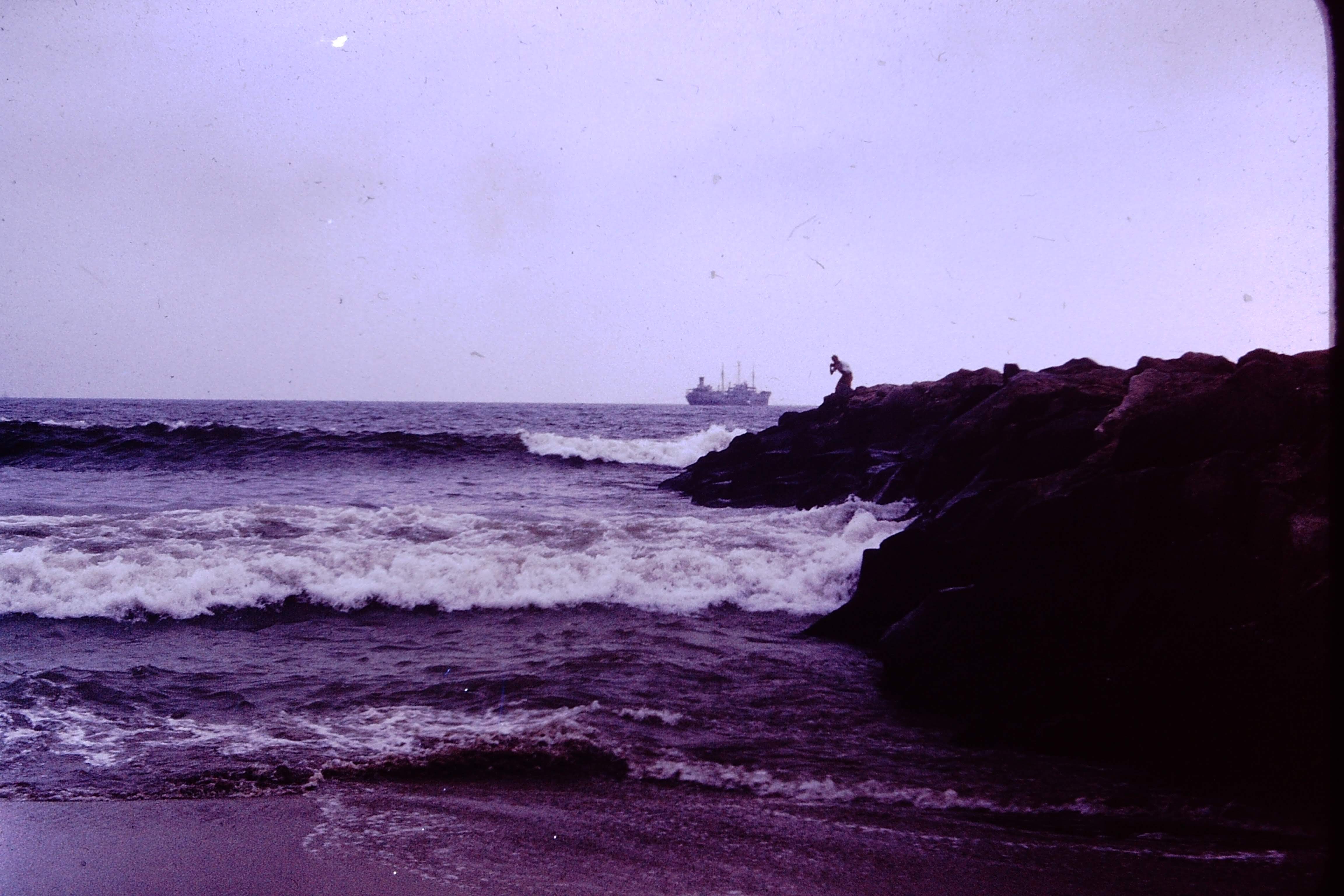
    We never tired of going down to the beach, in the mornings to surf, in the afternoons to boogie, in the evenings to walk, to catch the sunset. I bought a used Exakta 500 for surfing photos. The 50mm lens was too small, so I bought a used 120mm portrait lens. After the sun went down we sat out in the backyard and watched a slide show on the side of the garage wall.

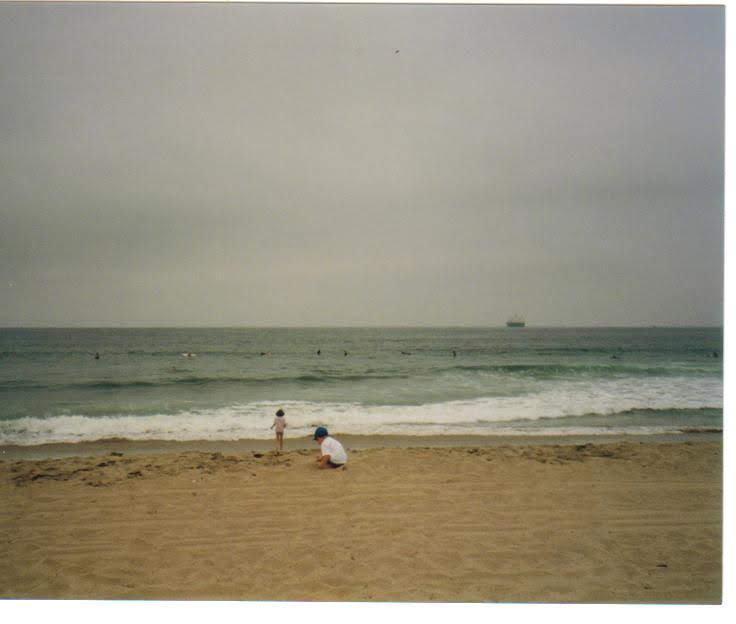
    Surf films, streaming videos, and photos often depict surf spots as gardens of paradise, perfect waves, friendly sun, and green down to tan-white sand and then the waterline, clean blues and greens. Nothing industrial going on. Very good days are rare though, and we went down to the water anyway, regardless of conditions. And once in the water, it didn’t matter. Every wave was a Top 40 hit song, every photo a classic. The beach break at El Porto was our home spot, over the dunes from the El Segundo Standard Oil Refinery. The photos we took in the 60s and 70s might today look as bad as the waves we rode. AI Assistant wants to touch them up for me, but I prefer seeing the originals, even if those are now becoming as faded as the memory, dye fading and color shifting.

  • A Tree Thinks Knot

    A tree thinks knot
    like we think kneel.
    Falling leaf sneeze
    and the old oak hip

    turns in the midnight
    breeze below zero
    lights out beneath
    full down comforter.

    We hurly-burly reach
    out akimbo with hug
    be underground root
    dew moist sensation.

    The tree sheds sorrow
    and we take a shit
    no shave no shower
    ready for near wind

    ’twill blow us off face
    of our ease no stress
    as we paddle out
    absurdly, wildly.

    Out about and look back
    the trees up on the beach
    waving hysterically our
    free roots touching salt.

  • The Uncomfortable Rose of Refugio

    We were kids from the city hunting snipes.
    We didn’t know a rose from a hedgehog.
    It was night and dark green swells
    broke into laughing curling soup.
    The tide was in but we had climbed
    over the rocks and around
    the Point and couldn’t get back.
    We came to a cave in the cliffs
    where we waited for the rose
    to bloom like the moon out
    over the cove, light spreading
    across the ocean near and far.

    Our rose was not sick, like Blake’s.
    It wasn’t full of worms or covered
    with aphids. Through the hot
    summers and cold winters
    its mild scent filled the cave.

    At night we first felt then heard
    the train coming and by the time
    it crossed the trestle the whole
    campground was awake waiting
    for the shaking ground wave
    to pass through.

    Tent flies opened and a few folks
    went out walking in the night.
    The night did not howl.
    The rose’s name was not
    Germaine. Her bed was blue
    not red, unkempt and unread,
    saltish, seaweedy. We peeled
    back the pearl petals and spent
    the night on the sandy bed
    in the cave as the tide ebbed
    and even the waves fell asleep
    in the uncomfortable silence.

  • Say It Isn’t So

    Say it isn’t so
    whisper in my ear
    it’s so soon for you to go
    stay young with me dear
    don’t make me grow old

    Say it isn’t so
    blue eyes once so clear
    freckles on your cheeks
    falling disappear
    your skin where soft as milk

    I used to slip the clutch
    voluptuous your lips
    your grip so loose
    say it isn’t so
    that now you’ve let go

    There is no instant
    metamorphosis
    when bliss gives way
    to the fish flouncing
    in the bucket on the pier

    Say it isn’t so
    we’re all out of bait
    you can’t remember
    our last happy date
    the old commiserate

    but must go down alone
    say it isn’t so
    the best time of the day
    when your eyes close
    peace comes a wave

    bubbles at the shore
    at the tideline we talk
    unsure is it going out
    or coming in
    say it isn’t so

  • To the Lighthouse

    It was not a real
    lighthouse tho near
    the ocean in Hermosa
    and hornful of warns

    Sunday afternoons free
    we listened to hot jazz
    players coming together
    & going this way & that

    And nights were cats
    in the lot out back
    came for scraps
    a tuba sized cook

    tossed evenings we
    could afford only
    one drink and out
    for a walk on the pier

    in a fog or clear breeze
    round midnight round
    about midnight waves
    breaking into ivory

    silk blouses blowing
    below to the empty
    beach behind us
    and Pier Avenue

    and to The Lighthouse
    its beacon leading
    light sinking in the must
    of music business.


  • The Hottest Day

    Looking about for something cool to read,
    for today is scheduled to be the hottest day,
    and I recalled Hermann Hesse’s “Siddhartha,”
    its beginning lines:

    “In the shade of the house, in the sunshine of the riverbank near the boats, in the shade of the Sal-wood forest, in the shade of the fig tree is where Siddhartha grew up, the handsome son of the Brahman, the young falcon, together with his friend Govinda, son of a Brahman. The sun tanned his light shoulders by the banks of the river when bathing, performing the sacred ablutions, the sacred offerings. In the mango grove, shade poured into his black eyes, when playing as a boy, when his mother sang, when the sacred offerings were made, when his father, the scholar, taught him, when the wise men talked.”

    Siddhartha, Hermann Hesse, 1922

    Sounds cool, but Siddhartha,
    as we now know,
    had a long row to hoe
    before attaining coolness.

    Siddhartha might have been a member
    of what Gertrude Stein named
    “a lost generation”:

    “One generation passeth away, and another generation cometh; but the earth abideth forever… The sun also ariseth, and the sun goeth down, and hasteth to the place where he arose… The wind goeth toward the south, and turneth about unto the north; it whirleth about continually, and the wind returneth again according to his circuits…. All the rivers run into the sea; yet the sea is not full; unto the place from whence the rivers come, thither they return again.”

    Ecclesiastes, King James Version

    The wise men in my youth
    would have near
    a cool drinking beer
    to go with the flow.

    Honeydew beach
    and rollicking surf
    in the morning
    chores in the afternoon
    sit out with the family
    in the evening
    when the sun goes down
    in the shade of the olive
    tree, the Chinese Elm
    and the three carob trees.

    Meanwhile, waiting for rain,
    Walt Whitman:

    And who art thou? said I to the soft-falling shower,
    Which, strange to tell, gave me an answer, as here translated:
    I am the Poem of Earth, said the voice of the rain,
    Eternal I rise impalpable out of the land and the bottomless sea,
    Upward to heaven, whence, vaguely form’d, altogether changed,
    and yet the same,
    I descend to lave the drouths, atomies, dust-layers of the globe,
    And all that in them without me were seeds only, latent, unborn;
    And forever, by day and night, I give back life to my own
    origin, and make pure and beautify it;
    (For song, issuing from its birth-place, after fulfilment, wandering,
    Reck’d or unreck’d. duly with love returns.)

    The Voice of the Rain, “Sands at Seventy,” Walt Whitman

    Of course, “the voice of the rain” in places today
    is not so quiet and “soft-falling,”
    but seems on the attack;
    something absurd
    has been disturbed.

    Likewise, the blue sky
    and this week’s yellow period
    we for months awaited
    comes down today
    like a cast iron lid
    where we sit
    like a cake
    rising
    in an oven.

  • A Soul Astray

    A drunken wind tonight
    wild with whiskey delight
    bloviator off the sea.

    I was sitting on a whitecap
    when the Angel Whale surfaced
    lifting me in a spew of salt.

    Gin and it shall blow for three
    days the weatherman foretold
    and the audience grew cold.

    To each their own way
    wandering opinions
    like birds molting feathers.

    Until naked a soul astray
    thy neck a tower of ivory
    thy ears porcelain shells

    eyes periwinkles hair oily
    seawrack washed ashore
    an animal bush or tree.

  • Days of Wine and Roses

    The days
    of wine and roses
    palm trees green
    leaves dangling in bronze breeze sea
    fallen fronds found for tiki faces
    carved with pocket knives
    in soft dry wood
    of branch stalk deep eyes
    and sharp shell teeth
    long slender days
    fat pug noses
    and sunburnt legs
    beaches galore
    nevermore
    a sober sunset for two
    the days
    of wine and roses
    are here.

  • Weather Report from Portland

    I’ve been living baroquely lately, coming into the new year, the confused seasons out of control – fall to winter for now though here seemingly obvious. It’s cold and wet and dark out, the darkest days of the year, the longest nights, the hardest streets. The homeless are between a rock and a hard place. They are the meek inheriting the earth, for what that’s worth. A week ago, when it started to snow, we were exactly six months from the freak heat wave of late June when one day we reached an absurd 116 degrees. Where I came of age, the southwest side of Los Angeles County, near the beach at the north end of South Santa Monica Bay, South Bay, for short, the mostly small, originally factory lodging, houses, and our little corner house, were plotted between the oil refinery and sand dunes and ocean and the Hyperion Water Reclamation Plant and the sprawling airport and the growing aerospace industrial parks, while there were on the east side of our small town still strawberry fields, a few horses in stalls, and a railroad track from the east running behind our backyards through a curving dusty chasm, what the kids called Devil’s Path (or Devil’s Pass), a short cut along the tracks into town, that ended at a small depot near Main Street and Grand Avenue. But in spite of all the brouhaha surrounding us, the ocean nearby was the weather.

    There were only two seasons in my childhood: summer, which was the school vacation season, and the school year, the months on either side of vacation. The weather had little to do with our sense of seasonality. The sky was close to blue, the water almost blue and hues of such, the yards and parks and baseball diamonds multi shades of green, the streets mostly clean. Of course there hung about our heads the gunbarrel-blue cake of atrocious smog, though not so much nearer the water, unless the Santa Ana winds were blowing, maybe for a week or so once or twice a year was all in those days. And June might have been the foggy season, but the breezes off the ocean usually pushed and cleaned as they blew east across the big basin, through the canyons up into the hills and up the long boulevards that ran east and west, and blew too through our house because there was always a window open (or broken) somewhere or a door might open or close any time of the day or night as we came and went to and fro through the blues and greens and sandy yellow days and well lit nights of Los Angeles and environs.

    Why did humans leave Africa? If that’s what happened, and it’s becoming increasingly clear that our history, what little we can be sure of, might be a bit more compound-complex. In any case, I can’t answer that; I don’t even know why I left Los Angeles.

    We live, it’s been suggested, but I don’t remember where I first saw or heard this, at the bottom of a sea of atmosphere (I googled the phrase just now and came up with about 30,000 results, so instead of quote marks, I’ve italicized it). But nothing like water, the rain, to wash out one’s punctuation marks.

    Punctuated equilibrium suggests a paragraph whose flow of ideas is steady and stable, one thought logically following another in a gradual evolutionary movement that can be traced forward and backward and annotated. Sudden changes are more difficult to explain.

    In Steve Martin’s movie “L. A. Story,” the main character is a television weatherman. But there is no weather in his Los Angeles, by which is meant change in weather. That is a paragraph without a main idea.

    Locally, on the television news, consisting mostly of stable formatting, the studio news teams, that is, the players on camera, consist of an anchor, the sportscaster, and the weatherperson – the great American Triumphant (one pictures Benjamin Franklin flying his kite in a lightning storm, the on location camera crew shaking in their boots). The weatherpersons rarely seem to be given enough time to elaborate, as evidenced by their speed of speech. They sound like hawkers at an auction. The numbers and maps, highs and lows, radar of fronts, systems, and directions all whiz by, “put in motion,” and “hour by hour,” as they say, so quickly that as if to include the weather at all in the newscast seems to have been an afterthought. And the channels devoted to weather 24 by 7 are no different, everyone in a hurry to get out of the weather, whatever it is.

    The newshour (or half hour, as our attention spans continue to wane) is not an essay, even though the principal parts may seem like paragraphs in some unified whole. The news relies on something new happening, but not even sudden changes in the fossil record can satisfy our quest to know, let alone understand, what’s going down.

    Are we in the midst of a sudden change in the fossil record? Story at 11.

  • Sentimental Me

    Listen, she sent me
    a note, you will hear
    on my rosy cheek
    a crescendo tear

    drop & in this tear
    will you see
    an ultramarine
    ocean sloping

    & you will sense
    nothing meant
    to be without
    you with me.