Sitting outside in the morning lull from our summer heat wave when I look up to see a coyote jogging by in the street. She looks at me but continues running up the hill. I get up and walk to the street and see her now at the top of the hill in the middle of the next intersection, paused, looking right and left, then crosses, continuing north. It’s not unheard of to see coyotes in our neighborhood, but it’s 9:30 – usually the reports we hear of a coyote sighting are from someone up at dawn, out jogging or heading off to work.
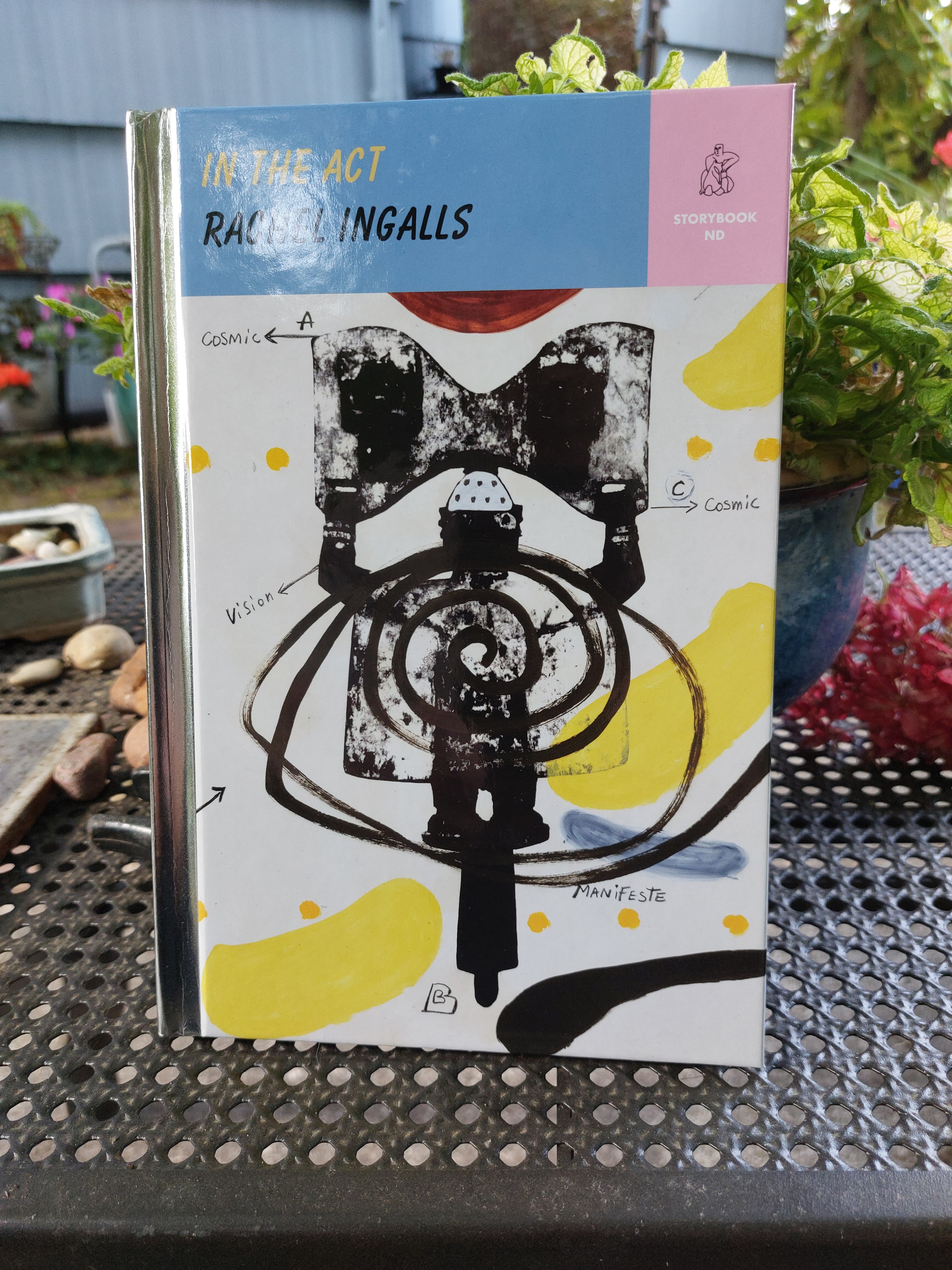
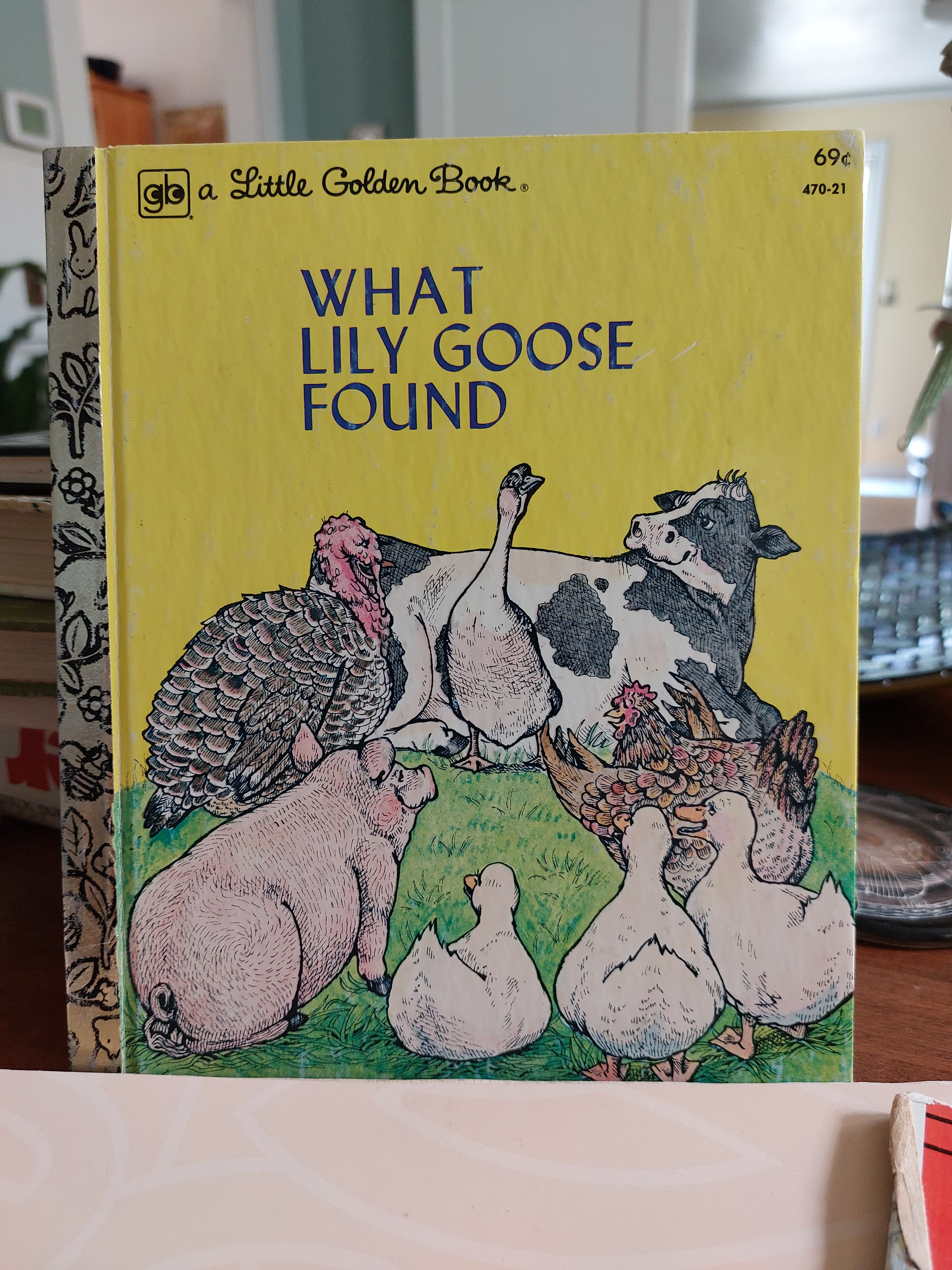
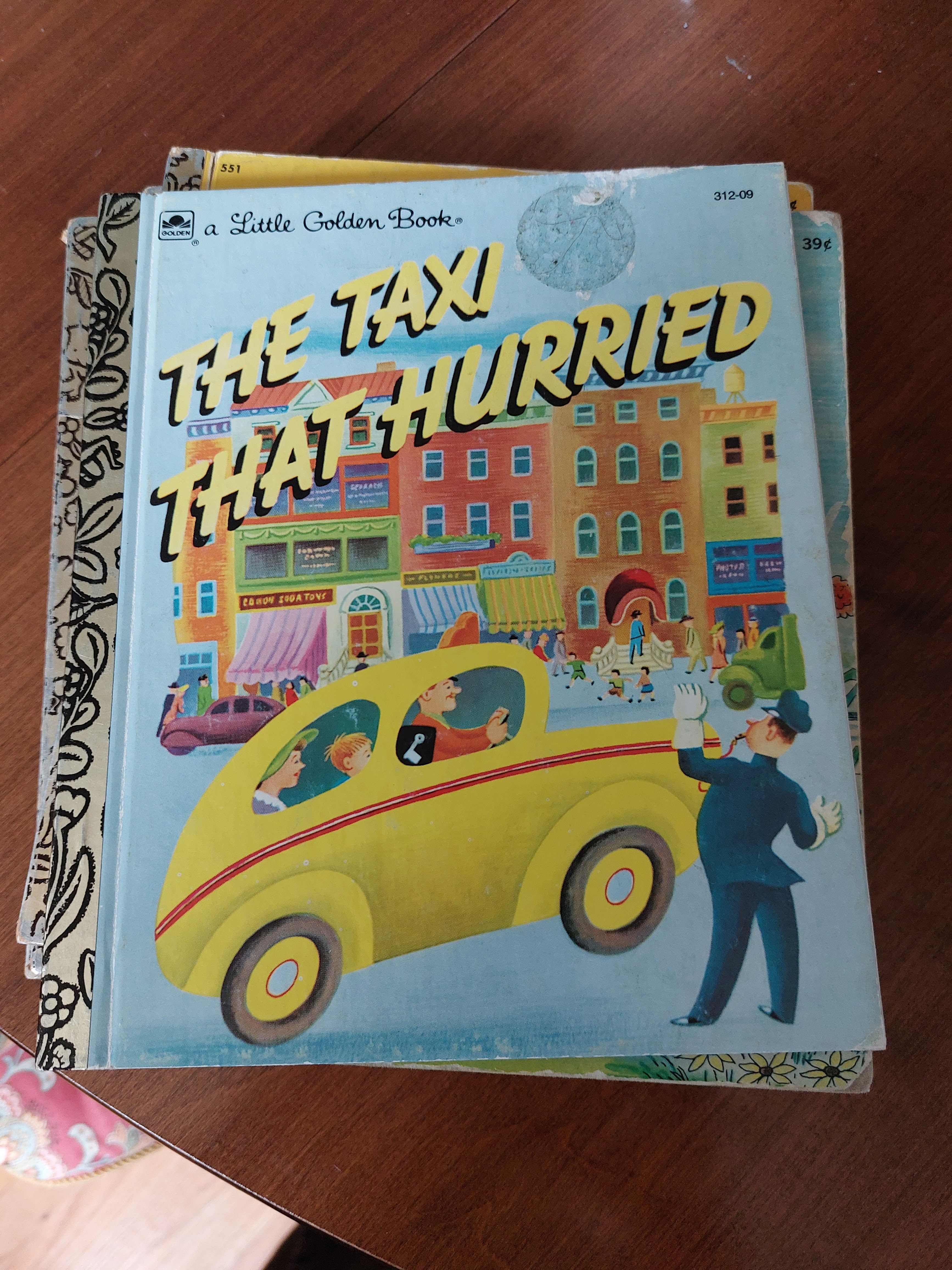
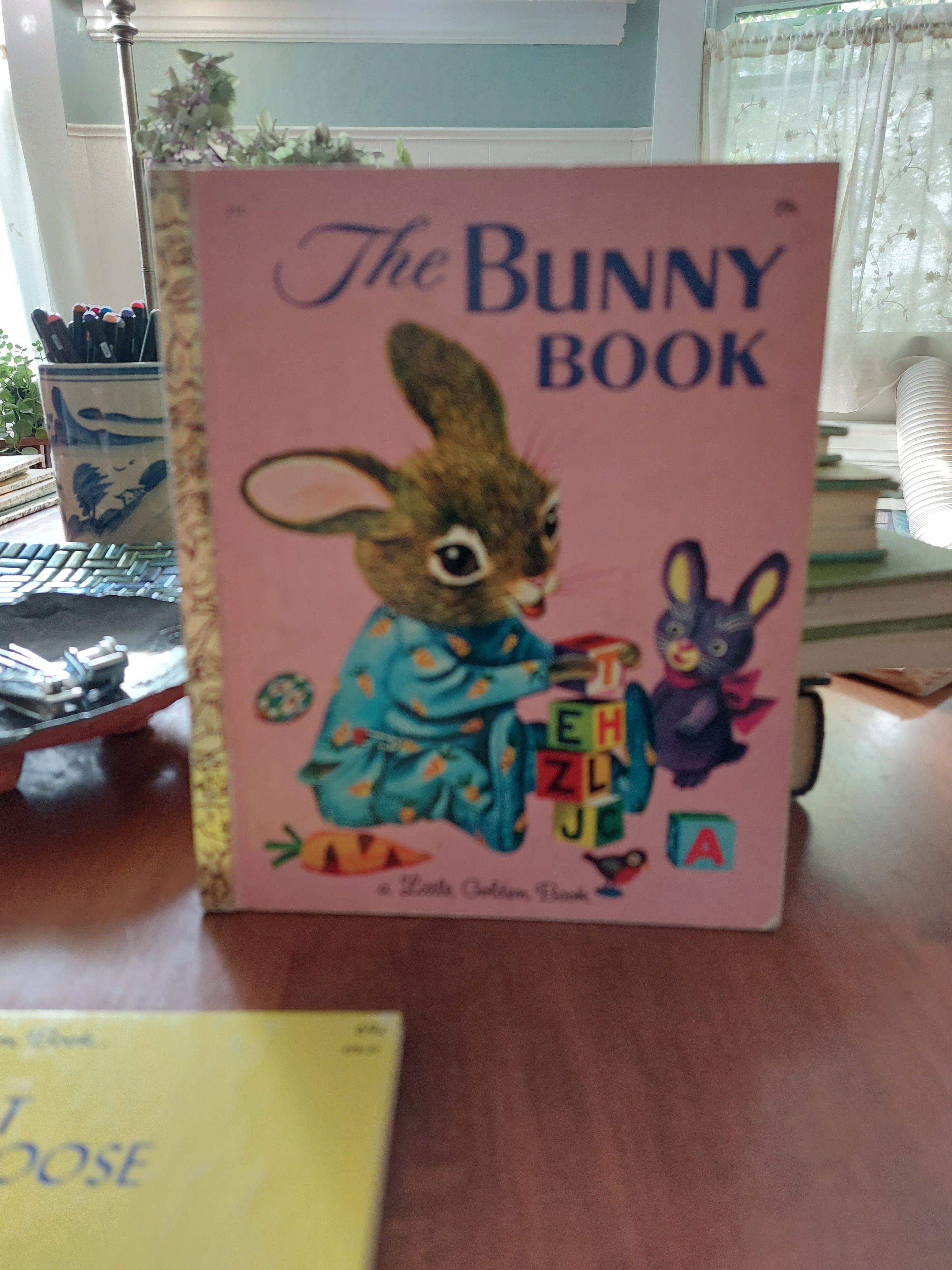
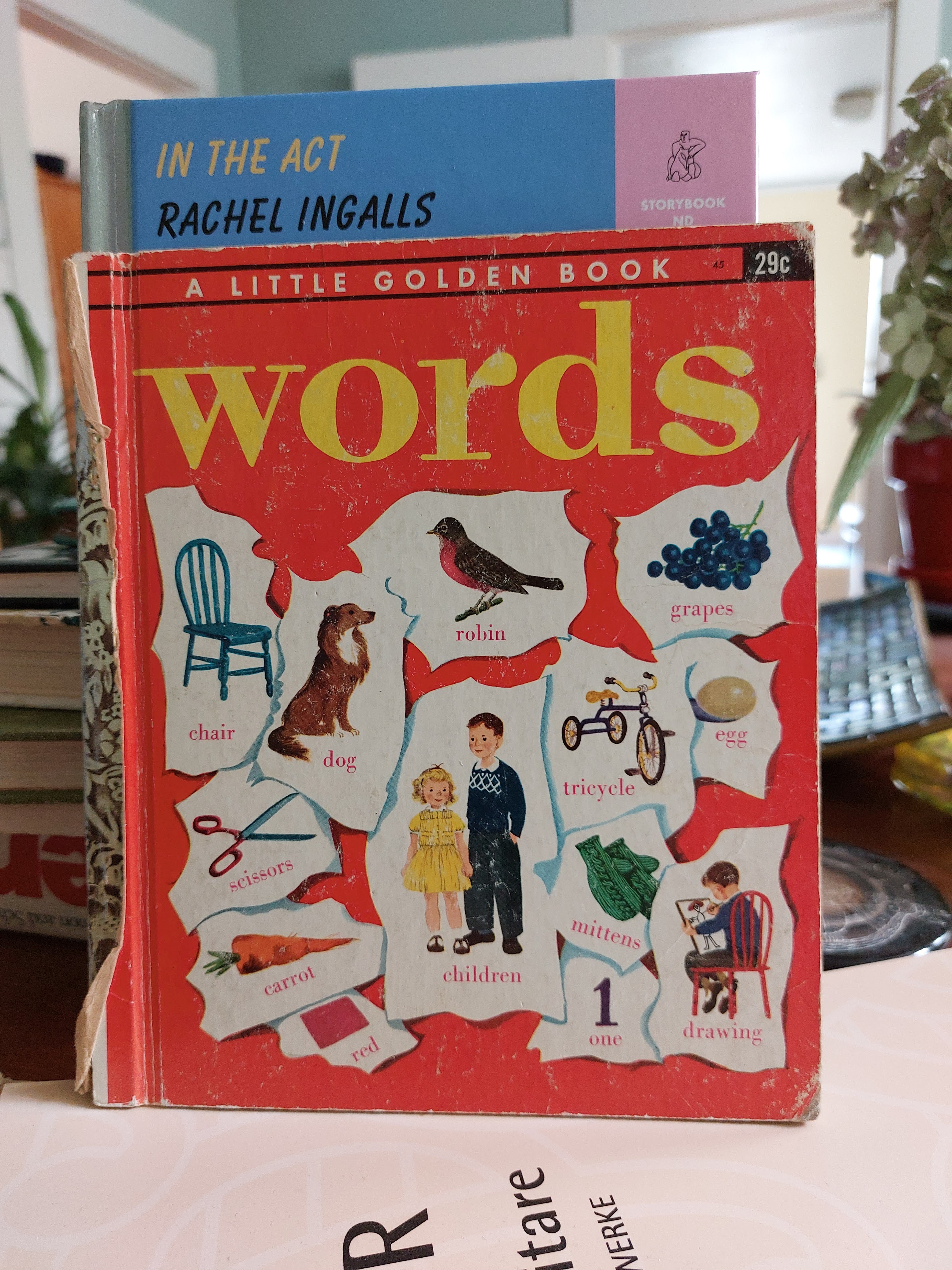
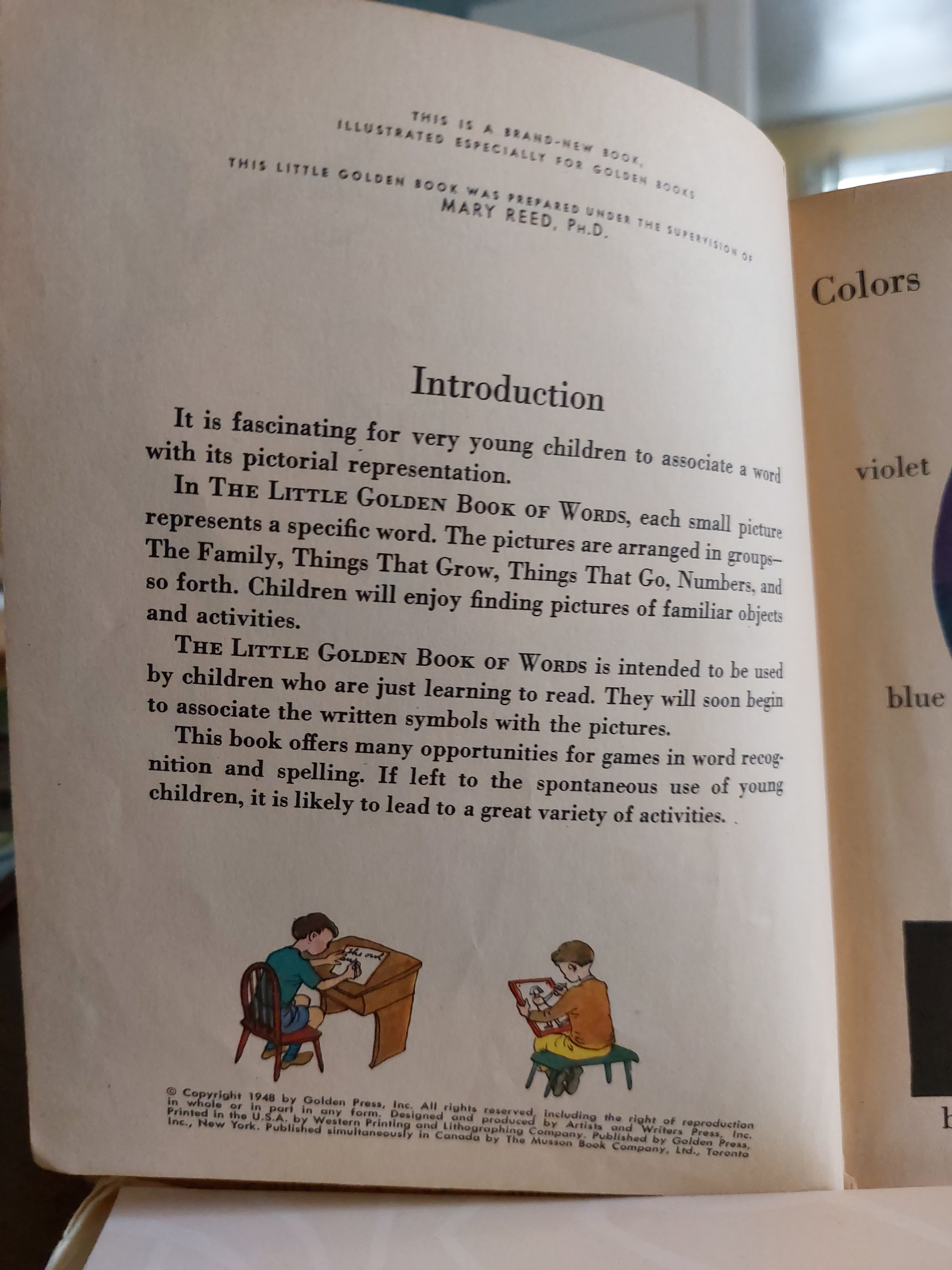
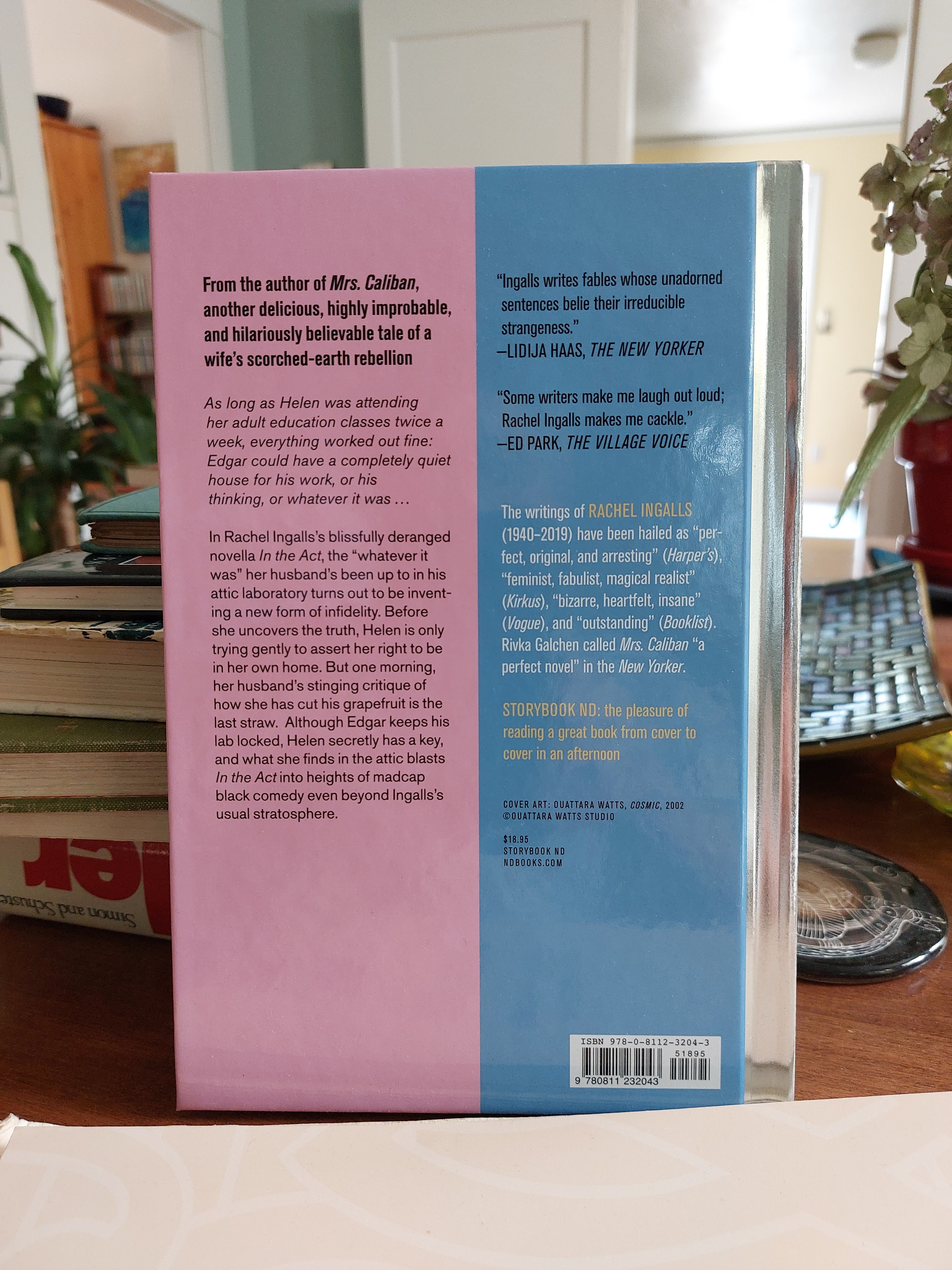
Sitting outside with a stack of Little Golden Books: What Lily Goose Found; The Bunny Book; The Taxi That Hurried. The line of books for young readers began in 1942. I wonder if there was ever one about coyotes, Google it, and find Dale Evans and the Coyote, 1956. I’m not going to tell you here what Lily Goose found, nor am I going to tell you what Helen found, in her husband Edgar’s attic laboratory, in Rachel Ingalls’s In the Act (1987, ND 2023), one of the eight titles in the new New Directions series called Storybook ND, curated by Gini Alhadeff.
Does the content of the eight Storybook ND titles change when packaged within the iconic Little Golden Books form? It’s a masterful marketing ploy, packaging modern adult stories in the universally recognized and often nostalgically referenced children’s book format. Anyway, I fell for the ploy, buying all eight in a discounted package deal directly from New Directions, answering an email offer, postage included.
The first book I can remember reading alone, self-astonished at my knowing the words and being able to run them together – reading – was a Curious George book. I don’t remember which one. But the Curious George books were not Little Golden Books. But similar. I remember holding the book, looking at the page, turning the pages. It was a bit like your first bike ride without training wheels. Suddenly you were up and off and riding away. Where you were going was hardly the point. Or why. It was all about how. And movement, flow. But it wasn’t long after that I borrowed a wooden clothespin from my mom and with an old playing card attached to the rear fork of the bike, so that it flapped noisily in the wheel spokes, was now riding a motorcycle. What made it a motorcycle was the sound. That you were actually riding a metaphor was hardly the point. To metaphor is to carry forward.
And I was astonished too reading my first Storybook ND, picked randomly from the stack of eight, the Rachel Ingalls In the Act. Part of the marketing pitch talks about reading a complete book in one afternoon in a single sitting – like you would a Little Golden Book. I’m not a fast reader, so I doubted this would apply to me, but In the Act, at 61 pages and moving at the speed of sound, proved irresistible. It’s a domestic story, husband and wife relationship, that if I were to summarize, might sound like a Coen Brothers film. Edgar Allan Poe with a sense of humor. The setting, the dialog, the motives, the turning points, the buildup and resolution – every word counts and the flow is like riding a bike. You don’t want to put it down, and you want the afternoon to last.
 The Coming of the Toads