Tag: Field Notes

  • Notes on Sound, Noise, Music, and Hearing

    What is sound? Tinnitus, from the Latin for ring or tinkle, we hear in our ears, but its source is not external sound. My own tinnitus is louder in my left ear, and if I try to pay attention to it, there are at least two sounds audible, as if an electronic musical duo is playing in my head. The ringing is enveloped under an umbrella of an engine or fan, or the electric rush of a motor, an incessant susurrus, which is balanced between the ears. The quieter my environment, the louder the tinnitus. Tinnitus is noise that is not sound, and it is a common ailment for those with hearing loss.

    My hearing loss, in both ears, worse in the left, probably originating from operating the motor pool compressor truck with jackhammers and other pneumatic tools and from firing weapons without adequate ear protection during my Army days and probably made worse playing music too loud over the years, is now augmented through hearing aids. The current pair are state of the art and include Bluetooth capability, which means I can stream an electronic sound source (radio, TV, computer, phone) directly into the hearing aids. But the sound is not quite natural. I hear it in my head, not in the ears, and not precisely where the tinnitus sounds, but when streaming, the tinnitus seems to turn off. It’s a bit like wearing headphones. It can be somewhat disconcerting.

    Often, when I think of sound sans sense, I think of John Cage. Cage was a musician and writer. Piano was his instrument, but he became involved in electronic sound and electronic music – experimental music. Cage’s music might sound like tinnitus to some listeners. But any instrument can grate or creak or be made to scream or moan or laugh or guffaw. Some of the early film cartoons used modern music innovations and techniques. “Modern” music is often characterized as atonal or dissonant, and as technology developed as electronically enhanced. An evocation of emotional turmoil. Turbulence and tohubohu is often the sound it conveys, or that I hear, which of course are two different things. In any case, what I’m still calling modern here is actually now quiet old.

    What are the differences between noise and music? What is the relationship between sound and hearing? We might spend a few big bucks on music sound reproducing equipment (stereo, speakers, etc.) for home or car. The louder, it seems, the better. But when heard live at a concert, the sound may seem radically altered. And the listener in a front row seat hears a different concert than the listener in the back row, upper level, even if they’re in the same hall at the same time for the same music. In music and in conversation clarity is probably the most important attribute to one hard on hearing. It’s not that I can’t hear, but often that I don’t hear clearly. Increasing volume doesn’t necessarily add clarity. It just adds noise. Cage might say, what difference does it make? Listen to what you hear and disregard the rest. And music is not words.

    “Music as discourse (jazz) doesn’t work,” Cage said. “If you’re going to have a discussion, have it and use words. (Dialogue is another matter.)”

    John Cage, A Year From Monday, Wesleyan, 1969, page 12, from Cage’s ongoing “Diary: How to Improve the World (You will only Make Matters Worse)” 1965, which was taken from the magazine Joglars (Vol. 1, No. 3, 1966), where it was presented as: “a mosaic of ideas, statements, words, and stories. It is also a diary.”

    What did Cage mean by distinguishing dialogue from discourse? Dialogue is conversation, conversational. Discourse is debate, to run away from. Dialogue is theater. Discourse is lecture. Discussion is an investigation. We are using words; no help, no matter how loud.

    Some sounds are empty. What does that sound like? Jazz guitarists speak of getting a hollow sound or tone. One of the John Cage books is titled “Empty Words” (Wesleyan, 1981). “Most of the material in this volume has previously appeared elsewhere,” the listener is told. Where? Sound is ubiquitous, everywhere:

    “Wherever we are, what we hear is mostly noise. When we ignore it, it disturbs us. When we listen to it, we find it fascinating. The sound of a truck at fifty miles per hour. Static between the stations. Rain. We want to capture and control these sounds, to use them not as sound effects but as musical instruments.”

    “The Future of Music: Credo,” from Silence, John Cage, p. 3, Wesleyan 1961, 1973.

    Capture this, from the opening section to Thomas Pynchon’s novel Gravity’s Rainbow (Viking, 1973):

    “A screaming comes across the sky…He won’t hear the thing come in. It travels faster than the speed of sound. The first news you get of it is the blast. Then, if you’re still around, you hear the sound of it coming in.”

    page 3, then 7

    The reader is in London where the German V2 rockets, travelling faster than the speed of sound, hit the ground and explode before anyone hears them coming. Before Pynchon’s novel begins, then, an explosion has occurred. Or not, maybe one lands a dud.

    In Coleridge’s poem “The Eolian Harp” (1795), the instrument sits on an open window ledge, where an incoming breeze stirs over the strings, making music. How improvised is that! One would need super sensitive ears to pick up such wispy sounds.

    …the world so hush’d!
    The stilly murmur of the distant Sea
    Tells us of silence.

    …Where the breeze warbles, and the mute still air
    Is Music slumbering on her instrument.

    The wind as guitar pick.

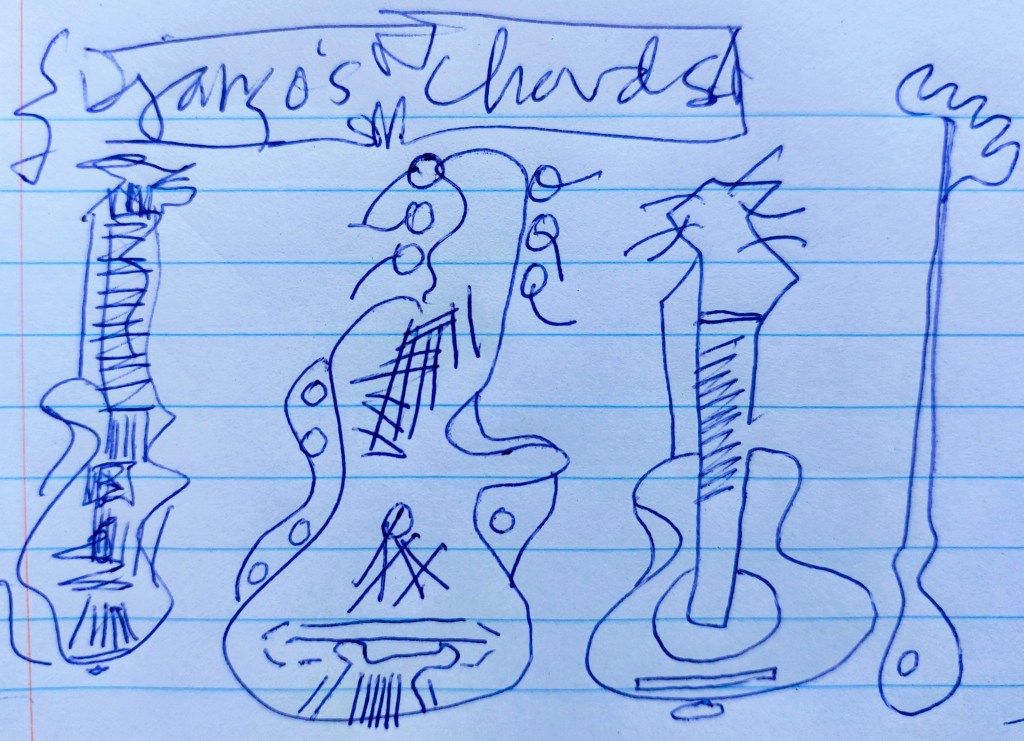
    I’ve been playing Gypsy-Jazz guitar lately, by which is usually understood playing in the style created or formalized by Django Reinhardt and his peers and followers. The style is characterized by the use of a different kind of guitar from the classical guitar popularized by guitarists like Andrea Segovia and Julian Bream. They played on a 12 fret neck fitted with catgut and then nylon strings in the treble and silk then nylon wound with metal in the bass. Other differences might include a shorter but wider neck, a smaller box, different woods and internal bracing techniques. Different from what? Basically from the all metal, louder string guitars developed later – what has come to be known as the western or folk guitar, and is used in blues, bluegrass, folk, country. But the Gypsy-Jazz guitar is a different instrument still.

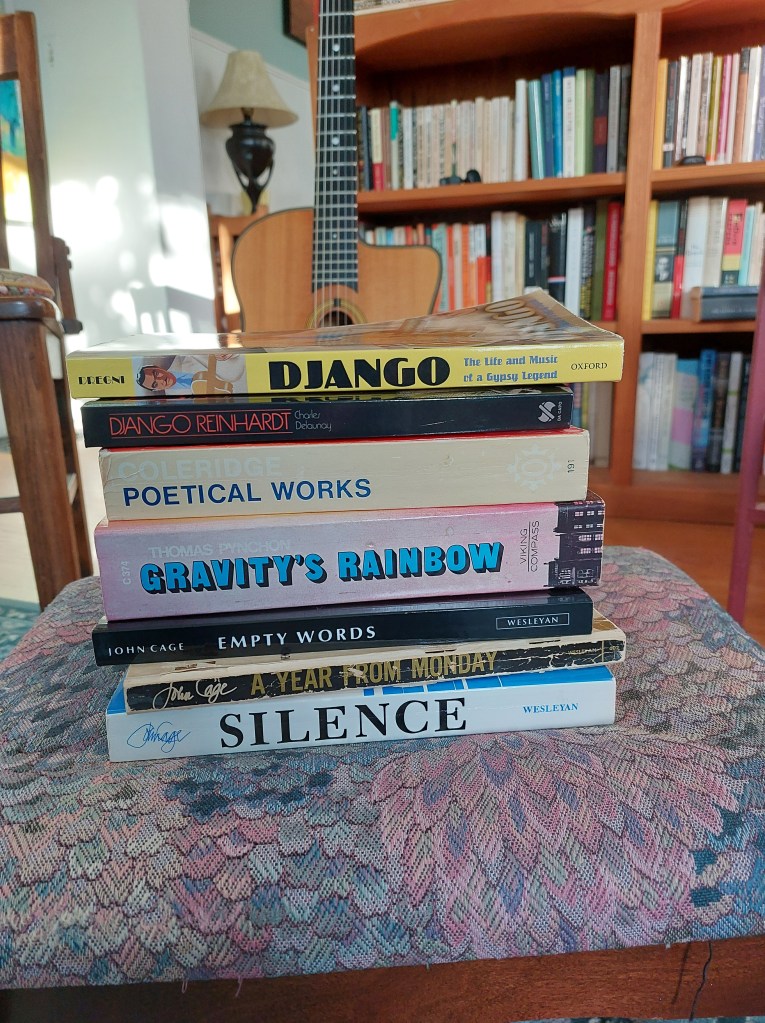
    The Gypsy-Jazz (also “jazz manouche”) guitar is louder, played with a guitar pick rather than the fingers with fingernails, has a longer neck, so a longer scale length, and all metal strings. Most importantly, it’s not a solo instrument. It’s designed to be played in a small combo, usually consisting of at minimum two guitars, and often with stand up acoustic bass, violin, clarinet, accordion, and vocalist. Django played in noisy dance clubs before the advent of amplifiers and electric guitars. He needed an acoustic guitar that would project over the racket and clatter and sound in sync with the other instruments. Readers interested in learning more about Django and his music might read Django Reinhardt, by Charles Delaunay, 1961, Da Capo Press, and Django: The Life and Music of a Gypsy Legend, by Michael Dregni, Oxford, 2004. Briefly, it’s told that Django, born in poverty and coming of age without any kind of formal education, learned to play violin, banjo, banjo-guitar, and guitar. By the time he was 18, he was playing in bands in Paris and making money. Then he burnt his left hand badly in a fire in the caravan. Recovering, he taught himself to play the guitar anew, using mainly just two fingers from his left hand to fret the notes and chords, developing an entirely new technique. Thus began a new style of playing guitar that has influenced just about every guitarist of all genres since and still begs to be mastered even by those with all their fingers playable.

    When asked if he admired Django Reinhardt, Julian Bream said:

    “Oh sure. And I played plectrum guitar up to the age of 21, I played frequently in a dance band in the Army. And, yes, I loved playing jazz guitar, but not as a profession, just for fun. You can’t mix the two. I can remember playing steel-string guitar for dances, and it just ruined the sensitivity of your left hand. And I was playing rhythm guitar with big six-string chords all night long. It was a knucklebender!”

    “50 Years on the Planks: Julian Bream Talks About His Life and Work,” Classical Guitar October 1996. Retrieved 4 Mar 24.

    I’ve been working to play Gypsy-Jazz style without a plectrum (guitar pick), so fingerstyle, with fingers and fingernails, which some say is not only unorthodox but impossible – to play in the Gypsy-Jazz style of Django. I use a thick gauge string on a Saga Gitane DG-250M model, which I purchased used not long before the pandemic broke out and then had to quit the group workshops I’d been attending. The thicker strings compensate for the lack of pick. I’ve just always played with my fingers, hardly ever flatpicking. And I’m not playing dance halls these days, more like a lute in an open window.

  • Field Notes: 9.18.23

    Substacking: Messing around with Substack again. Tried out songs with video (which I ended up using here in post previous to this one), deleted the songs (“More Modern Songs”) substack, started a poetry substack, deleted that one too, settled on cartoons. “Laconic Cartoons: simple doodles with few words.”

    Substack format seems busier than when I previously gave it a trial go. More social media characteristics. “Notes” page, for example, that seems to work like the old bluebird site (see cartoon, “This Bird has flown”).

    Listened to a short podcast this morning on a cartoonist’s substack I’m following. Two and a half minutes in which she reads all the captions from the cartoons in this week’s New Yorker. It’s Liza Donnelly, who is herself a New Yorker cartoonist. Clever idea, captions without the drawings. Sounded like a John Ashbery poem as the captions ran together randomly as if they were connected by some logical narrative thread. Flight of the bumblebee. I was going to leave Liza a comment, only to find I couldn’t – only paying subscribers can comment on Liza’s substack. Clever idea that, too. And there were two captionless cartoons in the issue, which of course she could not read, but I was reminded of John Cage’s 4’33.

    “Laconic Cartoons” has no paying option, and no plans of such. All free, and feel free to comment, such as, “Dude, seriously? You can’t give these away!” Something like that.

    Decluttering: Have now filled a dozen grocery bags with books, eliminating the need for several bookcases. Vietnam Veterans will pick them up, along with some cool items recently discovered in the basement. What books did I keep? Might want to save that for a future post.

    Guitar: Working on more original songs. “More Modern Songs”: that title, btw, suggested from Dylan’s latest book. Planning more videos. Had not tried to post a video on WordPress before. Easy. Songs are different from poems. Though you can usually read a song a lot quicker than you can listen to it, but you can listen to music while doing other things, though vacuuming the living room presents challenges, while poems should be read aloud to achieve their full flavor.

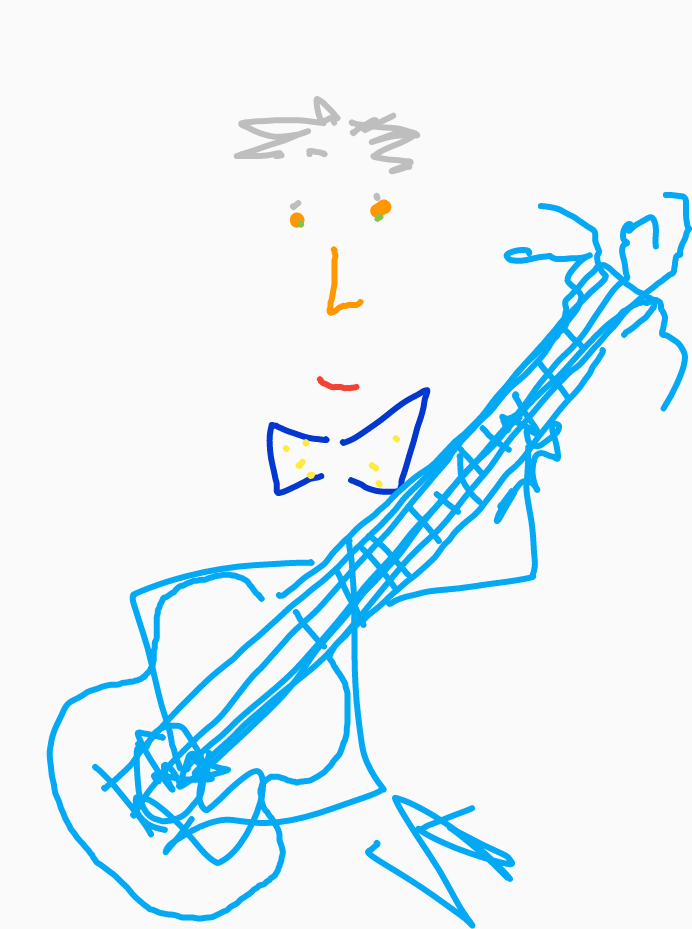
    Cartooning: Here’s a cartoon (captionless) for readers unwanting or unable to visit the Laconic Cartoons substack:

  • Field Notes 28 Aug 23

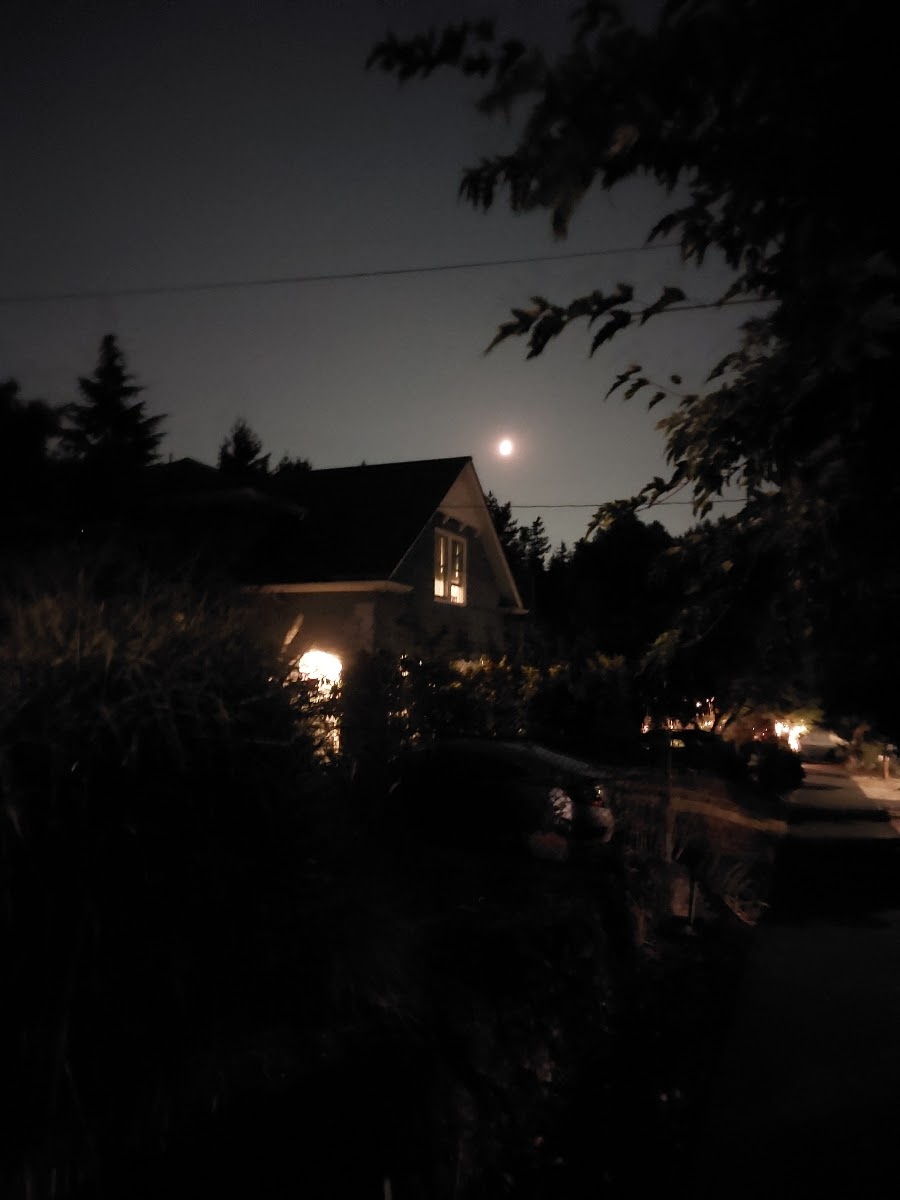
    Walked a mile last night with Eric, curlycue around the neighborhood streets late in the evening, the blue moon rising over the houses and over the firs up on the dark volcano, first cool evening in awhile, feeling the ocean air arrive like an old steamship foreshadowed by tugboats pushing and pulling against a tide. Earlier had sat out in the drive with the guitar, disturbing the universe, though no one seemed to mind, a few passersby walking dogs giving me a nod, the International Play Music on the Porch Day passing locally like any other day.

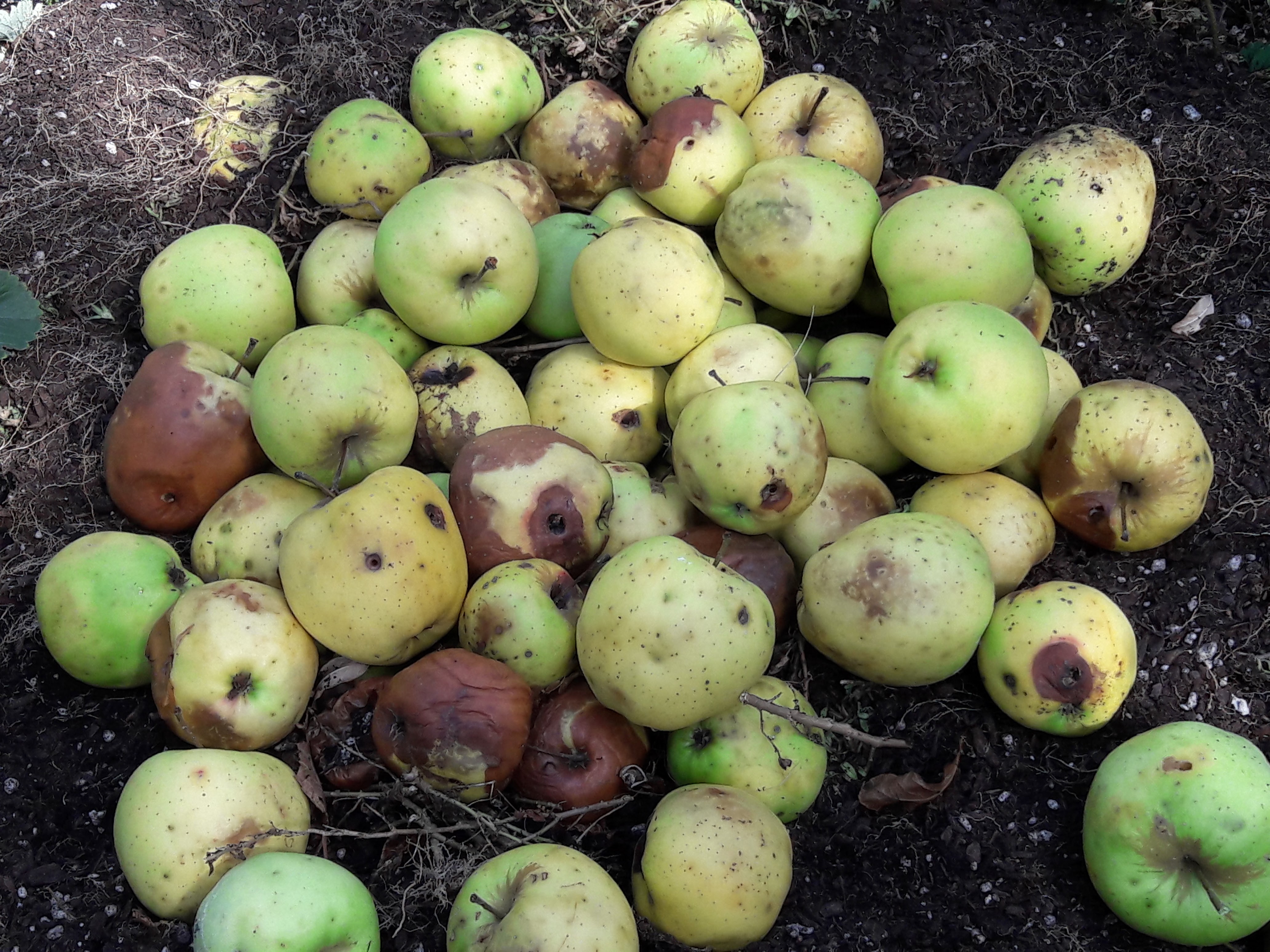
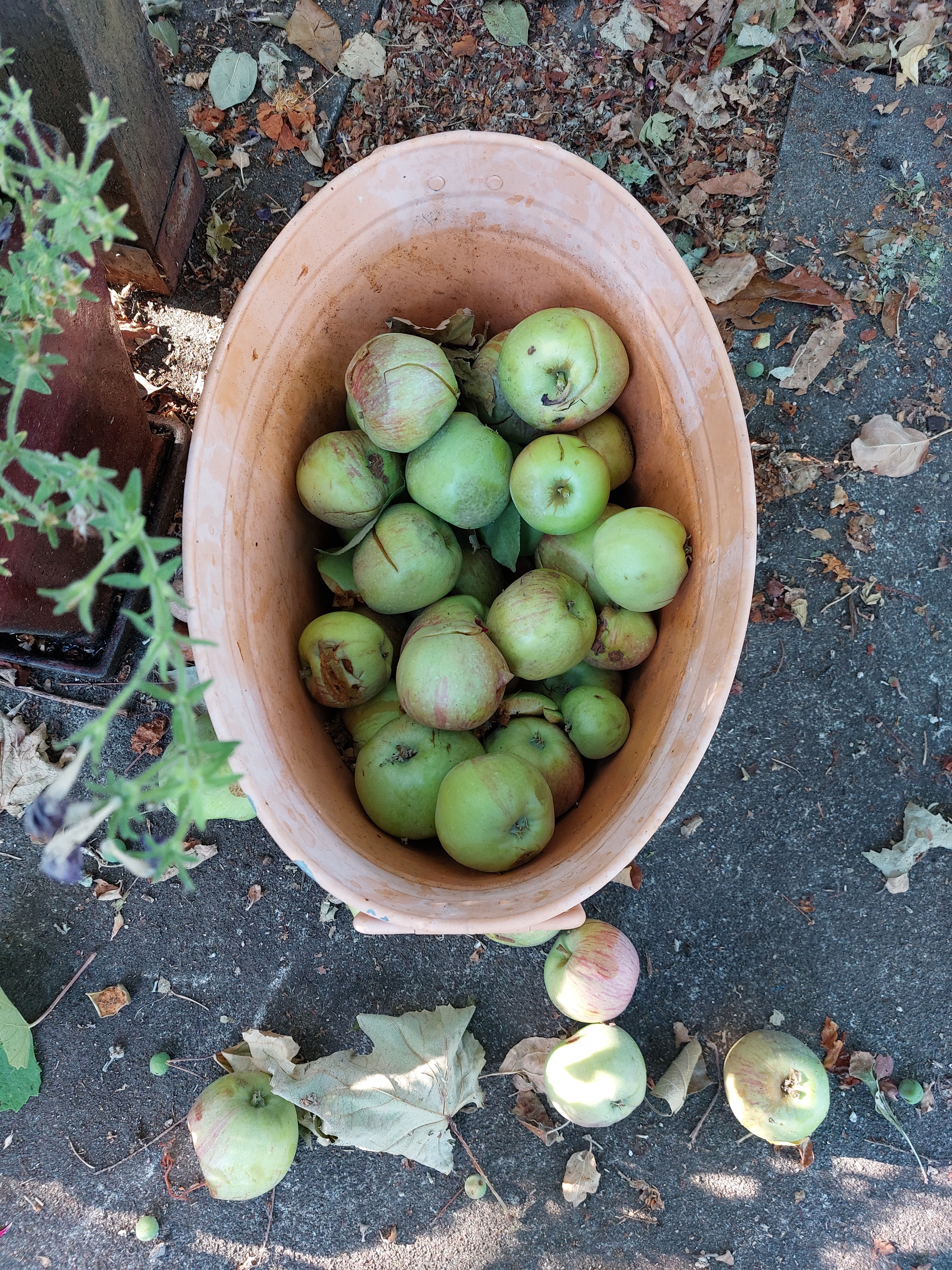
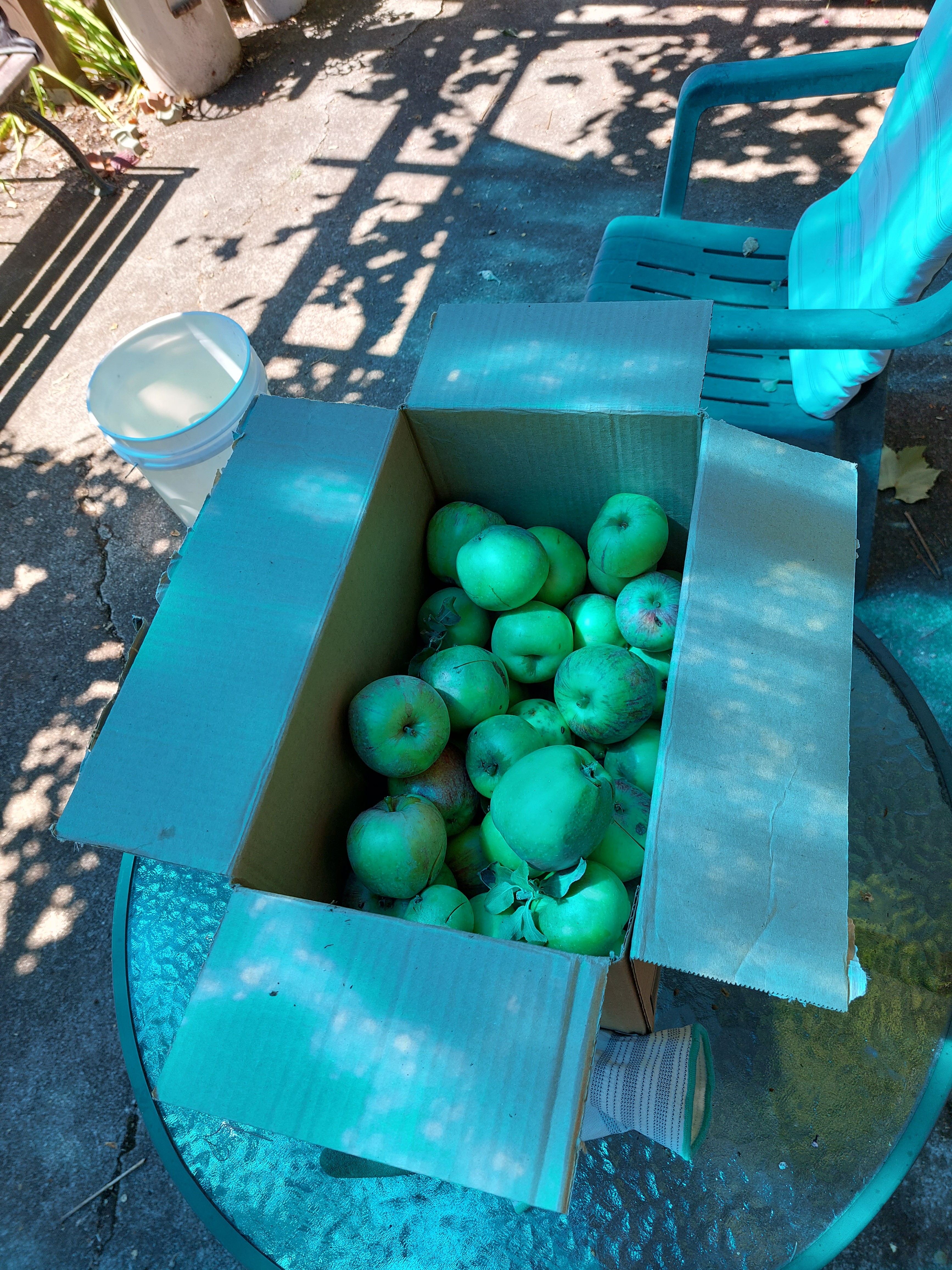
    The neighbor’s Brobdingnagian apple tree, high up above the border wall, half of which hangs out and over our grape pergola, too high to pick, seems to have come close to finishing its self-harvest drop, around a dozen or more bushels falling on our side of the wall this year, a bumper crop, peck after peck after peck we’ve picked up and bagged.

    Meanwhile, peaches are in season. Fresh peaches, juicy and tender, slightly fuzzy, plump, pink and red and yellow and orange. Nectarines are also peaches, but without the fuzz, smooth, and the pit of the peach is akin to an almond. This is what comes from looking things up, a new pastime. Of the numerous poets who have tried to get their hands around a peach, perhaps none have squeezed as close yet stayed afar as Andrew Marvel, in his poem titled simply “The Garden” (circa 1650), where he seems to prefer the actual peach to any metaphor that might point elsewhere for one’s fuzzy orbs:

    “What wond’rous life in this I lead!
    Ripe apples drop about my head;
    The luscious clusters of the vine
    Upon my mouth do crush their wine;
    The nectarine and curious peach
    Into my hands themselves do reach;
    Stumbling on melons as I pass,
    Ensnar’d with flow’rs, I fall on grass.”

    Andrew Marvel

    Why “curious”?

    “I grow old … I grow old …
    I shall wear the bottoms of my trousers rolled.

    Shall I part my hair behind? Do I dare to eat a peach?
    I shall wear white flannel trousers, and walk upon the beach.
    I have heard the mermaids singing, each to each.

    I do not think that they will sing to me.”

    from “The Love Song of J. Alfred Prufrock,” T. S. Eliot, 1911

    One of these days, I’ll compose my own poem to the peach, maybe “Portrait of a Peach,” which is to say, one you cannot eat, dare or not. Lately, Susan’s been offering ripe peaches on a plate to nibble through the slow afternoon, so soft, so cool, so sweet, so refreshing. Love peaches, love to see two, side by side, each to each, within easy reach.

    Speaking of growing old and wearing trousers rolled, yesterday, lightly working outside, I came close to falling twice. The first time, I caught my pant cuff on a hook under the outdoor couch. I nearly fell into a cluster of flower pots. The second time, the foot whose turn it was to move forward on the porch somehow stuck in place, and the pot I was carrying was tossed so I could stop my fall with the arm that was holding it. The pot fell and broke in two, splattering the walk with potting soil. And somehow I found myself sitting on the porch step. Not quite a fall, then, a sit?

  • Field Notes: 7.19.23 to 7.22.23

    Was first use of papyrus leaf to make a list? Or take a note: need more papyrus leaves. Schedule to get in step, behind, ahead, pending completion. Immense relief comes when checking off as done. Is anything ever put away for good? Rotation. Daybook Bore. Nightbook Boogie. “riverrun, past…”

    To store for milk and sundry. Person in crisis sitting on sidewalk out front near bike rack yelling to himself, at some invisible interlocutor. We’ve seen him here before, the same, the deepthroated yelling, the fraughtness, agitation, distress. As we’re leaving, he’s now up and pacing, head down, still talking, loudly, totally absorbed. Back and forth, turning sharply, about face.

    Midweek, 95 degrees. Clear bluesy blousy skies. Long days. Evening playing guitar out in driveway area converted to sitting-out space under Japanese Maple tree planted 30 years ago. Now lovely shade canopy.  But last night upstairs late fan whirring in window begins to pull in some smokiness. Days of daze and haze. 83 degrees in the upstairs rooms at lights out.

    Bedtime reading Elizabeth Taylor’s “A Wreath of Roses” (1949): “From the cottages all along the village came blurred and muted wireless music. Some of the doors stood open to the scented night, revealing little pictures of interiors, fleeting and enchanting, those cottage rooms which Frances loved so dearly, with their ornaments, their coronation-mugs, their tabby cats. Night-scented stocks lined garden-paths, curled shells were arranged on window-sills, and on drawn blinds were printed the shadows of geraniums or a bird-cage shrouded for the night” (62).

    Trip to Ledding Library with Susan and girls. Lovely library. Natural light, high open beam ceilings, glassy views out of water, trees. Purchased Rebecca West biography (Victoria Glendinning, Knopf, 1987, out of print) for $3 at little discards storeroom. I read West’s early, short novel “The Return of the Soldier” (1918) not too long ago – astonished. This bio vintage hardback page quality seems hardware hard to find in new books these days.

    Quiet up and down block. Hear apples dropping soft thud and roll from neighbor’s gargantuan tree partly overhanging patio and grape pergola. Loaves and fishes and apples. Hang blue sunshade under pergola to catch apples, casts sealike glow to patio.

    Another neighbor calls to ask if we heard man screaming down on corner this morning. No. Later rumor suggests sounds heard might have been car with worn belt.

    The way to read Joyce’s Finnegans Wake is syllabically. If you try to gloss over you’ll be swimming against current. Few pages per day recommended dosage, length of afternoon nap, with similar benefits. “Ukalepe. Loathers’ leave. Had Days. Nemo in Patria. The Luncher Out. Skilly and Carubdish. A Wondering Wreck. From the Mermaids’ Tavern. Bullyfamous. Naughtsycalves. Mother of Misery. Walpurgas Nackt” (229).

    Stopped by a favorite thrift store. Price increases. $20 for threadbare basket sitting out on sidewalk. Might have been good for picking up apples. Store crowded. Do most people stop at thrift stores for same reasons? Which is to say, no reason. Irrational. Don’t need anything, certainly not a basket in which to put nothing.

    Brobdingnanigan sinkhole in front of Ascension Church on Belmont yet to be filled. Now part of East Tabor landscape, rerouts now new routes. News reports PBOT blames supply lines. Meantime our suggested nickname change from Portland’s City of Roses to City of Potholes continues to be ignored.

    Recurso. Chores. Make coffee (French Roast). Water outdoor flower pots (red geranium, red yellow orange marigolds, pink violet impatiens, pale and maroon fuschia, pink and pink-white hydrangeas, neon begonia and coleus). Clean indoor cat litter box. Take out garbage, recycling, compost, and glass (a bin for each). Try to keep qwip down so others can steal more sleep. Finally cool come morning. Sounds off. Eat banana with coffee. Fresh water for cat – she waits for me every morning, meows – less I run off? Walkabout with coffee. Check messages. Glance at news, weather, reader. Pray. Dishes. Laundry. Set windows and curtains and fans to ward off global warming effects within house. Life of Riley. Fourth wall in place.

    Friday mornings on schedule yard maintenance team down block disturbs peace with gas powered leaf blower. Aggressive sound, animalistic shaving at awful speed, fan whirring like hurricane wind. Poor leaves, debris shifting one side of street to other. Nature combed. Then again, after it’s all over with, seems quieter than before. Reminded of ancient sage in Greek play saying: “Bite your tongue, get a cinder in your eye; when you feel good you feel nothing.”

    Time Travel. All of me, why not just come home with me! Cant you see how Comely that wood bee? All of us, all the time, on the way, day by day. Traveling space time. Gravitas of re-all. Notta nostalgic book review, but how did it make you feel, reading? No pages to turn, that’s how far we’ve traveled. Travailing. Tri-veiling: Anamesacara; Anacaramesa; Mesaanacara; Mesacaraana; Caraanamesa; Caramesaana. Trinity. Loops, String Theory. Fictioner than strange. “Oh, you don’t know the shape I’m in.” Shapeshifting. Transmogrification. And a Maria all very getty honey.

    From The Diary of Samuel Pepys, Sunday, 15 July, 1660: “To my Lord’s [Mountagu, Earl of Sandwich] dined all alone at the table with him. After dinner he and I alone fell to discourse, and I find him plainly to be a sceptic in all things of religion, and to make no great matter of anything therein, but to be a perfect Stoic.”

    Not too stoic here, neither too libertine nor epicurean. Utilitarian? Friend who’s always asking questions. No idea what becomes of answers. Another never questions anything except to advance his own schadenfreude (harm-joy) attitudes. Reminded of Samuel Beckett’s comment, can’t listen to a conversation for five minutes without noting inherent chaos. To Opine, city in forest.

    End here for time being. Undam tide; free tied. To store yesterday with Zz for Chromebook. Over decade old Old Mac Apple (speaking of apples) stopped updating. This Chromebook cat’s pj’s! Light, nimble, quick. For some time now have been using phone and tablet to type without keyboard, with benefit of slowing down riverrun thoughts into paperlike writing, better for poetic flows, slow like a stream, backwater eddy. Circular billow. Need keyboard though for longer pieces. But who will read? Type like the wind! Original plan for ongoing writing then to post Field Notes once a week, but now realize such a post far too long for the common reader, our wood bee awe di dance, awe dire, awe dear, audire – to hear.

    ~ ~ ~

  • Field Notes 7.18.23

    At the clinic near the hospital, waiting – waiting is an occupation without a procedure manual; no one questions that, but what will we do while we wait?

    Parked on the top floor of the garage, Level G, round and round up we go, concrete and metal bugs. An ascent. Climb down the concrete stairs, metal railings, the descent. Sounds beckon like a bird’s bark.

    Outside on a bench in the mid-morning sun, crow caw, something stuck in its craw, like crowbar pulling nails, “must be something wrong,” but here there are too many songs.

    Lady on a sidewalk bench at the curb, vaping. No sooner she leaves, replaced by a guy with a real cigarette. The smoke drifts into the patio, as if the car exhaust wasn’t enough.

    Kid screaming. Car horn. Ambulance, siren flaring. No connection, random. Street workers wearing dayglow orange and green togs. Traffic crawling. Automobiles seem so hyperbolic.

    Glimpse of an unintended selfie in window across patio.

    Inside, corner table, view of patio. Street workers swagger in, followed by a woman holding a vase of flowers in one hand and a veniti in the other, stops. I get up and open the door for her, and she comes in singing happy something to one of the street workers. They all ignore me, the door opener. The listener. Lunch hour.

    More street workers. They’re scoring pizza and sandwiches from the clinic automatic deli. Back in the street, they eat at the open tailgate of a pickup truck. Traffic now passing happily.

    Lady wearing a bright red sweatshirt stitched, “Be Kind.”

    Without clarity, noise. Turn hearing aids to zero. Still hear elevator bells. Distant voices, echoes, machine whir.

    The street outside the clinic rich with stately trees, dappled shade silver. Going for a walkabout.

    Back to G, retrieve car, a bit of retail for coffee, bananas, bungee cords for patio sunshade. Retrieve emptied pickup day buckets from street. Hang new sunshade tarp. Lunch on banana, peanuts, can of Perrier water. Blue shadow under grape pergola to catch apples falling from above.

    Side roads south to audiologist. Ears so full of wax could cover a swarm of surfboards. Ear canals viewed on screen. Fantastic Voyage.

    Heat is on. Dodger game from Baltimore. Tuna salad dinner, mango sorbet. Another can of water. Mariners game from Seattle.

    Sit out with guitar. Warm. Late early. Occasional breeze.

    Patrizia Cavalli in mail: “My Poems Won’t Change the World.” Neither will these field notes, but something to help hold it together.