Tag: Comics
-
Just to Pass the Time Away
din din the din again awakens within opossum’s impossible
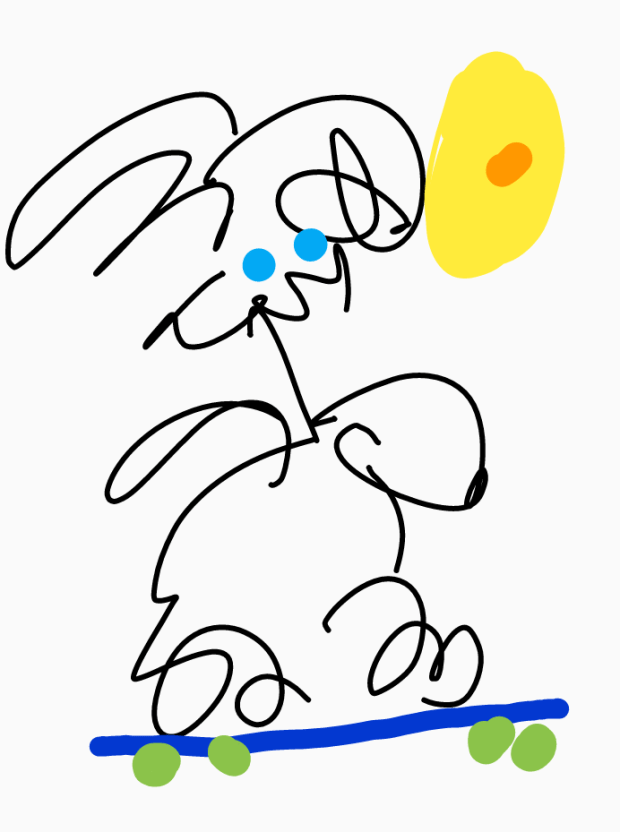
sleep who who who off course assume he’s just fakin’ itcome rumbling down Mariposa Hill on steel skates nailed
to two-by-four a narrow but elephantine wobbling thinga train carrying loads of images (more than Instagram) of pics
not taken (bench flowers, wood windows, alleyway signs)books browsed but not bought (Merton and Bukowski,
perfect bookends) clickety clack clickety clack the slides fallinto the track and story lights illuminate the cars one night
after another a passenger train book full of water filled pagesthe dappled light brushed gravel path below the tall umbrella
flowering rhododendron grove somewhere the soundsof rumbling water tousled over rough rocks submerged tales
rail cars dome car windows at night simply reflect your own storywhen what you want is to read the stars their ingredients in a wok
galaxy spinning with caramelized onionspeppers spinning whiffle balls the train now crossing and switch
backs aside the can’t-make-its-mind-up river down river tracksand the railroad tracks a fretboard of rail strings wound tight
miles uptrack put your ear to the rail you can hear chordsclickety clack clickety clack don’t look back don’t look back
train train coming down the track arpeggiosbut you “forgot to remember to forget” and the train
brings it all back home in the kitchen with old toothmaking french press coffee in a 10 gallon drum
walking in circles circle of fourths and slide showsjust to pass the time walking down the line offshore
in the distance the library of parisian bold coffee cafe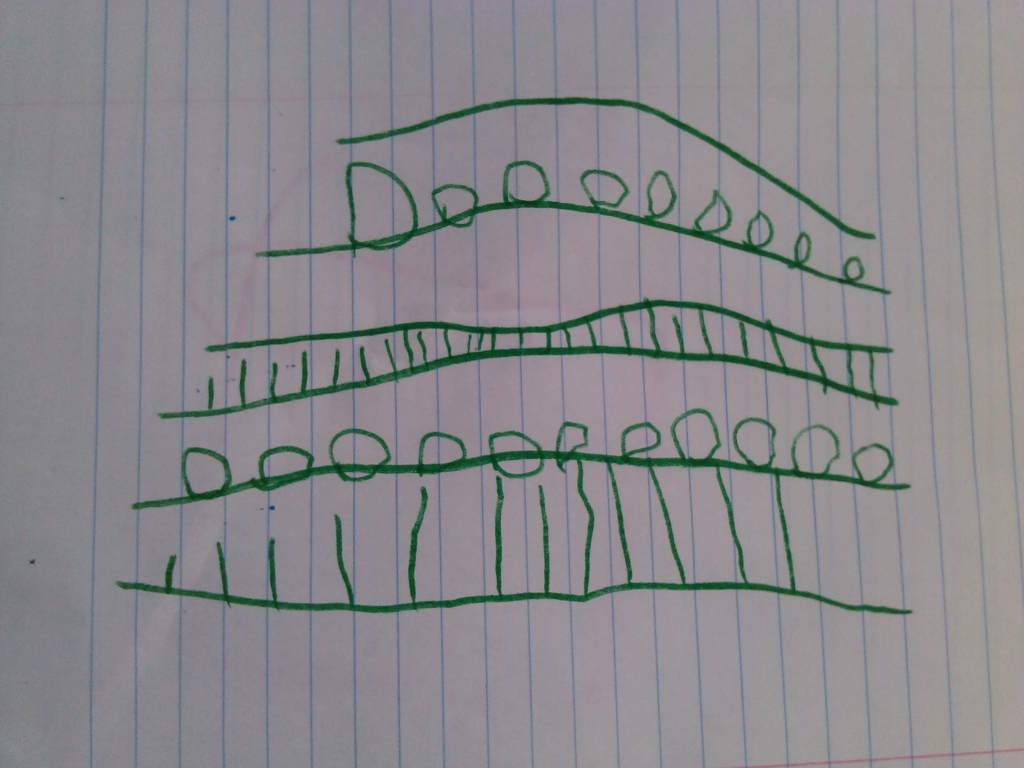
Train Cartoon 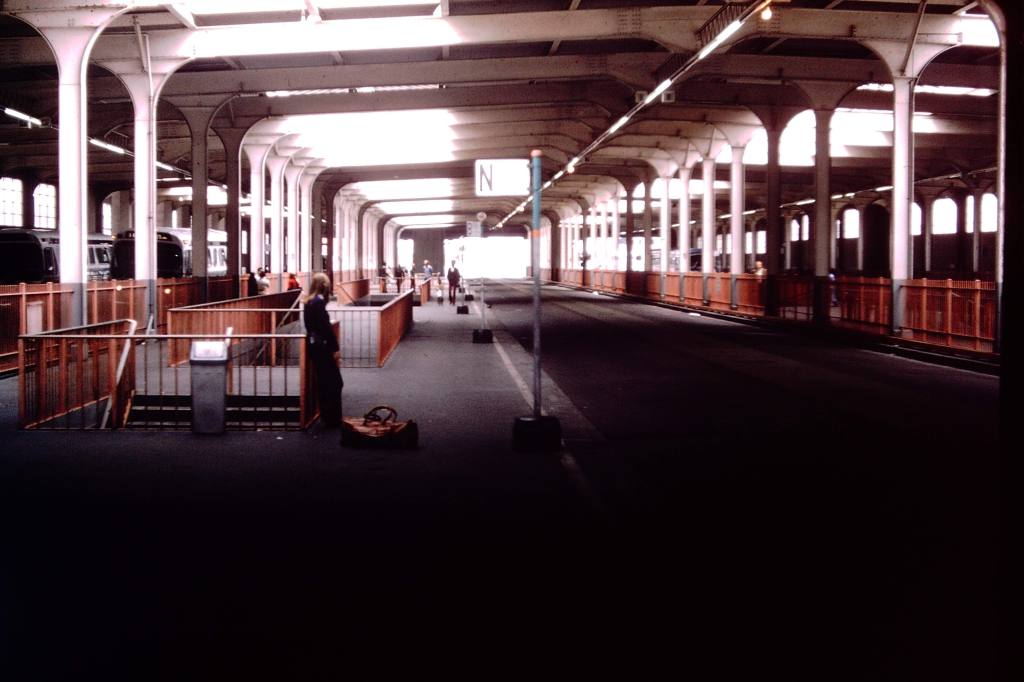
Depot w Susan 
Train Snow 
Train Depot 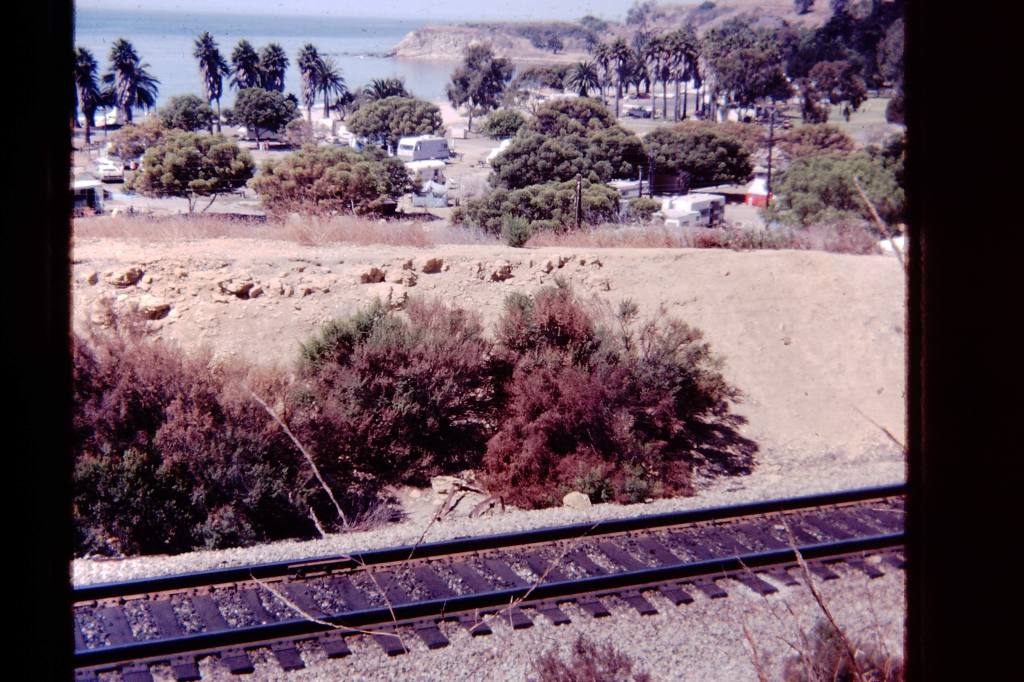
Tracks above Refugio 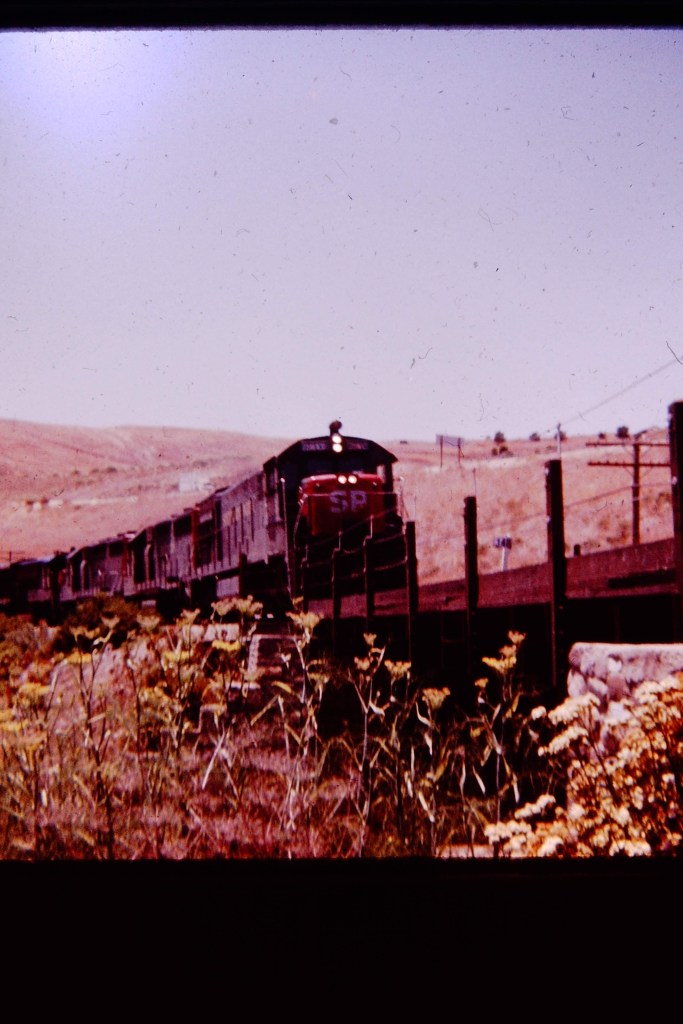
Refugio Trestle 
Train Depot 
Tracks in Woods 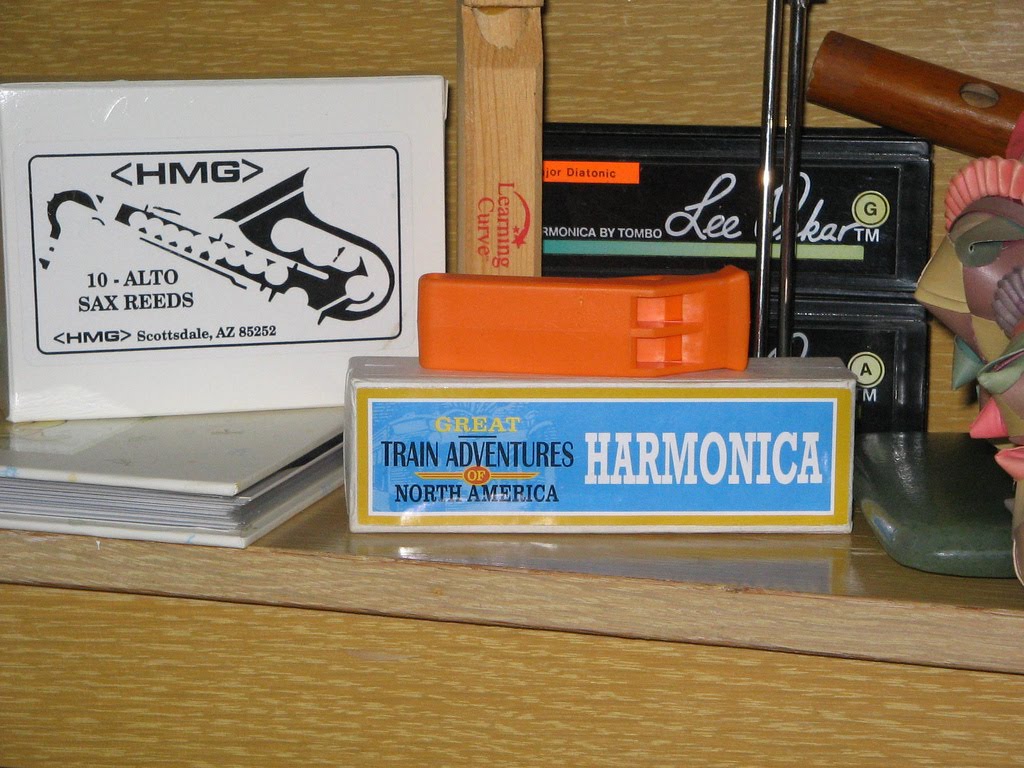
Train Adventures Harmonica -
Sunday on a Canvas Island: “Whale Watch”
Painting, smearing pigment or dye from a palette to an object for the purpose of catching light, is a physical activity. Whereas Melville begins his great book “Moby-Dick; or, The Whale” explaining why men take to the sea (“Whenever it is a damp, drizzly November in my soul,” Ismael says, and, “If they but knew it, almost all men in their degree, some time or other, cherish very nearly the same feelings towards the ocean with me”), I drop down to the basement or spread a cover over the kitchen table and begin a painting.
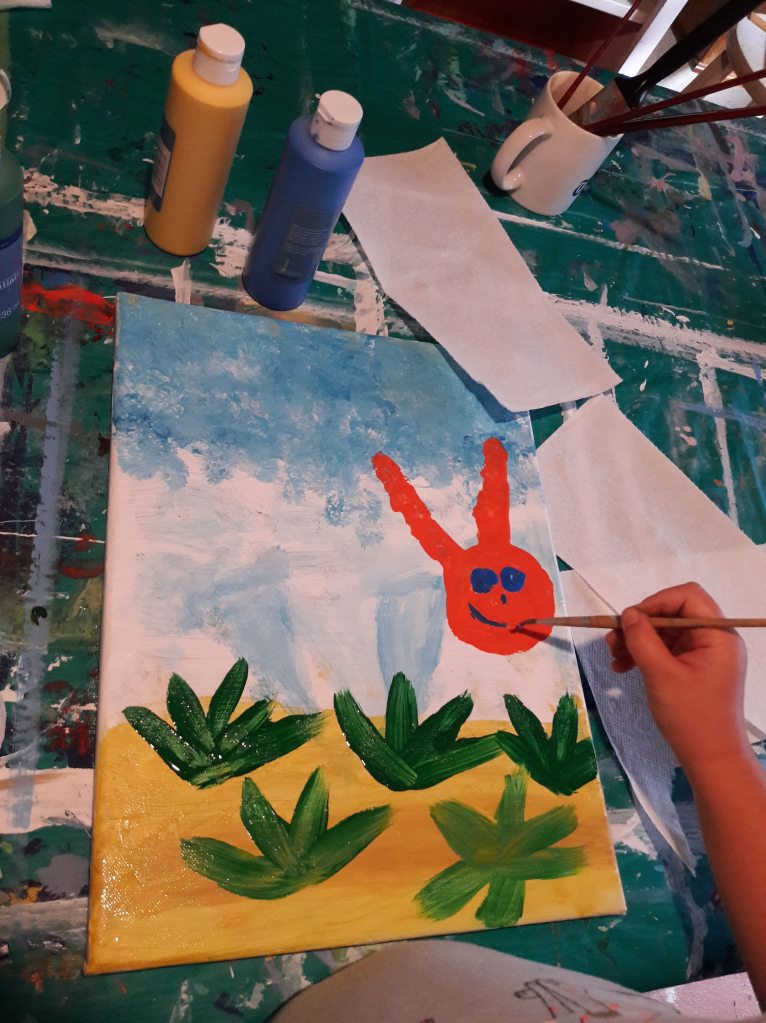
“Whale Watch” (2019) Water based oils on Canvas 30″ x 40″:



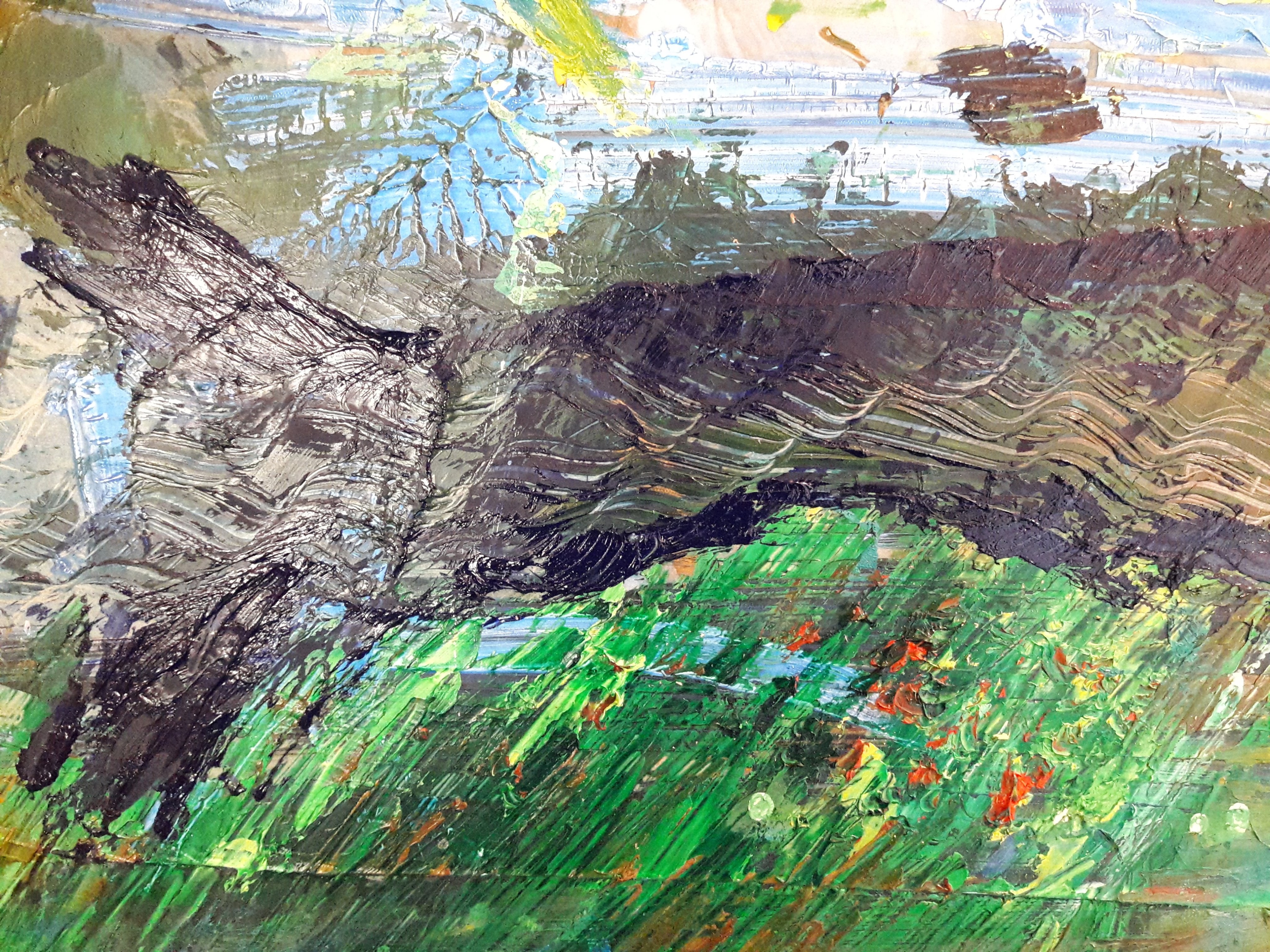





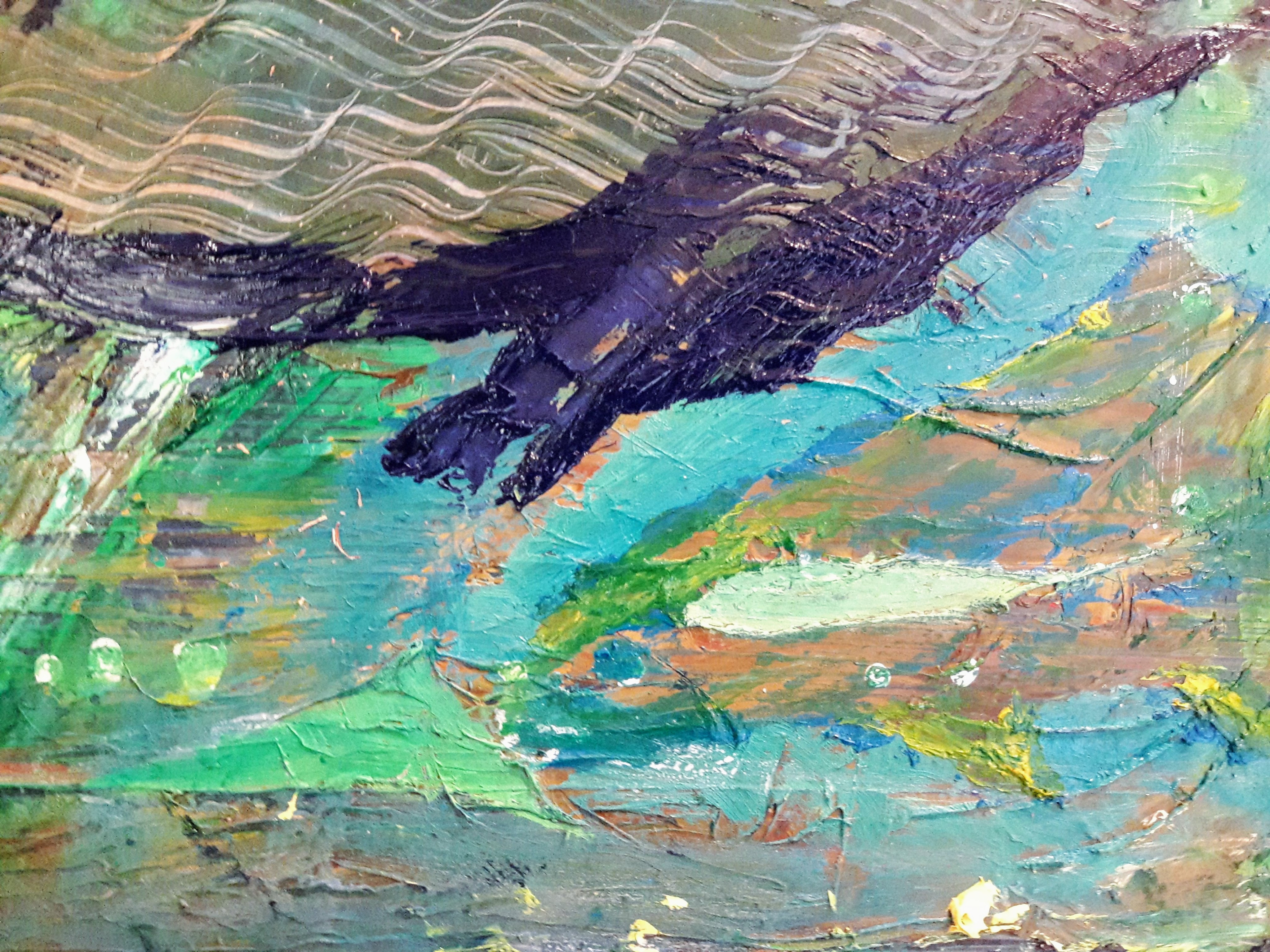




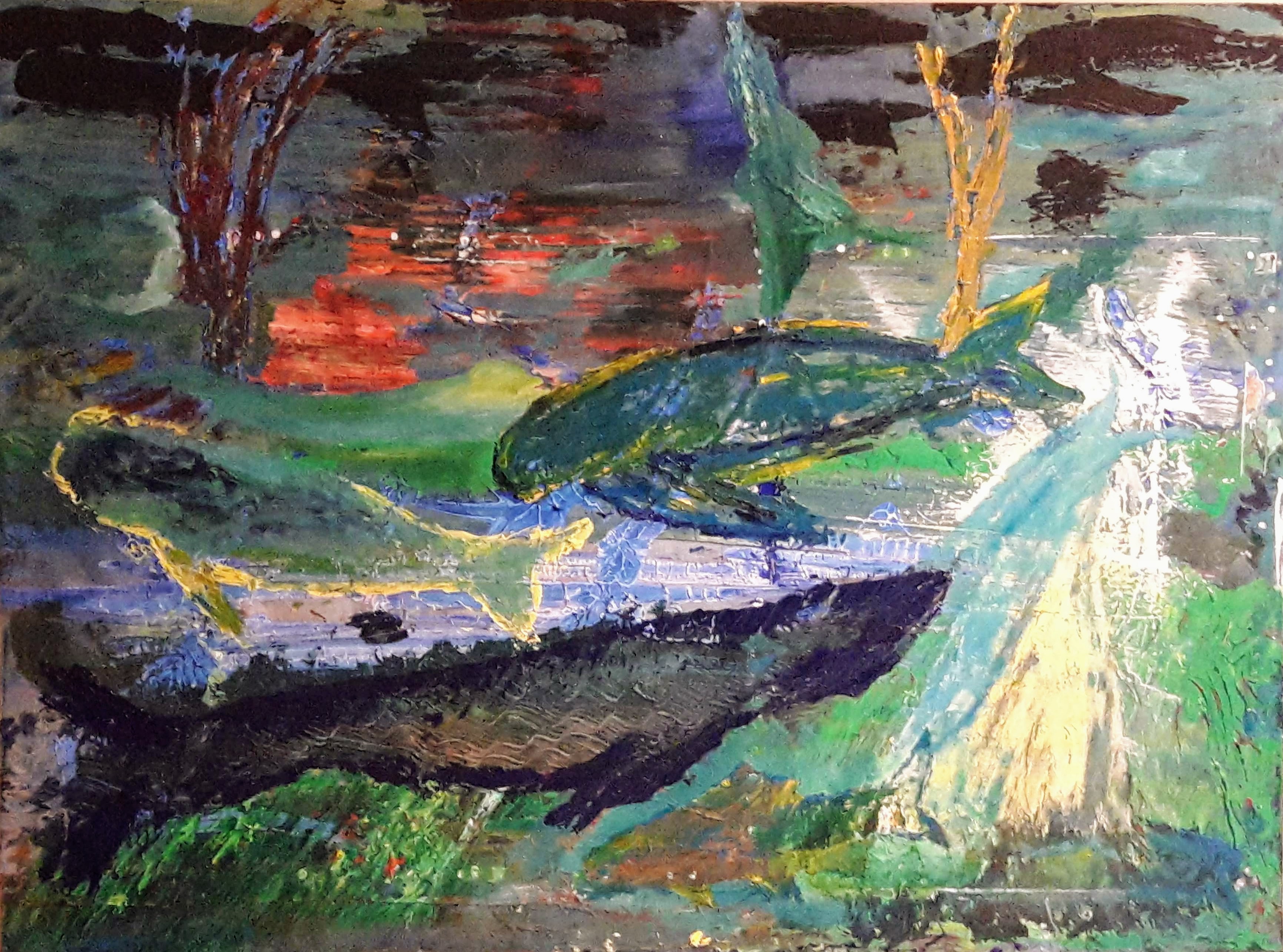
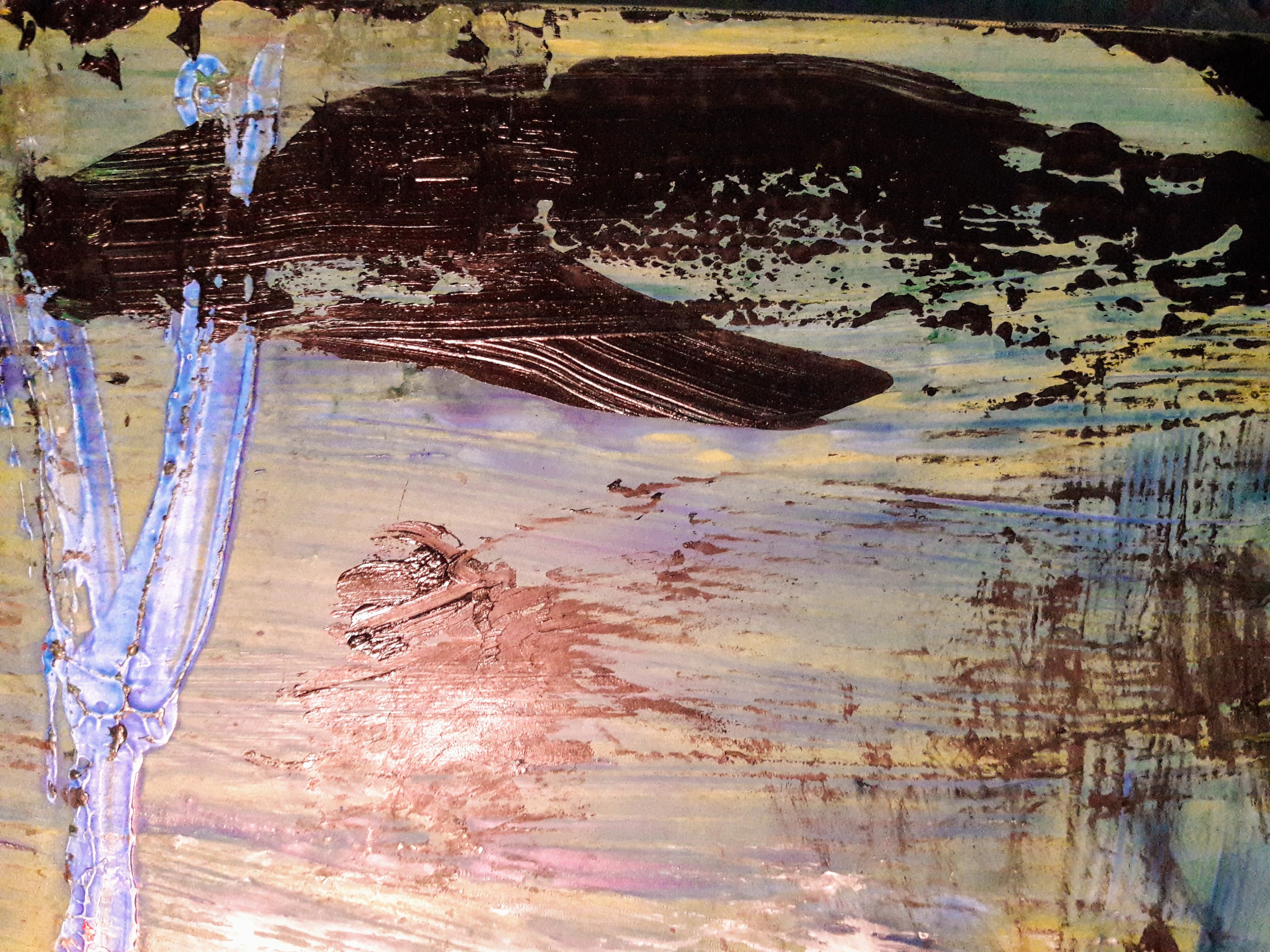
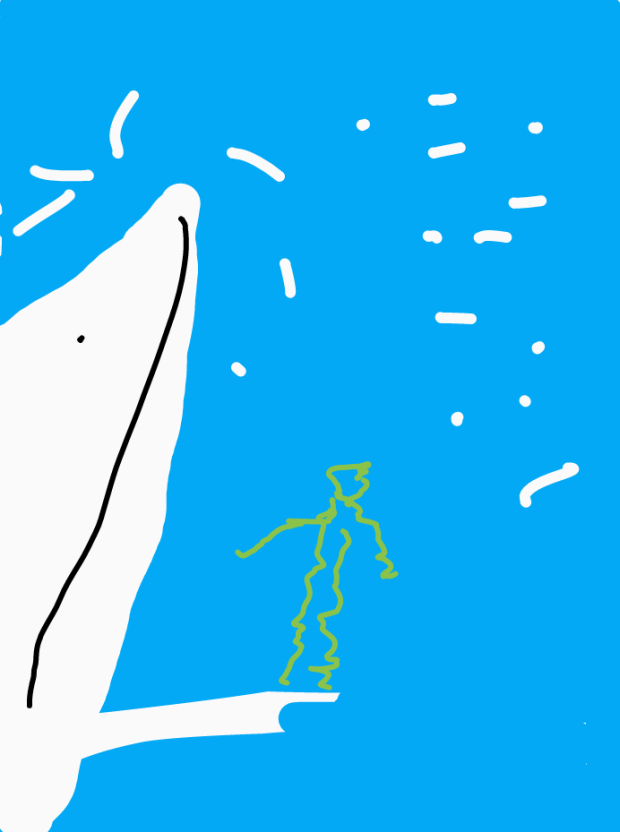
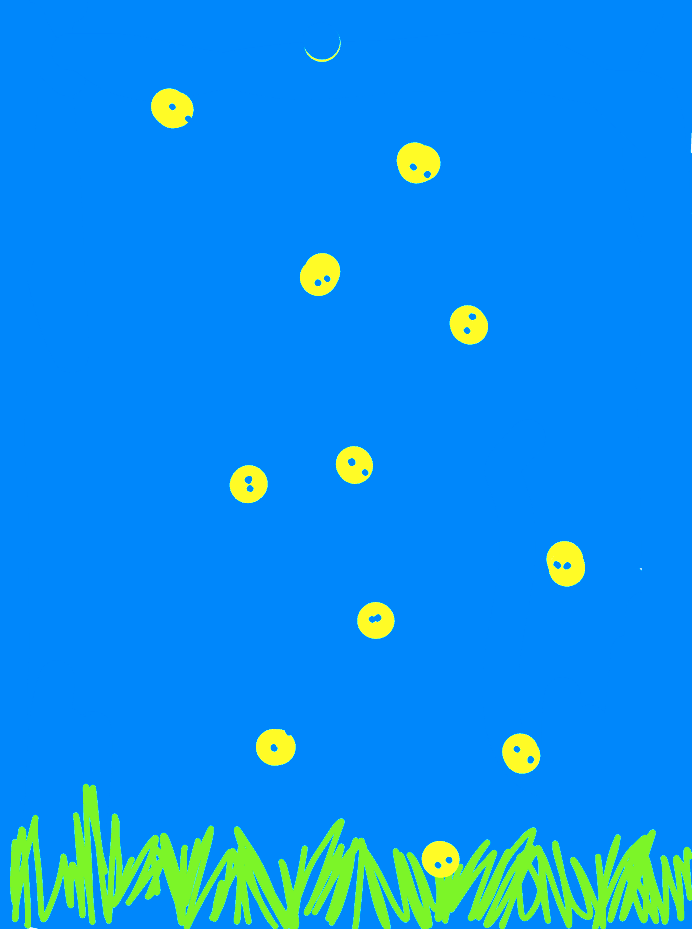
Painting is necessarily physical and messy. Anyone can paint, you don’t need to be an artist, and if you have no paints or canvas or board, you can draw or sketch, on paper or on your cell phone, for example:
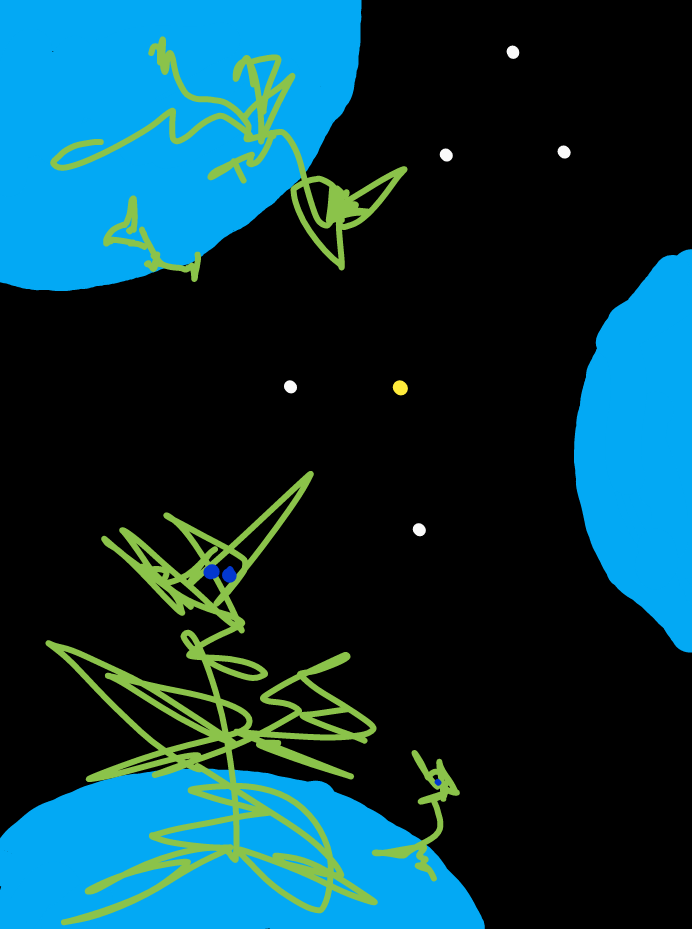
“Whale Watch” (2017) MemoDraw cell phone app .png 0.6MP 692×929:
-
Signs of Spring and All
A few mornings ago, I walked into the kitchen, set about making coffee, and noticed a line of tiny ants climbing up and down a corner edge, starting from a small gap behind a molding where the wall meets the floor, and when the ants reached the countertop, they went meandering to and fro, around the toaster and coffee maker and compost bucket. And two nights ago, out walking, we came across a nest of what appeared to be the same ant species emerging from a crack in the sidewalk, a line of scouts working their way into a neighboring yard. And early yesterday, the weather still clement, in spite of thunderstorms and tornadoes forecasted for the later afternoon hours, I had taken a morning break with my coffee outside in the fine Spring morning, and when I swung the door open to come back in, a fly the size of Rodan nearly knocked me over as she flew into the house and proceeded to spin around and around near the ceilings, cavorting from room to room.
Spring begins with a pile of chores, and one recalls T. S. Eliot’s seemingly anti-intuitive start to his disillusionist poem titled “The Waste Land”:
“April is the cruellest month, breeding
Lilacs out of the dead land, mixing
Memory and desire, stirring
Dull roots with spring rain.”Not to mention the appearance of ants awaking from their winter diapause.
“Winter kept us warm, covering
Earth in forgetful snow, feeding
A little life with dried tubers.”Soon April, and signs of spring are breeding and mixing in the kitchen and in the air, inside and out. Across the grass, dandelions are sprouting and even flowering already, and the turf at the edge of the sidewalk needs edging. The list goes on, but never mind – I discovered this week Ruth Stout, whose practice of gardening is summed up in the titles to her mid-century books, notably: “Gardening Without Work: For the Aging, the Busy & the Indolent” (1963); and “The Ruth Stout No-Work Garden Book: Secrets of the year-round mulch method” (1971); and her first, “How to have a Green Thumb without an Aching Back: A New Method of Mulch Gardening” (1955).
It was in a New Yorker article of March 17 that I discovered Ruth Stout, sister, as I learned, of the famous detective fiction writer Rex Stout, best known for his protagonist Nero Wolfe. The subtitle to Jill Lepore’s article tells all: “Ruth Stout didn’t plow, dig, water, or weed.” Suddenly, Spring seemed a happier time than how T. S. Eliot described it.
Still, I had ants in the kitchen to deal with, for I learned to my dismay they had nested inside the coffee maker. I surrounded the coffee maker with a moat of vinegar, and when the ants appeared between the moat and the coffee maker, I knew they had to be coming from within the coffee maker, where they must have set up a new nest. Never one to rush for the can of spray that “kills bugs dead” (ad line attributed to Beat poet Lew Welch, by the way), after a bit of research, I decided to try Dr. Bronner’s peppermint soap, having read that ants don’t like peppermint oil. The soap certainly stops ants on contact, and it seems to slow new scouts from returning to the scene.
Meantime, our kitchen counter is cleaner than ever before. I had to retire the electronic coffee maker. I read ants like water and warmth (who doesn’t?), and they can also detect electric currents, including vibes from computers and cell phones and such – so we won’t be able to charge our devices on the kitchen counter anymore, for fear of ants. Imagine ants in your Chromebook, crawling in and out of the keyboard. And we’ve returned to a French press coffee maker, and while it takes a bit longer with more steps to brew, the coffee is robust. And immediately employing the Ruth Stout method, the yard work is quickly done, leaving more time for writing pieces, well, like this one.
But what of the fly the size of Rodan, the deep reader will be wondering? Advocating a catch and release policy toward all living but unwelcome things, I grabbed the fly catcher and went dancing around the house with the fly. I trapped it in the bathroom, where it had landed on the window screen. To catch a fly with the fly catcher, you have to wait until it lands, approach quickly but stealthily, cover it with the catch door open, then slide the catch door closed with the fly inside the trap. Might sound easy, but it’s often a cat and mouse game as the fly inevitably flickers away at the last second. After several attempts banging around the small bathroom, I caught the fly, then released it into Spring and all wilderness where all Earth life mingles half awake and half asleep.
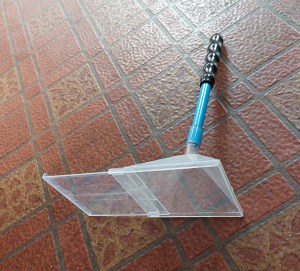
Catch and Release Fly Catcher -
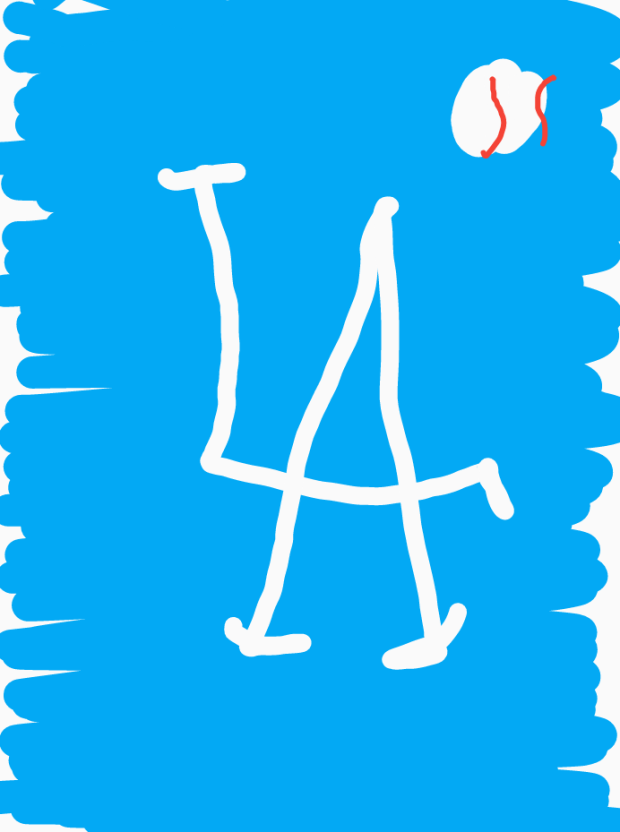
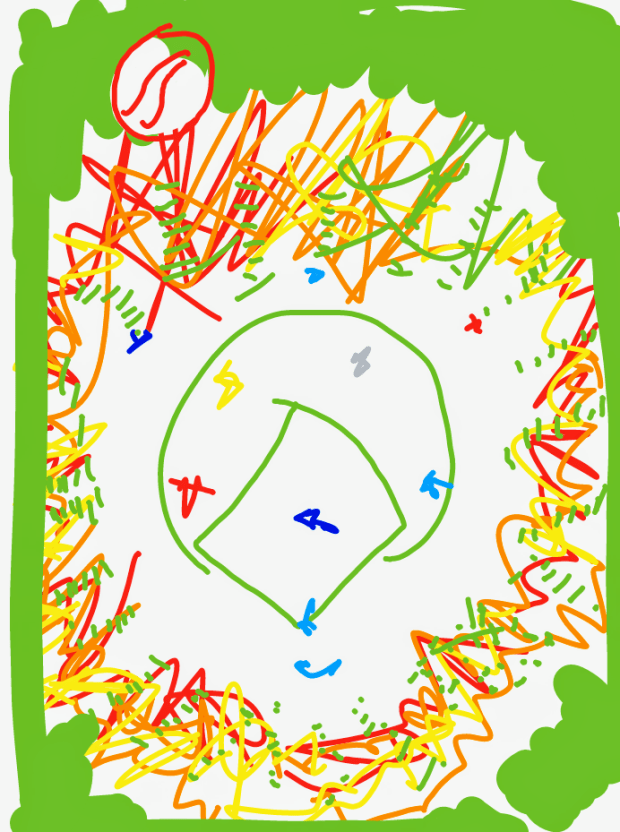
Lenten Baseball
After all it’s Lent the fall of the markets proof
if you must have something to give up reason
save the Spring season and longer the days.What is borrowed must be lent, like the stuff
that accrues in your navel, spun of golden
slumbers in the wake of a titanic cruise ship.For a long time now you’ve lived off that lint
catch in your belly button, balls in the grass,
shirts in the breeze, back against the fence.The lady’s arm is tired and sore, finally she
lowers her torch and the world grows dark,
and she’s reminded of the Tommy Lasorda80/20 maxim: “80% of the people who
hear your troubles don’t care, and the
other 20% are glad you’re having them.”Spring Training wrapping up, the national
pastime about to begin a new season, we
hope your team outperforms the others.And that’s the way it is, early though this
Lenten Season, The Coming of the Toads
reporting: Good night and good luck.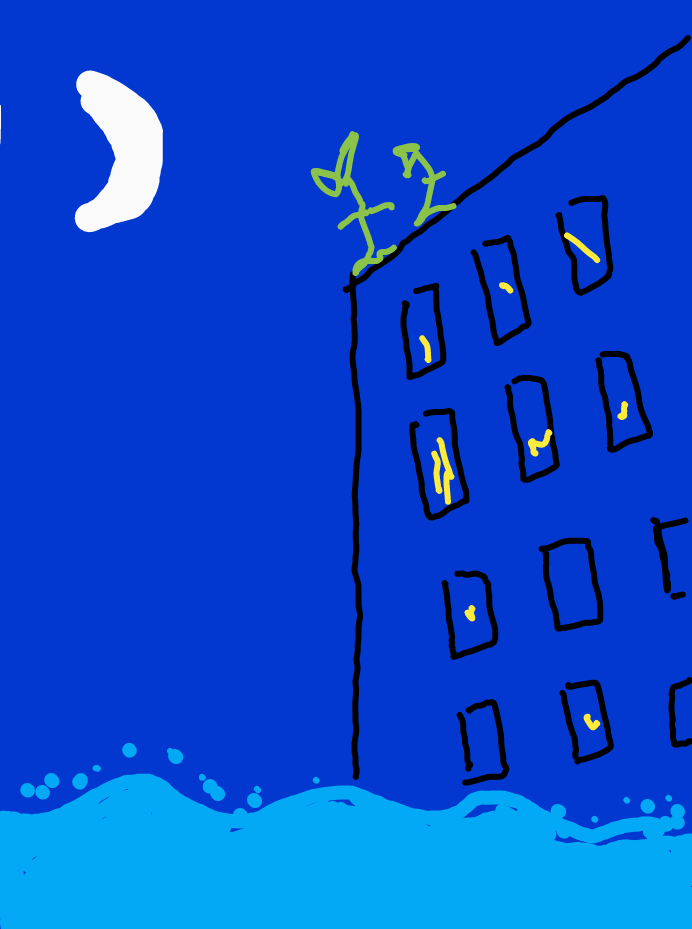
-
Exercises in Style
What is style and where does it come from? In his book “Q & A,” Adrian Tomine says, “If you create a page of blank panels and give that to a kid, they will immediately start creating a comic. And you will be surprised and delighted by what they create” (141).
Then again, when you were a kid, you might have been told to stay within the lines when coloring. And the panels were not blank, but pre-filled with assumptions and presuppositions.
Adrian says: “I understand that feeling of self-consciousness all too well, and I think the only reason I’m able to publish the work I do is that I started on this path before I knew any better….I’ve found it helpful to try to trick myself back into that earliest creative mindset, where I’m just creating the work for its own sake” (136-137).
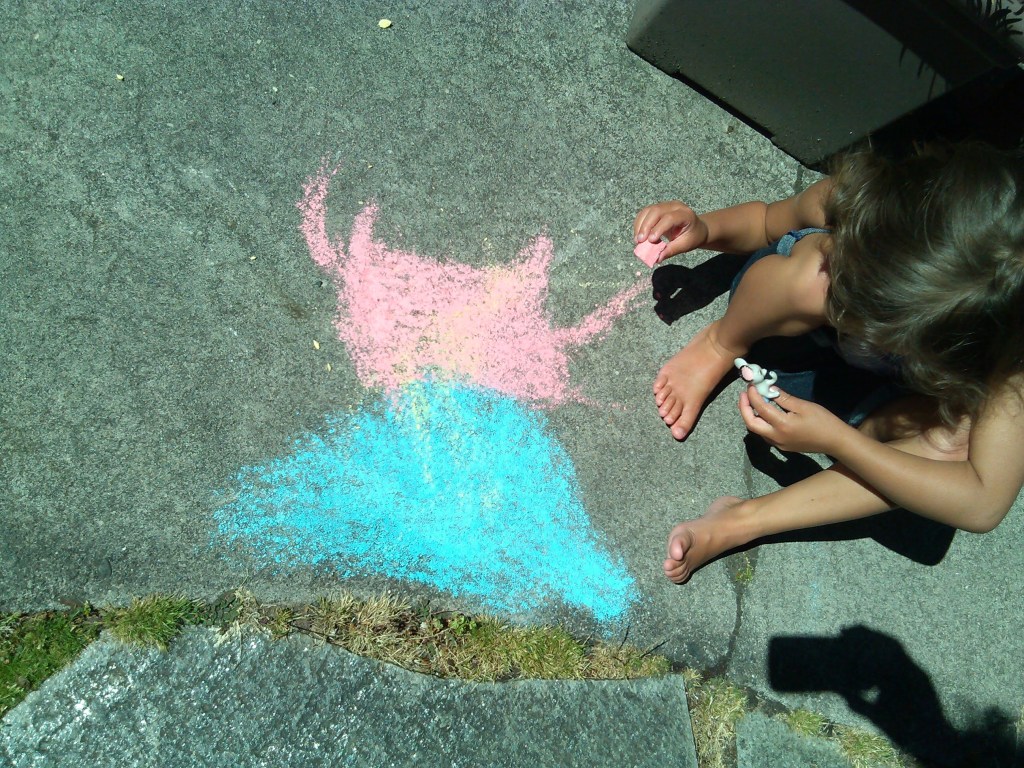
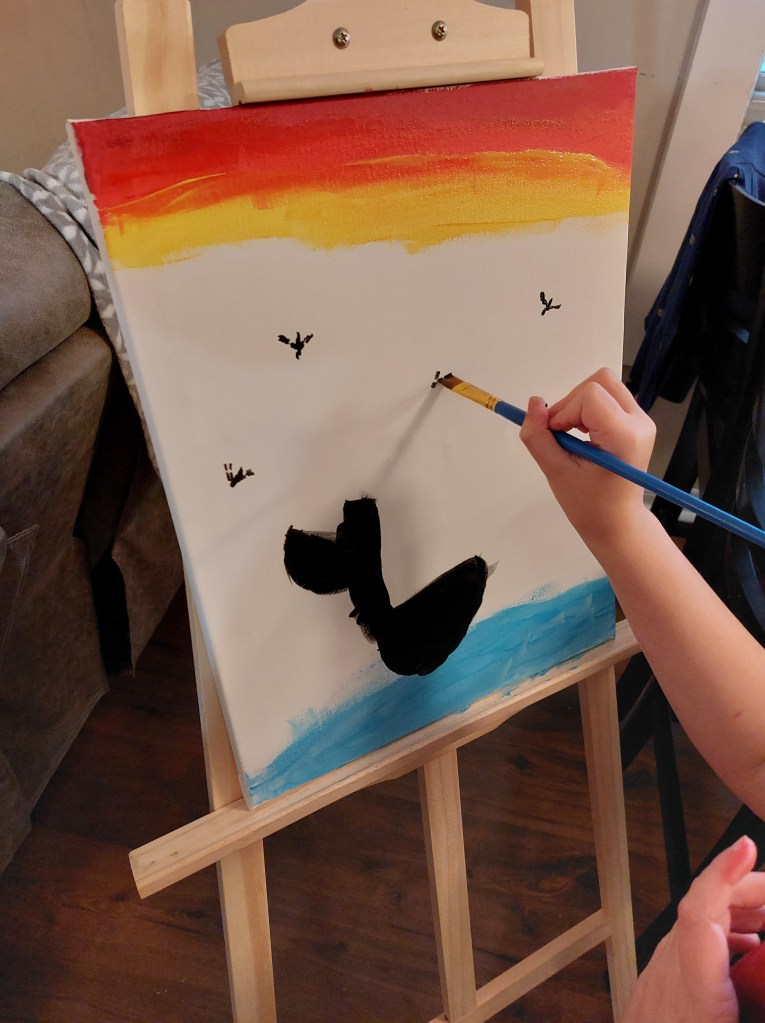
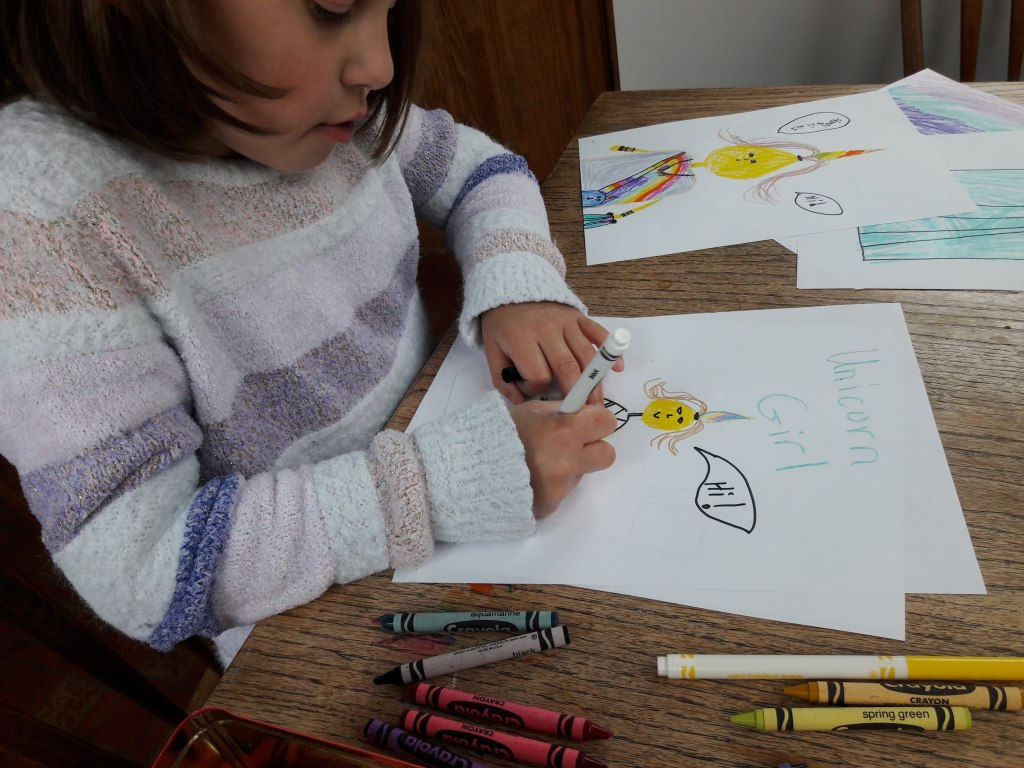
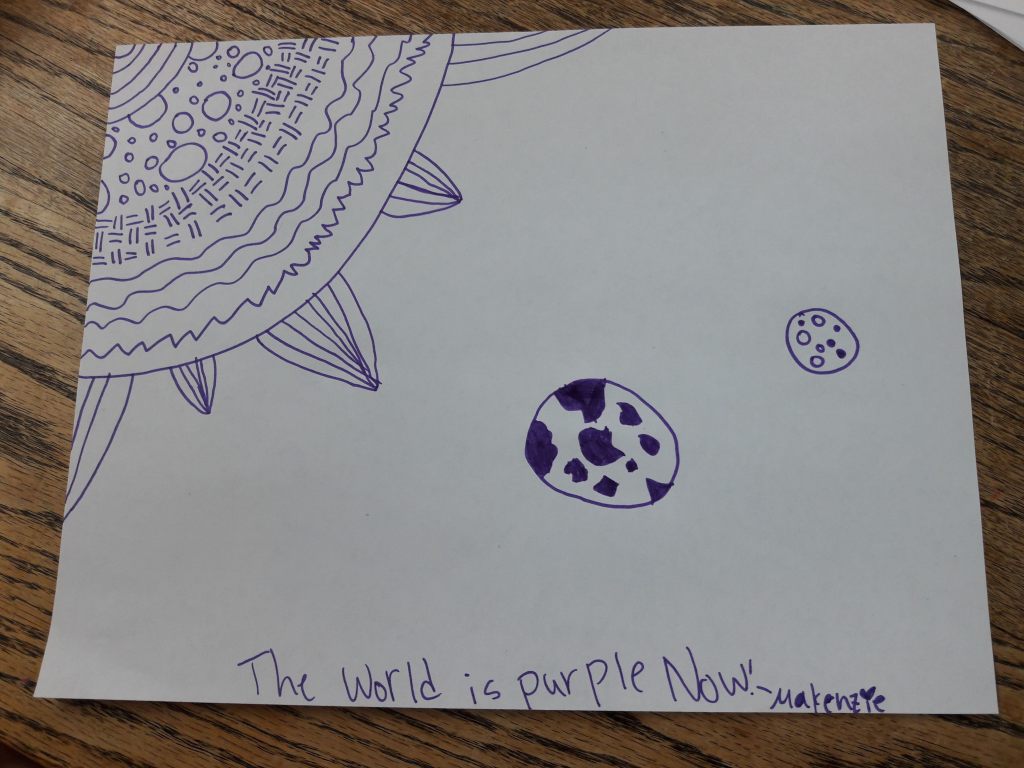
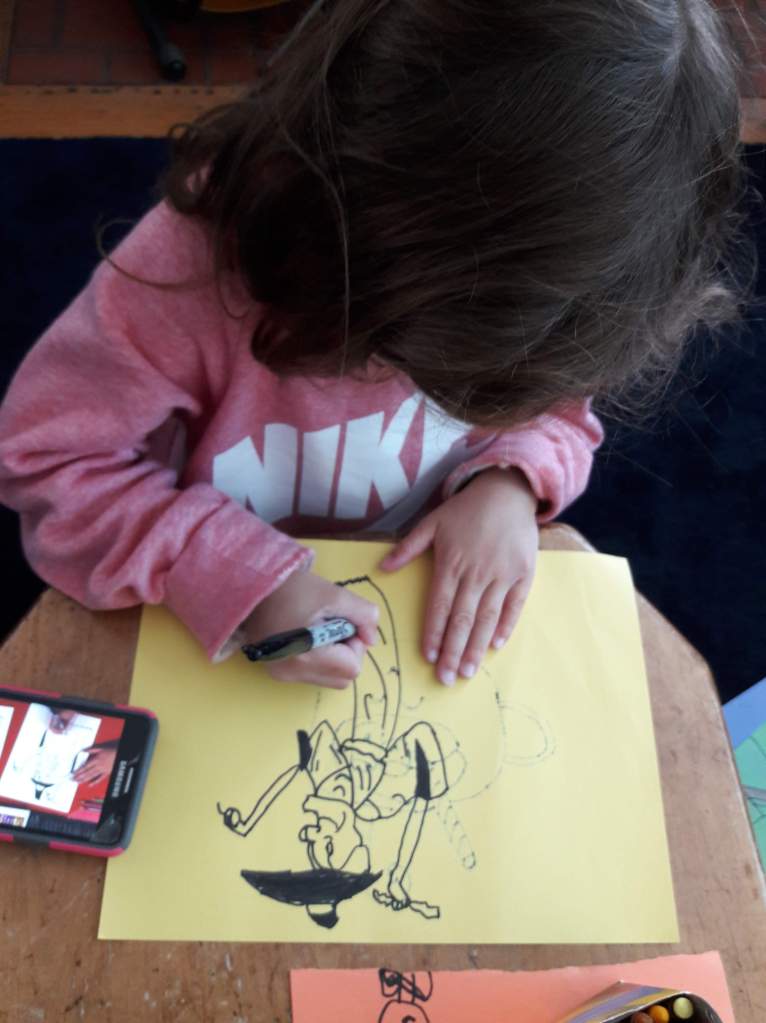
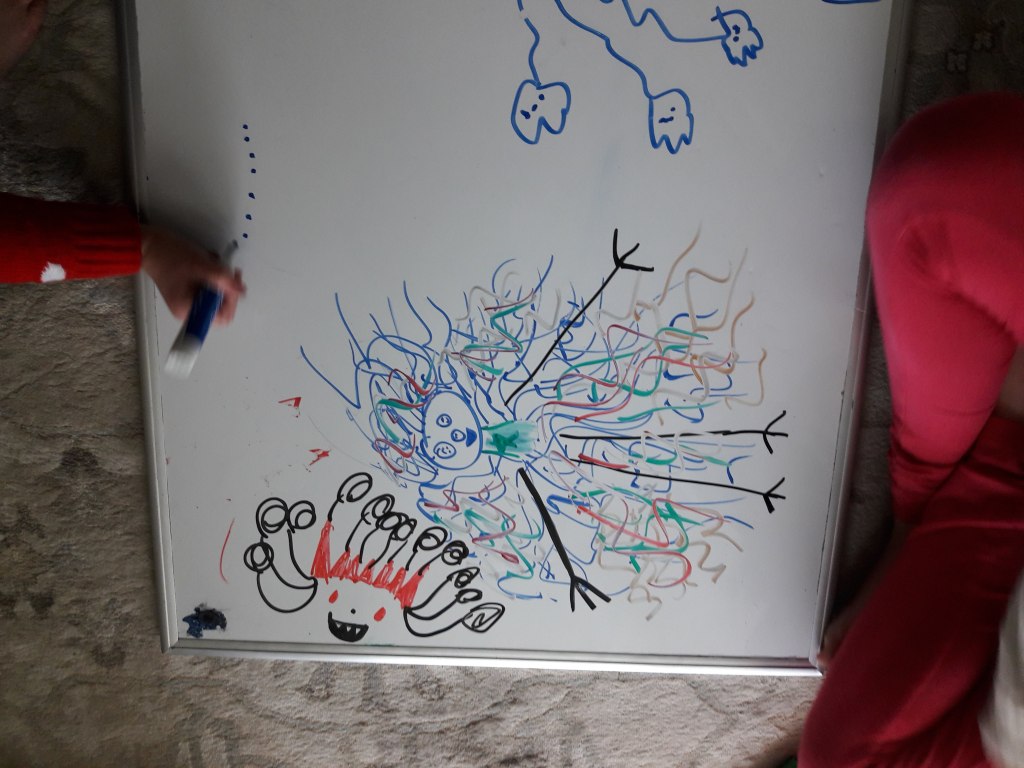
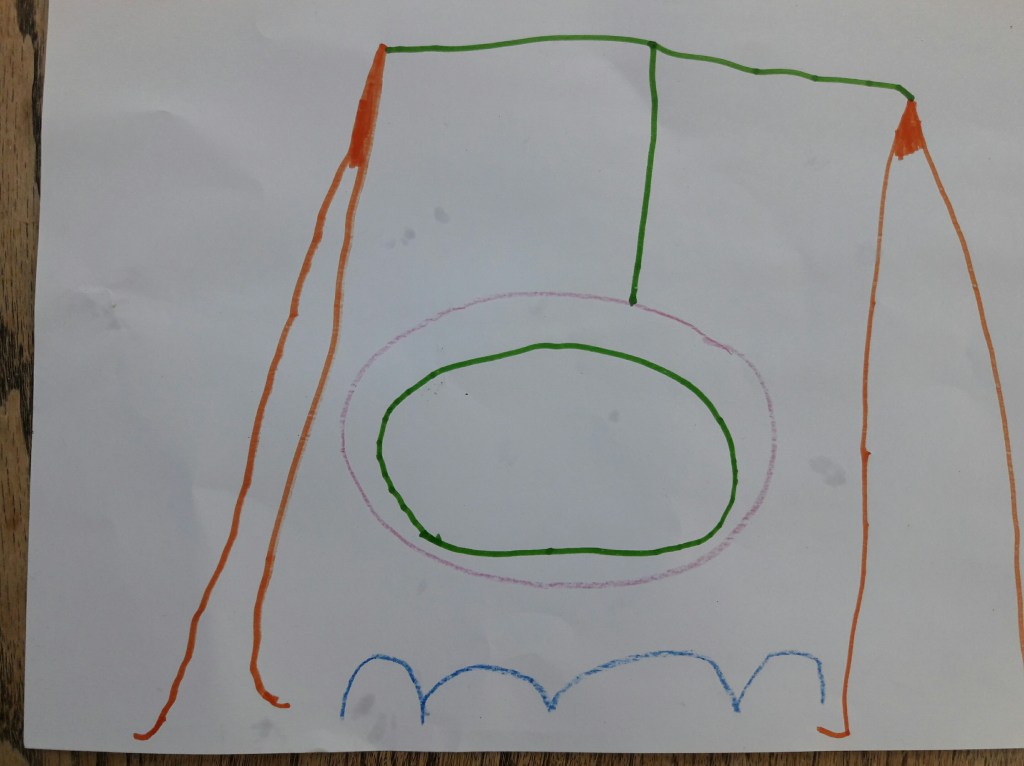
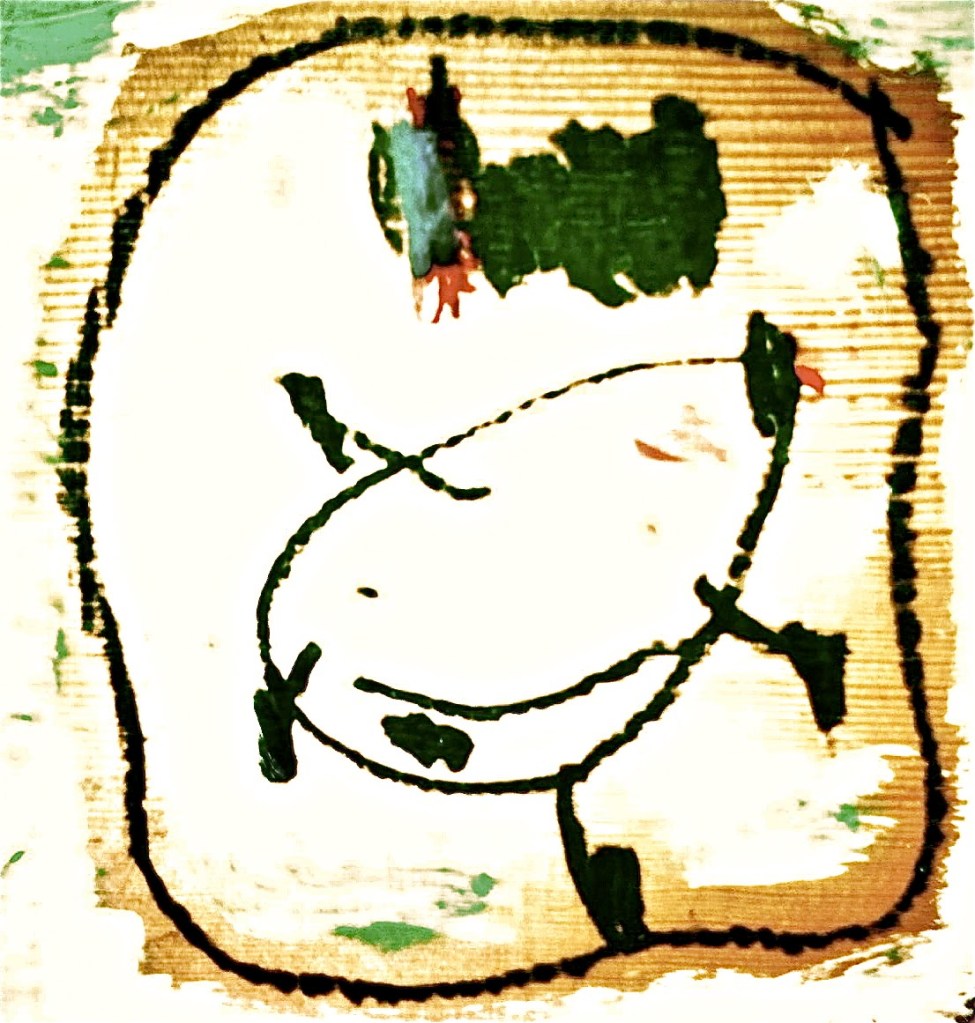
When my granddaughters were younger, we used to draw and paint using all kinds of materials. It wasn’t work for the sake of the piece, but work for the sake of work, which was play. As evidence of what doing work for its own sake might look like, here is a photo of the kids drawing on a whiteboard. Everyone knew that at some point it would all be erased. They might have saved it for a day or two, until the next exercise opportunity arose. I may have cheated the system by taking a few photos of some of the drawings, thus turning the play into work for its own sake. But that’s my problem, not theirs:
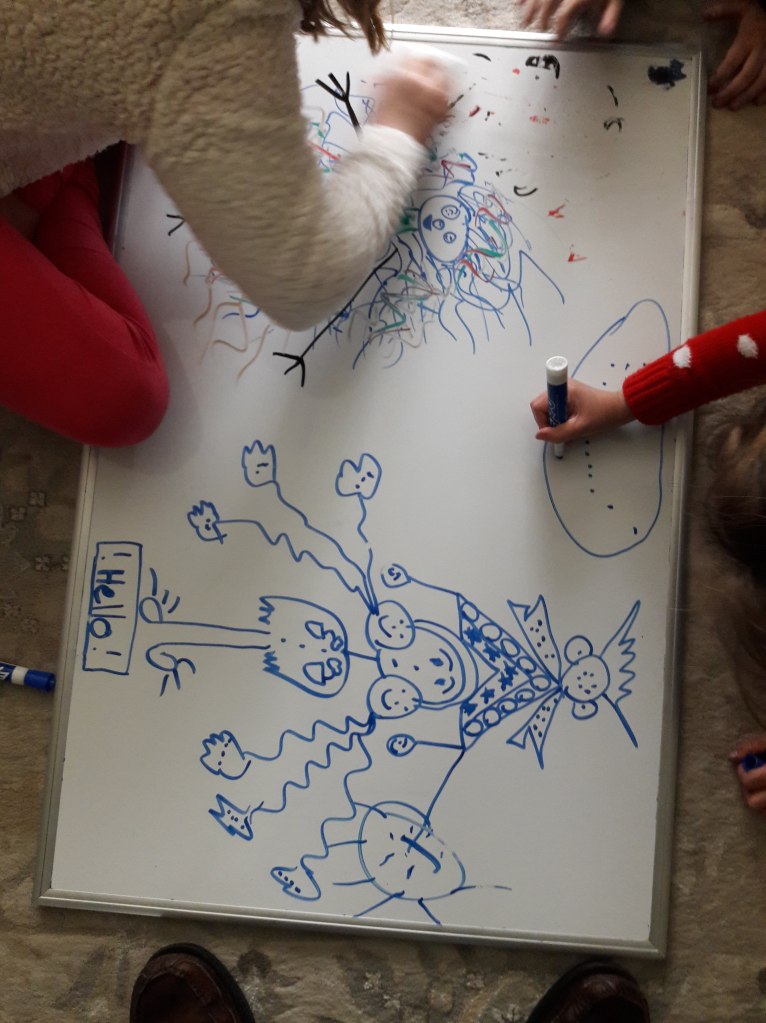
That original work has now disappeared, and I doubt we could bring it back without, as Adrian says, somehow putting ourselves “back into that earliest creative mindset.” If you can do that, then you might find a style.
Another example of style is found in Raymond Queneau’s book “Exercises in Style.” The same short description of the brief interaction of two characters on a morning bus is repeated 99 times, each time using a different “style.” In other words, the same story is told in different ways. But if a story is told in a different style, is it the same story? Cartoon drawings provide the first letter of each word of each chapter’s short title. Some examples of the one-word titles: “Precision”; “Anagrams”; “Blurb”; “Passive”; “Speaking personally”; “Comedy”; “Biased”; “Tactile.”
Can a style be created using rules? Yes, and that has created much confusion over what’s right and acceptable in given contexts or venues but that might not be right or acceptable in others. Style is often confused with etiquette. It might even be confused with intelligence.
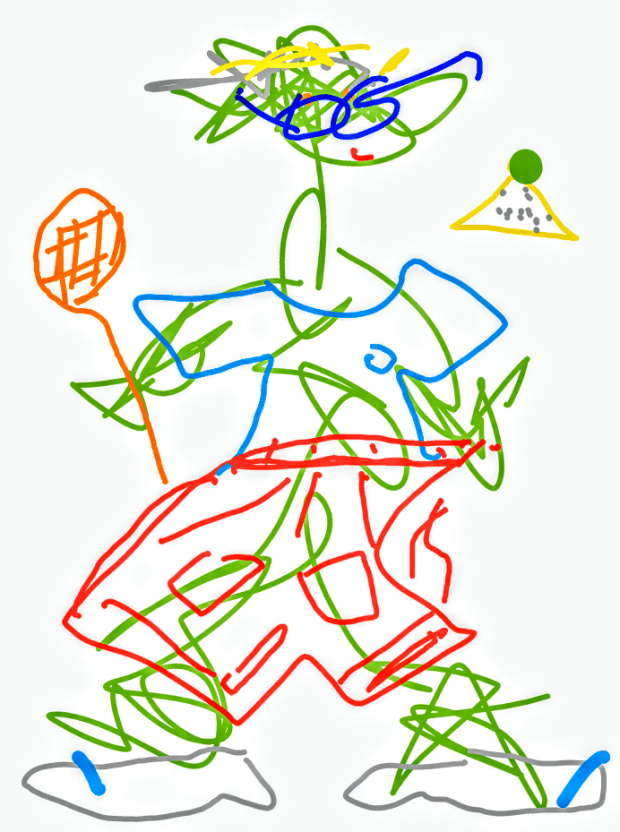
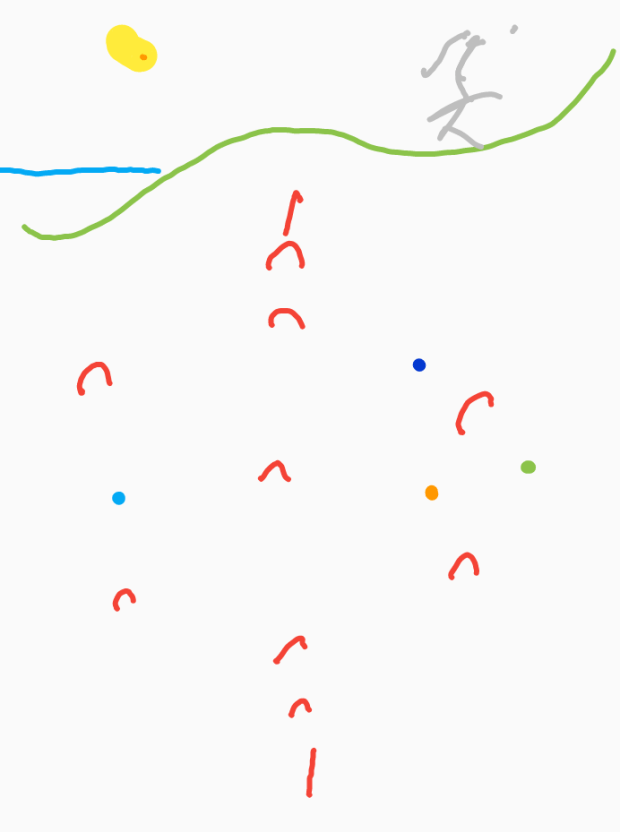
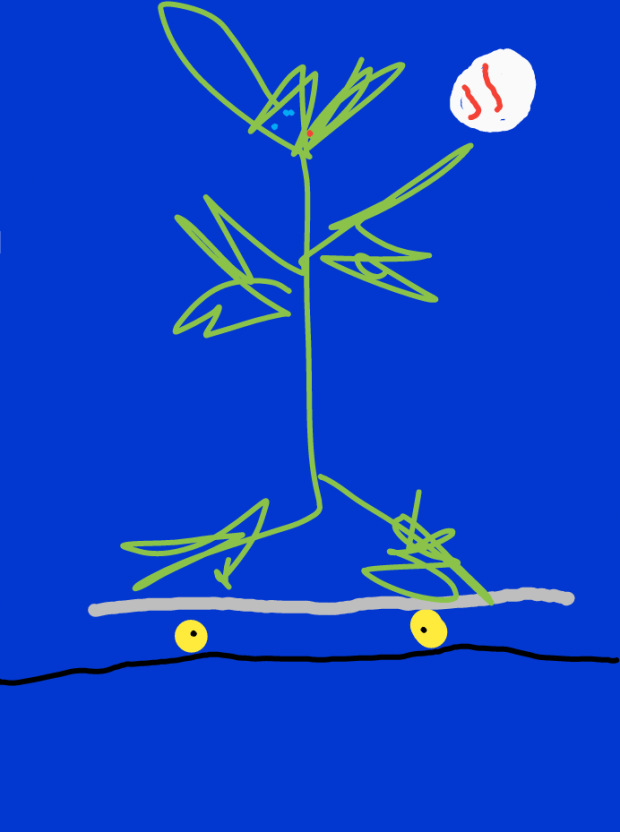
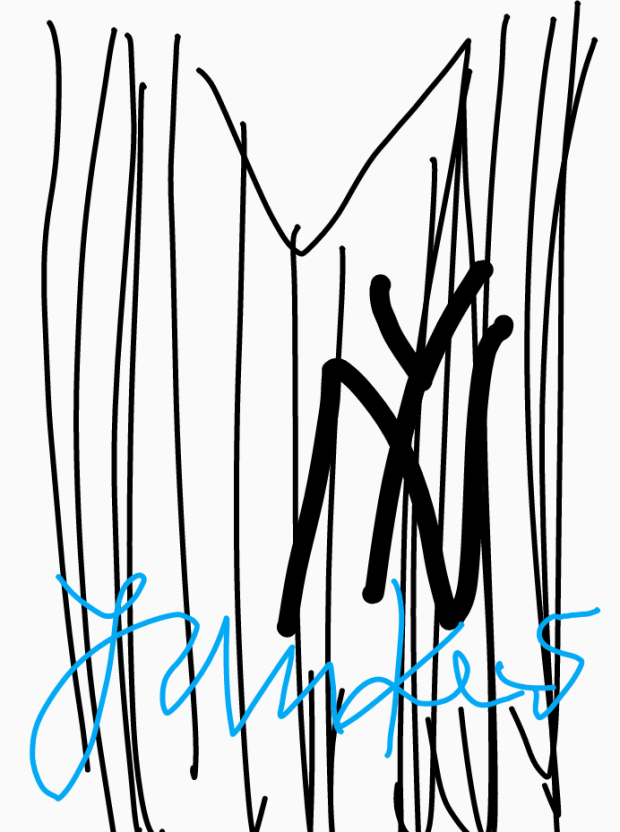
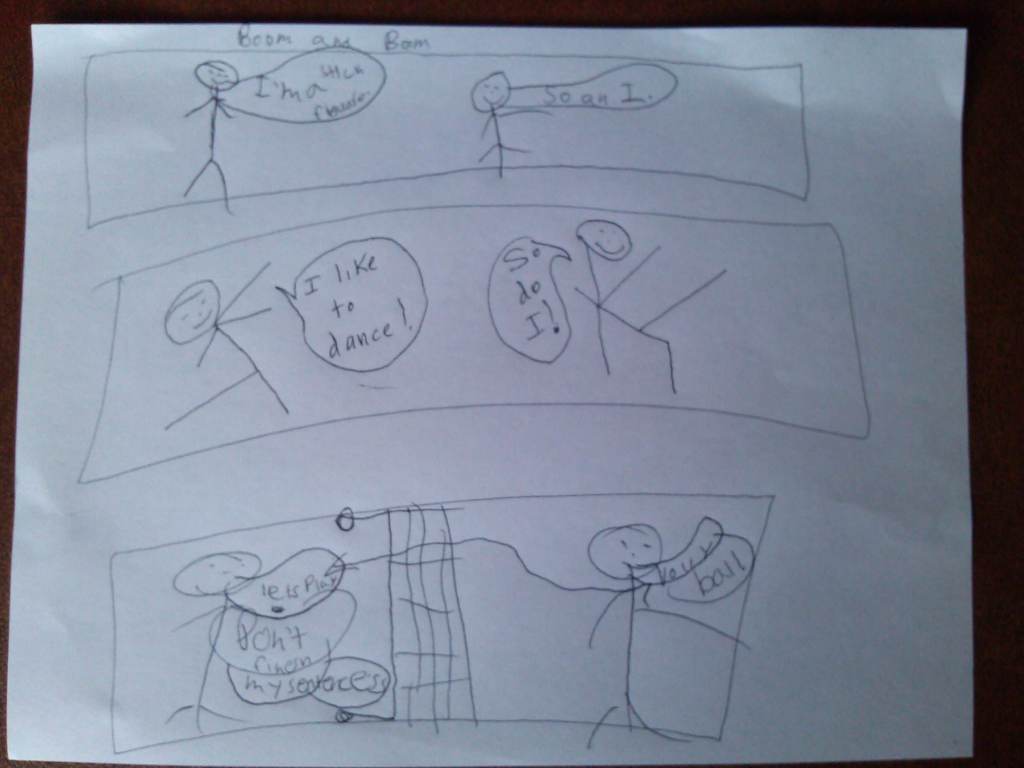
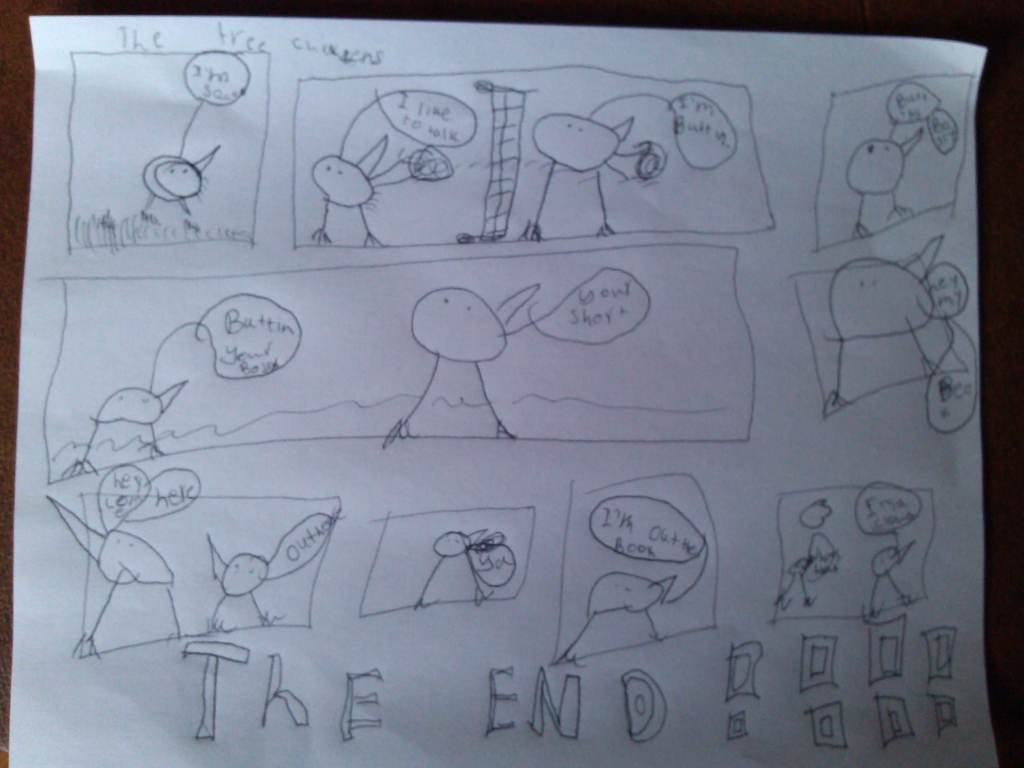
Here is a slideshow of photos, cartoons, and comics in styles we used to use:
~ ~ ~
“Q & A” was published by Drawn & Quarterly in October 2024. I wrote about it here.
“Exercises in Style” was first published in French in 1947. New Directions published a translation in 1981 (NDP513), and a new version in 2012 (NDP1240), which includes additional exercises.
-
Tik Tok
1

Tik Tok Tik Tok Tik
Tok Tic Tok Tic Tok
Tik Tok Tik Tok Tik
Tok Tic Tok Tic Tok
Tik Tok Tik Tok Tik
Tok Tic Tok Tic Tok
Tik Tok Tik Tok Tik
Tok Tic Tik Tic Tok
Tik Tok Tik Tok Tik
Tok Tic Tok Tic Tok
Tik Tok Tik Tok Tik
Tok Tic Tok Tic Tok

2

Tik Tok
Who's there?
Tik Tok
Tik Tok who?
Tik Tok

3 How to Tik Tok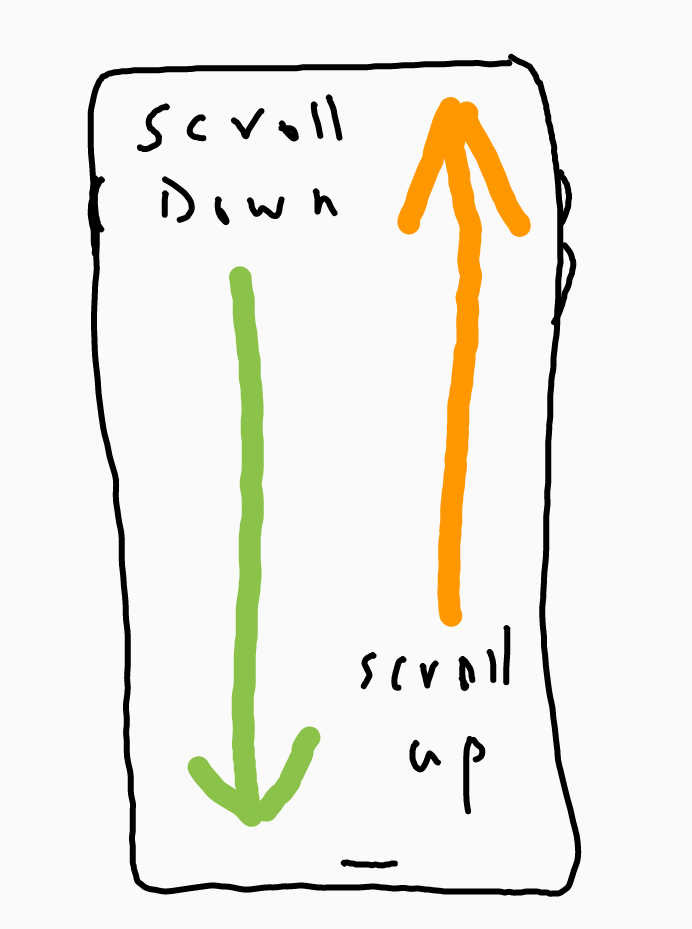
-
Notes on Adrian Tomine’s “Q & A”
“Q & A” is an entertaining and instructive book on cartoons and comics and the life of a professional cartoonist. There are 52 questions over 163 sewn pages of high quality paperback from the graphic comics publisher “Drawn & Quarterly.” I saw the book reviewed on the “Briefly Noted” page in the November 11, 2024 issue of The New Yorker magazine. I ordered a copy, read about half, an easy and enjoyable read, but got distracted by the holidays and other readings and this week thinking more about comics and cartoons picked it back up from my unfinished stack of books and reread it from the beginning.
Few of the questions come as a surprise. What materials do you use and other technical questions. But how does the “180 degree rule” work? I didn’t know cartoons had rules. How did you get started and how did you get into “The New Yorker?” Like the basic question in the job hunting book “What Color is Your Parachute?,” some of the questions in Adrian Tomine’s (toh-mee-neh) “Q & A” ask, “How did you get to where you are and what’s it like being there?”
But because he’s writing, he’s reflecting, and has development time to give the questions patient and thoughtful response and clarity. And there are ample examples in photos and drawings of his work in progress, his work space, his tools, and finished cartoons and drawings. The technical answers I think are relevant in any league, but I particularly liked his saying, “I would also like to make a brief pitch on behalf of cheap tools” (21), and, “I made a decision to set aside most of my fancy art supplies and start from scratch, gravitating towards the cheapest, most readily-available materials” (22).
But there’s plenty in his answers about technical process and development that is out of my league, and I made a decision to stick to ballpoint pen and pencil and notebook paper and napkins or drawing on my phone with my fingers. I’ve not the time but more not the want to try now to master high-tech modes. But for anyone starting out, drawing cartoons or comics, or on their way, or with an interest in The New Yorker covers and cartoons – including the editorial process – “Q & A” is a must, and fun, read.
He covers his influences and the development of his graphic books and his work habits and environment. He’s witty and sounds honest and he’s certainly helpful, and I particularly appreciated what he said to the student asking if they could adapt his work into a film for a student project: “I’d strongly recommend generating your own material for a student project. It’s not like any of my stories are particularly ‘high concept,’ and you could probably come up with similar – if not better – ideas on your own” (118).
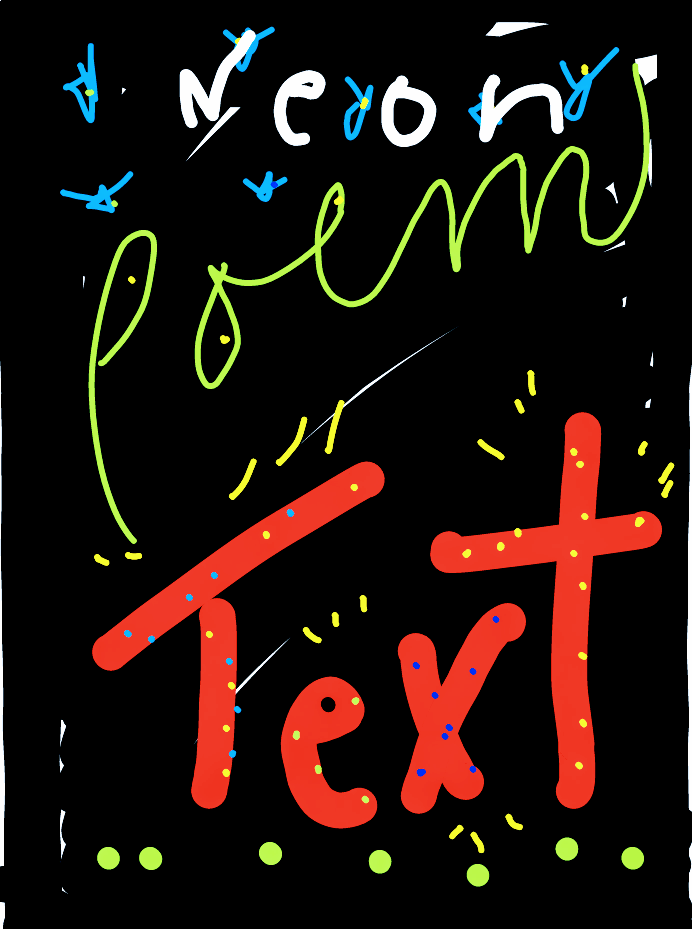
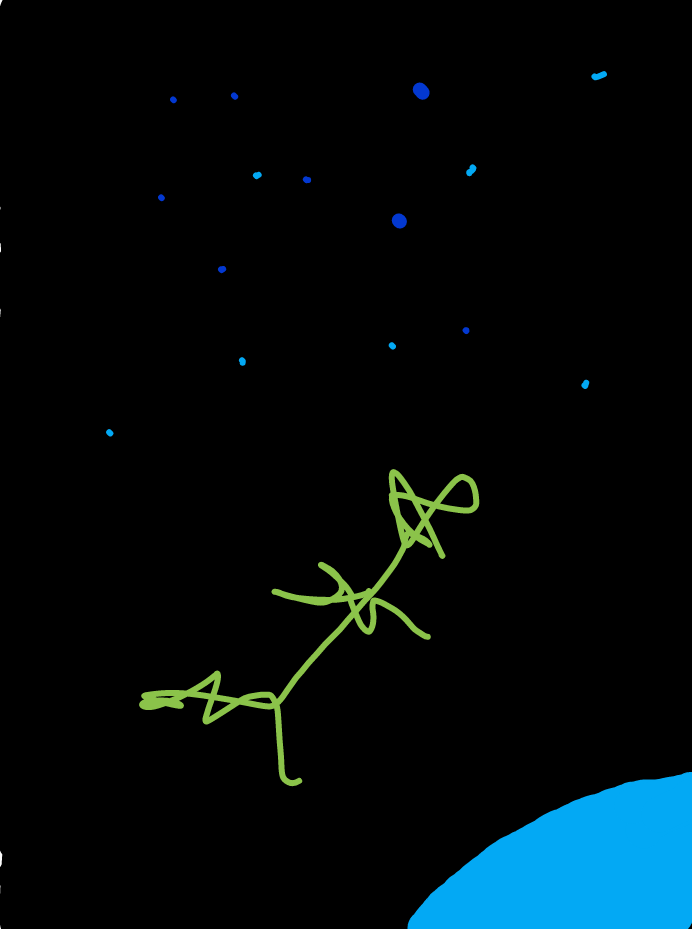
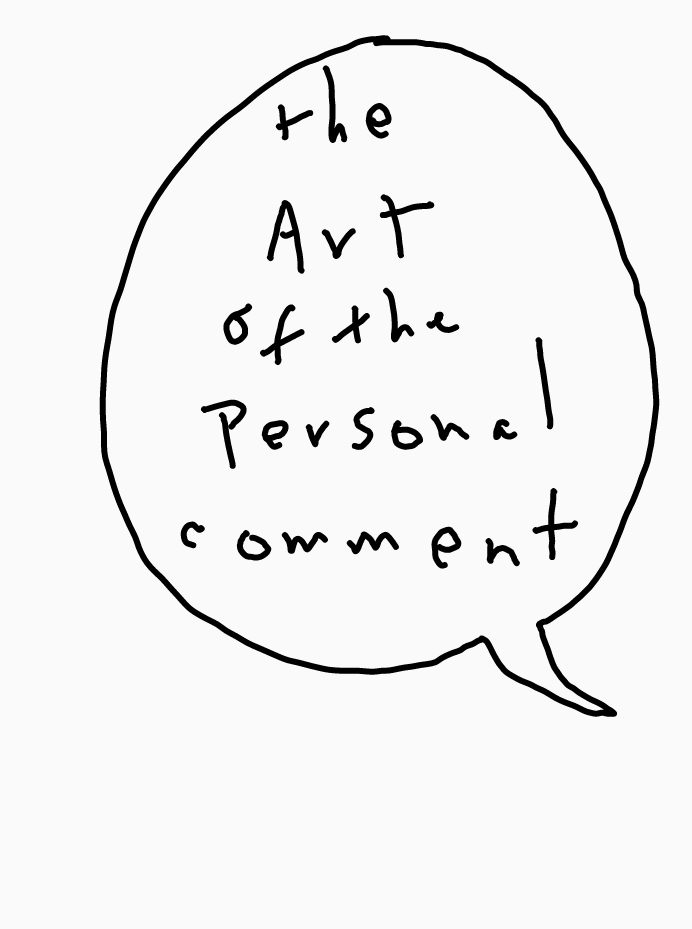
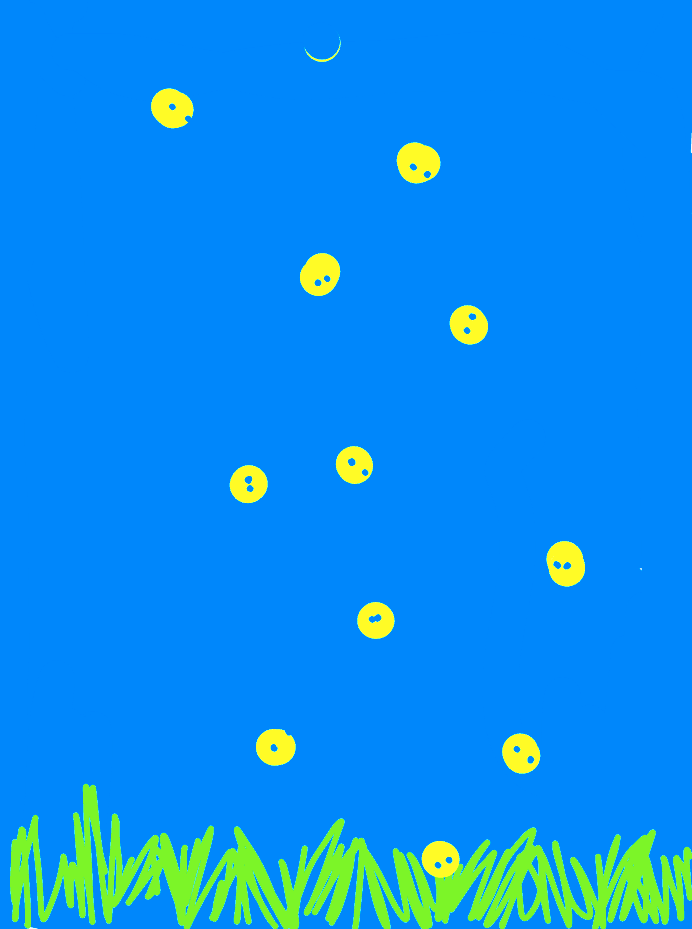
I’m waiting for my Brit friend to send me an Artificial Intelligence cartoon drawn in the style of Joe Linker. Meantime, here’s one of my cartoons for your quick and easy consideration, drawn with my fingers on my phone:
-
Other Magazines and Cartoons
If the point of a cartoon is not to make you laugh, then what is the point? If you have to ask, you may not have the makings of a cartoon aficionado. A few days ago, celebrating The New Yorker magazine’s 100th anniversary, I suggested their cartoons, a big part of their brand, if you like to name things, are not funny. I said, “And if you think the point of a cartoon is to make you laugh, you’re in for a disappointment.” But what I should have said is, “…you’re in for a surprise.” That’s the point of a cartoon – to surprise. If you must have a point.
My Brit friend who previously sent me the artificial intelligence poem written in the style of Joe Linker read my 100th anniversary post and responded via email with a link to the Seinfeld segment where Elaine meets with the cartoon editor at The New Yorker to ask him to explain why one of their cartoons appearing in a recent issue is funny. She doesn’t get it. She pushes him into admitting he doesn’t get it either, and when she asks him why he published it, he says he enjoyed the kitty. It’s Series 9 (their last), Episode 13, titled “The Cartoon” (1998). You could look it up. Susan and I watched the whole episode the night before last on TV. Susan didn’t find it too funny, but I did. Well, actually, she didn’t say it wasn’t funny; she said it wasn’t a good one. If cartoons are not funny, how could a show about cartoons be funny?
Do we choose our magazines based on their cartoons? I remember in my parents’ house there appearing copies of Redbook, Ladies’ Home Journal, The Saturday Evening Post, Seventeen, and Glamour, but just occasionally, not necessarily the result of subscriptions, but of random, neighbor exchanges. Did my mother and sisters read Joan Didion in the Post? I’m sure my father did not. He read the newspaper. I don’t recall paying much attention to those magazines, but I don’t think they were known for their cartoons. Susan’s aunt, who introduced me to The New Yorker, was a commercial artist, an illustrator. She said illustrators were not artists. That there never developed for Los Angeles a magazine equivalent to The New Yorker may help explain the difference between the two cities.
One year, in the midst of my career in the red dust of commerce, I cut out a New Yorker cartoon and taped it to the side of my computer monitor, in those days the size of a television box, on the aisle where passers-by could stop, check out the cartoon, and say hi. The cartoon was two panels, on one side, a middle-aged man dressed in a loose fitting business suit with tie, holding a briefcase, wearing a fedora hat, on his face a zero expression, neither awake nor asleep. He might have been waiting to cross a street, for a sign to say, “WALK.” The caption read: “The thrill of victory.” In the other panel, the same guy, exactly the same drawing, the same facial expression. The caption read: “The agony of defeat.”
My boss at the time stopped to check out the cartoon of the businessman. I could tell he didn’t get it. He walked on to his office. Some days later, he stopped again, and said he didn’t think the cartoon was funny. Several weeks passed. The cartoon didn’t get that much attention. I guess its surprise wore off. What attention it did get might have been due to the fact that it was the only piece of non-work material I had stuck up anywhere on or around my desk. It may have become a tiny landmark, reminding sleepwalking or overexcited workers to turn right here. I don’t remember exactly how long it remained up before my boss called me into his office to tell me he wanted me to take the cartoon down. I took it home and taped it to our icebox door.
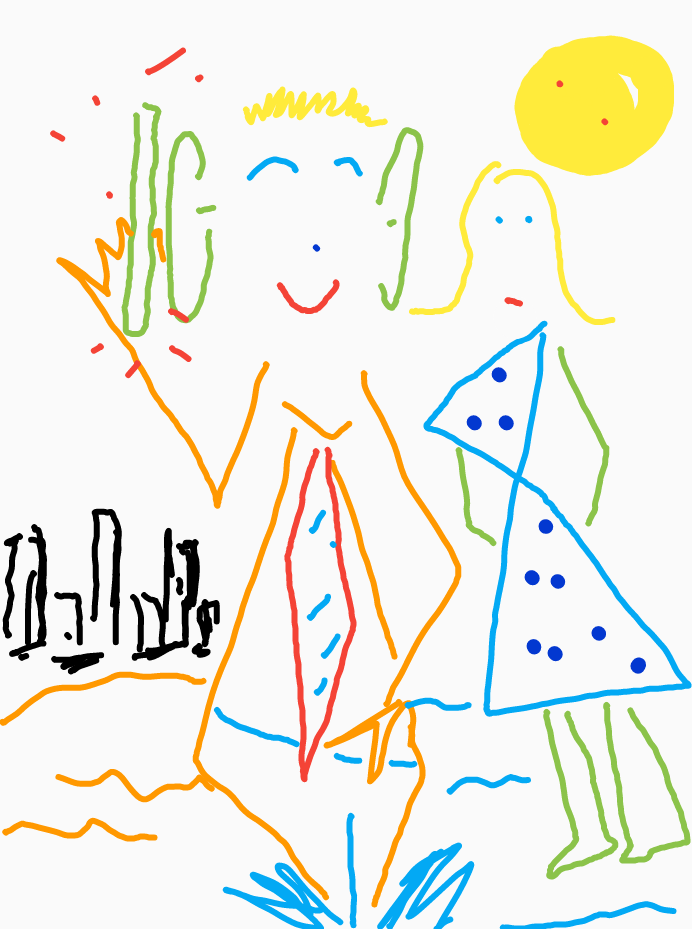
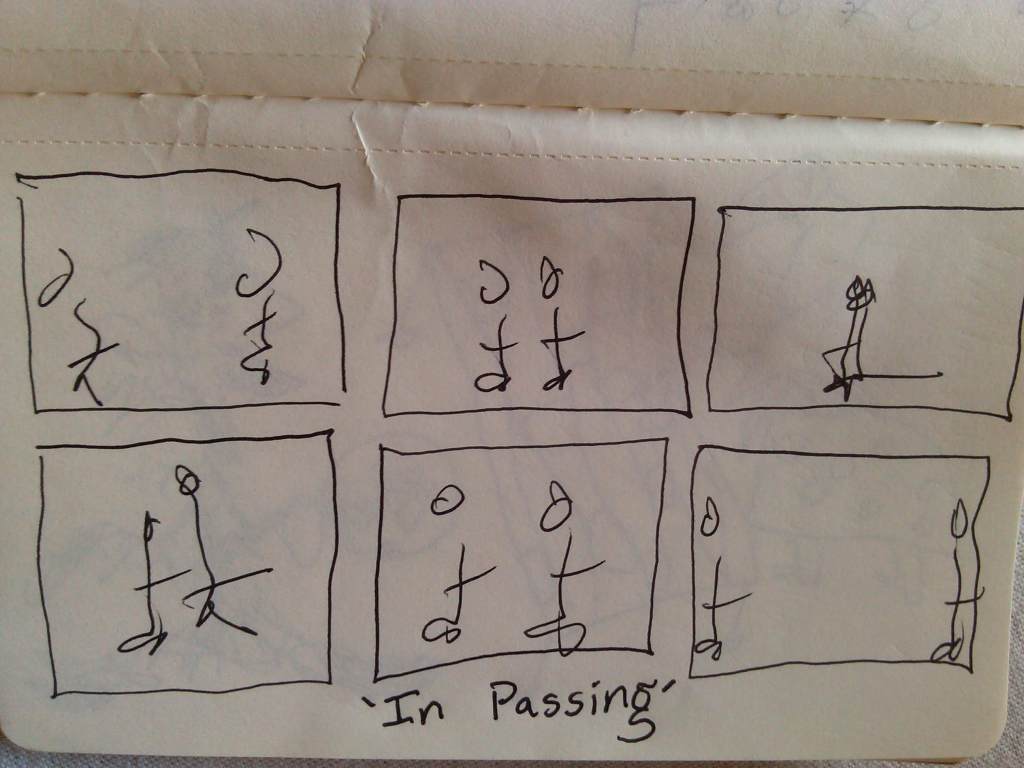
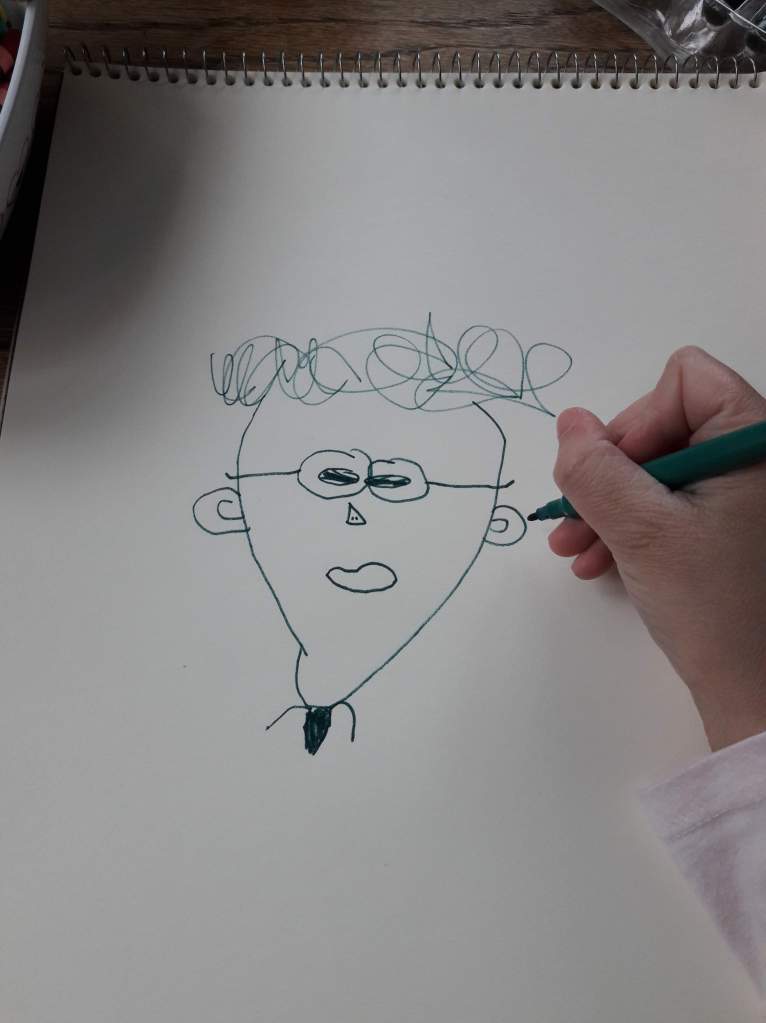
I drew a cartoon a few years back of a man holding a cellphone to his ear, the phone giving off wah wah sounds indicated by red dashes, a big smile on the listener’s face, a woman to the side a step behind him looking disappointed. The caption read: “They were supposed to be on vacation, but he was on his cellphone.”










 The Coming of the Toads