adversative? when to whom conversative? with to which
adjourning? now here heretofore? to where
in room? ill lit elbow? move over
“Ill Seen Ill Said,” a novella piece by Samuel Beckett, appeared in the October 5, 1981 issue of The New Yorker magazine, first published by Les Éditions de Minuit in Paris, earlier in ’81. My poem above, “Q & A,” is a bit of a riff on Beckett’s themes.
On page 41 of The New Yorker, where the story begins, is a cartoon by Charles Barsotti. The cartoon shows a duck sitting at a desk. The duck wears glasses, is writing with a short pen or pencil on a piece of paper, a phone on a front corner of the desk, a stack of three pieces of paper on the other corner, the duck looking up, as if thinking of what to write next. Above the duck, still in the cartoon frame, the words: “Quack! Quack! Quack! Quack!” And above the cartoon box, a handwritten caption reads: “THE CALL OF THE WILD.”
There are 77 question marks in Beckett’s novella, including: “What the wrong word?” Just before, “Imagination at wit’s end spreads its sad wings.”
Near 8,000 words to the novella. I counted only 3 commas in the entire piece. Short, staccato sentences.
We hardly see anything of reality’s totality (“Ill seen”), but that is our syllabus, and even that may seem overwhelming, and suppose we could see it all, could we describe it (“Ill said”), let alone explain it, and with only 0.000375% commas! All that said, we sometimes seem to come close, or someone does, and shares, and that’s a pleasure. Not an argument, not a theory, not a grammar, just a pleasure, like at a circus.
Beckett’s piece ends with, “Know happiness.” No end of playing with words.
“Which say? Ill say. Both. All three. Question answered,” says Beckett, in “Ill Seen Ill Said.”
Sunday mornings, I fill our little blue watering can at the kitchen sink and walk around like a waiter at a cocktail party, offering drinks to the houseplants. In our first place together, we sprouted plants from avocado seeds. One spread from a ceramic pot on the ledge above the sink, the window never closed, where the cat Freely came and went. Oak Street.
One day, each of us carrying a bag of groceries, walking home down Main Street, we paused at the Realtor’s window at the end of the commercial strip to look at the photos of houses for sale in town. We lived in one of four small white stucco houses, one in each corner of a courtyard, a wooden barn-like garage out back with four open stalls. Our rent was $95 a month, the beach a mile away.
Standing at the window of the Realtor’s, I was surprised to see a photo of our place. The four house lot was for sale. We didn’t have a telephone, so I went over to my folks-iz home and called our landlord, who confirmed our house was for sale, sold, actually, and he just had not had the heart to tell us, but the eviction notice would soon be in the mail.
That summer, the four small houses were torn down and a large apartment complex with no yard space erected, but this little story is not about inflation. It’s about night and day, dancing the night away, surfing in the morning.
I carried a three ring canvas binder between classes first year of high school that rubbed against my shirt and pants, stained indelibly a light purple from my doodle drawings on the binder covers front and back in red and blue ink pen. I wasn’t “The Illustrated Man,” but I sure had a tattooed notebook. Alas, there was no time-travelling girl helping me draw. Four years later when I started spending time in Venice, Ray Bradbury was long gone, but I was still doodling.
I wrote in books, marginalia and notes, and doodled in notebooks. I couldn’t sit through a class without doodling. I was never that into comic books, which are more artistic than the common doodle. The beauty of the doodle is that it is not art, and it’s useless criticizing something for not being what it was not intended to be. And I took copious, effective notes in lecture classes; when neighboring students missed a class, they wanted my notes. Bonus the cartoons. There seems to be a relationship connecting the doodling brain to notetaking.
A doodle isn’t automatically a cartoon. Doodling might be likened to automatic writing, where the subconscious develops surreal on a cafe napkin. The doodle may or may not have a model or subject, though often one emerges. The doodle is disposable, like the napkin it’s drawn on.
Job changes, and then involved in business meetings, I continued to doodle, unable to pay attention otherwise. I suppose I doodled like others smoked cigarettes. On the five minute phone call, I could fill a ream. Sometimes, in a meeting, over my arm, someone would notice a doodle and comment. My notes and doodles were mosaic, non-linear.
At some point I started looking at my doodles a bit differently. They went from a means to get through a class or meeting or phone call to a hobby of drawing and sketching, which meant trying to doodle outside the captive occasion and saving them, and turning them into cartoons. But it’s not so easy to draw when it isn’t improvised or made from a distraction, the mind mostly still focused on something else, and captions complicate the process, an attempt to explain a dream.
Maybe doodling is a way of handling experience outside the rules of what children see as the adult world. The doodle is usually not an attempt at representational art, and so the doodler is free from linear perspective requirements. That’s one difference between the doodle and the sketch. At the same time, a true artist like Picasso might have drawn like a child because he had the skill to do so. It’s hard for an adult to doodle like a kid.
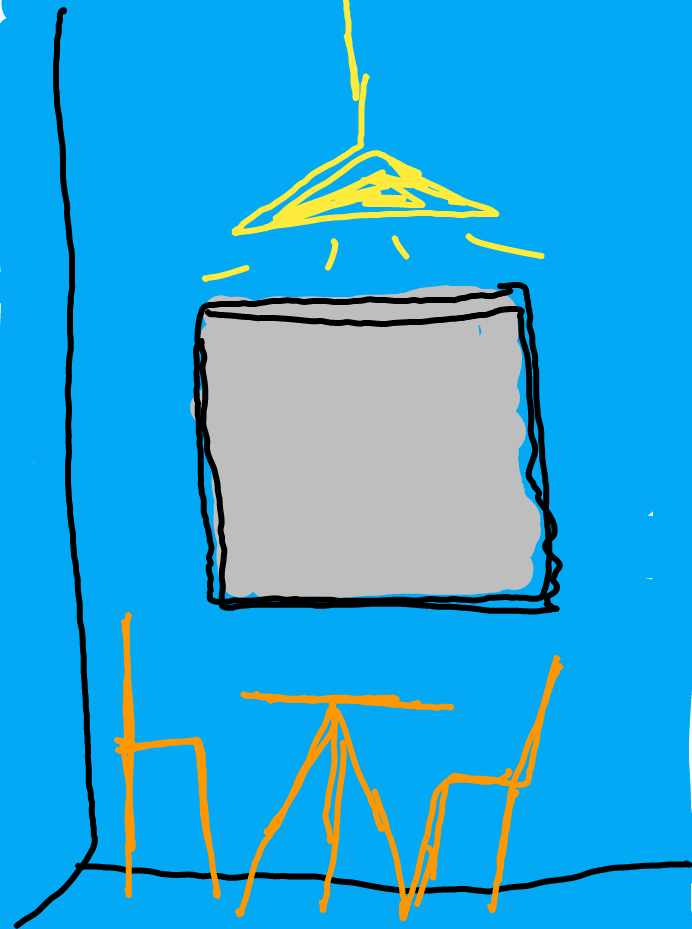
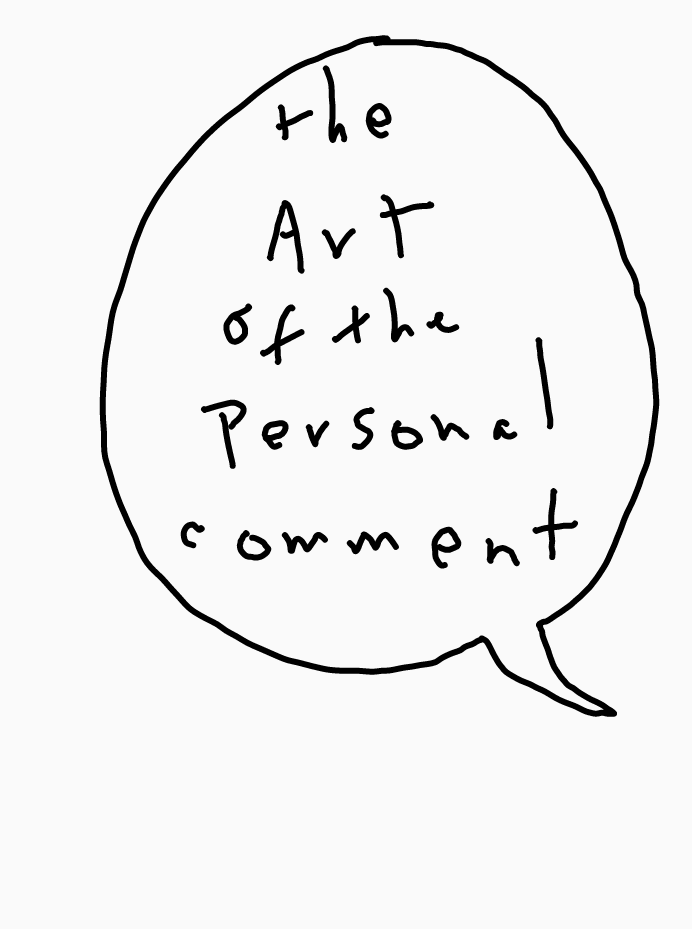
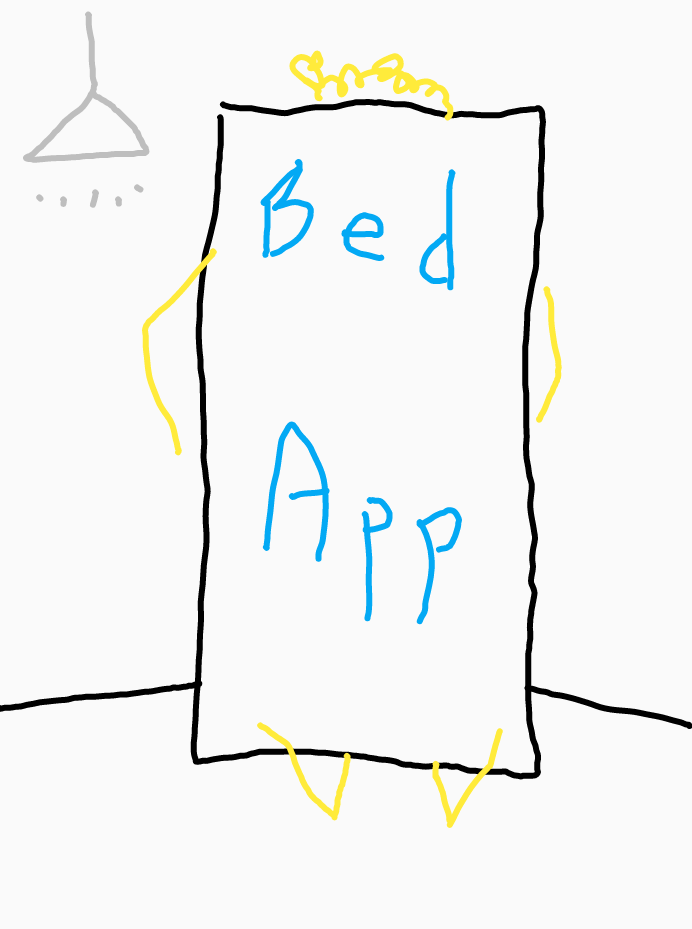
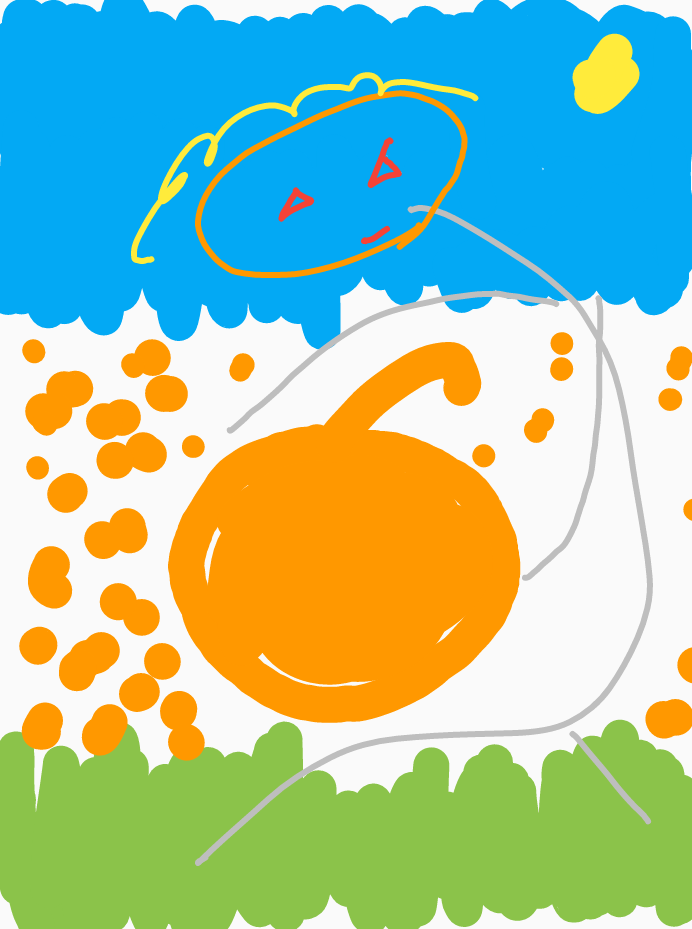
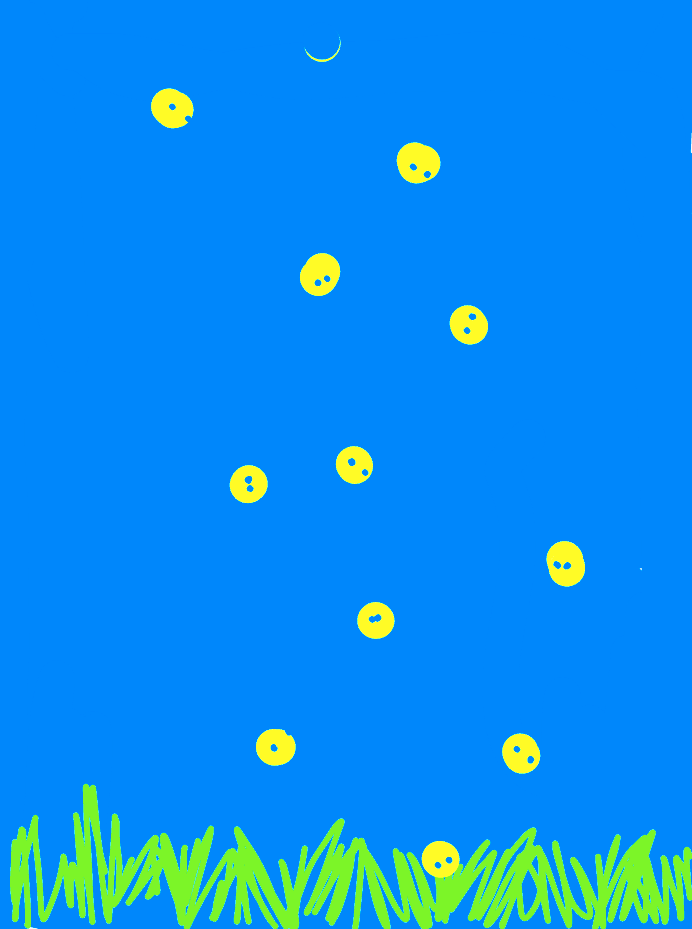
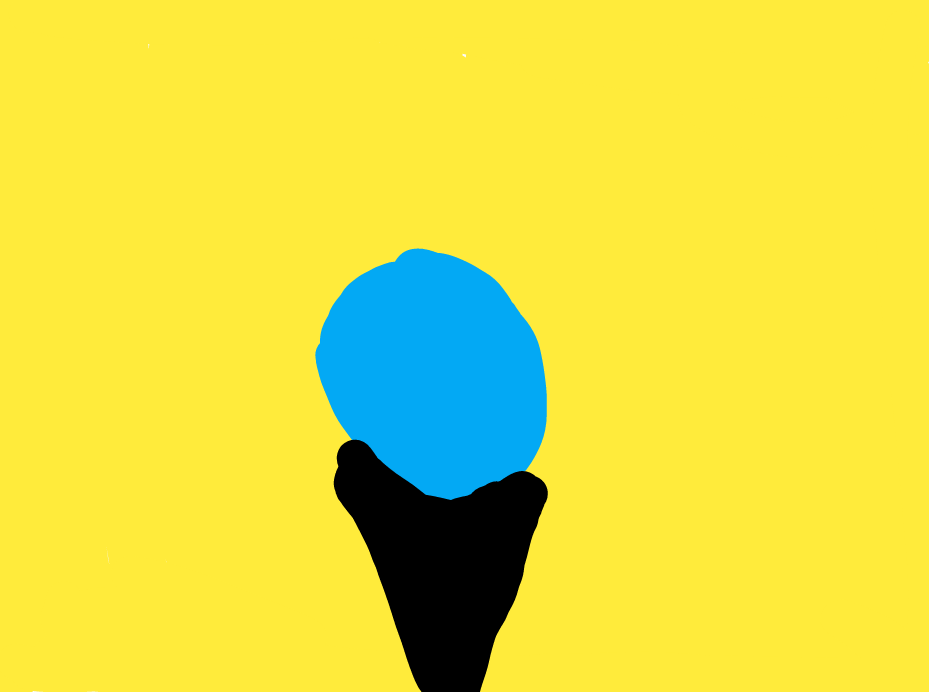
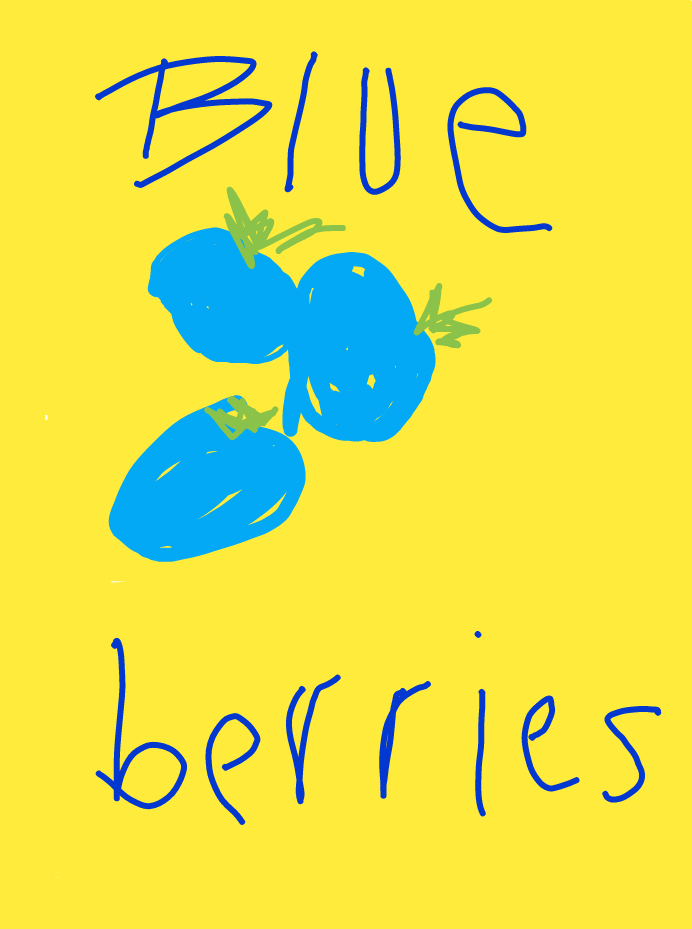
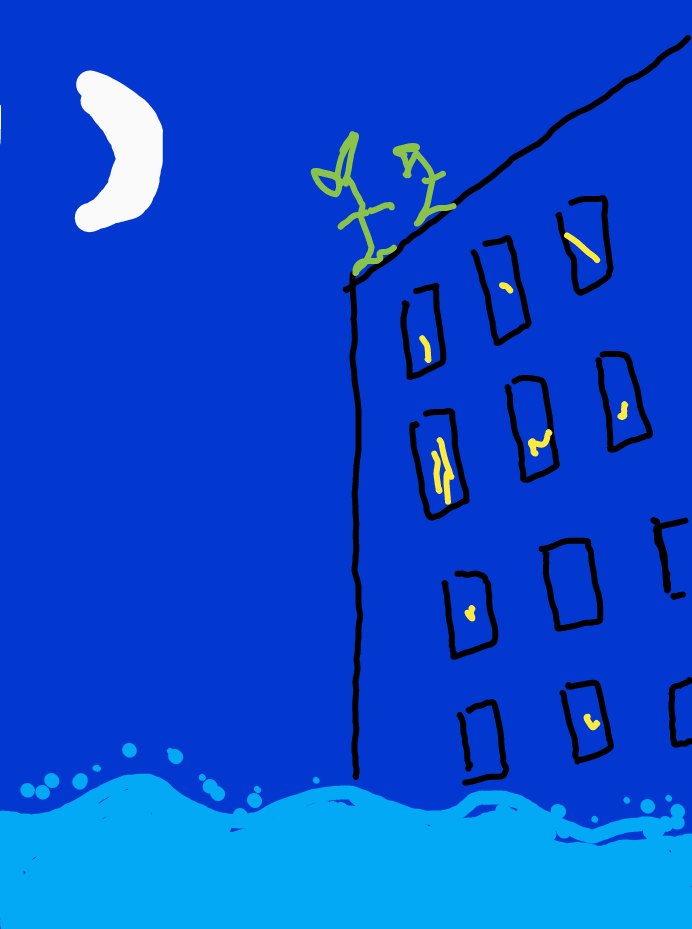
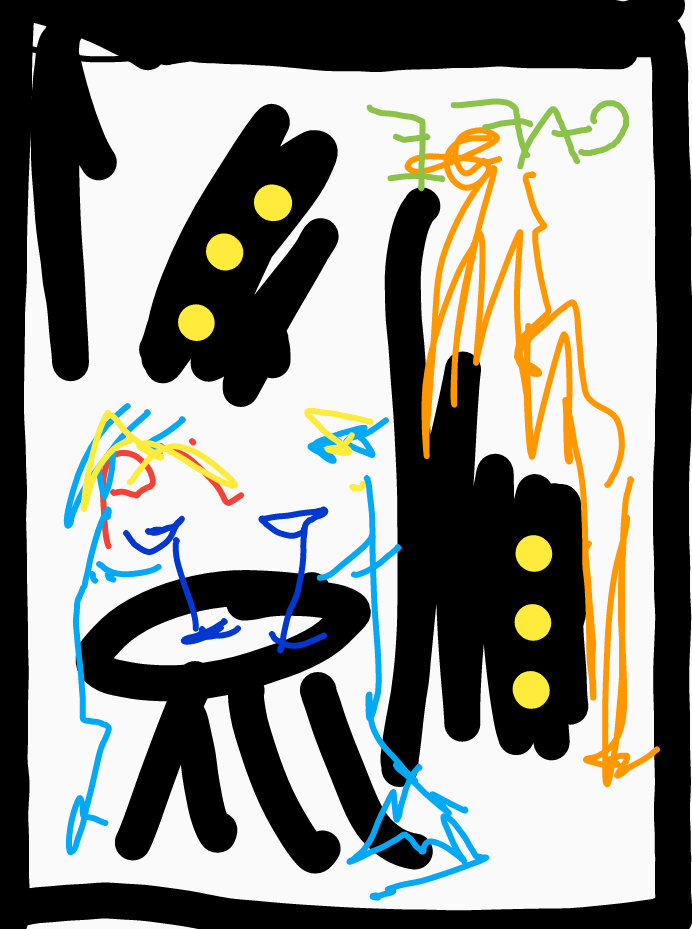
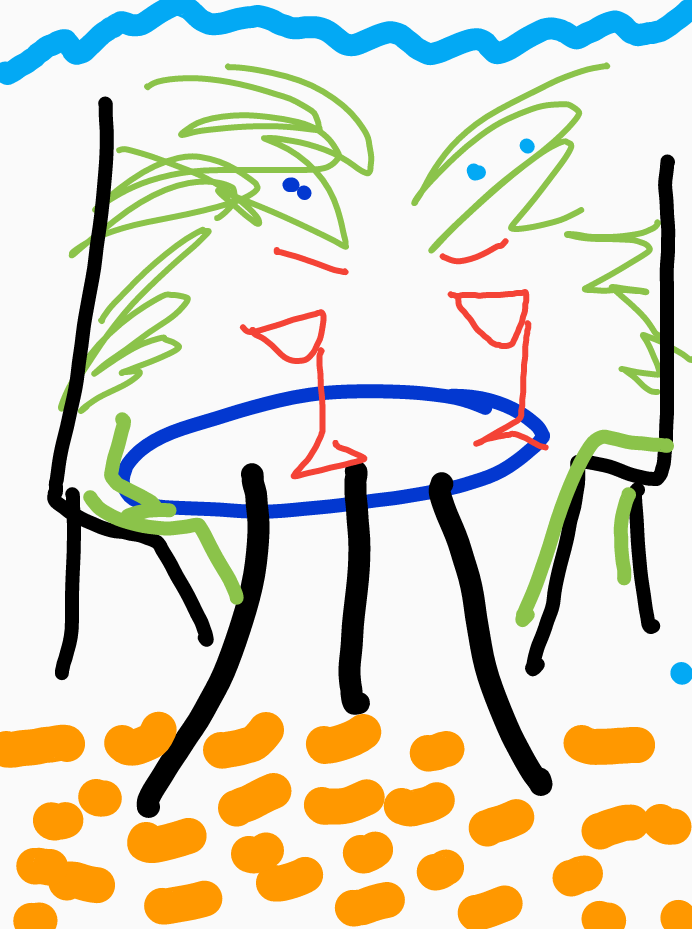
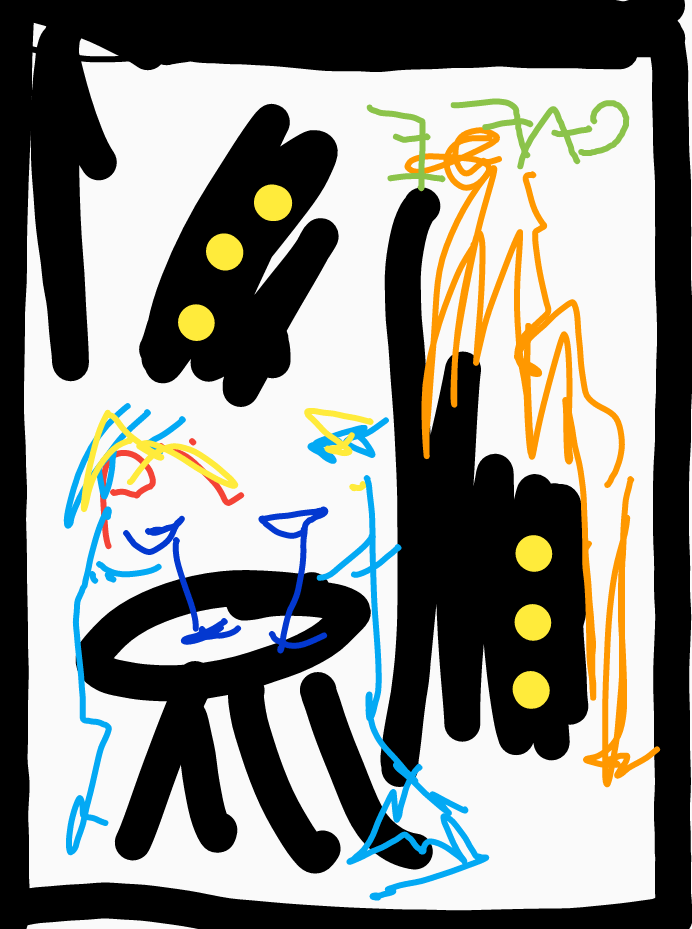
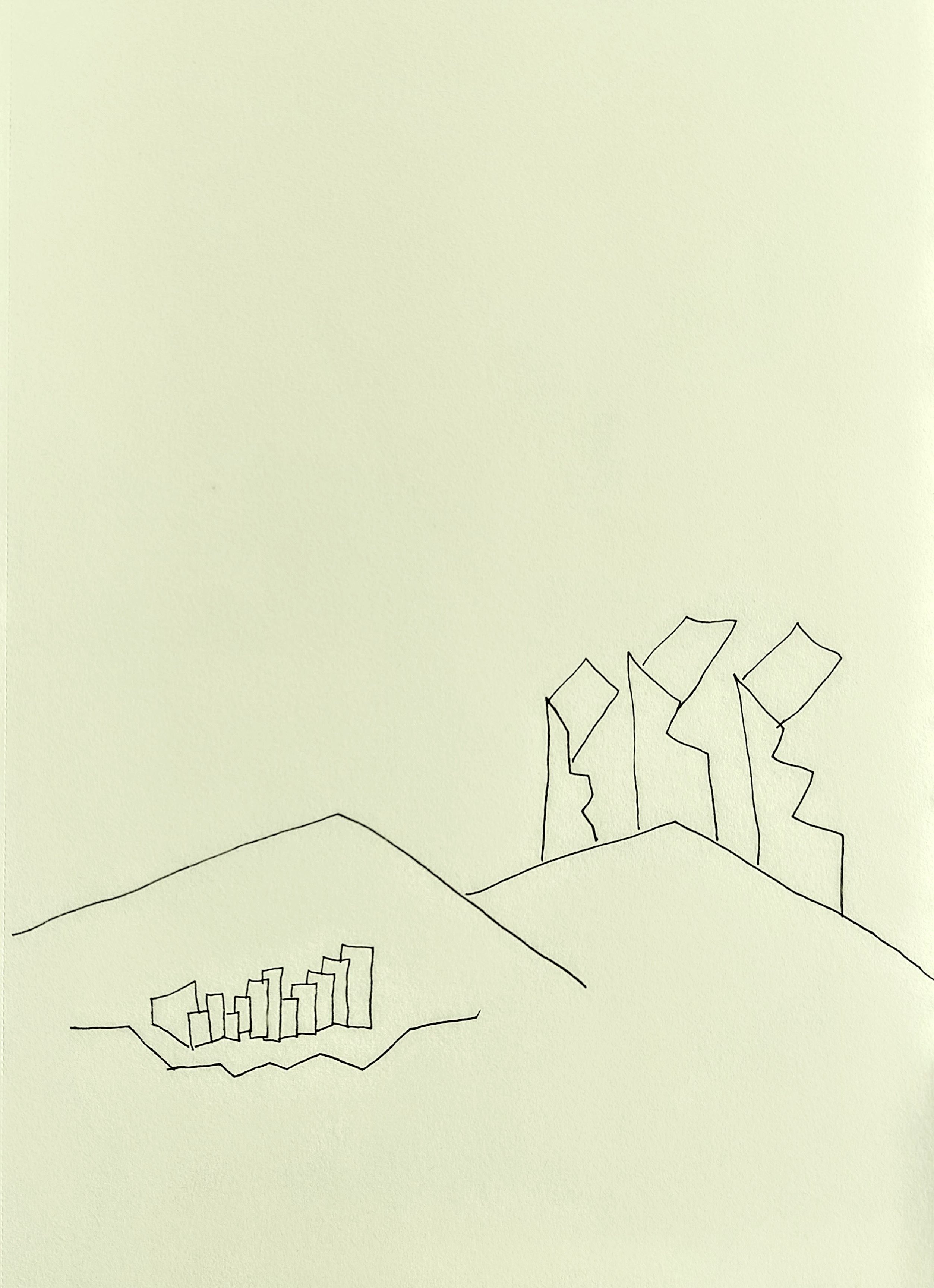
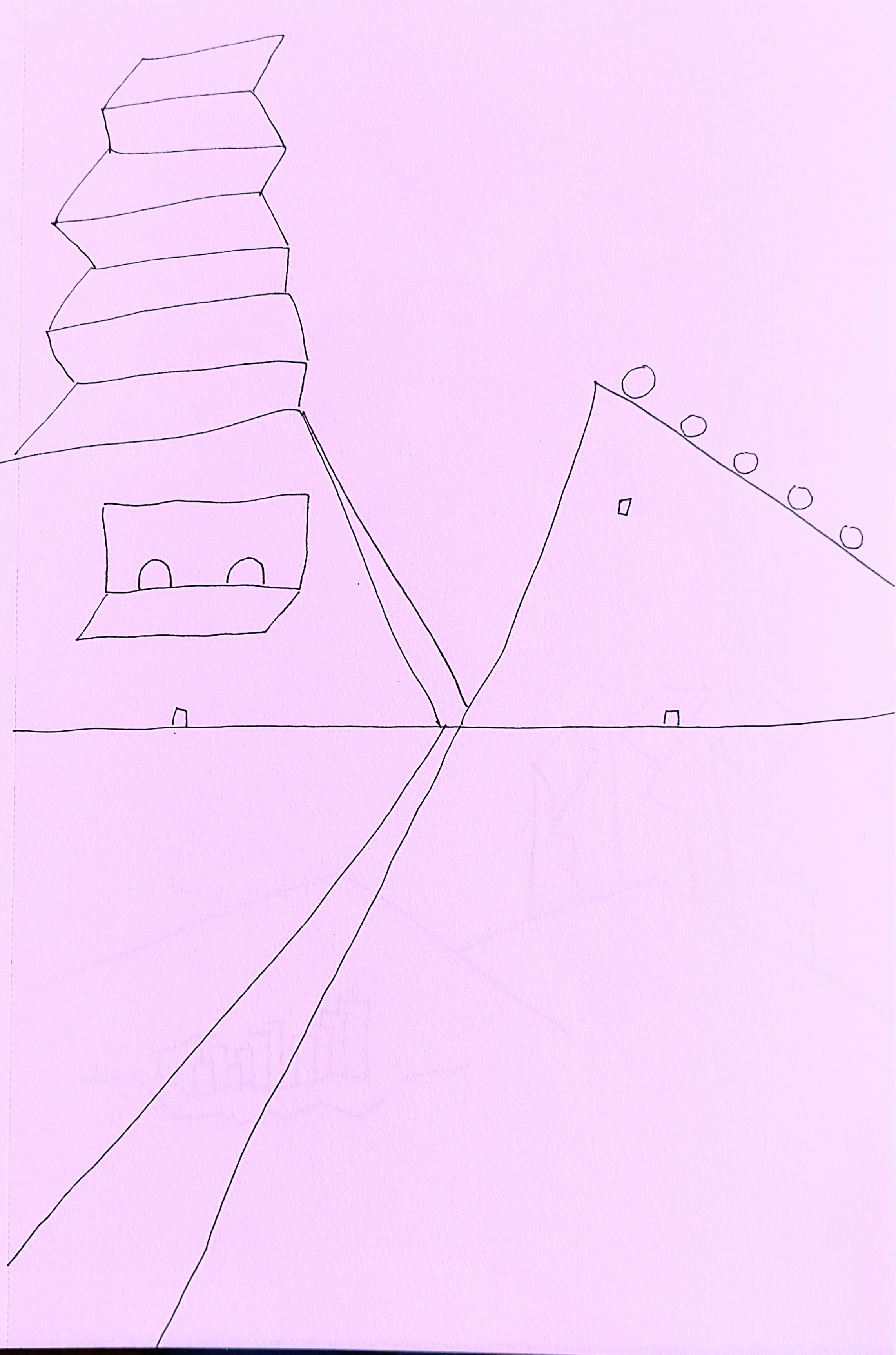
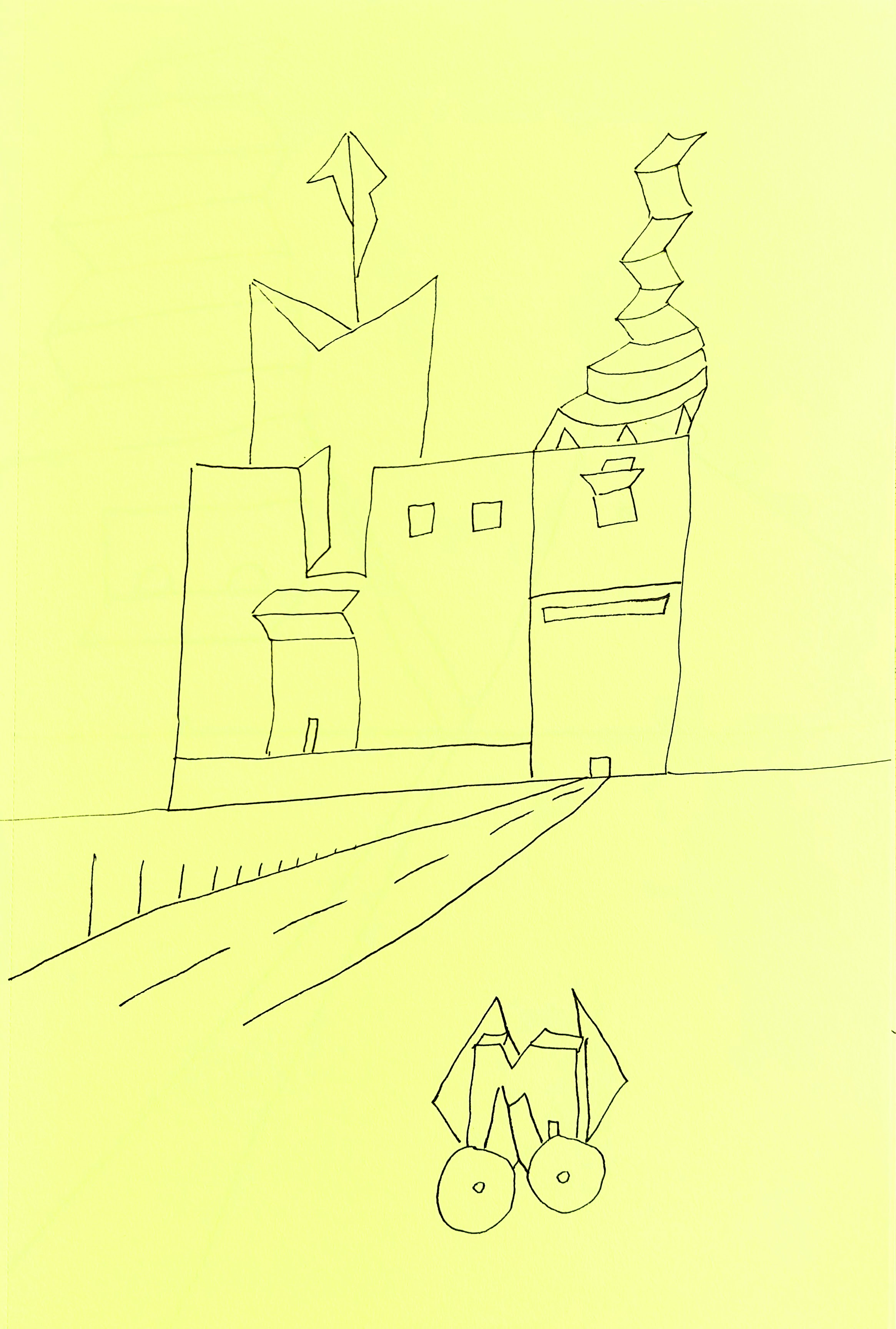
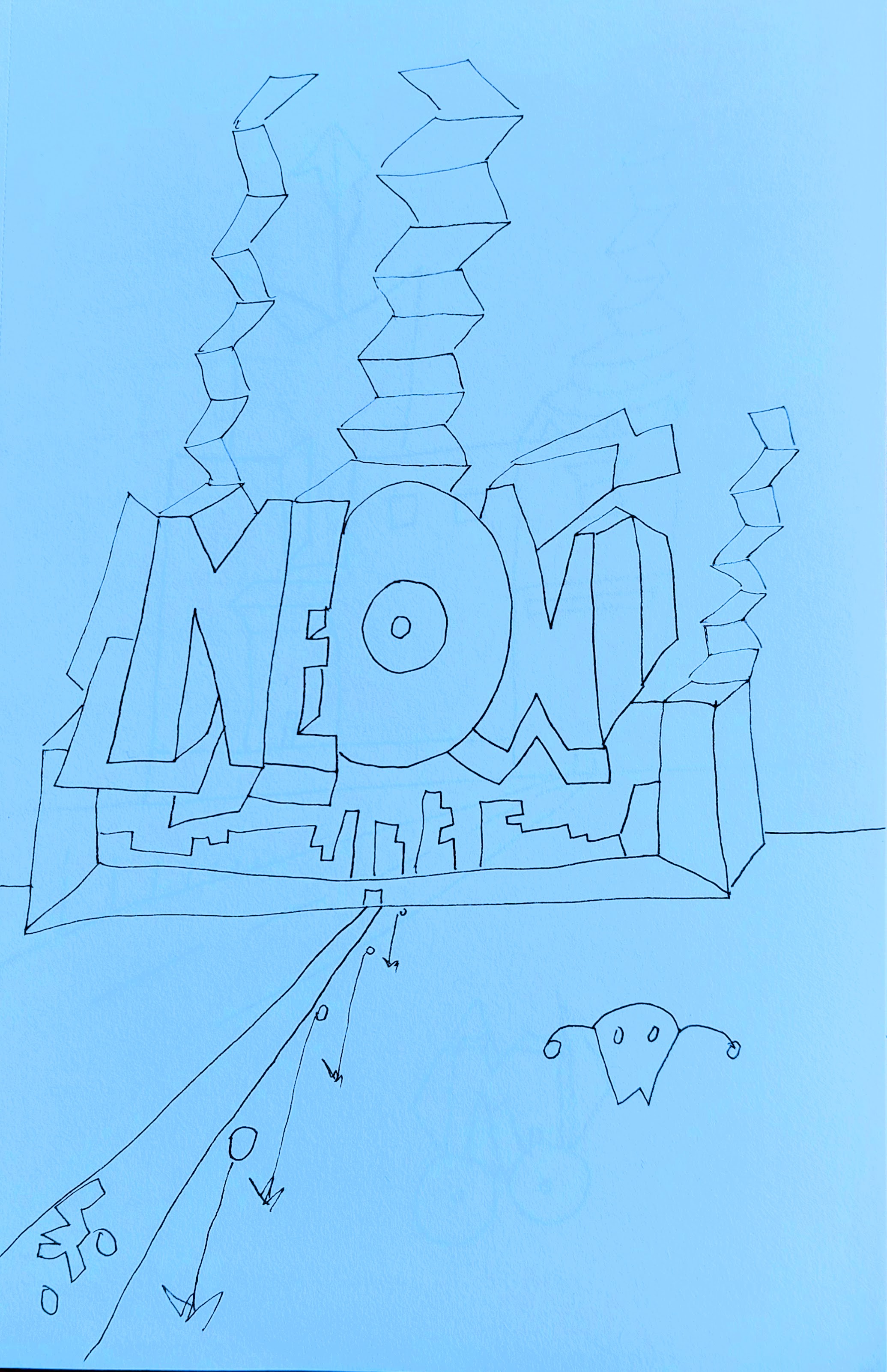
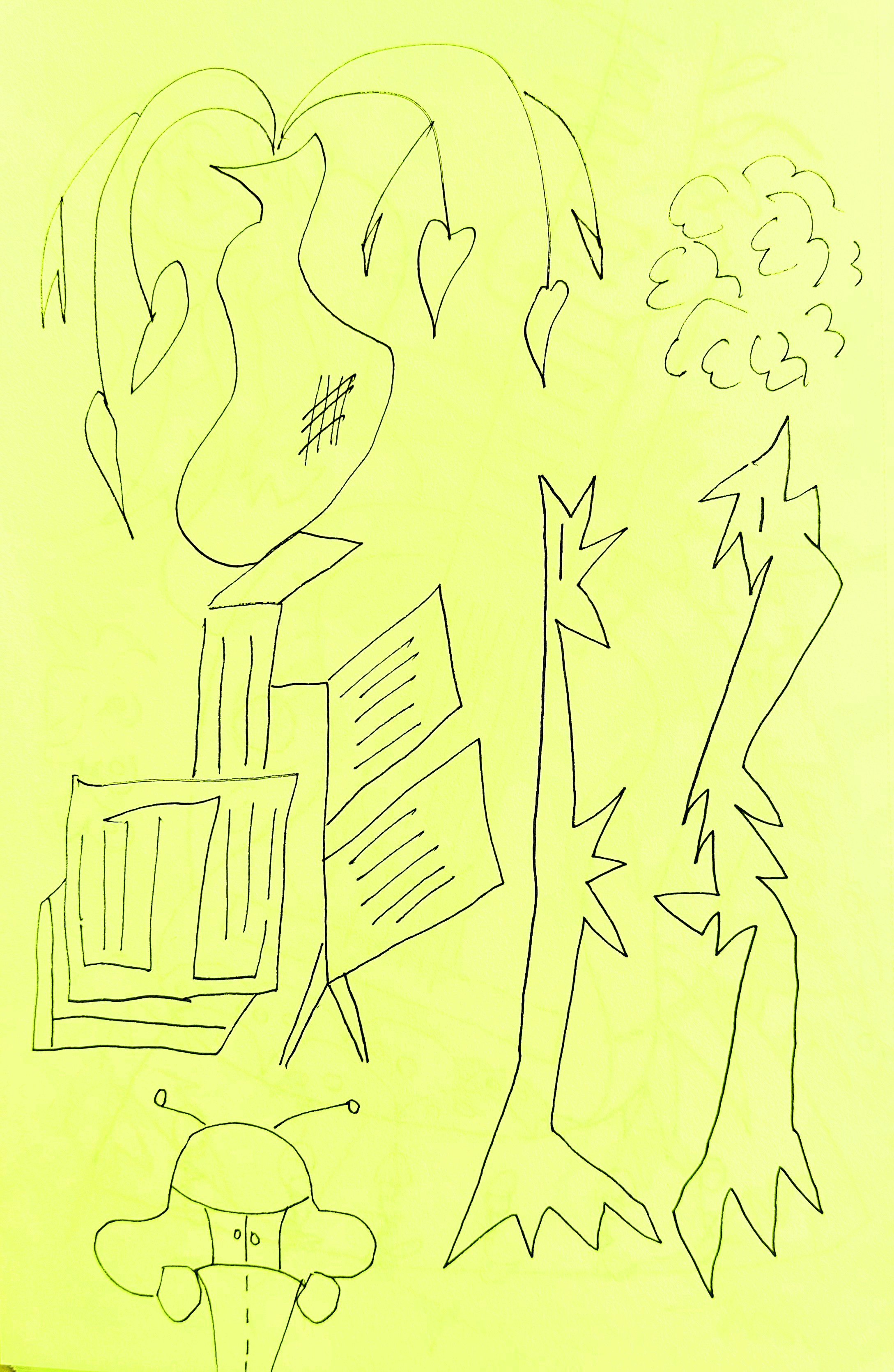
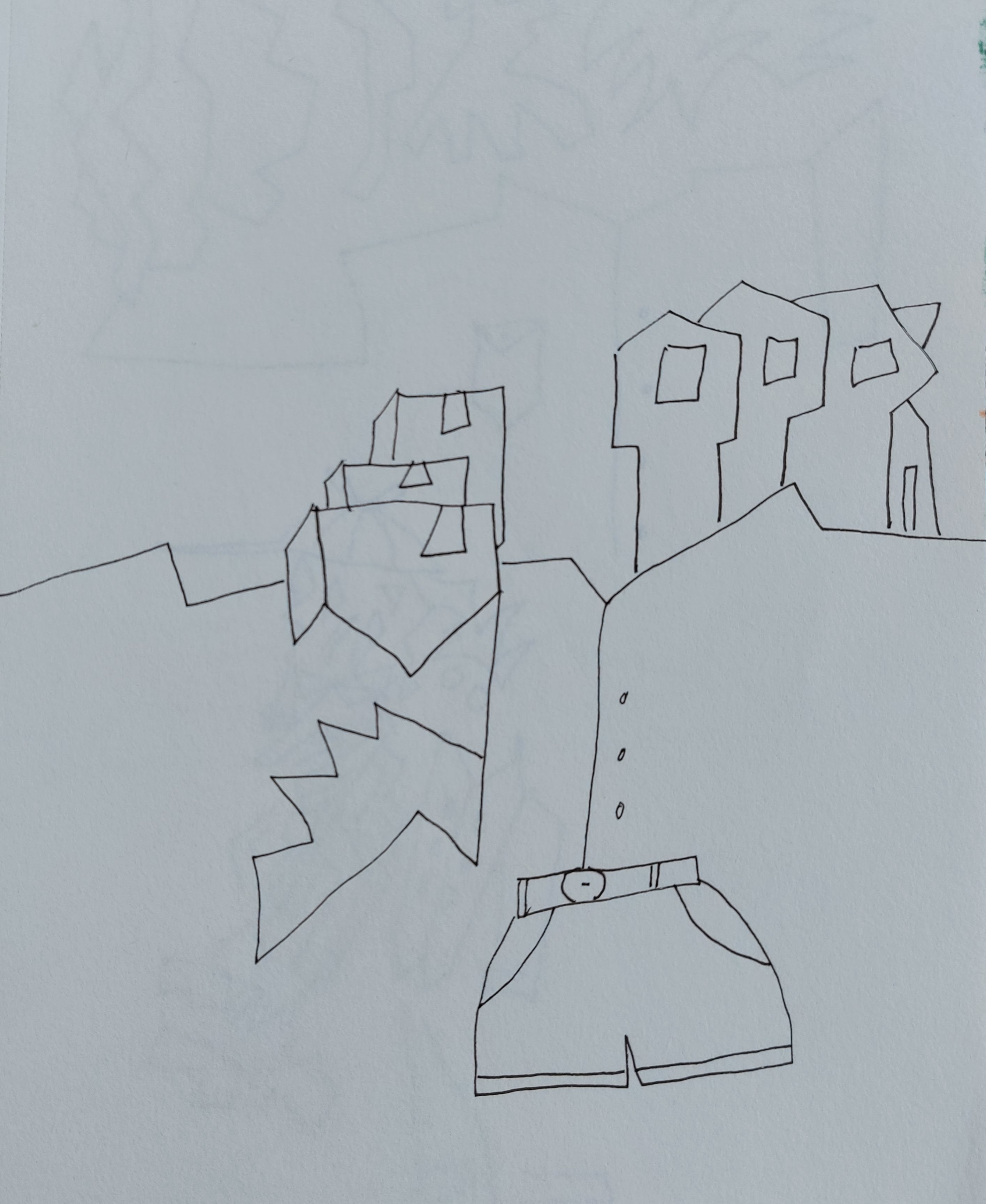
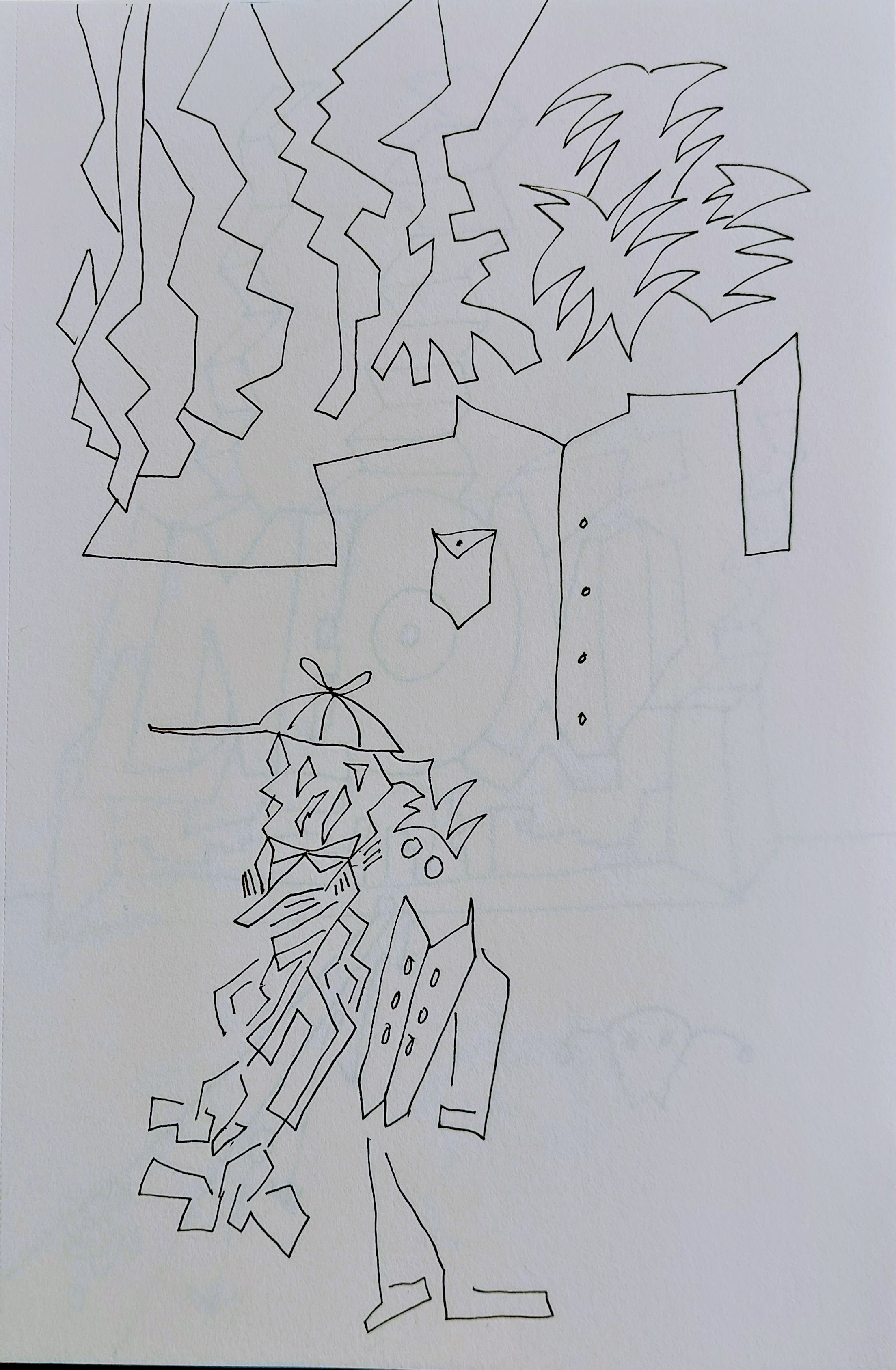
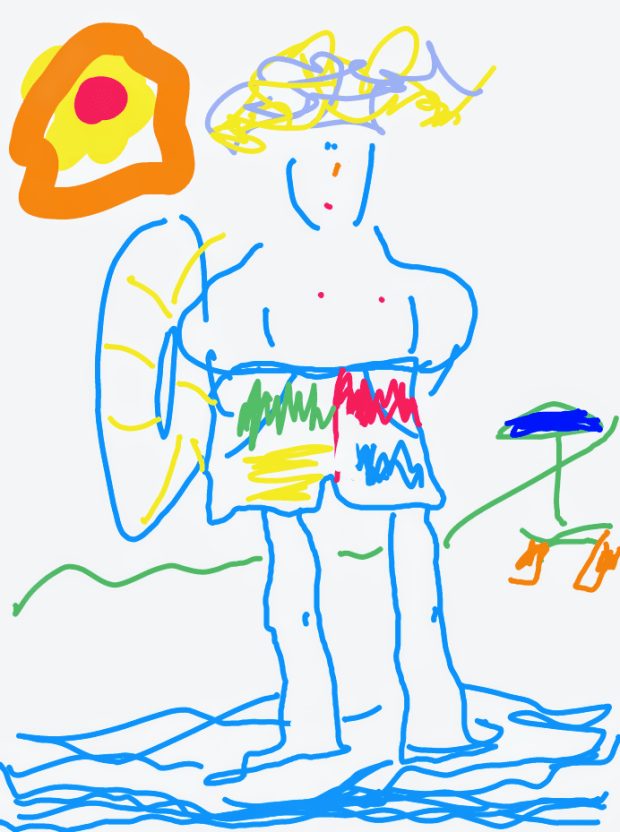
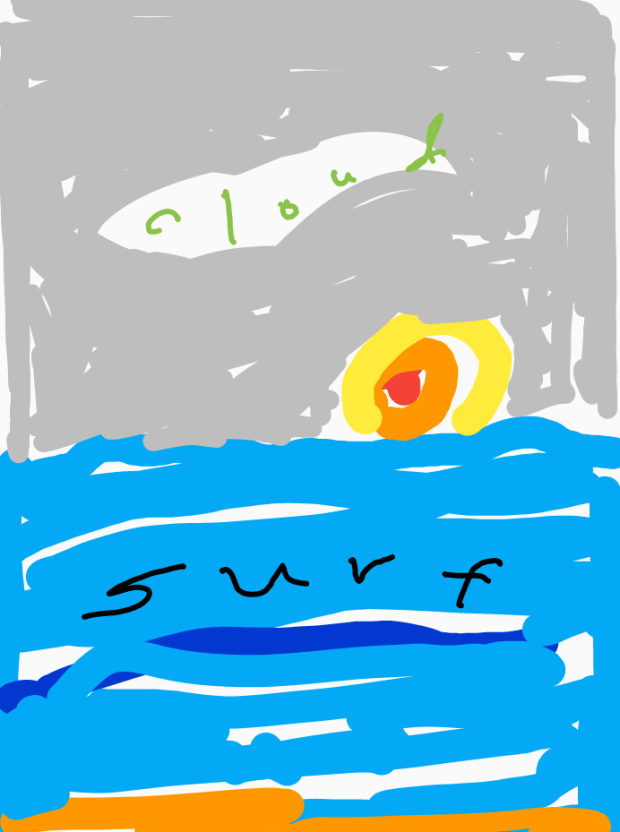
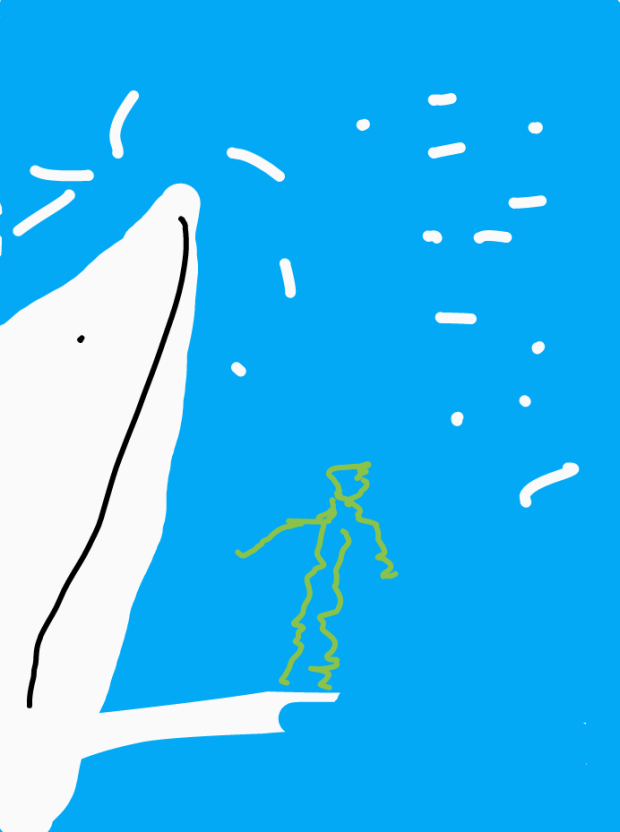
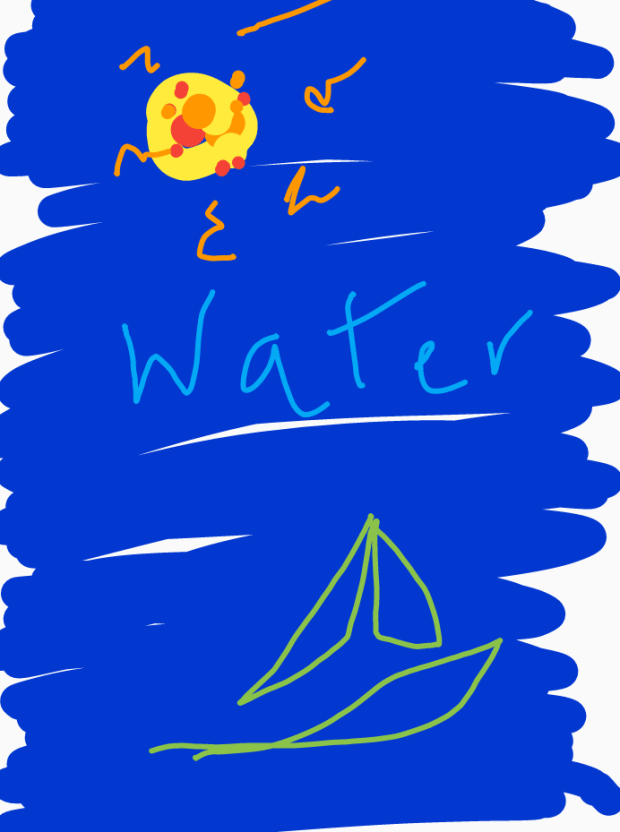
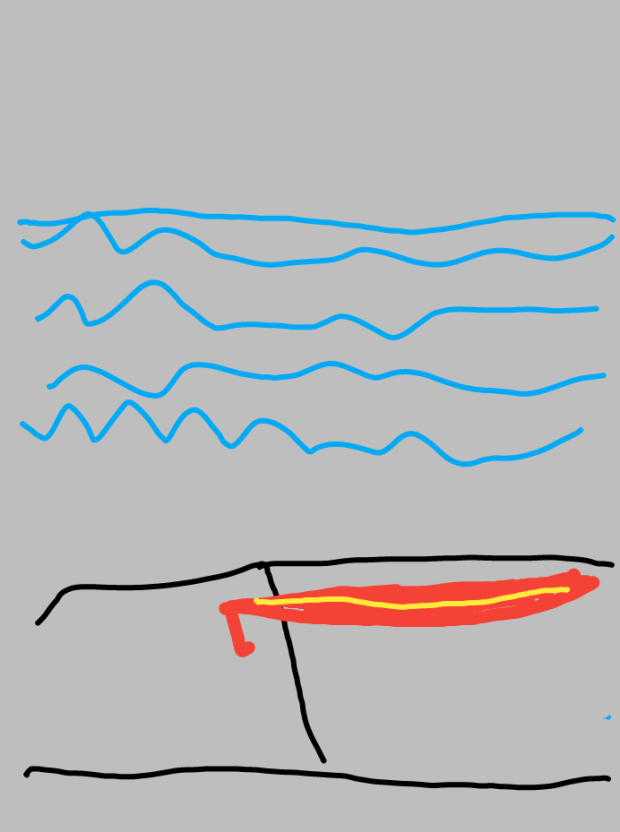
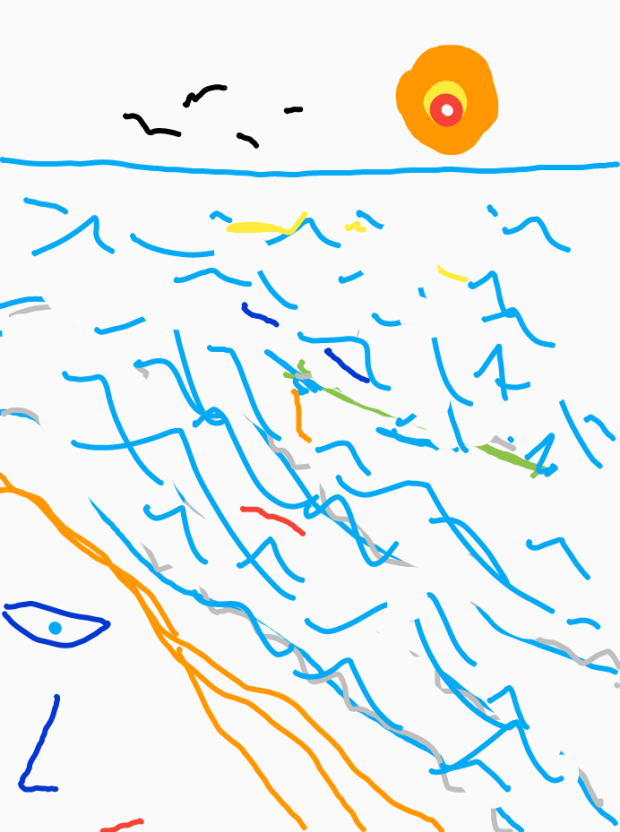
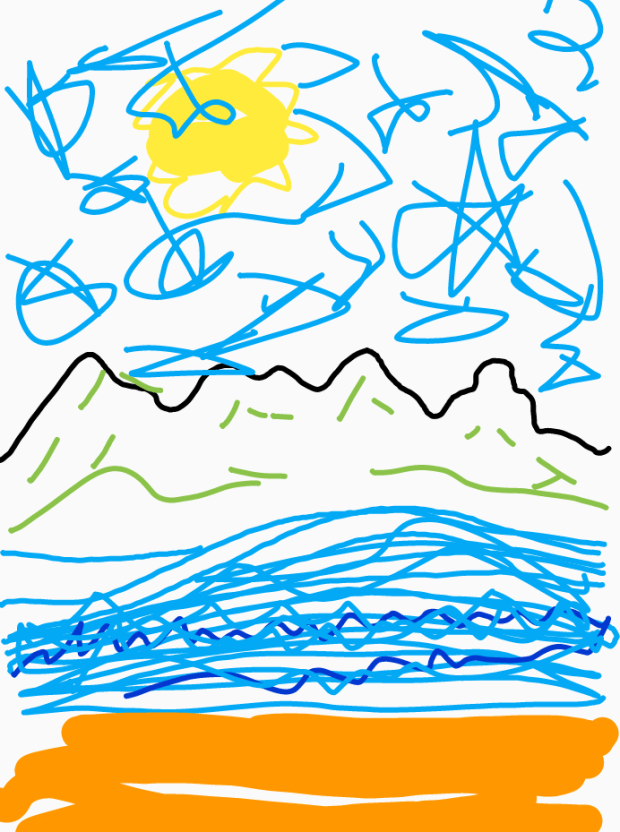
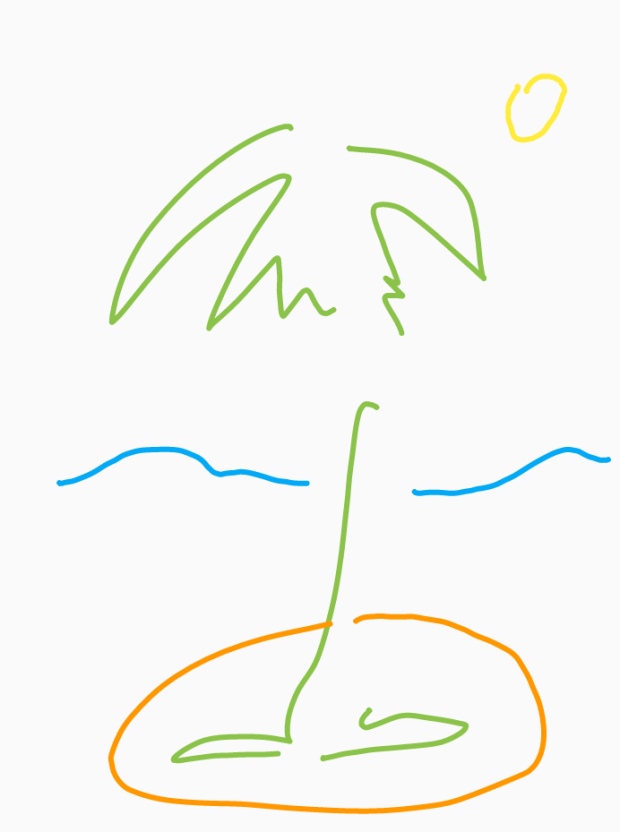
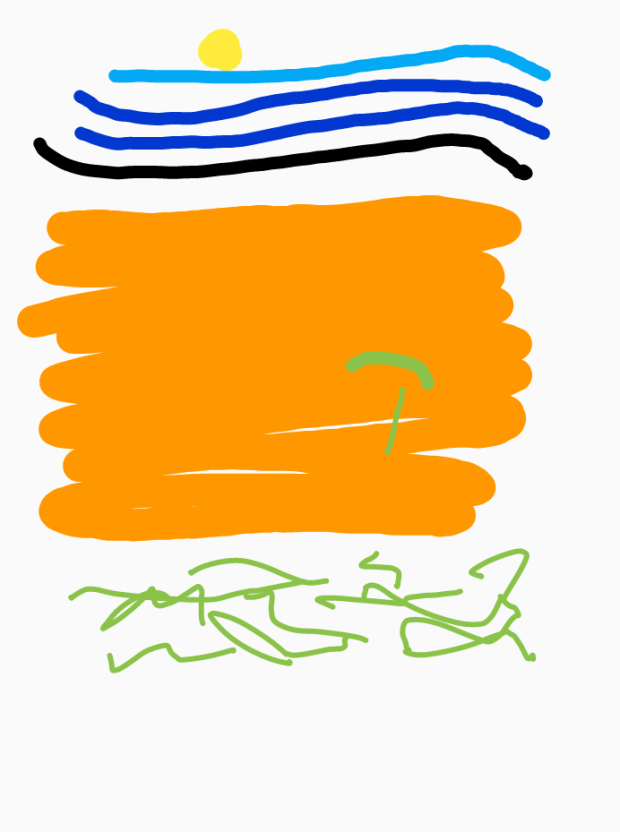
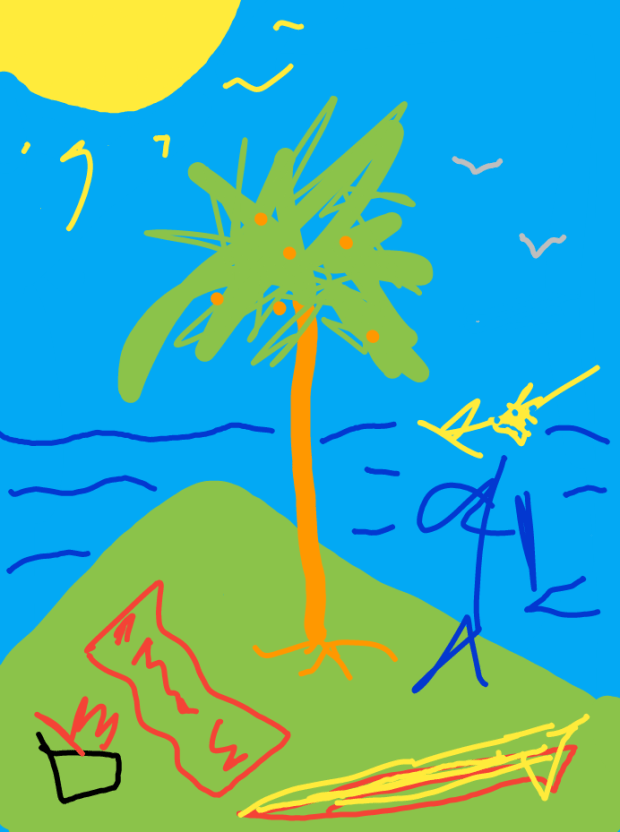
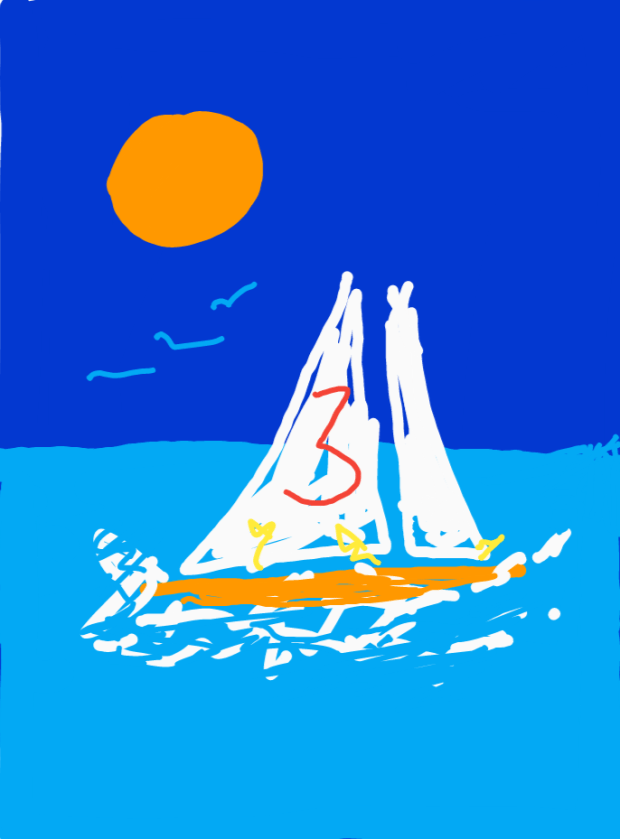
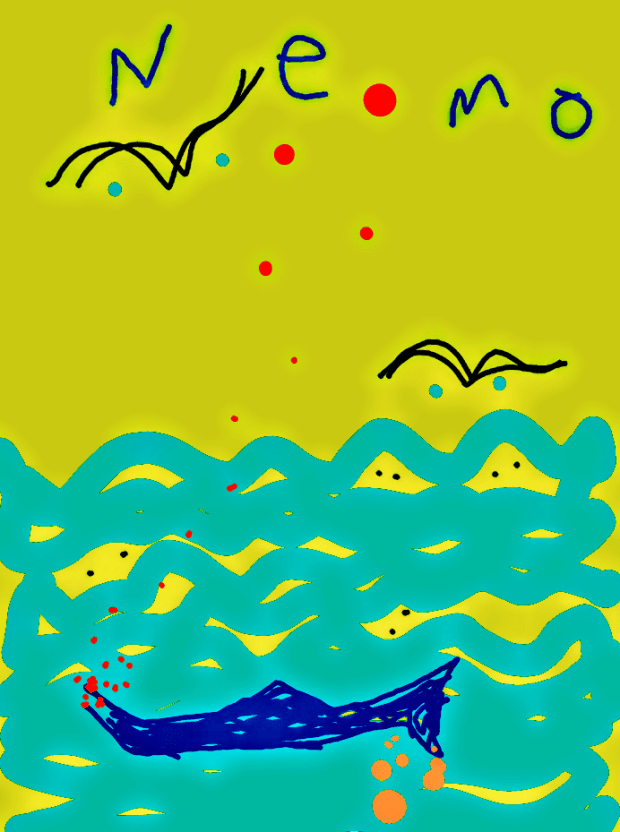
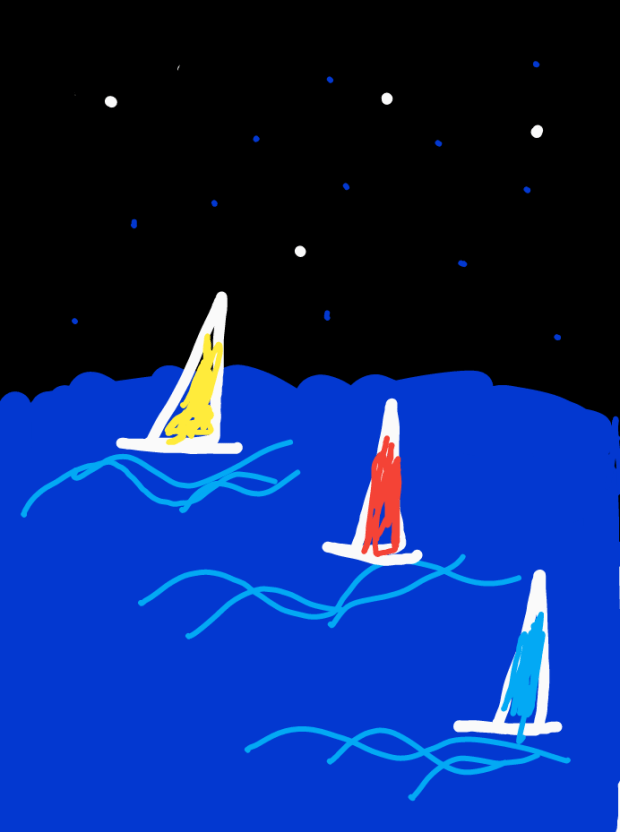
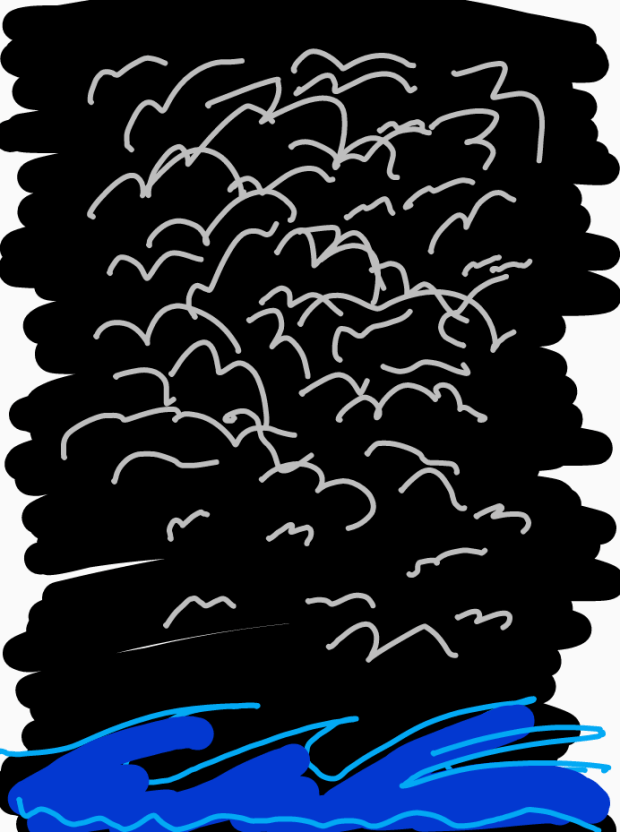
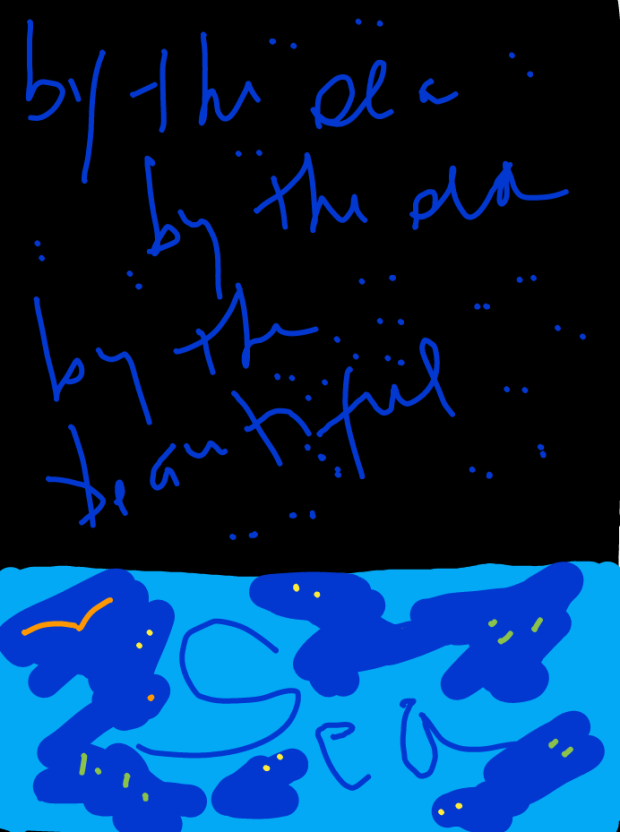
Below are some doodled fragments. Click anywhere in the gallery to scroll and view single pics with captions.
Visual jazz riff sketches from the edges of notebooks, some drawn with phone, nine images under a thematic title. Click anywhere in the gallery for scroll and captions.
Last night around midnight I finished my nightstand book “All the Lovers in the Night,” the second of three Japanese fiction books I recently picked up. I read it after “Convenience Store Woman.” Next I’ll read “Days at the Morisaki Bookshop.” Meantime coincidentally I heard about “The Second Chance Convenience Store,” by the Korean writer Kim Ho-Yeon, so I added it to the stack on the nightstand.
I had been about to begin reading again Penelope Fitzgerald or Barbara Pym or Elizabeth Taylor, after “Seascraper” and “In the Cafe of Lost Youth,” both of which followed “The Dissenters.” The last Elizabeth Bowen I read was “Eva Trout.” My reading of course is a tale neither here nor there nor anywhere, but I try not to write book reviews, ever since Jessica commented, “It’s not a book review,” about something I’d written about one of her books, a simple reflection, drawing unexpected connections. But I was happy with that, with her comment. Too many book reviews seem template formatted and start to sound too similar. But blurbs, blurbs are the worst, exaggerated cartoons of reviews. Before “Eva Trout” I’d read “Spring Garden” and “Forbidden Notebook.” I also read, back in May, a book of short stories one of my brothers wrote, titled “Roxy, Reincarnated.”
But the last book I read, just before deciding on the Japanese trio, was “The Invention of Morel,” by Adolfo Bioy Casares, influential Borges friend and collaborator. I found the Casares book interesting but not suitable for midnight reading, though some may find it precisely written for the middle of the night. Still, I find it’s still with me, its strangeness. And it too is a kind of cartoon, exaggerated, comic book matter. It deals with metaphysics and light and predicts television and movie popularity. Think of the characters as all movie stars, among which you walk, but they don’t see or hear you. Indeed, one should approach such books with a keen reliance on circumspection:
“The case of the inventor who is duped by his own invention emphasizes our need for circumspection. But I may be generalizing about the peculiarities of one man, moralizing about a characteristic that applies only to Morel” (80).
Yet here I am duped by my own book reviews, if you can call them that, and Jessica said you cannot call them that, and she is right. Earlier this year I read “All Our Yesterdays” by Natalia Ginzburg, thick blocks of prose, this one, as if she were trying to save paper. And I read Hemingway’s “Across the River and Into the Trees,” which is not as bad as everyone has ever said, but there seems to be fewer sympathetic readers of Hemingway these days, but which I enjoyed nevertheless. Adam Gopnik had revisited back in a February New Yorker the controversial 1950 takedown profile of Hemingway in The New Yorker by Lillian Ross. Gopnik’s article was a piling on. He claims to have uncovered in recently revealed letters the true nature of the Ross and Hemingway relationship and why Hemingway postured he was not offended by the offensive profile. Something like that. Anyway. Gopnik quotes from Ross the section where Hemingway is buying a belt. Really? I first read the Ross piece in the book format that followed the article. It’s a classic, on that I agree with Gopnik, but for different reasons, but I won’t continue to bore you with Gopnik on Hemingway via Ross any further.
Nick Hornby used to write a short column for the monthly “Believer” magazine called “Stuff I’ve Been Reading.” I subscribed in its early days and saved all the issues, like deluxe paperbacks, the thick paper, the cartoon-like covers, until I’d had enough, after a few years, and carted them down to the corner book box where they went like Pokemon cards at a garage sale. Hornby’s articles contained two sets of books for the month: books he had bought, and books he had read, seldom exactly the same lists. Two books on my night shelf I’ve not read and they’ve shifted to the bottom: “The Colony” and “Ten Thousand Miles of Clouds and Moons.” “The Heart in Winter” was a gift, but I couldn’t get into it. I’m waiting for the heart in spring to come out. Eileen Chang’s “Written on Water” I’m still reading, slowly, slowly. And “The Uncollected Essays of Elizabeth Hardwick,” also slowly, on page 76, the next essay titled “Things,” following short, magazine like pieces on Faye Dunaway, Susan Sontag, and Katherine Anne Porter. Slowly, of necessity. I might have mentioned in some previous post I read Salinger’s “Nine Stories” aloud to Susan, except I skipped “A Perfect Day for Bananafish.”
But I started off here wanting to say something about “Convenience Store Woman.” It’s one of the more original books I’ve read this year. But its form is a novella length cartoon, but without drawings. It’s anime without comics. It’s not anti-literary, though it might appear so to some. It’s a first person narrative of a protagonist who must have a manual to live by, and the manual she finds suitable to her needs is the manual of the convenience store where she works. “All the Lovers in the Night” is more literary formally, but it also involves a single woman at odds with family, social expectations, being different, and aging. And where and what and how to work and establish and nurture relations, and who and what to trust as one navigates the busy streets of a lonely life looking for light in the middle of night, a night light.
In “Through the Looking Glass,” Alice converses with a gnat:
“I know you are a friend,” the little voice went on; a dear friend and an old friend. And you won’t hurt me, though I am an insect.” “What kind of insect?” Alice inquired a little anxiously. What she really wanted to know was, whether it could sting or not, but she thought this wouldn’t be quite a civil question to ask.
A gnat is a small fly, but this one seems huge, as gnats go:
She found herself sitting quietly under a tree — while the Gnat (for that was the insect she had been talking to) was balancing itself on a twig just over her head, and fanning her with its wings. It certainly was a very large Gnat: “about the size of a chicken,” Alice thought. Still, she couldn’t feel nervous with it, after they had been talking together so long.
Alice tells the gnat she’s not overjoyed when she sees an insect, because she’s afraid of them, particularly the larger ones.
I’m not fearful of bugs, spiders and such. It’s the season here though when I’ll run into an orb-weaver spider web spread across the walkway between tree branches, face level, too, but invisible unless backlit with the rising sun, and I feel the sticky web as it envelops my face. I shake my shirt and comb through my hair with my fingers and watch a little reddish bug falling to the ground.
Then came another of those melancholy little sighs, and this time the poor Gnat really seemed to have sighed itself away, for, when Alice looked up, there was nothing whatever to be seen on the twig, and, as she was getting quite chilly with sitting still so long, she got up and walked on.
A problem with bugs is not that they are gigantic, but that they are small, and they are quick, and usually invisible to us. If you allow yourself, you might get all obsessive about bugs hiding behind baseboards, in the yard, or in your hair. But most bugs we never see, and they don’t bother us, in spite of the fact that about 10 quintillion bugs are living on Earth at any given moment.
I enjoy reading blogs foreign to me, made possible by Google Translate. I recently read a blog post by a Japanese woman about centipedes. I was curious, having myself come across a couple of centipedes in our humble abode this summer. But this woman was nonrationally fearful and sprayed her unfortunate centipedes with excessive amounts of insecticide. She even posted a word of caution to potential readers at the top of her post, concerned some might be scared out of their wits reading about bugs, and she posted a deliciously horrible photo of a centipede slightly curled. Maybe something was lost in translation.
Not too long ago I posted a piece on ants in our coffee maker. The infestation was so severe we had to abandon the electric coffee maker, and I went back to using a manual French press. I was reminded of E. O. Wilson, who changed his mind about how evolution works, as he found group altruism at work in ant colonies. He said that cooperative workers were more successful than competitive ones. Thus he favored altruism as a collective trait. His reversal of his prior position on the matter greatly upset his scientific community; many stuck in the web of their old position.
As if real bugs aren’t enough, we find in Kafka’s story “The Metamorphosis” a metaphorical bug. A human awakens one perfectly normal morning to find himself turned into a true liking of his image, for he’s already living the life of a bug, a small bug-like creature working a menial job for the hive. Not all bugs are insects, but for our purposes here, I’m calling them all bugs. Bugs may seem a far fetched idea for an anthropomorphic story, but E. B. White wrote a very successful book with “Charlotte’s Web,” about a pig, a spider, and a little girl living on a farm. When walking outdoors this time of year, and watchful of walking into a web, always be sure to check for web messages.
Science Lesson: I once knew a bug who for a short time kept a blog. Bugs don’t leave likes or comments; they leave bites and itches. Why are there so many insects living here on Mother Earth? Bugs have had a long time to adapt. Nature tends to overseed tiny organisms. Elsewhere no doubt there are planets full of bugs, oceans where none have yet decided to leave their salty paradise, tiny and invisible even to our new space telescopes. They don’t send messages and have no need for technology other than their own three part harmonies. Bugs are not picky eaters. Bugs are good pollinators and some, centipedes, for example, feed on other bugs perhaps dangerous to humans. Centipedes are not particularly harmful to humans. They are masters of the 100 yard dash.
Theory: I had a friend in high school I admired for he was fearless and loved snakes. Then I discovered he was afraid of spiders. Whenever a spider was at hand, he called me in to deal with it. Over time, I developed a theory: people afraid of spiders are not afraid of snakes, while people afraid of snakes are not afraid of spiders. Occasionally, as the topic may arise, I’ll ask the question in conversation – below I’ve created a “poll” to test my theory (and to test the format of a poll, which for this blogger is a first). Please feel free to answer the poll, or leave a comment below to the post, or simply enjoy the cartoons I’ve added at the end. Time now to bug out.
Update: I’ve already been advised my poll block didn’t work, so I’ve removed it. Not sure what I did wrong. But please feel free to answer the question (Snakes or Spiders) in a comment to the post below. And enjoy the cartoons!
He awoke to find a giant spider hovering.Infestation.“It’s a giant bug!” “Want a piece of tissue paper?”I’m having the chocolate covered ants.


 The Coming of the Toads