Tag: Boogie Board

  • 60s & 70s Surfing Slide Show

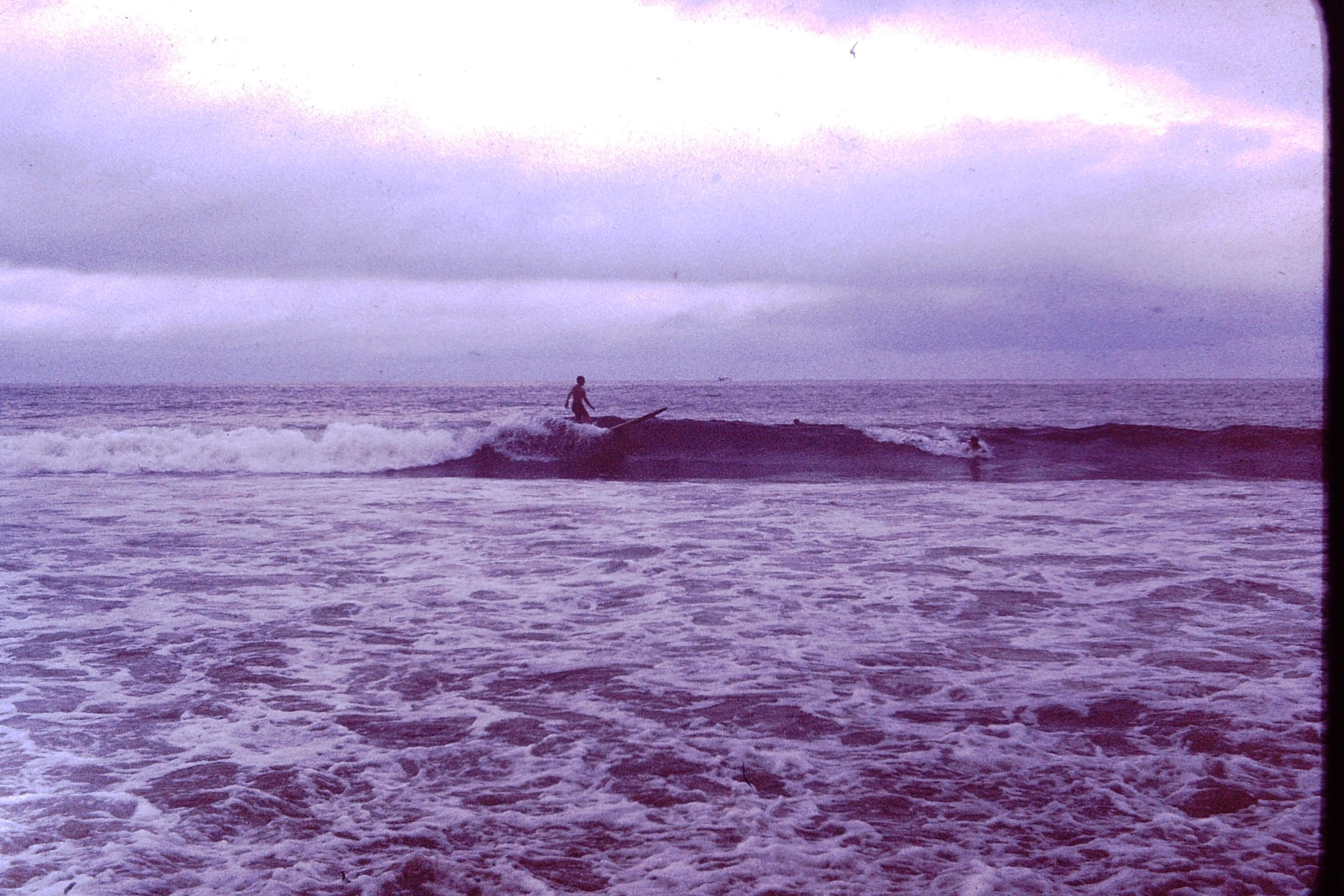
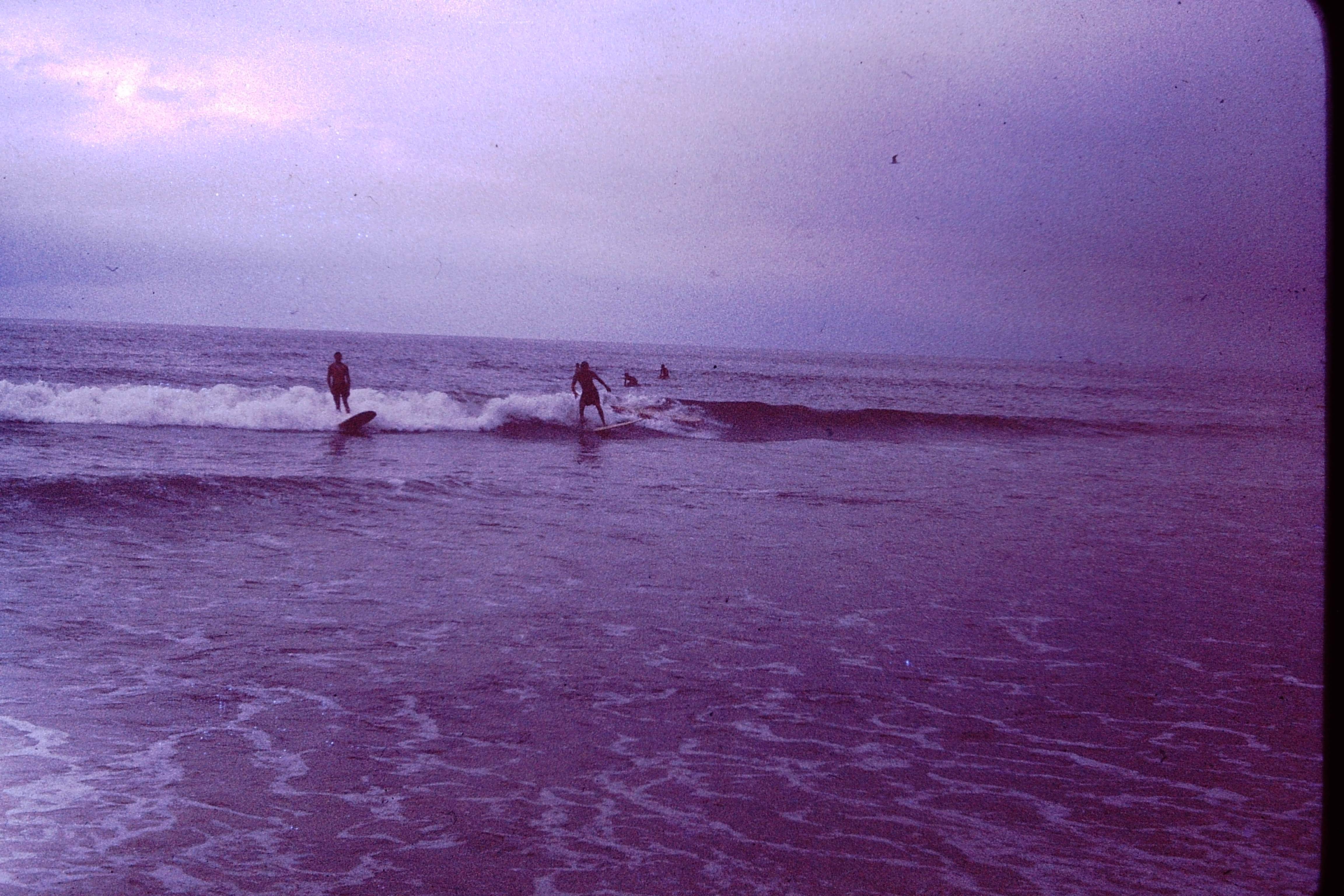
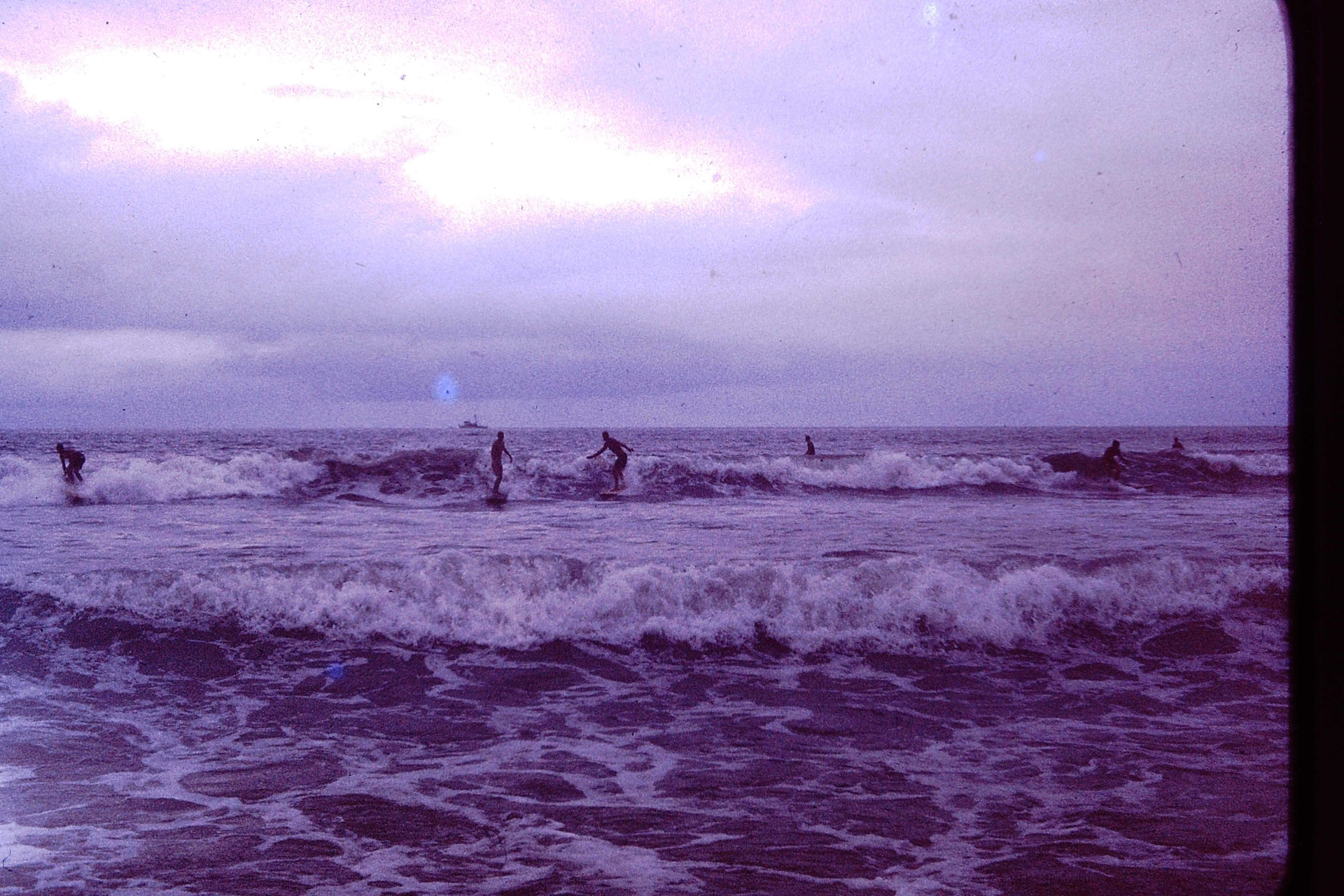
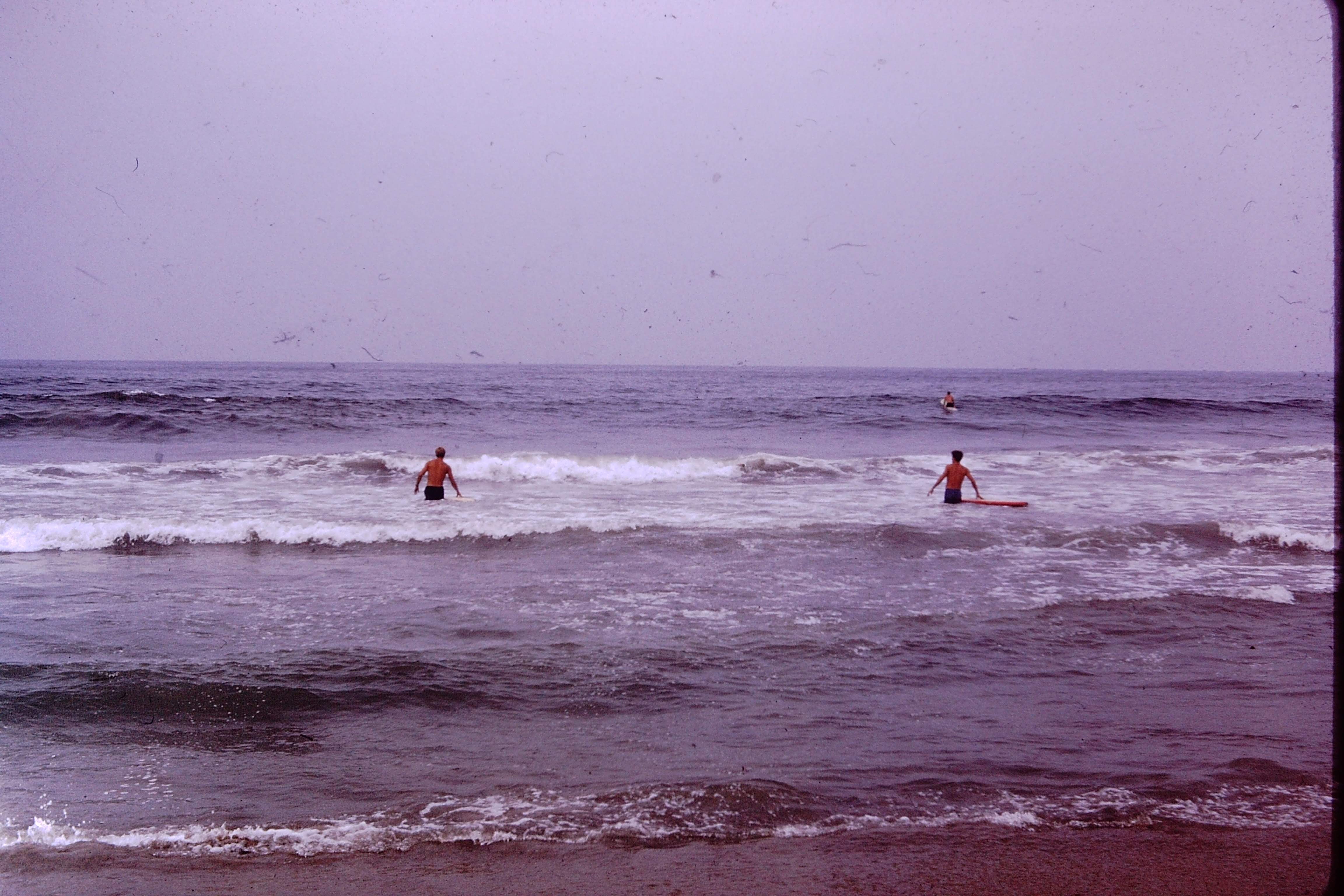
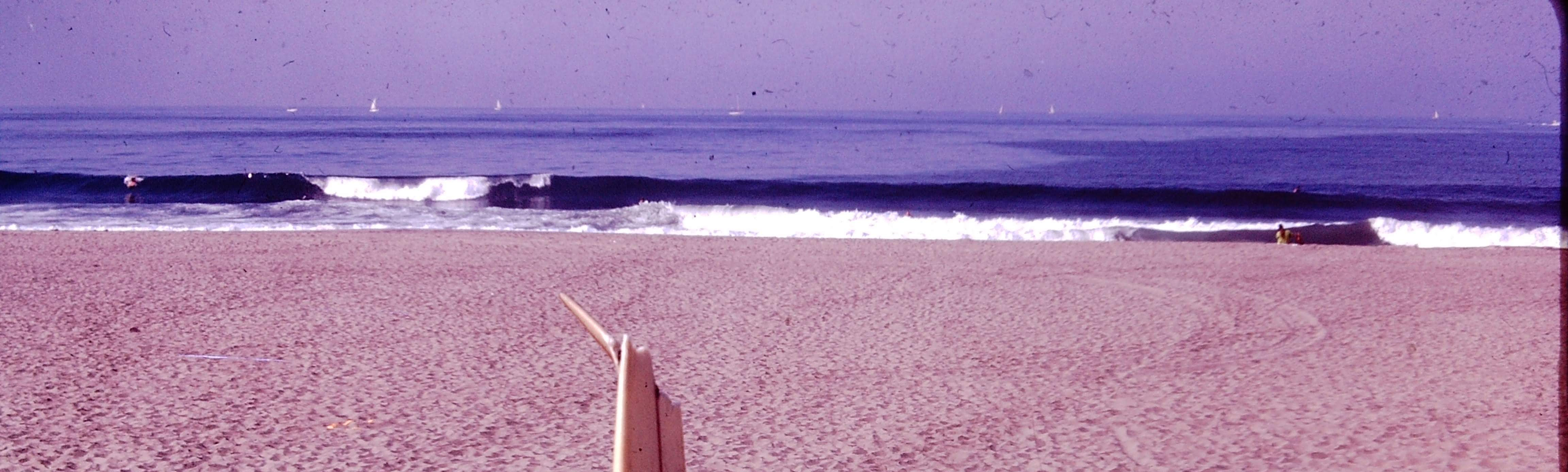
    We never tired of going down to the beach, in the mornings to surf, in the afternoons to boogie, in the evenings to walk, to catch the sunset. I bought a used Exakta 500 for surfing photos. The 50mm lens was too small, so I bought a used 120mm portrait lens. After the sun went down we sat out in the backyard and watched a slide show on the side of the garage wall.

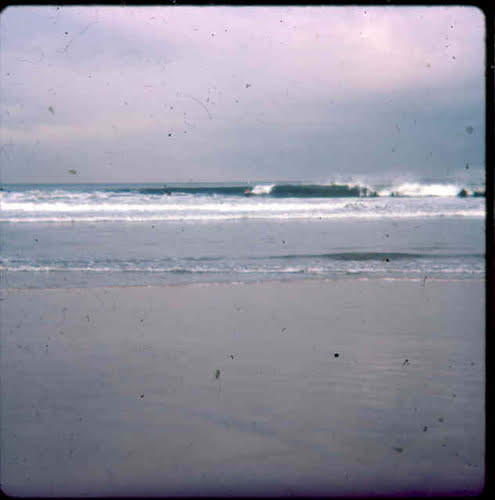
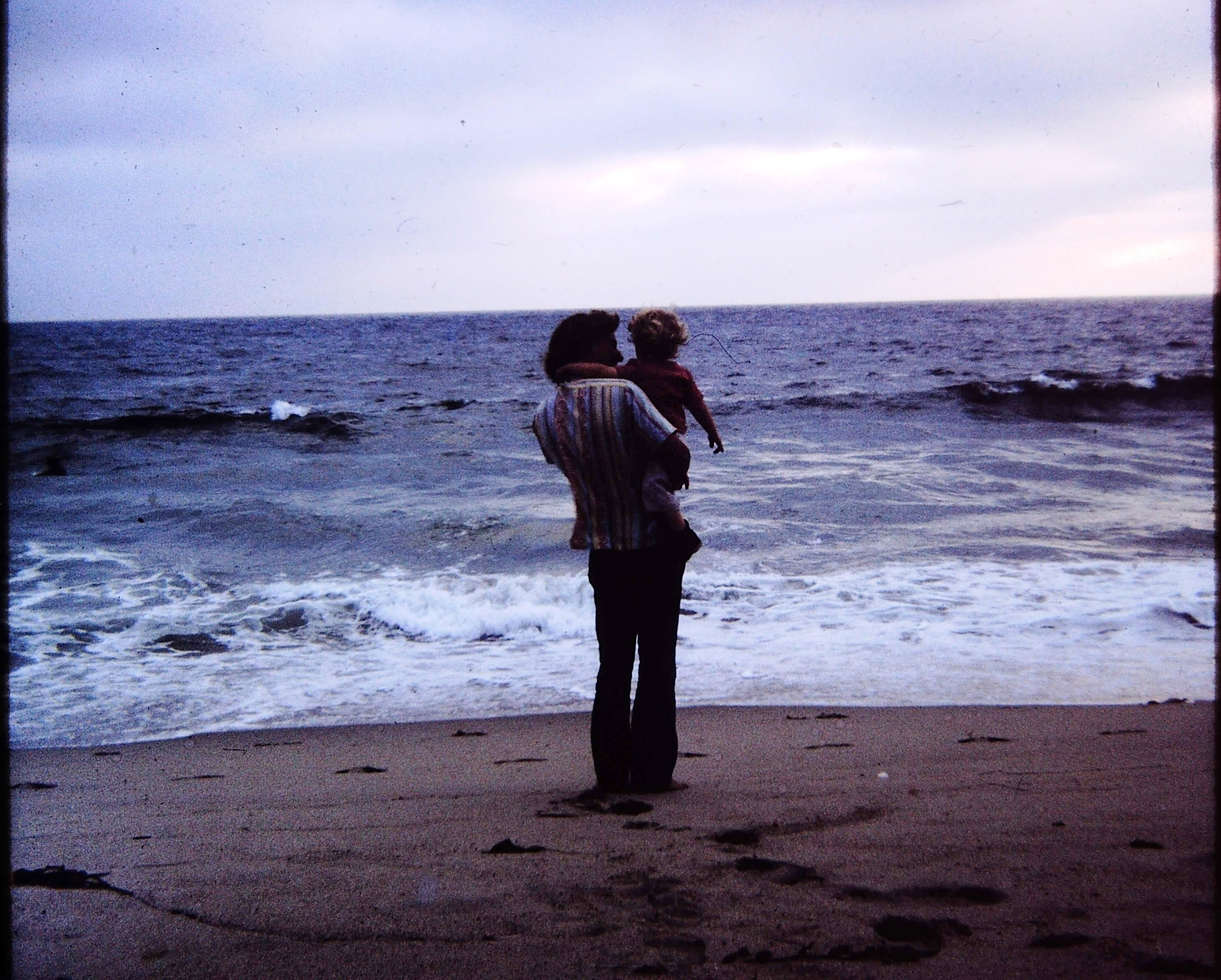
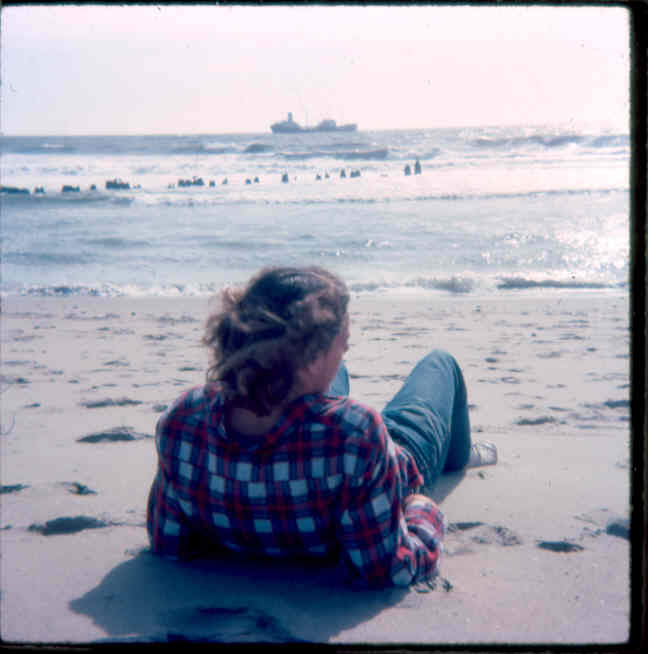
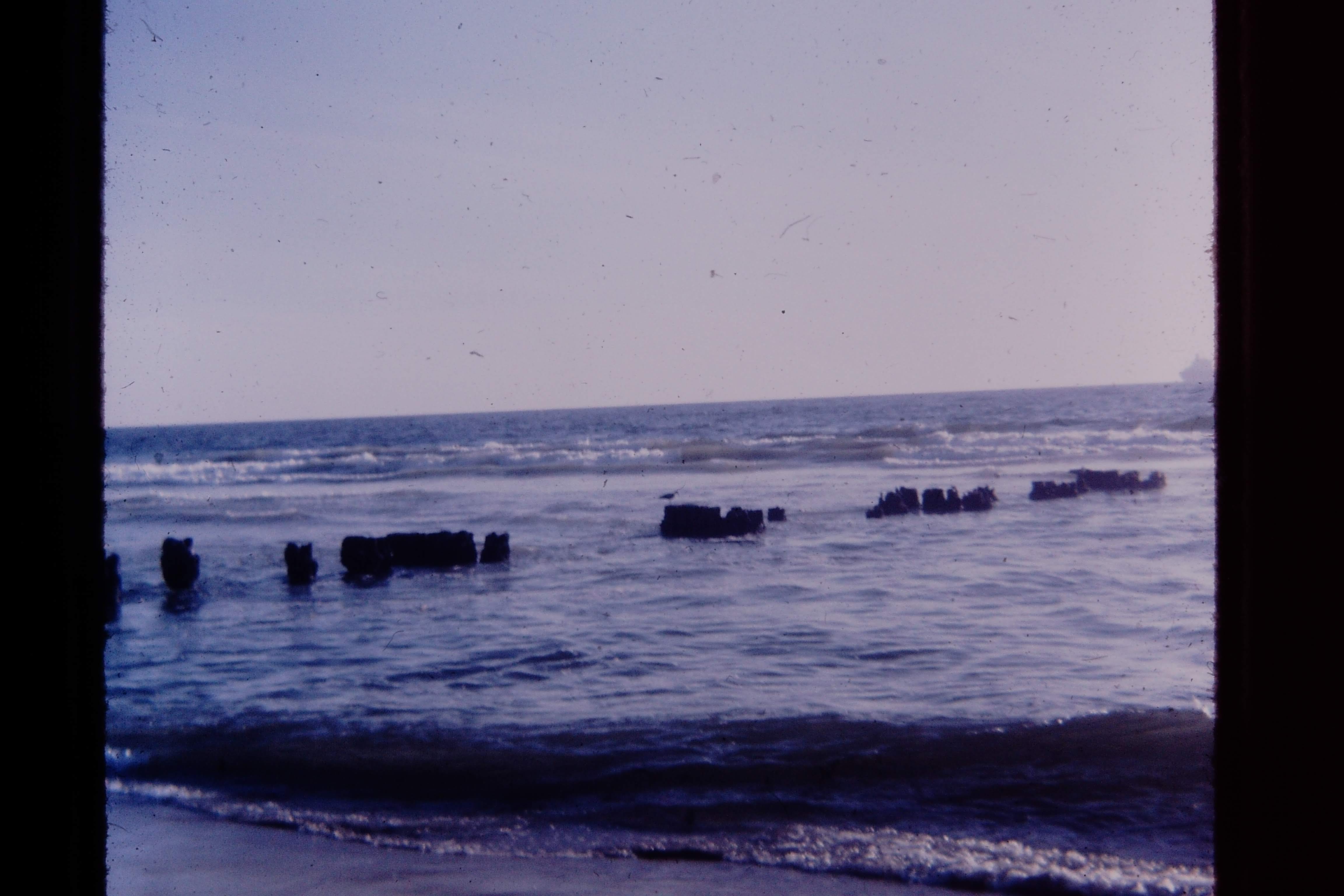
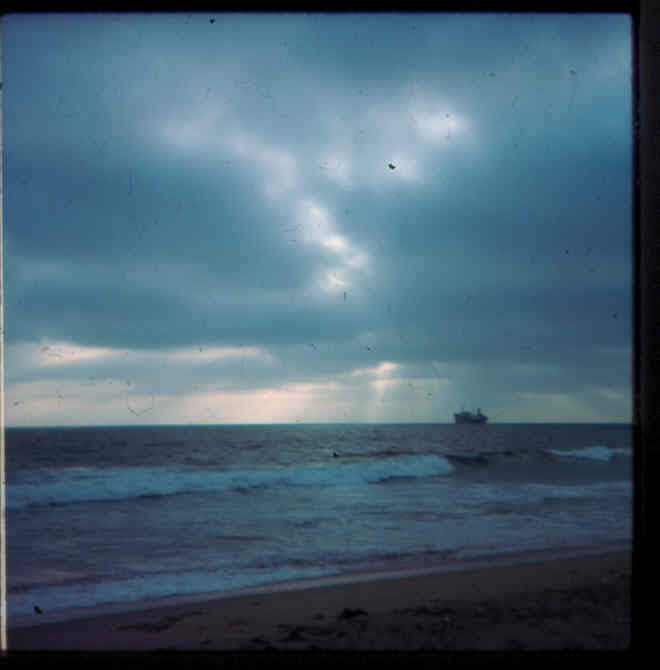
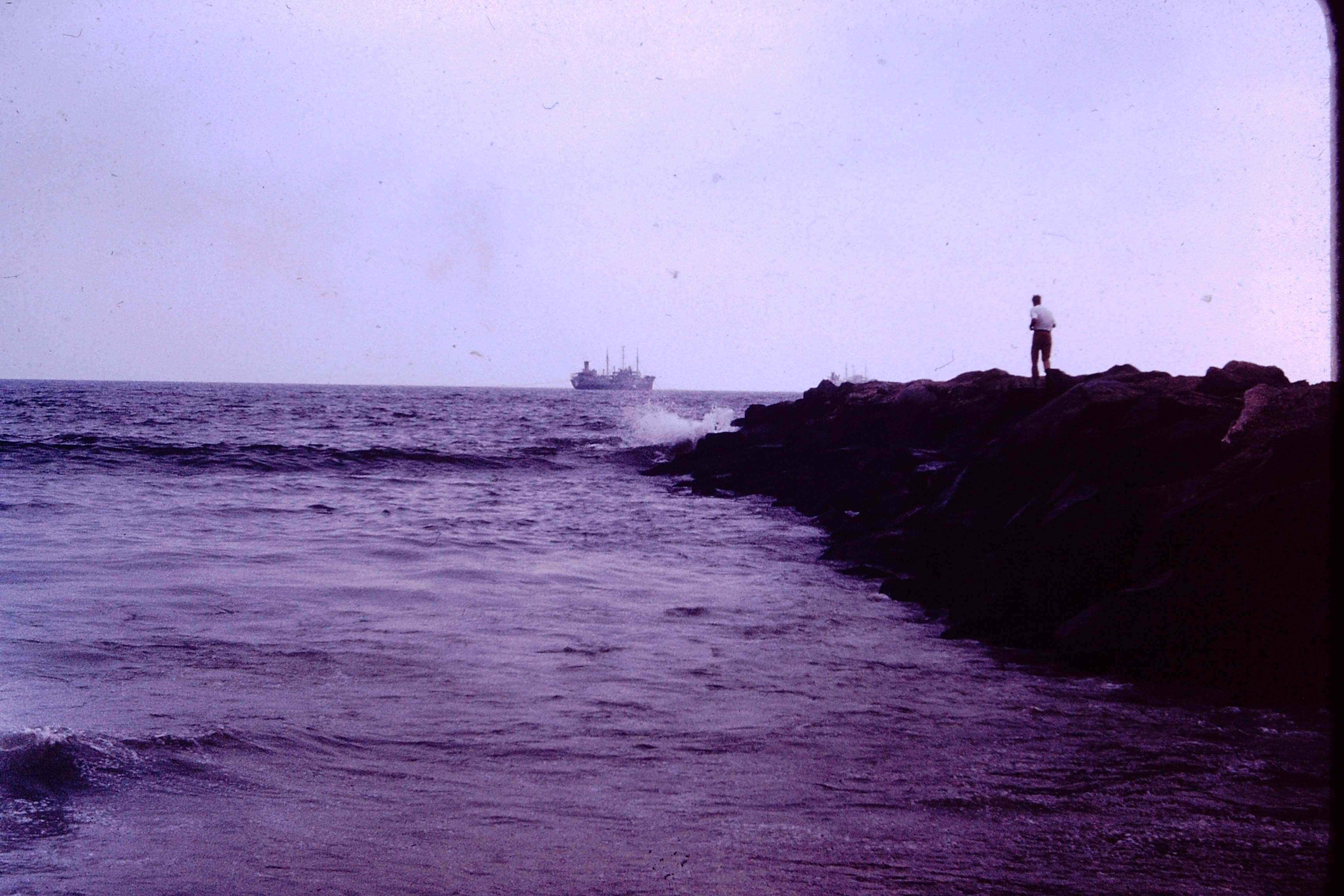
    Surf films, streaming videos, and photos often depict surf spots as gardens of paradise, perfect waves, friendly sun, and green down to tan-white sand and then the waterline, clean blues and greens. Nothing industrial going on. Very good days are rare though, and we went down to the water anyway, regardless of conditions. And once in the water, it didn’t matter. Every wave was a Top 40 hit song, every photo a classic. The beach break at El Porto was our home spot, over the dunes from the El Segundo Standard Oil Refinery. The photos we took in the 60s and 70s might today look as bad as the waves we rode. AI Assistant wants to touch them up for me, but I prefer seeing the originals, even if those are now becoming as faded as the memory, dye fading and color shifting.
  • Boogie El Porto

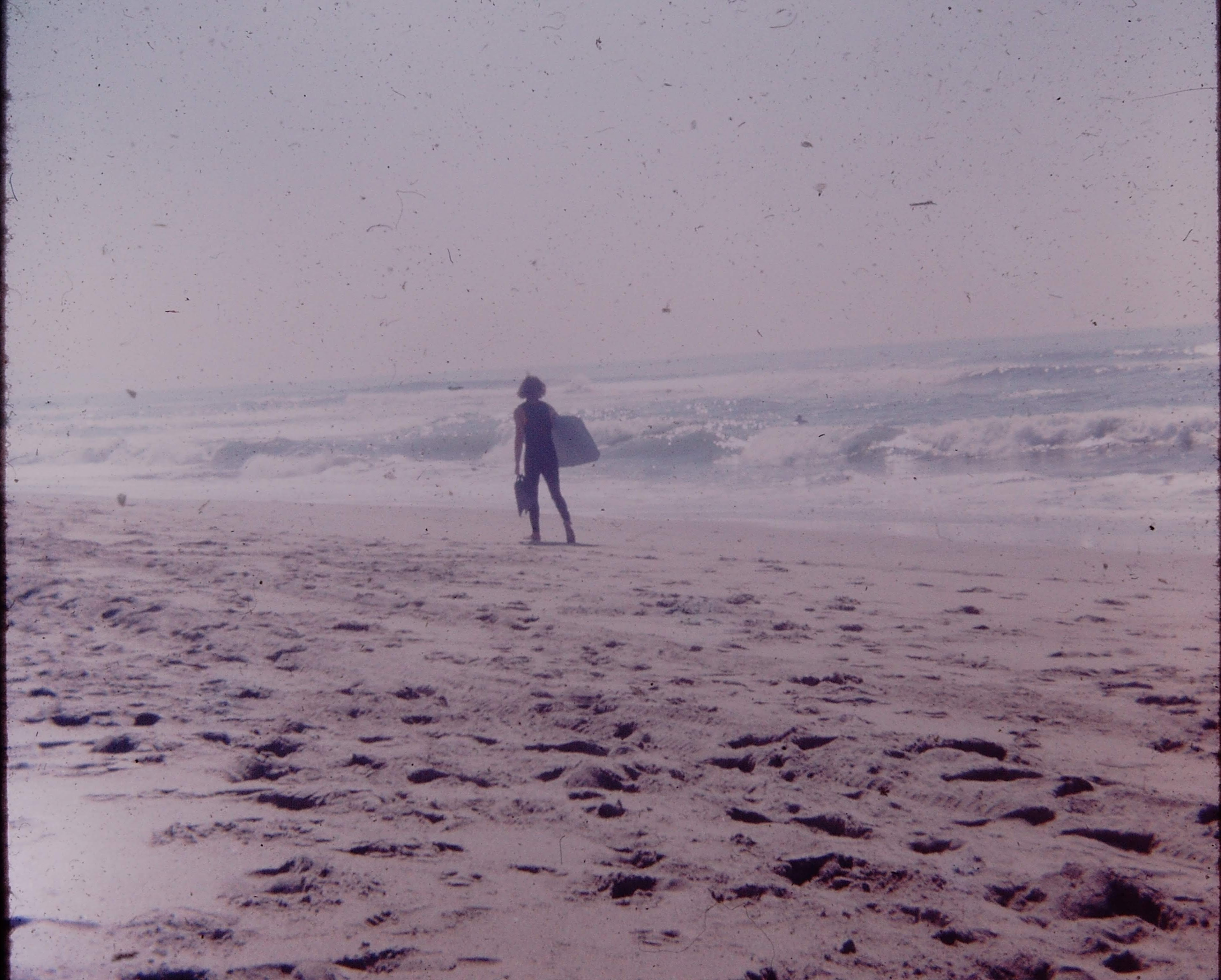
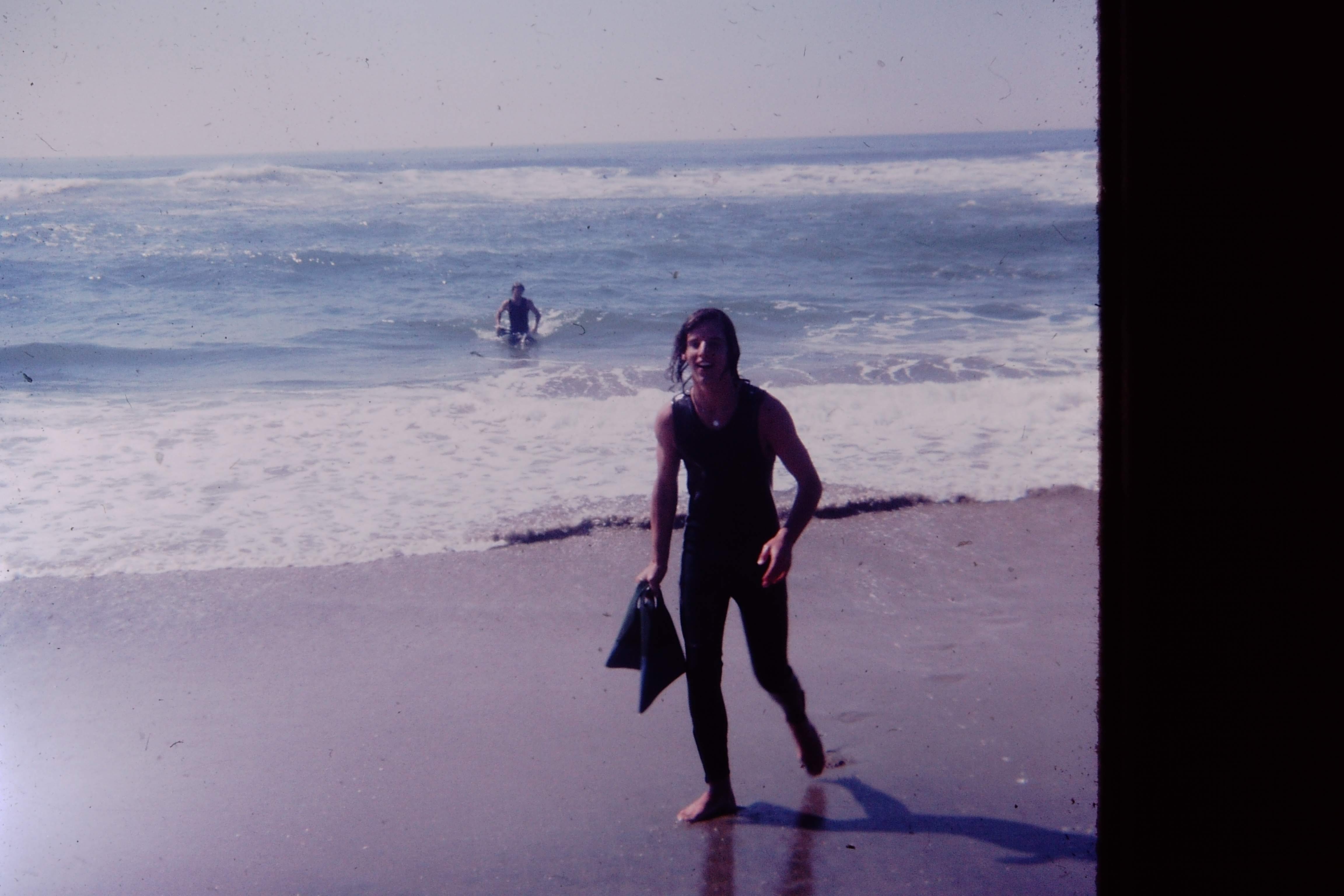
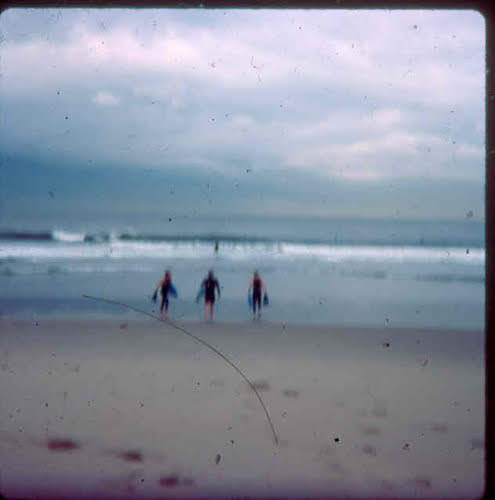
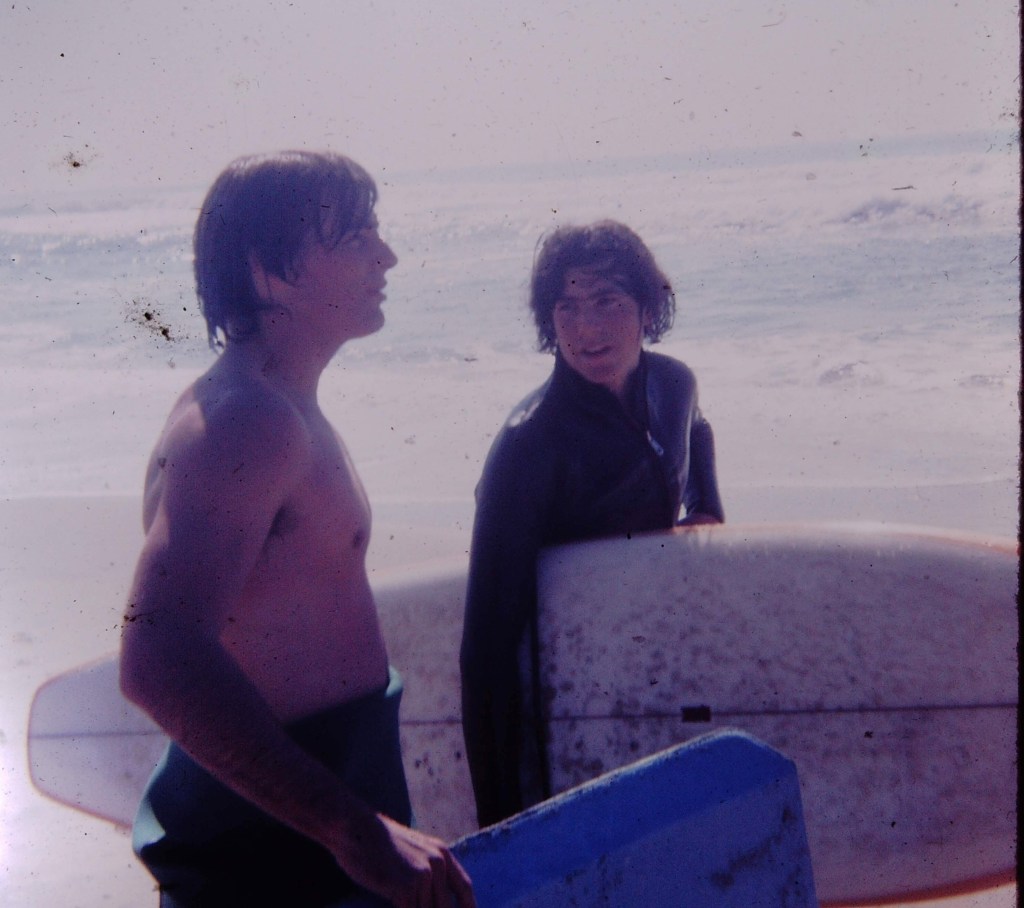
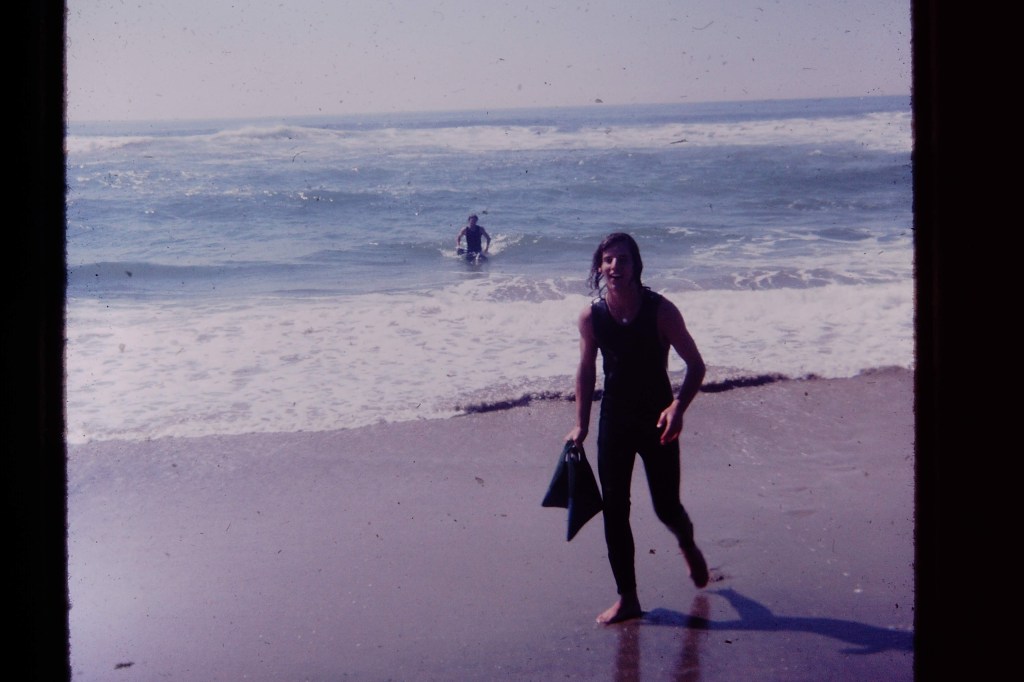
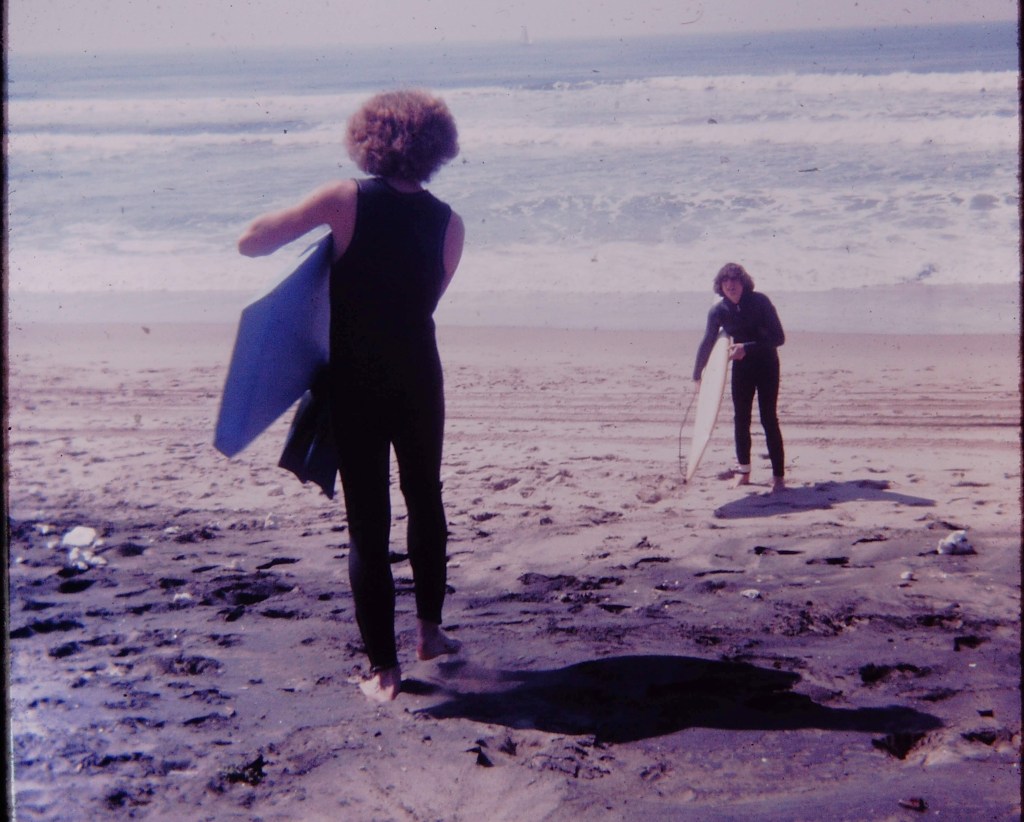
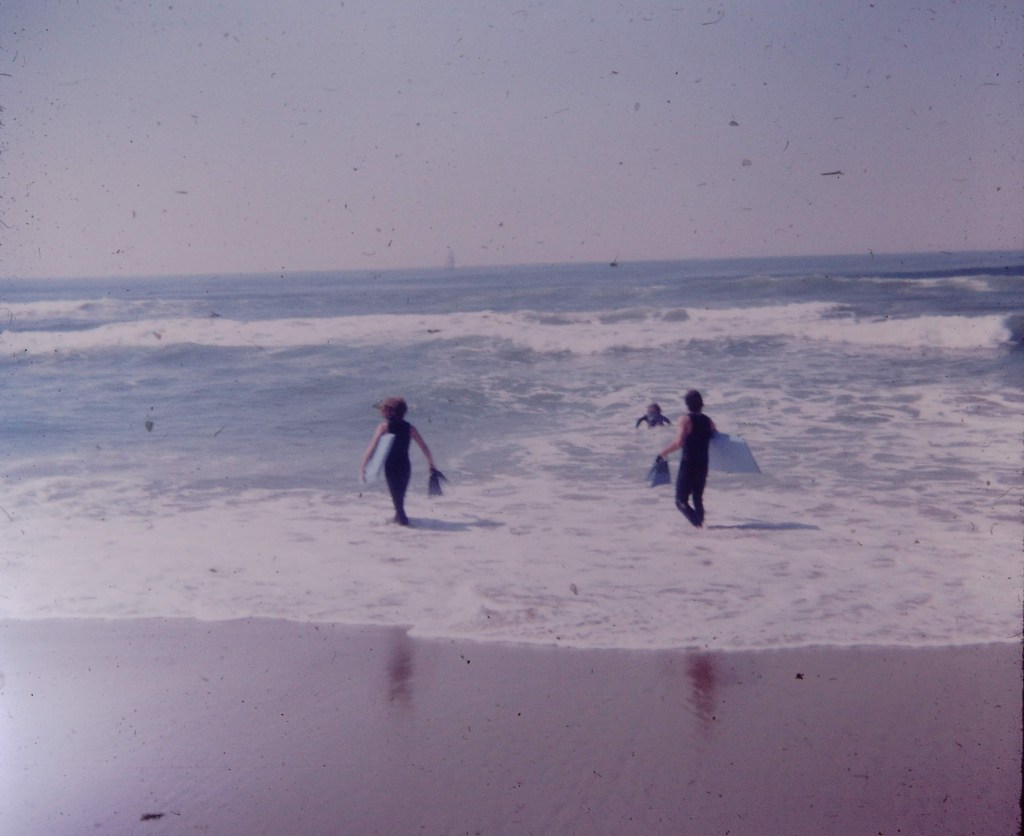
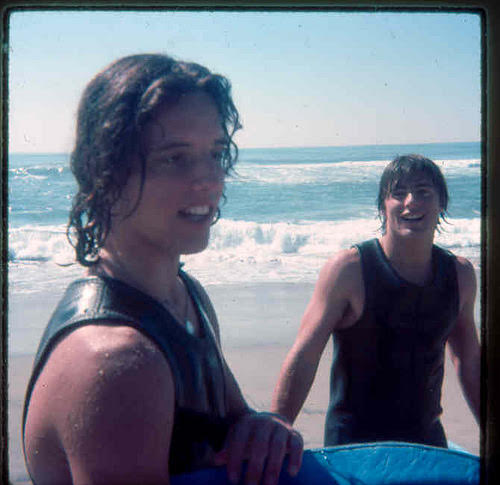
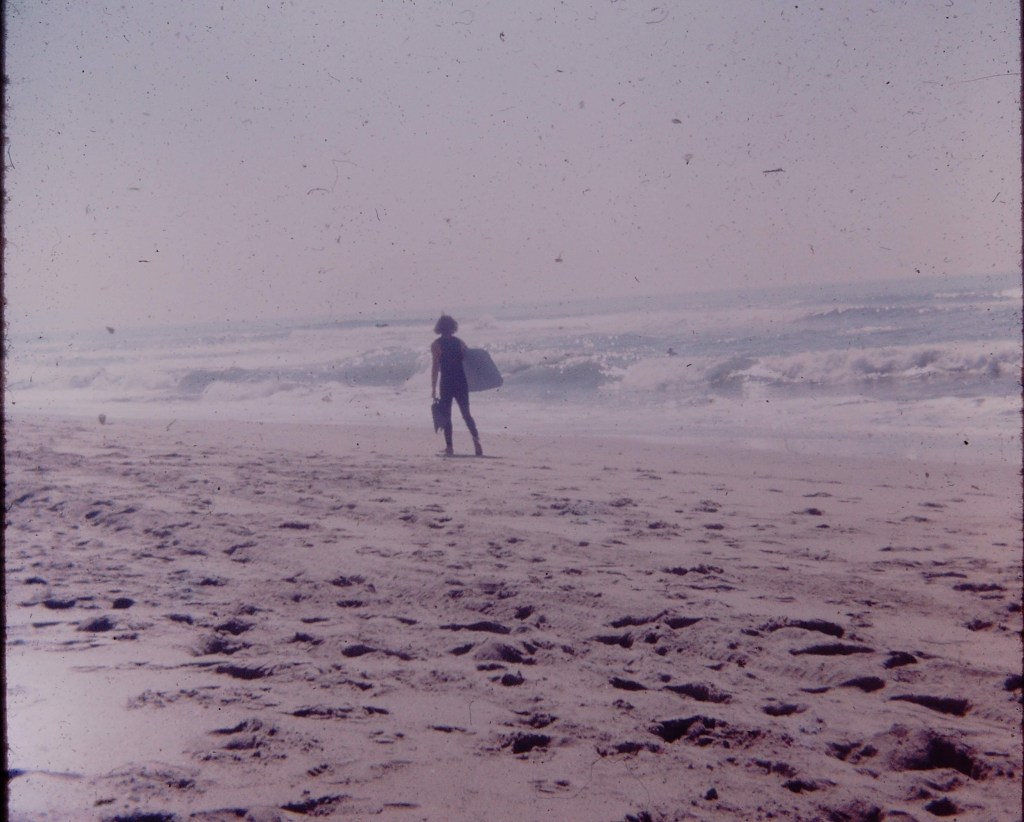
    The first boogie boards were kits – a foam blank and a “skin.” You shaped the blank, bringing the nose up a bit, and skinned it with glue, trimming the edges. We boogied El Porto mostly in the afternoons after the wind turned from offshore to onshore blowing out the waves. Better formed morning waves went to surfboards. The boogie boards worked best with a fin. The short duck foot was the best fin, one or two. The fin helped paddle into the wave and angle down the face. The photos here are from early to mid 70’s.

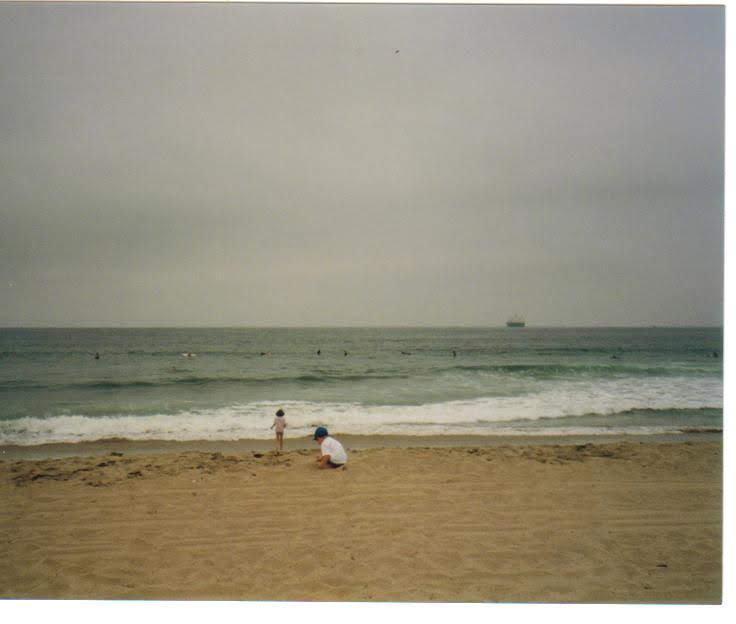
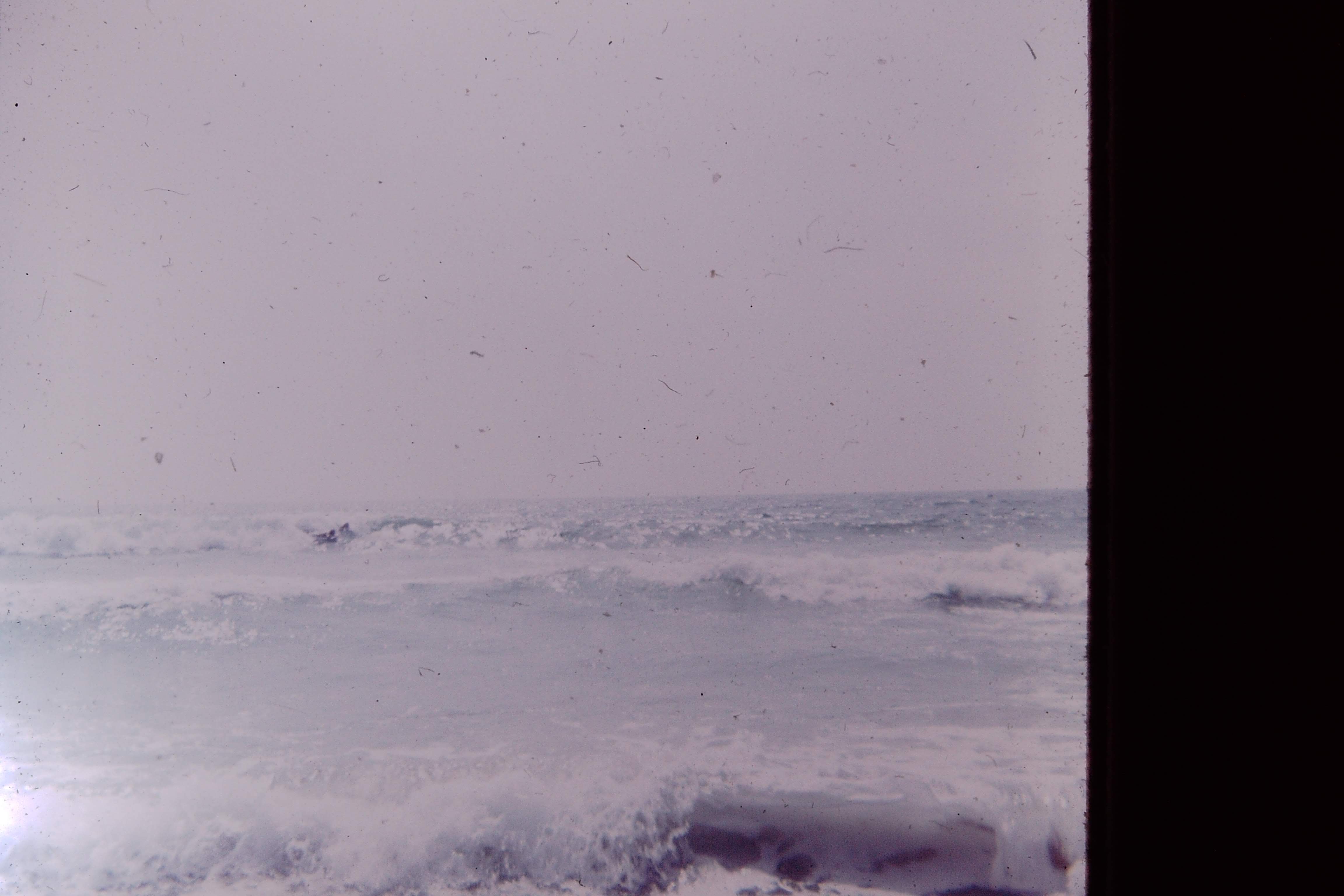
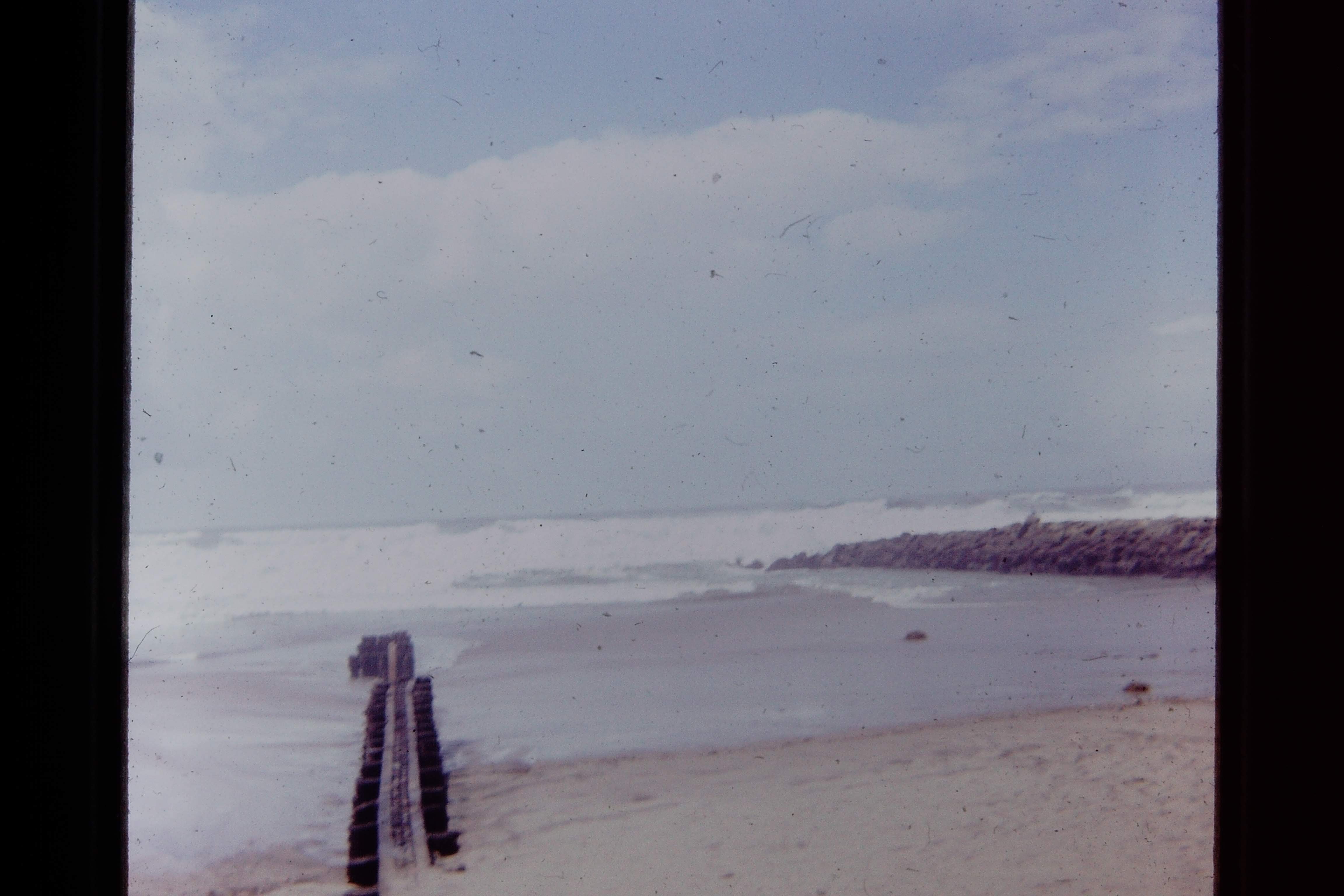
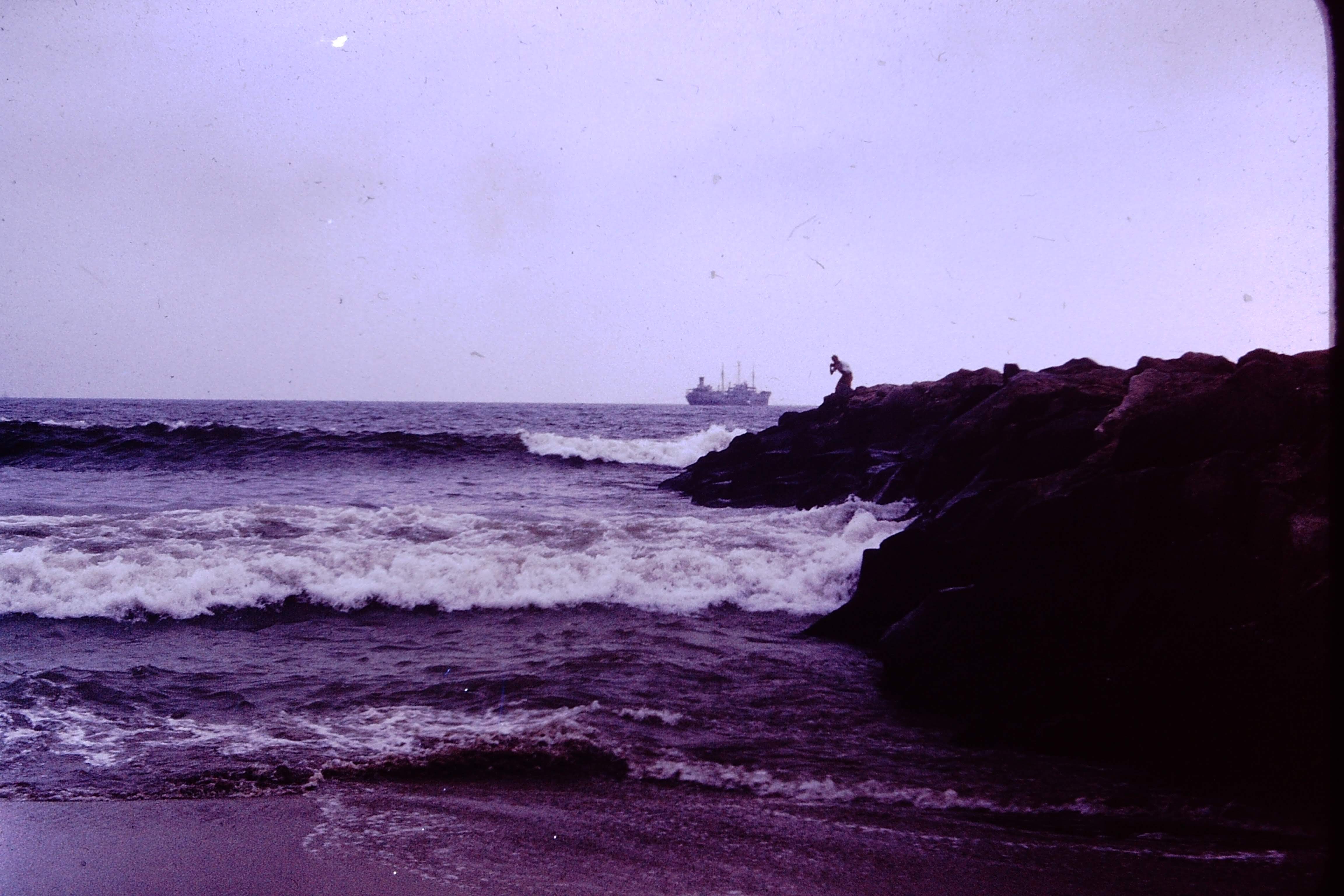
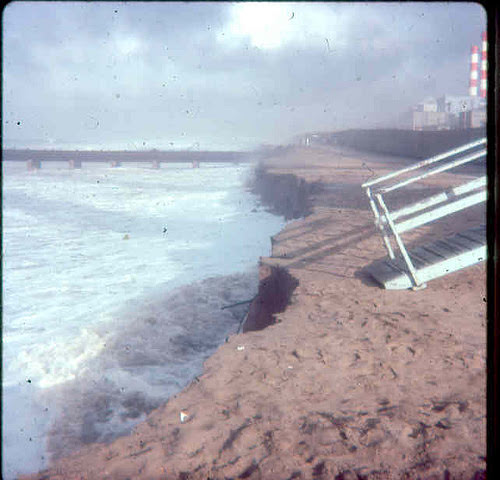
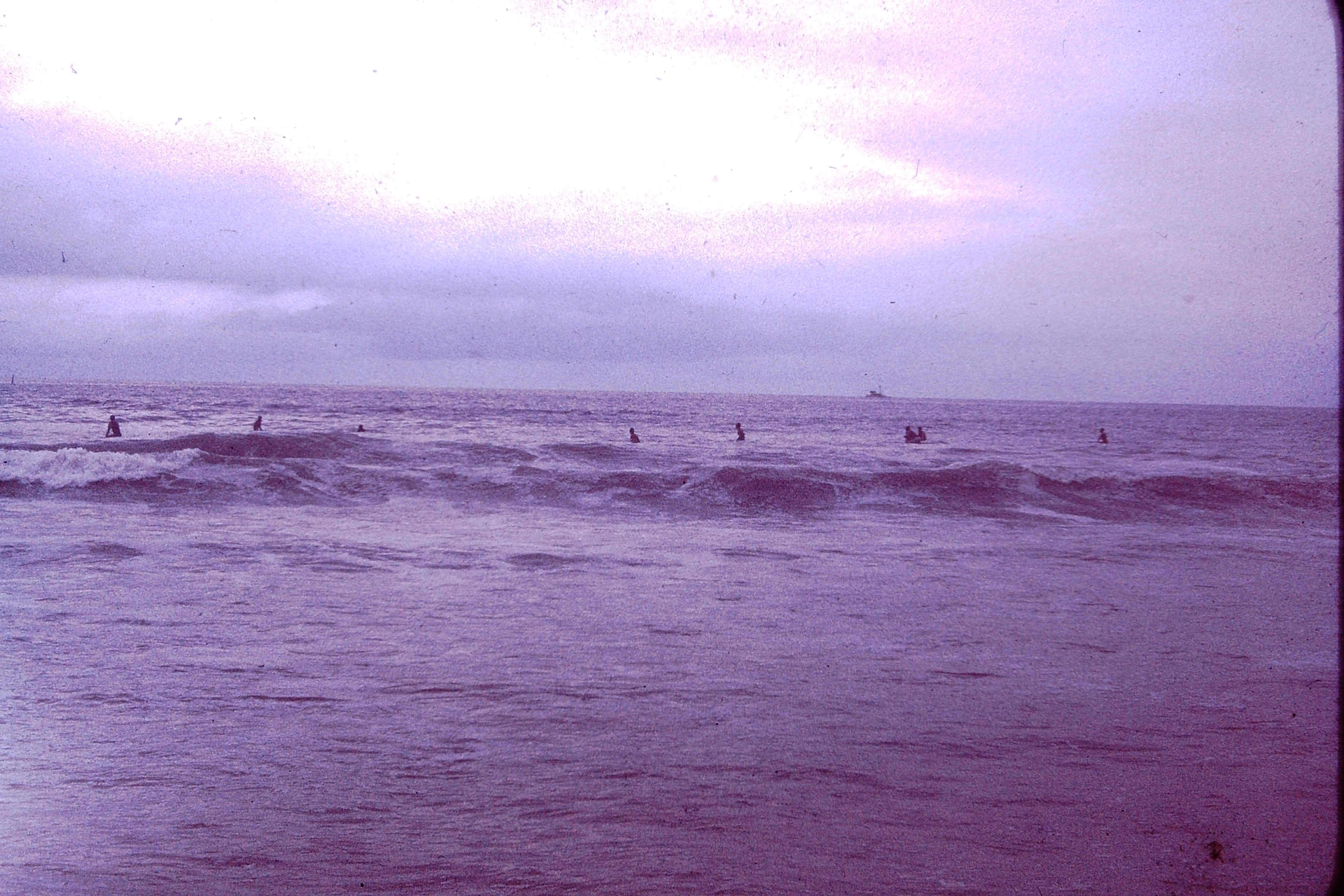
    As the boogie boards gained popularity, they were used all day long. Because they were soft, they were not as dangerous as surfboards. The photo bottom left above was taken during a storm surf episode late 70s, and shows the iconic El Segundo towers in the upper right corner. The lifeguard tower ramp is at 45th, the north end of El Porto. The sand cliff carved out by the storm surf is unusual. The beach usually gradually sloped down to the water.

    We started wearing wetsuits around 1969, but in the afternoons we usually did not. The water wasn’t that cold. We got spoiled by the wetsuits.

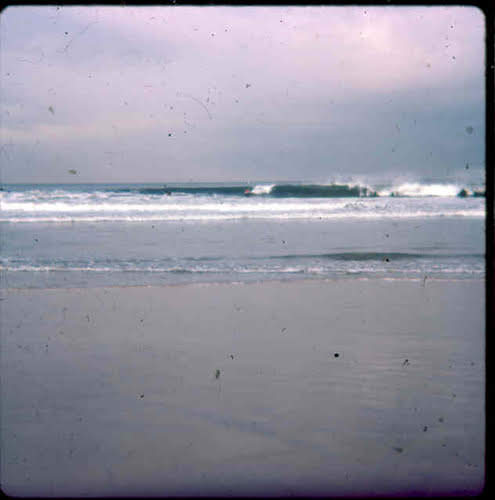
    We took photos with my Exakta 500, which I had bought used from a local photo shop. We used slide film which we got developed usually at a local Fotomat drive through. The 50mm lens that came with the camera proved inadequate, so I later bought a 120mm portrait lens which worked pretty well as a telephoto. But we also used Instamatic cameras, also using slide film. The slides here are worn and showing their age. A few I’ve posted before, but continue to scan and update as conversion technology has improved, and the audience here and for old stuff from the old days at El Porto continues to change.

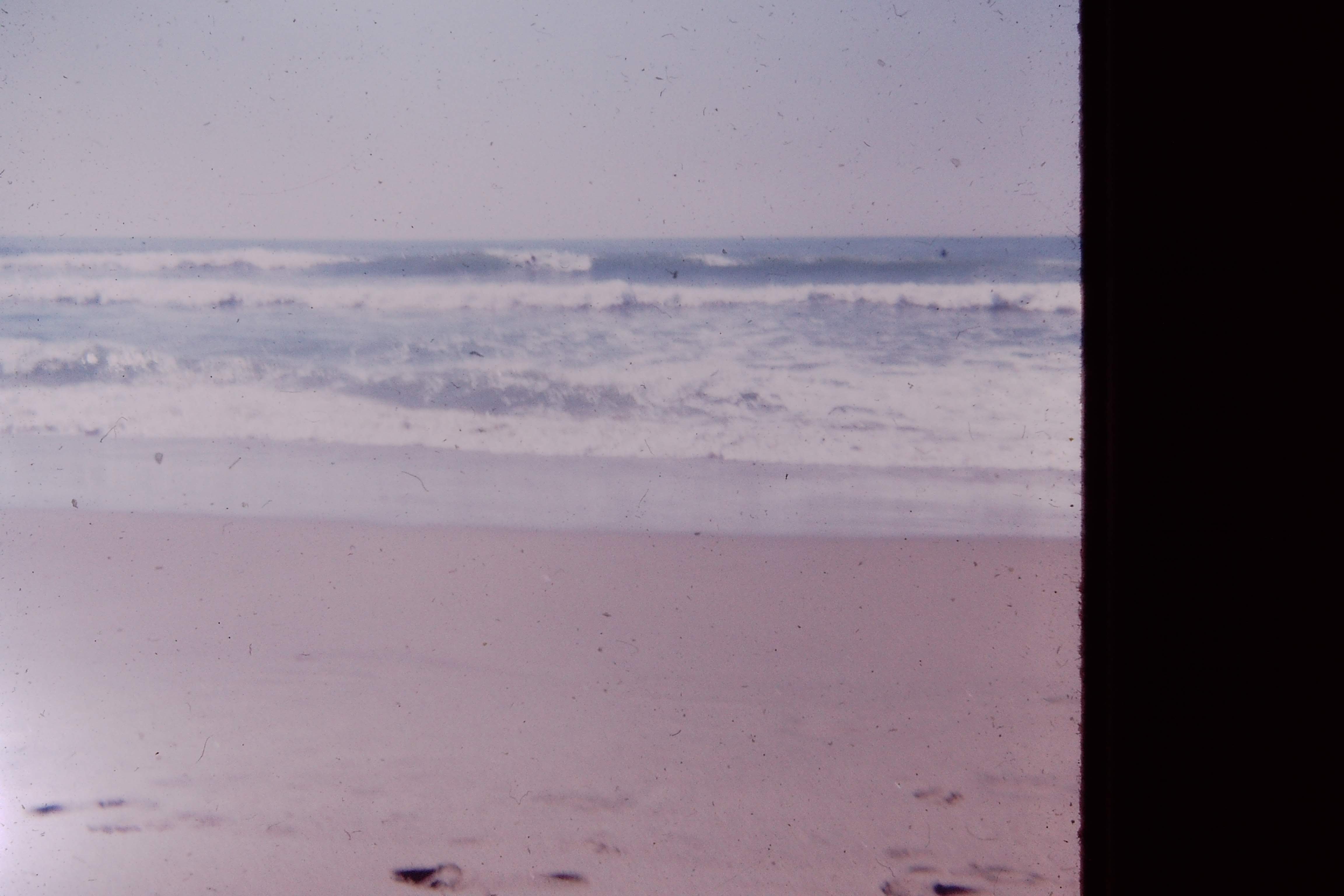
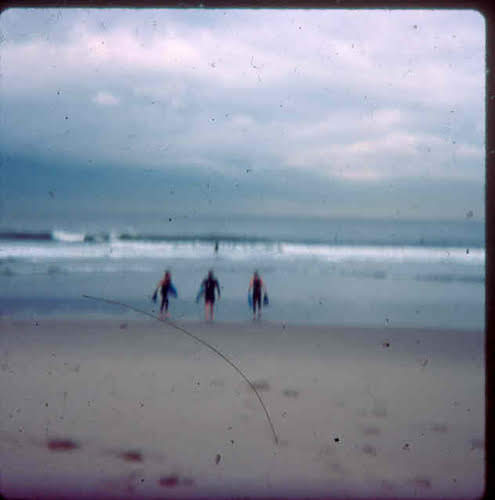
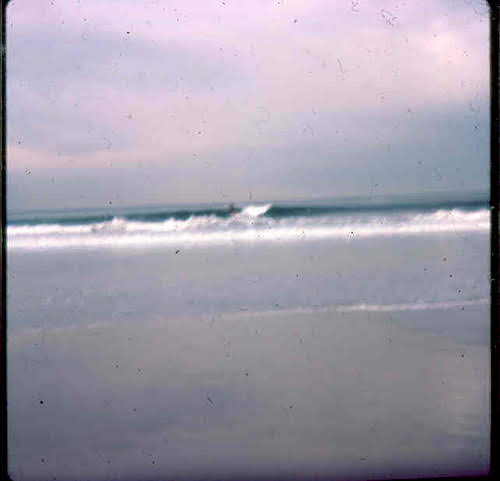
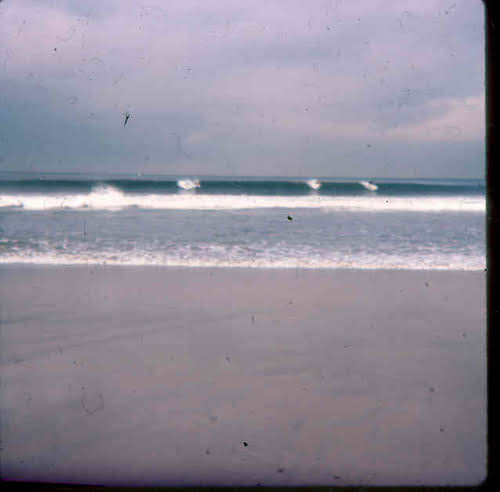
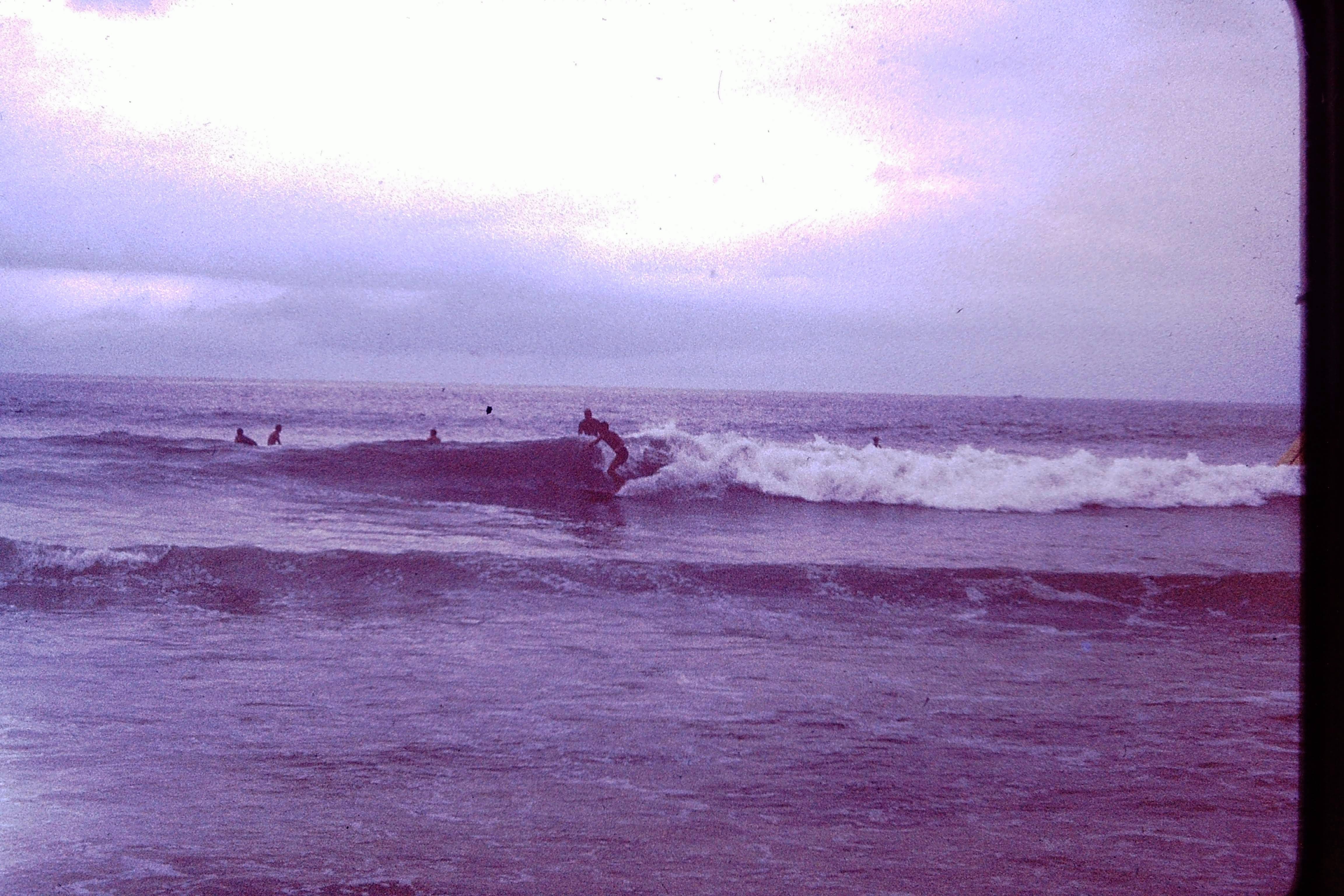
    These are not professional photos, not even good photos, which is why some of them, like the last one above, might approach art. The photographers were surfers who picked up a camera anonymously to save a moment.