What is style and where does it come from? In his book “Q & A,” Adrian Tomine says, “If you create a page of blank panels and give that to a kid, they will immediately start creating a comic. And you will be surprised and delighted by what they create” (141).
Then again, when you were a kid, you might have been told to stay within the lines when coloring. And the panels were not blank, but pre-filled with assumptions and presuppositions.
Adrian says: “I understand that feeling of self-consciousness all too well, and I think the only reason I’m able to publish the work I do is that I started on this path before I knew any better….I’ve found it helpful to try to trick myself back into that earliest creative mindset, where I’m just creating the work for its own sake” (136-137).
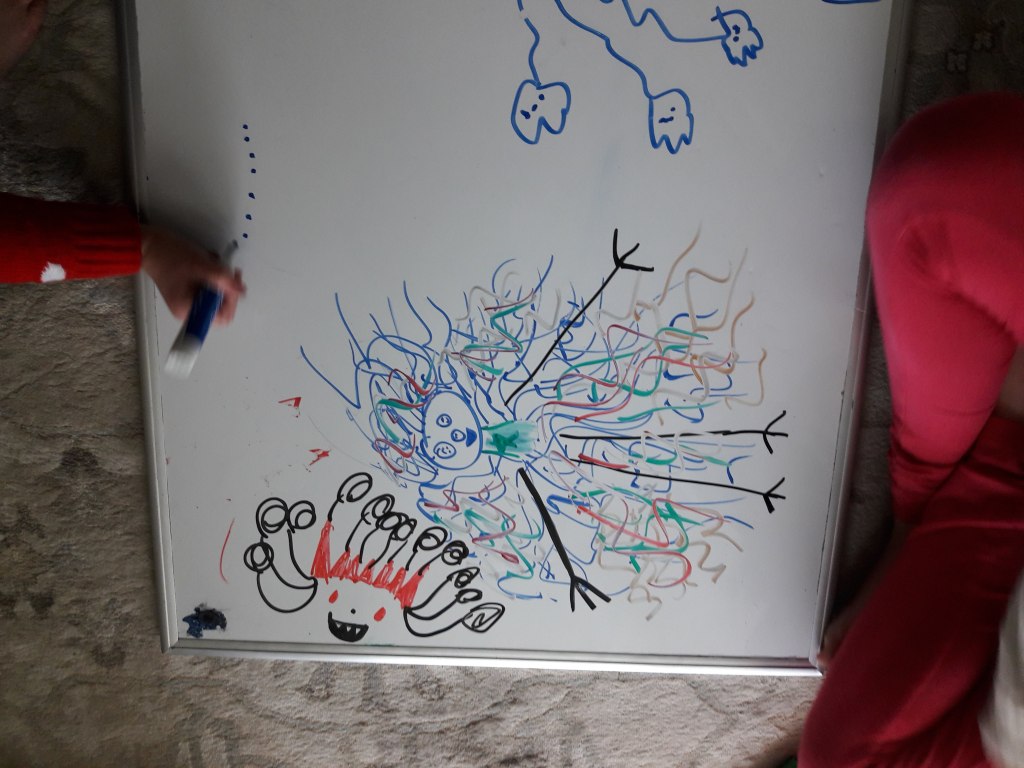
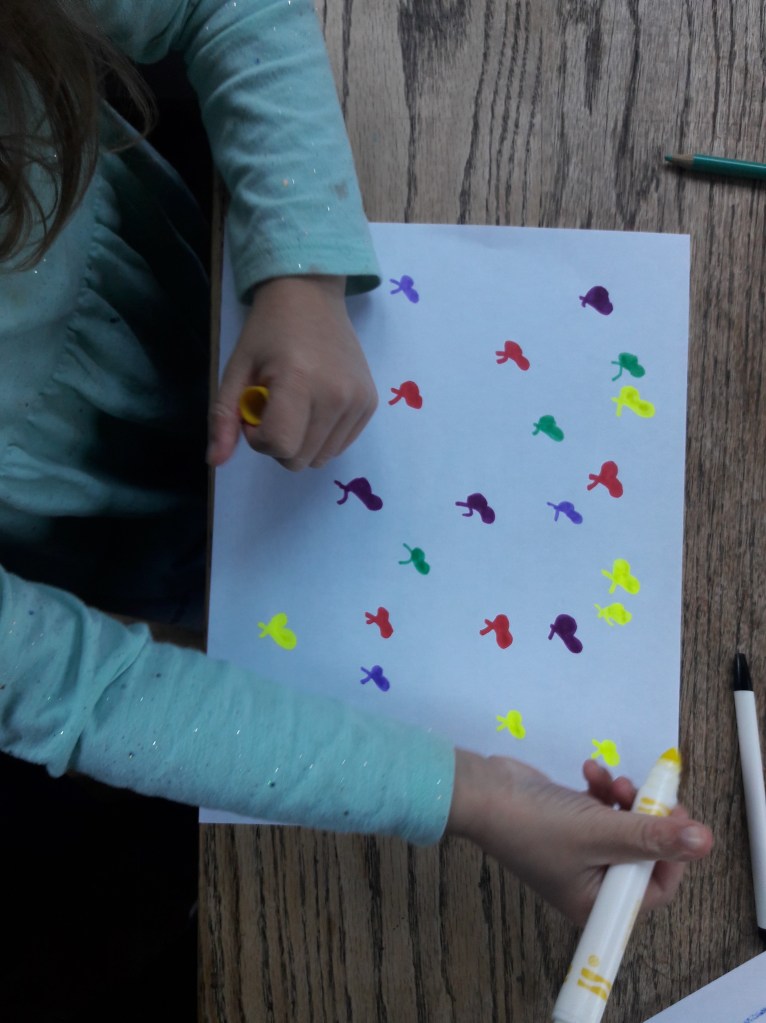
When my granddaughters were younger, we used to draw and paint using all kinds of materials. It wasn’t work for the sake of the piece, but work for the sake of work, which was play. As evidence of what doing work for its own sake might look like, here is a photo of the kids drawing on a whiteboard. Everyone knew that at some point it would all be erased. They might have saved it for a day or two, until the next exercise opportunity arose. I may have cheated the system by taking a few photos of some of the drawings, thus turning the play into work for its own sake. But that’s my problem, not theirs:
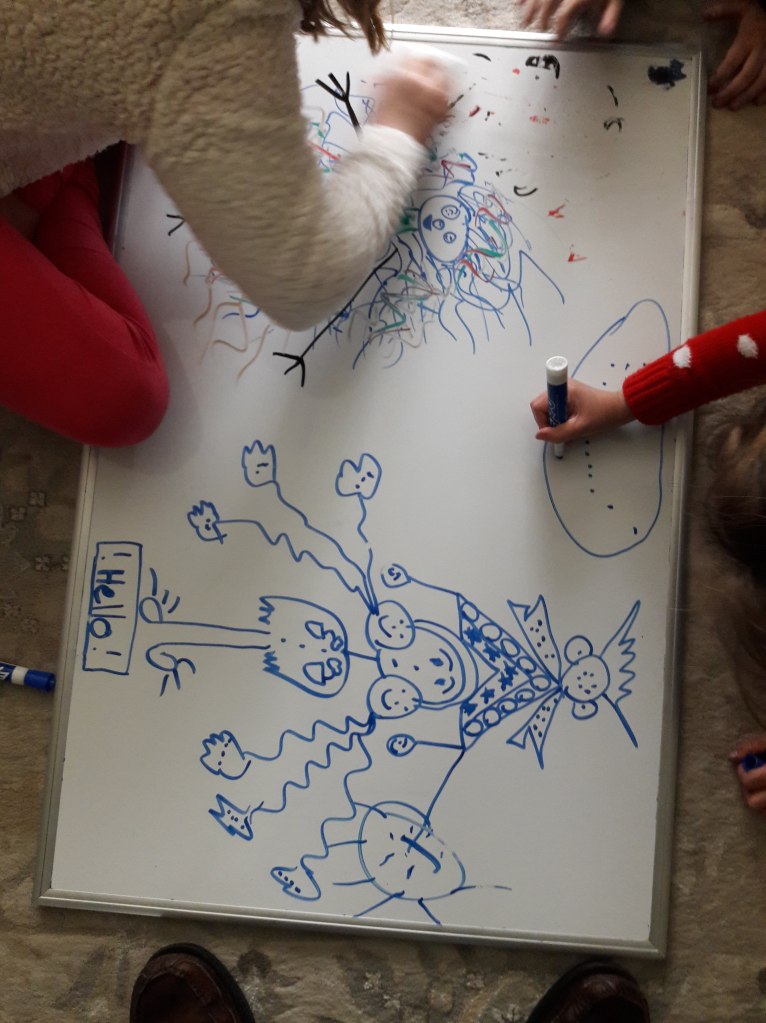
That original work has now disappeared, and I doubt we could bring it back without, as Adrian says, somehow putting ourselves “back into that earliest creative mindset.” If you can do that, then you might find a style.
Another example of style is found in Raymond Queneau’s book “Exercises in Style.” The same short description of the brief interaction of two characters on a morning bus is repeated 99 times, each time using a different “style.” In other words, the same story is told in different ways. But if a story is told in a different style, is it the same story? Cartoon drawings provide the first letter of each word of each chapter’s short title. Some examples of the one-word titles: “Precision”; “Anagrams”; “Blurb”; “Passive”; “Speaking personally”; “Comedy”; “Biased”; “Tactile.”
Can a style be created using rules? Yes, and that has created much confusion over what’s right and acceptable in given contexts or venues but that might not be right or acceptable in others. Style is often confused with etiquette. It might even be confused with intelligence.
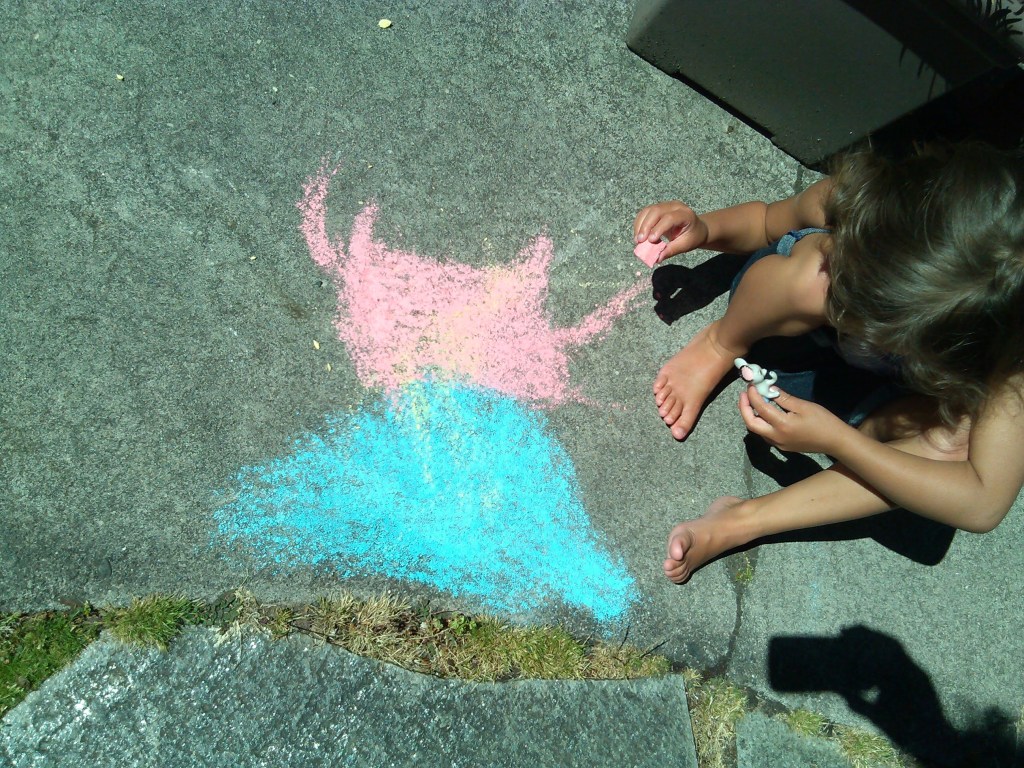
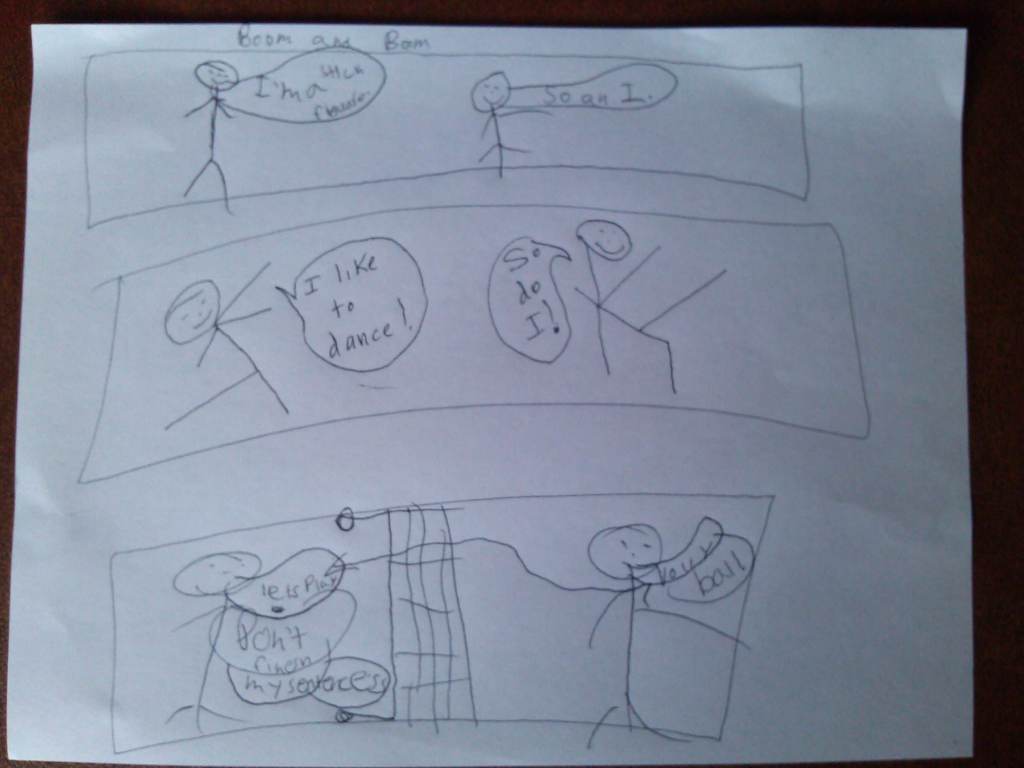
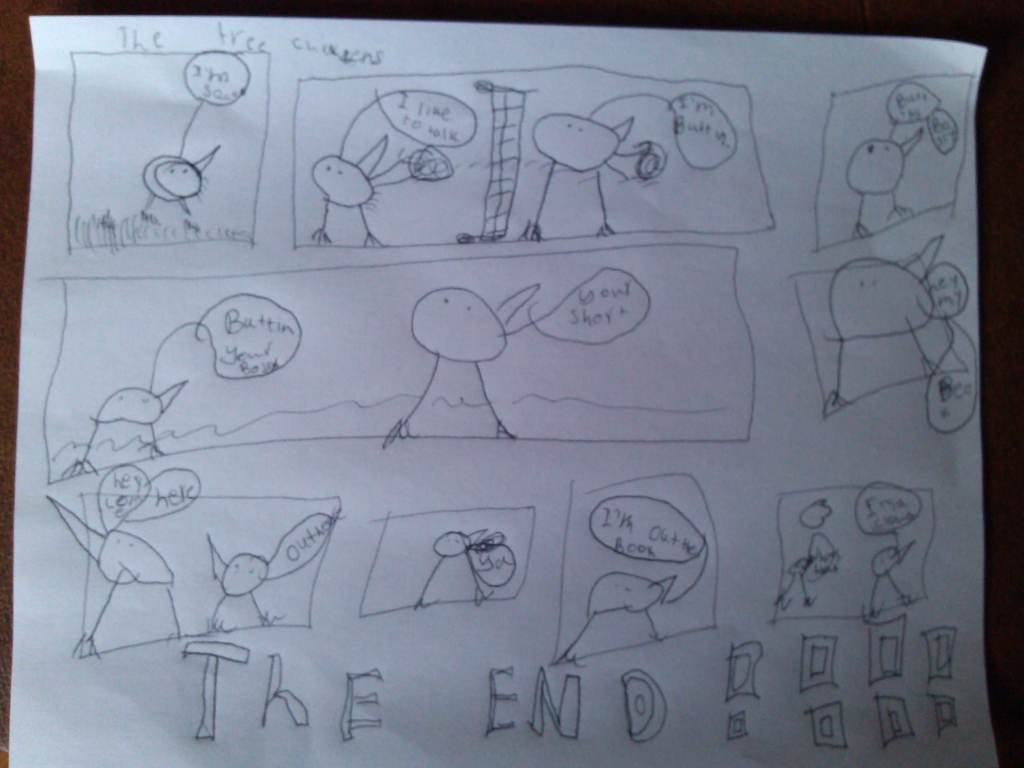
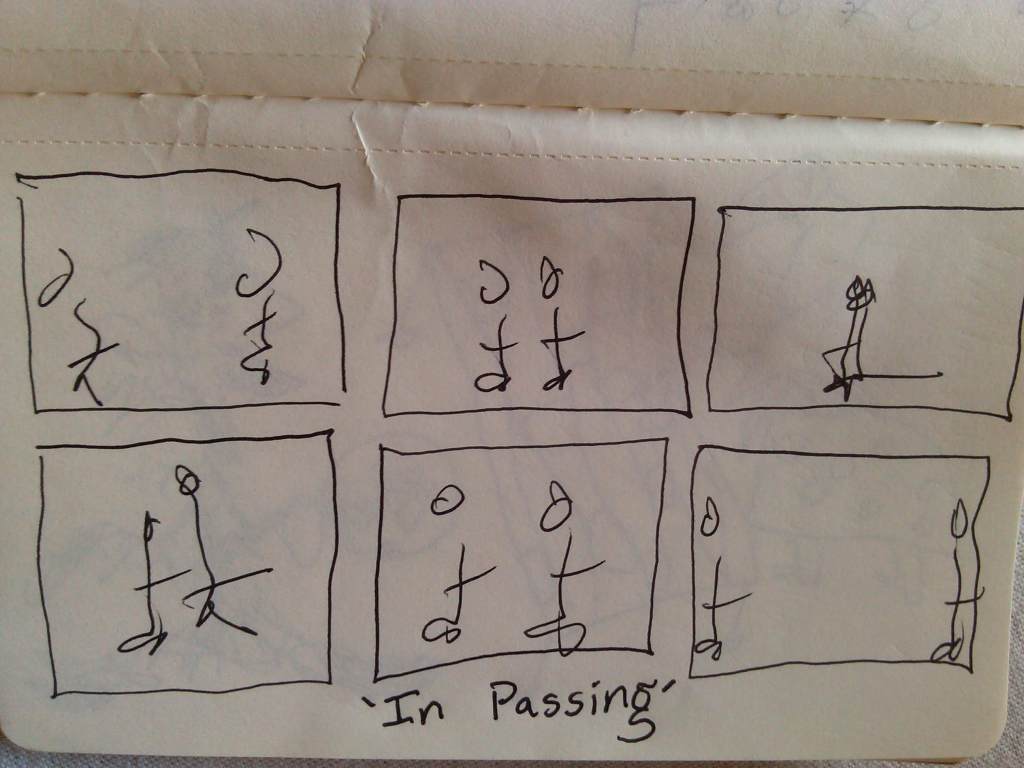
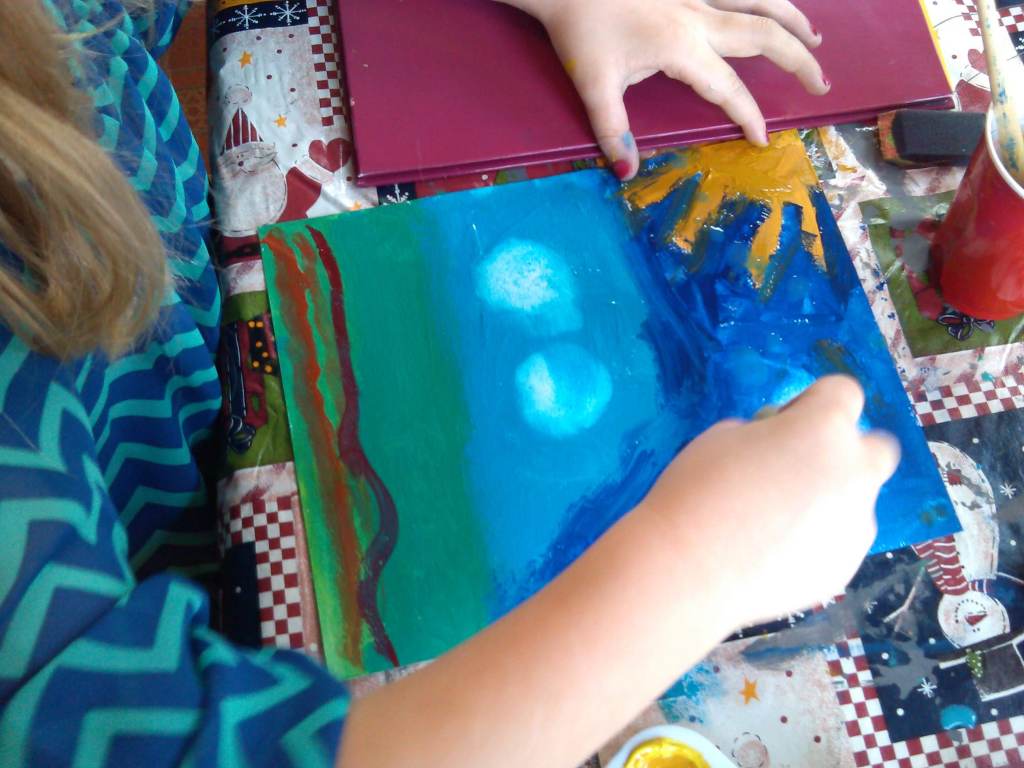
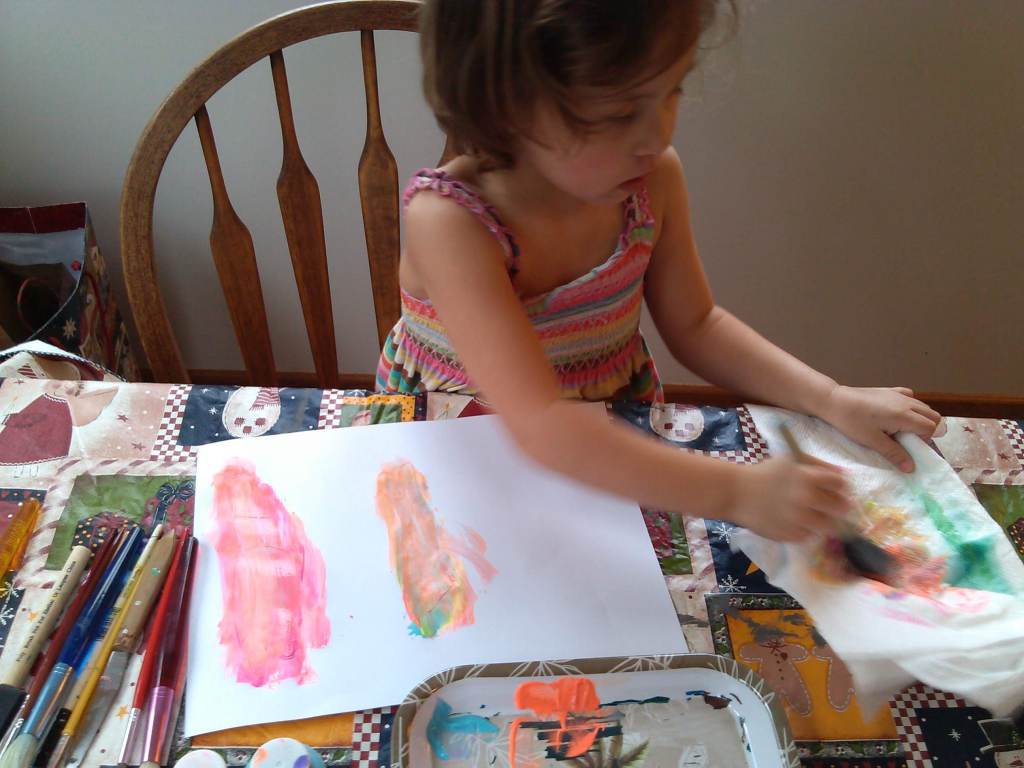
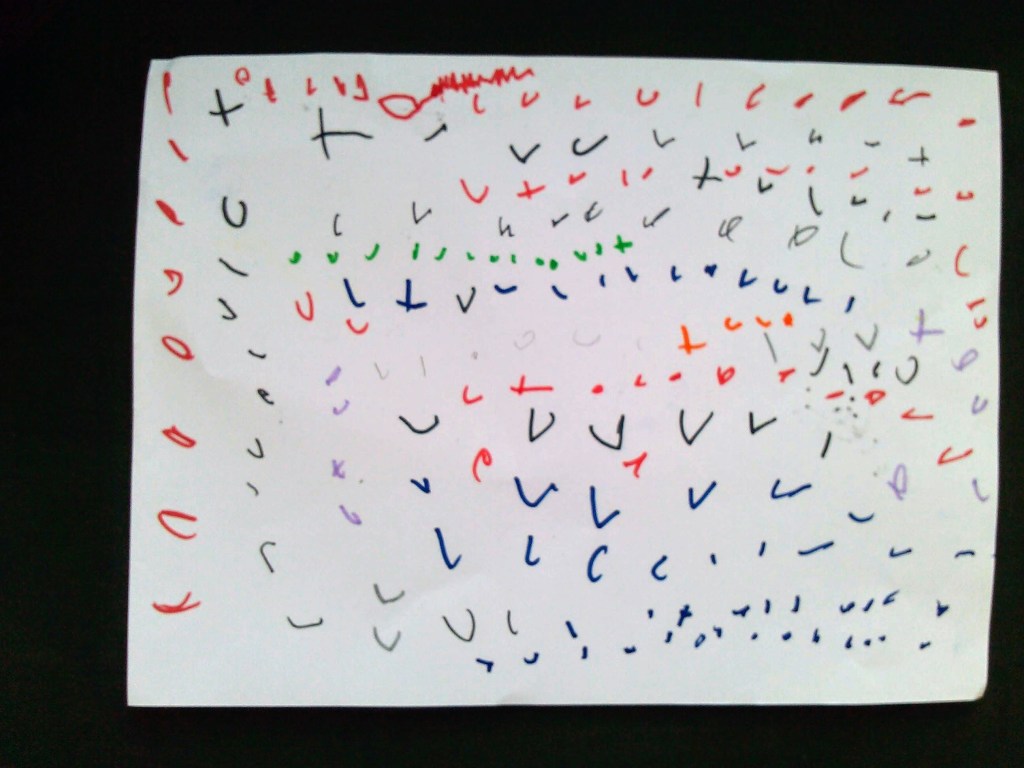
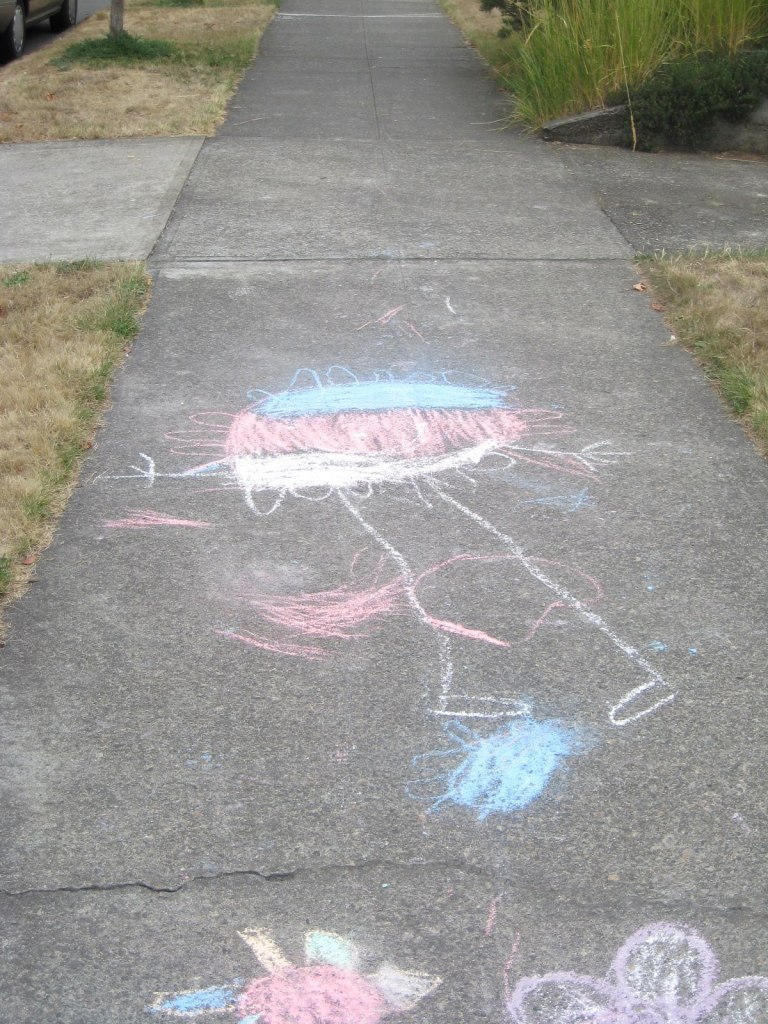
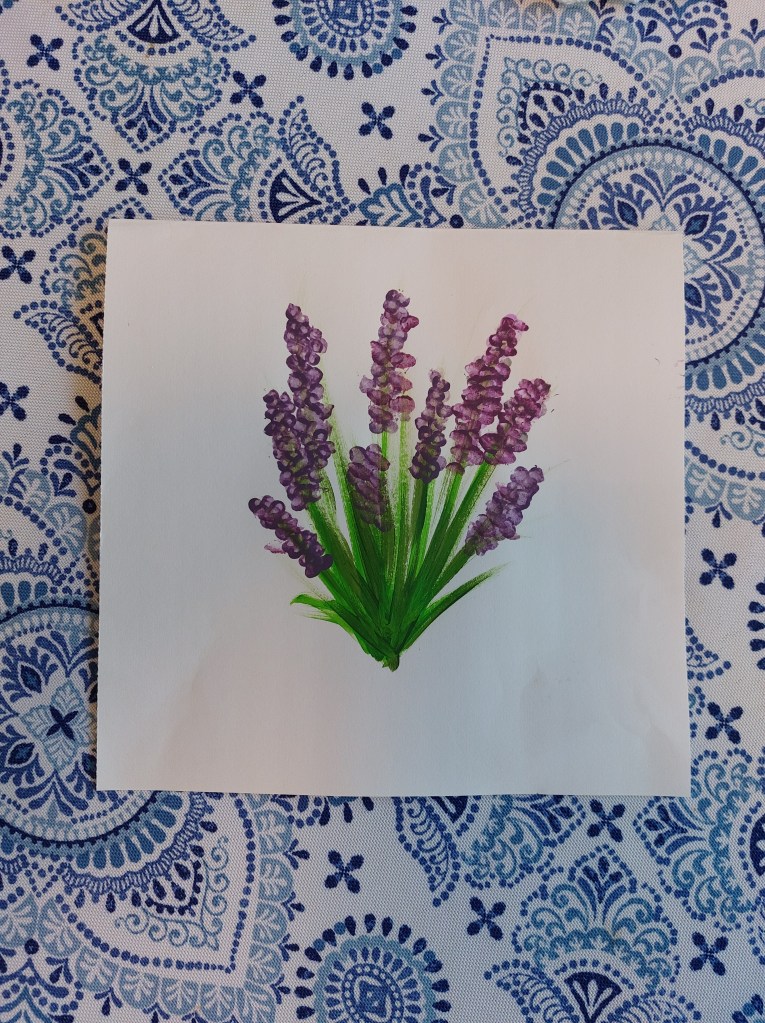
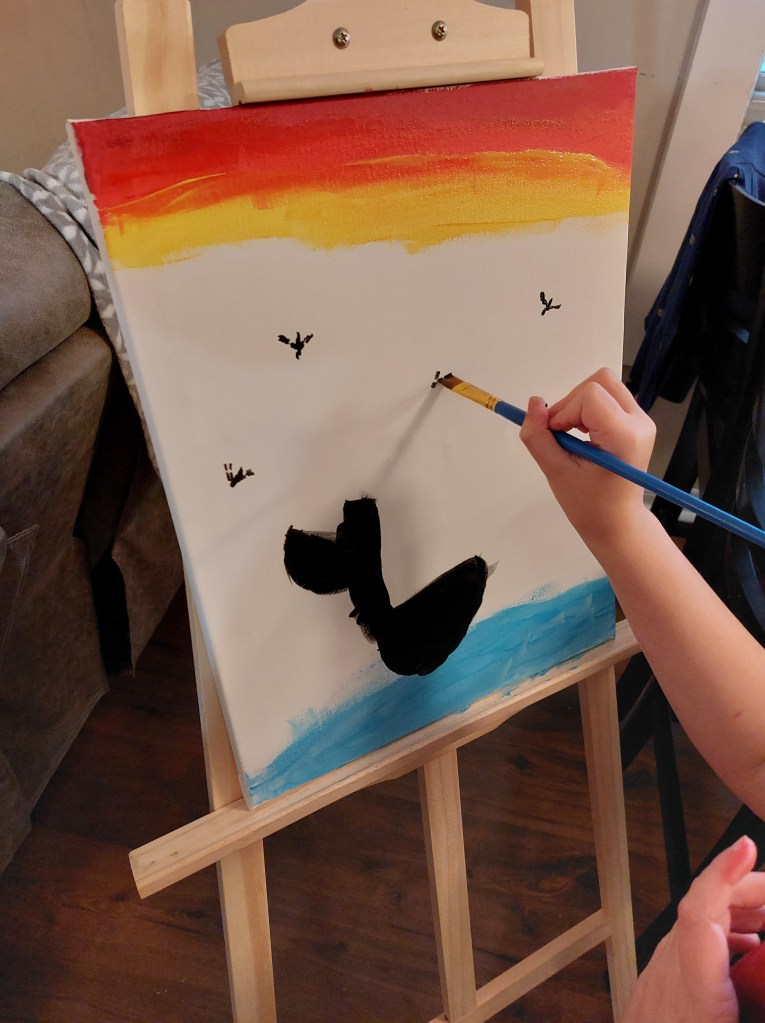
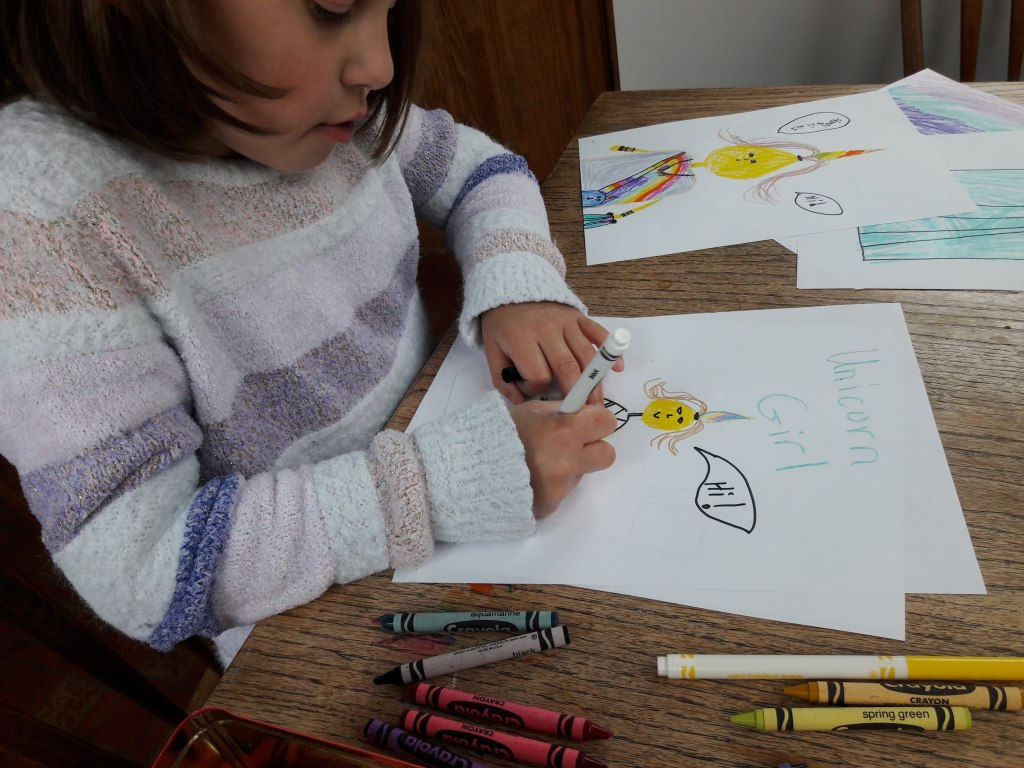
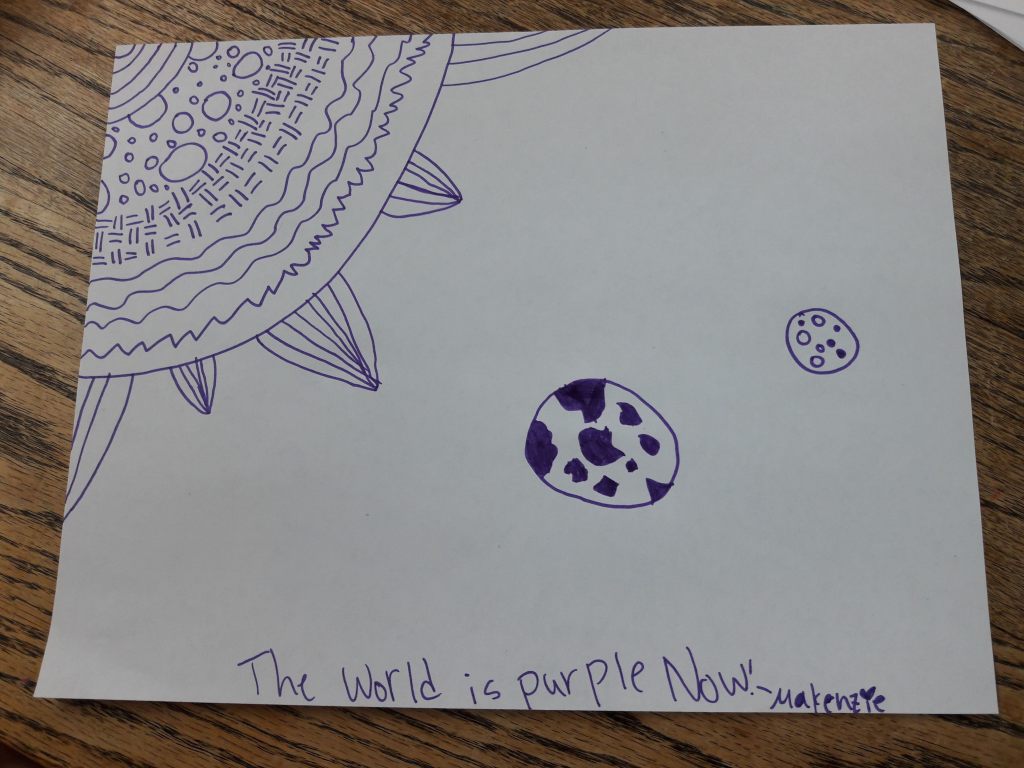
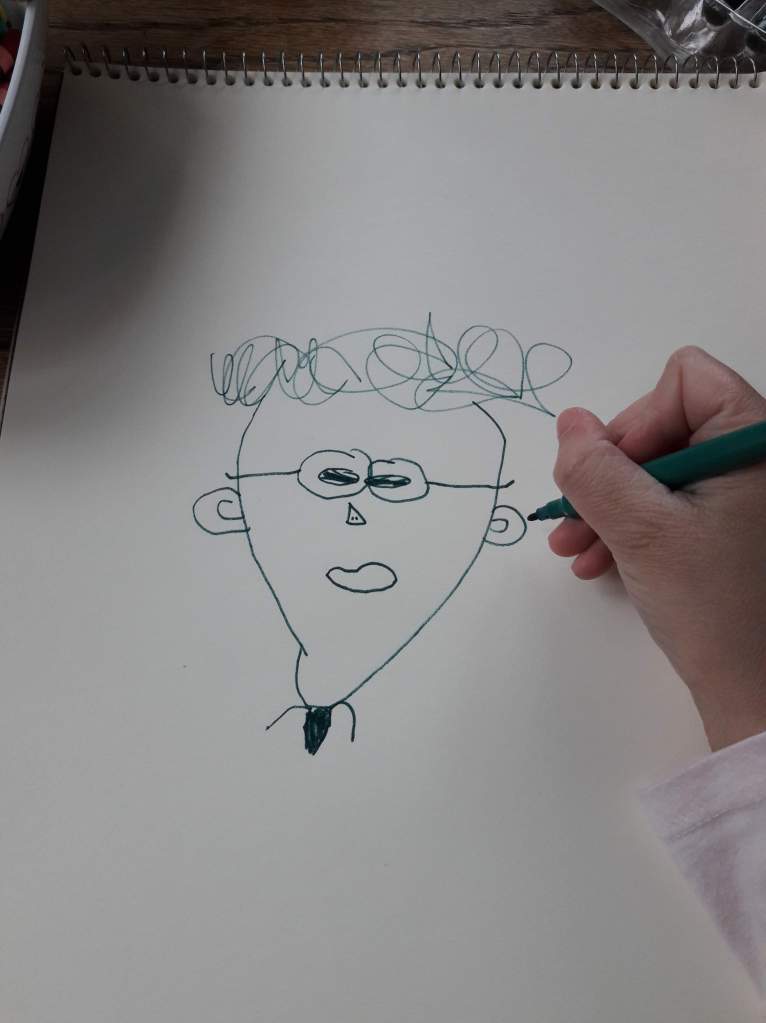
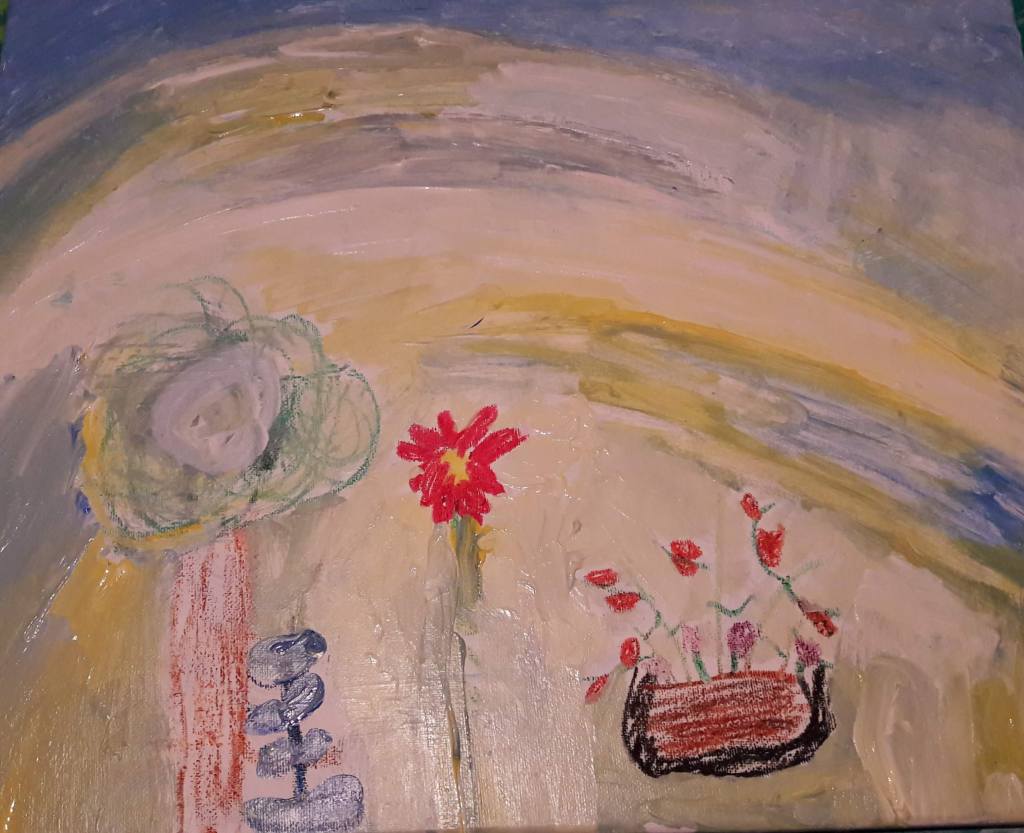
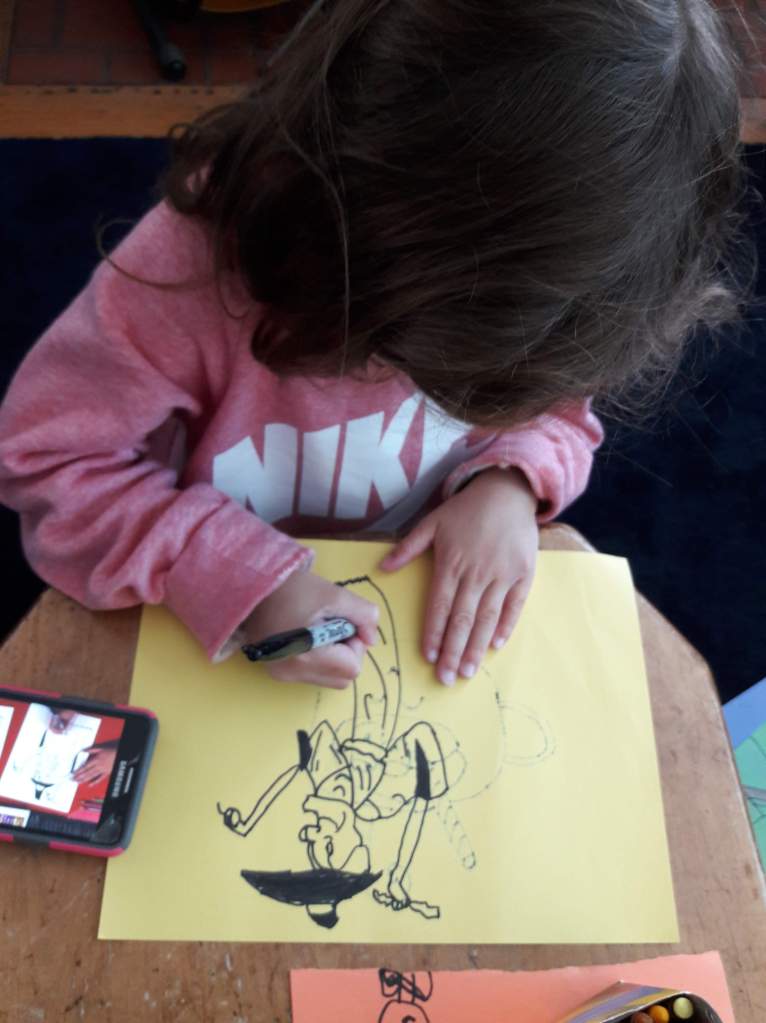
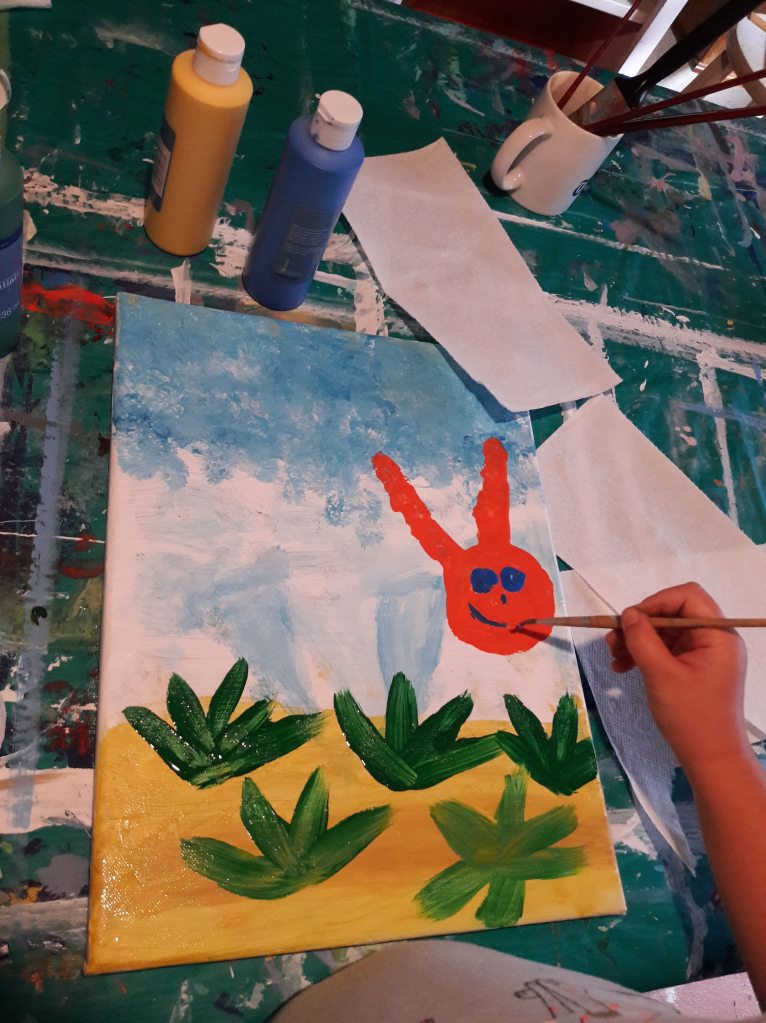
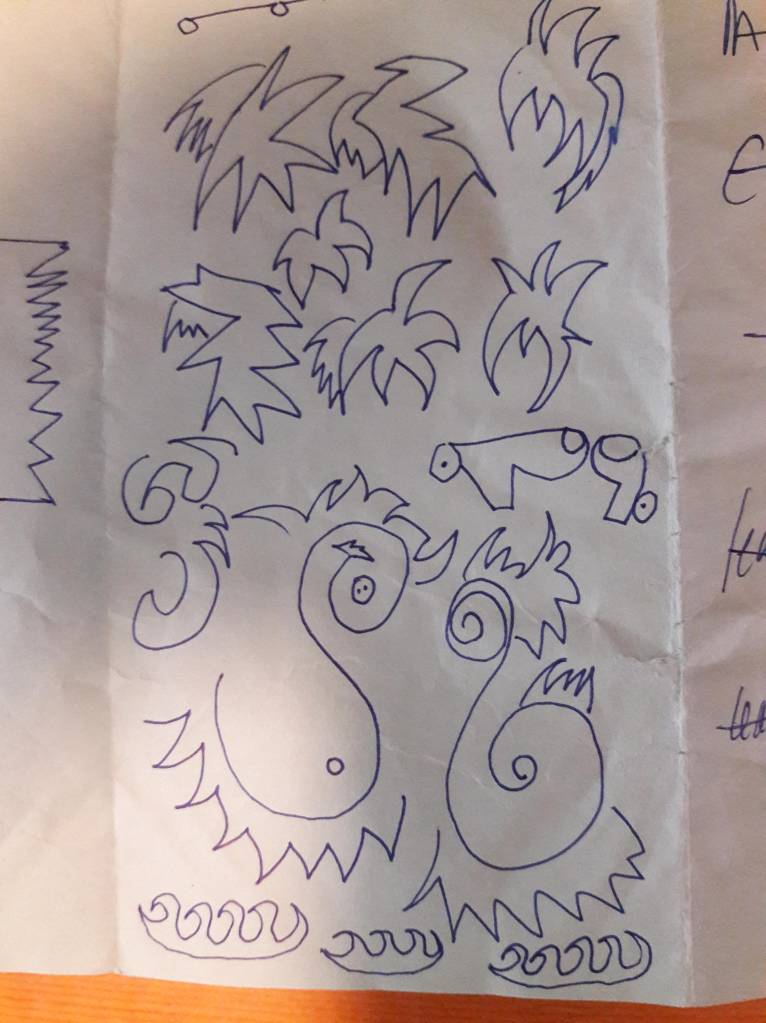
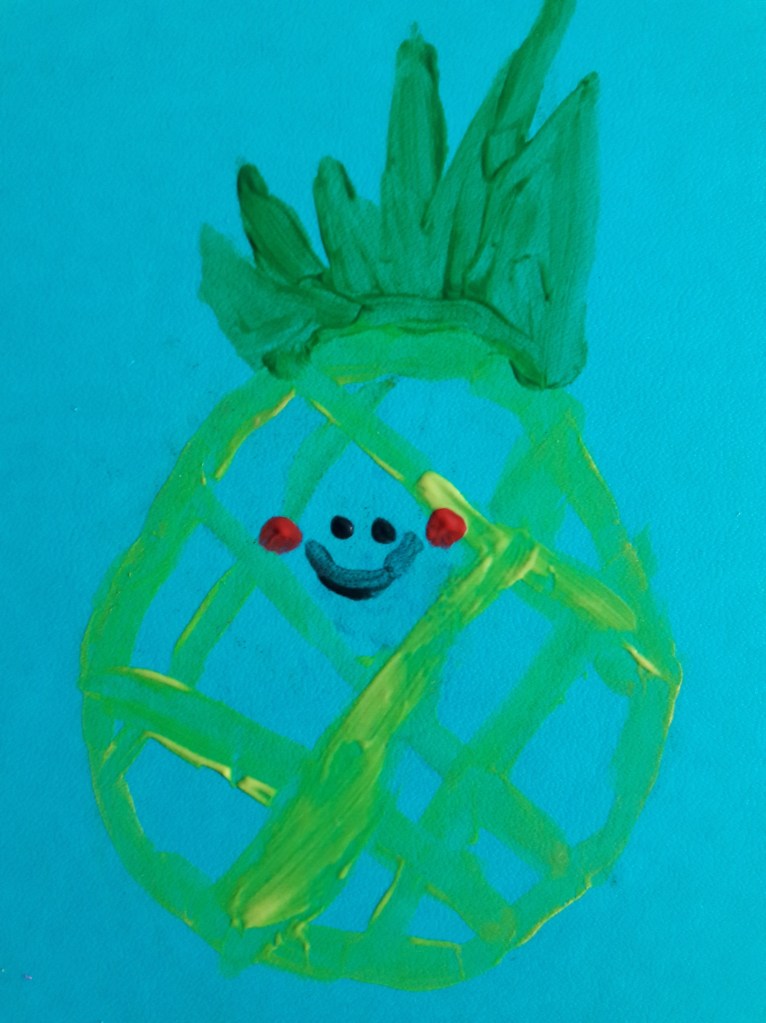
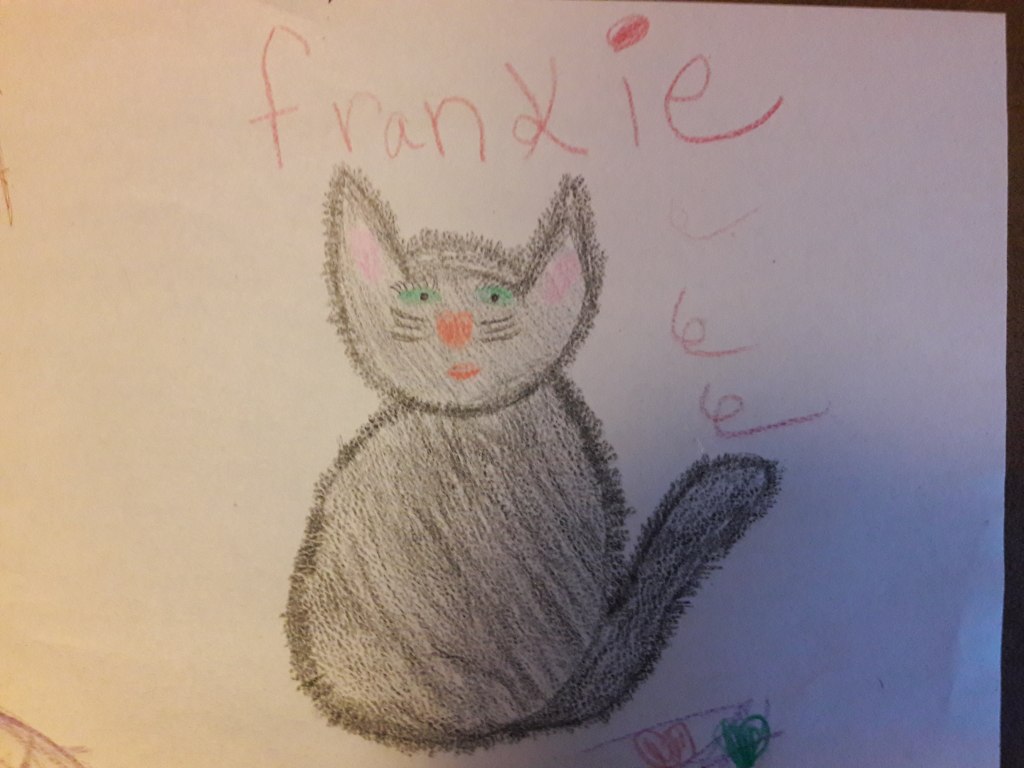
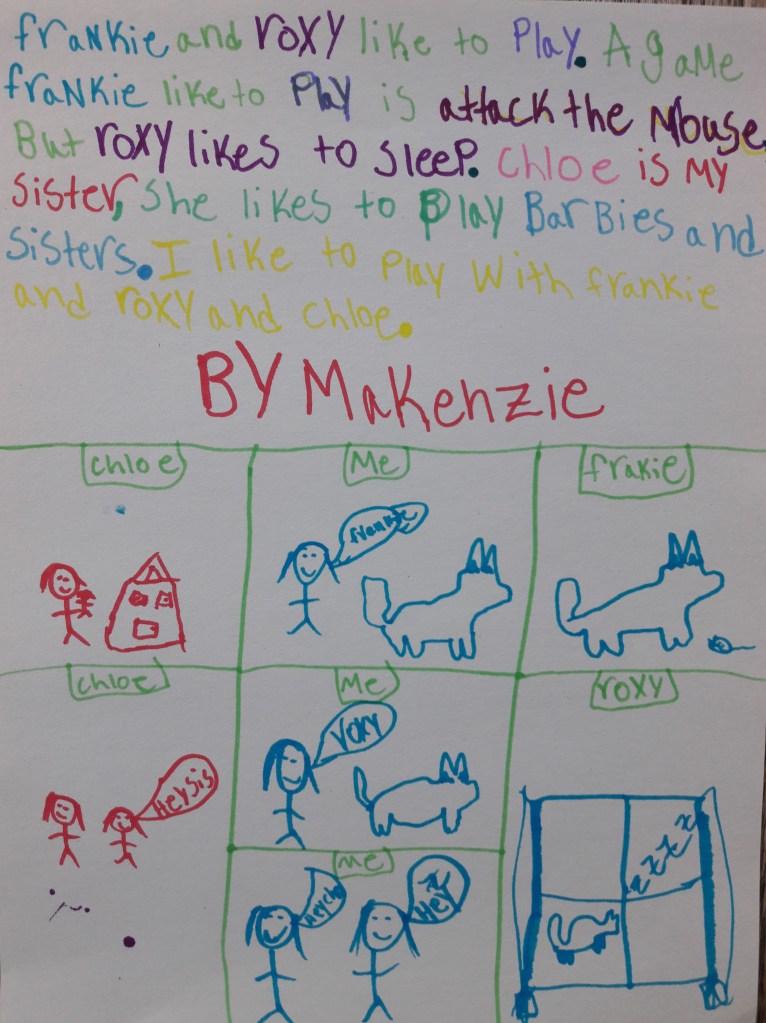
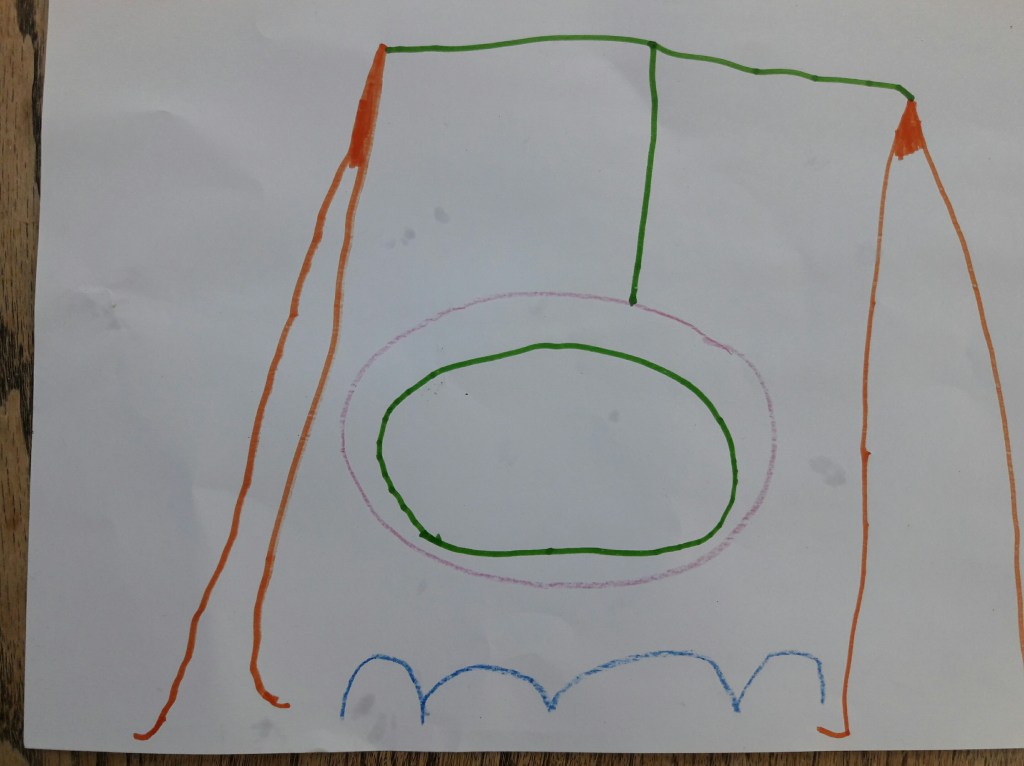
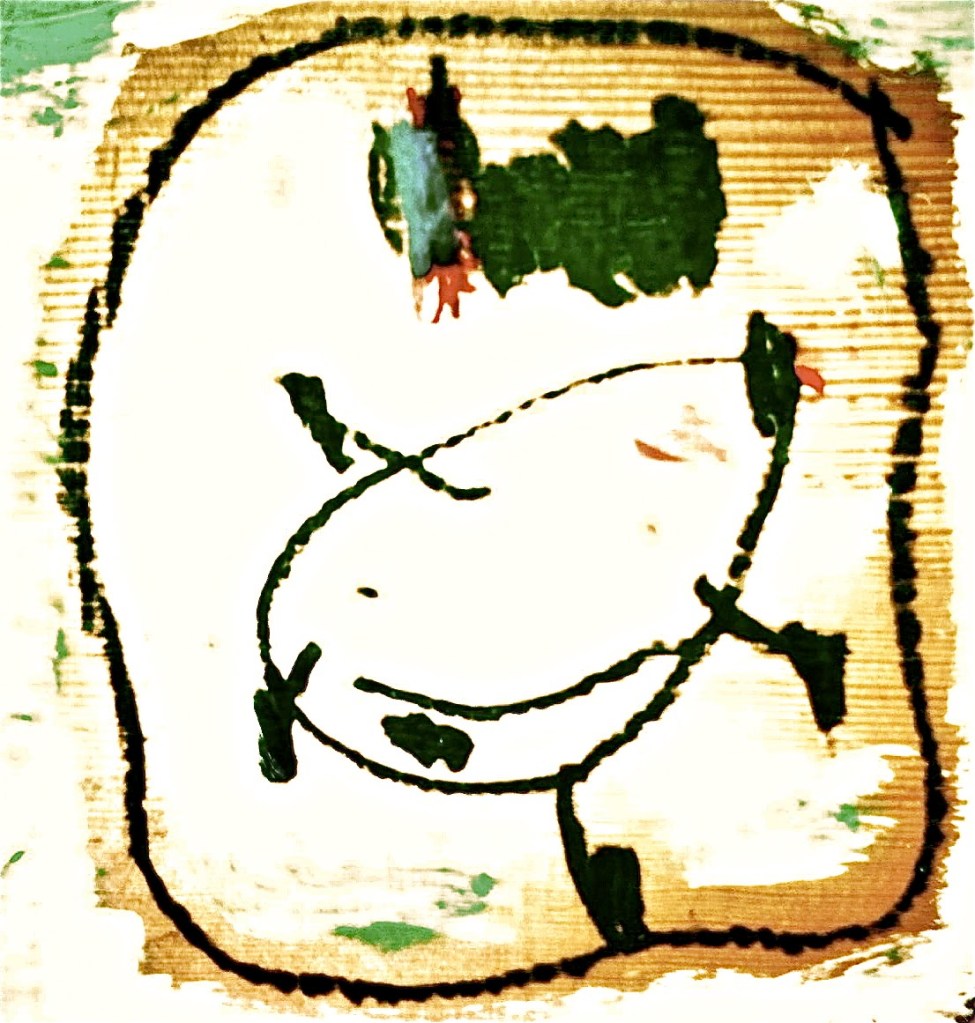
Here is a slideshow of photos, cartoons, and comics in styles we used to use:

~ ~ ~
“Q & A” was published by Drawn & Quarterly in October 2024. I wrote about it here.
“Exercises in Style” was first published in French in 1947. New Directions published a translation in 1981 (NDP513), and a new version in 2012 (NDP1240), which includes additional exercises.
 The Coming of the Toads