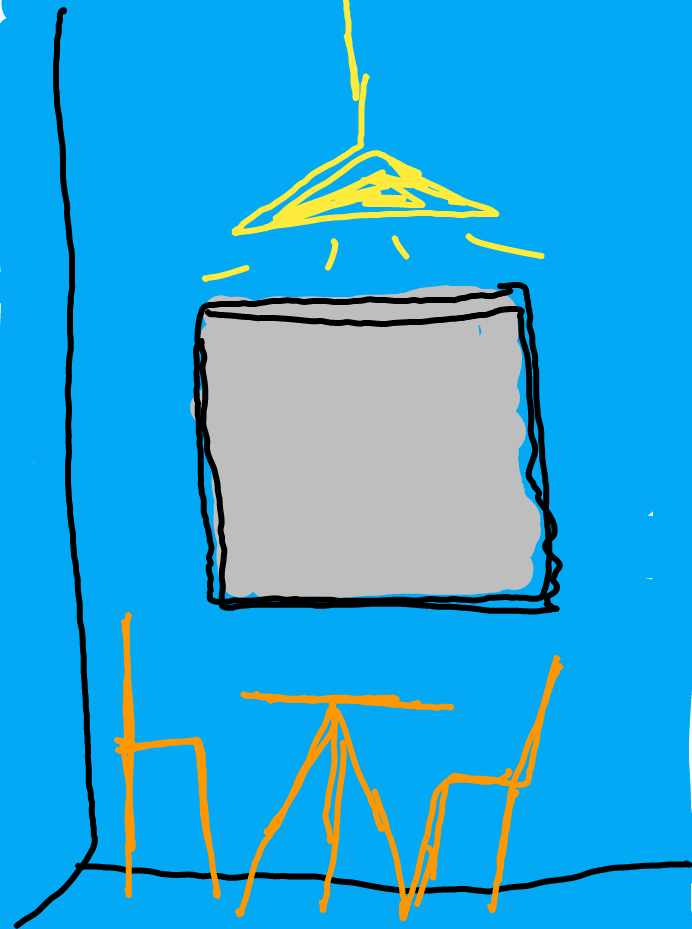
Sketches from the edges of notebooks, nine images under a thematic title.
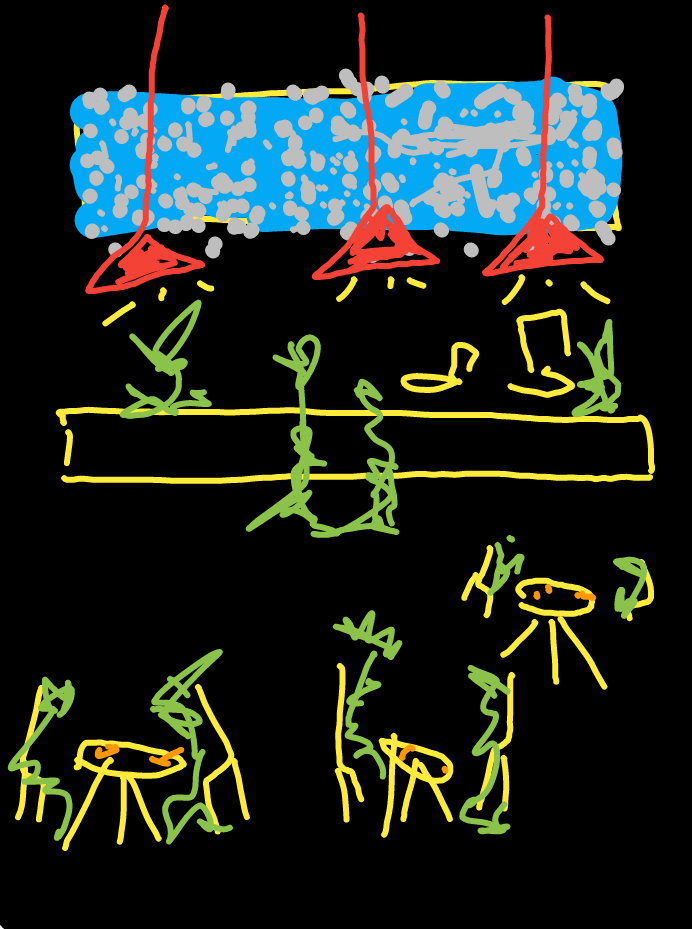
This week’s theme, cafes, is taken from Hemingway’s short story titled “A Clean, Well-Lighted Place,” in which two waiters, one younger and complaining, the other older and empathetic, wait to go home while a lone customer, an old man, lingers on, drinking.
Click anywhere in the gallery for scroll and captions.
I carried a three ring canvas binder between classes first year of high school that rubbed against my shirt and pants, stained indelibly a light purple from my doodle drawings on the binder covers front and back in red and blue ink pen. I wasn’t “The Illustrated Man,” but I sure had a tattooed notebook. Alas, there was no time-travelling girl helping me draw. Four years later when I started spending time in Venice, Ray Bradbury was long gone, but I was still doodling.
I wrote in books, marginalia and notes, and doodled in notebooks. I couldn’t sit through a class without doodling. I was never that into comic books, which are more artistic than the common doodle. The beauty of the doodle is that it is not art, and it’s useless criticizing something for not being what it was not intended to be. And I took copious, effective notes in lecture classes; when neighboring students missed a class, they wanted my notes. Bonus the cartoons. There seems to be a relationship connecting the doodling brain to notetaking.
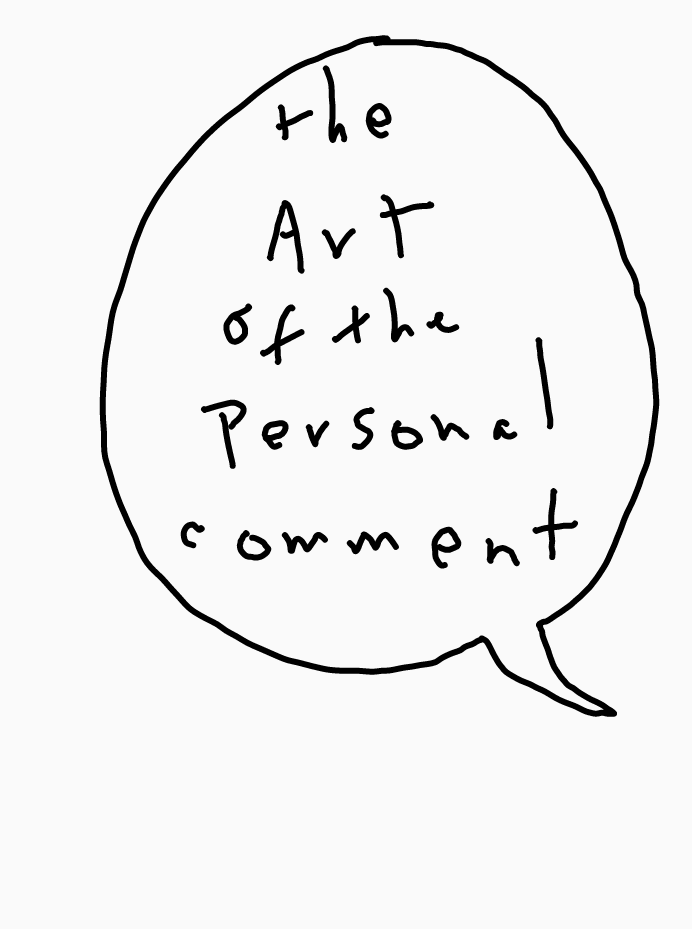
A doodle isn’t automatically a cartoon. Doodling might be likened to automatic writing, where the subconscious develops surreal on a cafe napkin. The doodle may or may not have a model or subject, though often one emerges. The doodle is disposable, like the napkin it’s drawn on.
Job changes, and then involved in business meetings, I continued to doodle, unable to pay attention otherwise. I suppose I doodled like others smoked cigarettes. On the five minute phone call, I could fill a ream. Sometimes, in a meeting, over my arm, someone would notice a doodle and comment. My notes and doodles were mosaic, non-linear.
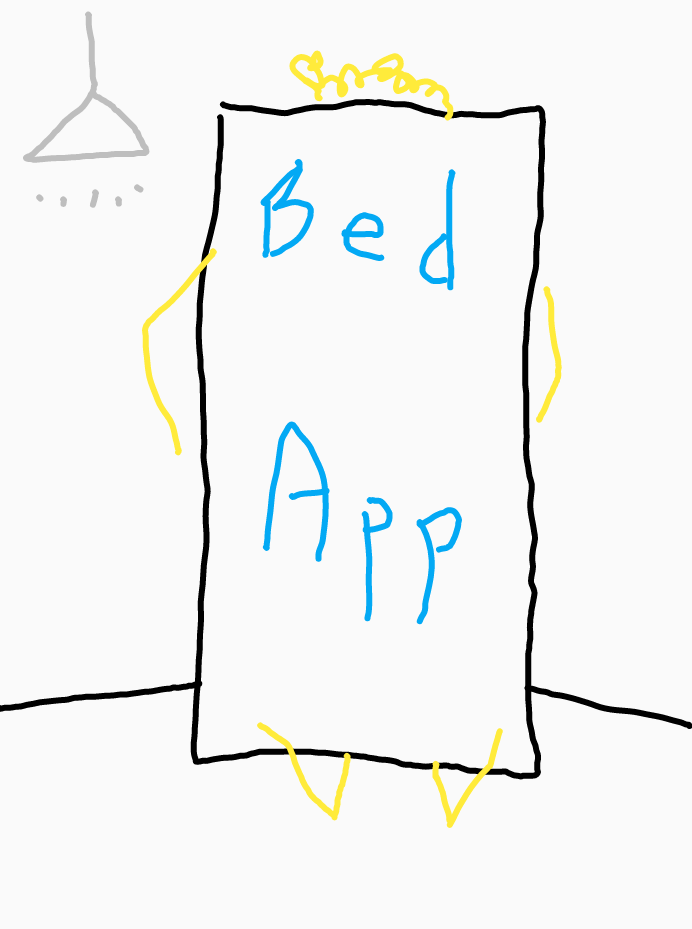
At some point I started looking at my doodles a bit differently. They went from a means to get through a class or meeting or phone call to a hobby of drawing and sketching, which meant trying to doodle outside the captive occasion and saving them, and turning them into cartoons. But it’s not so easy to draw when it isn’t improvised or made from a distraction, the mind mostly still focused on something else, and captions complicate the process, an attempt to explain a dream.
Maybe doodling is a way of handling experience outside the rules of what children see as the adult world. The doodle is usually not an attempt at representational art, and so the doodler is free from linear perspective requirements. That’s one difference between the doodle and the sketch. At the same time, a true artist like Picasso might have drawn like a child because he had the skill to do so. It’s hard for an adult to doodle like a kid.
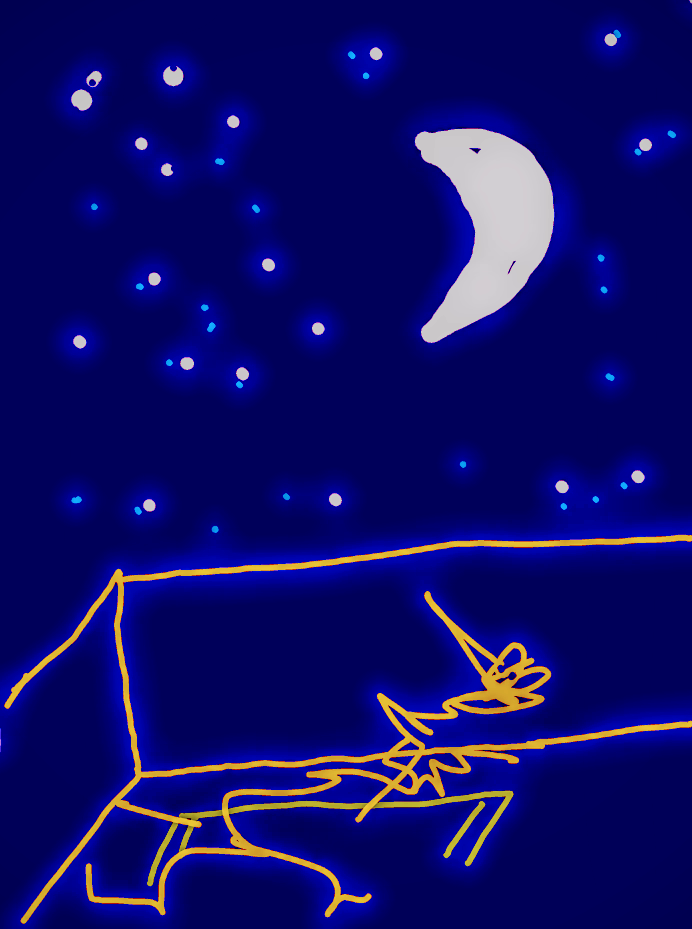
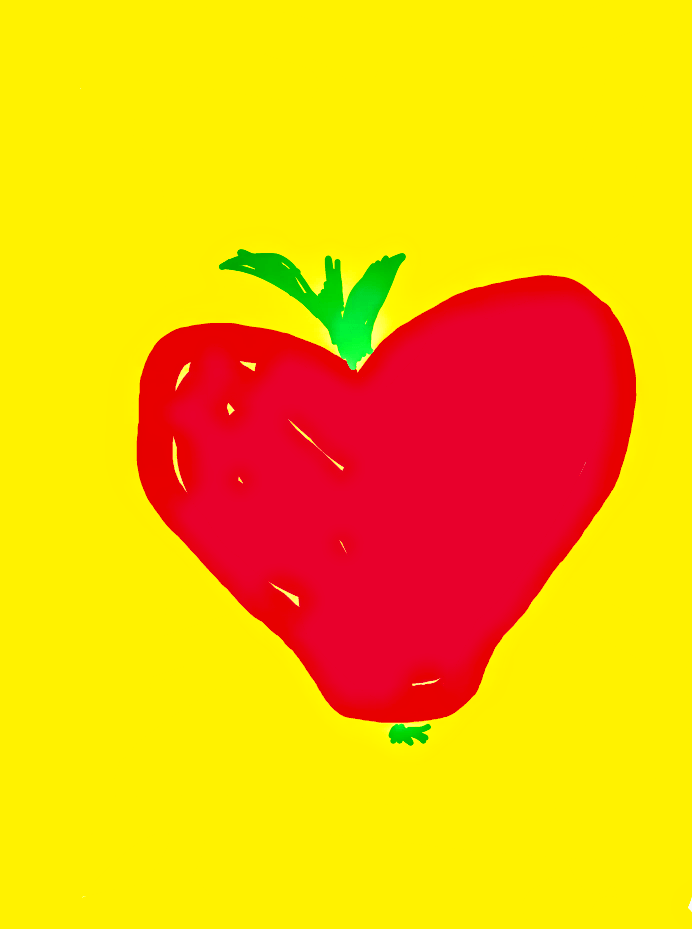
Below are some doodled fragments. Click anywhere in the gallery to scroll and view single pics with captions.
Visual jazz riff sketches from the edges of notebooks, some drawn with phone, nine images under a thematic title. Click anywhere in the gallery for scroll and captions.
It took writing and publishing eight books before I learned what Huck did after one:
“… there ain’t nothing more to write about, and I am rotten glad of it, because if I’d a knowed what a trouble it was to make a book I wouldn’t a tackled it, and ain’t a-going to no more.”
On that note, somewhat similarly, Anita Brookner’s “A Start in Life” begins:
“Dr Weiss, at forty, knew that her life had been ruined by literature.”
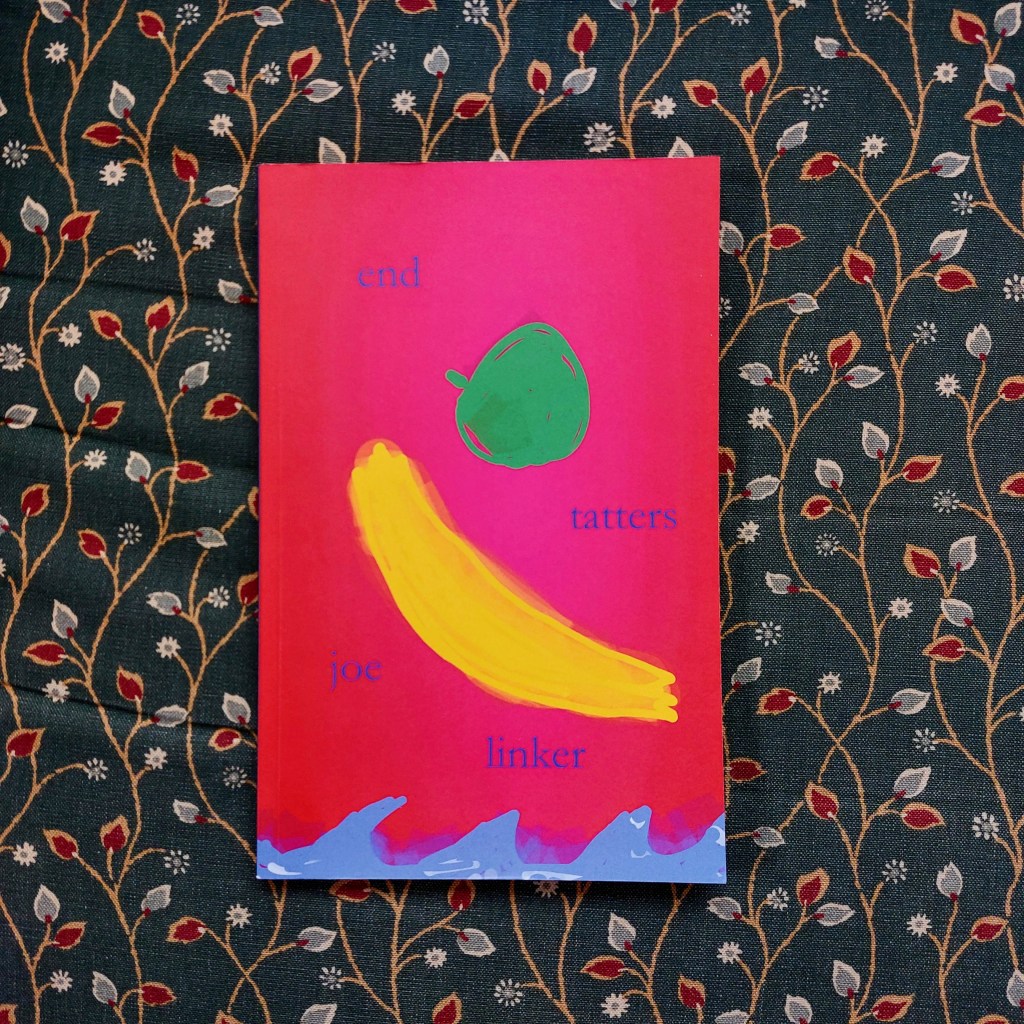
My life’s not in tatters due to books, but I would have a very different life had I, like my father, never read a book. But that’s the subject of another book, which I probably won’t write.
The eight books are all different in scope and form (four are novels, two poetry, one a children’s book, and the last a collection of odds and ends). Below are brief summaries of all eight books with cover pics and links to Amazon. I really don’t think any will spell anyone’s ruin. And you might even enjoy them, though that’s not guaranteed.
Salty hopes for a quiet return to his old life. Instead, he is thrust into a chaotic homecoming party at Puck Malone’s surfboard shop, where the intense, romantic, and often surreal letters he wrote to Penina from the war zone are passed around and read aloud, introducing the rift between his romanticized longings and the discord of the present. What he does next surprises everyone:
“All the fuss and hullabaloo, and a war just peters off. But none of that matters here. This isn’t going to be about the war. I don’t have any gory stories, nothing painting war as hell. Hell is an ocean with no waves. This is going to be about surfing and how I paddled out to live on the water after throwing Penina’s letters off the end of the Refugio jetty.”
Set in the surf-soaked culture of late 1960s Santa Monica Bay, “Penina’s Letters” follows Salvador Persequi’s homecoming weeks as he trades the grease and grit of the motor pool for the familiar scents of sea salt and surfboard resin in Refugio, navigating a landscape of changed lives, fractured loyalties, and the “sound effects” of a mind still adjusting to the silence of peace and the noise of the ocean.
Penina and Salty return to Refugio, a fictional beach town on Santa Monica Bay, forty years after the close of “Penina’s Letters.” Married for decades, they come back to a community altered by time, pressure, and quiet need, where questions of belonging and responsibility surface in daily life. As a nearby homeless encampment and a young girl named Waif enter Penina’s orbit, the boundaries between private marriage and public obligation blur. Lyrical but grounded, reflective, quietly and wryly comic, this character-driven but experimental novel explores marriage, community, and displacement.
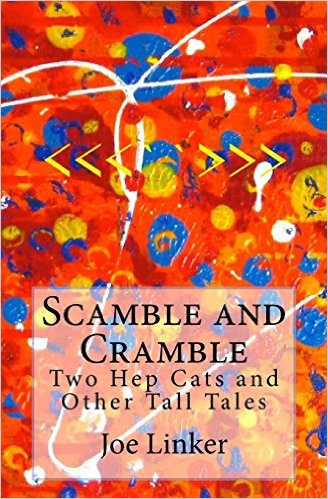
Scamble is a hep cat with stripes moving in every direction, while the wiry, frazzled Cramble often finds himself sitting in the shape of a literal ampersand. The cats are featured in this collection of “tall tales” that uses concrete poetry techniques (created with standard keyboard symbols and accessible fonts) to bring a cast of characters to life, including Emmet the Ant, who marches across pages of the book, Peepa and Moopa, two true friends building sandcastles by the surf, Frankie and Roxy, sisters discovering the difference between the “inside” and the “outside,” Ms. Dress and Mr. Shorts, who enjoy “garage sailing” and tea time, and Juicy Droolzy, the dog from across the street who is “all over the place.”
From the high-flying adventures of ZZ swinging over the moon to the poignant memories of Oliver the orange tabby, the stories celebrate the curious, playful, and sometimes moody nature of our feline friends. Whether it’s a “Punctuation Parade” or a quiet moment in a “Portrait of Zoe,” this book is a children’s work for readers of all ages.
“What a hep cat is and what a hep cat does is the same thing…”
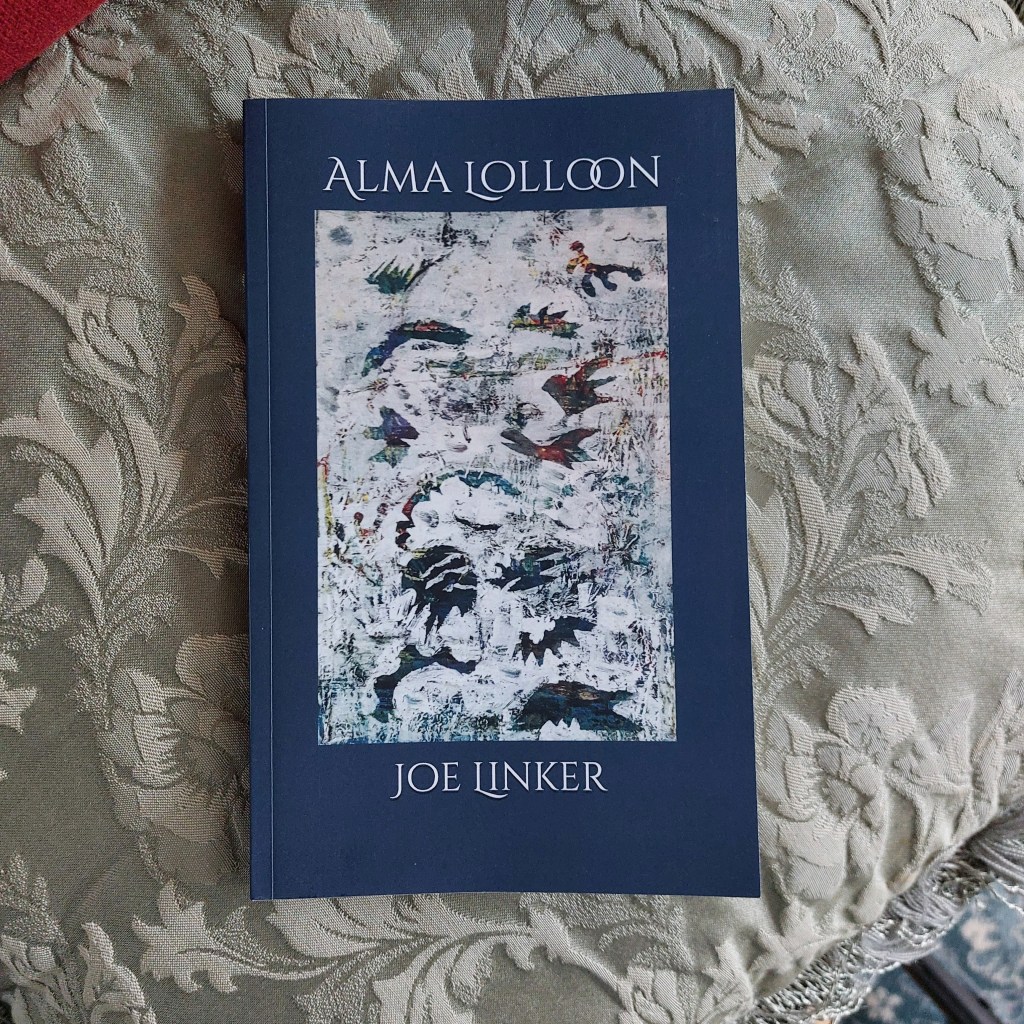
Alma Lolloon is a career part-time waitress, a five-time widow, and an aspiring novelist with a “work-in-progress.” Saturday mornings, Alma meets with the “knitting ladies” at local coffee shops to read her latest chapters. What follows is a sharp-witted, metafictional journey through the red dust of memory, marriage, and the struggle to find one’s own voice.
“Experience, though noon auctoritee / Were in this world, is right ynogh for me / To speke of wo that is in marriage…” (epigraph from Chaucer’s “The Wife of Bath’s Tale”)
“Alma Lolloon” is a satirical deconstruction of the literary world, seen through the eyes of a woman who knows about people from behind a diner counter. As Alma recounts her experience with her five husbands, from a soldier drafted to Vietnam to a corporate executive, she must contend with the biting critiques of her own audience, including the pedantic Hattie, who demands a “traditional plot” where Alma only offers raw experience.
“Inventories” is a surreal, genre-bending odyssey through the red dust of business, minor gods, and the ultimate search for simplicity. Glaucus is a mistake of the gods. Part human, part something else, he has the rare ability to change his size at will, though the cost of energy is high and the results are often random. Working as an in-house Risk Manager for an elite brokerage specializing in extreme and unusual risks, Glaucus finds himself gobsmacked when a massive $300 million transaction is hacked and vanishes into cyberspace.
From the rain slicked streets of Seattle south to the sun drenched vine country of California, “Inventories” follows Glaucus on a picaresque trip to recover the missing file. Along the way, he encounters a cast of eccentric characters. Written in 81 “episodes,” “Inventories” is a philosophical exploration of agency versus accident, the absurdity of modern commerce, and the inventories we take of our own lives when we finally decide to walk away from it all.
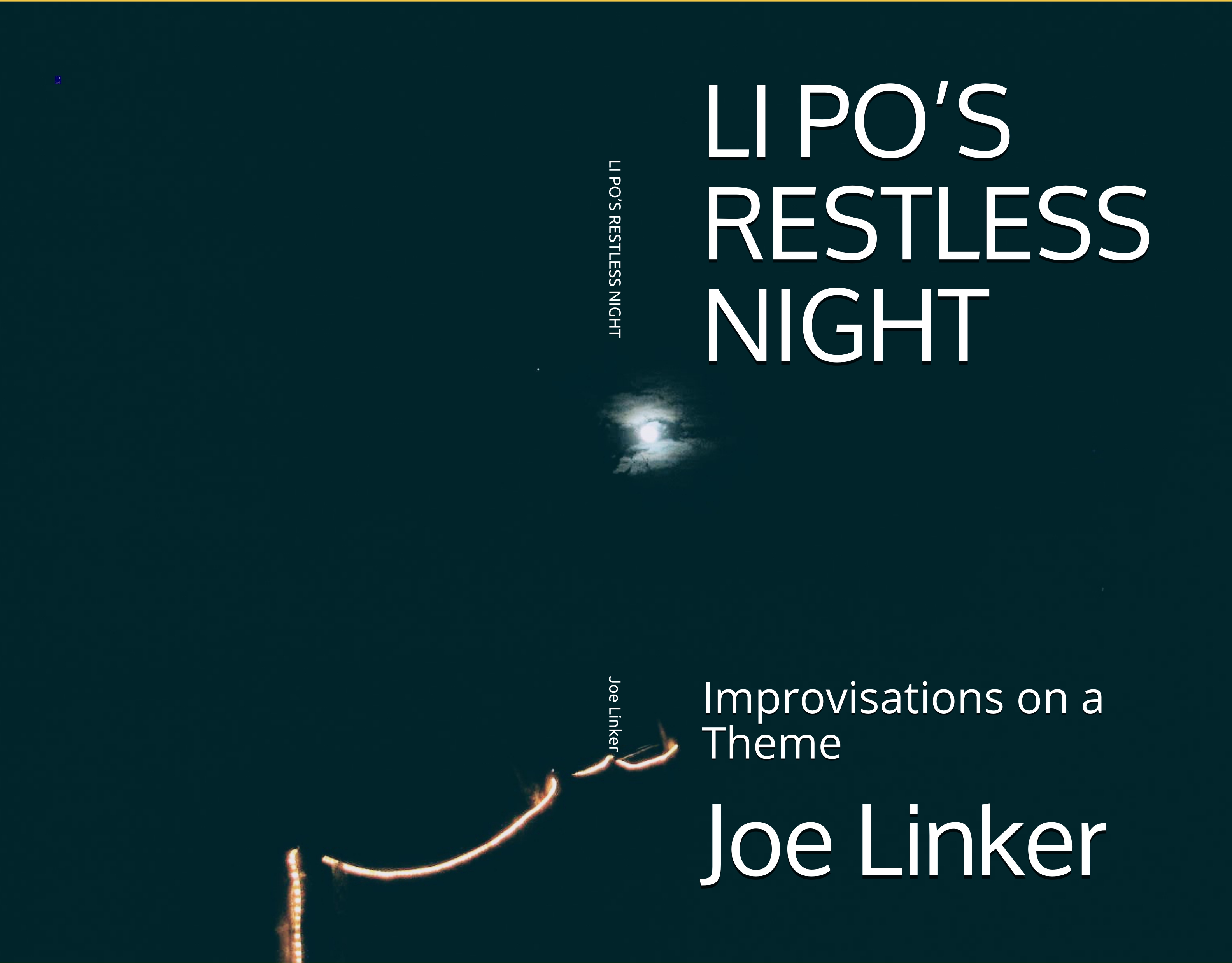
What happens when an ancient Chinese poem becomes a lifelong obsession?
“Li Po’s Restless Night” includes 101 variations on themes of exile, memory, and moonlight. Inspired by the classical Chinese poet Li Po’s famous work, the variations, or improvisations, explore a life spent between the rigid world of business and the fluid world of memory. From the barracks of Fort Huachuca to the lonely neon glow of modern motels, the poems navigate the space between who we are and where we call home. Includes an explanatory essay, a moving story of Florence, the student and teacher and friend who translates and introduces the Li Po poem, and a history of reading Li Po translations. “Li Po’s Restless Night” may interest students of classical Chinese literature or travelers looking for a companion on a sleepless night.
SALT-SPRITZED AND WEATHERED, there is a seasoned quality to the writing in “Saltwort,” a fifty-year collection (1967–2017). From the surf-washed beaches of 1960s California to the “red dust” of the modern business world, these poems and prose pieces find the extraordinary in the mundane: a plumber’s van with a shelf for books among the tools, the ritual of Army coffee, the “frizzled” harvest of a pumpkin patch, and the quiet vertigo of an urgent care waiting room.
FROM GRITTY REALISM TO SURREAL JAZZ RIFFS, the language of “Saltwort” is attuned to the music of the sentence. Whether riffing on Kafka or baseball, the voice remains unfiltered and honest. The collection features a delightful blend of humor, satire, and irony—including a sestina featuring Charles Bukowski, a form the “brewed bard” likely never used, which transforms into a lyrical, gutter-full beauty. Guided by a foreword from Salvador Persequi (of “Penina’s Letters”), the reader is invited to take shoes off and paddle out.
What do we mean when we say something is touching? McLuhan explained touch is the most involving of all the senses. Electricity hands out the Midas touch of the computer, “illuminates all it touches.”
She reached out and you snubbed her She reached out and you snubbed her You were rich but she touched your blues
Any process that approaches instant interrelation of a total field tends to raise itself to the level of conscious awareness, so that computers seem to “think.” In fact, they are highly specialized at present, and quite lacking in the full process of interrelation that makes for consciousness. Obviously, they can be made to simulate the process of consciousness, just as our electric global networks now begin to simulate the condition of our central nervous system. But a conscious computer would still be one that was an extension of our consciousness, as a telescope is an extension of our eyes, or as a ventriloquist’s dummy is an extension of the ventriloquist.
Light filled your universe but you said let there be more light and your pockets of darkness grew the presence of all things at once
More and more it has occurred to people that the sense of touch is necessary to integral existence. The weightless occupant of the space capsule has to fight to retain the integrating sense of touch. Our mechanical technologies for extending and separating the functions of our physical beings have brought us near to a state of disintegration by putting us out of touch with ourselves. It may very well be that in our conscious inner lives the interplay among our senses is what constitutes the sense of touch. Perhaps touch is not just skin contact with things, but the very life of things in the mind? The Greeks had the notion of a consensus or a faculty of “common sense” that translated each sense into each other sense, and conferred consciousness on man.
She said may I have this dance but you avoided her touch Light filled her smile and you pulled her teeth
To the sense of touch, all things are sudden, counter, original, spare, strange. The “Pied Beauty” of G.M. Hopkins is a catalogue of the notes of the sense of touch. The poem is a manifesto of the nonvisual, and like Cezanne or Seurat, or Rouault it provides an indispensable approach to understanding TV. The nonvisual mosaic structures of modern art, like those of modern physics and electric-information patterns, permit little detachment. The mosaic form of the TV image demands participation and involvement in depth of the whole being, as does the sense of touch. Literacy, in contrast, had, by extending the visual power to the uniform organization of time and space, psychically and socially, conferred the power of detachment and noninvolvement.
She was everywhere but not near What you wanted was not clear
It is the total involvement in all-inclusive nowness that occurs in young lives via TV’s mosaic image. This change of attitude has nothing to do with programming in any way, and would be the same if the programs consisted entirely of the highest cultural content.
You never admitted a mistake You were a specialist of give and take She wanted to dance cheek to cheek You preferred check to check
Prose quotes taken from Marshall McLuhan’s “Understanding Media: The Extensions of Man,” 1964.
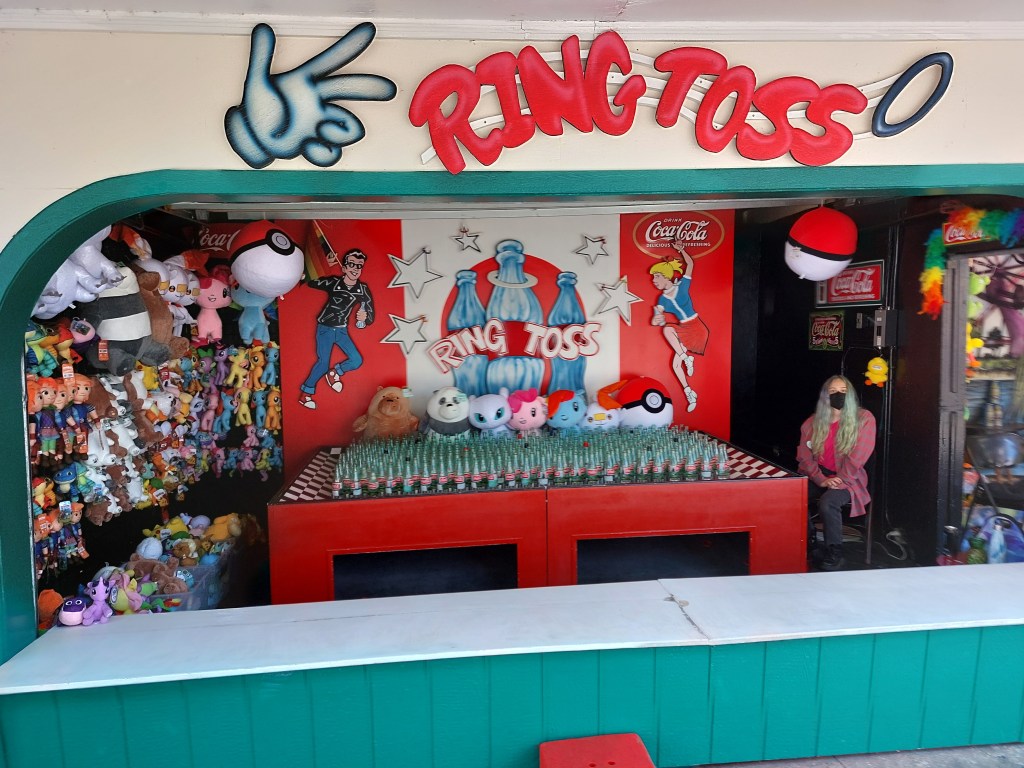
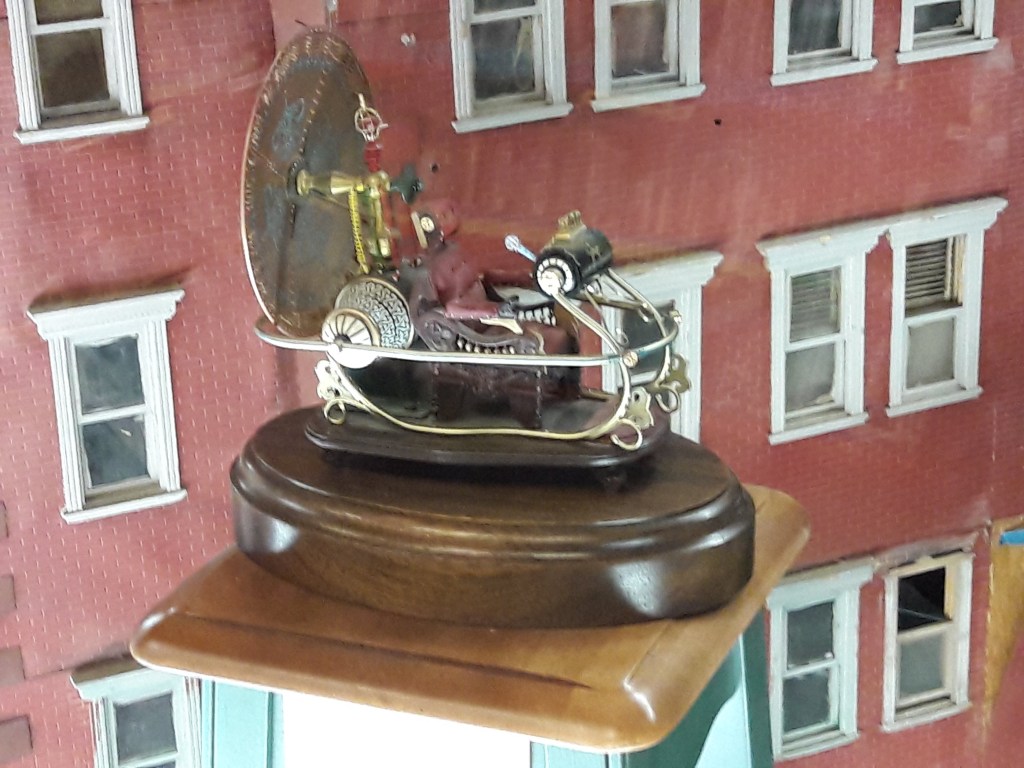
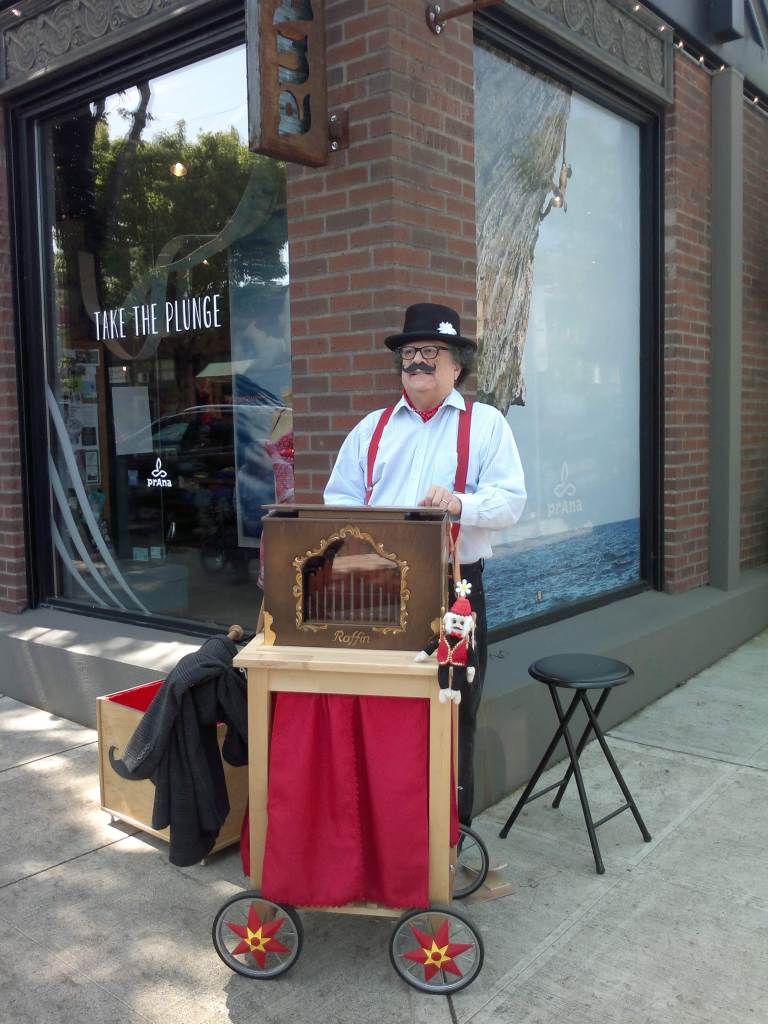
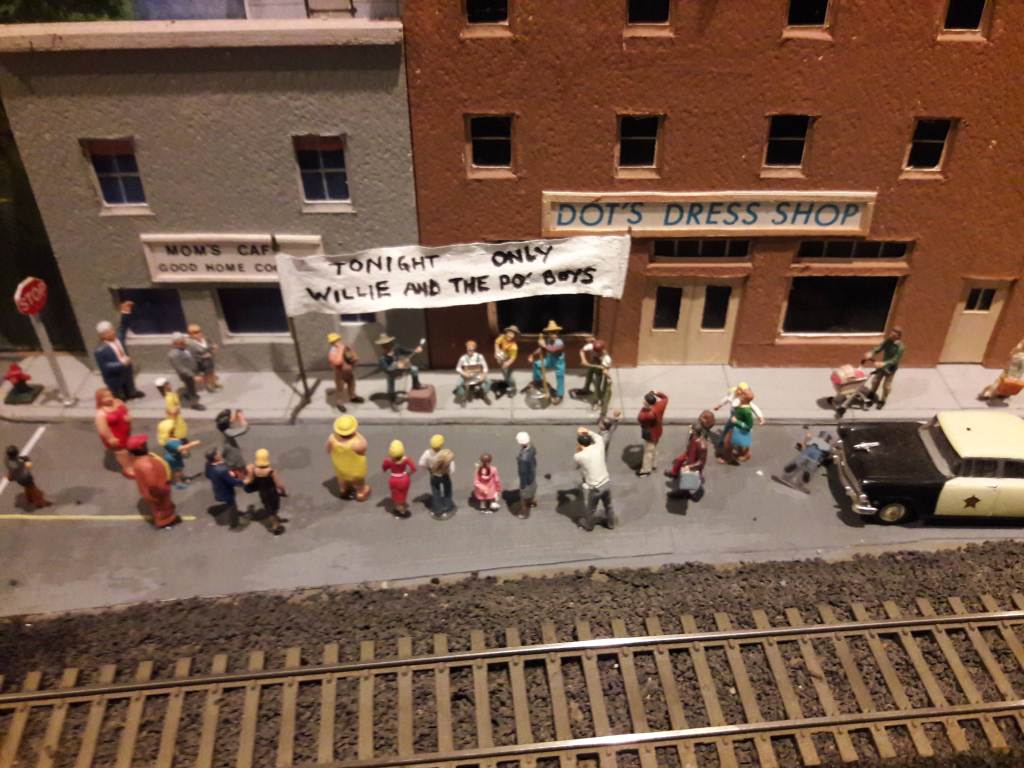
1 Spanish Coffee. 2 World Famous. 3 Addressing the Assembly. 4 Horse Riding. 5 Ring Toss. 6 The Time Machine (1960). 7 Take the Plunge. 8 Tonight Only. 9 San Francisco (1974).
A photograph isn’t thinking in motion, as writing is. A photograph is a stop sign, a red light. Our automatic pilot, built for continuous movement, starts to hallucinate. We are at the intersection of natural and unnatural.
Of the three foundational arguments framing photography, its effects on the hopeful snapper and unwitting object, the one viewfinders might agree most persuasive is Roland Barthes “Camera Lucida,” for he preserves the physicality of perception. The other two arguments are contained in the books “On Photography,” Susan Sontag’s theoretical warning that photography is political in its power to capture, and Marshall McLuhan’s “Understanding Media,” showing photography emerging from woodcuts. If you’d like to add a fourth chair to the discussion table, we might include the newbie Nathan Jurgenson, whose book “The Social Photo” argues photos are now pics like burps in a ballpark, adding to the communal noise that both applauds and boos.
What is a photograph? McLuhan called it “The Brothel Without Walls” (169). In a few sentences, he opens corridors leading to distant galleries:
“It is one of the peculiar characteristics of the photo that it isolates single moments in time. The TV camera does not. The continuous scanning action of the TV camera provides, not the isolated moment or aspect, but the contour, the iconic profile and the transparency. Egyptian art, like primitive sculpture today [1964], provided the significant outline that had nothing to do with a moment in time. Sculpture tends toward the timeless.” 169
What does the photograph change?
“Awareness of the transforming power of the photo is often embodied in popular stories like the one about the admiring friend who said, ‘My, that’s a fine child you have there!’ Mother: ‘Oh, that’s nothing. You should see his photograph.’” 169
McLuhan distinguishes between what he calls hot and cool media. Users of hot media can do other things while engaged with it, for example, dust the furniture while listening to the radio. Users of cool media are stuck, unable to do anything else while watching TV. Hot media doesn’t require full participation. Cool media does. The importance of the distinction comes from the different effects each has on the user.
“There is a basic principle that distinguishes a hot medium like radio from a cool one like the telephone, or a hot medium like the movie from a cool one like TV. A hot medium is one that extends one single sense in ‘high definition.’ High definition is the state of being well filled with data. A photograph is, visually, ‘high definition.’ A cartoon is ‘low definition,’ simply because very little visual information is provided. Telephone is a cool medium, or one of low definition, because the ear is given a meager amount of information. And speech is a cool medium of low definition, because so little is given and so much has to be filled in by the listener. On the other hand, hot media do not leave so much to be filled in or completed by the audience. Hot media are, therefore, low in participation, and cool media are high in participation or completion by the audience. Naturally, therefore, a hot medium like radio has very different effects on the user from a cool medium like the telephone.” 36
In McLuhan’s analysis, the photograph is complete; we don’t have to finish it as we do a cartoon. We don’t have to participate in a photo because it is visually “high definition” – not in terms of megapixels, but in communication density. It’s “hot” – so packed with detail – we don’t so much work to finish the picture as simply consume it – we photograph the photograph. The viewer is a passive participant.
What do we mean when we say someone is “photogenic”? Why isn’t everyone photogenic?
“The vested interests of acquired knowledge and conventional wisdom have always been by-passed and engulfed by new media.” 175
Images can do a lot of damage.
A problem might stem from thinking of photography as something more than a disappearing act, of wanting to think about pics as a creation that exceeds film, paper, or pixels, of something that must be learned to look at. Is every photo an argument? In a selfie, what is the subject and what the object? Why do snappers take so many pics of their food – an act seemingly like cats who bury their business? Is taking a photo compulsive, ritual, disposable? What is the source of that urge to take yet another sunset pic, to join a doom stream of falling flowers, of posting not simply one photo of our trip to the market, but a gallery down each aisle, the veggies, the dry goods, the deli, the dairy, the meat and fish, and even that’s not enough, but we must add a selfie at the self-service check out, the shopping cart navigating the parking lot, the loaded brown bags in the trunk.
On the way home we catch the same stop signs, the same red lights. Someone standing on a corner waiting to cross pulls out their cell phone and appears to snap a pic of the light. The light changes. We move on.
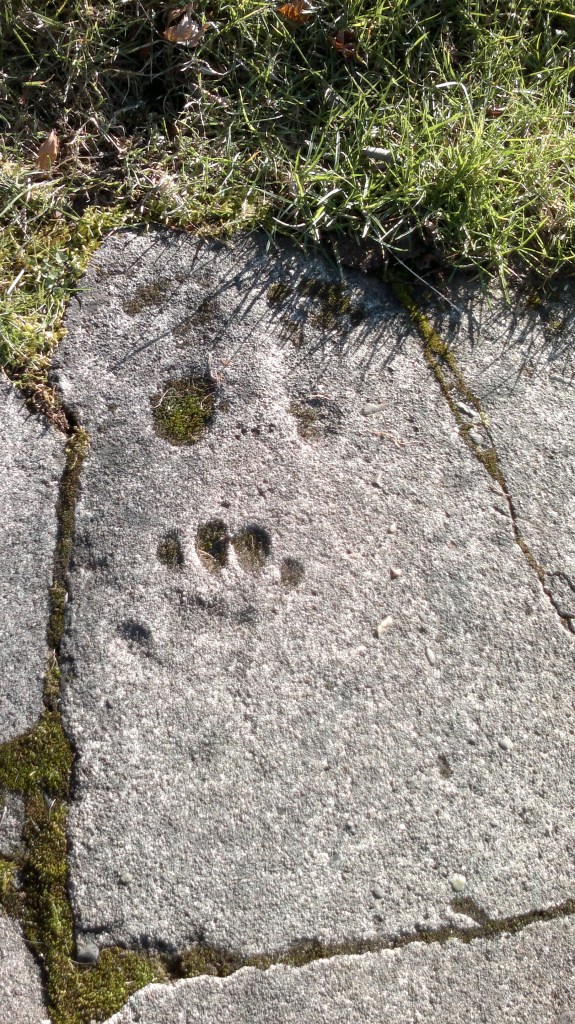
Photograph of child’s hand and footprints in cement.
No, it’s not AI, nor anything planned. I snapped the pic with my cell phone, the large red Cynthia rhododendron in bloom seen through the living room window. The photo is a couple of springs old. I am still reminded of the John Ashbery poem, “The Picture of Little J.A. in a Prospect of Flowers.” His title he took from Andrew Marvel’s poem, “The Picture of Little T. C. in a Prospect of Flowers.” One meaning of prospect might be a view of a landscape. Another is possibility, yet another searching, as in prospecting for gold. Prospect – from Latin, to look, to look forward. To have some, or none. But both Marvel and Ashbery seem more to be looking backward, but to see ahead. My photo looks like a double exposure, but it’s not. The sky seems a strange blue, but that’s probably because it’s mixing with the ceiling, which is a petal white. Center right is a music stand, in front of the guitar chair, the guitar just visible between the lamp and the chair. What’s being reflected is the room in the window through which the blooms are visible. The photo was taken quite close to the window, looking into the window, but from off to the side, and everything is turned around.










 The Coming of the Toads