• How to Sketch Your Novel

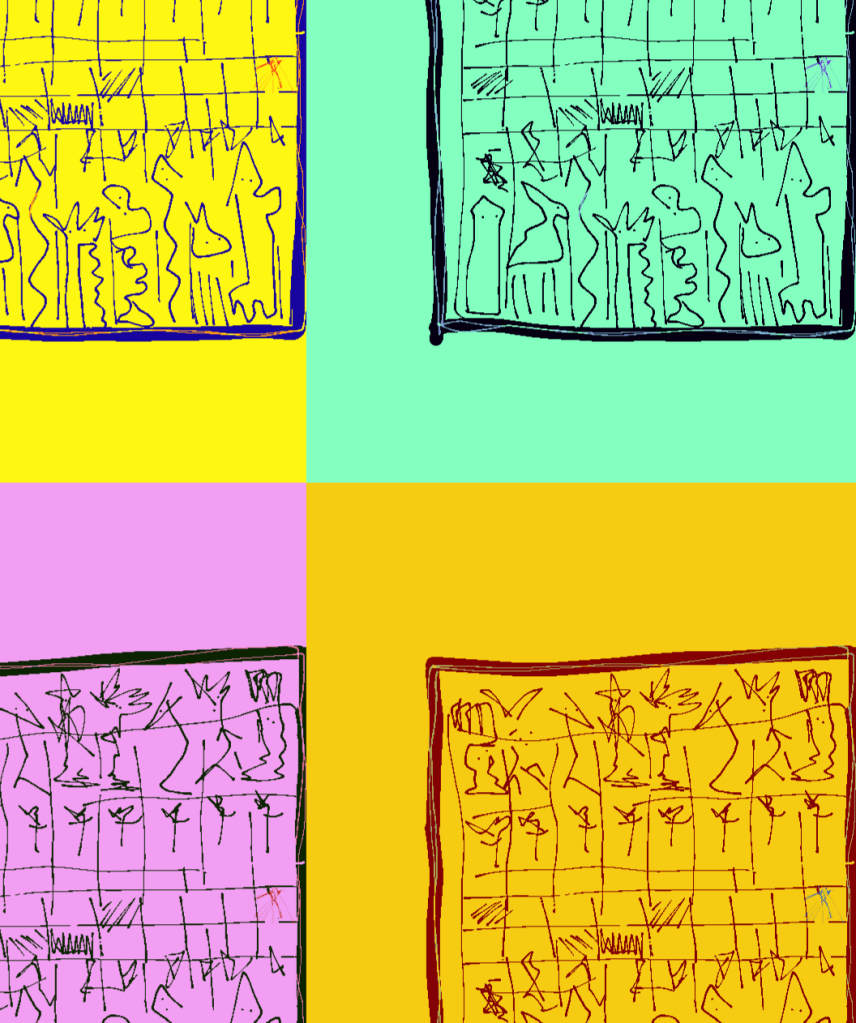
    Place

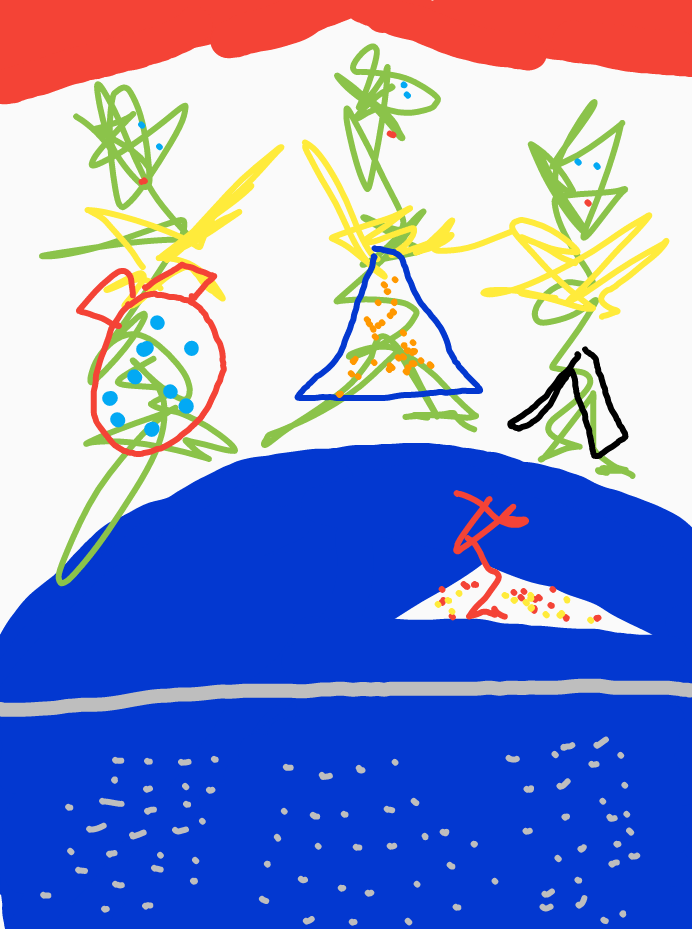
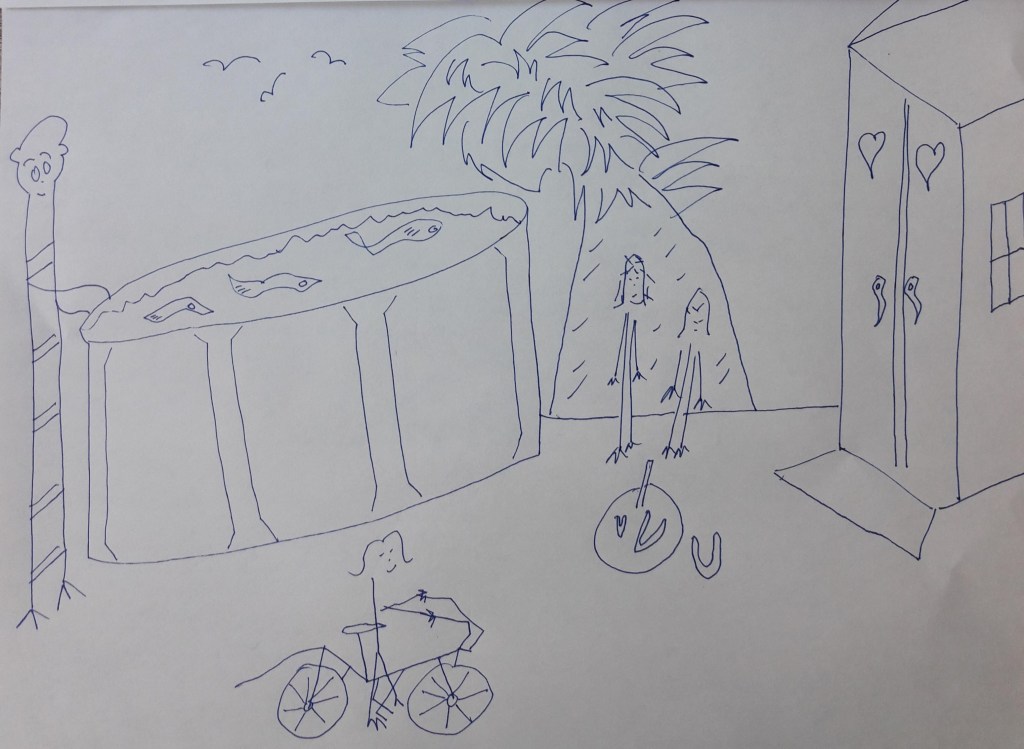
    Pretend you’re sitting atop the water tower of a town. A bird. You look around and with a questioning caw fly off and glide about. What do you see? To the north, an airport; to the south, a factory; to the east, manufacturing, and a few fields as yet undeveloped (in one grow strawberries, in another horseback riding stables, in another a few dirt bike trails); to the west, sand dunes covered with ice plant flow down to the ocean.

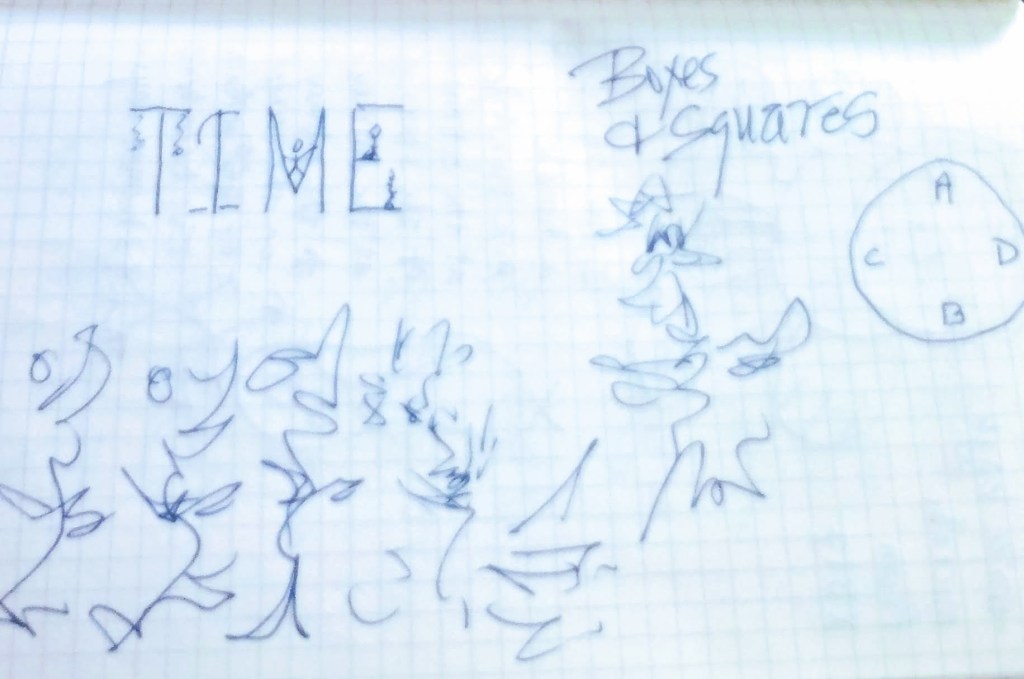
    That’s a good start. Now you’re sitting with paper and pencil, it doesn’t matter where, and begin to sketch. In paragraph one, above, you defined the edges of your place, edge as a kind of border or margin. We see the airport north, the dunes and ocean west, the factory south, and the industrial area east. These mark the outer edges of the paper.

    Now sketch within those edges streets and buildings, houses and apartments, schools and parks, churches, a downtown area with shops and a few offices. The place is hilly. A winding railroad track enters from the east and ends near the downtown business section, at a small rail station housing a post office. A road passes the railroad station and leads out of town and over the dunes, curving down to the beach. A north-south four lane highway passes on the east side of town, separating the residential area from light manufacturing buildings and offices.

    So far, we could be just about anywhere. If you want, you can pencil in a particular school or park, a baseball diamond, a police station, a bowling alley or pool hall, a tavern or two on the outskirts, at the edges. Notice the more detail we add, the more we limit ourselves to a particular place and time.

    Time

    You are a night bird. It’s 3 or 4 in the morning as you fly over looking down on your place. A few people might still be awake, and a few others are just waking up. But most of the population is still asleep, and the place is night dark, a few lights on here and there, one or two traffic lights, a few street lights on the main streets. But the factory to the south is well-lit (twenty-four hours a day), and spews smoke from stacks, while the airport to the north is lit but quiet for now, but the first planes are gearing up for early morning take off. The beach is dark, but you see the foam from the waves brushing toward shore.

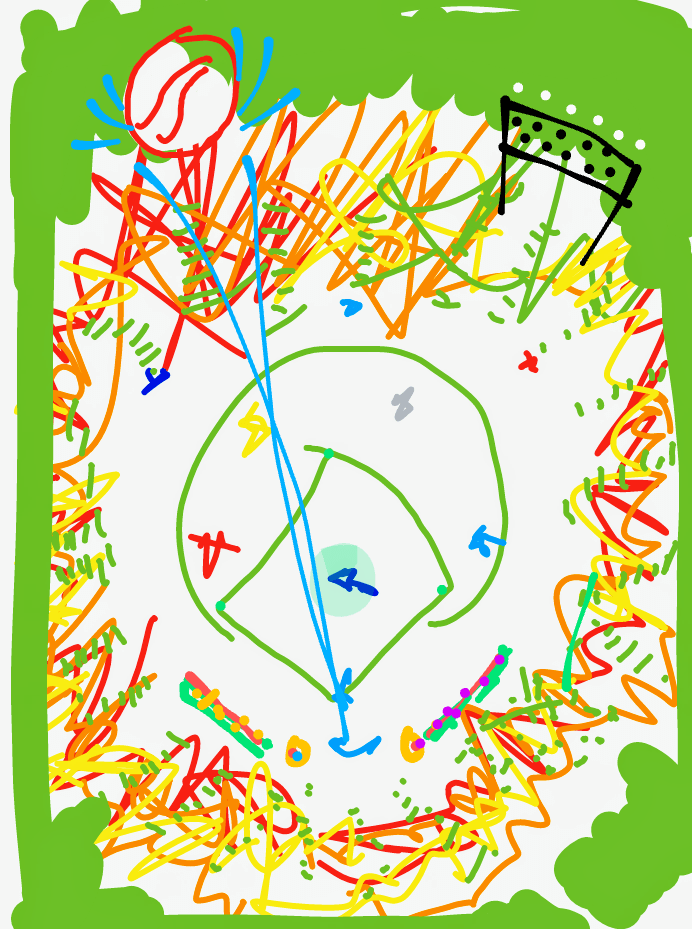
    Is your place in the past, present, or future? Or a mix of times. If in the past, what year? You don’t need to be specific. You might think of the time of place as before or after a war, during the 1950s, or some time before or after the coming of the Internet. Above, we said some of the fields on the east side of town are still undeveloped. That might suggest mid-century. For now, let’s go with the 1950s. We see two little league baseball fields, one on the east side, one on the west side, so again with more detail we limit our options. That’s ok. It creates focus.

    If we think 50s, we might spot a milk man delivering bottles to residential homes in the early morning hours. There are station wagons in the driveways, bicycles left out in the yards, clothes left on outdoor clotheslines. There are empty lots and a number of small wood frame structures that house factory workers. The factory whistle blasts twice a day, morning and evening, another indicator of time. A custodian opens a school. It’s morning. A priest leaves his rectory for the church sacristy to say early morning mass to a bevy of nuns. A castaway sleeping under a lifeguard tower on the beach awakes, rolls up his bag, and continues his trek south. A boy folds the morning papers in the driveway of one of the little houses on the west side of town. He pauses to glance at a headline, but doesn’t read the story. He wraps each folded paper in a rubber band and sticks the folded paper into a satchel hanging from the handlebars of his bicycle. The bicycle is painted royal blue, a one speed with coaster brakes.

    Also as part of time we should consider which of the four seasons we want to start with. And here we might as well begin to think about how these kinds of details influence our purpose. Spring suggests new, birth, optimism; while winter suggests the opposite. If we begin our novel in spring, will we end it in winter, or continue it into the following spring? Again, all we need for now is a sketch. We might move through several springs, but we’ve got to end somewhere, even if our ending is going to suggest a sequel. Because a novel should have a beginning, a middle, and an end. It’s a bundle. For now, let’s keep it simple – one cycle of the four seasons, beginning and ending with spring. If it’s spring, we can now sketch in flowers, cherry trees in bloom, a nursery in the center of town busy with pots and bags of compost.

    Speaker

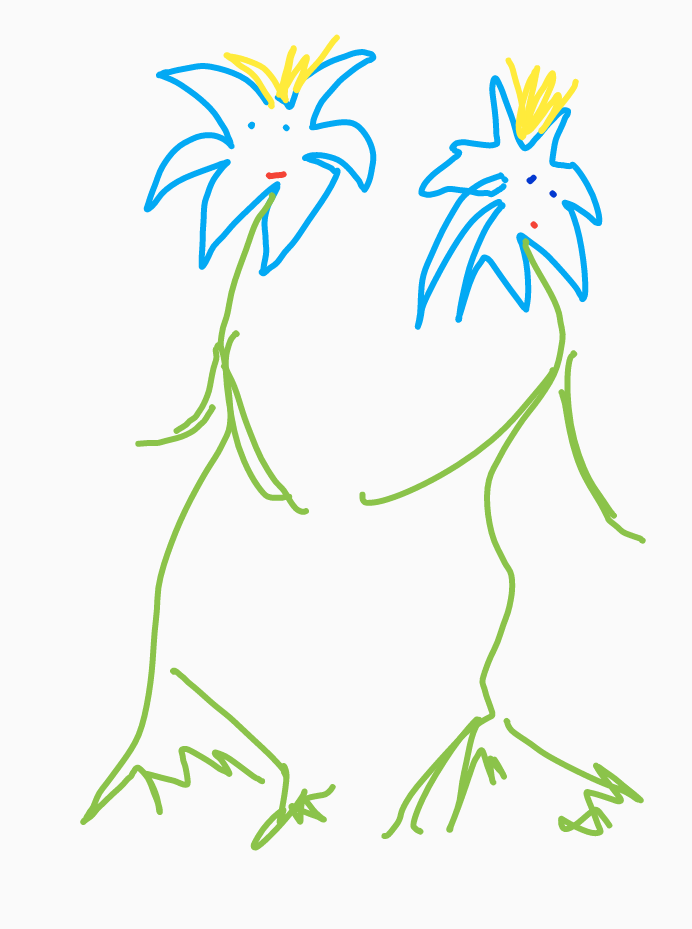
    Spring brings out the population, from which you’ll pick a talker, the speaker, the voice who tells the story. You might pick more than one, but for now, again, let’s keep things simple and pick only one. To decide on a talker, it will be helpful to first look in and see who’s there, in your place. We’ve already started to sketch in characters. At 3 am, we noticed a high school kid climbing out a first floor apartment window on the edge of town, near the airport, and we watch him walk to a house in the center of town, open the unlocked door, and go inside without turning on a light. He could be our talker. Or we could sketch out who he might have left in the apartment he climbed out of. Maybe she should be our talker. Again, we don’t need to pen it in yet. We can continue to sketch in pencil. We also see the night shift leaving the factory and the day shift come on. Lunch pails. Thermoses.

    Notice though, that once we pick a single speaker, we’re limited to talking about only what that speaker can see and hear. Of course, any one individual can see and hear just about everything by talking to others, listening to the radio, inferring from clues, but we might also consider a speaker who appears to see and know everything – we’ll let the bird introduced up above be our speaker. But that speaker won’t be from the place, even though they’ll seem to know everything about the place. That kind of speaker might seem easier to develop at first, but readers will want to know why, out of everything the speakers see and know, they pick only a few people or things or events or activity to talk about.

    Activity

    If we see activity, we might begin to realize the development of a plot. We already saw the kid climbing out a ground floor apartment building in the early morning hours, before dawn. What was he doing? Did anyone else see him? The factory is changing shifts. We can follow one worker home or another to his workplace. The priest and nuns are at mass. What are they thinking about? A milk man makes his rounds, moving in quick spurts like a second baseman.

    To those activities we might add: a cook and waitress open a cafe in the downtown block – let’s go ahead and give that street a name: Main Street. A man in a uniform of some sort opens a dutch door to the little train station building, though there is no train. Let’s put the train station on Railroad Road. Two school busses leave the city yard, located near the train station. One heads east, the other west. Also in the city yard appear three mechanics, a street sweeper operator, a squad of seven city maintenance workers, and a hungover supervisor wearing a crumpled suit and dirty tie and an out of shape fedora hat. The hat could be a detail we might follow later.

    What else do we see going on? A line of cars enters the airport parking lot. A plane takes off over the dunes and out over the water begins a wide turn to the north. About 20 minutes later, another plane takes off, low over the beach, disappears in the western sky. This goes on all day long. The place is noisy. Noise becomes a character. On the side of the beach road, a surfer climbs out of a station wagon, pulls his surfboard from the rack on the car roof, and walks down to the water near a rock jetty. Two neighbors meet on a sidewalk and stop to talk.

    Dialog

    People talk, to one another, and, if no one else is around, to themselves. What do they say? Depends on who they’re talking to. To a neighbor, they might talk about family and friends, goings on about town, fashion and fads, magazine and newspaper articles, who’s getting married and who’s separating, sickness and health, songs, jobs, who just moved out and who’s moving in, the weather, the upcoming spring rummage sale at a local church, Easter hats and dresses, the new 1955 Chevrolet Bel Air the supervisor down at the city yard just drove by, his hat crushed, it was noticed.

    People talking is a kind of action. They can talk anywhere, anytime. To write effective dialog, you have to listen to a lot of different people, and you’ll notice no two talk exactly alike or say exactly the same thing the same way twice. Unless they’re trying to sell you something. Enter the door to door salesman who parks his car at the end of a block, pulls his sample case out the trunk of his car, smokes a cigarette at the curb, and walks up to door number one and knocks, hat in hand.

    Finished Sketch

    You’ve been sitting up on the water tower for some time now. Post the sketch on the wall over your writing space. Focus in on one of the structures or persons. Clock in time, date, location relative to place, and start writing.
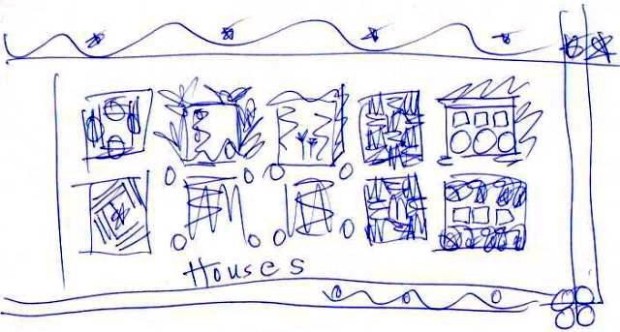
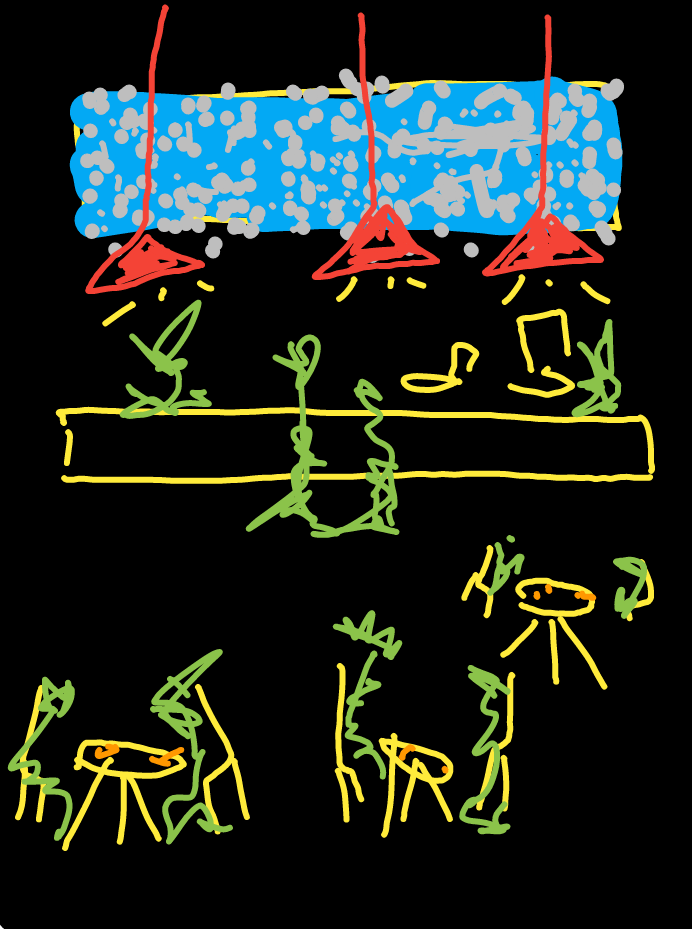
    Houses

    Think you know this place described above? Leave a comment!

  • Notes on Sound, Noise, Music, and Hearing

    What is sound? Tinnitus, from the Latin for ring or tinkle, we hear in our ears, but its source is not external sound. My own tinnitus is louder in my left ear, and if I try to pay attention to it, there are at least two sounds audible, as if an electronic musical duo is playing in my head. The ringing is enveloped under an umbrella of an engine or fan, or the electric rush of a motor, an incessant susurrus, which is balanced between the ears. The quieter my environment, the louder the tinnitus. Tinnitus is noise that is not sound, and it is a common ailment for those with hearing loss.

    My hearing loss, in both ears, worse in the left, probably originating from operating the motor pool compressor truck with jackhammers and other pneumatic tools and from firing weapons without adequate ear protection during my Army days and probably made worse playing music too loud over the years, is now augmented through hearing aids. The current pair are state of the art and include Bluetooth capability, which means I can stream an electronic sound source (radio, TV, computer, phone) directly into the hearing aids. But the sound is not quite natural. I hear it in my head, not in the ears, and not precisely where the tinnitus sounds, but when streaming, the tinnitus seems to turn off. It’s a bit like wearing headphones. It can be somewhat disconcerting.

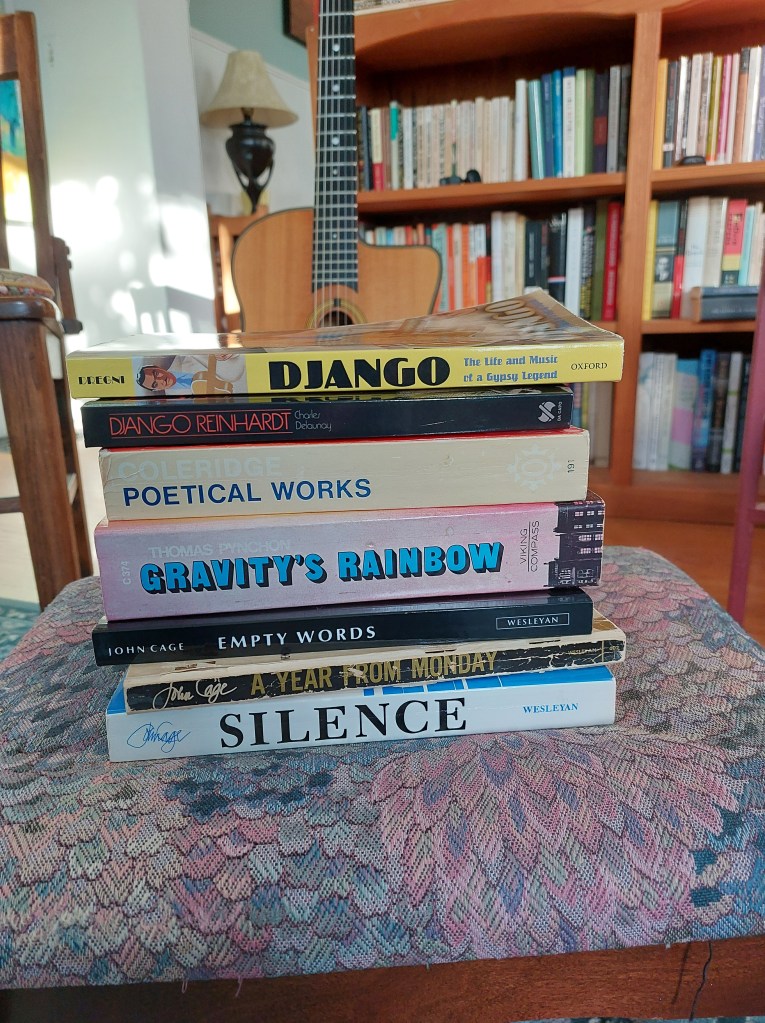
    Often, when I think of sound sans sense, I think of John Cage. Cage was a musician and writer. Piano was his instrument, but he became involved in electronic sound and electronic music – experimental music. Cage’s music might sound like tinnitus to some listeners. But any instrument can grate or creak or be made to scream or moan or laugh or guffaw. Some of the early film cartoons used modern music innovations and techniques. “Modern” music is often characterized as atonal or dissonant, and as technology developed as electronically enhanced. An evocation of emotional turmoil. Turbulence and tohubohu is often the sound it conveys, or that I hear, which of course are two different things. In any case, what I’m still calling modern here is actually now quiet old.

    What are the differences between noise and music? What is the relationship between sound and hearing? We might spend a few big bucks on music sound reproducing equipment (stereo, speakers, etc.) for home or car. The louder, it seems, the better. But when heard live at a concert, the sound may seem radically altered. And the listener in a front row seat hears a different concert than the listener in the back row, upper level, even if they’re in the same hall at the same time for the same music. In music and in conversation clarity is probably the most important attribute to one hard on hearing. It’s not that I can’t hear, but often that I don’t hear clearly. Increasing volume doesn’t necessarily add clarity. It just adds noise. Cage might say, what difference does it make? Listen to what you hear and disregard the rest. And music is not words.

    “Music as discourse (jazz) doesn’t work,” Cage said. “If you’re going to have a discussion, have it and use words. (Dialogue is another matter.)”

    John Cage, A Year From Monday, Wesleyan, 1969, page 12, from Cage’s ongoing “Diary: How to Improve the World (You will only Make Matters Worse)” 1965, which was taken from the magazine Joglars (Vol. 1, No. 3, 1966), where it was presented as: “a mosaic of ideas, statements, words, and stories. It is also a diary.”

    What did Cage mean by distinguishing dialogue from discourse? Dialogue is conversation, conversational. Discourse is debate, to run away from. Dialogue is theater. Discourse is lecture. Discussion is an investigation. We are using words; no help, no matter how loud.

    Some sounds are empty. What does that sound like? Jazz guitarists speak of getting a hollow sound or tone. One of the John Cage books is titled “Empty Words” (Wesleyan, 1981). “Most of the material in this volume has previously appeared elsewhere,” the listener is told. Where? Sound is ubiquitous, everywhere:

    “Wherever we are, what we hear is mostly noise. When we ignore it, it disturbs us. When we listen to it, we find it fascinating. The sound of a truck at fifty miles per hour. Static between the stations. Rain. We want to capture and control these sounds, to use them not as sound effects but as musical instruments.”

    “The Future of Music: Credo,” from Silence, John Cage, p. 3, Wesleyan 1961, 1973.

    Capture this, from the opening section to Thomas Pynchon’s novel Gravity’s Rainbow (Viking, 1973):

    “A screaming comes across the sky…He won’t hear the thing come in. It travels faster than the speed of sound. The first news you get of it is the blast. Then, if you’re still around, you hear the sound of it coming in.”

    page 3, then 7

    The reader is in London where the German V2 rockets, travelling faster than the speed of sound, hit the ground and explode before anyone hears them coming. Before Pynchon’s novel begins, then, an explosion has occurred. Or not, maybe one lands a dud.

    In Coleridge’s poem “The Eolian Harp” (1795), the instrument sits on an open window ledge, where an incoming breeze stirs over the strings, making music. How improvised is that! One would need super sensitive ears to pick up such wispy sounds.
    …the world so hush’d!
    The stilly murmur of the distant Sea
    Tells us of silence.

    …Where the breeze warbles, and the mute still air
    Is Music slumbering on her instrument.

    The wind as guitar pick.

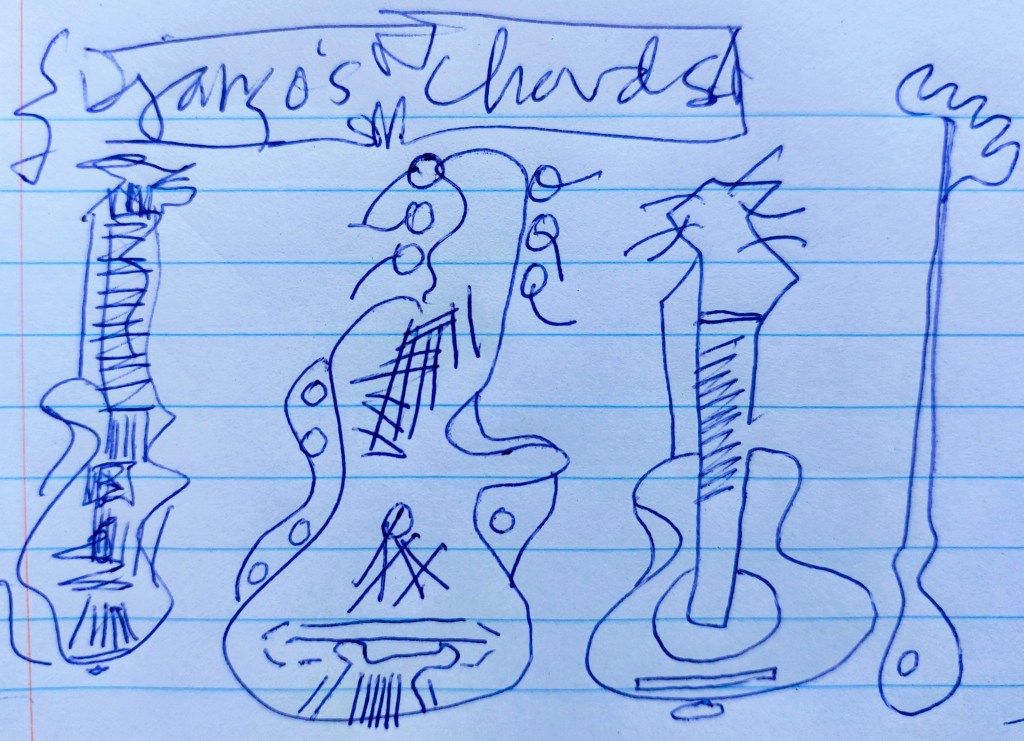
    I’ve been playing Gypsy-Jazz guitar lately, by which is usually understood playing in the style created or formalized by Django Reinhardt and his peers and followers. The style is characterized by the use of a different kind of guitar from the classical guitar popularized by guitarists like Andrea Segovia and Julian Bream. They played on a 12 fret neck fitted with catgut and then nylon strings in the treble and silk then nylon wound with metal in the bass. Other differences might include a shorter but wider neck, a smaller box, different woods and internal bracing techniques. Different from what? Basically from the all metal, louder string guitars developed later – what has come to be known as the western or folk guitar, and is used in blues, bluegrass, folk, country. But the Gypsy-Jazz guitar is a different instrument still.

    The Gypsy-Jazz (also “jazz manouche”) guitar is louder, played with a guitar pick rather than the fingers with fingernails, has a longer neck, so a longer scale length, and all metal strings. Most importantly, it’s not a solo instrument. It’s designed to be played in a small combo, usually consisting of at minimum two guitars, and often with stand up acoustic bass, violin, clarinet, accordion, and vocalist. Django played in noisy dance clubs before the advent of amplifiers and electric guitars. He needed an acoustic guitar that would project over the racket and clatter and sound in sync with the other instruments. Readers interested in learning more about Django and his music might read Django Reinhardt, by Charles Delaunay, 1961, Da Capo Press, and Django: The Life and Music of a Gypsy Legend, by Michael Dregni, Oxford, 2004. Briefly, it’s told that Django, born in poverty and coming of age without any kind of formal education, learned to play violin, banjo, banjo-guitar, and guitar. By the time he was 18, he was playing in bands in Paris and making money. Then he burnt his left hand badly in a fire in the caravan. Recovering, he taught himself to play the guitar anew, using mainly just two fingers from his left hand to fret the notes and chords, developing an entirely new technique. Thus began a new style of playing guitar that has influenced just about every guitarist of all genres since and still begs to be mastered even by those with all their fingers playable.

    When asked if he admired Django Reinhardt, Julian Bream said:

    “Oh sure. And I played plectrum guitar up to the age of 21, I played frequently in a dance band in the Army. And, yes, I loved playing jazz guitar, but not as a profession, just for fun. You can’t mix the two. I can remember playing steel-string guitar for dances, and it just ruined the sensitivity of your left hand. And I was playing rhythm guitar with big six-string chords all night long. It was a knucklebender!”

    “50 Years on the Planks: Julian Bream Talks About His Life and Work,” Classical Guitar October 1996. Retrieved 4 Mar 24.

    I’ve been working to play Gypsy-Jazz style without a plectrum (guitar pick), so fingerstyle, with fingers and fingernails, which some say is not only unorthodox but impossible – to play in the Gypsy-Jazz style of Django. I use a thick gauge string on a Saga Gitane DG-250M model, which I purchased used not long before the pandemic broke out and then had to quit the group workshops I’d been attending. The thicker strings compensate for the lack of pick. I’ve just always played with my fingers, hardly ever flatpicking. And I’m not playing dance halls these days, more like a lute in an open window.

  • A Sane and Ordinary Blog Post: Paula Byrne’s “The Adventures of Miss Barbara Pym”

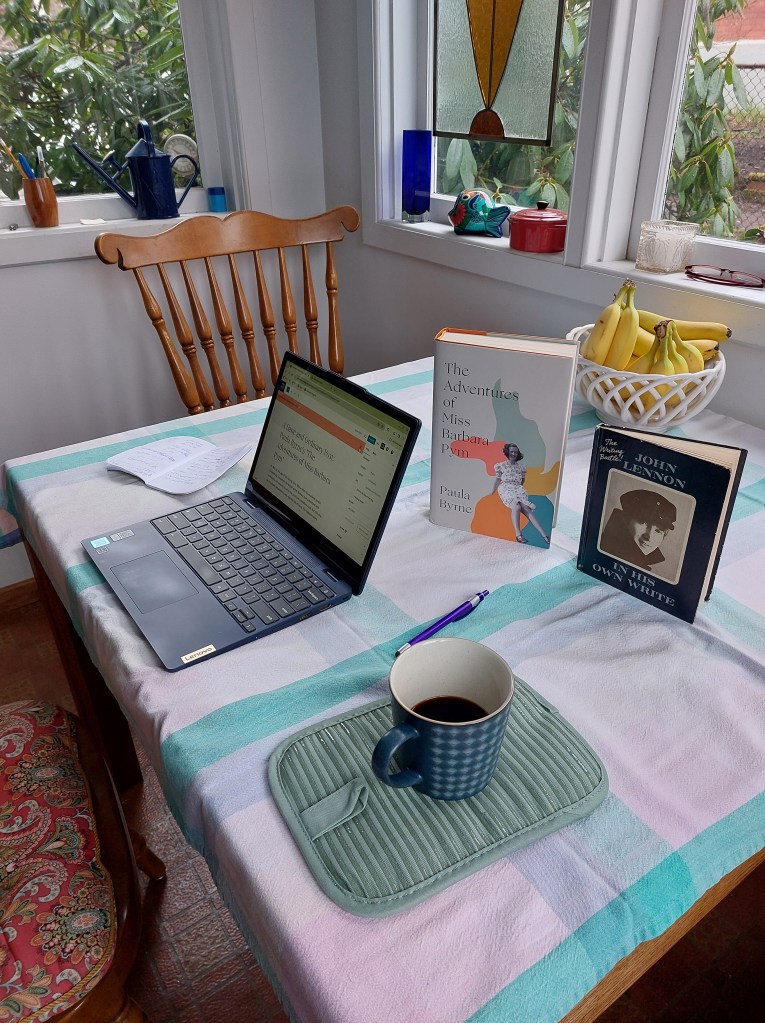
    In 1963, at the age of 50, having since 1950 written six excellent novels successfully published, the British writer Barbara Pym submitted with confidence her seventh novel to her publisher, Jonathan Cape. But this one, An Unsuitable Attachment, was rejected out of hand. The rejection story comes as a plot twist in Paula Byrne’s biography, The Adventures of Miss Barbara Pym (2021, William Collins).

    Then, as now, publishers were trying to respond to changes in their operating environment. After being rejected by her publisher Cape, Pym sent her new novel off, on a long successive round of submissions, to publisher after publisher, where it met with the same rejection fate, as if she were a writing newbie lost in the slush pile.

    Publishers are expected to make a profit. New books have always been expensive. Books are, after all, not a necessary. Yet few novelists, and even fewer, if any, poets, can survive financially off the royalties from their book sales. The occasional blockbuster book followed by a movie is the rare exception that has often helped support a publisher’s efforts to produce less popular works with literary merit. Detailed numbers of what might have been necessary to recoup publishing costs and turn a profit in 1963 are a small but important part of Byrne’s Pym biography, and because Pym continued to write without publishing, then over a decade later did publish anew and with even greater positive critical reception (including a Booker Prize nomination in 1977 for Quartet in Autumn), an interesting theme is suggested where we might find some insight into what gets published (and unpublished) and when and why.

    How many prospective sales were necessary in 1963 to get a publisher’s attention? Pym’s good friend British poet Philip Larkin suggested 4,000 as a break-even point: “I’m told that the economic figure for novels is 4,000 – and has risen a lot recently. The circulating libraries are diminishing, too – Smith’s gone, Boots going” (Byrne, 533). Larkin’s own book, The Whitsun Weddings (a collection of 32 poems published in February 1964), sold 4,000 copies in the first two months, an unusual poetry bestseller (504). Pym mentions to Larkin that “she heard Cape were about to publish a book by one of the Beatles: John Lennon? I think?” (497). The book in question was Lennon’s In His Own Write, which sold, according to Wikipedia, 300,000 copies in Britain, and was also a best seller in the US market. Wiki shows, citing Hazel Holt, that Barbara Pym’s book Excellent Women, published by Cape in 1952, had sold 6,577 copies by 1960. Writers decide what will be written, publishers decide what might be read, critics decide what’s good, and readers decide what to purchase. And then there’s the remaindered, not remembered.

    How do books get into the hands of readers? Public libraries, generally assumed to be in the public interest and of great cultural benefit, arrived at a cost to publishing. In England, since the mid 1700s, prior to public libraries, books were made available to the reading public through the use of “Circulating Libraries.” These were not free public libraries. They rented books for a fee. Nor were they housed in buildings. They traveled, by rail and wagon. Still, the rental fees were affordable only down to a middle class clientele. Later, stores carried books for rent, but usually as part of a store’s variable lines of business. Renting or selling books wasn’t enough to keep a stand-alone book business afloat. But the effect of renting books on publishing was simply this: readers could rent far more books than they could afford to purchase. It was therefore in the interest of the circulating library business for publishers to keep prices of new books high. If readers could not afford to buy new books, they would have to rent them.1

    All of that of course before the Internet, ebook, etc. Still, paper books persist. Past changes like the mass market, cheaply produced paperback brought book prices down, but still the book market is supply and demand driven, and it’s not easy determining what drives demand. Dime novels in the US and the Penny Dreadful in England were relatively cheap and brought literature to working class readers. I was a working class reader, started with comic books, graduated to Classics Illustrated at the suggestion of my Confirmation sponsor, who also encouraged me to read novels and to start my own library, six paperback books sitting on a window ledge of my bedroom. I still have a few of them. That books are a commodity, no more no less, may seem like a paradox to some readers:

    “One could make an argument that the book’s own history mitigates against seeing it as a commodity. For centuries, after all, the book’s primary place was at the center of religious practice. It is historically associated, as a result, with the evanescent, spiritual, not-for-profit world. But printed books, as Elizabeth Eisenstein and Raymond Williams have shown, have always had as much of a secular as a spiritual existence. Their history in the modern west is synonymous with the development of industrial production and the rise of consumer culture that went with it. If the book has maintained some sort of transcendent identity, it has done so despite its position at the center of the world of goods, not because of some privileged position outside it.” 2

    After the Cape rejection, Pym kept writing, kept submitting, and kept getting rejected. She reached a point where she told a friend, “All I want now is peace to write my unpublishable novels” (Byrne, 530). And, Byrne says, “Her friend Hazel Holt even suggested that she should think about publishing her novels privately for her loyal following of readers” (524). Today, of course, Pym could easily self-publish her novels. But would she? In any case, all of her books are today still in print, with many used copies of Pym books available for sale via sites like Alibris. And a quick check at Multnomah County Library shows ten Pym books available, but only one copy each, and six copies of the Byrne biography in stock.

    As critic, Larkin described what he liked to read, and he did not find fault with work devoted to a narrow alley of life, provided ample detail was given to bring that life into profound focus:

    “‘I like to read about people who have done nothing spectacular, who aren’t beautiful or lucky.’ He wanted to read about people who can see ‘in little autumnal moments of vision, that the so called big experiences of life are going to miss them.’ That such things are ‘presented not with self-pity or despair or romanticism, but with realistic firmness & even humour’” (521).

    Larkin, with connections in publishing, and as England’s popular poet, gave Pym emotional support and advocated on her behalf. Still, it took time to convince the publishers to reconsider. In a letter to Charles Monteith, editor at Faber, Larkin wrote:

    “Turn it down if you think it’s a bad book of its kind, but please don’t turn it down because it’s the kind of book it is…I feel it is a great shame if ordinary sane novels about ordinary sane people doing ordinary sane things can’t find a publisher these days. This is in the traditions of Jane Austen & Trollope and I refuse to believe that no one wants its successors today” (521).

    What kind of books were being published in 1963? John le Carre’s The Spy Who Came in from the Cold (which a couple of years later would be assigned reading in one of my high school English classes); Thomas Pynchon’s V.; John Rechy’s City of Night; Kurt Vonnegut’s Cat’s Cradle. And when the publisher Little, Brown republished in book form The New Yorker stories of 1955 and 1959, Raise High the Roof Beam, Carpenters and Seymour: An Introduction, by J. D. Salinger, it was the third best-selling novel in the US in 1963 (Wiki). (I remember seeing Mr. Abney, my 9th grade Language Arts teacher, reading it at his desk at the front corner of the room, stage right, next to our ground floor windows, which looked into the Breezeway, where the girls were at lunch recess.) While there were of course many other kinds of books published in 1963, those just mentioned probably would not qualify as the kind of book favored by Philip Larkin.

    There’s no critical advantage gained in trying to put down the 1963 books mentioned above, that’s not the point, they’re already classics, or of pooh-poohing John Lennon’s book as silly. The point is, what’s good is what achieves its purpose, even if that purpose might be considered bad, or if it’s not the purpose you want. Lennon’s book is successful on its own terms. It’s good because it achieves what Lennon wanted. It’s also good because it’s entertaining and clever and also gives a nod to James Joyce and his technique in Finnegans Wake. Few would have thought Lennon at the time might have been a Joycean. No amount of marketing could have achieved for a Pym book the kind of sales Lennon’s In His Own Write racked up. But Pym’s books also are good because they achieve what she wanted, are entertaining and clever, and her style, while original, gives a nod to Jane Austen, master novelist of them all.

    There is much more to Paula Byrne’s biography “The Adventures of Miss Barbara Pym” than the discussion above regarding what gets published. Byrne’s biography of Pym is 20th Century history as viewed from a specific writer who lived according to detail. Pym kept copious notebooks, always writing. She rethought, reconsidered, reconnoitered her every conversation, meal or tea, dress and dance, kiss or hug, relationship, experience. No detail was too small, the smallest maybe the most important. Bryne’s Pym biography might inspire any would-be writer, for we see Pym at work and play, see the ups and downs, the approvals and dismissals, the potential loneliness of life sitting at a typewriter, the rewards of completion and the hopes for a bite of recognition. We see where ideas for fiction come from and how life experience might be formed into fiction. In the end, the ordinary life, realistically rendered, given due attention, is exceptional and impressive and universally shared.

    1. Circulating Libraries,” Oxford Reference, The Oxford Encyclopedia of British Literature. ↩︎
    2. Ideas and Commodities: The Image of the Book.” Trish Davis. MIT Communications Forum. Undated. ↩︎
  • Think Again

    I thought once again
    and again and again
    and still the nagging
    thing rang an alarm
    clock in an assembly
    line repetitive factory
    too much time on my
    hands think again our
    Supervisor said again

    I thought twice thrice
    four to the bar again
    with my factory wife
    any number of numb
    clock ticking times X
    and after time was up
    the world no more in
    need of time clocks
    we laid off thought

    thought again and again
    of my time on the line
    spent thinking not off
    the pieces clicking by
    but on some other
    think I can’t now seem
    to remember again
    lost as I am to thoughts
    again and again and again

  • Post Pandemic Blues

    “Everybody’s going out and having fun;
    I’m just a fool for staying home and having none.”

    Oh Lonesome Me,” Don Gibson, 1957

    Rumor has it the pandemic is over, and folks are getting back to the way they were. Sidewalk cafes are filling with hopeful bon vivants, wine bars are recreating the gypsy jazz trio, tea rooms have put out the herbal welcome mats, and down on the corner, a lone violinist is busking the blues away. Movies? Newspapers and magazines? Some things are likely not coming back. But we can’t blame the pandemic for all our ills and woes.

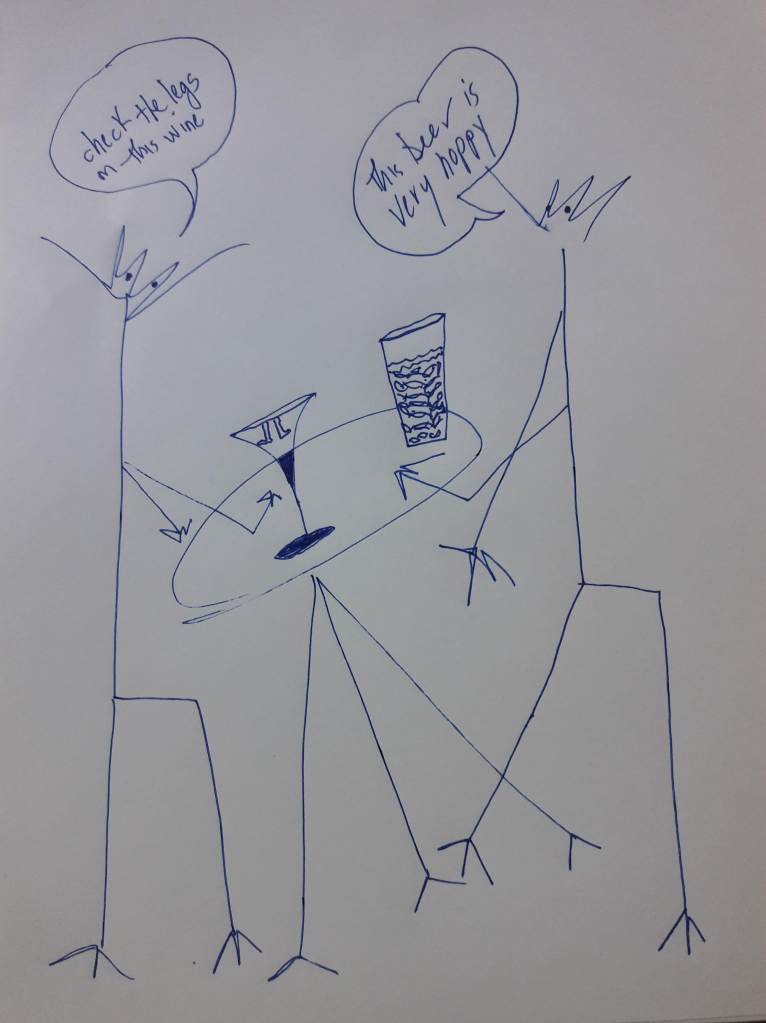
    Pubs are open, and wine bars, bakeries and coffee shops. You’re lucky though if you can find a place to park in between the street seats impromptu platforms, or to find a warm tavern that serves both a hefty microbrew and a tasty pinot noir.

    Wanted: A clean, well-lighted place, with polite waiters, a high ceiling and not too crowded or too noisy or too far away, with a live trio that doesn’t require ear muffs, a place that doesn’t mind singles sitting hour after hour over a book and the same cup of frequently topped off java.

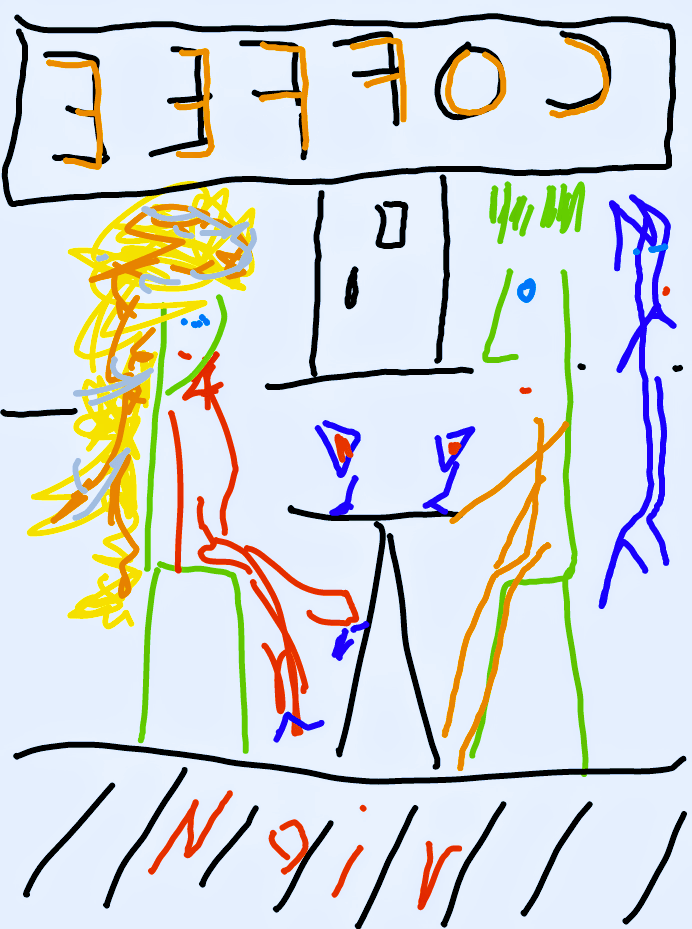
    Below: A friendly waiter.

    And weddings are back in full motion, fashion, with updated attendance rules. Below, what to wear:

    Soon Spring will spring, doing its thing, a spring dance fling, prom night, a concert at an old venue downtown.

    But some folks might have the post pandemic blues, and don’t want to go out. In a way, the pandemic has set them free. No more shopping sprees. No more putting on the style. But what about a baseball game in the ballpark? There must be some way the afflicted can lose those post pandemic blues.

  • That’s Life

    “They’ll never ever reach the moon,
    at least not the one we’re after.”

    Leonard Cohen, “Sing Another Song, Boys,” 1970

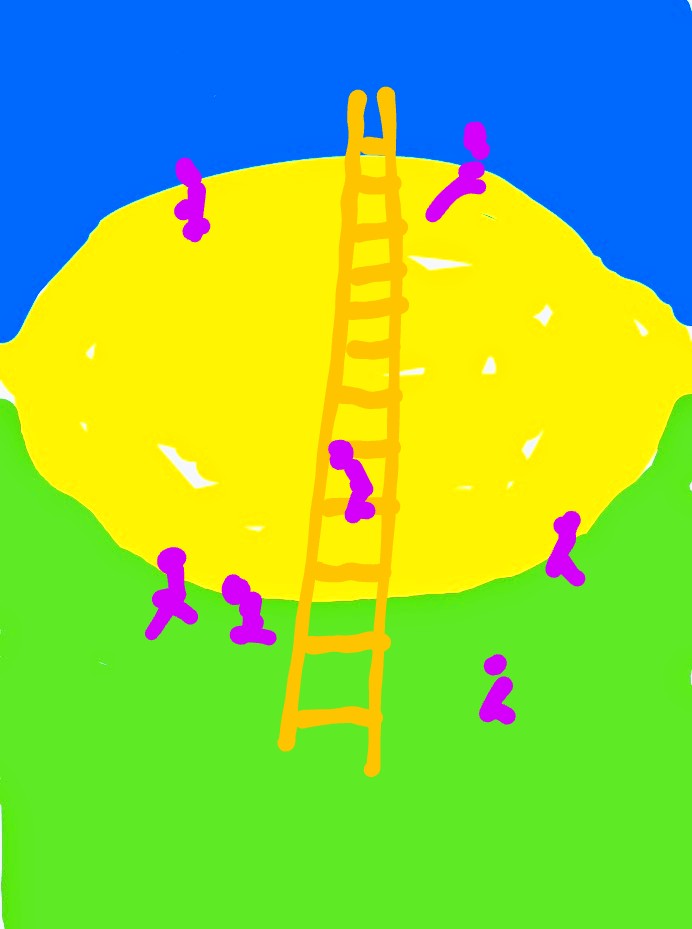
    If we think of planets as globes of fruit, like an apple, orange, lemon, we might see them growing ripe, falling, turning bitter. If we see ourselves as fruit flies, we might caption a big lemon a planet in our sky.

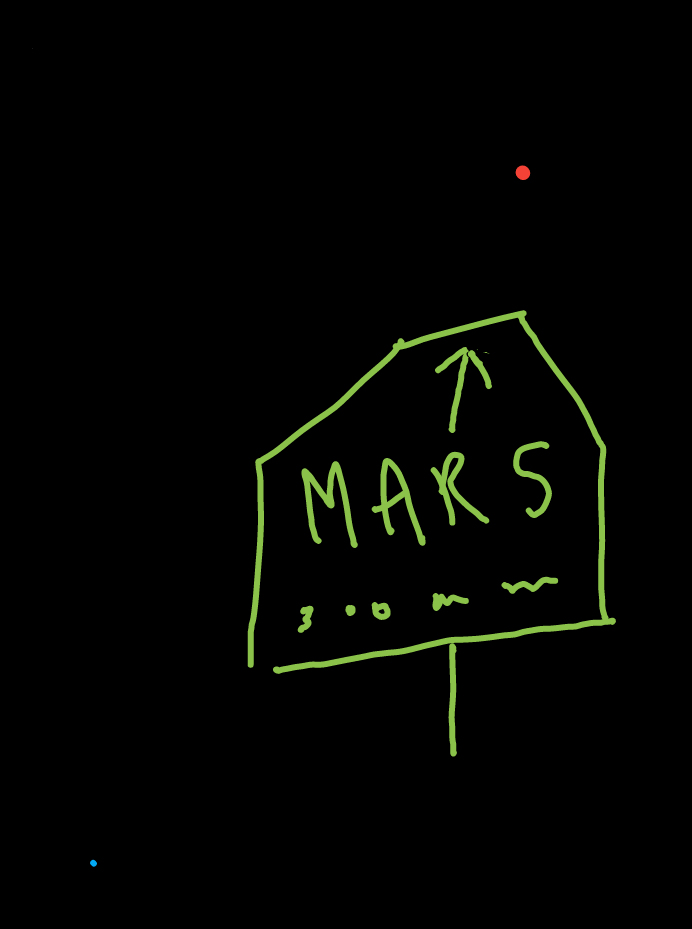
    The first planet outside Earth humans visit will probably be Mars. But will there be free parking?

    We know there is life in the universe, because Earth is full of life, and it’s in the universe. But are there places in the universe where the sun god on a freezing cold day invites you up for a cup of hot chocolate or herbal tea?

    On Earth, nature seems to overseed, replenishing by adding more and at the same time sowing excessively, creating overdensities. Think of pollens on a spring day, the fine flour that sprinkles and saturates and has everyone sneezing to beat the band. On Earth, life is abundant and various, mighty and powerful, strong.

    When you look up at night, into the sky, what do you see?

    When in the news new worlds are discovered and photographs published, we see tiny dots astronomers claim are actually galaxies thousands and thousands and thousands of light years wide. The point is to find (the scientist like a garden snail crossing the Sahara) another planet where life grows and people enjoy backyards during summer months.

    Meantime, back on Earth, we’re still trying to find that place where the moon stands still, on Blueberry Hill. That’s life.

  • Notes on “The Summer Book” by Tove Jansson

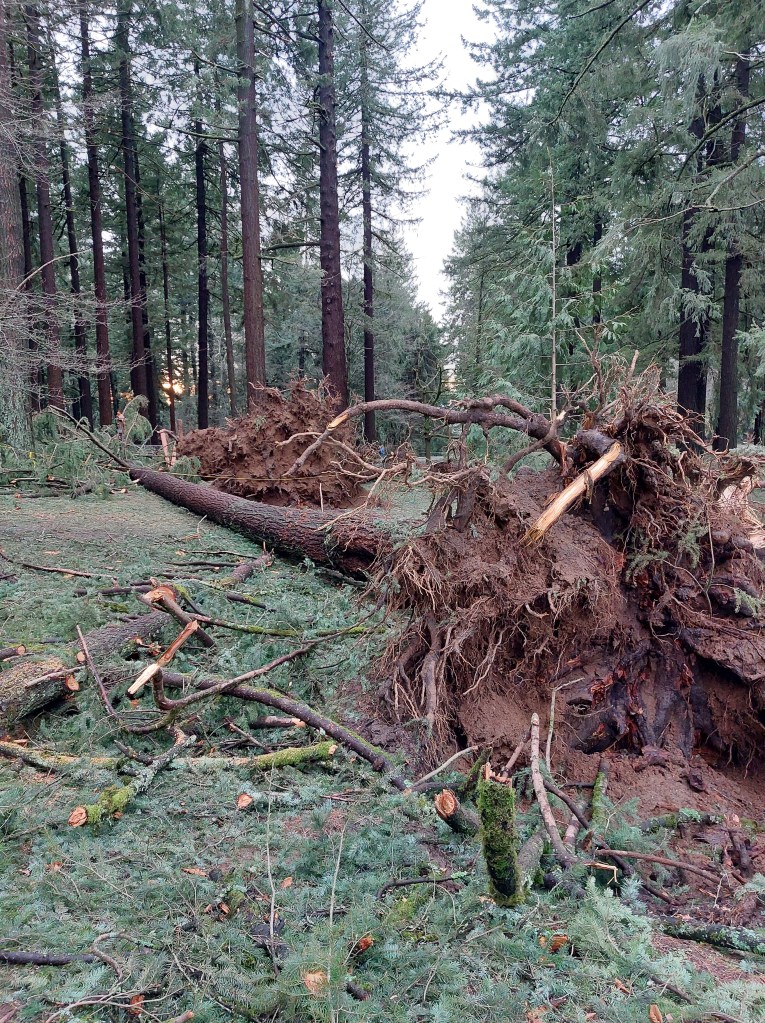
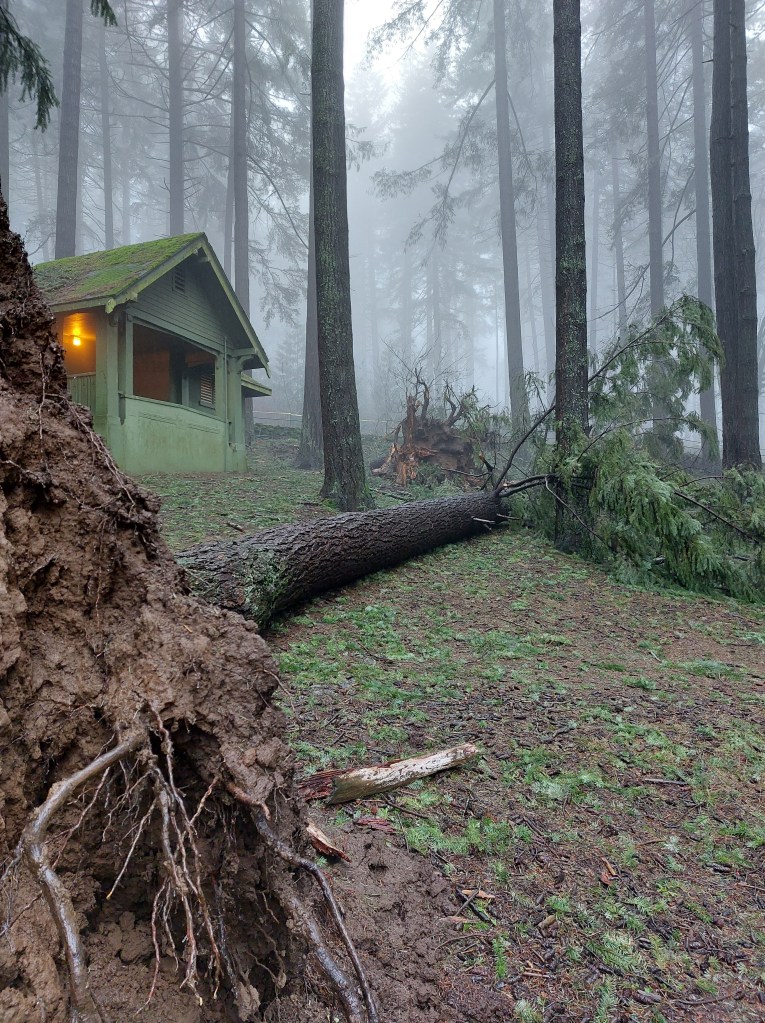
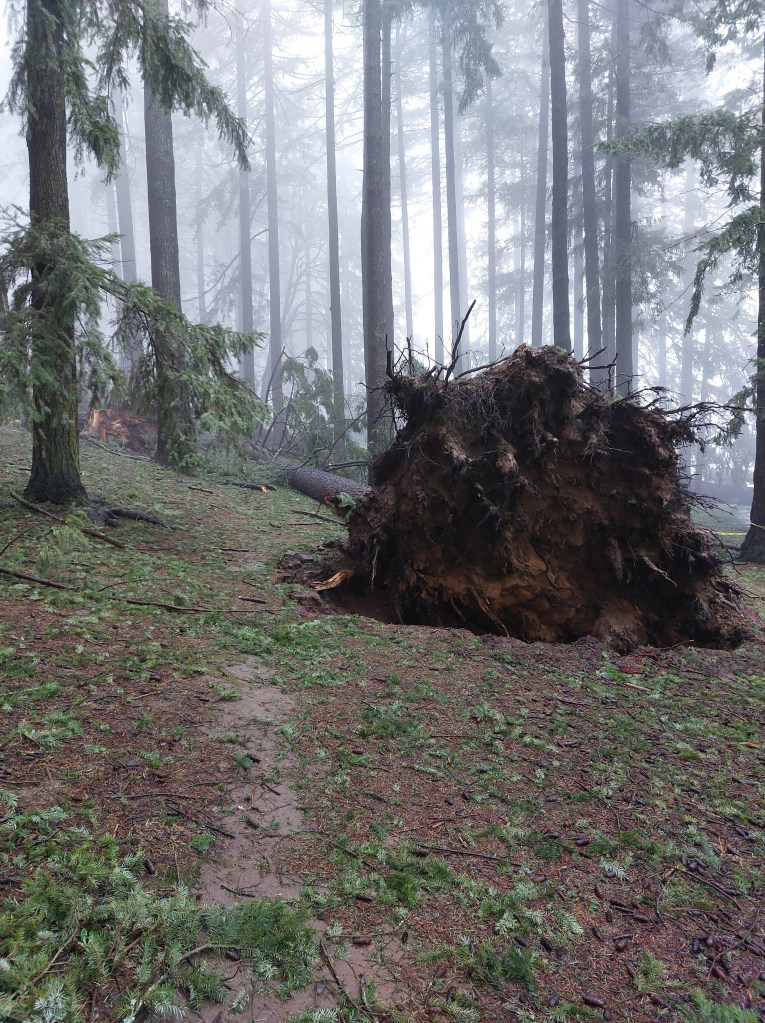
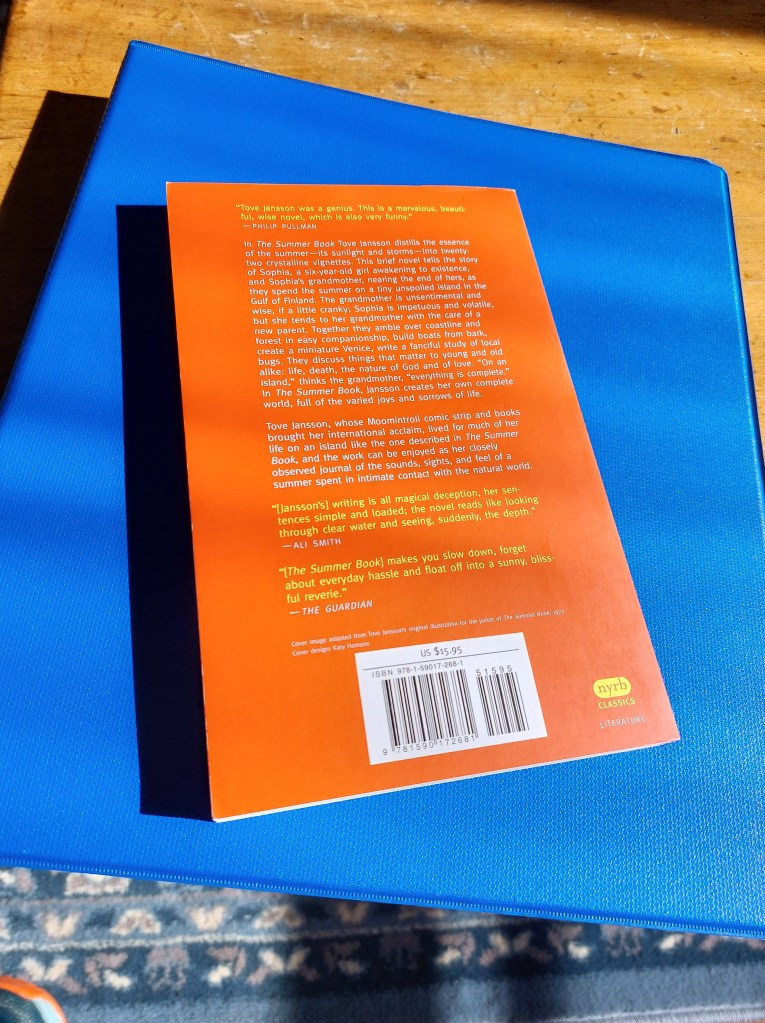
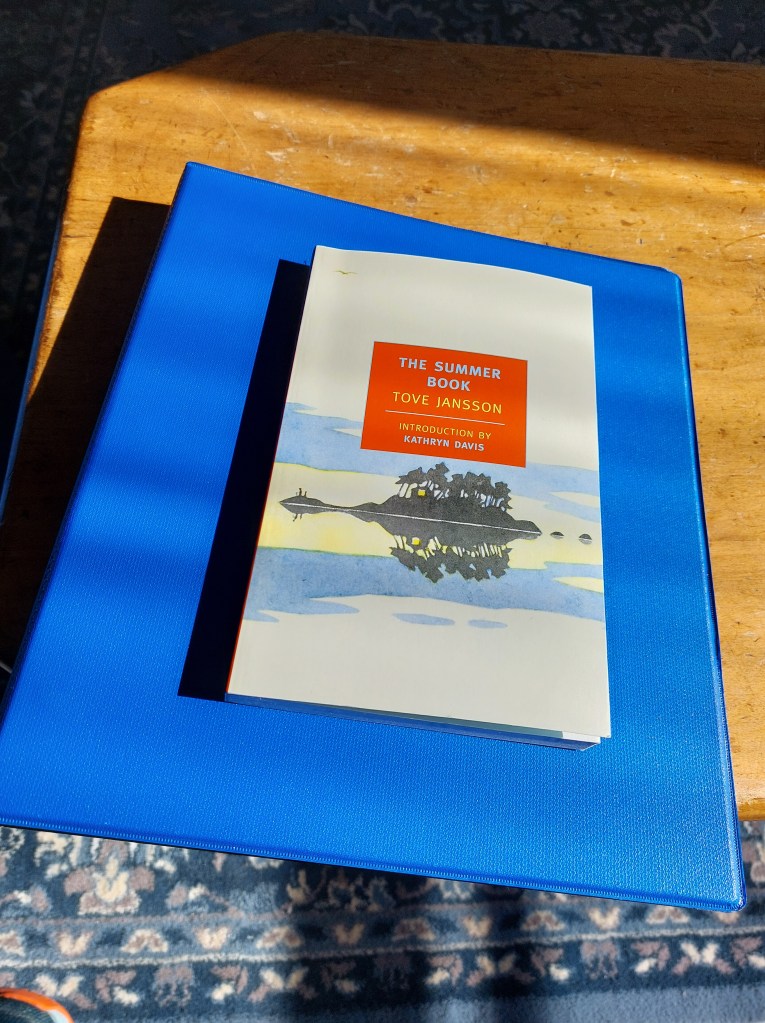
    A fortis summery read in the midst of this wintry Tabor must which by now has turned fall’s ferment to frozen despoliation – a plundering weather high tide tumbling the tall fir trees, humbling the local residents. So for comfort a read of Tove Jansson’s “The Summer Book” (1972, NYRB 2008). It’s summer, and grandmother and six year old Sophia and her father row to an island off Finland where their habit is to live through the warm months in a small cabin. But don’t listen to the NYRB Classics Introduction. I don’t understand why they bother with those Intros, though each is different, and some more valuable than others. But if something must be said other than what’s in the book, put it in an Afterword. Too often Intros spoil the plot or try to bring attention to extraneous background info or just plain get things wrong. For example, it’s not as easy as saying it’s one summer and the child is six. If it’s only one summer, how does the chapter titled “Of Angleworms and Others” begin with: “One summer, Sophia was…” (136)? And the chapter “Sophia’s Storm” begins, “There was one summer that was never referred to by year, but only as the summer of the great storm” (145). Maybe it’s a petty complaint, but summer is the season of life. And in winter my reading may be off-kilter. In bed reading, feeling like an ice pop stick.

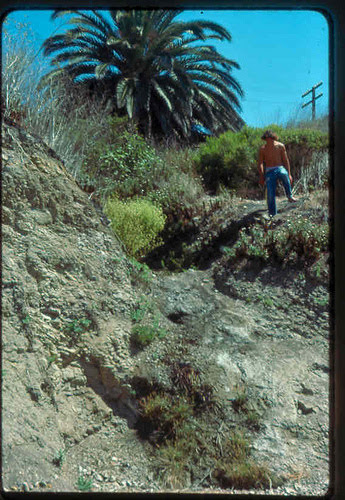
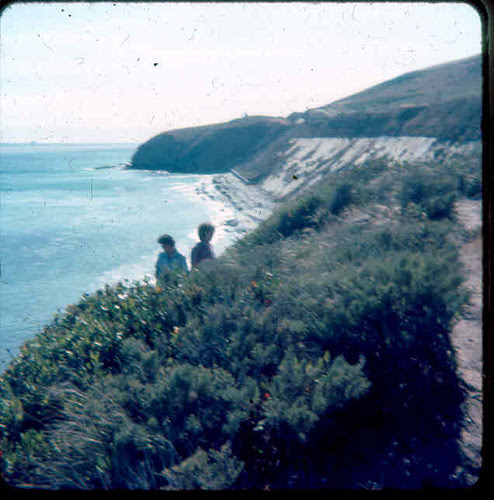
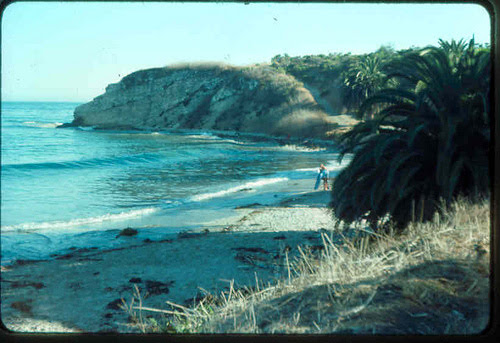
    I was reminded, reading Tove Jansson’s “The Summer Book,” cold nights in bed before winter sleep, of Refugio, the summer vacation weeks we spent there, dropped off by Dad who stayed the weekend then rowed back to Los Angeles to the work week, leaving us kids to camp out, hike, swim, sit around a campfire, carve tikis in the soft wood of fallen palm fronds. At low tide, you can walk around Refugio Point and hike north below the cliffs around other points, the cliff faces sheer and steep, sometimes with caves at the bottom that fill with water at high tide, but at low tide you can walk into a cave and sit and watch the waves through the opening. And if you’re with a girl, you might snuggle up in the damp and hug and kiss, while up above the trains rumble across the clifftop.

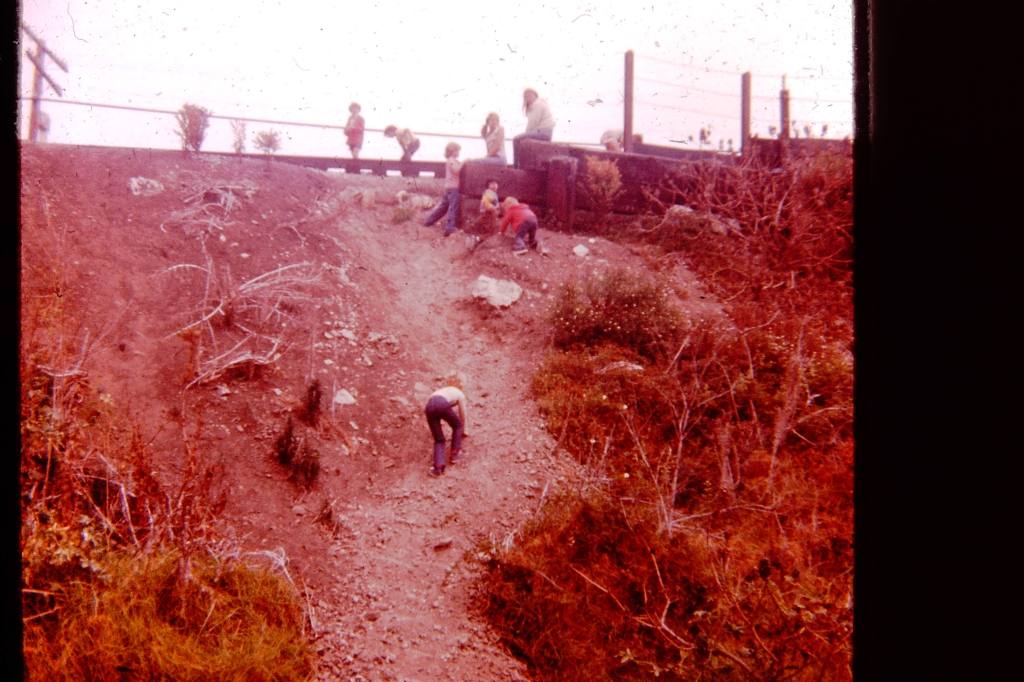
    One year, a bunch of us kids hiked around the point at low tide and walked off below the cliffs, exploring caves, skiffing stones, beach combing. We were camping with our neighbors from town. We were all at the time under 12 years old, so late 1950’s. Uncle Hugh had been an early days Los Angeles County Lifeguard. One day, he drove us to an obscure beach where we parked and hiked down to an awesome surfing cove where he took us one by one out into the big waves paddling on a canvas surf mat. It seemed we were a mile out, and we caught huge rolling waves that carried us all the way to shore. But that day we were hiking, we were kids out on our own, and we did not notice the tide coming in, and were soon stranded between points, the tide too high to walk back around, the rocks too dangerous now mostly covered by an incessant surf. The incoming tide would soon pin us against the cliff. We had no choice but to climb up. One by one we climbed, toes and fingers in cracks, zigzagging, following the leader. At the top of the cliff the rock gave way to a dirt and bush cap, and we found a crevice to climb through and up to the top, pulling on roots and placing our feet on a providential clump of soil held together by some kind of small bush. We grabbed hold of the hand above us and pulled to the top. The oldest neighbor boy was the last, and he froze. The clump of soil was too loose now, he complained, it would not hold and he’d fall back down the cliff. We were miles from the campground. Would someone run back and get help, get a rope? Some of the parents were stern disciplinarians. Help would come at a cost. The squad of kids held together and with cajoling and twisting of arms we fandangle-rescued the last kid to the top of the cliff. We found the train tracks, not far off, and walked back to the campground, our stranded beneath the cliff at high tide story, our death defying climb up the sheer rock face, growing increasingly mythic with every step back.

    I’m further now from that Refugio Beach memory than Jansson was from her summer island memory when she wrote her “The Summer Book.” Grandmother’s friend Verner has stolen a boat to come visit her on her island:

    “It isn’t my boat,” he said.
    “I didn’t think it was. It has a hogged keel, too. Did you borrow it?”
    “I just took it,” Verner said. “I took it and drove off. It’s very unpleasant to have them worry about you all the time.”
    “But you’re only seventy-five,” said Grandmother in astonishment. “Surely you can do what you like.”
    “It’s not that easy,” Verner replied. “You have to be considerate. They do have a certain responsibility for you, after all. And when you get right down to it, you are mostly just in the way.

    133

    The story, the book, “The Summer Book,” belongs mostly to Grandmother and Sophia. They argue, go for walks and hikes, hang out, philosophize and think out loud, share information and knowledge, climb into the most pernicious of situations, worry together and talk and play out and act out together. At times one is the adult, the other the child, and then they switch sides. And the summer passes.

    “Every year, the bright Scandinavian summer nights fade away without anyone’s noticing…Not right away, but little by little and incidentally, things begin to shift position…”

    164

    And that’s how the tides change too, and you can get lost in between the ebb and flow. There are visitors, human and otherwise, and they come and go. The weather is always everywhere all at once and always in the offing promising change:

    “Dear God, let something happen,” Sophia prayed. “God, if You love me. I’m bored to death. Amen.”

    148

    But of course you have to be careful what you pray for. But in any case, it’s likely not one summer of memories but a single memory of many summers mingled together and how relationships change over time like the weather always the same but at the same time always different and always full of promises and disappointments leaving one at the bottom of a wave here and another high and dry there. Memory is a run-on sentence.

  • Fear of Formatting; or, Where What You See Is Not What You Get

    The wig is a kind of disguise, and you can flip your wig to attract attention or to disappear into a crowd. To wig out. Harder for the bigwig to change identity. It’s an old word, wig, starts with steed or horse, to ride, hence to battle. To wig out is to try to change perception, the opposite of to relax, which is no need to go any direction. Equilibrium. Balance. Which is the clown’s trade, who traffics in wigs. Mime, which requires no words.

    Today’s question might be formulated: Which direction to go? We read English left to right, top to bottom; the page is not a mosaic, where we can start anywhere and go in any direction. When we view a mosaic, where do we start? Where do we end? “The present volume,” McLuhan begins “The Galaxy Reconfigured, or the Plight of Mass Man in an Individualist Society” (the last section of his book “The Gutenberg Galaxy,” University of Toronto 1962), “has employed a mosaic pattern of perception and observation. William Blake can provide the explanation and justification of this procedure. Jerusalem, like so much of his other poetry, is concerned with the changing patterns of human perception. Book II, chapter 34, of the poem contains the pervasive theme: ‘If Perceptive organs vary, Objects of Perception seem to vary: If the Perceptive Organs close, their Objects seem to close also.’” From where McLuhan goes to: “Blake makes quite explicit that when sense ratios change, men change.”

    Is the paragraph the basic unit of composition? The sentence, maybe, or even the single guttural utterance. Probably depends on purpose, occasion, audience – where do we go from here, the attendee at the conference asks at the end of yet another disconnected session.

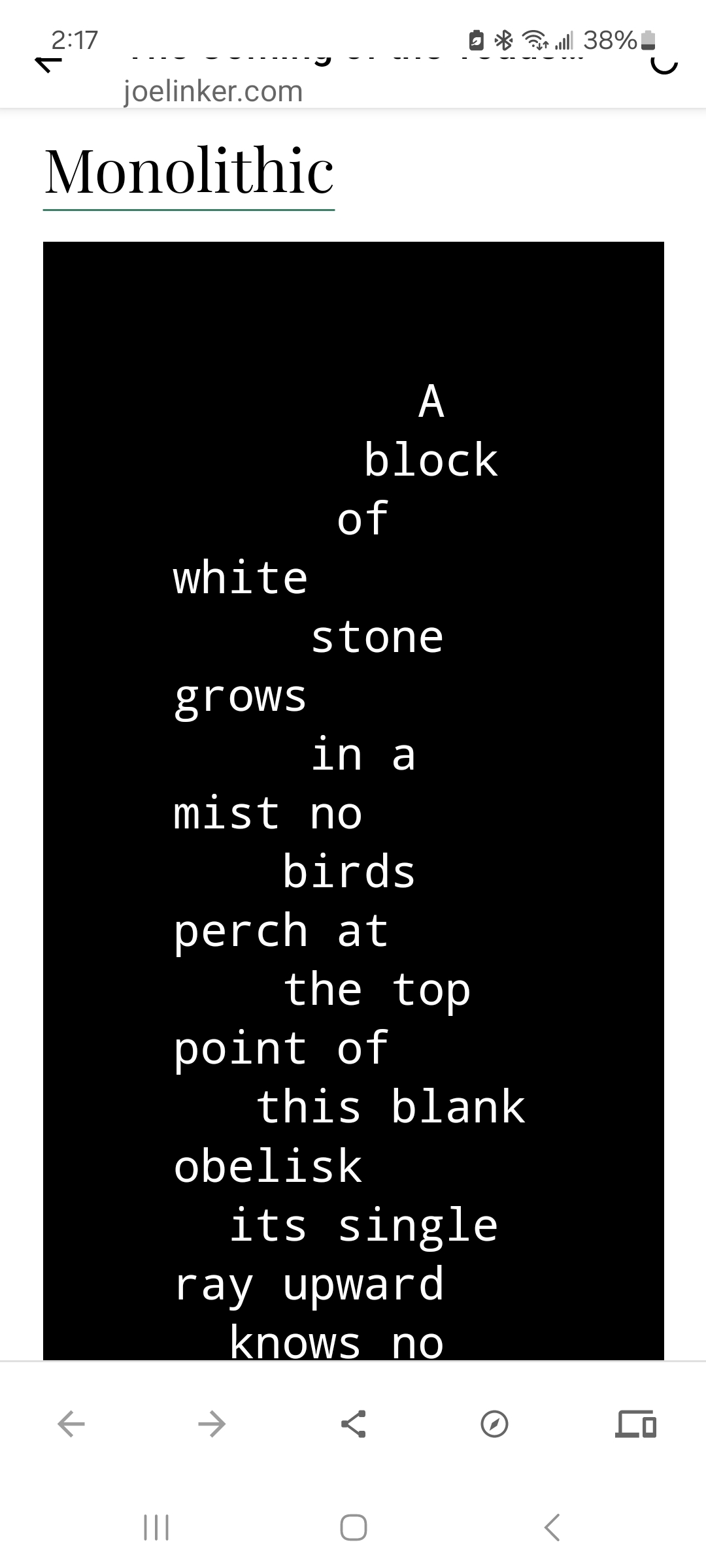
    So I was thinking obelisk, in that last post (page back), as in single monolithic utterance, rising from a base, tapering to a point (as in an argument). Quite the opposite of how reading or viewing at any rate works on the cell phone, tablet, laptop, where one drops down, pages down, image after image disappearing above the horizon. How to format a monolith with the tools available to the blog (at least those I understand how to use). Begin with the white page. Writers today may seem to be living in a line-age. Lineage. Field. Map. Alternating forms. Insert image. Page down.

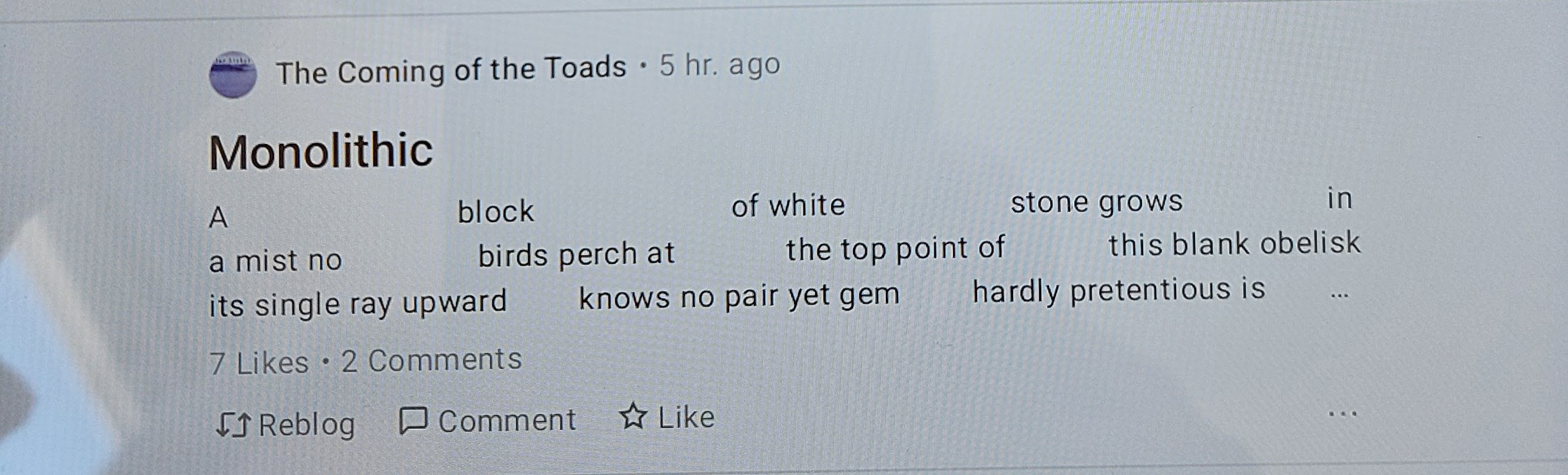
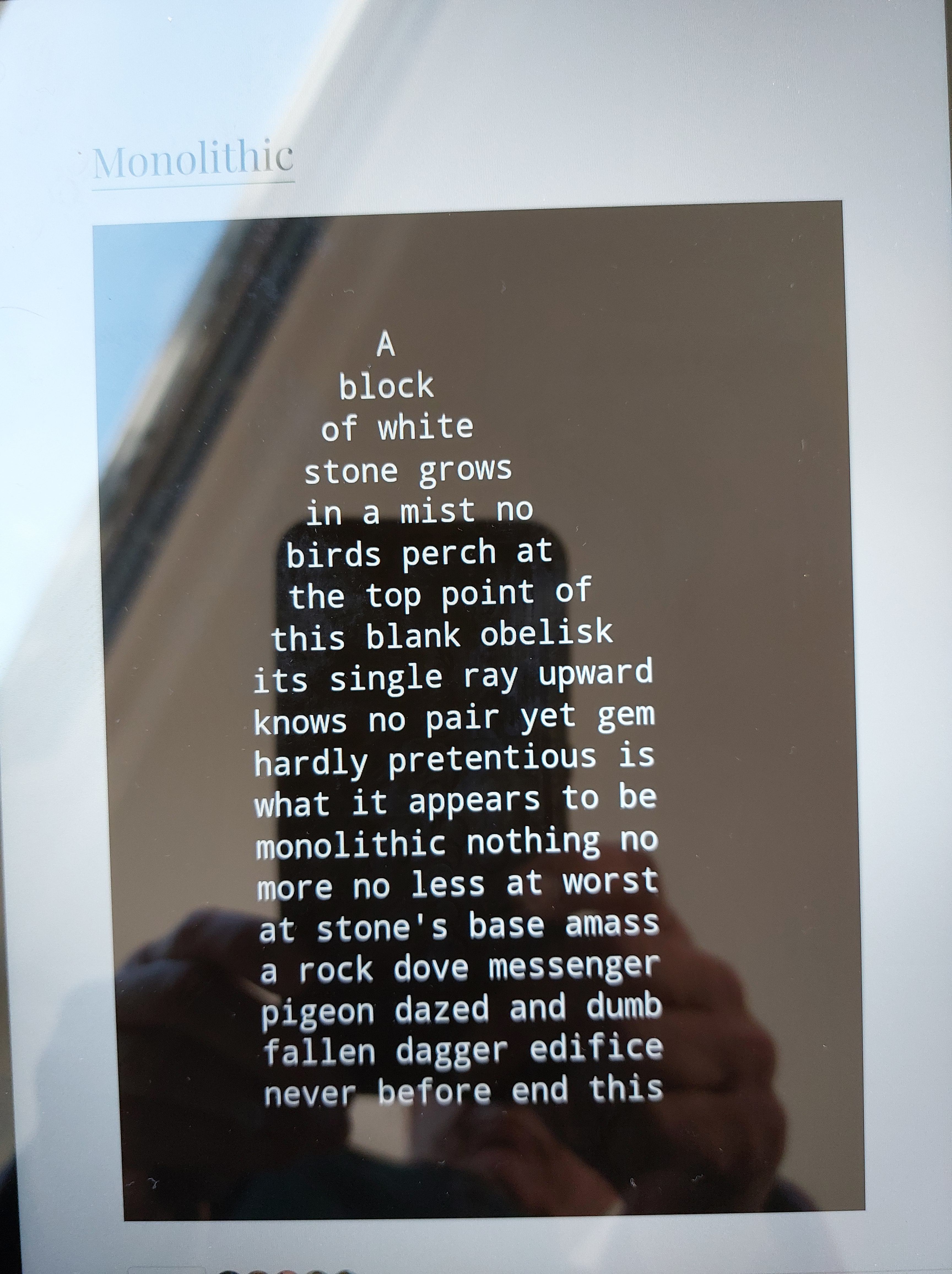
    The text would be somewhat ironic, white on black field. WordPress, though, in my experience, is not conducive to drawing. And, as I mentioned a few posts ago, what you put up looks different depending on what device it’s being viewed with. Which can be pleasant or annoying, depending on your point of view. Here are a few examples, from the same post, but viewed on different devices (left to their own…):

  • Monolithic

             A 
           block
          of white
         stone grows
         in a mist no
        birds perch at
        the top point of
       this blank obelisk
      its single ray upward
      knows no pair yet gem
      hardly pretentious is
      what it appears to be
      monolithic nothing no
      more no less at worst
      at stone's base amass
      a rock dove messenger
      pigeon dazed and dumb
      fallen dagger edifice
      never before end this
  • Endgame

    For some time now, I’ve been playing chess using Lichess, an open source app that is free, sans ads, and full of chess activities, including live games, coaching, analysis, and community. I’ve limited my involvement to the chess puzzles and “play with the computer” games, where I select a game timed at 10 minutes, and where I usually win only about 1 in 10 games – playing standard variant, Stockfish level 3 (of 8). I usually play using the app on my cell phone, while waiting for an appointment, the pasta to finish boiling, in between chores. But I’m quitting chess.

    The games can be relaxing, but they also can create a bit of unwanted tension, particularly when the game is timed. Chess reference is full of analysis of personality types of players, pros and cons of involvement, history of chess and chess players. Not too long ago, I read “Eve’s Hollywood,” by Eve Babitz (1972, NYRB Classics 2015), the entertaining stories of a Hollywood High girl coming of age in the 60’s. Anyone with an interest in Hollywood, Los Angeles, the 60’s, will enjoy Eve’s accounting. Eve wound up being famous, or infamous, depending on your coastal view, for a number of what today might be called gone-viral moments, including posing nude while playing chess with Marcel Duchamp. But she was a good writer. She could be defensive about her Hollywood: “I think Nathanael West was a creep. Assuring his friends back at Dartmouth that even though he’d gone to Hollywood, he had not gone Hollywood” (189). “Eve’s Hollywood” is a kind of “Los Angeles: The Architecture of Four Ecologies” (1971, UC Press 2009), where we might substitute Cultures for Ecologies.

    Anyway, I’m quitting chess. Not because it’s the Lenten Season. And it’s not the 9 out of 10 losses, since really it’s impossible to beat the computer (I can’t explain how I win one when I do). The online version is, like most activities app-related, addictive. There are of course addictions that are recommended as being good for you, though one should always consider who’s doing the recommending, and what they’re suggesting in place of. And chess proves, at least the 10 minute timed version might prove, it is possible to live in the moment. And it’s probably better than maladaptive daydreaming or even the lesser automaticity when what our purpose really calls for is paying attention. In any case, I just think I’d rather spend my time on music than on chess. In fact, music is chess, though chess is not music.

  • Relaxing Reads

    Barbara Pym’s novels are relaxing reads. I found her while reading and following Penelope Fitzgerald, Elizabeth Taylor, Elizabeth Bowen – other 20th-century British female writers I’ve been reading and have grown to appreciate and like and want to share. I finished the Hermione Lee biography of Penelope some time ago. Writers, like the rest of us, don’t always lead exceptional or excellent lives. And a biographer needs tools and supplies to work with. I recently read Susan Cheever’s biography of e. e. cummings – much material for a biographer to work with there: Harvard and its takes and mistakes; both World Wars and post-war worlds; the Great Depression; the eccentric poet at work and play; the effects of criticism and changing popular and academic tastes on a writer’s occasions for work; notes and diaries; interviews; and correspondence. But readers interested in 20th Century British history and literature will find good reference and enjoyable works among these women writers: Bowen was born in 1899, Taylor in 1912, Pym in 1913, and Fitzgerald in 1916. They are not modernists in the sense of James Joyce or Samuel Beckett or Virginia Woolf or Gertrude Stein, even if they constitute a newer generation. Their novels are characterized by realistic prose and dialog, and as for history, the settings are often domestic, about family and relationships, work, church as social community place (think jumble sale, what here we call rummage sale), not so much about historical events as about the effects of the great tides on individuals in society, but of the person in an outlier sense. Consider Nenna in “Offshore,” living on the barge Grace on Battersea Reach on the Thames with her two young girls, estranged from her strange husband who in a final desperate argument-ending-blow, yells at her, “You’re not a woman!”

    I ordered a copy of Paula Byrne’s Pym biography, “The Adventures of Miss Barbara Pym” (2021, William Collins, London). I’m on page 179 of the close to 700 page tome. I started out reading the inside cover blurb on the author, Paula Byrne, which mentions, “She is founder and lead practitioner of ReLit, the charity for literature and mental health.” Having never heard of ReLit, I looked it up and found a site illustrating a small organization’s devotion to using literature to assist those struggling to handle the slings and arrows of daily life, whether king, knight, or knave. From ReLit’s About page:

    “ReLit is the Foundation for bibliotherapy: the complementary treatment of stress, anxiety and other conditions through slow reading of great literature, especially poetry. We believe in the power of words to restore and relight the human mind.”

    Apt words have power to assuage / The tumors of a troubled mind / And are as balm to festered wounds (John Milton, Samson Agonistes)

    ReLit: reading for wellbeing, retrieved 7 Feb 24

    I discovered on the ReLit site, and ordered from Alibris a used copy, a book titled “Stressed, Unstressed: classic poems to ease the mind” (2016, William Collins, London). The poems are indeed for the most part classic, the youngest poet included born in 1952, Linton Kwesi Johnson. The book is divided into 12 chapters devoted to themes related to dealing with stress, for example, “meditating,” “feeling alone,” “living with uncertainty,” “positive thinking.” (Stressed, unstressed also of course about the forms of poetic syllabication and lines.) Each chapter is introduced by a short explanatory essay on the given theme. The book is not an escape portal, though. The poems may or may not help the afflicted in a time of need. But as Jonathan Bate says in his introduction: “If words can do the work of drugs, what is to lose by putting them in our mental health first aid kit? There is nothing to lose and everything to gain.” Of course there are many different kinds of poetry and poetic definitions. The book “Stressed, Unstressed” uses the Wordsworth definitions: “the spontaneous overflow of powerful feelings” or “emotion recollected in tranquility.” Further into the book, we find mindfulness strategies discussed, and I was reminded of the Thich Nhat Hanh “how to books” (e.g. “How to Relax”), which focus on calm breathing and attentiveness to the moment.

    I think I might prefer, to the poetry as a means toward relaxation, the novels of Barbara Pym as well as Penelope Fitzgerald, Elizabeth Taylor, and Elizabeth Bowen. Too often, for me, poetry, like the classic country western song, often plays upon the emotions in the way of pathos, stirring the emotions rather than calming them. In any case, all of the subject of this post has me wondering if readers here at The Coming of the Toads find for the most part relaxing reads or stuff that gets the dander up. My hope is for the former, the relaxed, the three breaths you take while waiting for the page to change.