No, I’ve not been living in a hotel; that would be Nabokov at Montreux Palace, Twain at the Chelsea, Simone de Beauvoir at the Hôtel La Louisiane. I’ve been reading books that take place in hotels. Some hot telling going on there, too.
I just finished reading aloud to Susan “The Enchanted April,” by Elizabeth Von Arnim, first published in 1922, our copy a Penguin Classics, 2015. The Mesdames Wilkins and Arbuthnot answer an advertisement and arrange to spend a month in Italy:
“To Those who Appreciate Wistaria and Sunshine. Small mediaeval Italian Castle on the shores of the Mediterranean to be let Furnished for the month of April. Necessary servants remain. Z, Box 1,000, The Times.” (3)
Who could resist? Not the insistent frumpy Mrs. Wilkins, who talks the reserved Mrs. Arbuthnot into the adventure, and the two abandon their troubled husbands in fog everywhere London, recruit two additional to their party to help defray expenses, the young and extraordinarily lovely socialite Lady Caroline and the lonely aging Mrs. Fisher, and train down to the sunny gardeny clime.
Not strictly speaking a hotel, the castle originally a Genoese fortress, built to protect Portofino’s harbor, but Castello San Salvatore functions like a hotel in the book’s closed setting and stage-play like structure, where no character is at first what they might seem to be, and class or social structures or strictures are dissolved to reveal the human frailties of psychological skeletons. But if that sounds like a horror, it’s not; the book is profoundly funny, each character misinterpreting another in a comedy of manners, such that we first see each character not for what they are, or might become, but what someone else thinks they are, or where they might have come from, ignorant of their true origins, problems, needs and wants.
And before “The Enchanted April,” I had recently reread Elizabeth Bowen’s “The Hotel” (1927), her first novel, also set on the Riviera. Bowen’s writing style is different from Arnim’s, though both often feature long convoluted or circuitous sentences, subjects and objects meandering like mallards down steams through a woods, often placed somewhat distantly and not quite directly from predicates. Something like that; I haven’t actually diagrammed any in the old school way. But the common reader may find such writing distracting; it’s not Dashiell Hammett.
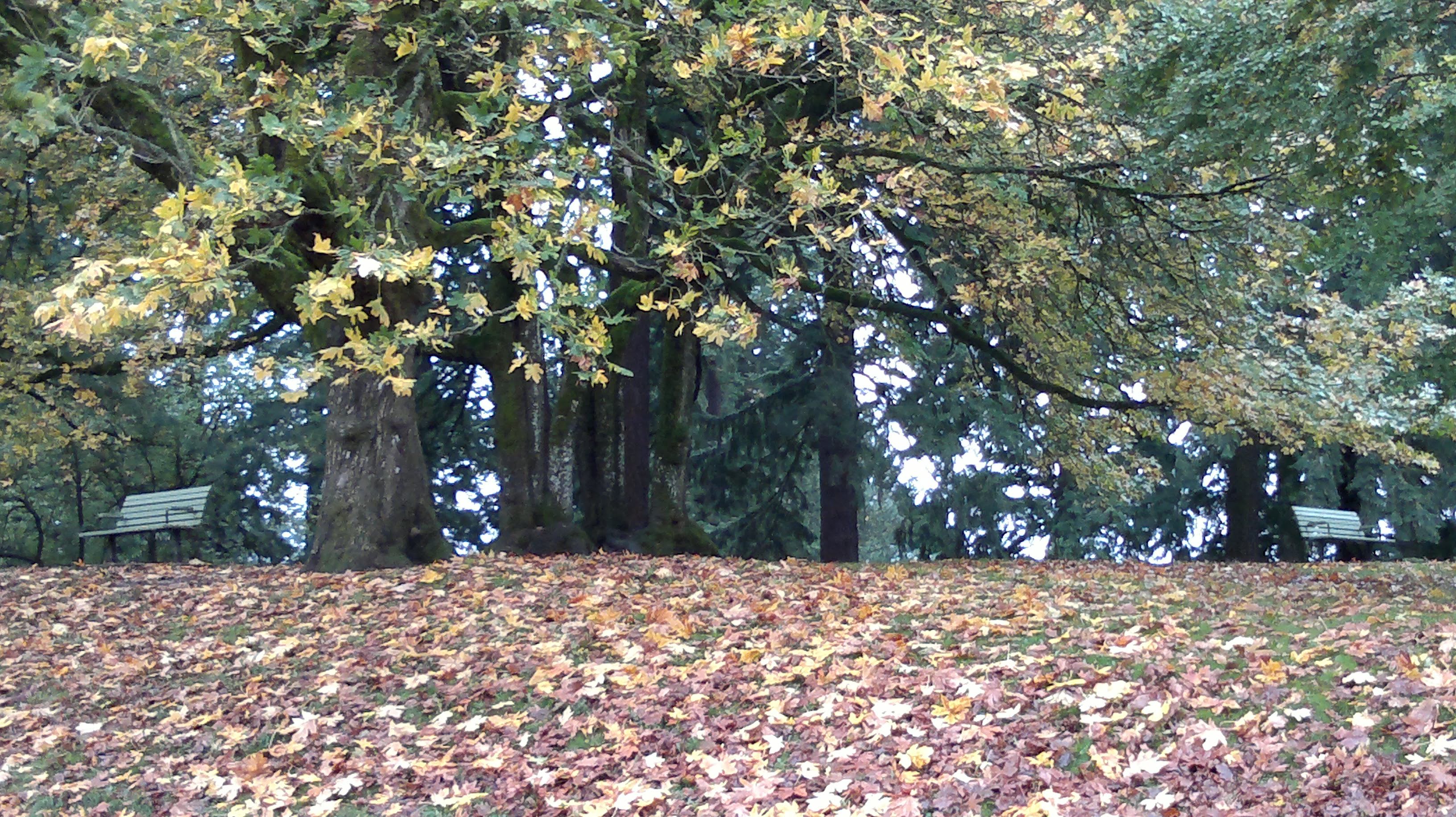
And I also recently read Anita Brookner’s Booker Prize winning “Hotel Du Lac” (1984), though here the setting is Switzerland and it’s coming on fall and winter and cold out, reminding me of home:
“The beautiful day had within it the seeds of its own fragility: it was the last day of summer. Sun burned out of a cloudless blue sky: asters and dahlias stood immobile in the clear light, a light without glare, without brilliance. Trees had already lost the dark heavy foliage of what had been an exceptional August and early September and were all the more poignant for the dryness of their yellowing leaves which floated noiselessly down from time to time.” (67)
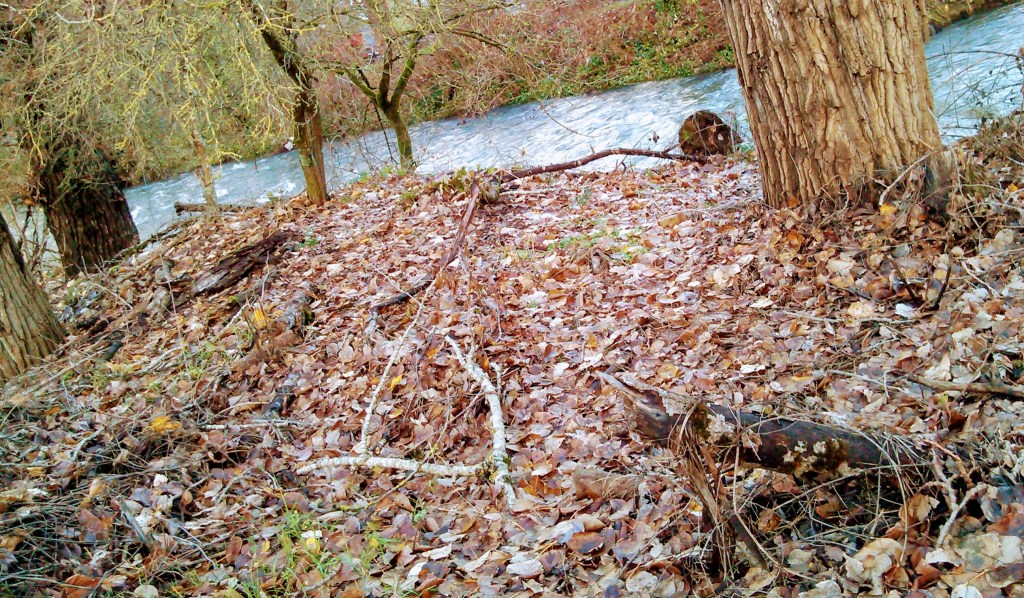
And time, and now, but it would be inaccurate to say suddenly, still, here we are just a little over a week from winter solstice when the days will begin to, in spite of the cold, last each a little longer and potentially at least warmer. But for now, back to the hotel of books, until the wistaria and sunshine return in bloom and heat and smell and we can open again our own hotel, now closed for the winter.








 The Coming of the Toads