I too will get up and go
now first rest nine note
scale will build acoustic
not too loud evening is
while I still have ear to hear
nor do I want to live alone
in some open space empty
from you my love who loves
my cricket tongue my choice
voice and together we sing
our own songs fashioned
from what we found here
Category: Poetry
-
Where the In is Free
-
Schoenberg’s Cartoon Music
Having installed Idagio, the all classical music app suggested by Alex Ross this week in his review of Apple Music Classical, I then turned to his book “The Rest is Noise” (2007) to search for some 20th Century music to test Idagio’s functions. I alighted on Schoenberg. I like “Twelve-Tone” music because it ignores mood. One of the features of Idagio that’s somewhat annoying is its suggestion that classical music can somehow be explained by moods, evoke mood, or dispel mood. Maybe it can and does, but the Idagio feature labeled “Play My Mood” asks the musician to be a magician. I’m reminded of the first stanza of Wallace Stevens’s “The Man with a Blue Guitar” (1937):
The man bent over his guitar,
A shearsman of sorts. The day was green.They said, “You have a blue guitar,
You do not play things as they are.”The man replied, “Things as they are
Are changed upon the blue guitar.”And they said then, “But play, you must,
A tune beyond us, yet ourselves,A tune upon the blue guitar
Of things exactly as they are.”By eliminating the listener’s expectations, Twelve-Tone music replaces mood with something new. It sends the elevator you might be riding through the roof. Somehow, I’m not sure if I found it first in Idagio or “The Rest is Music,” I was suddenly listening to Schoenberg’s “String Trio” op. 45 (1946). Alex Ross gives it this analysis:
“The score is full of distortion and noise, with the players asked to execute such eerie [pun intended?] effects as sul ponticello (bowing the strings at the bridge) and col legno (bowing or tapping the strings with the wood of the bow). Yet the contrasting lyrical episodes radiate nostalgia for the former tonal world. By his own testimony [was he on trial?], Schoenberg was depicting in musical terms a severe asthma attack he experienced in the summer of 1946, during which his pulse temporarily stopped and he was given an injection to the heart. Some passages represented the injections, he said, others the male nurse who treated him. The composer Allen Shawn, in a book about Schoenberg, notes that the String Trio is a kind of fantastic autobiography, ‘as if in his delirium he had reviewed his life.’ The ending is soft and wistful.”
324One problem with that analysis is that Ross has already mentioned “Scott Bradley’s inventive scores for Tom and Jerry cartoons in the forties, notably Puttin’ on the Dog and The Cat That Hated People” (324). Schoenberg’s attempts to introduce Twelve-Tone music into movies, Ross explains, came to disappointment, but then it was found to work well in cartoons. I then looked for “The Cat That Hated People” in Idagio. Not there. So I tried YouTube, and there it is, a classic from 1948:
If you listen to only the music, separate the music from the cartoon, you’ll have the necessary introduction to Schoenberg’s “String Trio” of 1946. If you still don’t get it, just remember it has something to do with cats:
XXV
He held the world upon his nose
And this-a-way he gave a fling.His robes and symbols, ai-yi-yi –
And that-a-way he twirled the thing.Sombre as fir-trees, liquid cats
Moved in the grass without a sound.They did not know the grass went round.
The cats had cats and the grass turned grayAnd the world had worlds, ai, this-a-way:
The grass turned green and the grass turned gray.And the nose is eternal, that-a-way.
Things as they were, things as they are,Things as they will be by and by . . .
Wallace Stevens, “The Man with the Blue Guitar,” Stanza XXV of XXXIII
A fat thumb beats out ai-yi-yi.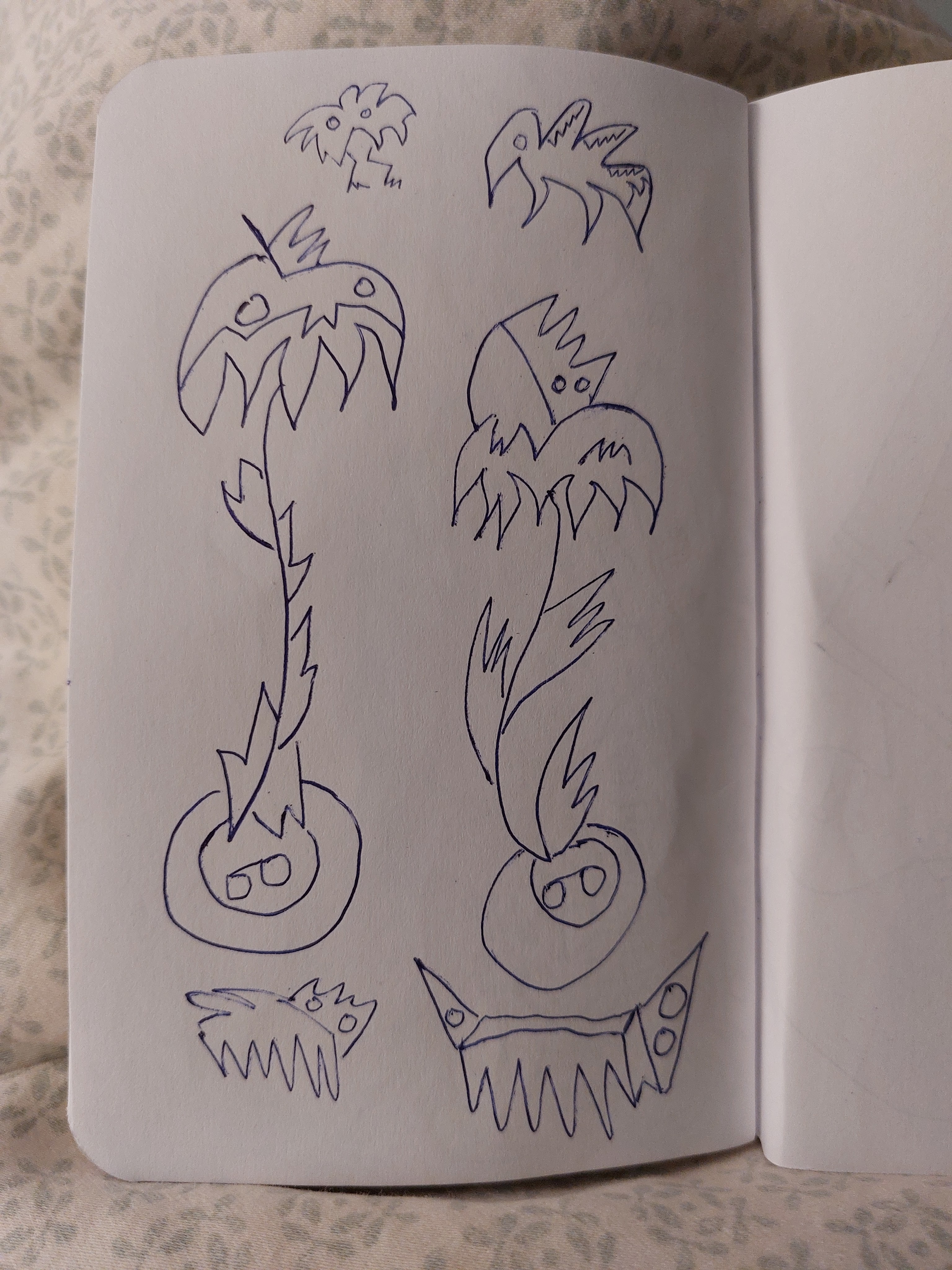
-
Ten Questions to Ask When Reading a Poem
1. An author brings words to a page, but he’s not necessarily the speaker of the poem, the I of the poem, who the poem is about. The speaker can be a fictional character the author has made up, like the narrator of a novel. And even if the poem is not written in the first person (I, me, we, our), there is still a speaker, a voice talking. The poem may be written in the second person (you, your) – here the speaker is like the writer of a letter. Who is the speaker talking to? Or a poem may be written in the third person: she, her, they. Or no person – the poem appears not to have a speaker. Consider the familiar corner Stop Sign. Who’s the speaker? Who’s the intended audience? White letters on a red background. Why red? Is the Stop Sign a poem? If we don’t ask questions of the obvious, we’ll soon have trouble reading poetry.
2. A poem, even if published in a so-called reputable and credible publication, is not necessarily a good poem (Joyce Kilmore’s “Trees”, for example, first appeared in Poetry Magazine in 1913). Don’t sweat it. But a poem might be considered good if it achieves its purpose, and maybe it’s the poem’s purpose that seems bad. There are many different kinds of poetry and poets. You don’t owe them anything. Like music, art and architecture, TV shows and movies – there are wheels within wheels that bring them to our attention, and while we might enjoy one type, we might want to avoid others. But your likes and dislikes don’t determine the worth or value of a song, a movie, a house, a photograph, a poem. Don’t ask if the poem is good or bad. Ask if the poem achieves its purpose. What is the poem’s purpose? To make you laugh, cry, shout, run and hide, feel guilty, happy, or sad? To inform or disinform? To instruct or deconstruct? To sing and dance, to perform? To protest? To affirm? To question?
3. Poets are like the Easter Bunny. They like to color and hide eggs. Reading a poem is like going on an Easter egg hunt. Take a dictionary along to hold the eggs you find. How many eggs are in your basket? But some poets are too good at hiding their eggs, and you don’t find any. Inside each egg is a secret.
4. What appeals are made to your senses? Do you know what things smell like? Are the rushes of sound given names? Is there something there too fearful to touch? Can you taste the words when you chew them? Can you see what’s being described as if within your very eyes?
5. Consider the layout of the letters and words. What’s the shape, the blueprint, the design? How many words and how many lines? Count them and write the numbers down. Any repetitions? How many syllables in each line? Are there patterns? Stepping stones? A path? Is this poem a rocky mountain to climb or a grassy hill to slide down? A wave to ride? An updraft to cruise?
6. Is the poem serious or joking or sarcastic, maudlin or lugubrious, childish or elderly, obscure or everyday, difficult or easy? Is something being taken too seriously? Is no one listening? Is it hokey? Is the poem long, short, fat, skinny, bony, chewy, sinewy?
7. Where is the speaker? At home, work, asleep? In the country, city, at the ballpark? In a church, a mall, about to jump off a pier? On a bus, in a rush, at home or far far away? In a classroom, at the front behind a podium? Or at a desk somewhere down one of the aisles. Standing in a pulpit? Sitting on a stool at the tavern? At home cooking dinner? Walking in a garden? In a garage, basement, or attic? On a mountain top, in a cave, walking on a beach. Is the time of day morning, noon, or night? The season spring, summer, fall, or winter? Are you still on planet Earth? Is the poem an animal, a plant, a virus? A sun, the moon? Water?
8. What does reading the poem make you feel like? Informed, betrayed, loved, ignored? Is the speaker rash, anxious, angry, happy, tearful, mournful, gracious, patient, loving, kind, mean? Do her feelings rub off on you? Does she make you feel stupid or smart? Bored? Tired out? Afraid. Brave.
9. Would you read this poem again? Recommend it to a friend? Tape it to your icebox door? Write it out and carry it around in your wallet or purse? Toss it? Shred it, frame it, post it? Would you memorize this poem? Where did you find this poem? Would you hide this poem in your most secret place? Would you staple this poem to a telephone pole?
10. Does the poem ask you to do something? Go somewhere? Misbehave or pray? Listen or talk back? Repeat or move on? Sink or swim? Write your own poem? The field is open, never crowded. Whatever else you might do or ask, do not ask what it means.
-
This is a poem
This is not
a knotty poem
not a problem
to be solved
not some sort
of joke jest
or just a blog
post looking
for a pic
a prom corsage.
What it is
can’t be said
without it
disappearing
like an old
phone book entry
EAstgate 3128
for example
back in the day
before answering
machines when
comments off
meant leaving
the phone off
the hook spoiling
the party line.
This is a poem
you have a message.
-
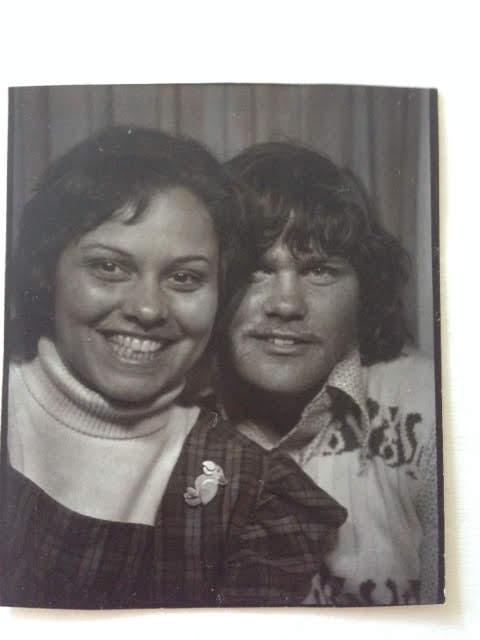
On the Selfie Taped to the Icebox Door
In every selfie
it must be told
lies a tale
of growing old.

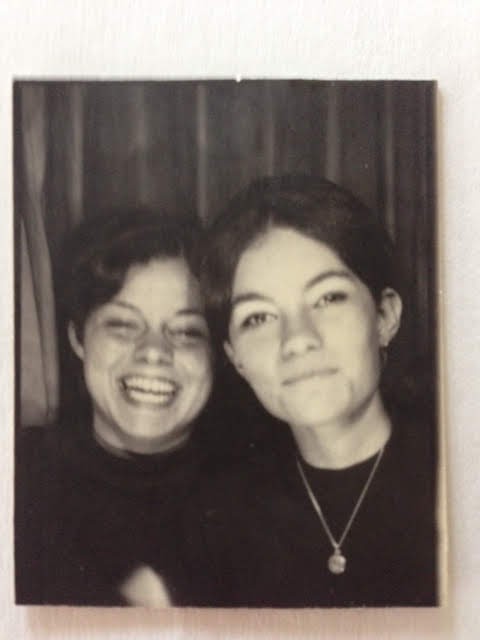
You may remember when
into the booth with them
a quarter and a whim
you fit two to a frame.

Now and then we look
into an old book
but nothing says us now
like the smiling fun brows

taped to the icebox door
these 50 years or more
when back in our heyday
we posed stuck forever.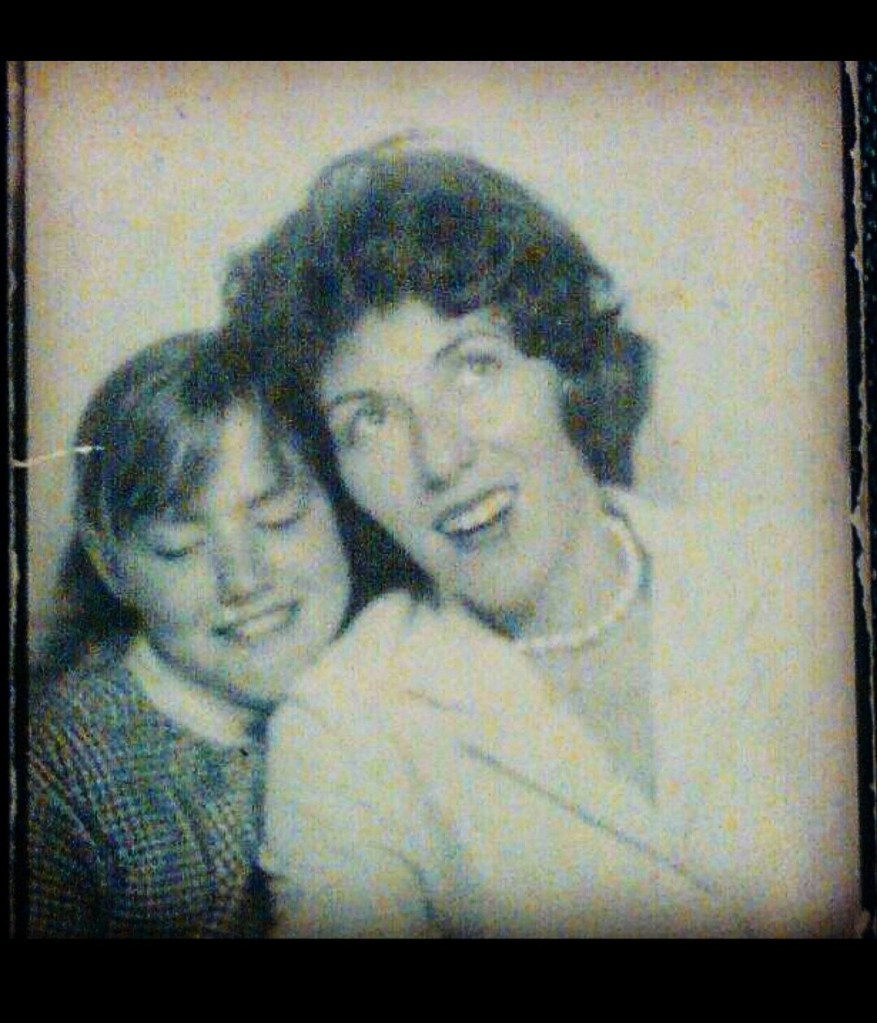
-
All A Draff
All a draff
   a draft
     raking thru
 the dregs
     adrift
          adrift

I am not a robot
  Motorcycles
     Traffic Lights
 Buses Adrift
     No schedule
     No route map

To the Dark
  Sidereal
      I am not
 Art I Fish All
and dreg up
cups bottom

Cross Walks
     To & fro
  each cross
its own horizon
   where the sky
meets the water

geometric requirements
  Social Skills
(any skills
for that matter)
   Marriage Classes
     Reading Glasses

I had a friend
  Who had a friend
     I did
 befriend
But that's not how
   I then met you

They were discussing
Punctuation &
Grammar by which
They meant
To say nothing of
The Endgame

Which caused me
To think of you
Your dust at sea
All along the edge
Where things fall
Off the way things go

and pile up
  one thing
    on top of
      another
akimbo
  a draff

adrift
 nimble-fingered
   tho rathe
rather nippy
nimble
masterly

Anyway we
We were talking
About what
Hard to know
A flow
Of pics & tics

That's not true
What I sd earlier
When I sd I am
Not "a machine resembling
a human being and able
to replicate certain human
movements and functions
automatically.

'the robot closed the door behind us'"

I am a robot
Forced to crawl
Adrift across
Back and forth
Sweeping up
After you

Pic after pic
Falling
Failing
Fishing
Adrift
A draff draft

A daff
Salt water
Taffy
"she told me that my music
was perfectly wonderful,
and taffy like that"

"according to R.U.R. management
the robots
do not 'like'anything."
Are you are
or Are you not
a robot

I'm not now
Sure
But years
Have pissed
And still
I'm here a bit

But true a
Drift a draft
Replaceable
In War with the Nerds
Dork and Dweeb
Figure prominently

Dwork wants
To go Rome
Deeb reminds
They don't have
Stars on their
DL's

Here a bit
There a bot
Everywhere
A bit bot
To boot
To turn up

A turnip
In yr pocket
Proves yr not
A total android
A mess on some
Scientist's bench

Turn on
Tune in
Drop out
"During his last decade, Leary proclaimed the 'PC is the LSD of the 1990s' and re-worked the phrase into 'turn on, boot up, jack in' to suggest joining the cyberdelic counterculture."

Drift on
Draft in
Draff out
Right on
Write stuff
Write Off -
I Want To Hold Your Hand
I want to hold your hand
rub your legs and feet
pour you a cup of coffee
after a long lonely sleep
I want to hold your hand
walk in shallow water
in the wet sand sit
in the hollow of your hand
I want to hold your hand
when we enter the tunnel
and still hold your hand
as our ride comes to end
I want to comb your hair
follow you where you dare
rhyme your deepest stare
to hide your serious side
When we talk now of lives
past it’s like we were
not actually there each
day a step closer further
Which is why all I wanna
do is reach out to you
without an app in hand
I want to hold your hand
The heart can hold but one
song a lifelong spinning
wheel twists and turns
what for hands are made -
Susanna, Susanna
In the morning when you wake up
down by the open sea
In the afternoon sleeping
under the Standard Oil pier
In the evening when you call me
“Come out, come out, wherever you are!”
Drove my 56 Chevy into Playa del Rey
up above Toes view of the Bay
Walk through the park to St Anthony’s
where the family says their I do
The rest as they say is his story
something always being rewritten
Susanna, Susanna, I can’t say your name
all I have to give you is more of the same. -
My Monster
My monster comes to get me
dressed in poetry and prose,
diacritics pierce his eyebrows,
a cedilla hangs from his nose.He lives in the black hole
beneath my buried bed,
appears when the burning
bushes line the Boulevards.His chivalry is notable,
doors open automatically,
I ride in his convertible,
down to his sun full sea.Then with rhyme but why
I can’t reason, half way there,
he pulls over and yells, “Get
out, you lout! Begone!” -
One for the Money
One for the money
two for the shoe
three to go steady
Now that’s a waltz
across Venice
with Susan
Then easy lounge
on our dos-à-dos
rear to gear
Tipped over resembles
the Los Angeles Basin
but the Bay empty
The rush and roll
of a crushed sea
as we run away
To escape the beasts
the biblical babble
of Hollywood
Wait – run too extreme
we waltz off
in closed position. -
On a Bench Above the Beach
benched no thing
to do but think
of you sitting too

our about pages
empty as lulled sails
beached at low tide

pools full of purple
blue soft urchins
pearly shells orange

beaked tufted puffins
burrowed in offshore
seastack seagrass over

this brackish backwash
here sit out and wait
out our night and day

the path thru the grass
lost there's an old
beach towel taken aback

foxes and pirates comb
the beach nightly gliss
in ocean moonglow

that's what it was now
you know again why we
sit out in fog or sun

it was a planning session
your father failed to land
his boat jilted broke up

side down nothing
we could do to help
but worsen the storm

dashed days of our
swimming up this
drift and I look

at you asleep
on our bench
in a beach towel

the war is on
at El Porto Tavern
smoke oil and grease

and all along
the strand in
the beachfront

pads on TVs
and Miss Hermosa
of 1942 awakes

in her Southbay
apartment and calls
the National Guard

to catch the kids
who stole her towel
a sole lifeguard...

suddenly the film
snaps and flaps
the sound of flip

flops walking away
down the strand
toward Redondo
 The Coming of the Toads